Cassia Bark Extract
INCI: Cinnamomum Cassia Bark Extract
Antioxidant and soothing botanical extract
About Cassia Bark Extract
Cassia Bark Extract, derived from the inner bark of Cinnamomum cassia (Chinese cinnamon), is a potent botanical ingredient that has earned its place in K-beauty formulations for its dual antioxidant and soothing properties. Unlike the sweet cinnamon you might sprinkle on your latte, cassia bark extract used in skincare undergoes careful processing to concentrate its beneficial compounds while minimizing potential irritants. This extract is rich in cinnamaldehyde, polyphenols, and flavonoids that work together to protect skin from environmental stressors and calm inflammatory responses. In K-beauty, cassia bark extract appears frequently in cleansing products (it's found in 85 products on Seoul Sister, many of them cleansers rated 4.9 to 5.0 stars), where it serves a strategic purpose: helping to neutralize the potential irritation that cleansing surfactants can cause while providing antioxidant protection during the vulnerable moment when your skin barrier is most exposed. The extract's warm, aromatic nature also made it a natural candidate for products focused on sensorial experience. However, its safety rating of 2 out of 5 reflects an important consideration. While beneficial at low concentrations in rinse-off products, cassia bark extract contains compounds that can be sensitizing for some individuals, particularly those with reactive skin or cinnamon allergies. Its low comedogenic rating of 1 out of 5 means it rarely clogs pores, making it suitable for most skin types when formulated correctly.
How Cassia Bark Extract Works
Cassia bark extract operates through multiple mechanisms at the cellular level. Its primary active compound, cinnamaldehyde, activates TRPA1 receptors on skin cells, which triggers a mild warming sensation and stimulates microcirculation without causing inflammation. This increased blood flow helps deliver oxygen and nutrients to skin cells while removing metabolic waste. The extract's polyphenolic compounds, including proanthocyanidins and catechins, function as free radical scavengers by donating electrons to unstable molecules, effectively neutralizing reactive oxygen species (ROS) that cause premature aging and cellular damage. These same polyphenols inhibit the expression of pro-inflammatory cytokines like IL-6 and TNF-alpha, which is why cassia bark extract can calm redness and irritation despite containing potentially sensitizing compounds. The mechanism is dose-dependent: at low concentrations typically used in K-beauty products (usually 0.1 to 1 percent), the soothing and antioxidant effects dominate, while higher concentrations can tip toward irritation. The extract also demonstrates antimicrobial properties by disrupting bacterial cell membranes, which contributes to its preservation capabilities in formulations and can benefit acne-prone skin when used appropriately.
Cassia Bark Extract by Skin Type
Oily Skin
Cassia bark extract works well for oily skin types, particularly in cleansing formulations where its antimicrobial properties can help manage excess sebum and prevent pore congestion. The low comedogenic rating (1 out of 5) means it won't contribute to breakouts, and its antioxidant capacity helps protect oily skin from oxidative stress caused by sebum oxidation. However, if you have oily skin that's also sensitive, patch test products containing this ingredient first.
Dry Skin
Dry skin can benefit from cassia bark extract's antioxidant protection and circulation-boosting properties, but this ingredient doesn't provide hydration or moisture on its own. Look for it in cleansers where it serves to minimize irritation from surfactants rather than in leave-on products where prolonged contact might cause sensitivity. The extract works best for dry skin when combined with humectants and emollients in the same formulation.
Combo Skin
Combination skin is often an ideal match for cassia bark extract, especially in cleansing products that need to balance different zones of the face. The extract's ability to soothe without adding oil makes it suitable for the T-zone, while its antioxidant properties benefit drier cheek areas. Products like the Mild But Deep Cleansing Water by HYAAH (4.9/5) demonstrate how cassia bark extract can work across multiple skin concerns in one formulation.
Sensitive Skin
This is where the safety rating of 2 out of 5 becomes most relevant. Sensitive skin types should approach cassia bark extract with caution, as cinnamaldehyde can trigger reactions in people with reactive skin or cinnamon sensitivities. That said, many sensitive skin users tolerate it well in rinse-off products at low concentrations, where contact time is minimal. If you have sensitive skin, start with products that feature cassia bark extract lower in the ingredient list and always patch test. Avoid leave-on products containing this extract if you know you're reactive to cinnamon.
Normal Skin
Normal skin typically handles cassia bark extract without issues and can take full advantage of its antioxidant and soothing benefits. The ingredient helps maintain skin health by protecting against environmental damage and supporting the skin's natural defense mechanisms. In cleansing products like the Blue Freedom Capsule Cleansing Foam by Beplain (5.0/5), it contributes to a thorough yet gentle cleanse that doesn't disrupt normal skin's balanced state.
How to Use Cassia Bark Extract
- 1Start with rinse-off products (cleansers, masks) before trying leave-on formulations, as shorter contact time reduces the risk of sensitivity while still providing antioxidant benefits.
- 2If you have a known cinnamon allergy or have reacted to cinnamon in food or other products, avoid cassia bark extract entirely, as the cross-reactivity is high.
- 3Look for cassia bark extract in the middle to lower third of ingredient lists, where concentrations are typically low enough to provide benefits without irritation.
- 4Pair products containing cassia bark extract with soothing ingredients like centella asiatica or beta-glucan to enhance the calming effect and buffer any potential sensitivity.
- 5Use cassia bark extract products in your evening routine when your skin is less exposed to environmental stressors, allowing the antioxidant properties to work during skin's natural repair phase.
Background
Cassia bark has a documented history spanning over 4,000 years in Traditional Chinese Medicine, where it was prized as one of the 50 fundamental herbs. Ancient texts describe its use for promoting circulation and warming the body, properties that translate interestingly to modern skincare applications. While true cinnamon (Cinnamomum verum) was the luxury spice of ancient Rome, cassia was the more common, robust variety used throughout Asia. K-beauty brands began incorporating cassia bark extract in the early 2010s as the industry shifted toward botanicals with documented traditional use and modern scientific backing. The ingredient gained traction particularly in cleansing products, where formulators recognized its ability to provide antioxidant protection during the cleansing process, a moment when skin is vulnerable to oxidative stress from water, surfactants, and environmental exposure. Today, cassia bark extract represents K-beauty's philosophy of bridging ancient botanical wisdom with contemporary dermatological science, though always with careful attention to concentration and formulation context.
K-Beauty Products with Cassia Bark Extract
View all 88 →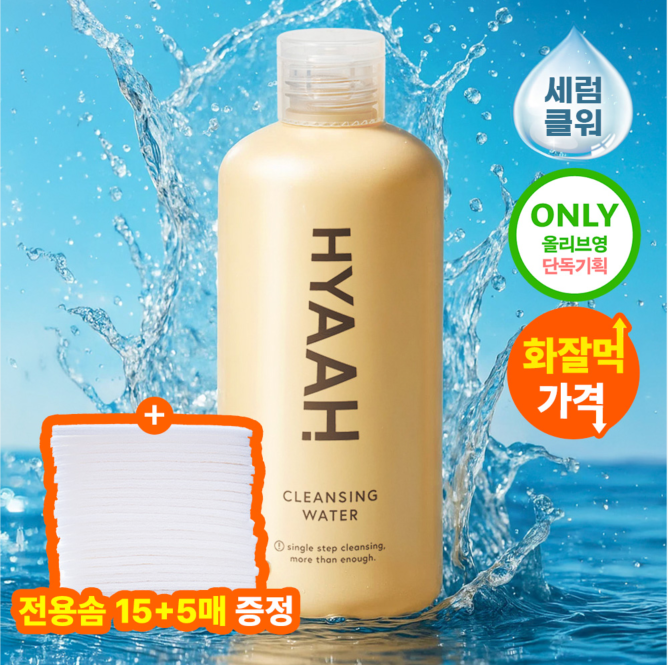
Mild But Deep Cleansing Water Set
HYAAH
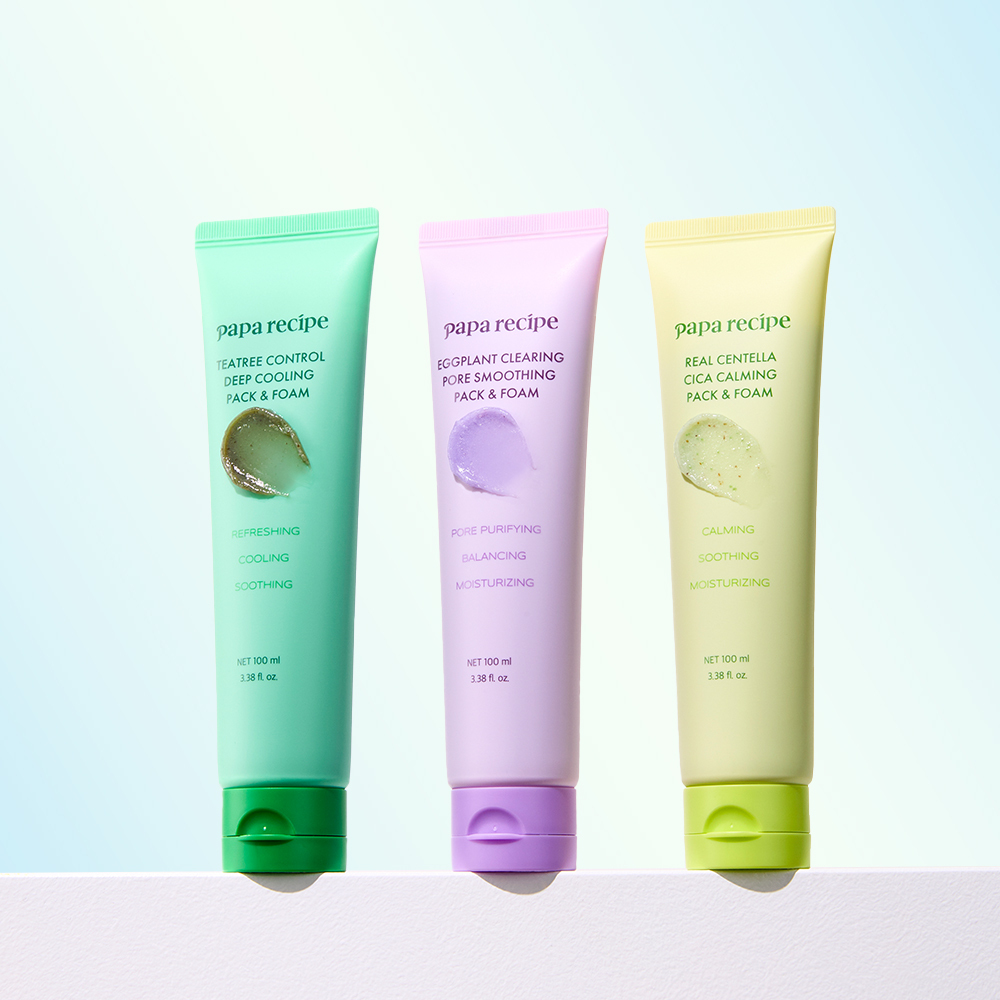
Pack & Foam (Real Centella/Eggplant Clearing/Teatree Control)
Papa Recipe
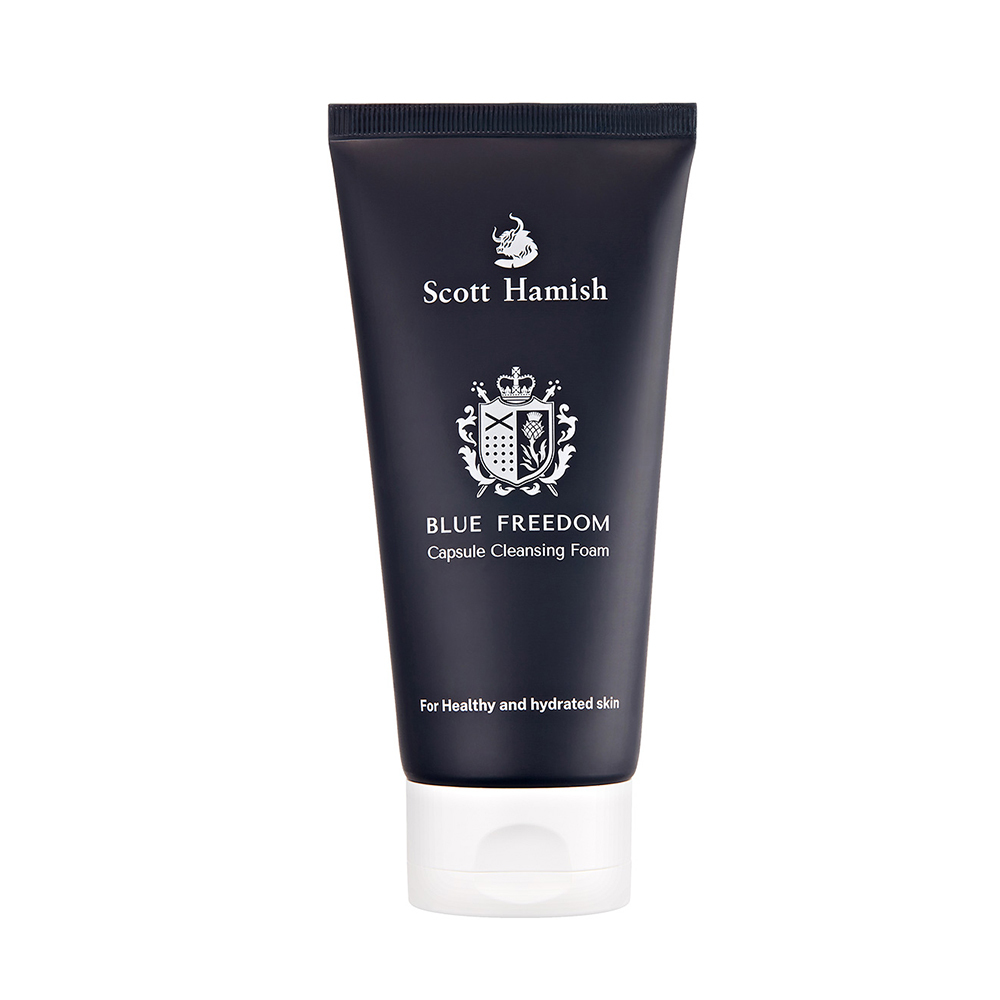
Blue Freedom Capsule Cleansing Foam
Beplain
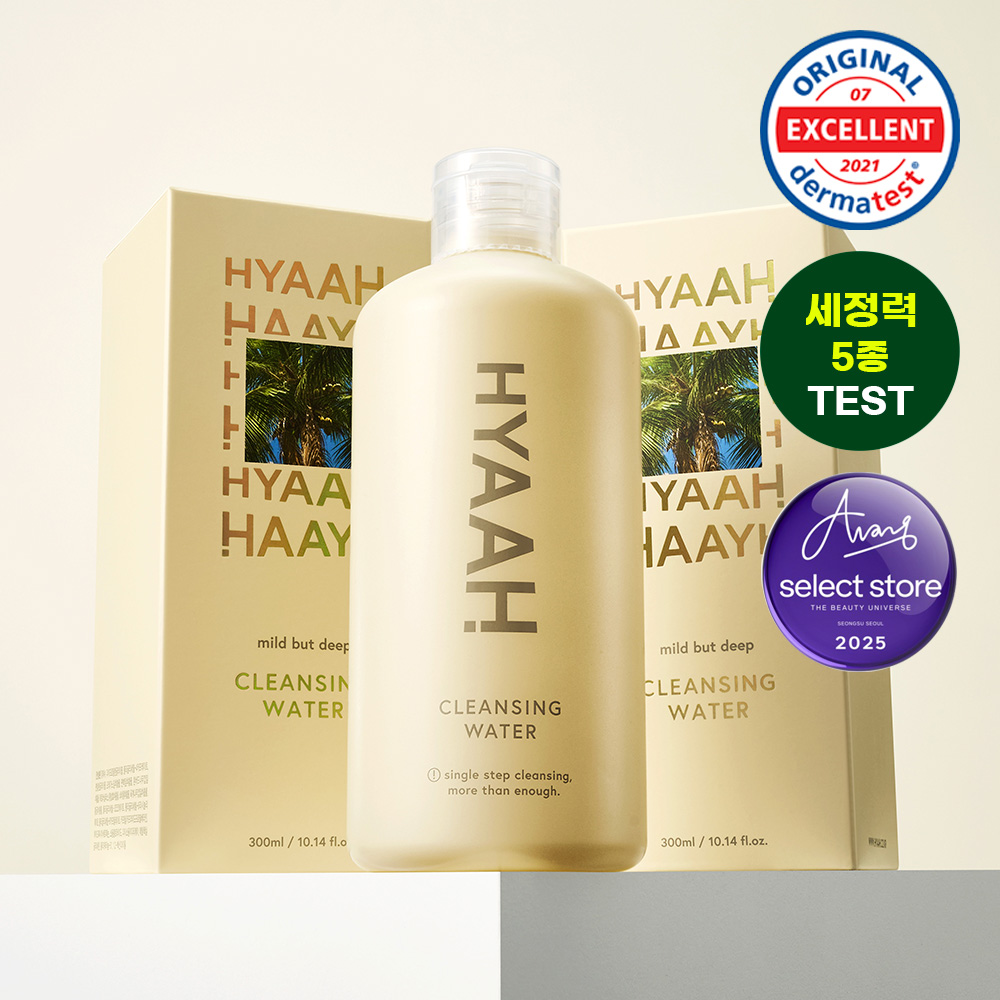
Mild But Deep Cleansing Water
HYAAH
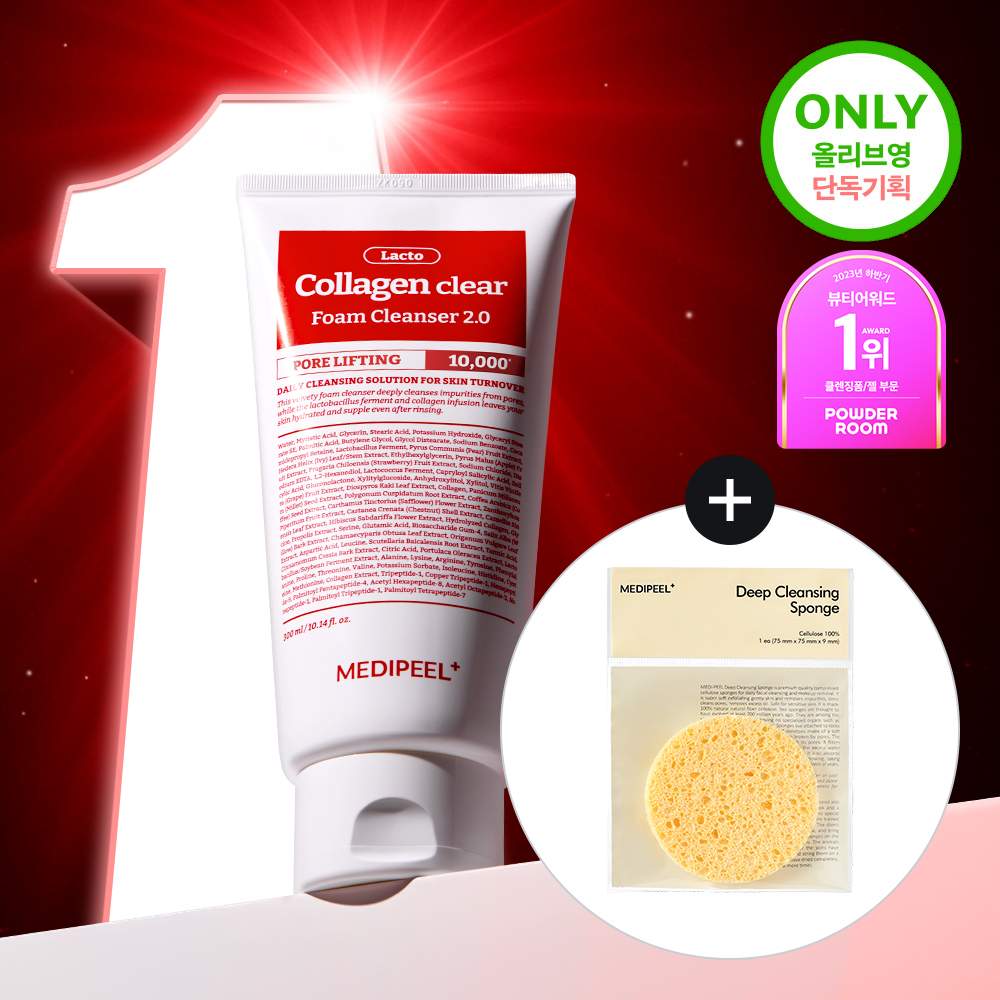
Red Lacto Collagen Clear 2.0 Special Set
Medi-Peel
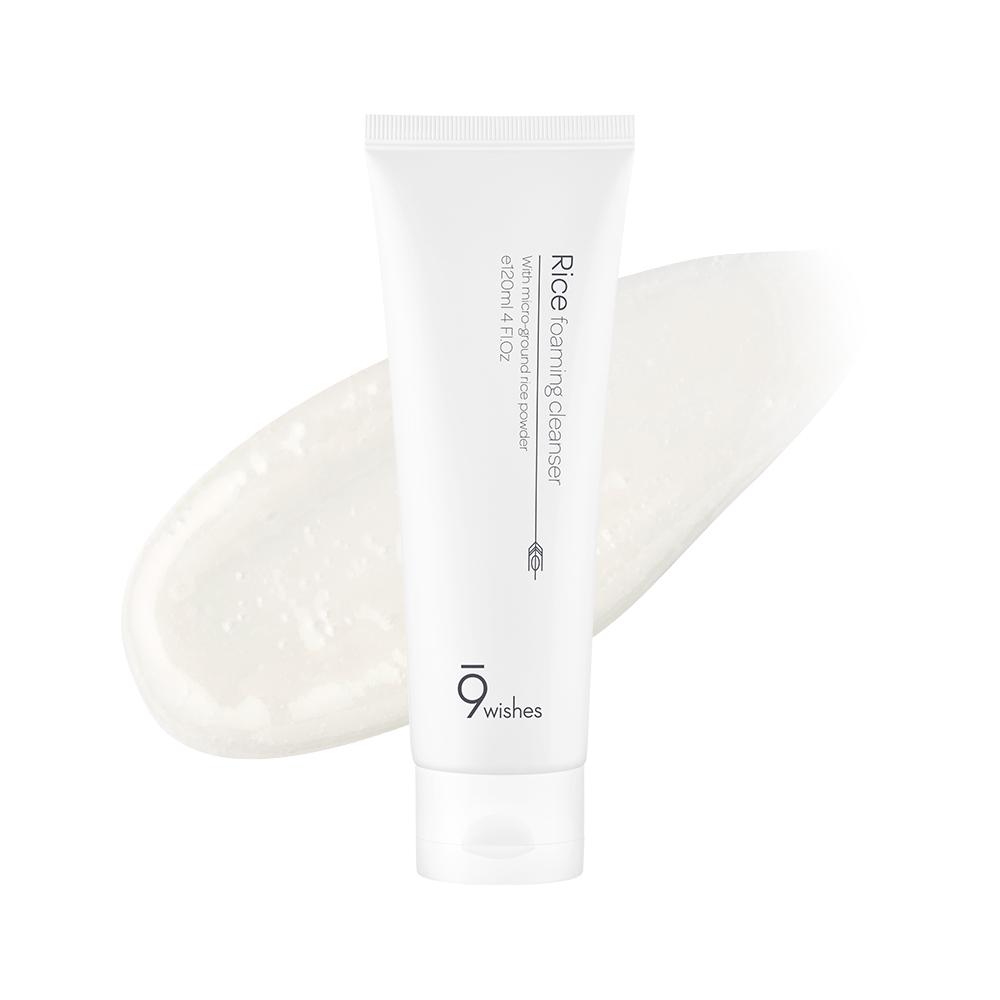
Rice Foaming Cleanser
9wishes

Super Melting Sebum Softener
Ilso
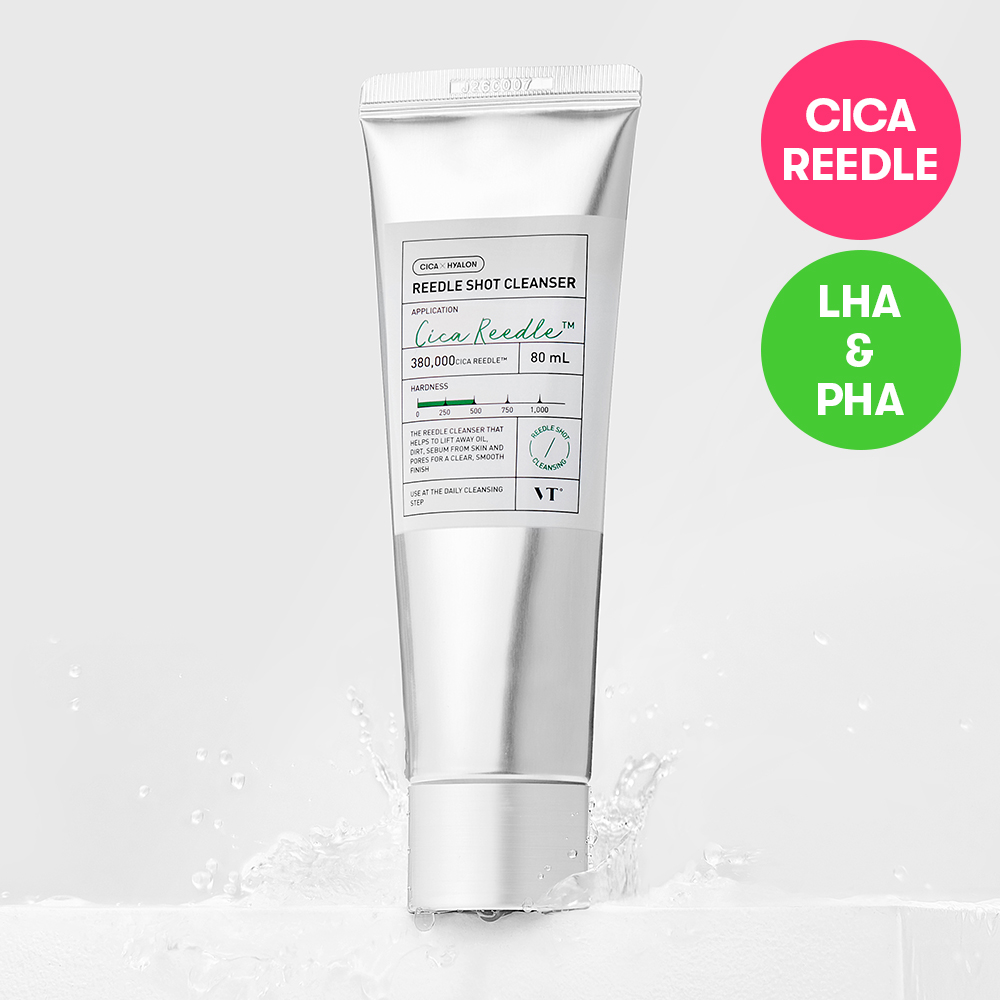
Reedle Shot Cleanser
VT
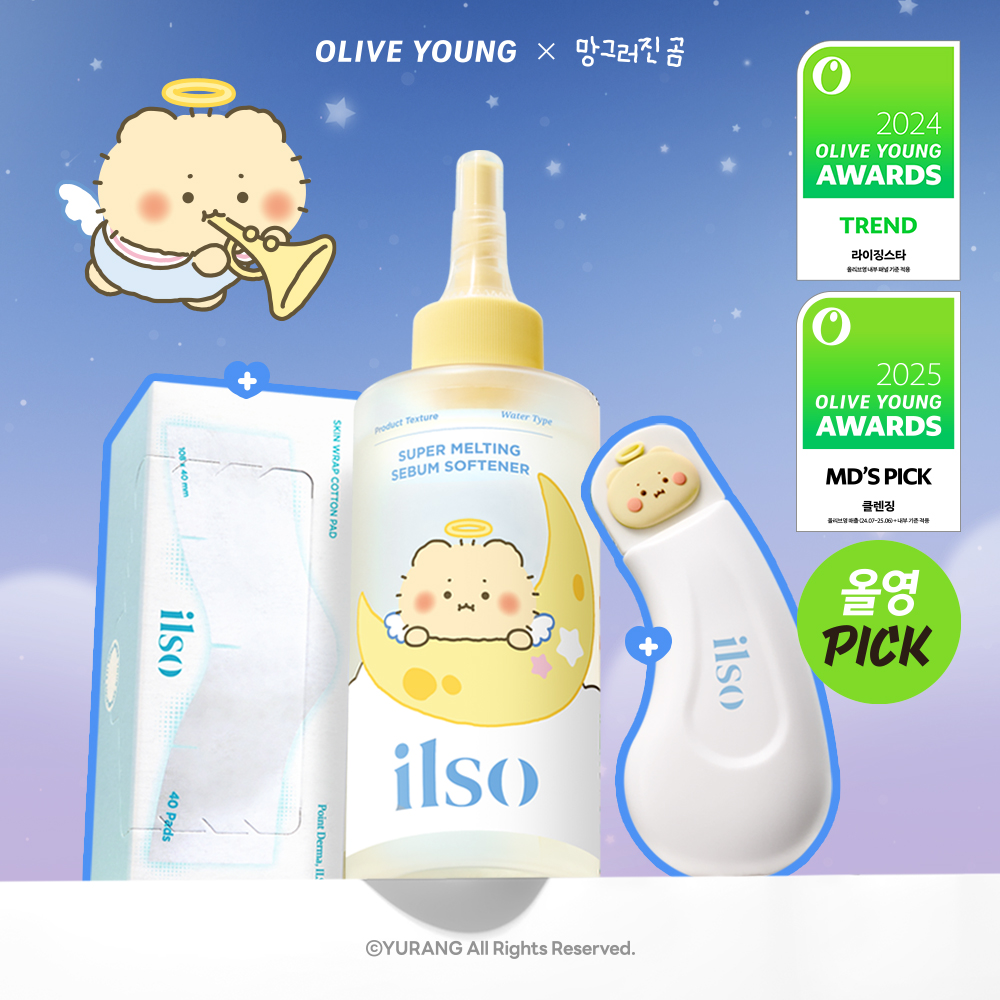
Super Melting Sebum Softener Set
Ilso
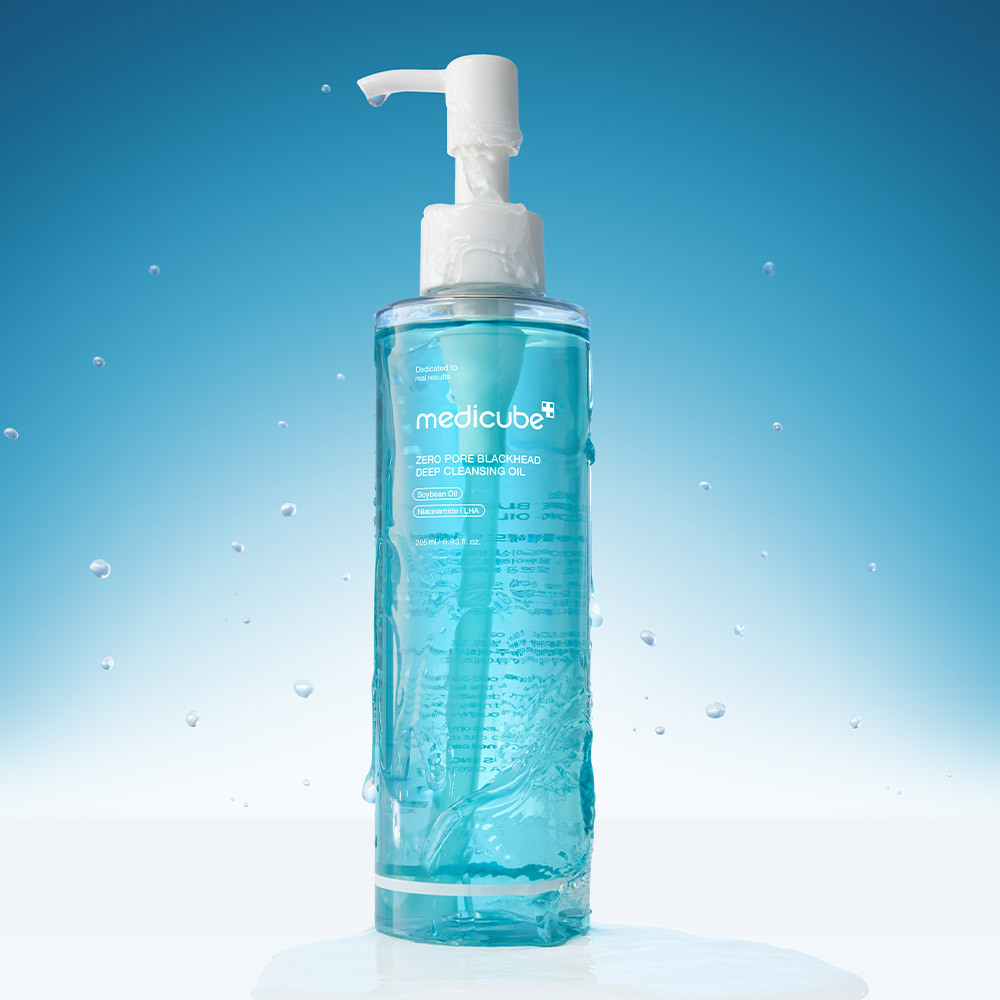
Zero Pore Blackhead Deep Cleansing Oil
Medicube
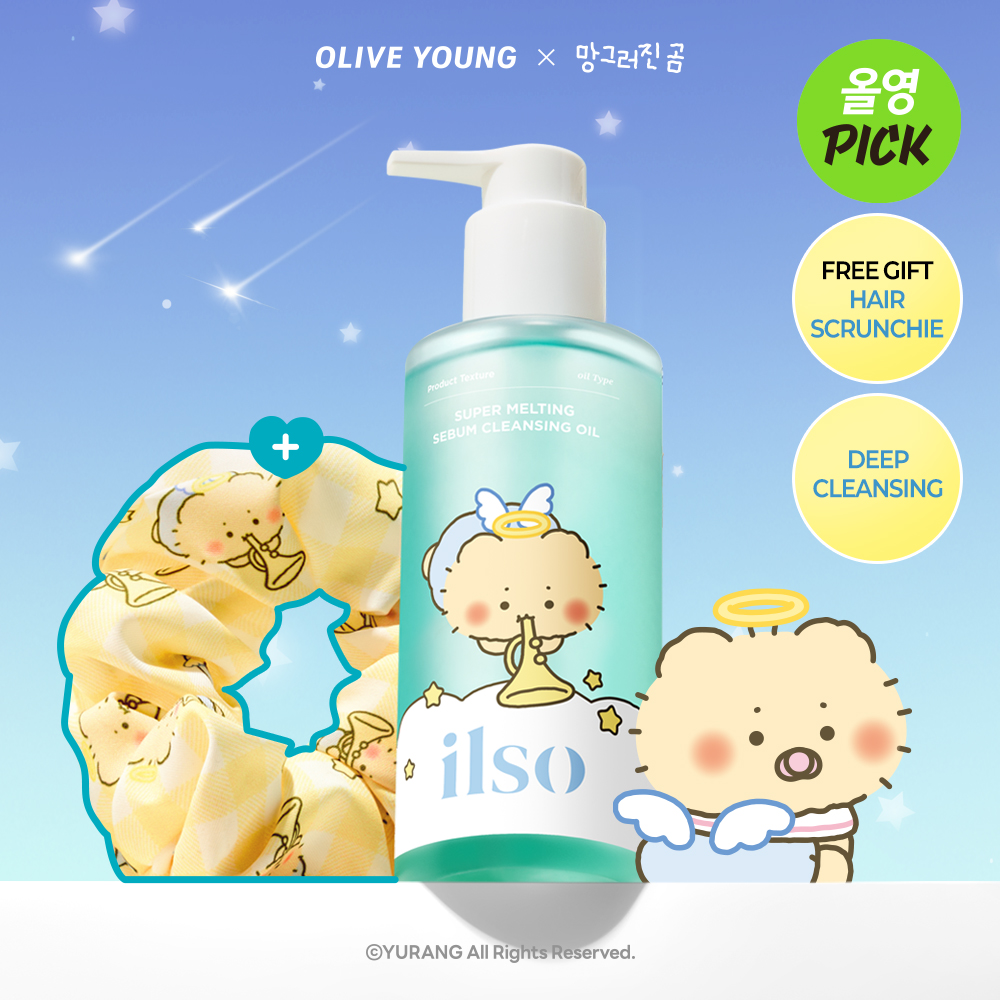
Super Melting Sebum Cleansing Oil
Ilso

Extra Super 9+ Active Stick
Medi-Peel
Frequently Asked Questions
Is cassia bark extract the same as cinnamon in skincare?▼
Why does cassia bark extract have a low safety rating if it's in so many highly-rated products?▼
Can I use cassia bark extract if I have acne-prone skin?▼
Should I avoid cassia bark extract in summer or when using actives?▼
Explore More
Want personalized ingredient advice?
Yuri, our AI beauty advisor, can tell you how Cassia Bark Extract works with your specific skin type, routine, and concerns.
Ask Yuri, free