Bergamot Leaf Extract
INCI: Citrus Aurantium Bergamia (Bergamot) Leaf Extract
Antioxidant and soothing botanical extract
About Bergamot Leaf Extract
Bergamot leaf extract is a botanical ingredient derived from the leaves of the bergamot citrus tree (Citrus aurantium bergamia), native to Southern Italy. Unlike bergamot essential oil, which comes from the fruit's rind and contains potentially irritating compounds like bergapten, the leaf extract offers a gentler profile rich in polyphenols and flavonoids. In K-beauty formulations, it serves a dual purpose as both an antioxidant and a soothing agent, helping to calm inflammation while protecting skin from environmental stressors. Korean formulators favor bergamot leaf extract for its ability to deliver the benefits of citrus botanicals without the photosensitivity risks associated with bergamot oil. It appears in 50 K-beauty products on Seoul Sister, including top-rated cleansers and serums from brands like Round Lab, SUM37, and Numbuzin. The ingredient carries a comedogenic rating of 1/5, making it suitable for most skin types, though its safety rating of 3/5 reflects its nature as a fragrance component that may cause sensitivity in some users. Its popularity in Korean skincare stems from the philosophy of leveraging plant-based actives that offer multiple benefits without overwhelming the skin. The extract's light, fresh scent also contributes to the sensorial experience that K-beauty products are known for, though this dual role as both active and fragrance ingredient requires careful consideration for those with reactive skin.
How Bergamot Leaf Extract Works
Bergamot leaf extract functions at the cellular level through its high concentration of polyphenolic compounds, particularly flavonoids like eriocitrin and hesperidin. These molecules work by donating electrons to neutralize free radicals generated by UV exposure, pollution, and metabolic processes, effectively preventing oxidative damage to lipids, proteins, and DNA in skin cells. The extract's anti-inflammatory properties stem from its ability to inhibit pro-inflammatory cytokines like IL-6 and TNF-alpha, which reduces redness and sensitivity. At the same time, its polyphenols help strengthen the skin's barrier function by supporting ceramide synthesis and preventing transepidermal water loss. Unlike bergapten-containing bergamot oil, leaf extract lacks significant amounts of these phototoxic furocoumarins, allowing it to provide antioxidant benefits without increasing photosensitivity. The aromatic compounds present in the extract, primarily linalool and linalyl acetate, contribute to its soothing effects through mild antimicrobial action while also providing the characteristic fresh scent. This multi-pathway approach makes bergamot leaf extract particularly effective in formulations designed to calm stressed skin while defending against environmental aggressors.
Bergamot Leaf Extract by Skin Type
Oily Skin
Bergamot leaf extract works well for oily skin due to its low comedogenic rating (1/5) and antioxidant properties that help control inflammation often associated with excess sebum production. The extract's mild astringent qualities can contribute to a mattifying effect without stripping skin. Its presence in top-rated cleansers like Round Lab's Pine Cica Deep Pore Cleansing Oil (5.0/5) demonstrates its compatibility with pore-focused formulations for oily complexions.
Dry Skin
For dry skin, bergamot leaf extract provides antioxidant protection while its soothing properties help reduce inflammation that can compromise barrier function. However, since it functions as a fragrance ingredient, those with very dry, sensitized skin should patch test first. The extract appears in hydrating products like Numbuzin's No. 1 Pantothenic B5 Active Soothing Cream (5.0/5), where it works alongside barrier-supporting ingredients to prevent moisture loss.
Combo Skin
Combination skin benefits significantly from bergamot leaf extract's balanced profile, as it addresses both oily and dry zones without aggravating either. Its low comedogenic rating means it won't clog pores in the T-zone, while its soothing properties calm any dryness or sensitivity on the cheeks. The ingredient appears in versatile products like SUM37's Secret Pore Ceramide Bubble Spray Serum (5.0/5), designed to work across multiple skin concerns simultaneously.
Sensitive Skin
Sensitive skin types should approach bergamot leaf extract with caution due to its fragrance component status, which explains its 3/5 safety rating. While the leaf extract is gentler than bergamot oil and offers genuine anti-inflammatory benefits, the aromatic compounds can trigger reactions in highly reactive skin. Patch testing is essential, particularly since the ingredient appears in exfoliating products like SUM37's Secret Rice Nuruk Daily Exfoliating Cleanser (5.0/5), where multiple active ingredients are present.
Normal Skin
Normal skin can enjoy the full benefits of bergamot leaf extract without significant concern, as it provides both preventative antioxidant protection and a pleasant sensorial experience. The ingredient's balanced profile makes it ideal for maintaining healthy skin function while defending against daily environmental stressors. Its presence in highly-rated products across multiple categories demonstrates its versatility for maintenance skincare routines.
How to Use Bergamot Leaf Extract
- 1If you have sensitive skin or known fragrance sensitivities, patch test products containing bergamot leaf extract on your inner arm for 24-48 hours before applying to your face, even though it's gentler than bergamot oil.
- 2Bergamot leaf extract pairs well with other antioxidants like vitamin C or niacinamide in morning routines, creating a synergistic defense against free radical damage throughout the day.
- 3When using products with this ingredient in exfoliating formulas (like cleansers with AHAs or BHAs), start slowly to assess your skin's tolerance to the complete formula rather than the extract alone.
- 4Although bergamot leaf extract lacks the photosensitizing furocoumarins found in bergamot oil, always follow up with SPF during the day, as all antioxidant routines work best when paired with sun protection.
- 5For maximum soothing benefits, look for products where bergamot leaf extract appears alongside calming ingredients like centella asiatica or panthenol, as seen in many of the top-rated products containing this ingredient.
Background
Bergamot trees have been cultivated in the Calabria region of Southern Italy since the 18th century, primarily for their aromatic fruit used in Earl Grey tea and perfumery. However, the use of bergamot leaves in skincare represents a more recent innovation that emerged as formulators sought gentler alternatives to traditional citrus oils. Korean skincare brands began incorporating bergamot leaf extract in the early 2010s as part of the broader K-beauty movement toward plant-based ingredients that offer multiple benefits without harsh side effects. The shift from fruit-derived oils to leaf extracts reflected growing scientific understanding of furocoumarins and photosensitivity, as well as consumer demand for effective but gentle botanicals. Today, bergamot leaf extract represents K-beauty's philosophy of thoughtful ingredient selection, where traditional botanical wisdom meets modern safety standards. Its presence in 50 products on Seoul Sister, including multiple 5.0-rated formulations, demonstrates how the ingredient has become a trusted component of Korean skincare's sophisticated approach to natural actives.
K-Beauty Products with Bergamot Leaf Extract
View all 50 →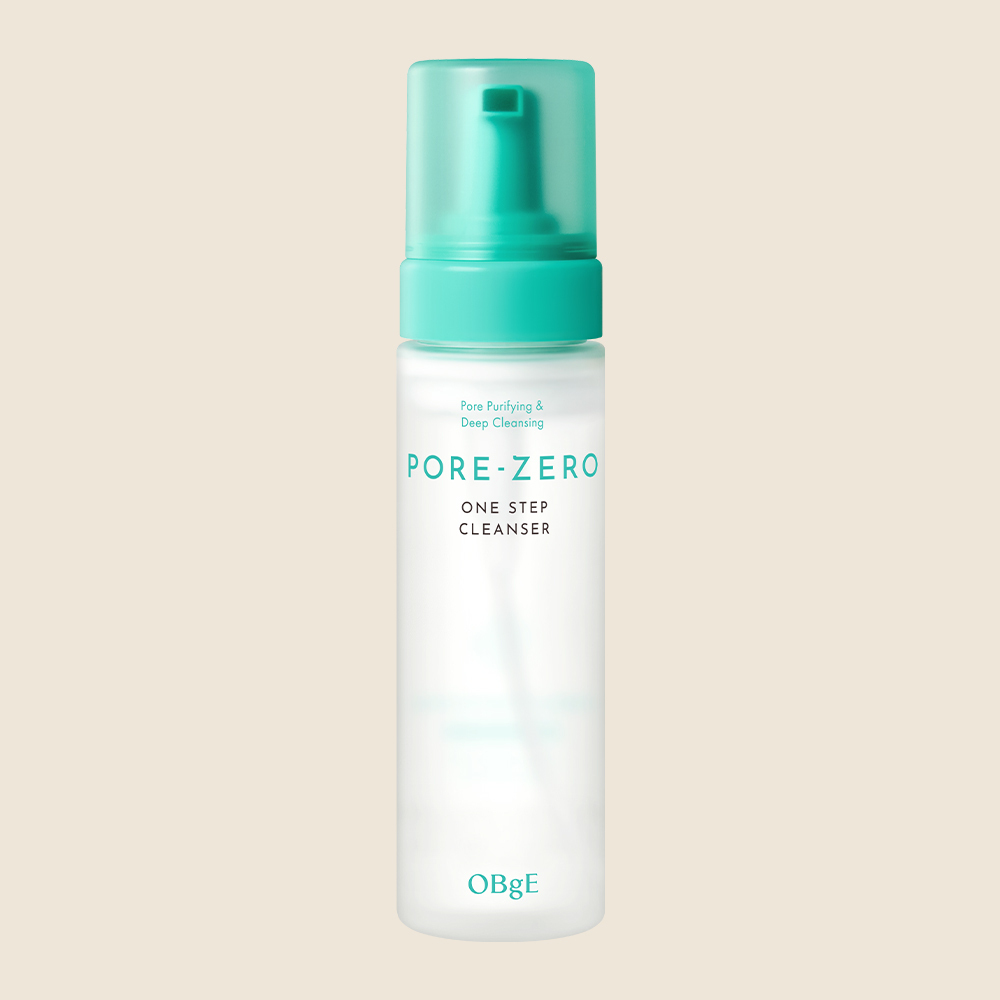
Pore Zero One Step Cleanser
OBgE
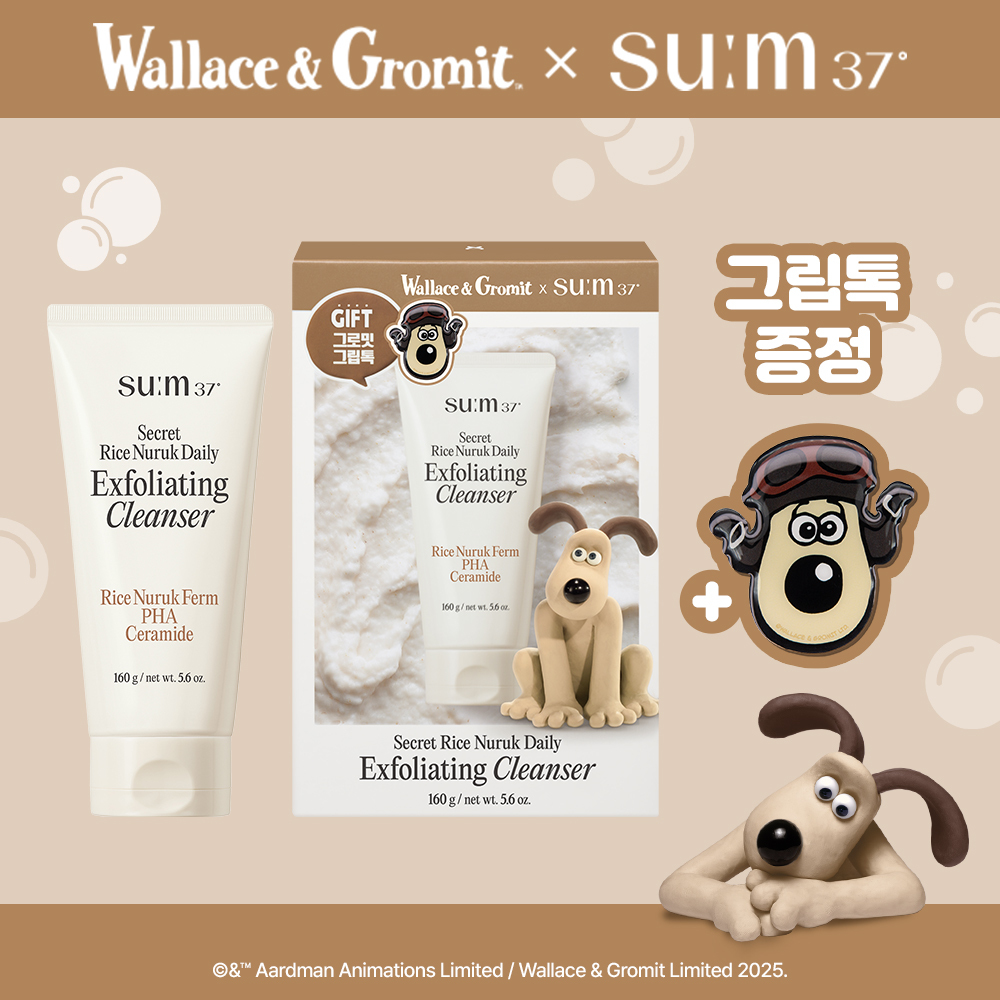
Secret Rice Nuruk Daily Exfoliating Cleanser
SUM37
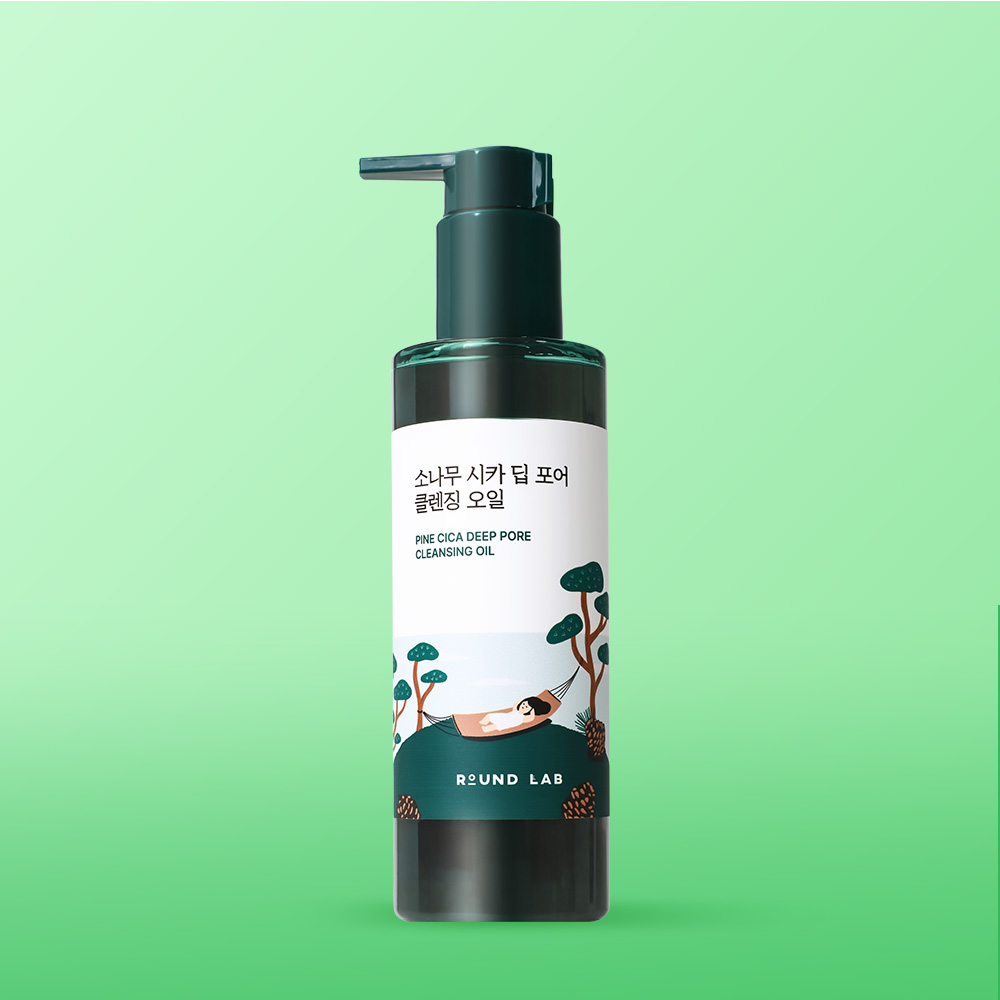
Pine Cica Deep Pore Cleansing Oil
Round Lab
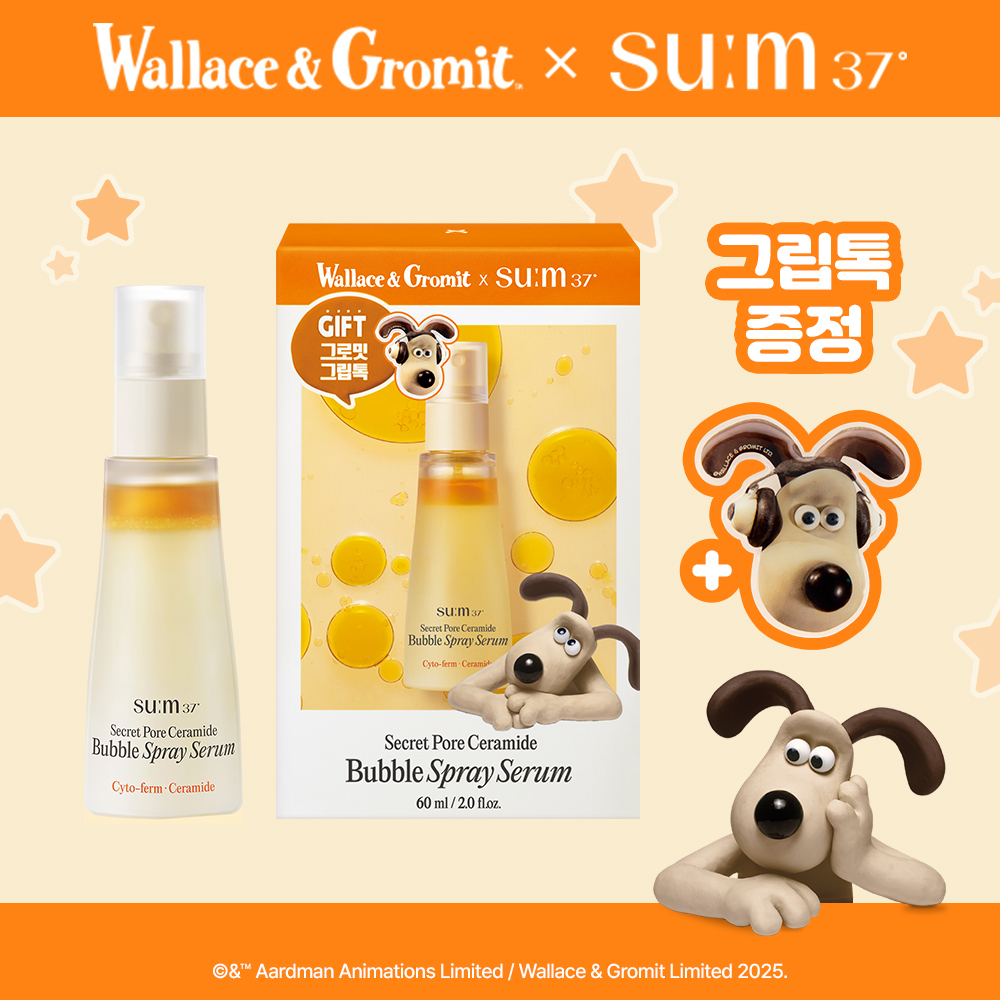
Secret Pore Ceramide Bubble Spray Serum
SUM37
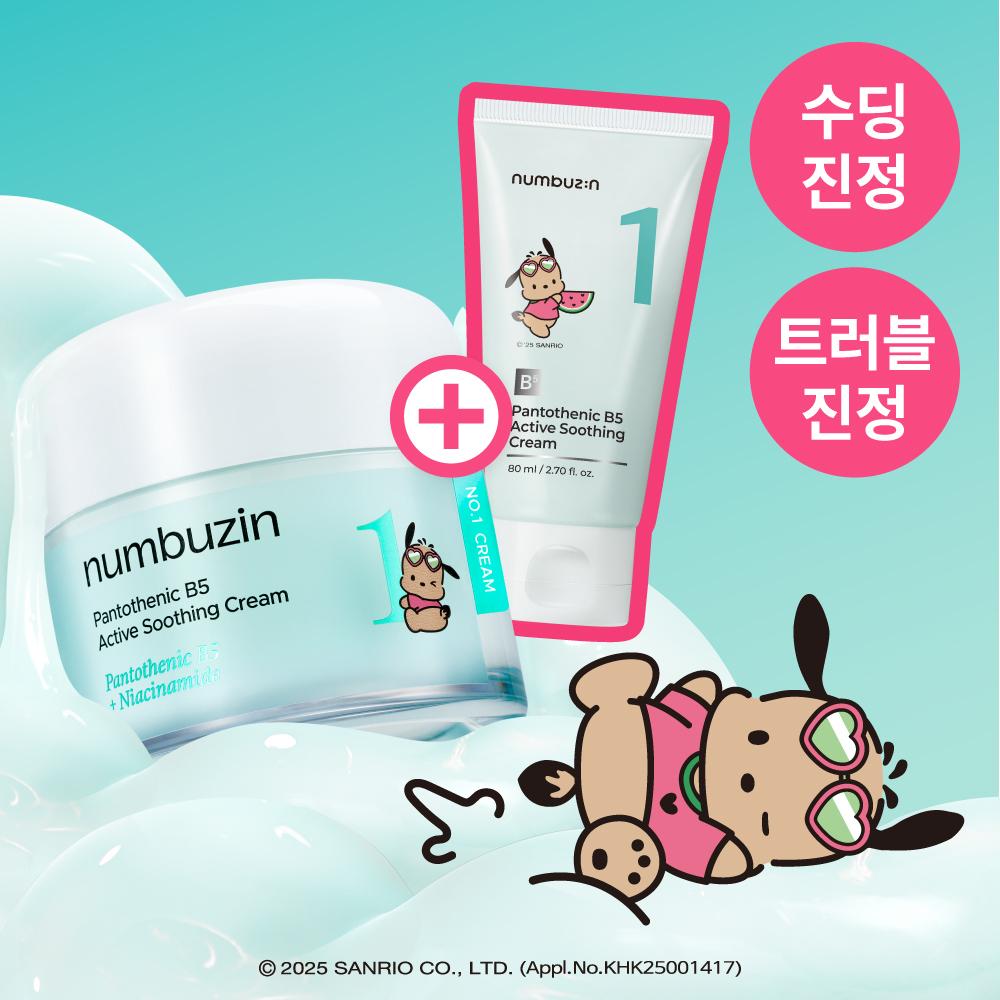
No. 1 Pantothenic B5 Active Soothing Cream Double Pack
Numbuzin
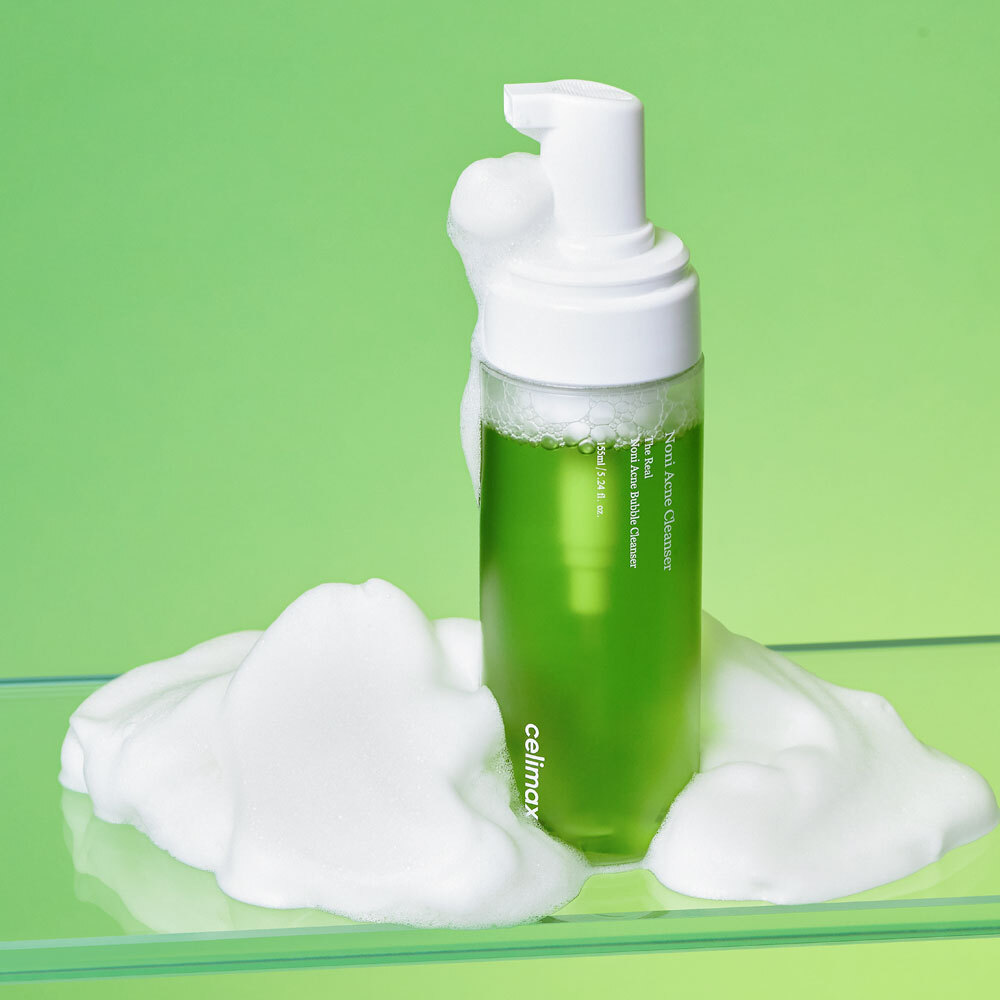
The Real Noni Acne Bubble Cleanser
Celimax
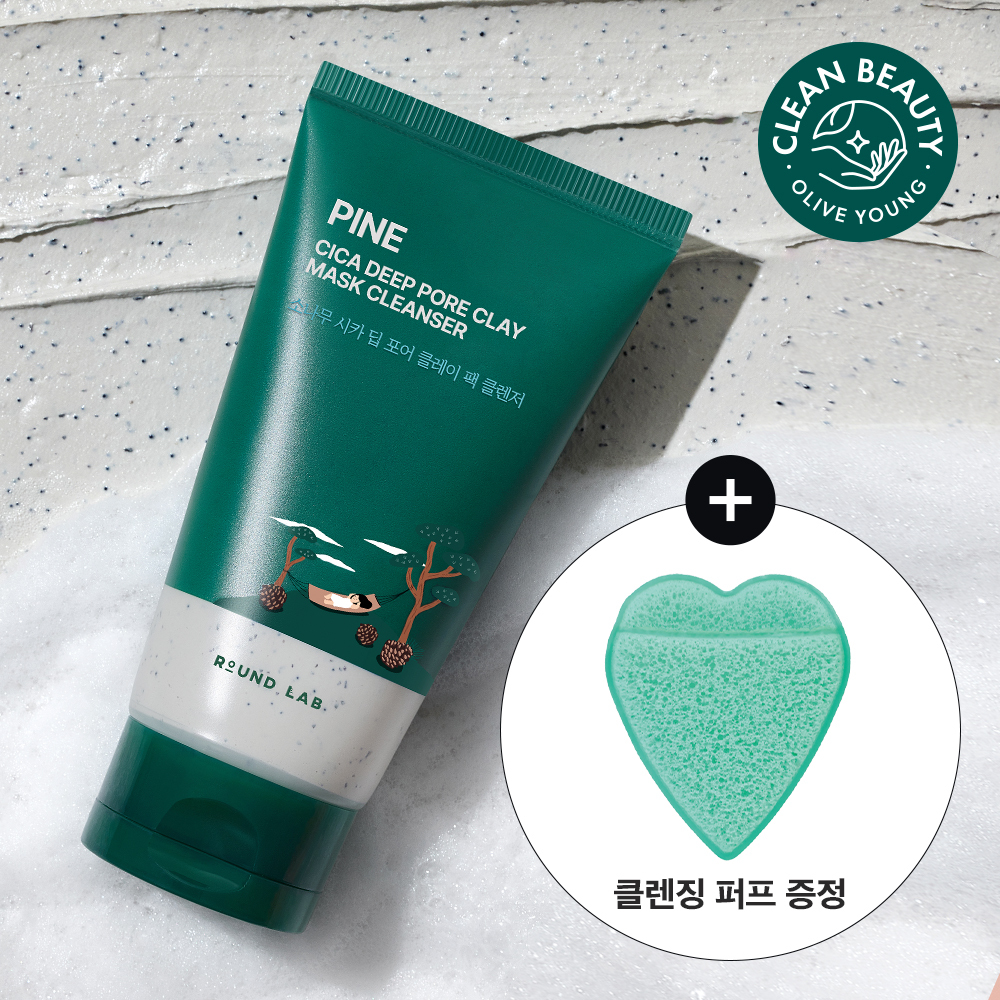
Cica Deep Pore Clay Mask Cleanser
Round Lab
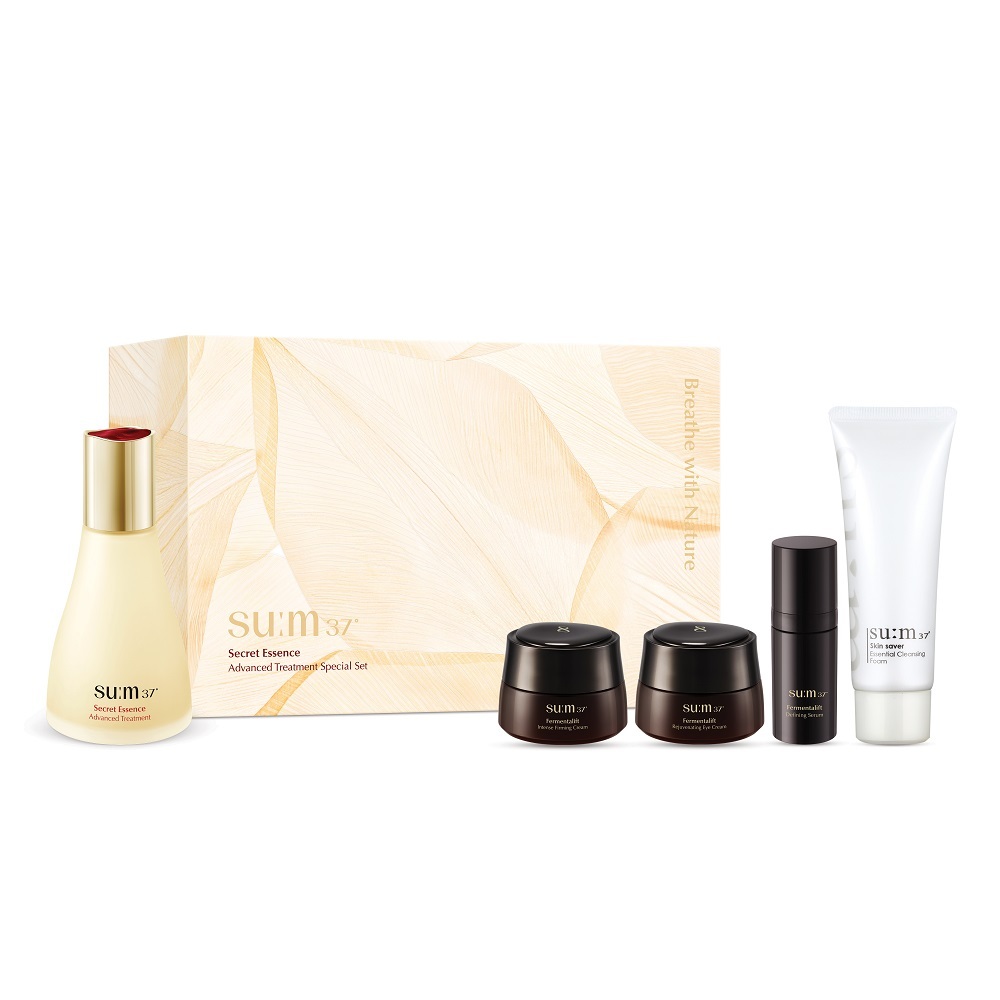
Secret Essence
SUM37
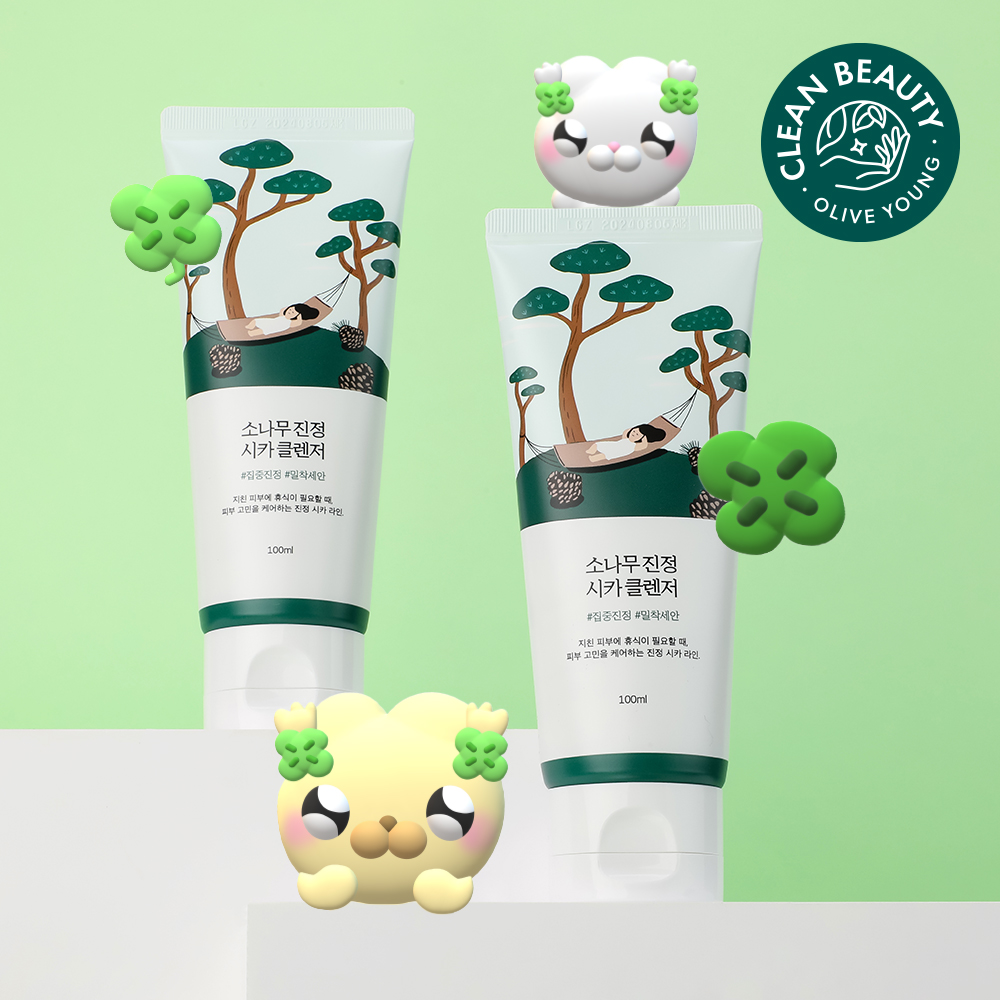
Pine Calming Cica Cleanser Double Pack
Round Lab
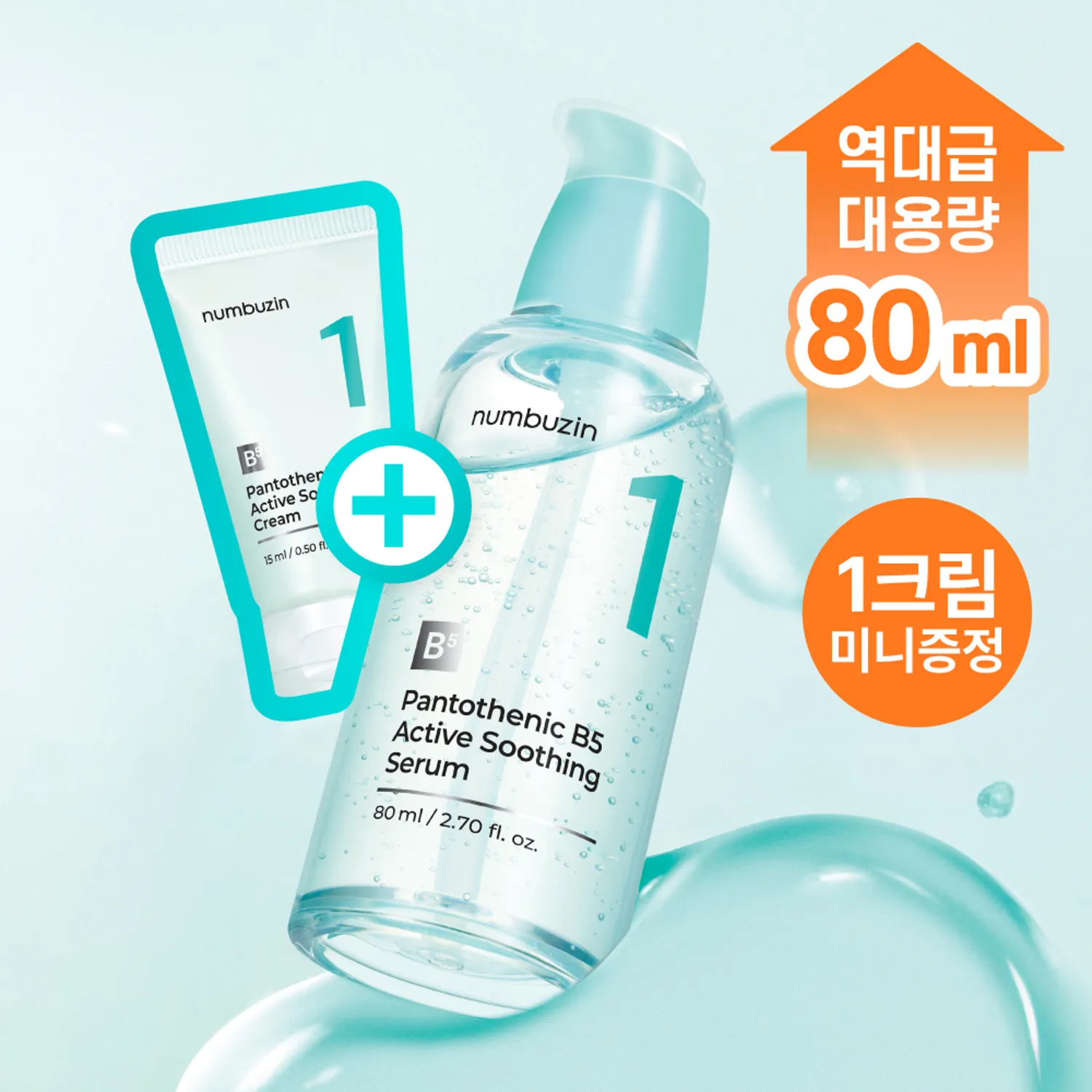
No. 1 Pantothenic B5 Active Soothing Serum
Numbuzin
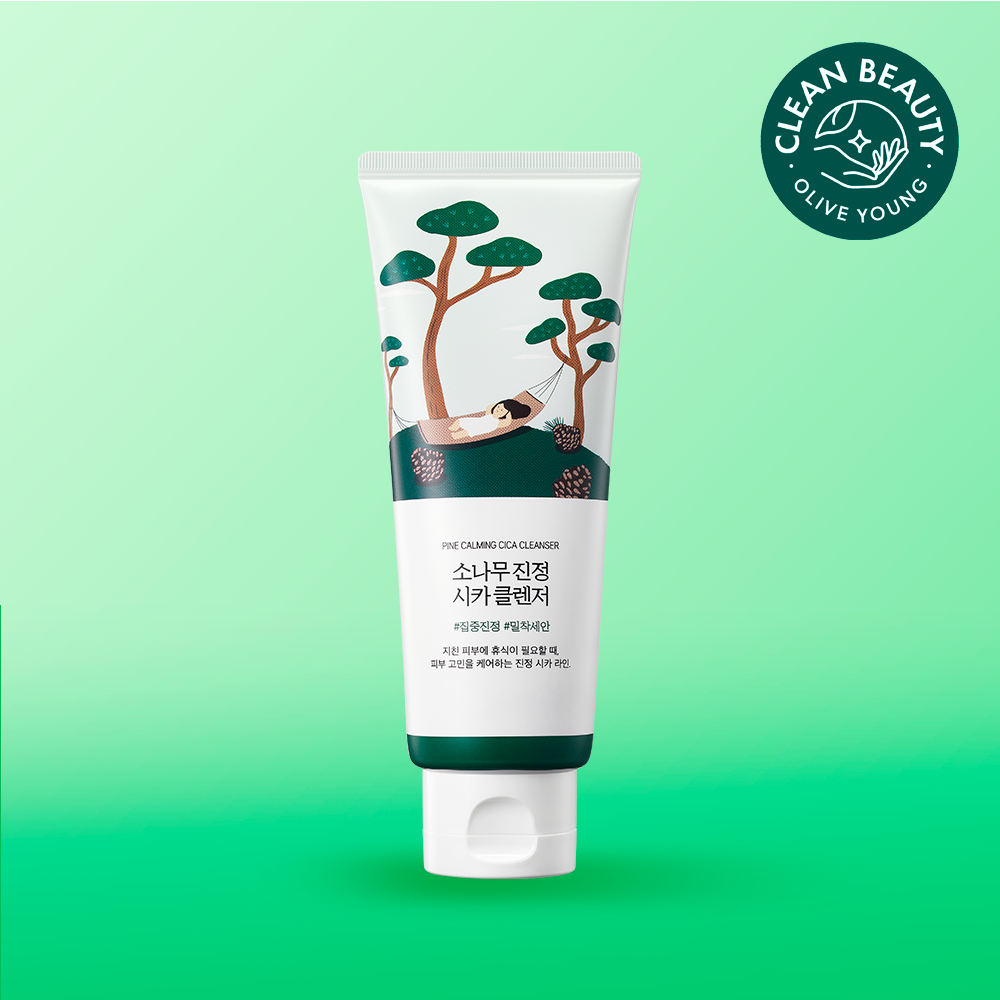
Pine Calming Cica Cleanser
Round Lab
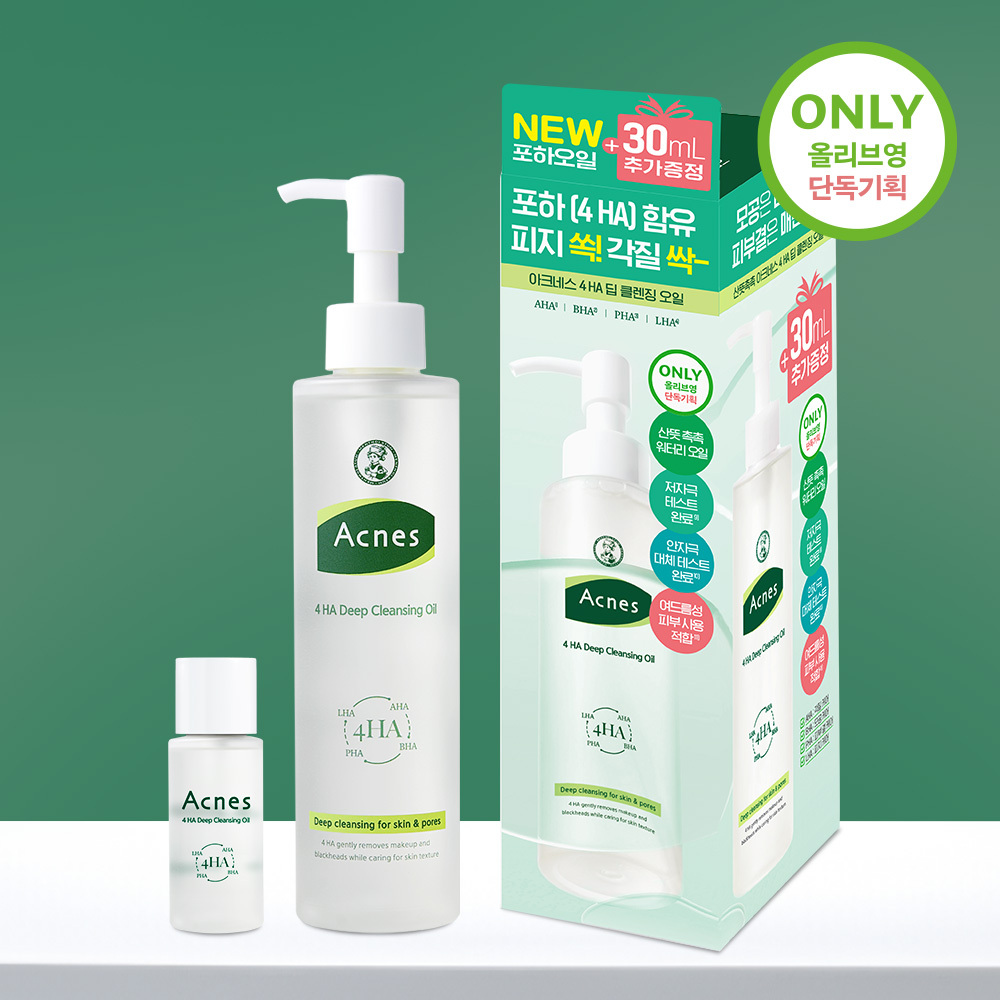
4HA Deep Cleansing Oil Set
Acnes
Frequently Asked Questions
Is bergamot leaf extract the same as bergamot essential oil?▼
Why does bergamot leaf extract have a 3/5 safety rating if it's in so many products?▼
Will bergamot leaf extract clog my pores?▼
Can I use products with bergamot leaf extract during the day or should I avoid sun exposure?▼
Explore More
Want personalized ingredient advice?
Yuri, our AI beauty advisor, can tell you how Bergamot Leaf Extract works with your specific skin type, routine, and concerns.
Ask Yuri, free