Grapefruit Extract
INCI: Citrus Paradisi (Grapefruit) Fruit Extract
Antioxidant and skin conditioning agent
About Grapefruit Extract
Grapefruit extract is a powerhouse antioxidant derived from Citrus paradisi fruit, prized in K-beauty for its ability to brighten, tone, and protect skin from environmental stressors. Rich in vitamin C, flavonoids, and natural fruit acids (primarily citric acid), this extract delivers gentle exfoliation while neutralizing free radicals that accelerate aging. Korean formulations leverage grapefruit extract not just for its antioxidant properties, but for its astringent qualities that help refine pores and balance sebum production without stripping skin. You'll find it across product categories, from the Vegan Pack Cleanser Gift Set by Whipped (5.0/5 rating) to Anua's Sea Grape Pore Lifting Retinol Ampoule (5.0/5), where it complements more intensive actives. The extract's natural AHAs provide surface renewal that improves texture and radiance over time. With a comedogenic rating of 0/5, grapefruit extract won't clog pores, making it particularly appealing for oily and combination skin types. Its safety rating of 3/5 reflects potential photosensitivity and irritation risk for some users, particularly those with sensitive skin or citrus allergies. Despite these considerations, grapefruit extract remains a beloved ingredient in Korean skincare for its multi-tasking abilities. It addresses dullness, uneven tone, and enlarged pores while delivering that coveted glass skin glow through consistent use.
How Grapefruit Extract Works
Grapefruit extract works through multiple mechanisms at the cellular level. Its high concentration of vitamin C (ascorbic acid) inhibits tyrosinase, the enzyme responsible for melanin production, leading to a more even skin tone and reduced hyperpigmentation. The flavonoids, particularly naringenin and hesperidin, scavenge reactive oxygen species (ROS) that damage cellular DNA and collagen fibers, effectively slowing photoaging. The natural fruit acids present in the extract (primarily citric acid at 3-5% concentration) gently dissolve the intercellular cement holding dead skin cells together, promoting desquamation without mechanical abrasion. This chemical exfoliation process increases cell turnover, revealing fresher skin underneath. Grapefruit extract also contains limonene, a terpene that has demonstrated antimicrobial properties against Cutibacterium acnes bacteria, potentially reducing breakouts. The astringent tannins in the extract temporarily tighten pores by causing mild protein coagulation in pore walls, creating a smoother surface appearance. Finally, the extract stimulates fibroblast activity, encouraging collagen synthesis that improves skin firmness over time. This combination of antioxidant protection, gentle exfoliation, and pore refinement makes grapefruit extract particularly effective in products targeting dullness and texture issues.
Grapefruit Extract by Skin Type
Oily Skin
Grapefruit extract is excellent for oily skin types, with its 0/5 comedogenic rating ensuring it won't contribute to clogged pores. The natural astringent properties help control excess sebum production while the gentle acids refine texture and minimize the appearance of enlarged pores. You'll see this benefit clearly in products like Anua's Sea Grape Pore Lifting Retinol Ampoule (5.0/5), where grapefruit extract works synergistically with retinol to address common oily skin concerns.
Dry Skin
While grapefruit extract offers antioxidant benefits for dry skin, its astringent nature and acidic pH can potentially increase moisture loss if not properly buffered in formulations. Look for products that pair it with hydrating ingredients like in Shaishaishai's Liposome Repair Milky Cream (4.9/5), where emollients balance the extract's more drying effects. The vitamin C component still provides brightening and protection, but dry skin types should monitor for any tightness or increased sensitivity.
Combo Skin
Combination skin types often find grapefruit extract ideal for balancing their varied needs. It addresses oiliness in the T-zone while the antioxidants benefit drier cheek areas without over-stripping. Products like CAREZONE's Deep Clean Gentle Peeling Gel (4.9/5) demonstrate this versatility, using grapefruit extract to gently exfoliate and clarify without disrupting skin's overall moisture balance. The pore-refining benefits work particularly well on combination skin's typically enlarged T-zone pores.
Sensitive Skin
Sensitive skin types should approach grapefruit extract with caution due to its 3/5 safety rating. The natural fruit acids and potential for photosensitivity can trigger irritation, redness, or stinging in reactive skin. Those with citrus allergies should avoid it entirely. If you want to try it, start with rinse-off products like Graymelin's Pineapple Mild Peeling Gel (4.9/5) rather than leave-on treatments, and always patch test first. The antioxidant benefits may be worth it for some, but proceed slowly.
Normal Skin
Normal skin types can enjoy the full benefits of grapefruit extract without many concerns. The brightening, pore-refining, and antioxidant properties work to maintain skin's healthy baseline while preventing future damage. Products across all categories, from cleansers to ampoules, can be incorporated easily. The gentle exfoliation helps maintain that smooth, luminous texture that defines normal skin without the risk of disruption that other skin types face.
How to Use Grapefruit Extract
- 1Always apply SPF 30 or higher during the day when using products with grapefruit extract, as the natural acids and citrus compounds increase photosensitivity and sun damage risk.
- 2Start with rinse-off products (cleansers or peeling gels) before graduating to leave-on treatments to assess your skin's tolerance, especially if you have sensitivity to citrus or acids.
- 3Use grapefruit extract products in your evening routine to maximize the exfoliating benefits overnight and minimize UV exposure while acids are active on skin.
- 4Avoid combining grapefruit extract with high-concentration retinoids or strong chemical exfoliants in the same routine to prevent over-exfoliation and irritation, space them on alternate nights instead.
Background
Grapefruit, a relatively modern citrus hybrid originating in 18th-century Barbados from a natural cross between sweet orange and pomelo, didn't enter skincare until the late 20th century when cosmetic science began isolating beneficial fruit compounds. Korean skincare brands embraced grapefruit extract in the early 2000s as part of the broader trend toward natural, fruit-based ingredients that aligned with traditional hanbang principles of food-as-medicine. The vitamin C content made it particularly appealing during K-beauty's brightening revolution, when products targeting hyperpigmentation and uneven tone exploded in popularity. Unlike many Western formulations that use synthetic vitamin C derivatives, Korean brands appreciated grapefruit extract's whole-fruit approach, combining ascorbic acid with complementary flavonoids and natural acids for synergistic effects. The ingredient gained additional momentum with the glass skin trend, where gentle exfoliation and antioxidant protection became essential for achieving that luminous, poreless appearance.
K-Beauty Products with Grapefruit Extract
View all 58 →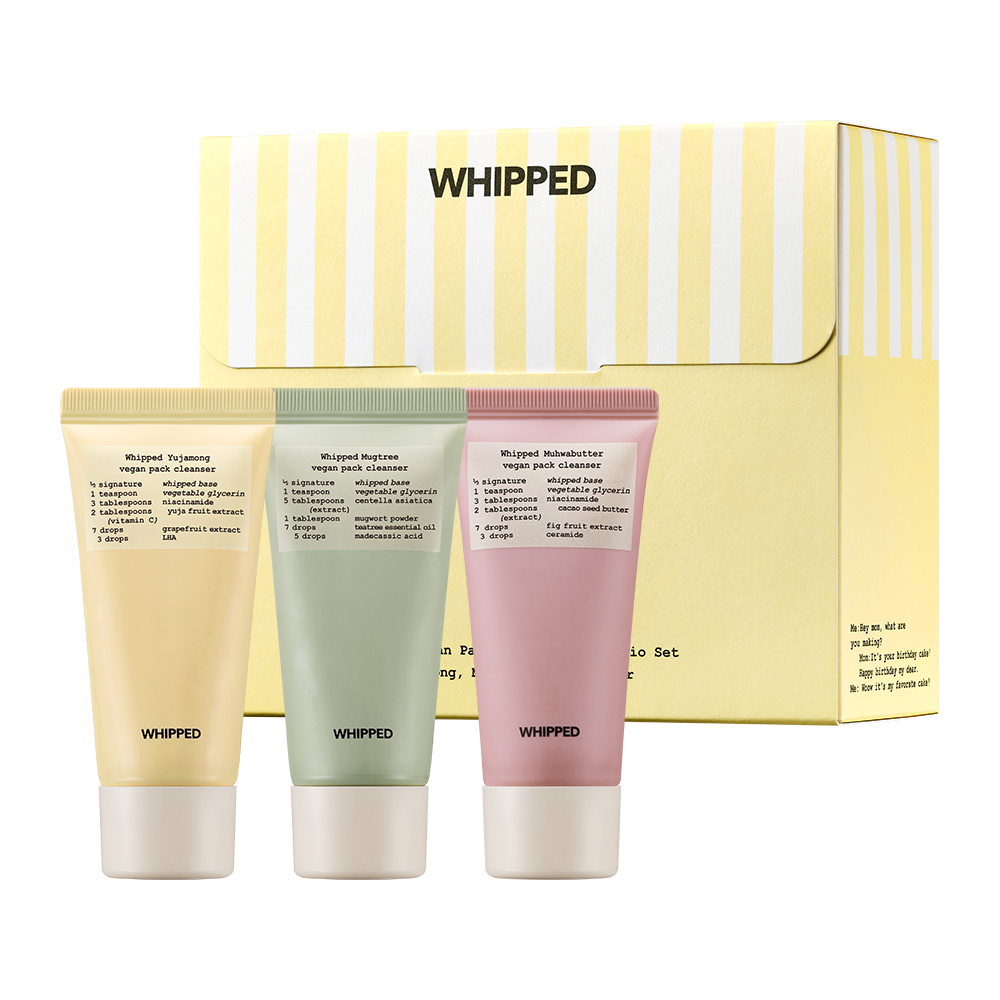
Vegan Pack Cleanser Gift Set (Mugtree + Muhwabutter + Yujamong)
Whipped
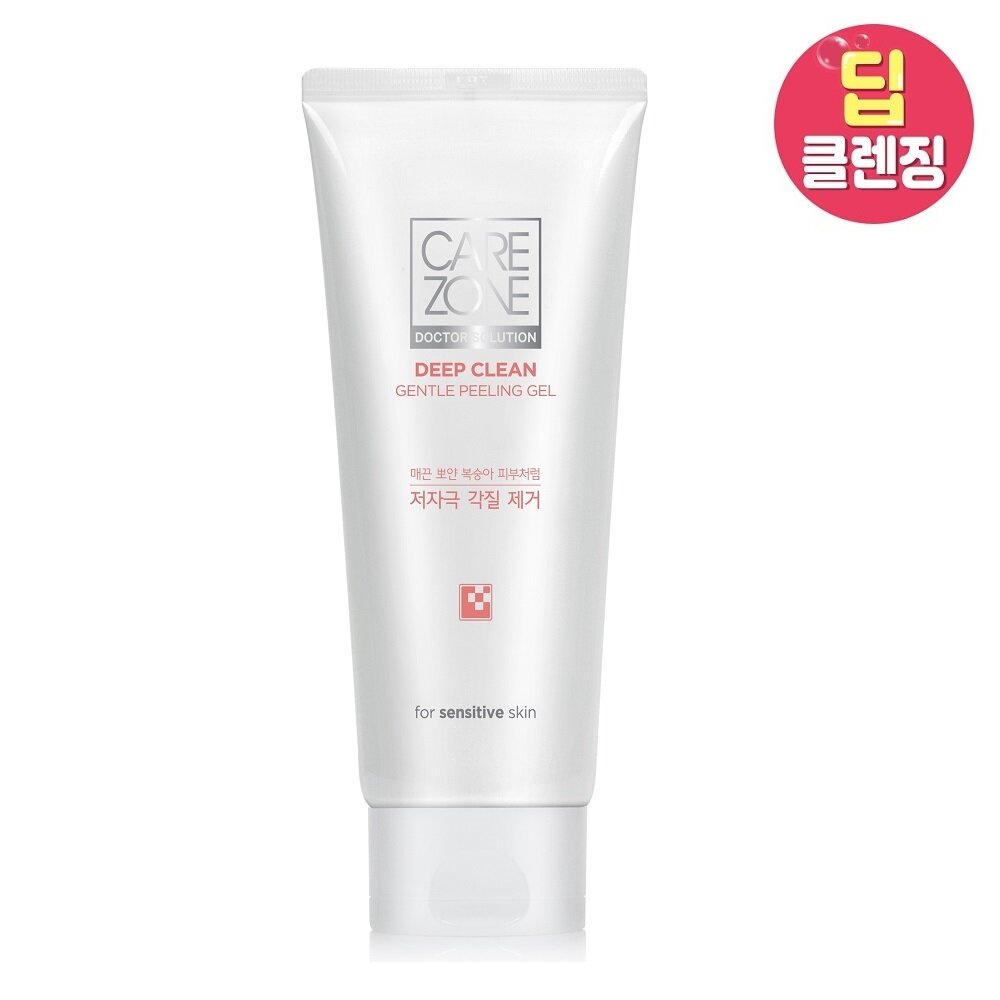
Deep Clean Gentle Peeling Gel
CAREZONE
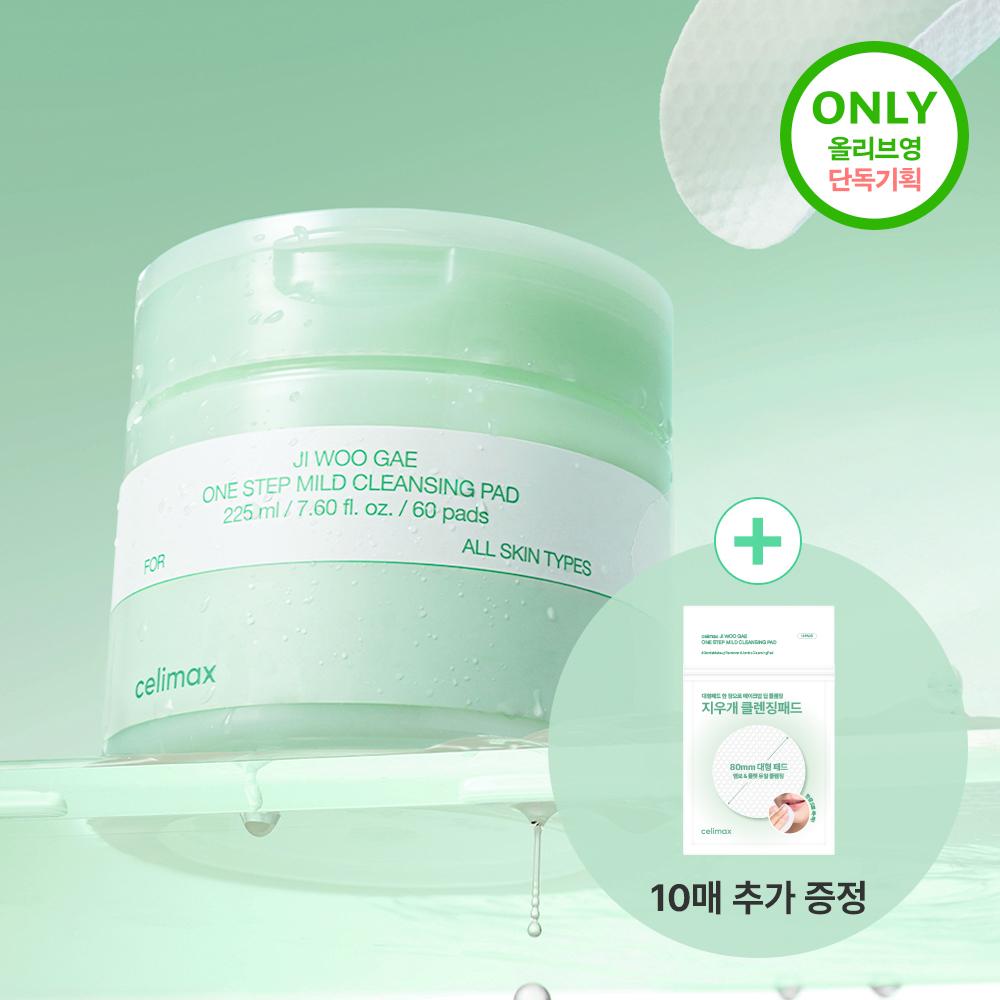
Ji Woo Gae One Step Mild Cleansing Pad
Celimax
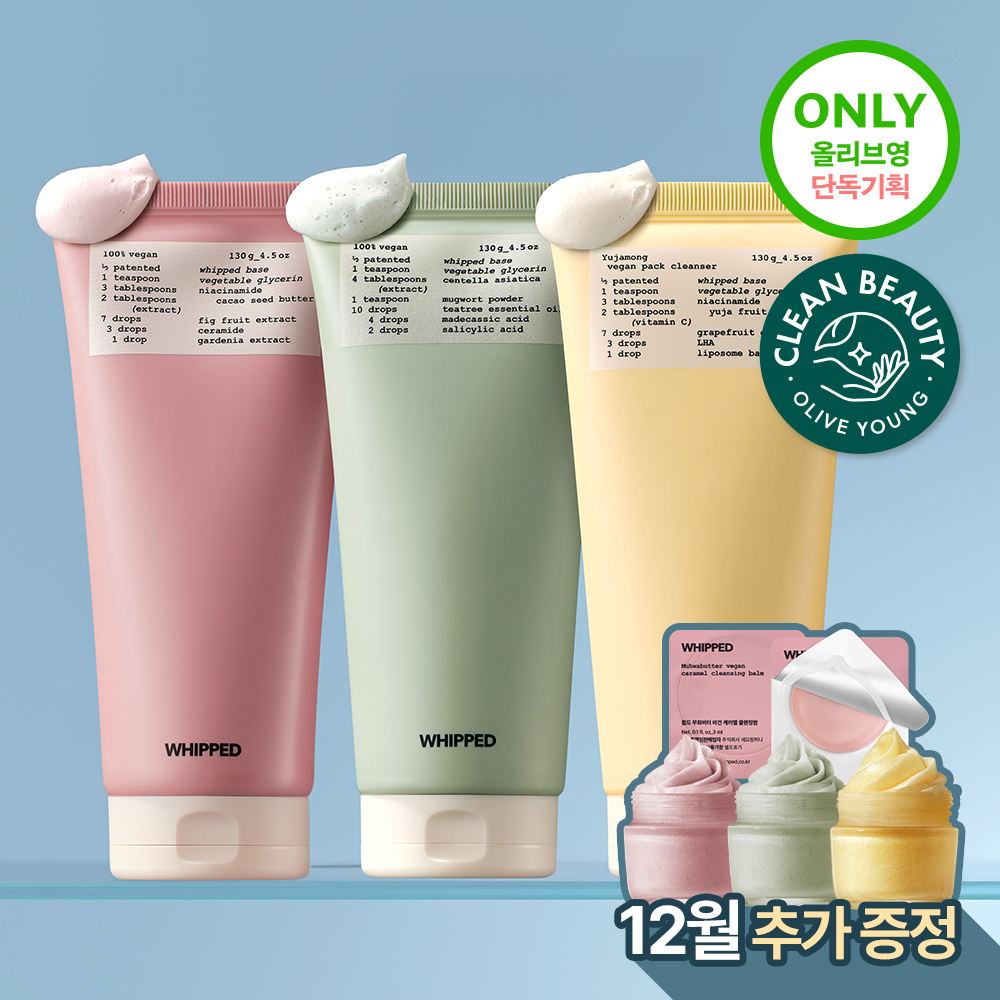
Vegan Pack Cleanser Set
Whipped
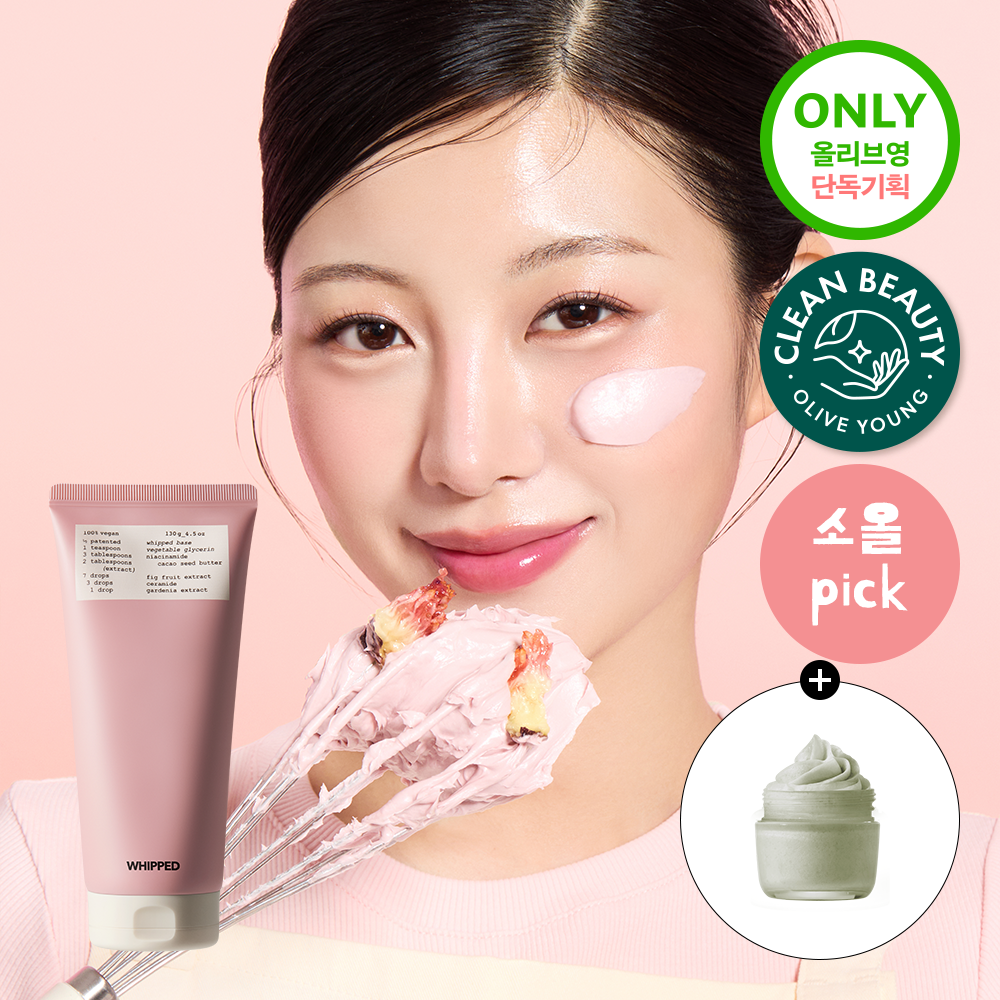
Muhwabutter Vegan Pack Cleanser Set
Whipped
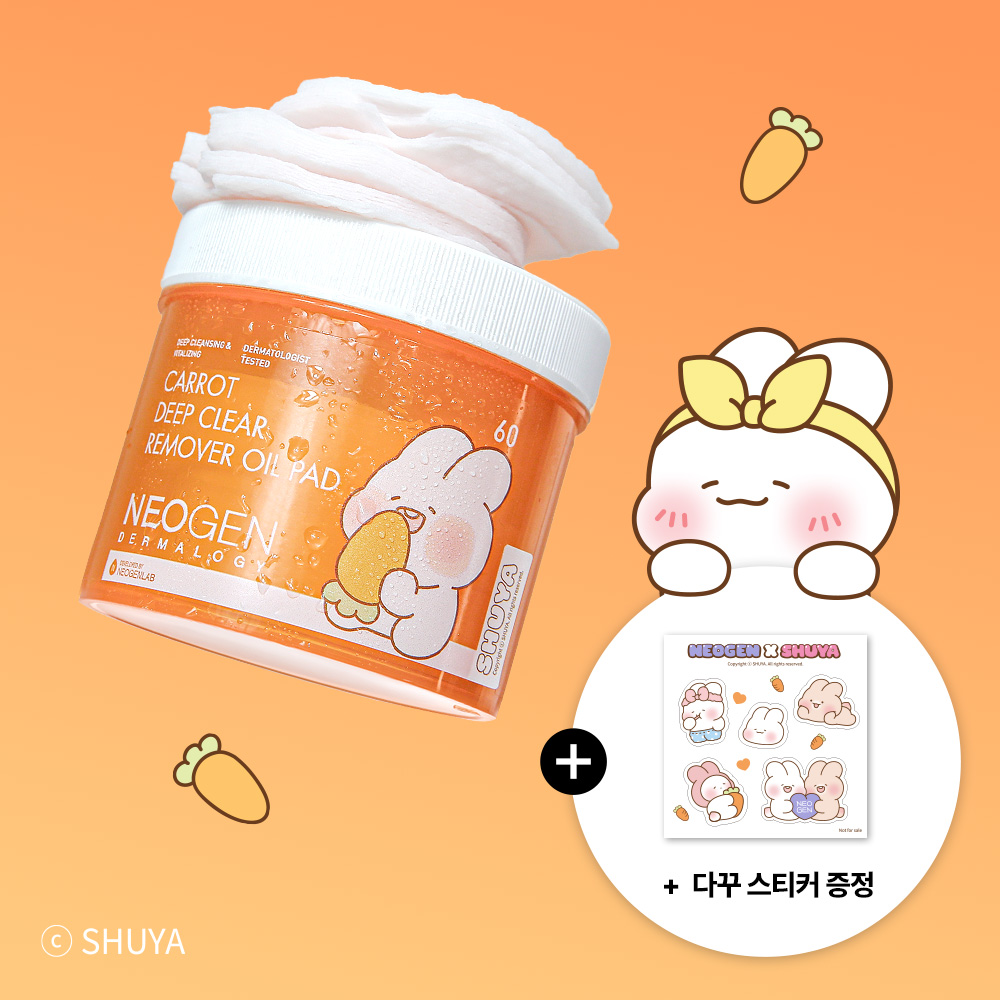
Dermalogy Carrot Deep Clear Remover Oil Pad
Neogen
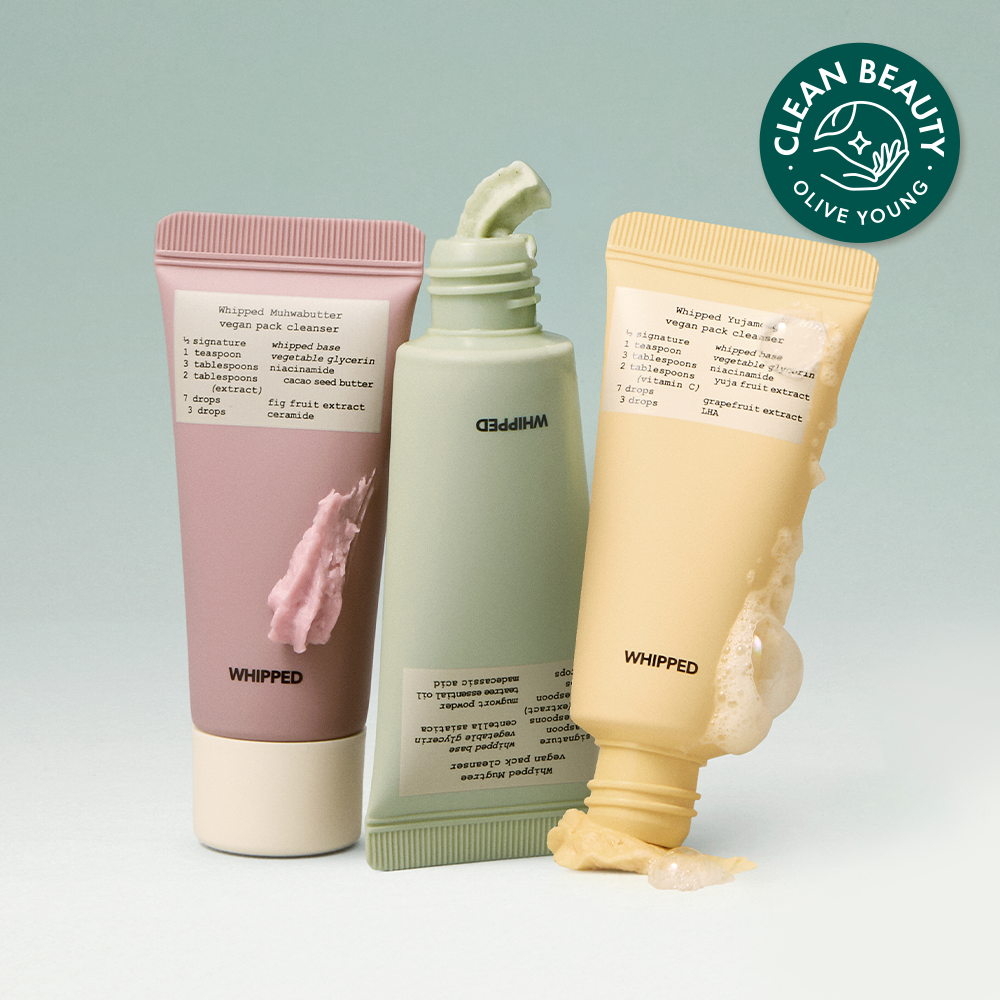
Vegan Pack Cleanser
Whipped
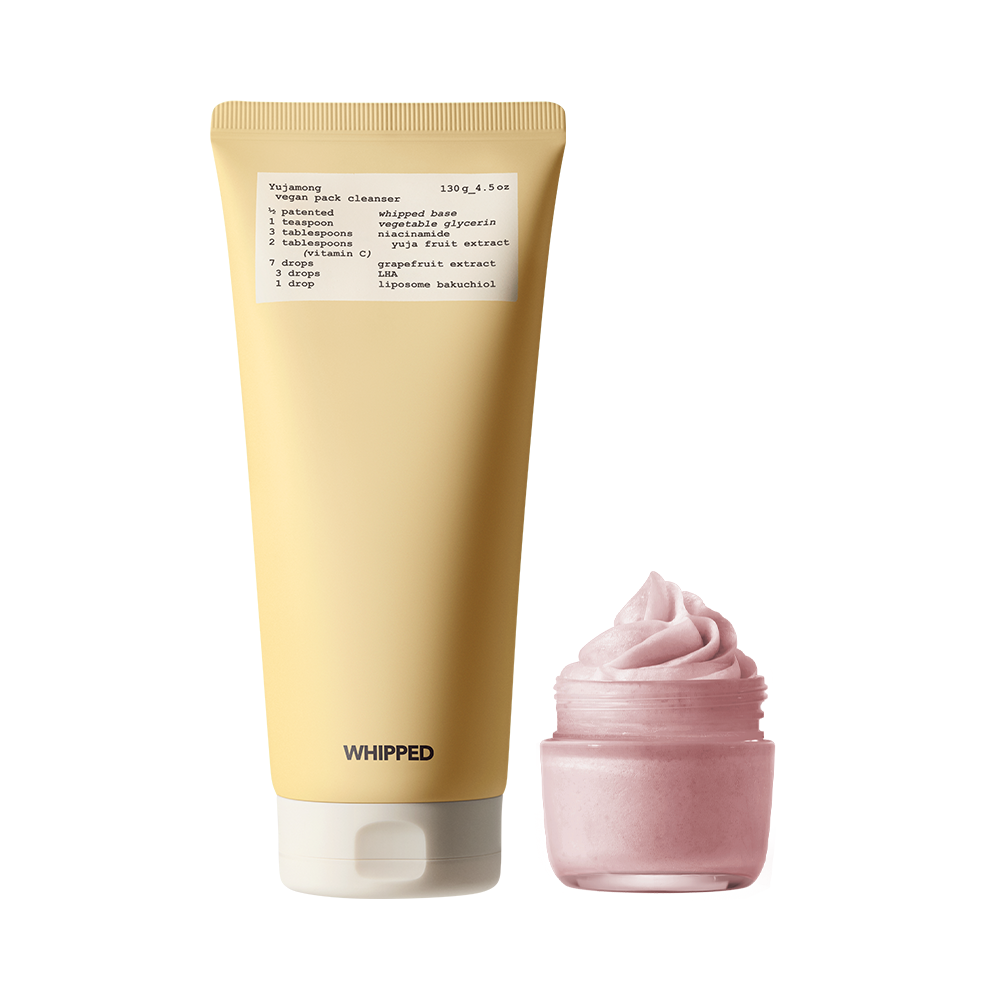
Yujamong Vegan Pack Cleanser Set
Whipped
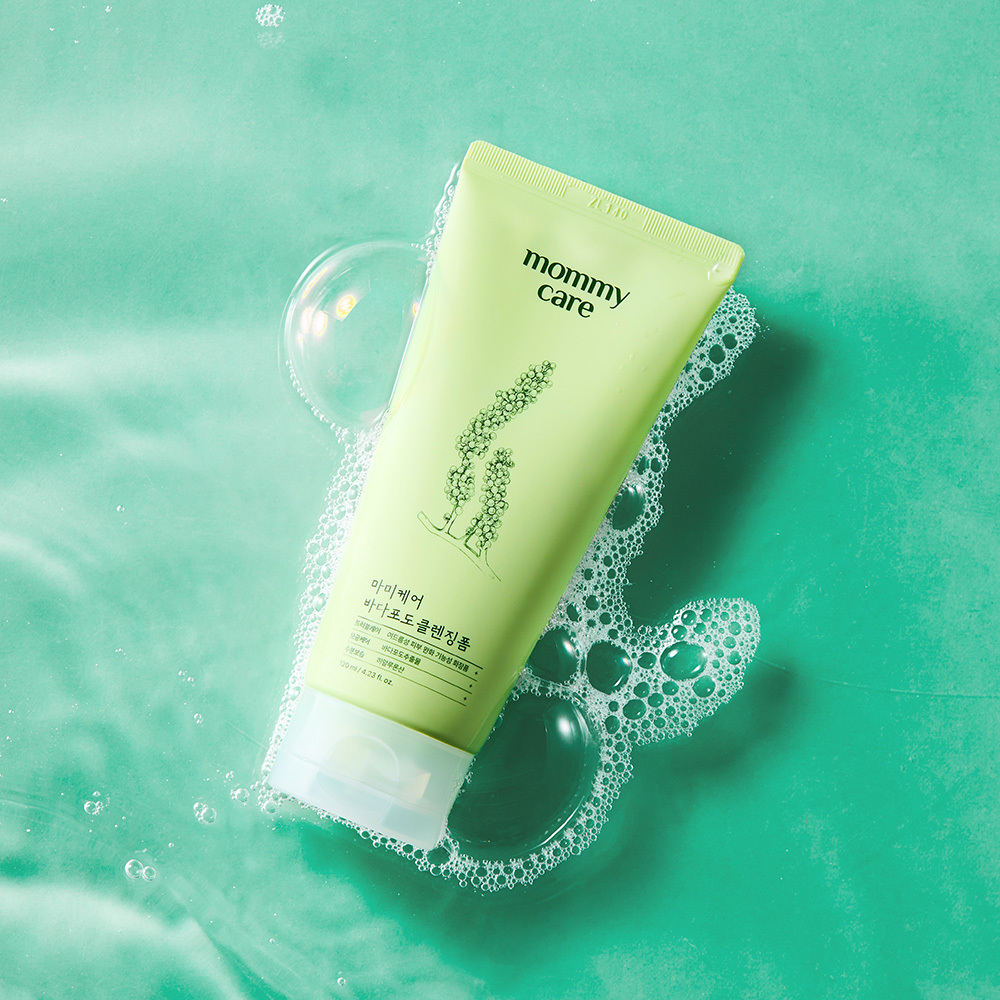
Sea Grape Cleansing Foam
Beplain
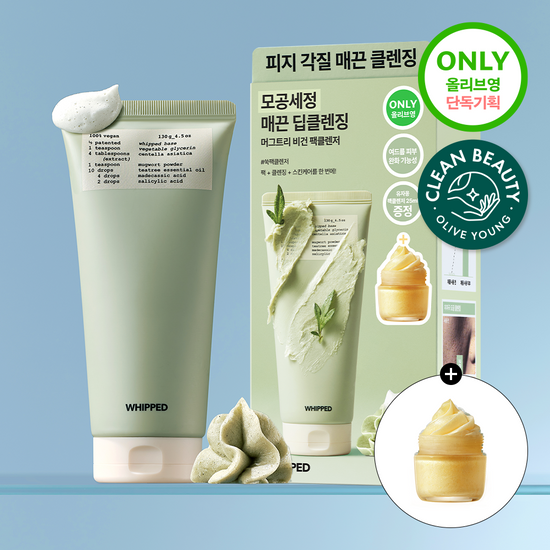
Mugtree Vegan Pack Cleanser Set
Whipped
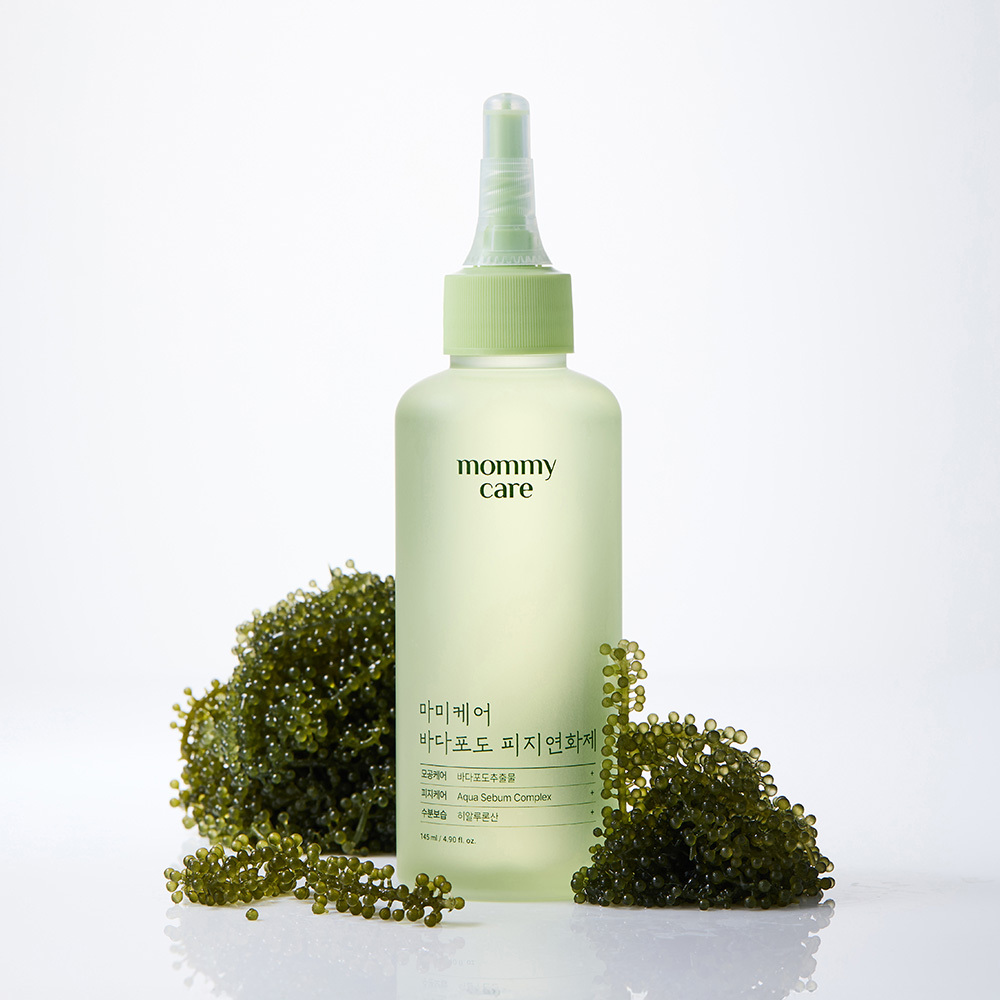
Sea Grape Aqua Sebum Softener
Ilso

Mugtree Vegan Pack Cleanser
Whipped
Frequently Asked Questions
Can grapefruit extract cause sun sensitivity?▼
Is grapefruit extract safe to use with retinol or vitamin C?▼
Why does grapefruit extract have a 3/5 safety rating?▼
How long does it take to see brightening results from grapefruit extract?▼
Explore More
Want personalized ingredient advice?
Yuri, our AI beauty advisor, can tell you how Grapefruit Extract works with your specific skin type, routine, and concerns.
Ask Yuri, free