Coconut Oil
INCI: Cocos Nucifera (Coconut) Oil
Emollient that moisturizes and nourishes skin
About Coconut Oil
Coconut oil is a rich, fatty oil extracted from mature coconut kernels that has been used for centuries in tropical skincare rituals. In K-beauty formulations, it serves as a deeply nourishing emollient that creates a protective barrier on skin while delivering moisture and essential fatty acids. The oil is composed primarily of medium-chain triglycerides, particularly lauric acid (around 50%), which gives it both moisturizing and mild antimicrobial properties. Korean beauty brands favor coconut oil in cleansing products because its lipophilic (oil-loving) nature excels at dissolving makeup, sunscreen, and sebum without stripping skin. You'll find it featured prominently in 91 K-beauty products on Seoul Sister, particularly in cleansing oils and bars where its emollient properties help transform the cleansing experience from harsh to nourishing. However, coconut oil carries a comedogenic rating of 4/5, meaning it has significant pore-clogging potential for acne-prone individuals. This makes product selection critical. The top-rated formulations on Seoul Sister, like Banila Co's Pongdang Pore Deep Clean Cleansing Oil (5.0/5), are designed to rinse away cleanly, minimizing the occlusive residue that can trigger breakouts. When used appropriately for your skin type and in well-formulated products, coconut oil delivers the kind of soft, supple skin texture that K-beauty enthusiasts seek.
How Coconut Oil Works
At the molecular level, coconut oil works through its unique fatty acid composition. The high concentration of lauric acid (C12) and other medium-chain fatty acids allows the oil to penetrate the stratum corneum more effectively than longer-chain oils. Once absorbed, these fatty acids integrate into the lipid bilayer between skin cells, reinforcing the skin barrier and reducing transepidermal water loss. The oil's triglyceride structure mimics skin's natural sebum, which is why it feels so comfortable on application. In cleansing formulations, coconut oil's lipophilic molecules surround and dissolve oil-based impurities through a process called micellization. When emulsified with water, these oil droplets lift away from skin without requiring harsh surfactants. Lauric acid also exhibits mild antimicrobial activity against certain bacteria, though this effect is secondary to its emollient benefits in skincare. The occlusive film coconut oil creates on skin's surface physically prevents moisture evaporation, which explains both its effectiveness as a moisturizer and its potential to trap sebum and dead cells in pores for those prone to congestion.
Coconut Oil by Skin Type
Oily Skin
Coconut oil is generally not recommended for oily skin types due to its high comedogenic rating of 4/5. The rich, occlusive nature can trap excess sebum in already active pores, potentially leading to breakouts and congestion. If you have oily skin and want to try coconut oil, stick to rinse-off cleansing products like the Banila Co Pongdang Pore Deep Clean Cleansing Oil that are formulated to emulsify completely and not leave comedogenic residue.
Dry Skin
This is where coconut oil truly shines. Dry skin lacks sufficient natural lipids to maintain its barrier function, and coconut oil's fatty acid profile directly addresses this deficiency. The occlusive layer it forms prevents moisture loss throughout the day or night, while its emollient properties smooth rough, flaky texture. Dry skin types can use coconut oil in both cleansing and moisturizing products with confidence, though you may still want to follow with a humectant-rich serum for optimal hydration.
Combo Skin
Combination skin requires strategic coconut oil use. Apply products containing it only to dry areas (typically cheeks, around the nose, and jawline) while avoiding the T-zone where sebum production is higher. Cleansing oils with coconut oil work well for combination skin because they rinse away completely, providing the cleansing power you need without leaving problematic residue. Watch how your skin responds over two to three weeks before committing to daily use.
Sensitive Skin
Coconut oil is generally well-tolerated by sensitive skin and has a good safety rating of 4/5. Its simple molecular structure means fewer potential irritants compared to complex botanical extracts. The anti-inflammatory properties of lauric acid can actually soothe redness and irritation. However, if you have rosacea or fungal acne (malassezia), coconut oil may exacerbate these conditions due to its occlusive nature and the fact that malassezia feeds on medium-chain fatty acids.
Normal Skin
Normal skin can enjoy coconut oil's benefits with minimal risk. Your balanced sebum production means the comedogenic concerns are less pronounced, though you should still monitor for any changes in pore appearance. Use coconut oil products as part of your cleansing routine for a luxurious, nourishing experience, or apply as an occasional treatment when skin feels particularly parched or stressed from environmental factors.
How to Use Coconut Oil
- 1For acne-prone skin, only use coconut oil in rinse-off cleansing products, never as a leave-on moisturizer or facial oil.
- 2Apply cleansing oils containing coconut oil to completely dry skin first, massage for 60 seconds, then emulsify with water before rinsing to ensure complete removal.
- 3If using pure coconut oil for body moisture, apply immediately after showering while skin is still damp to lock in hydration.
- 4Patch test any new coconut oil product on your jawline for 3-5 days before full-face application, especially if you're prone to breakouts.
- 5During summer or in humid climates, consider lighter alternatives for daytime use and reserve coconut oil products for nighttime when skin repair processes peak.
Background
Coconut oil has been a cornerstone of skincare in tropical Asian regions for over 4,000 years, particularly in India, the Philippines, and Indonesia where coconut palms grow abundantly. Traditional Ayurvedic medicine classified it as a cooling oil suitable for massage and skin nourishment. In Korean beauty history, coconut oil gained prominence more recently as K-beauty brands explored global ingredients that aligned with their philosophy of gentle yet effective skincare. The ingredient experienced a major Western renaissance around 2010-2015 as natural beauty trends surged, which influenced K-beauty formulators to incorporate it into modern cleansing technologies. Korean chemists innovated by combining coconut oil with lighter esters and emulsifiers in cleansing oils, solving the traditional greasiness problem while maintaining the nourishing benefits. This marriage of traditional ingredient wisdom with modern formulation science exemplifies K-beauty's approach to ingredient selection.
K-Beauty Products with Coconut Oil
View all 99 →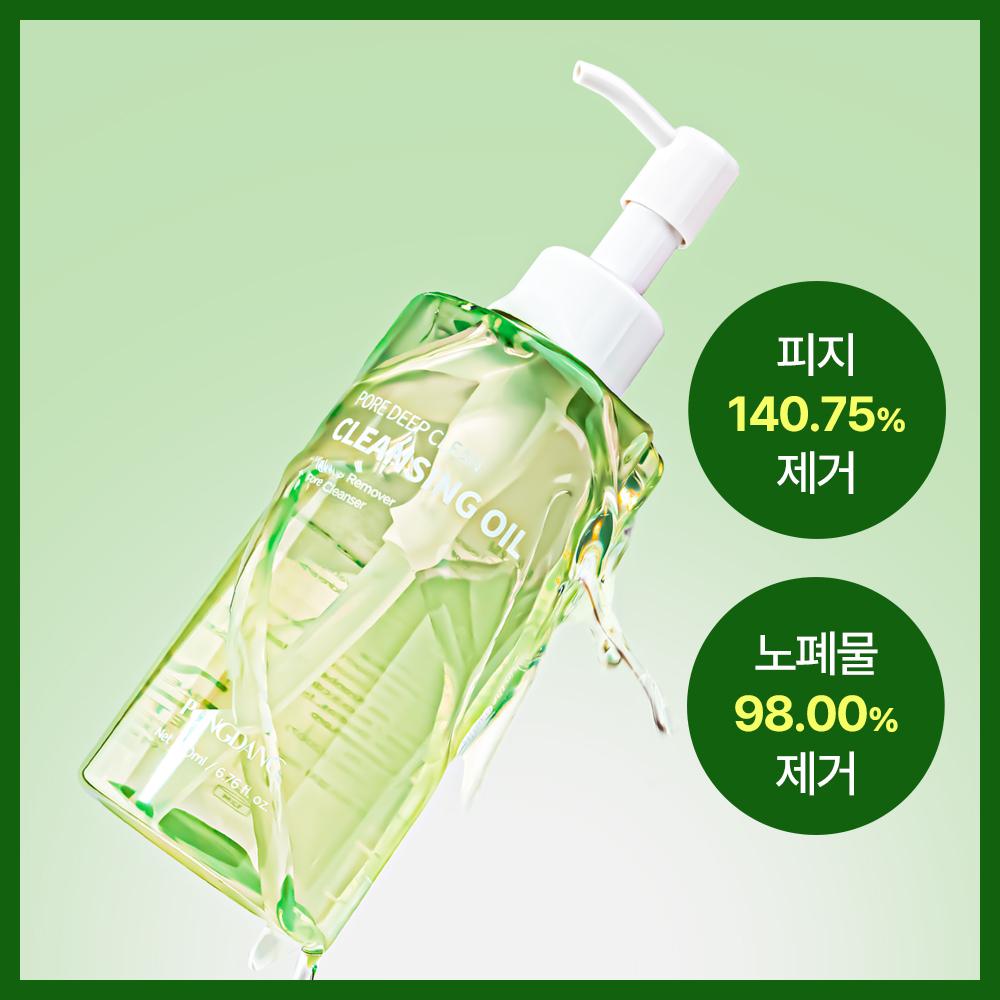
Pongdang Pore Deep Clean Cleansing Oil
Banila Co

ReSaltZ Salt Massage Lavender Cleansing Bar
Beplain
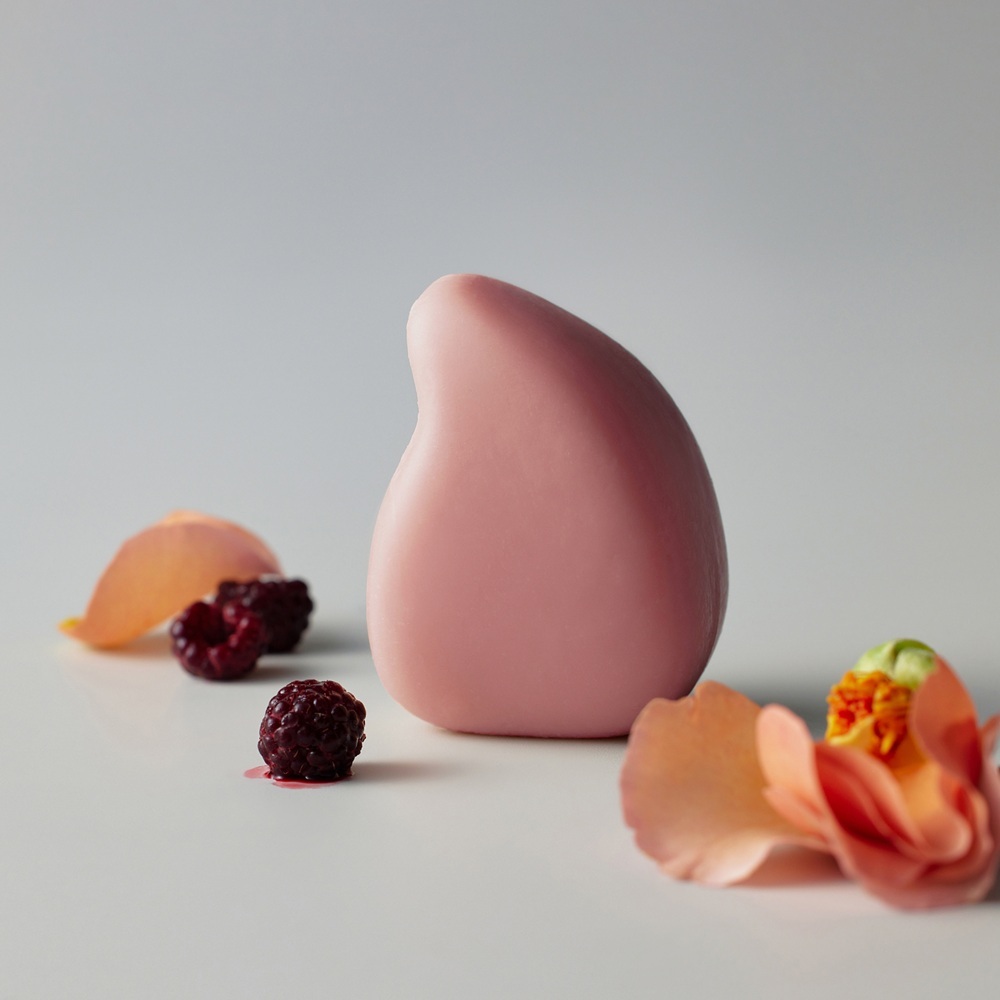
ReSaltZ Salt Massage Rose Cleansing Bar
Beplain

Ampoule Face Bar Sea Tangle
Donggubat
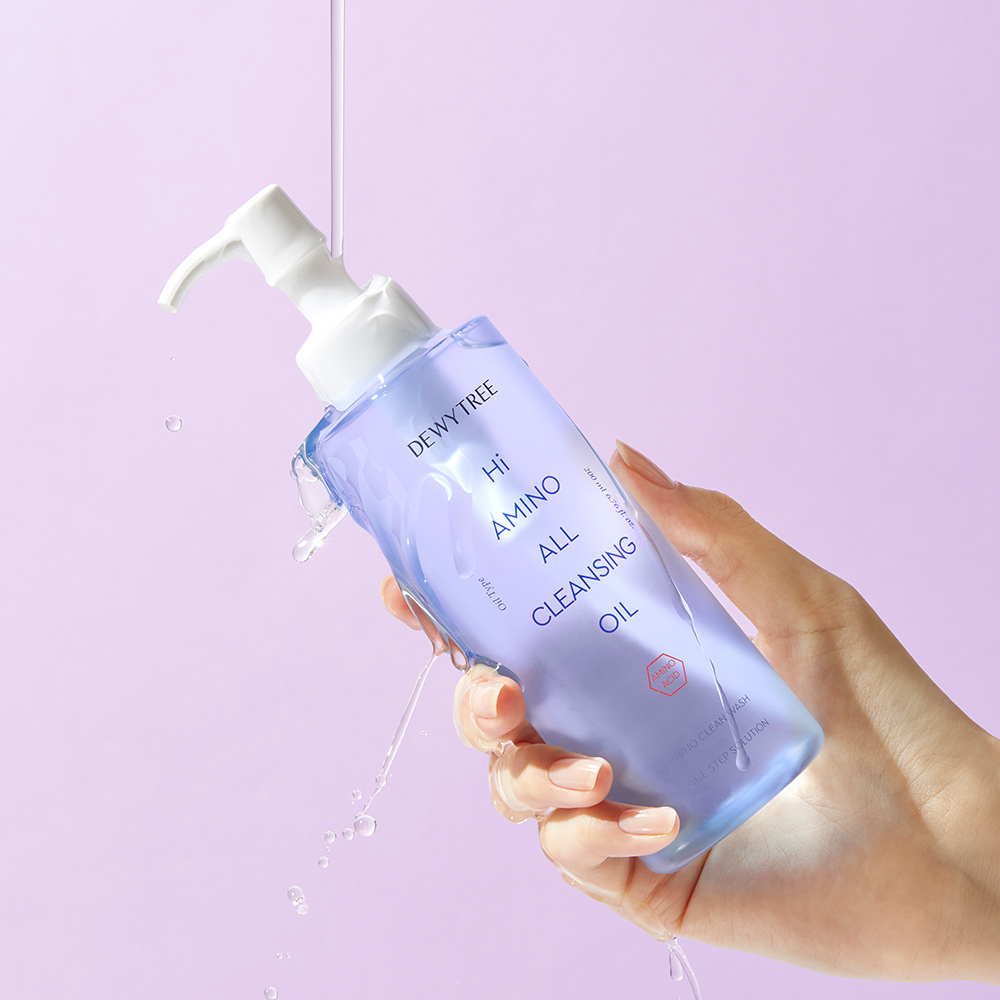
Hi Amino All Cleansing Oil
Dewytree
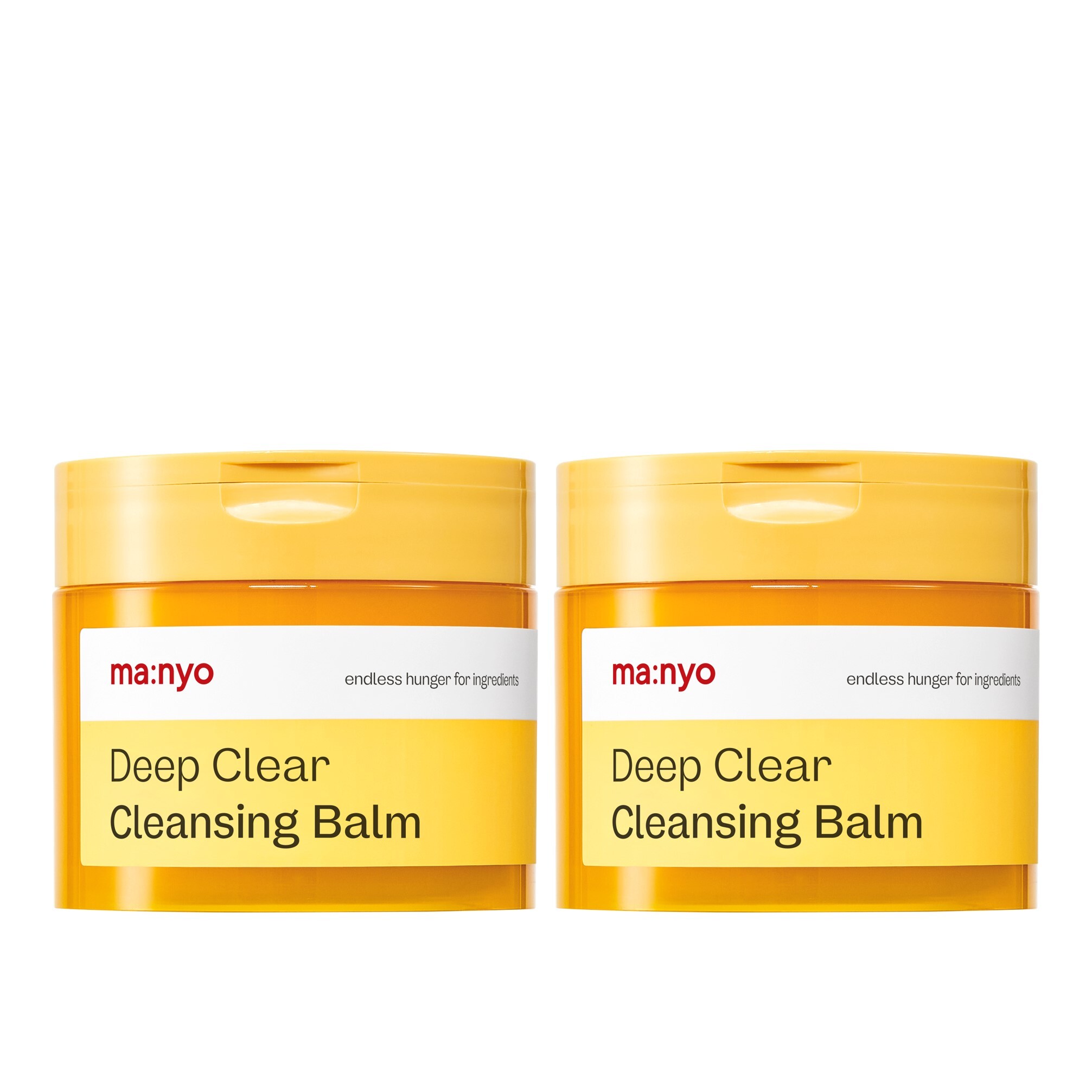
Deep Clear Cleansing Balm Double Pack
ma:nyo
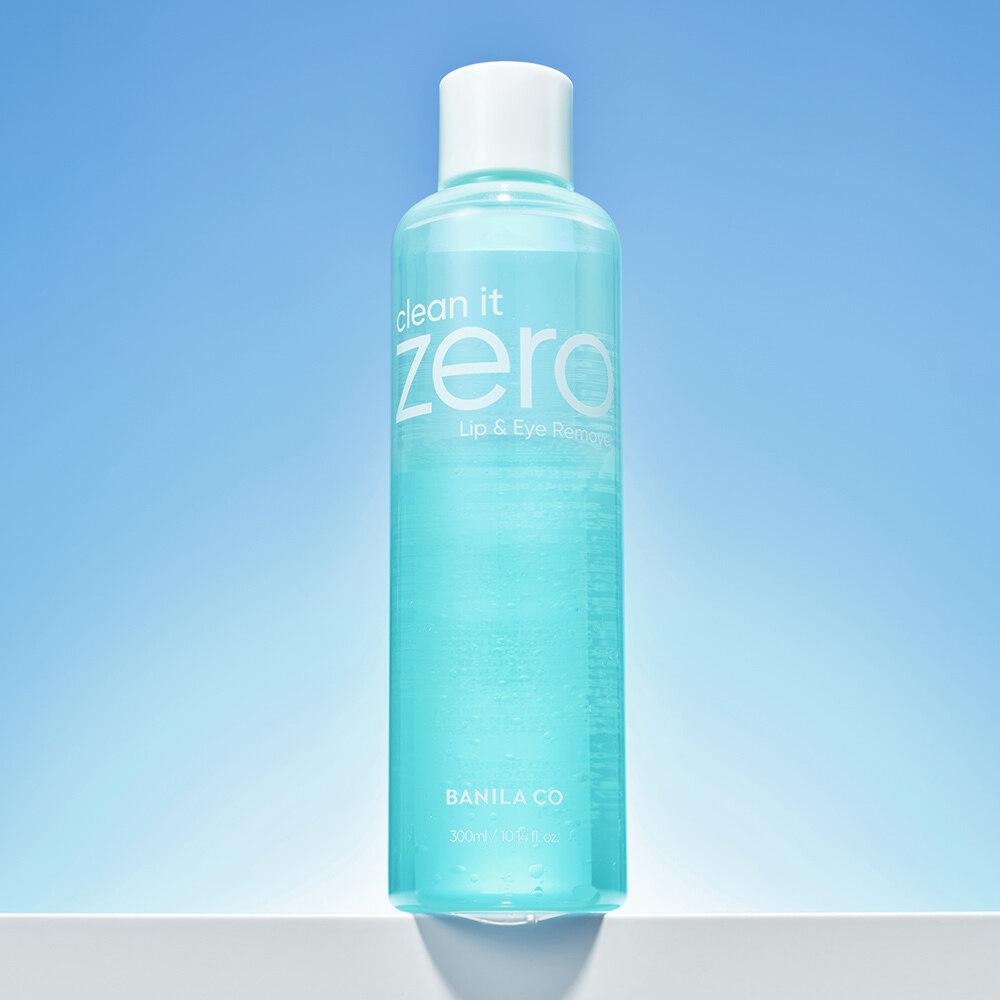
Clean It Zero Lip & Eye Remover
Banila Co
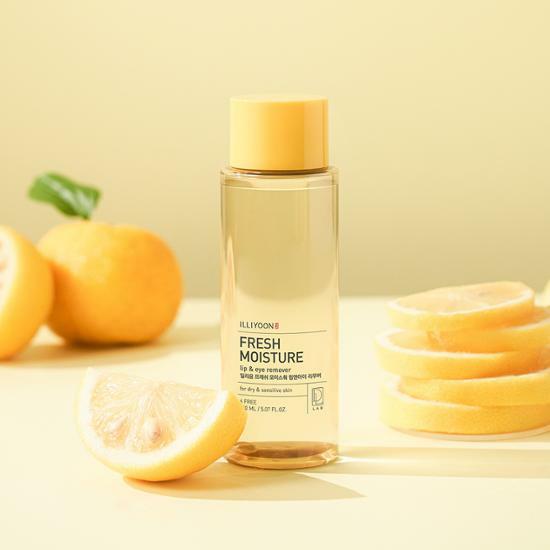
Fresh Moisture Lip & Eye Remover
Illiyoon
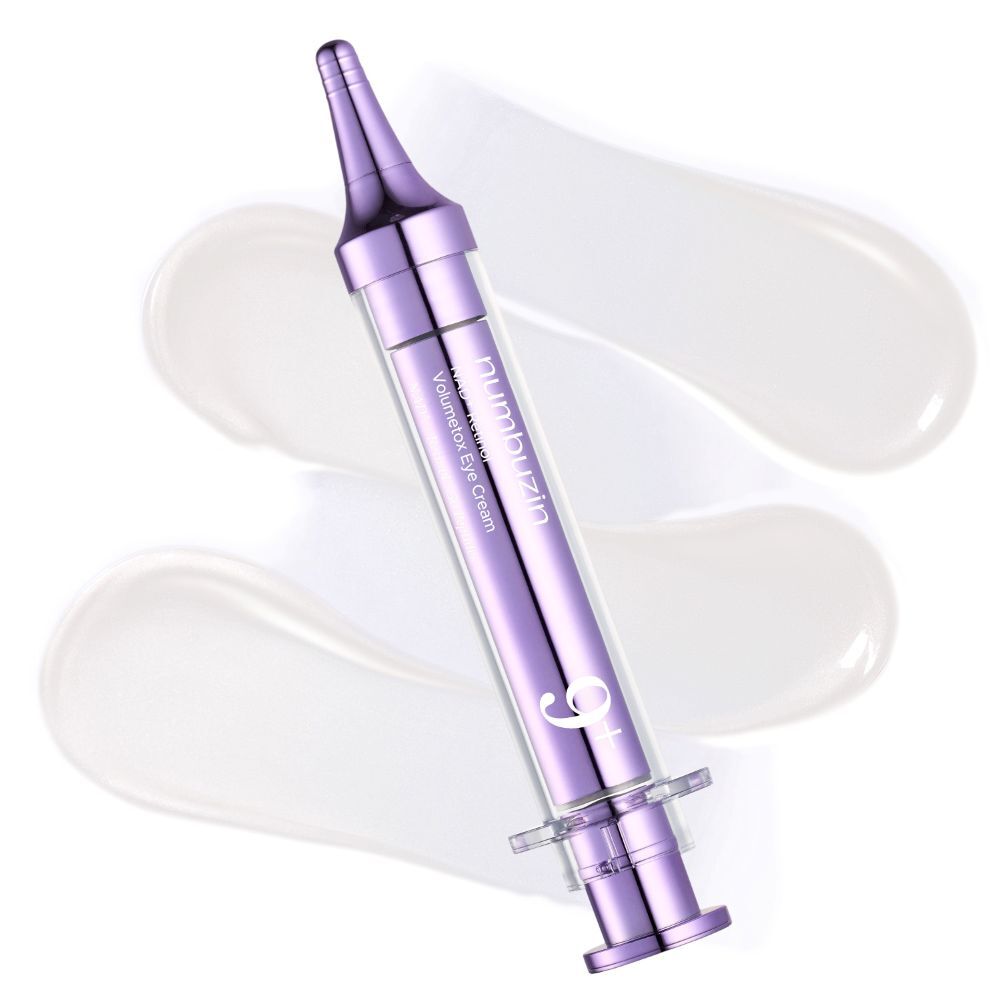
No. 9 NAD RetinA Volume Shot Eye Cream
Numbuzin
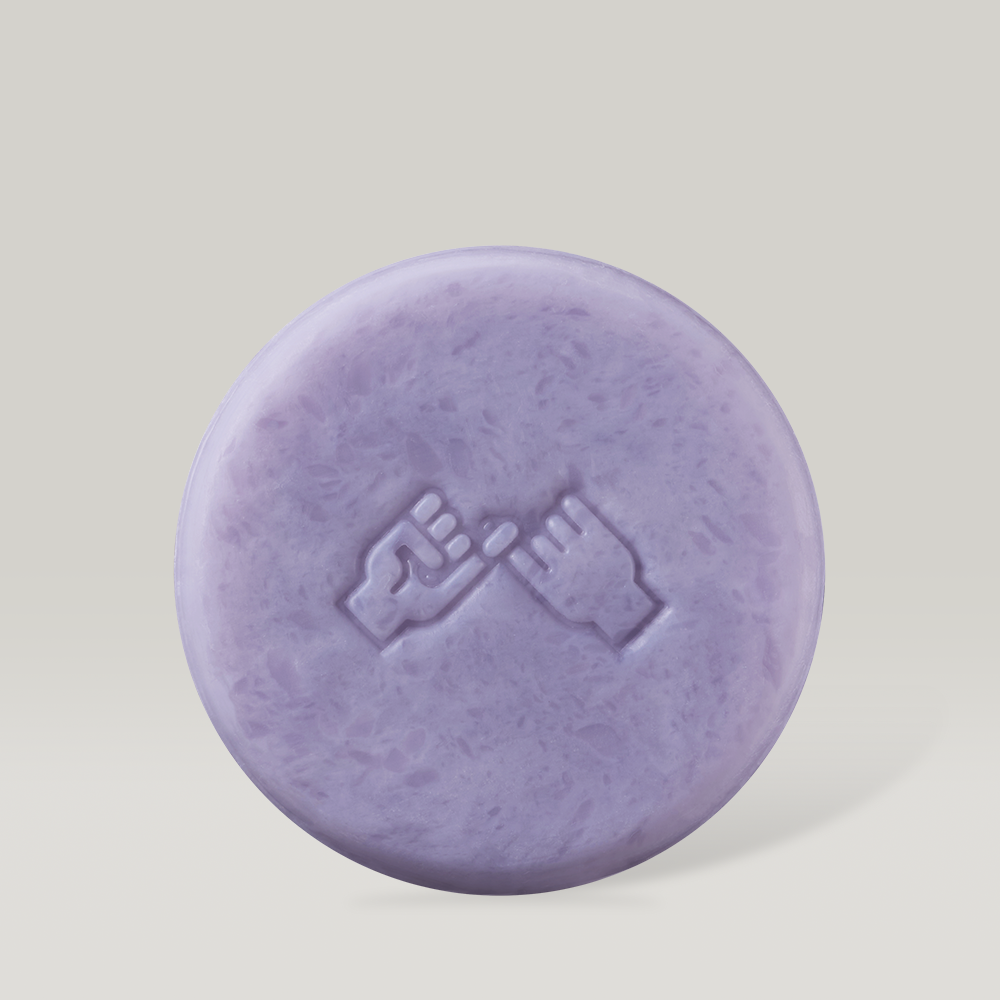
Vitalizing Facial Soap #Collagen
Donggubat

Pore Cleansing Oil Heartleaf Oil-Wash
Abib

ReSaltZ Salt Massage Ocean Cleansing Bar
Beplain
Frequently Asked Questions
Will coconut oil break me out?▼
Can I use coconut oil if I have fungal acne?▼
Is coconut oil better than other oils in K-beauty cleansers?▼
Why do some K-beauty products use coconut oil in cleansing bars?▼
How is coconut oil different from fractionated coconut oil?▼
Explore More
Want personalized ingredient advice?
Yuri, our AI beauty advisor, can tell you how Coconut Oil works with your specific skin type, routine, and concerns.
Ask Yuri, free