Collagen
Film-forming protein that hydrates and conditions skin
About Collagen
Collagen is a structural protein that makes up about 75% of the dry weight of human skin. In skincare, collagen serves as a powerful humectant and film-forming agent that attracts moisture to the skin's surface and creates a protective barrier to prevent water loss. While topically applied collagen cannot penetrate deep enough to replace your skin's natural collagen structure, it functions as an excellent surface-level hydrator and conditioning agent. K-beauty brands have embraced collagen in innovative formulations, often pairing it with complementary ingredients like peptides, PDRN, and vitamin C to enhance its benefits. The collagen used in cosmetics is typically hydrolyzed, meaning it's broken down into smaller fragments that can better interact with the skin's surface. With 121 products on Seoul Sister featuring this ingredient, collagen has become a staple in Korean skincare, particularly in anti-aging and hydration-focused products. Top-rated products like Medicube's PDRN Pink Collagen Bubble Serum (5.0/5) demonstrate how K-beauty brands are combining collagen with cutting-edge ingredients to maximize skin benefits. The ingredient's moderate comedogenic rating (2/5) means it's generally safe for most skin types, though oily and acne-prone skin may want to patch test first.
How Collagen Works
When applied topically, collagen functions primarily through two mechanisms. First, it acts as a humectant, meaning its molecular structure contains amino acids that bind to water molecules and draw moisture from the environment into the skin's outer layers. This creates an immediate plumping effect and helps reduce the appearance of fine lines through temporary hydration. Second, collagen forms a thin, breathable film on the skin's surface that slows transepidermal water loss (TEWL), helping your skin maintain its moisture levels throughout the day. The hydrolyzed collagen used in most K-beauty products has been enzymatically broken down into smaller peptide chains, which allows better interaction with the skin's surface proteins. These collagen fragments can also temporarily fill in micro-imperfections on the skin's texture, creating a smoother appearance. While collagen molecules are too large to penetrate into the dermis where your natural collagen lives, the surface-level hydration and barrier support it provides can indirectly support skin health by maintaining optimal moisture levels for cellular function.
Collagen by Skin Type
Oily Skin
Oily skin can benefit from collagen's hydrating properties, but should choose lightweight formulations to avoid overwhelming the skin. The film-forming nature may feel slightly heavy if used in rich creams, so opt for serums or ampoules like Medicube's PDRN Pink Collagen Bubble Serum. Monitor for any increased congestion due to the 2/5 comedogenic rating.
Dry Skin
Collagen is excellent for dry skin, providing both immediate and sustained hydration through its dual action as a humectant and occlusive barrier. Products like Torriden's Cellmazing Firming Cream are ideal for locking in moisture and preventing water loss. The film-forming properties help repair the compromised moisture barrier common in dry skin types.
Combo Skin
Combination skin can use collagen strategically by applying it more heavily to dry areas while using lighter layers on the T-zone. The moderate comedogenic rating means it's generally safe, but watch for congestion in oilier zones. Serums and ampoules work better than heavy creams for maintaining balance across different face zones.
Sensitive Skin
With a 4/5 safety rating, collagen is generally well-tolerated by sensitive skin and can actually help by strengthening the skin's protective barrier. Its conditioning properties soothe irritation and support skin recovery. However, always check the full ingredient list for potential irritants in the formulation beyond just the collagen itself.
Normal Skin
Normal skin types can use collagen freely to maintain optimal hydration and support the skin's natural aging process. It works well in any product format, from cleansers like Beplain's Soycube Exorepair Pack To Foam to concentrated ampoules. Regular use helps maintain skin plumpness and texture.
How to Use Collagen
- 1Apply collagen products to damp skin to maximize their humectant properties and help draw moisture into the skin more effectively.
- 2Layer collagen serums under your moisturizer rather than using them alone, as the film-forming properties work best when sealed with additional hydration.
- 3If you have oily or acne-prone skin, use collagen products in your evening routine only and monitor for any signs of congestion over 2-3 weeks.
- 4Pair collagen with vitamin C or peptides (as seen in Sungboon Editor's formulations) to support your skin's natural collagen production while enjoying surface-level benefits.
- 5Store collagen products away from direct heat and sunlight to maintain ingredient stability and effectiveness over time.
Background
Collagen's use in skincare dates back to ancient civilizations, where bone broths and animal-derived ingredients were used for skin health. Modern cosmetic collagen emerged in the 1980s when scientists developed methods to extract and hydrolyze collagen from marine and bovine sources, making it stable for topical formulations. K-beauty brands revolutionized collagen use in the 2010s by incorporating advanced biotechnology to create smaller, more skin-compatible collagen fragments. Korean companies also pioneered the combination of collagen with innovative ingredients like PDRN and growth factors, as seen in products like Medicube's offerings. The shift toward marine collagen sources gained momentum in Korea due to sustainability concerns and the country's strong fishing industry. Today, K-beauty continues to lead in collagen innovation, creating multi-functional products that go beyond simple hydration.
K-Beauty Products with Collagen
View all 133 →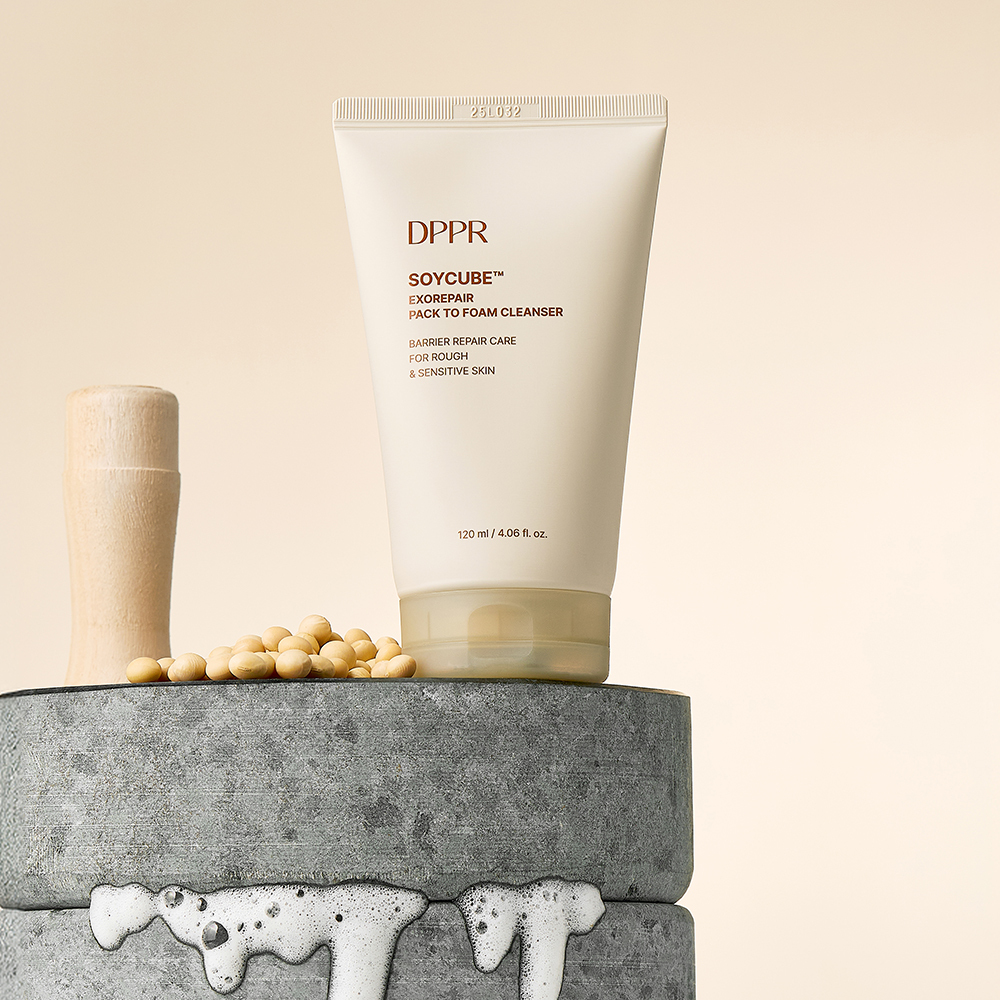
Soycube Exorepair Pack To Foam Cleanser
Beplain
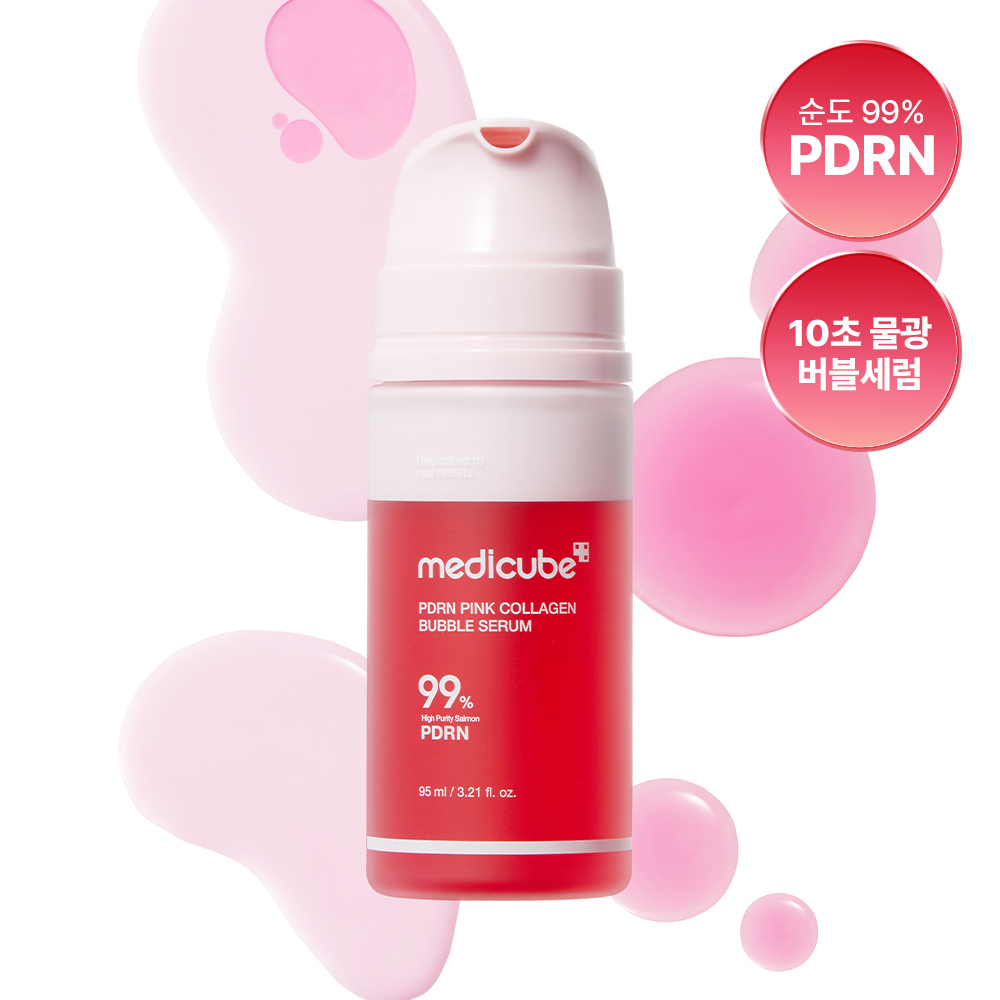
PDRN Pink Collagen Bubble Serum
Medicube
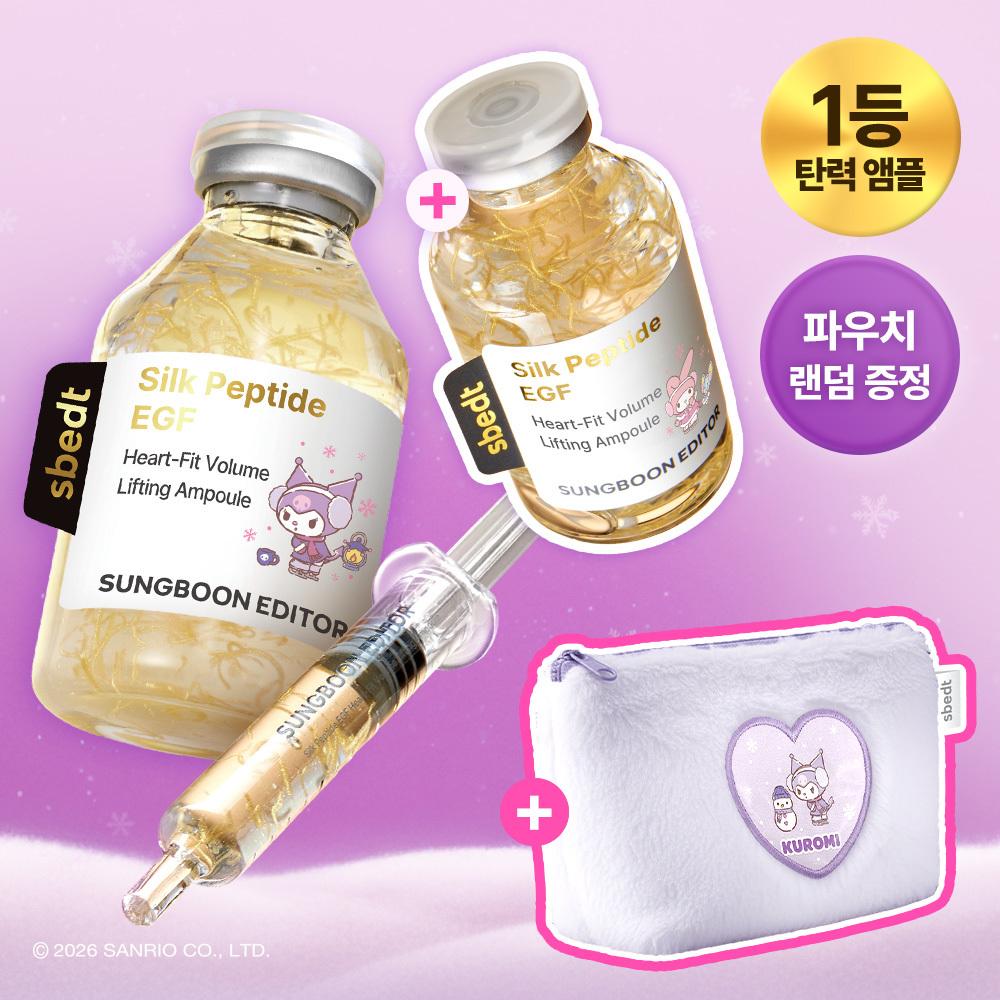
Silk Peptide EGF Heart Fit Volume Lifting Ampoule Double Pack
Sungboon Editor

PDRN Reedle Shot Eye Lifter
VT
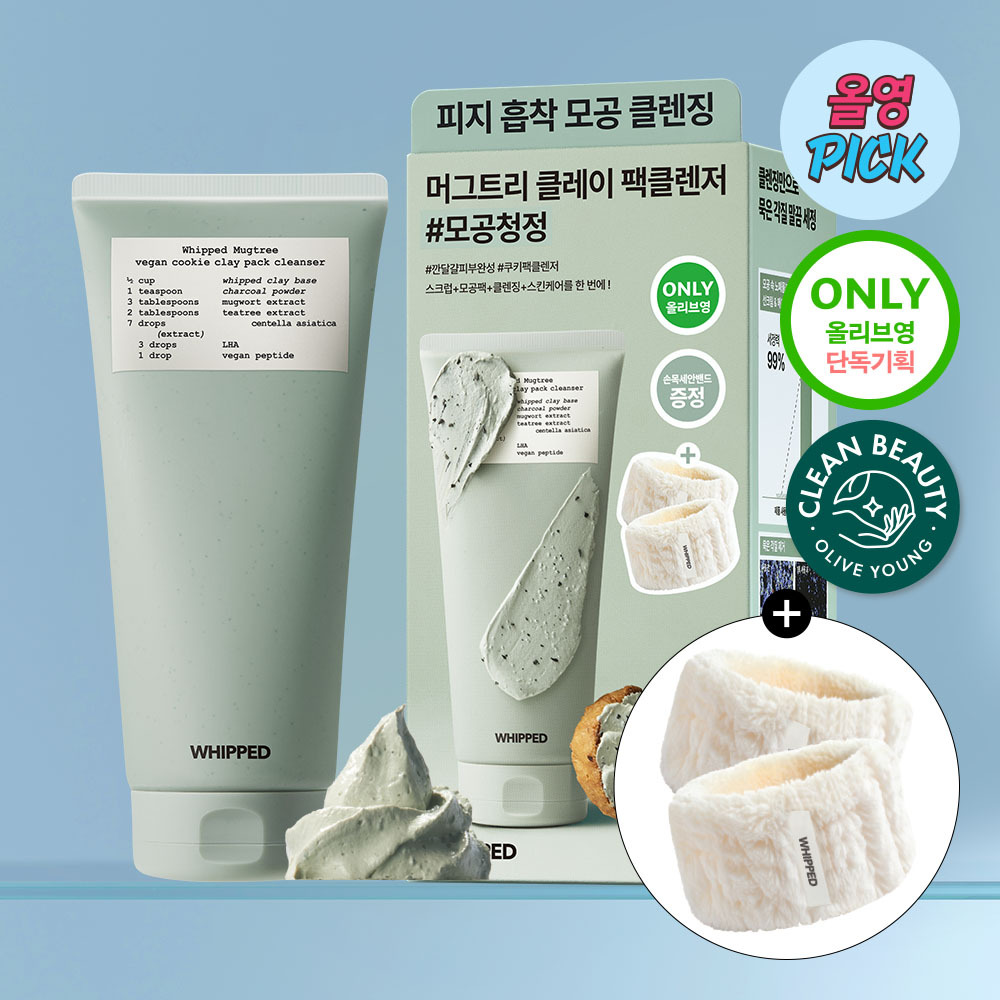
Mugtree Vegan Cookie Clay Pack Cleanser
Whipped
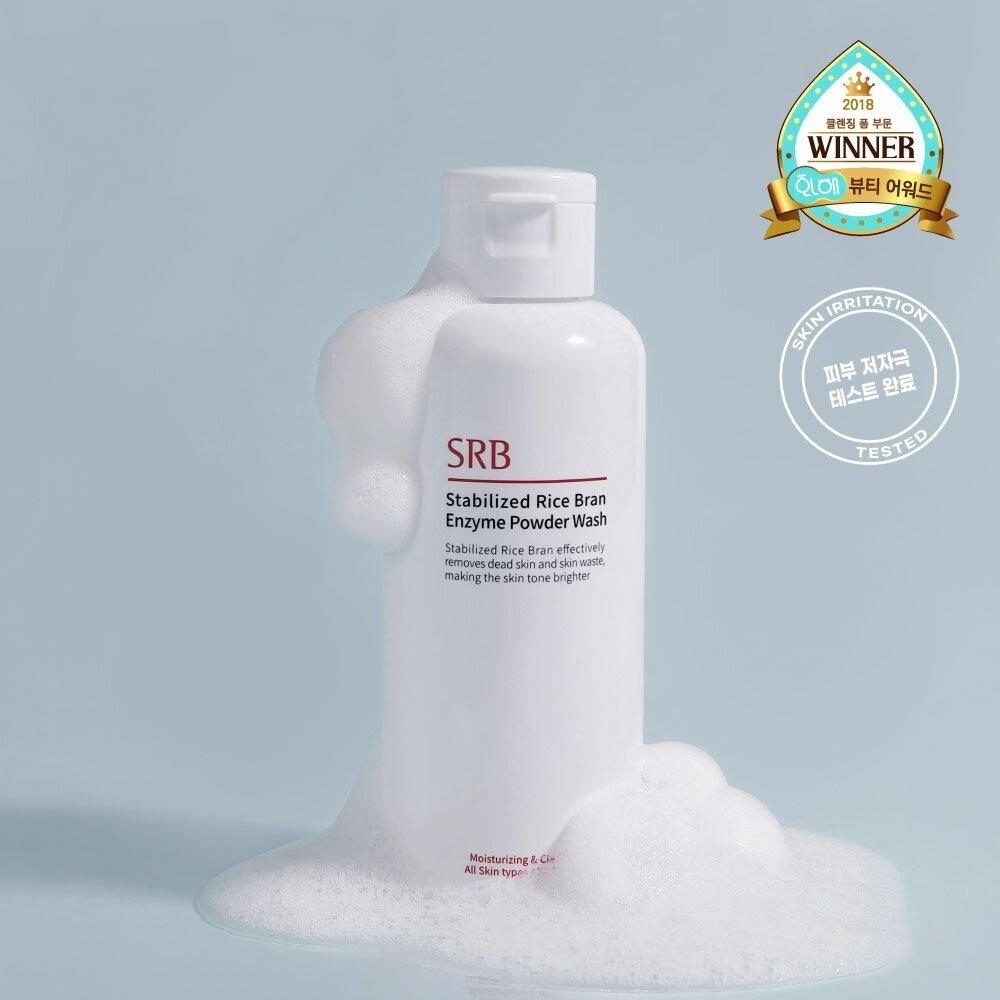
Stabilized Rice Bran Enzyme Powder Wash
Ilso
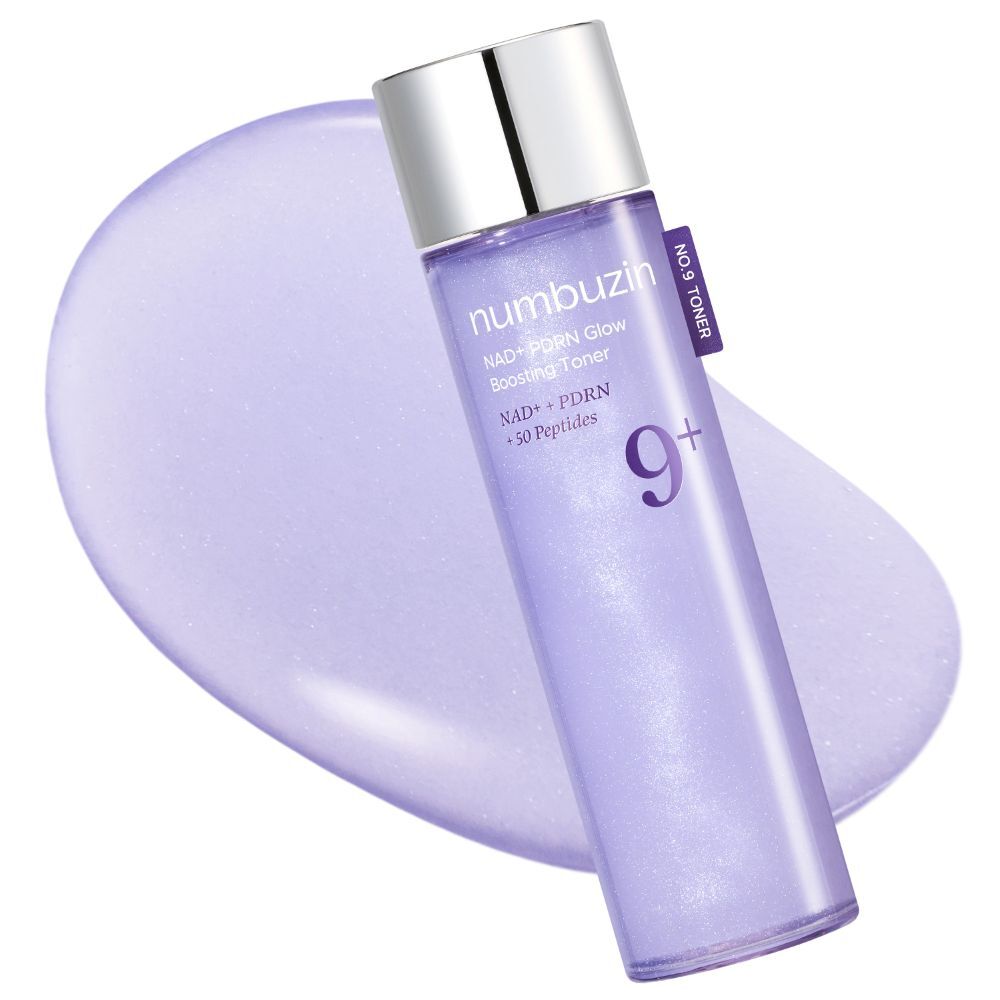
No. 9 NAD PDRN Glow Treatment Toner
Numbuzin

Cellmazing Firming Eye Cream
Torriden
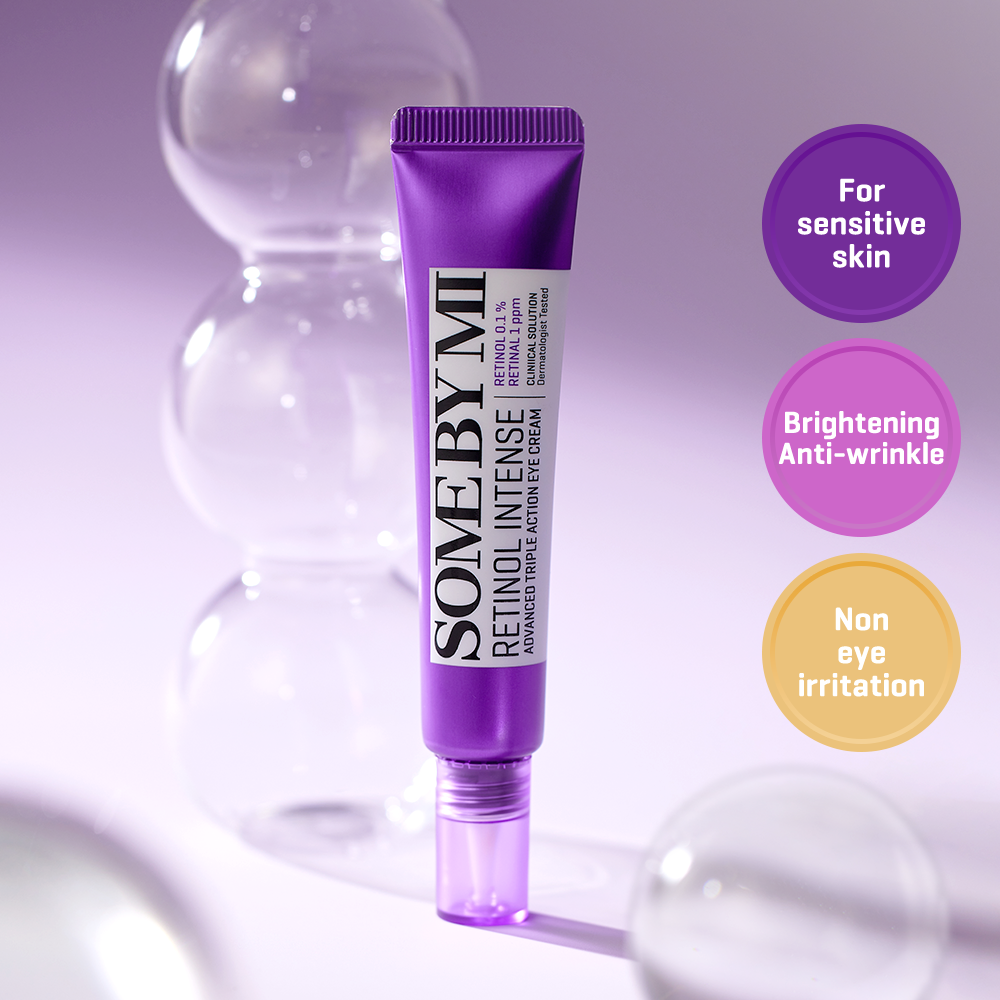
Retinol Intense Advanced Triple Action Eye Cream
Some By Mi
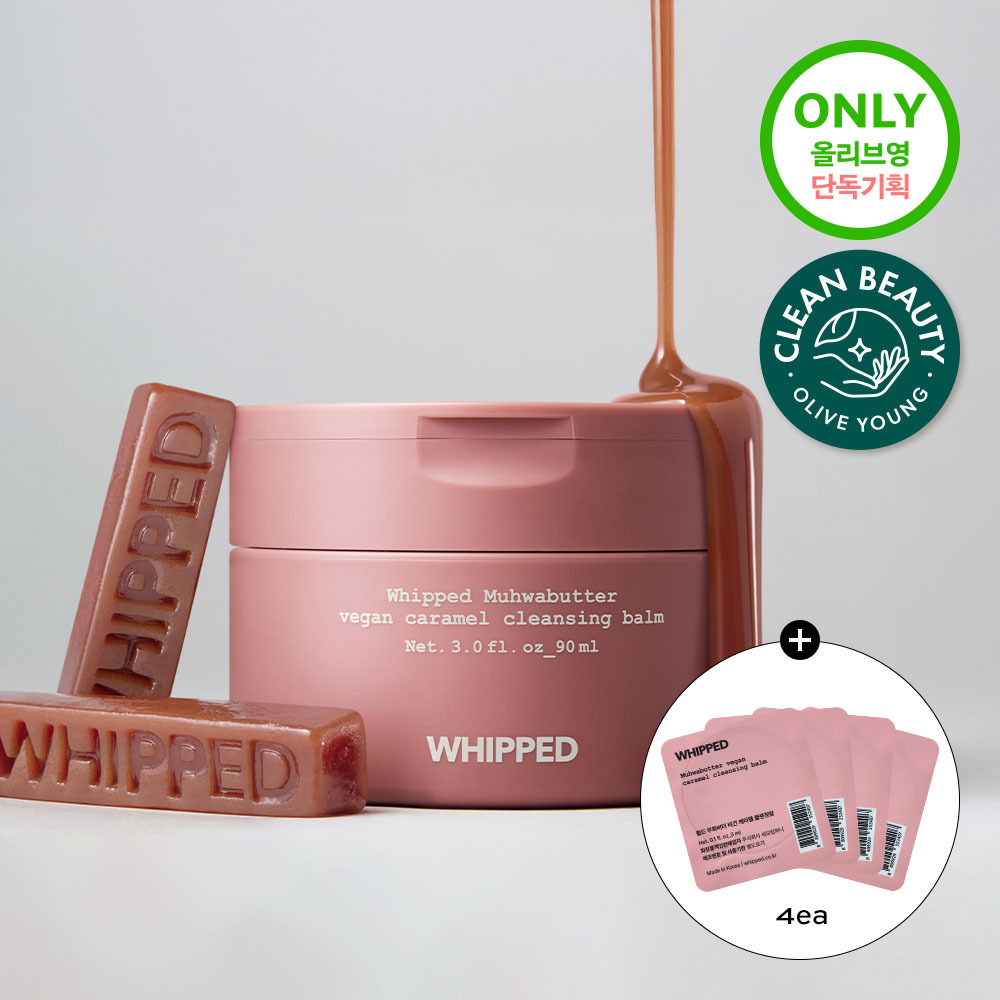
Muhwabutter Vegan Caramel Cleansing Balm
Whipped

White Truffle Return Oil Cream Cleanser
d'Alba
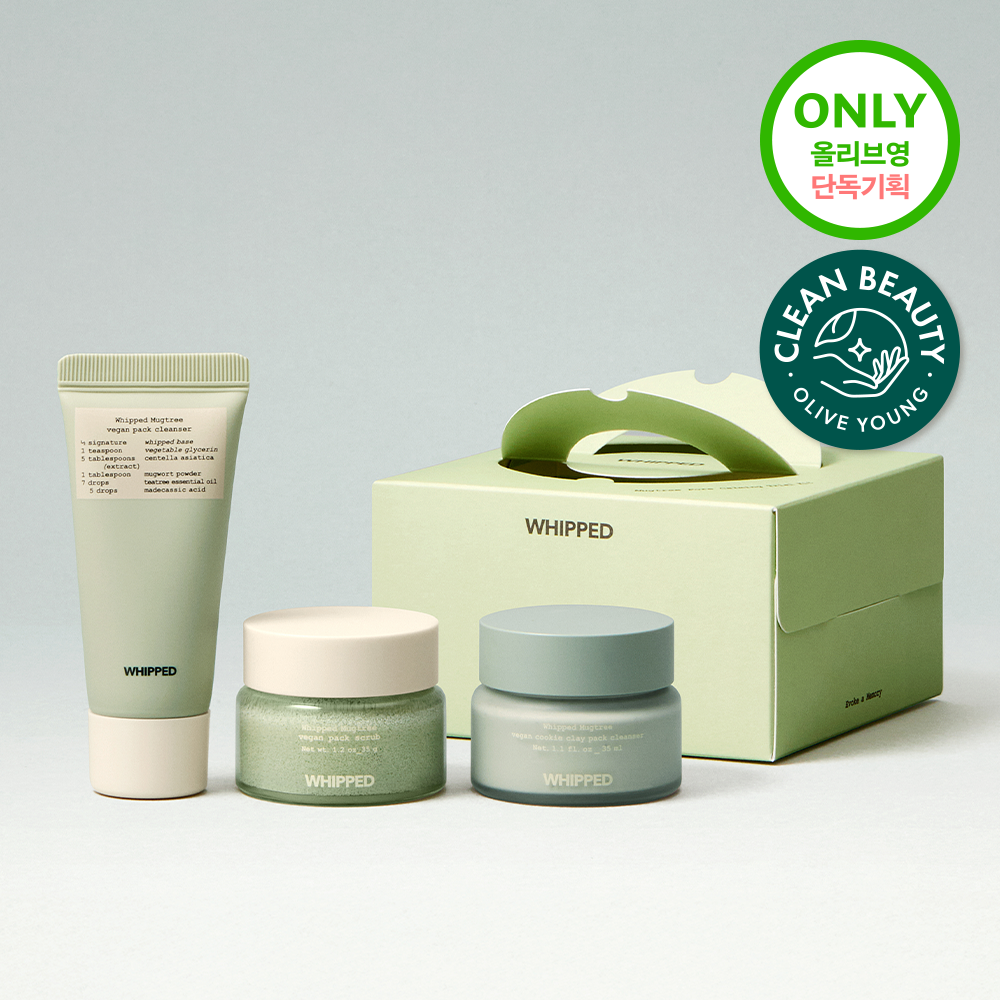
Mugtree Pore Calming Gift Set (Pack Cleanser 25g + Pack Scrub 35g + Cookie Clay 35ml)
Whipped
Frequently Asked Questions
Can topical collagen actually replace the collagen my skin loses with age?▼
Will collagen products cause breakouts on acne-prone skin?▼
What's the difference between marine collagen and bovine collagen in skincare?▼
How long does it take to see results from collagen skincare products?▼
Should I use collagen products morning or night?▼
Articles About Collagen
What Your Korean Collagen Cream's Label Can (and Can't) Tell You
That collagen cream on your shelf might be listing an ingredient that literally can't get into your skin. The fix is one word on the label, and you can check it in about ten seconds without reading a word of Korean.
What Is PDRN Skincare, Really? Why "Salmon DNA" and PDRN Are Not the Same Ingredient
"PDRN" is on every K-beauty label right now, but of 188 PDRN-named products in Seoul Sister's database, 171 actually list Sodium DNA and zero list PDRN. Here's the difference, why it matters, and the 10-second bottle check that tells you what you paid for.
Best Milky Toners for a Sensitive, Dehydrated Skin Barrier
Milky toners promise hydration for sensitive skin, but half of them are loaded with stuff your compromised barrier hates. Here's how to pick one that actually calms instead of stings, and the ingredients worth checking for before you buy.
Explore More
Want personalized ingredient advice?
Yuri, our AI beauty advisor, can tell you how Collagen works with your specific skin type, routine, and concerns.
Ask Yuri, free