Collagen Amino Acids
Hydrating and skin-conditioning humectant
About Collagen Amino Acids
Collagen Amino Acids are the building blocks of collagen proteins, broken down into their smallest components through a process called hydrolysis. These tiny molecular fragments (typically containing 2-3 amino acids like glycine, proline, and hydroxyproline) are much smaller than full collagen molecules, which means they can actually penetrate the skin's surface instead of just sitting on top. In K-beauty formulations, Collagen Amino Acids function primarily as humectants and skin-conditioning agents, drawing moisture into the skin and creating a hydrated, plumped appearance. While topical collagen can't replace your skin's natural collagen structure (those molecules are too large to absorb), these amino acid fragments support skin hydration and may signal fibroblasts to produce more collagen naturally. They're especially popular in Korean anti-aging and firming products, often paired with advanced ingredients like PDRN (as seen in Celladix's Banana PDRN 2X Serum, rated 5.0/5) to maximize skin rejuvenation benefits. With a safety rating of 4/5 and a comedogenic rating of 0/5, Collagen Amino Acids are gentle enough for most skin types and won't clog pores, making them a versatile hydration booster across 43 K-beauty products currently tracked on Seoul Sister.
How Collagen Amino Acids Works
When applied topically, Collagen Amino Acids work through multiple mechanisms. First, they act as humectants, attracting and binding water molecules to the skin's surface, which creates an immediate plumping effect and reduces the appearance of fine lines caused by dehydration. Their small molecular size (under 500 Daltons) allows them to penetrate into the uppermost layers of the epidermis, where they help strengthen the skin's moisture barrier by integrating into the natural moisturizing factor (NMF). Second, these amino acids may function as signaling molecules. When fibroblast cells in the dermis detect collagen fragments, they can interpret this as a sign of collagen breakdown and respond by ramping up production of new collagen and other extracellular matrix components like elastin and hyaluronic acid. This process, called fibroblast stimulation, is why you'll often see Collagen Amino Acids in firming and anti-aging formulas. Finally, the specific amino acids present (particularly proline and glycine) provide the raw materials your skin cells need for their own collagen synthesis, supporting natural repair processes.
Collagen Amino Acids by Skin Type
Oily Skin
Collagen Amino Acids work beautifully for oily skin because they provide hydration without adding heaviness or greasiness. Their humectant properties deliver moisture where it's needed most, and with a 0/5 comedogenic rating, they won't trigger breakouts or clog congested pores. Many oily skin types are actually dehydrated underneath all that oil, and Collagen Amino Acids address this issue by strengthening the moisture barrier, which can help regulate sebum production over time.
Dry Skin
This is where Collagen Amino Acids truly shine. Dry skin lacks both water and often has a compromised moisture barrier, and these amino acids tackle both problems by drawing water into the skin and supporting barrier repair. You'll find them in deeply hydrating K-beauty products like Torriden's Cellmazing Firming Cream (rated 4.9/5), where they work alongside other moisturizing ingredients to create long-lasting hydration and improve skin texture.
Combo Skin
Combination skin benefits from the balanced hydration Collagen Amino Acids provide. They're lightweight enough not to overwhelm oily zones but effective enough to address dry patches. The non-comedogenic formula means you can apply them all over your face without worrying about breakouts in your T-zone, while still getting firming and hydrating benefits in drier areas like your cheeks.
Sensitive Skin
With a solid 4/5 safety rating, Collagen Amino Acids are generally well-tolerated by sensitive skin. They're derived from natural proteins (usually marine or plant sources in K-beauty), and their small molecular structure means less surface irritation compared to larger protein molecules. The hydrating and barrier-supporting properties can actually help calm sensitive skin by reducing trans-epidermal water loss, though anyone with specific protein allergies should check the source.
Normal Skin
For normal skin, Collagen Amino Acids serve as excellent preventative care and maintenance. They support your skin's existing collagen structure, maintain optimal hydration levels, and help prevent the early signs of aging. Products like VT's PDRN Reedle Shot Eye Lifter (rated 4.8/5) use Collagen Amino Acids to maintain firmness and elasticity in areas prone to aging, making them a smart addition to any normal skin routine focused on long-term skin health.
How to Use Collagen Amino Acids
- 1Layer Collagen Amino Acids under heavier moisturizers or oils. As humectants, they need to be sealed in with occlusives to prevent the water they attract from evaporating, especially in dry climates.
- 2Apply to damp skin right after cleansing or toning. Humectants work best when there's existing moisture to bind to, so don't let your skin dry completely before applying serums or ampoules containing Collagen Amino Acids.
- 3Pair with vitamin C serums for enhanced collagen synthesis. When your skin has both the signaling molecules (amino acids) and the cofactor needed for collagen production (vitamin C), you maximize anti-aging benefits.
- 4Use morning and night for best results. Unlike some actives that are better saved for PM routines, Collagen Amino Acids are gentle enough for twice-daily use and actually protect skin during the day by maintaining hydration levels.
- 5Consider combining with PDRN or peptides in your routine. K-beauty products like Celladix's Banana PDRN 2X Serum (5.0/5) already do this, pairing Collagen Amino Acids with advanced regenerative ingredients for synergistic anti-aging effects.
Background
Collagen has been used in skincare for decades, but the technology to break it down into bioavailable amino acids is relatively modern. Traditional collagen ingredients sat on the skin's surface because the molecules were too large (300,000+ Daltons) to penetrate. In the 1990s and early 2000s, Japanese and Korean cosmetic scientists developed hydrolysis techniques to break collagen into tiny peptide chains and individual amino acids, creating ingredients that could actually absorb into skin. K-beauty brands embraced this technology enthusiastically, particularly marine collagen from fish scales and skin, which became popular due to its similarity to human collagen and sustainable sourcing. The rise of K-beauty's science-driven approach in the 2010s brought Collagen Amino Acids into mainstream products, moving beyond luxury anti-aging creams into everyday serums and ampoules. Today, Korean formulators often combine Collagen Amino Acids with cutting-edge ingredients like PDRN (salmon DNA) and exosomes, creating multi-targeted regenerative products that represent the evolution of collagen skincare.
K-Beauty Products with Collagen Amino Acids
View all 50 →
Cellmazing Firming Cream Special Set
Torriden
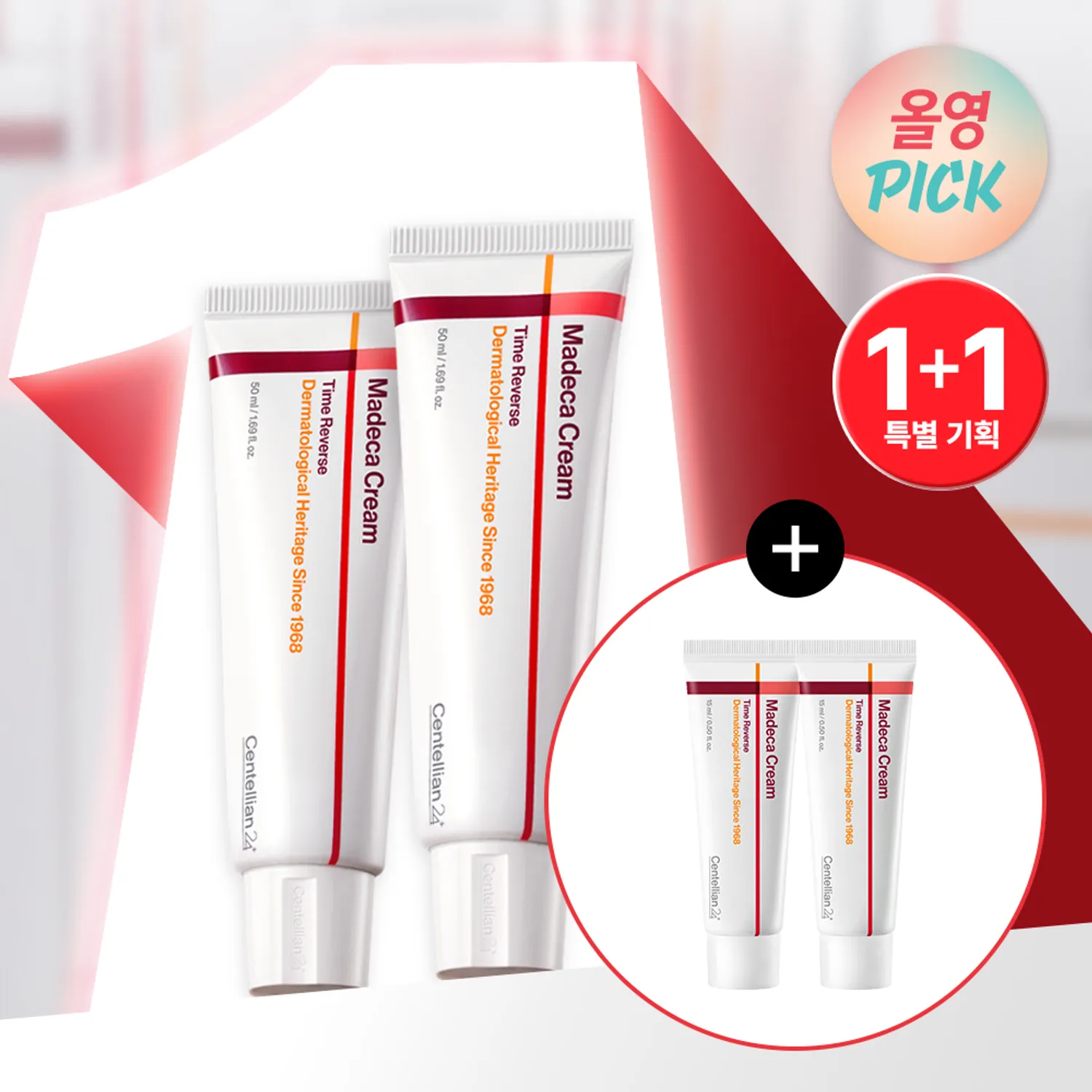
Madeca Cream Time Reverse Double Pack
Centellian24

PDRN Reedle Shot Eye Lifter
VT
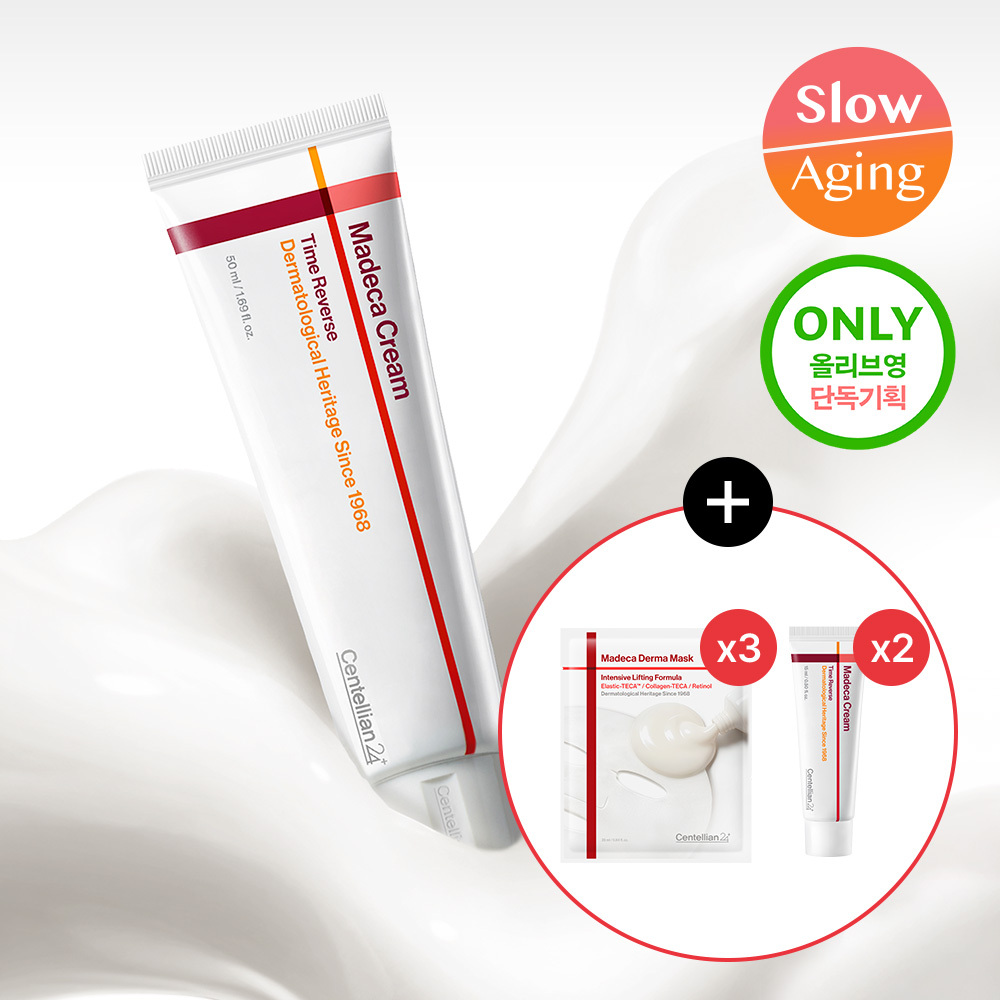
Madeca Cream Time Reverse Set
Centellian24
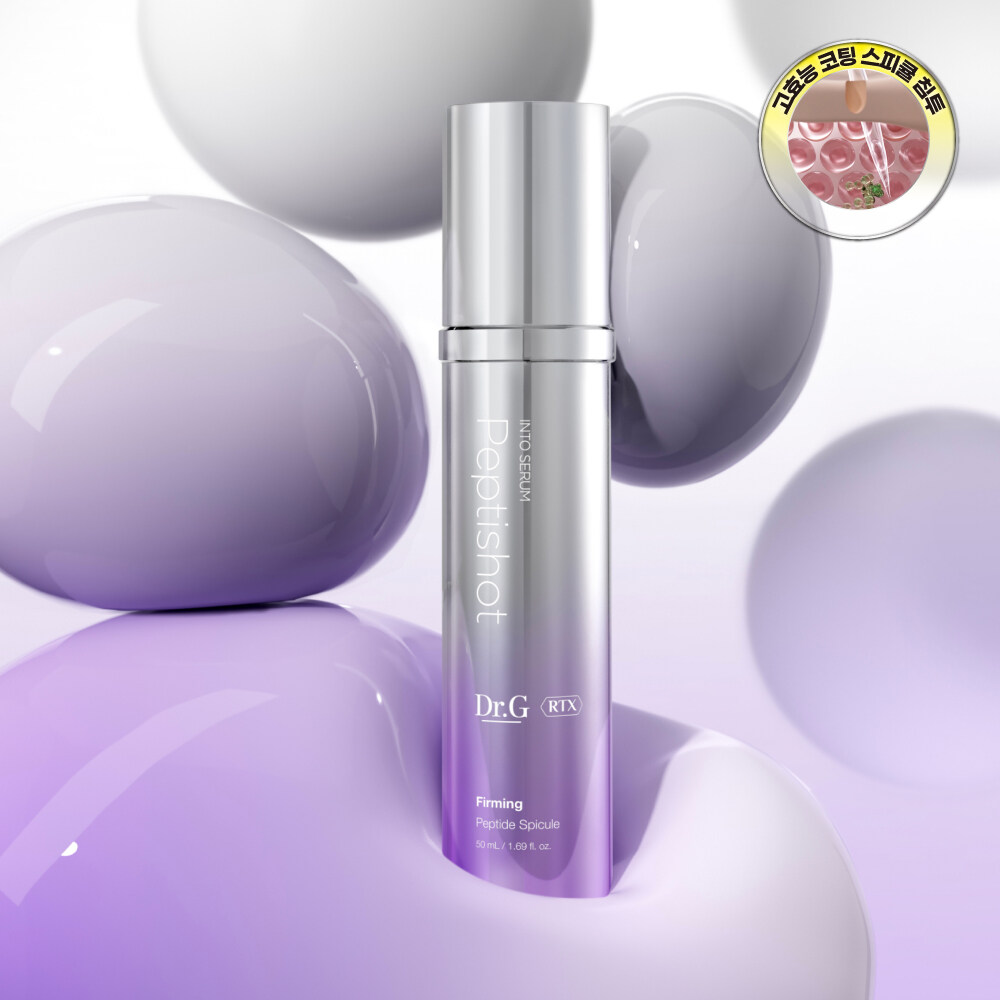
RTX Into Serum Peptishot
Dr.G

Cellmazing Firming Eye Cream
Torriden
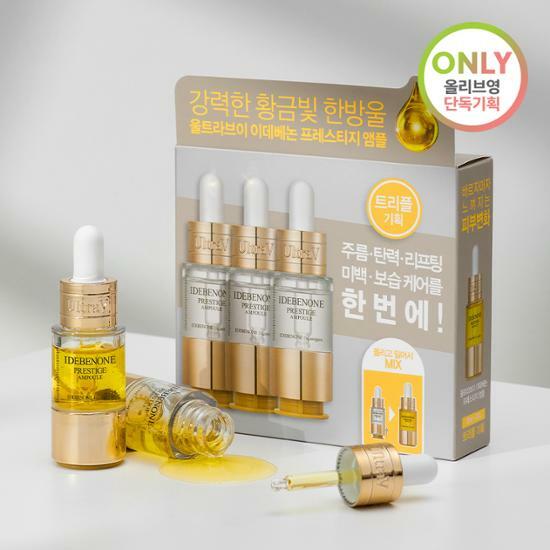
Ultra V Idebenone Prestige Ampoule 3ea
Anua
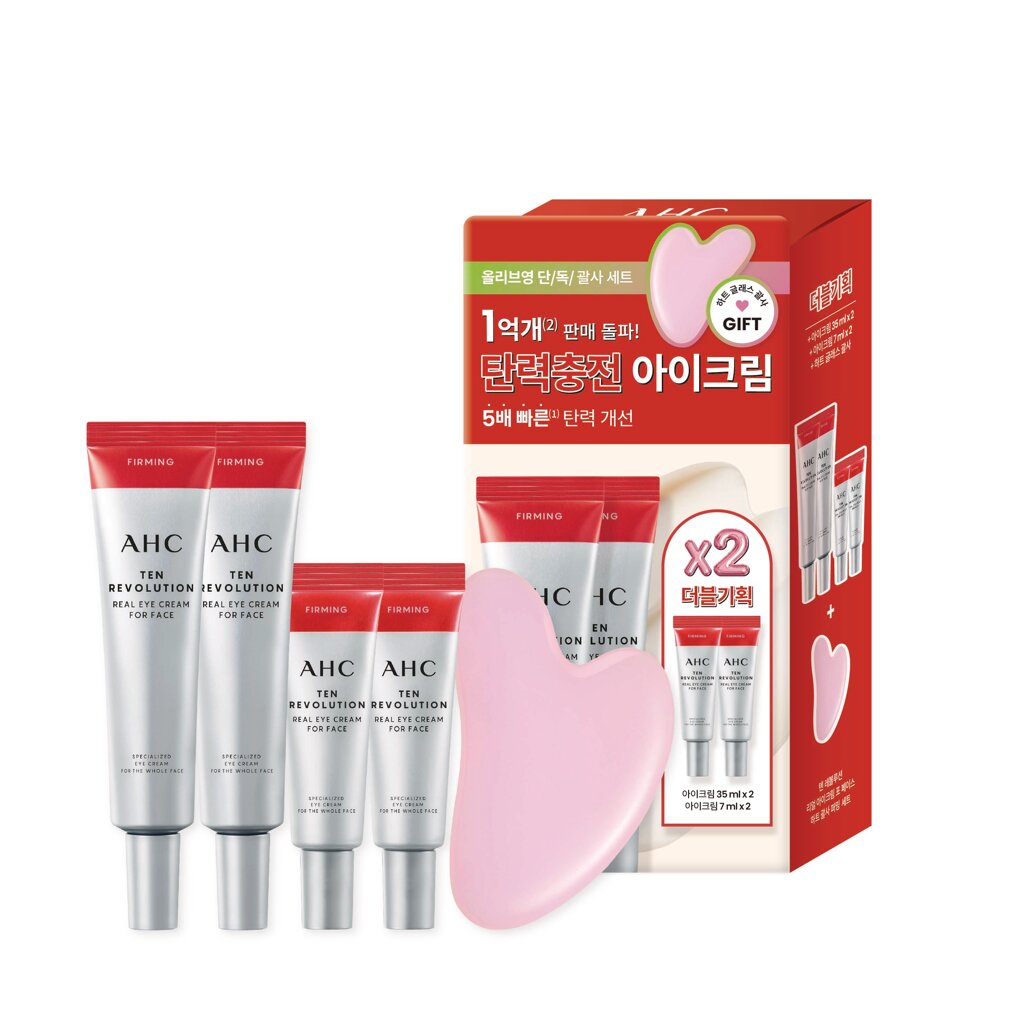
10 Revolution Real Eye Cream For Face
AHC
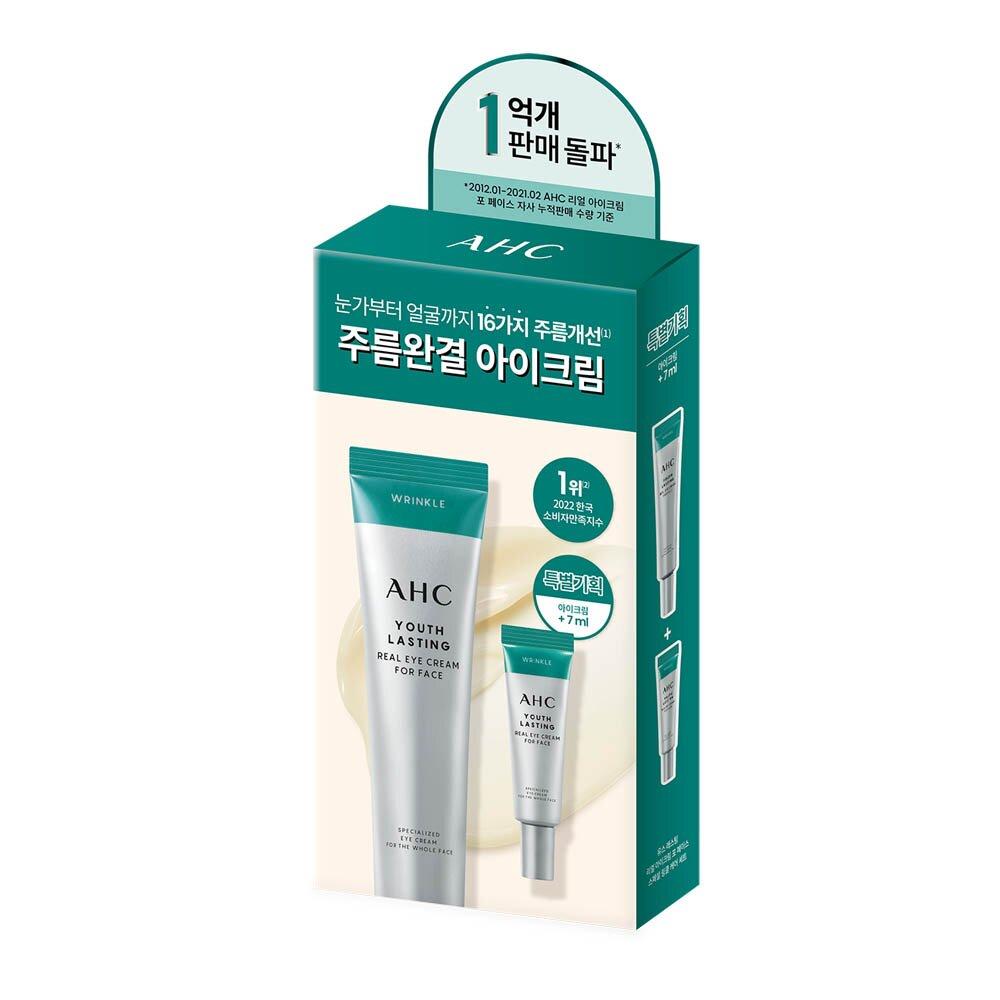
Youth Lasting Real Eye Cream For Face Special Wrinkle Care Set
AHC
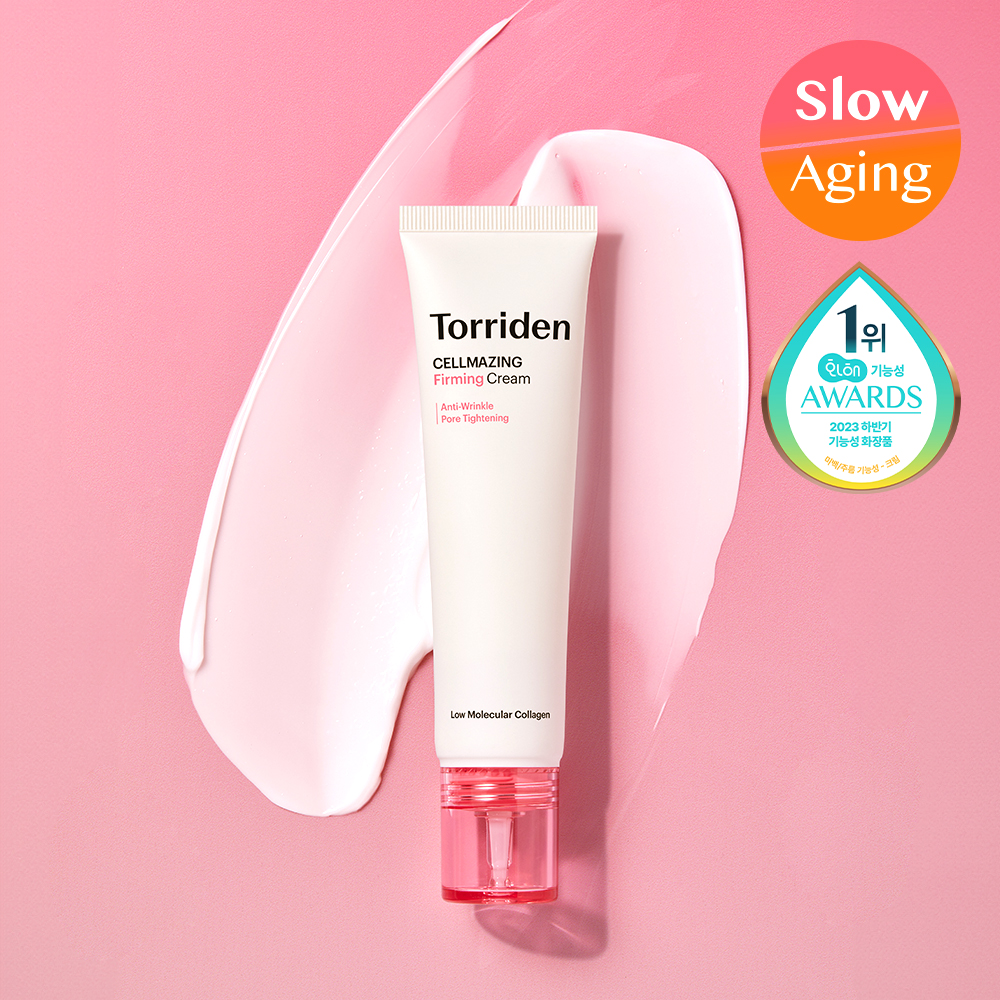
Cellmazing Firming Cream
Torriden
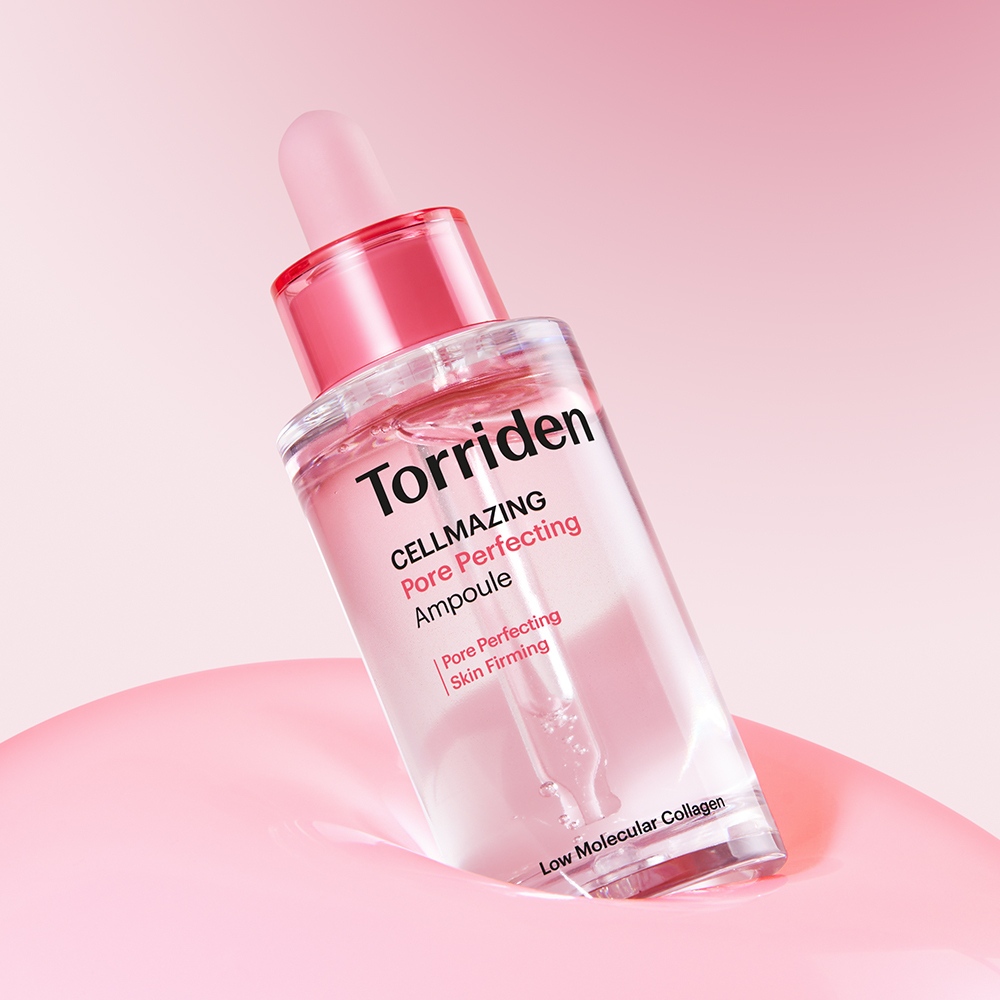
Cellmazing Pore Perfecting Ampoule
Torriden
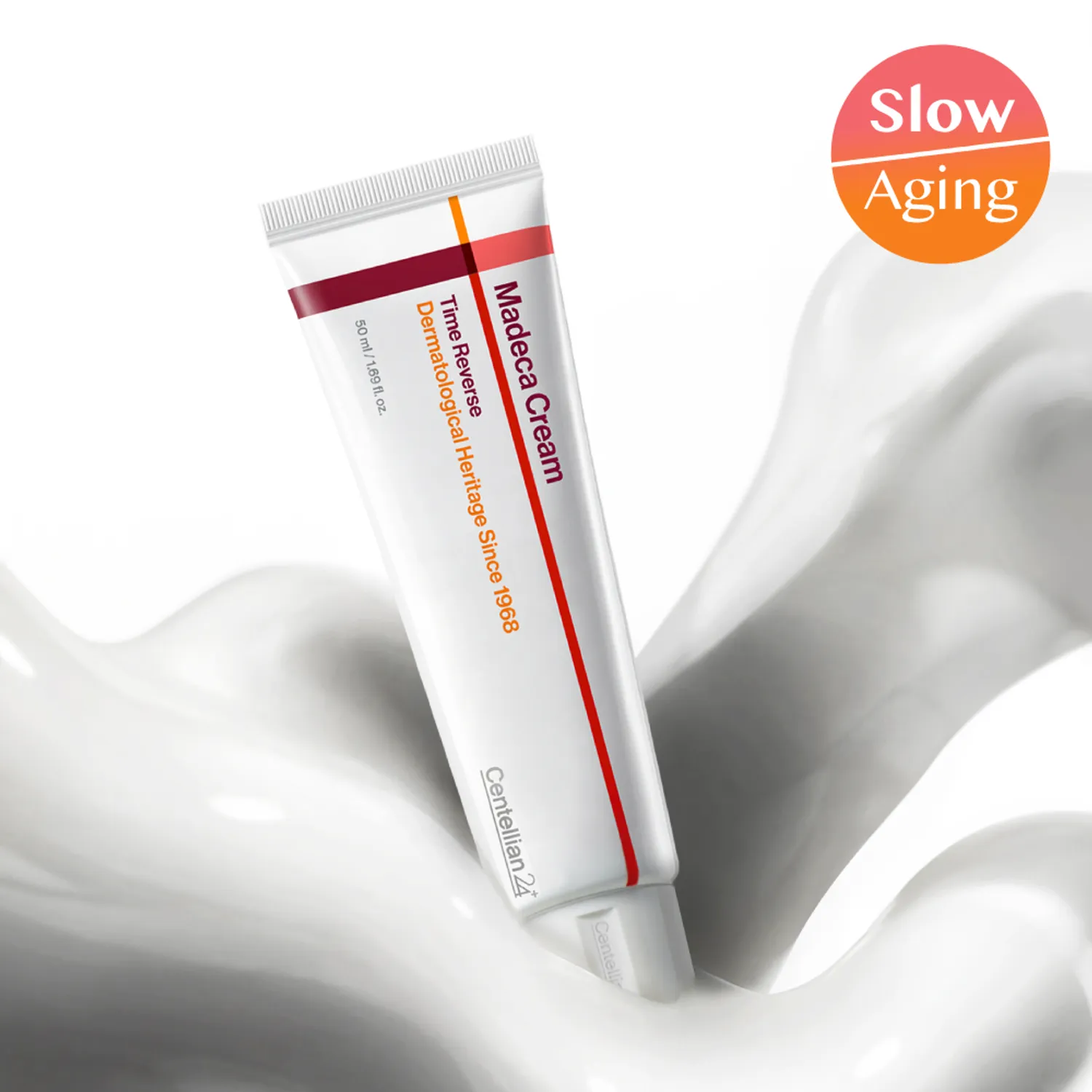
Madeca Cream Time Reverse
Centellian24
Frequently Asked Questions
Can Collagen Amino Acids actually rebuild collagen in my skin?▼
How are Collagen Amino Acids different from collagen peptides?▼
Is it better to take collagen supplements or use it topically?▼
Will Collagen Amino Acids break me out?▼
What's the best time to start using products with Collagen Amino Acids?▼
Explore More
Want personalized ingredient advice?
Yuri, our AI beauty advisor, can tell you how Collagen Amino Acids works with your specific skin type, routine, and concerns.
Ask Yuri, free