Copper Gluconate
Antioxidant and skin conditioning agent
About Copper Gluconate
Copper gluconate is a chelated mineral compound that combines copper with gluconic acid, creating a highly bioavailable form of copper that skin cells can actually use. While copper might sound like something you'd find in pipes, it's actually an essential trace mineral that plays a starring role in skin health, particularly in collagen and elastin production. In K-beauty formulations, copper gluconate is prized for its dual action as both an antioxidant and a skin conditioning agent, helping to neutralize free radicals while supporting the structural proteins that keep skin firm and resilient. Unlike some other forms of copper used in skincare, copper gluconate is water-soluble and gentle enough for daily use, which explains why you'll find it in everything from cleansers to essences. Korean skincare brands have embraced this ingredient for its ability to deliver visible anti-aging benefits without the irritation associated with more aggressive actives. Its presence in premium men's skincare lines like Laneige Homme reflects growing recognition that copper plays a crucial role in maintaining healthy, resilient skin across all demographics. With a non-comedogenic rating of 0/5, copper gluconate won't clog pores, making it suitable even for acne-prone skin types.
How Copper Gluconate Works
At the cellular level, copper gluconate acts as a cofactor for several important enzymes involved in skin repair and protection. Most notably, it activates lysyl oxidase, an enzyme absolutely essential for cross-linking collagen and elastin fibers, which gives skin its structural integrity and bounce. Without adequate copper, your body literally cannot form stable collagen, no matter how much vitamin C or peptides you apply. Copper also plays a key role in superoxide dismutase (SOD), one of your skin's most powerful endogenous antioxidants that neutralizes superoxide radicals before they can damage cellular membranes and DNA. The gluconate component serves as a delivery system, keeping the copper stable in formulations and helping it penetrate the skin barrier more effectively than ionic copper alone. Once absorbed, copper ions interact with amino acids in the deeper layers of skin, stimulating fibroblast activity and promoting the synthesis of glycosaminoglycans, the moisture-binding molecules that keep skin plump and hydrated. This multi-pronged mechanism explains why copper gluconate appears in both immediate-effect products like toners and long-term treatment essences.
Copper Gluconate by Skin Type
Oily Skin
Copper gluconate is excellent for oily skin because it regulates sebum production while supporting pore structure through collagen strengthening. Its antioxidant properties help protect against the oxidative stress that can worsen breakouts, and the 0/5 comedogenic rating means zero risk of clogged pores.
Dry Skin
Dry skin benefits significantly from copper gluconate's ability to boost glycosaminoglycan synthesis, which improves the skin's natural moisture-retention capacity. By supporting collagen and elastin production, it also helps repair the compromised barrier function that often underlies chronic dryness.
Combo Skin
For combination skin, copper gluconate offers balanced benefits, controlling oil in the T-zone while improving hydration in drier areas. Its skin conditioning properties help normalize overall texture without tipping the scales toward excess oiliness or dryness in either zone.
Sensitive Skin
Copper gluconate is generally well-tolerated by sensitive skin, especially in the chelated gluconate form which is less reactive than other copper compounds. However, the 4/5 safety rating (rather than 5/5) suggests some individuals may experience mild sensitivity, so patch testing is recommended for highly reactive skin.
Normal Skin
Normal skin types can use copper gluconate preventatively to maintain collagen levels and protect against environmental stressors. It's particularly valuable for those in their late twenties and beyond who want to get ahead of visible aging without resorting to harsh treatments.
How to Use Copper Gluconate
- 1Apply copper gluconate products to damp skin immediately after cleansing to maximize absorption, as the ingredient penetrates more effectively when the skin barrier is slightly hydrated.
- 2Copper gluconate works synergistically with vitamin C, so consider layering a copper-containing essence before your vitamin C serum for enhanced collagen synthesis (despite outdated warnings about copper-vitamin C conflicts).
- 3Morning application is ideal since copper gluconate's antioxidant properties provide protection against daytime environmental stressors and UV-induced free radical damage.
- 4Don't expect overnight results, copper gluconate is a long-game ingredient that shows its best effects after 8-12 weeks of consistent use as collagen remodeling takes time.
Background
Copper has been used in wound healing since ancient Egyptian times, with copper-containing ointments appearing in medical texts dating back thousands of years. The modern understanding of copper's role in collagen synthesis emerged in the 1970s when researchers discovered that copper deficiency led to severe connective tissue disorders. Korean skincare scientists began incorporating copper gluconate specifically in the early 2000s as part of the broader movement toward biomimetic ingredients that work with skin's natural processes rather than against them. The chelated gluconate form was developed to overcome copper's stability challenges in cosmetic formulations, where it tends to oxidize and lose efficacy. Its recent appearance in K-beauty men's lines like Laneige Homme reflects the ingredient's reputation for visible firming effects without the feminized packaging or heavy textures that previously dominated anti-aging skincare.
K-Beauty Products with Copper Gluconate
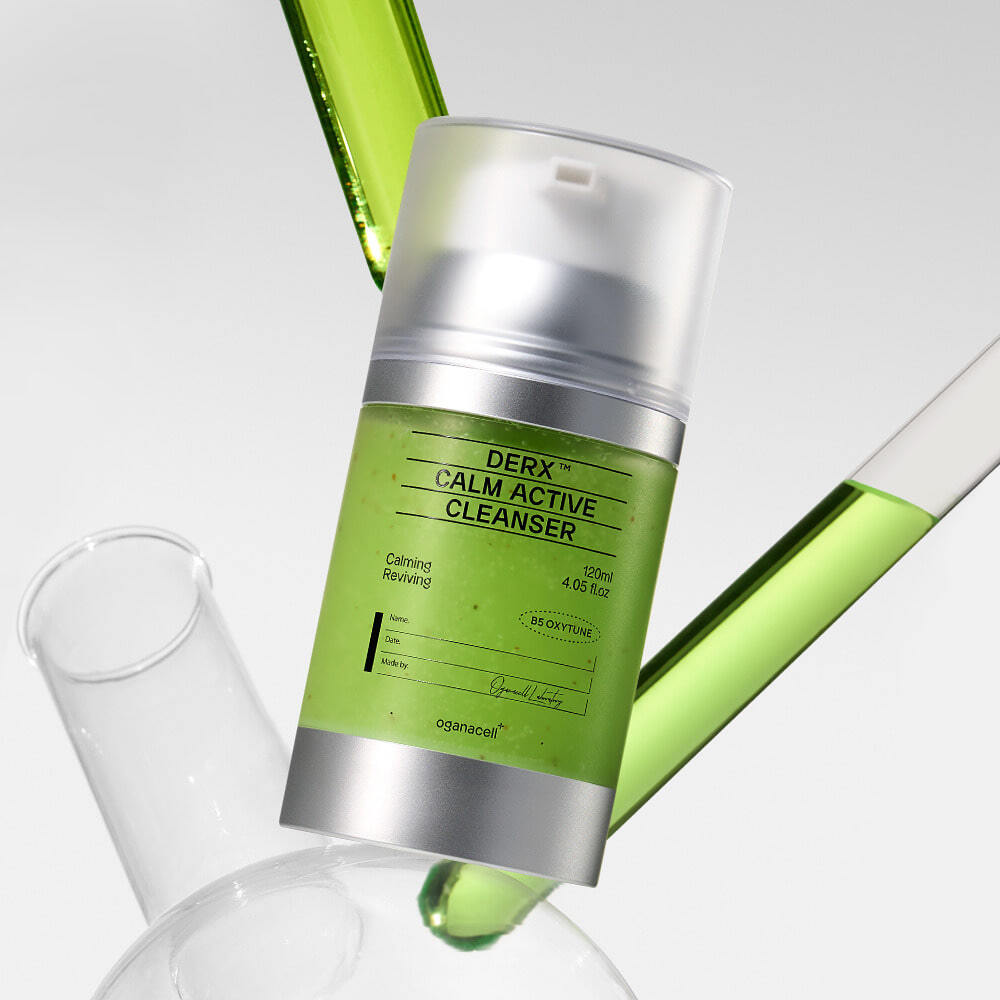
Organacell Derx Calm Active Cleanser
Beplain
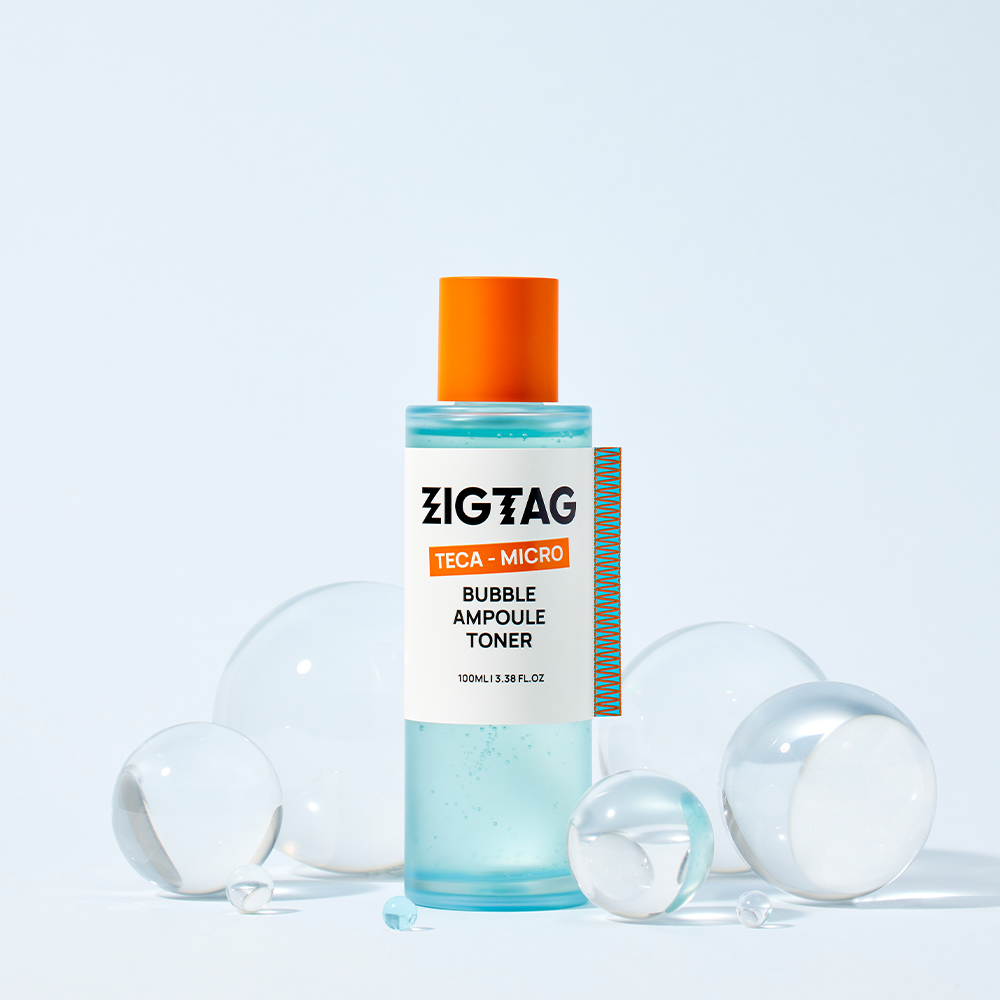
Teca-Micro Bubble Ampoule Toner
Anua

No. 9 NAD Bio Lifting-sil Essence
Numbuzin
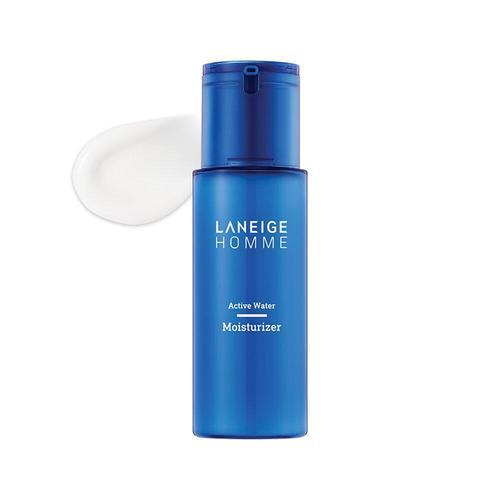
HOMME Active Water Moisturizer
Laneige
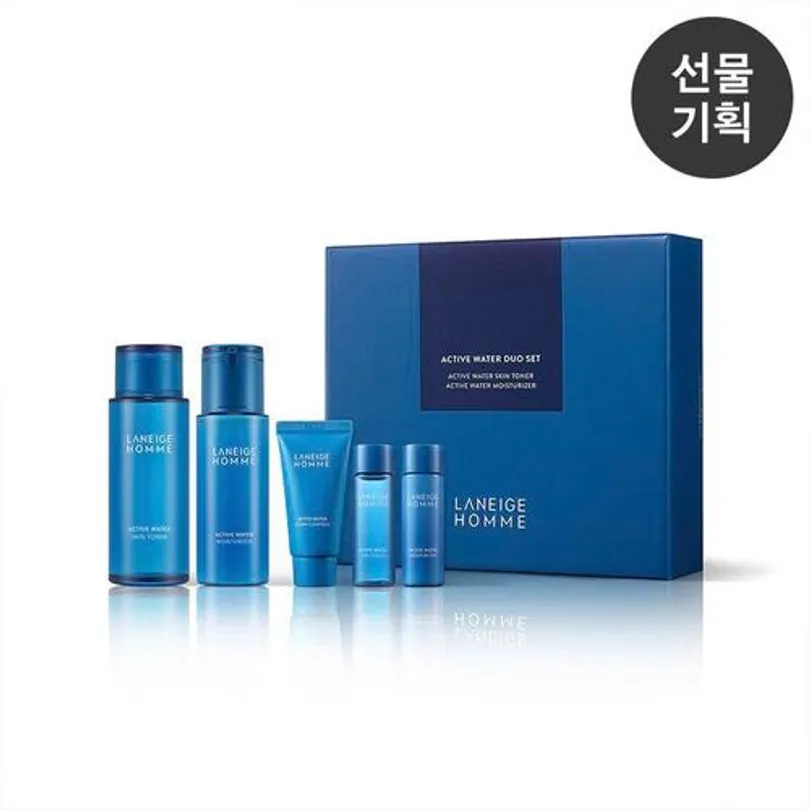
Homme Active Water Duo Set
Laneige
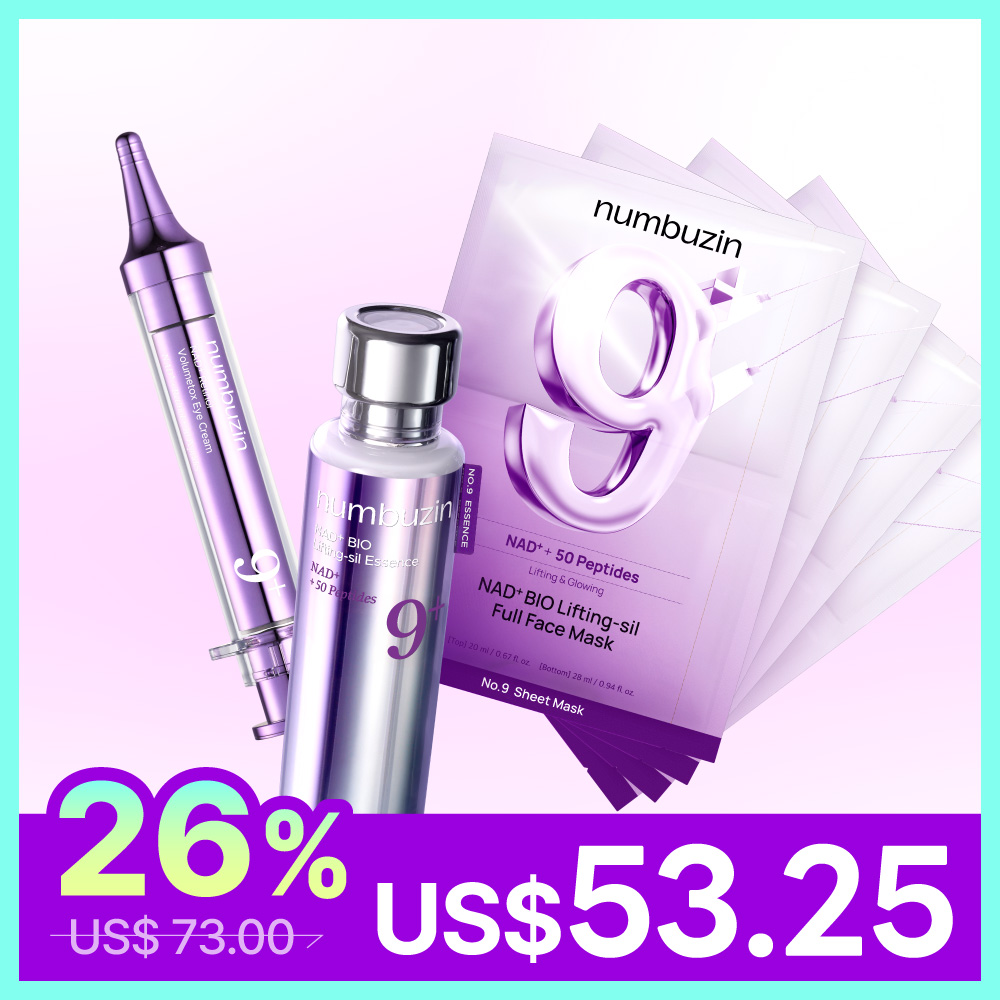
No. 9 NAD Ultimate Lifting Set
Numbuzin
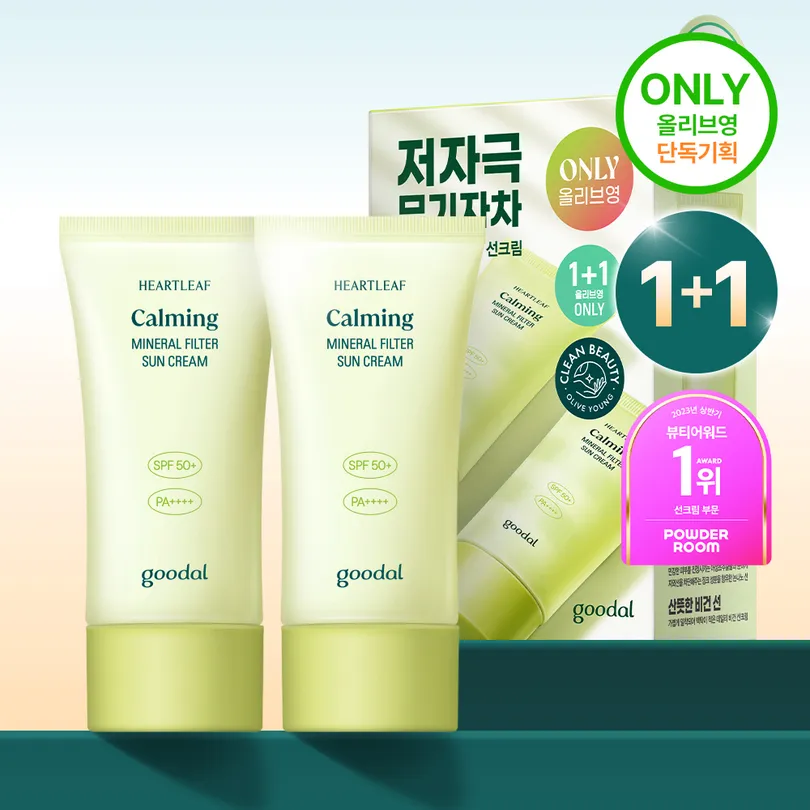
Heartleaf Mineral Filter Sun Cream
Goodal
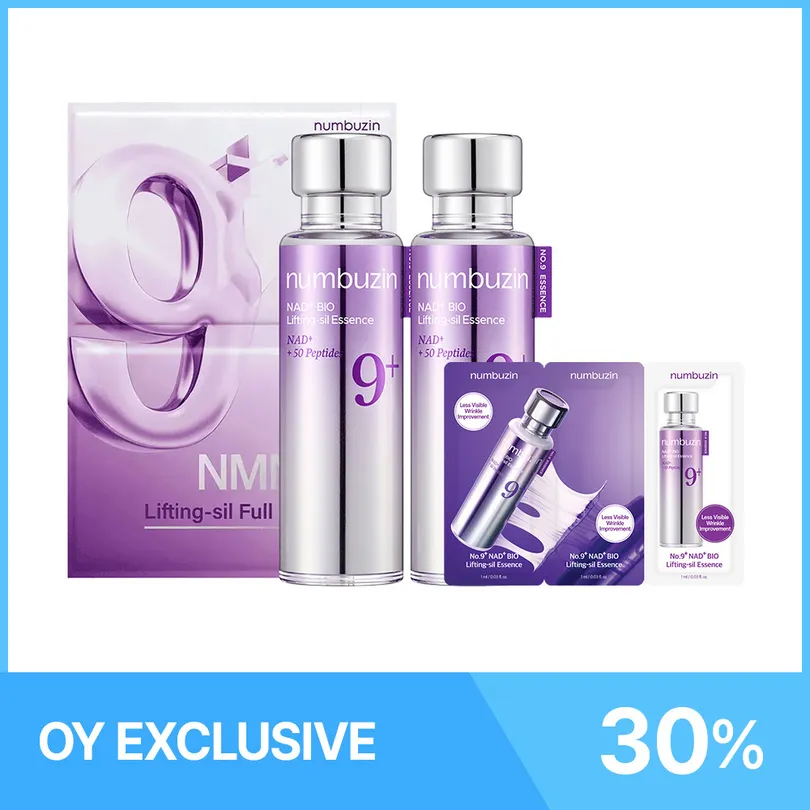
No. 9 NAD Bio Lifting-sil Essence Duo Set
Numbuzin
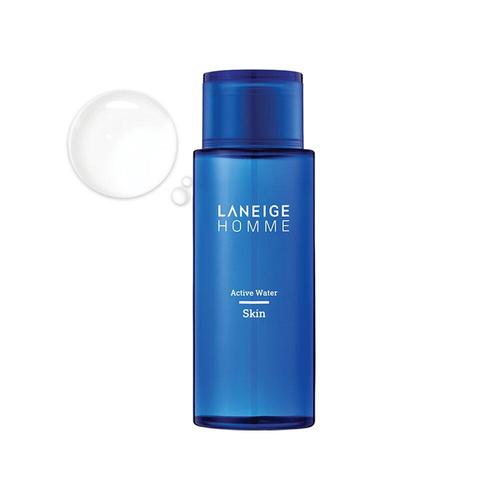
Homme Active Water Skin Toner
Laneige
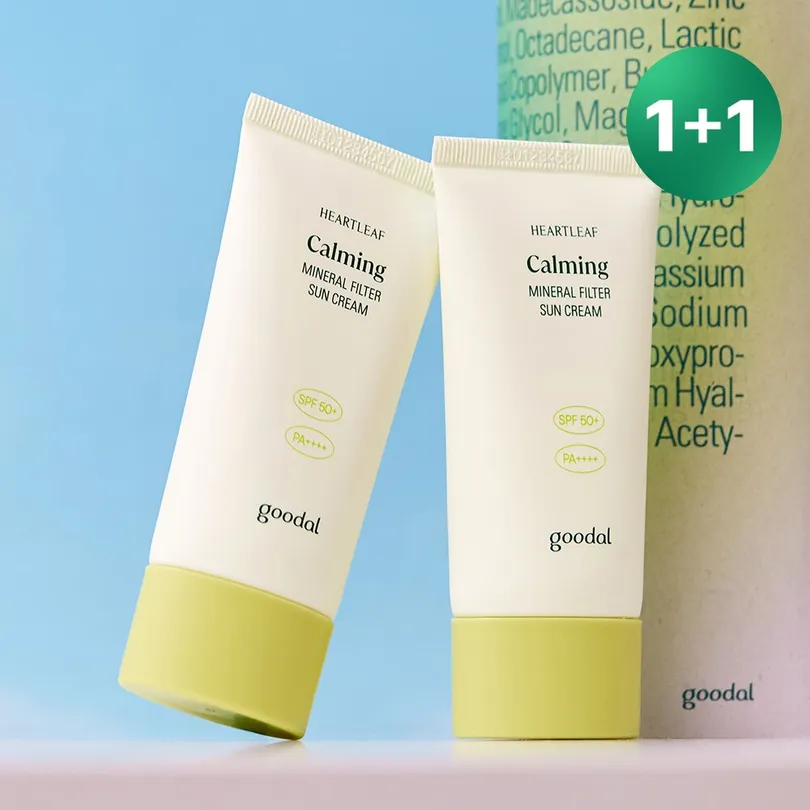
Heartleaf Calming Mineral Filter Sun Cream Special Set
Goodal
Cicapair Tiger Grass Camo Drops SPF35 PA++
Dr. Jart+
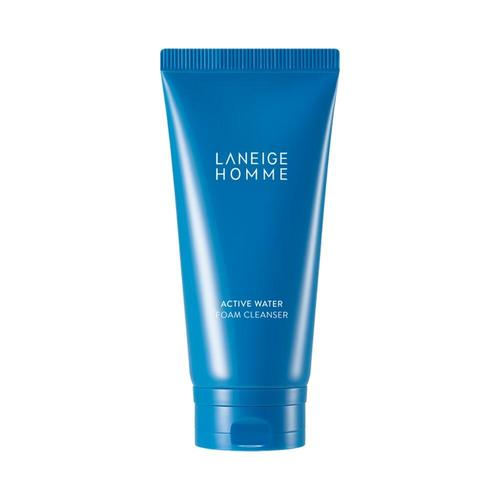
Homme Active Water Foam Cleanser
Laneige
Frequently Asked Questions
Is copper gluconate safe to use every day?▼
Can copper gluconate help with acne scars?▼
Will copper gluconate turn my skin green or discolor it?▼
How does copper gluconate compare to copper peptides?▼
Explore More
Want personalized ingredient advice?
Yuri, our AI beauty advisor, can tell you how Copper Gluconate works with your specific skin type, routine, and concerns.
Ask Yuri, free