Red Algae Extract
INCI: Corallina Officinalis Extract
Antioxidant and skin soothing marine extract
About Red Algae Extract
Red algae extract, scientifically known as Corallina Officinalis Extract, is a marine-derived ingredient that has become a staple in K-beauty formulations for its potent antioxidant and soothing properties. This calcified red seaweed thrives in rocky coastal waters and has adapted to produce a rich array of bioactive compounds, including polysaccharides, minerals, and phlorotannins, to protect itself from harsh ocean conditions. In skincare, red algae extract offers similar protective benefits to human skin, helping to neutralize free radicals caused by UV exposure and pollution while calming inflammation and reinforcing the skin barrier. K-beauty brands particularly value this ingredient for its dual ability to provide powerful antioxidant defense without irritation, making it suitable for even the most reactive skin types. With a perfect comedogenic rating of 0/5, it won't clog pores, which explains its presence in 341 K-beauty products ranging from cleansers to intensive repair creams. Products like VT's PDRN Capsule Cream 100 (rated 5.0/5) and Beplain's Mung Bean pH-Balanced Cleansing Foam (4.9/5) showcase how effectively this marine extract can be incorporated across different product categories. Its high safety rating of 4/5 reflects years of use in cosmetics with minimal adverse reactions, positioning red algae extract as a reliable choice for those seeking ocean-inspired skincare with real clinical backing.
How Red Algae Extract Works
Red algae extract works at the cellular level by deploying a network of polysaccharides, particularly carrageenan and agar, that form a protective film on the skin's surface while simultaneously penetrating to deliver bioactive compounds. The extract's high concentration of sulfated polysaccharides helps bind moisture to the skin and modulates inflammatory pathways by inhibiting pro-inflammatory cytokines like TNF-alpha and IL-6. Its antioxidant activity comes primarily from phlorotannins and mycosporine-like amino acids (MAAs), which are natural UV-absorbing compounds the algae produces to protect itself from solar radiation. These molecules scavenge reactive oxygen species (ROS) before they can damage cellular DNA and collagen fibers. Additionally, red algae extract contains trace minerals like calcium, magnesium, and zinc that support enzymatic processes involved in skin repair and barrier function. The extract also stimulates fibroblast activity, promoting collagen synthesis and improving skin elasticity over time. This multi-pathway approach explains why red algae extract appears in both cleansing products and treatment formulas, it provides immediate protective benefits while supporting long-term skin health through cellular regeneration and defense mechanisms.
Red Algae Extract by Skin Type
Oily Skin
Red algae extract is excellent for oily skin types due to its non-comedogenic nature and lightweight hydration. The polysaccharides provide moisture without adding heaviness, while the anti-inflammatory properties help calm the redness and irritation often associated with acne-prone skin. Its presence in highly-rated cleansing products like Beplain's Mung Bean Pore Cleansing Milk Balm (4.9/5) demonstrates how effectively it works in oil-control formulations.
Dry Skin
Dry skin benefits significantly from red algae extract's humectant properties, as the sulfated polysaccharides attract and retain moisture in the stratum corneum. The extract helps repair compromised barrier function by delivering essential minerals that support lipid production and cell cohesion. Products like VT's PDRN Capsule Cream 100 (5.0/5) leverage red algae extract alongside other nourishing ingredients to provide intensive hydration for parched skin.
Combo Skin
Combination skin finds balance with red algae extract because it hydrates dry areas without overwhelming oily zones. The ingredient's ability to regulate inflammation helps minimize the appearance of enlarged pores in the T-zone while maintaining moisture in drier cheek areas. Its versatility across product types means you can layer red algae-containing cleansers and moisturizers without fear of breakouts or dry patches.
Sensitive Skin
Sensitive skin types can rely on red algae extract as a gentle yet effective ingredient due to its natural anti-inflammatory compounds and high safety rating of 4/5. The extract soothes reactive skin by inhibiting inflammatory mediators while strengthening the skin barrier against external irritants. Its marine origin means it's typically free from common allergens found in plant-based extracts, making it a safer option for those with multiple sensitivities.
Normal Skin
Normal skin maintains its healthy state with red algae extract by receiving consistent antioxidant protection against environmental stressors. The ingredient supports the skin's natural defense mechanisms without disrupting its already balanced sebum production or hydration levels. Regular use in products like Dr.G's Green Deep Pore Cleansing Balm (4.9/5) helps prevent premature aging and maintains the resilient, even-toned complexion characteristic of normal skin.
How to Use Red Algae Extract
- 1Look for red algae extract in your first cleansing step, as its soothing properties help calm skin during makeup removal while providing antioxidant protection.
- 2Layer red algae-containing products from thinnest to thickest consistency, starting with cleansers and toners, then moving to serums and creams like VT's PDRN Capsule Cream 100.
- 3Use red algae extract products both morning and night for continuous antioxidant defense, especially if you live in urban environments with high pollution exposure.
- 4Pair red algae extract with other marine ingredients like sea water or spirulina for enhanced ocean-derived benefits, or combine with niacinamide for amplified brightening and barrier repair effects.
- 5If you have extremely sensitive skin, start with leave-on products rather than rinse-off formulas to maximize the anti-inflammatory benefits of red algae extract.
Background
Corallina Officinalis has been harvested from coastal regions across Europe and Asia for centuries, initially valued in traditional medicine for its mineral-rich composition and healing properties. In Irish and Scottish folk remedies, red algae was applied to wounds and skin irritations, though the scientific understanding of its bioactive compounds only emerged in the late 20th century. Korean skincare researchers began seriously investigating marine botanicals in the early 2000s as part of a broader movement to harness Korea's coastal biodiversity for cosmetic innovation. The country's long coastline and traditional use of seaweed in food and medicine made marine ingredients a natural fit for K-beauty formulations. Red algae extract gained particular traction around 2015 when studies confirmed its ability to protect against pollution-induced oxidative stress, a major concern for urban Korean consumers. Today, it appears across 341 products on Seoul Sister, reflecting its evolution from traditional remedy to scientifically validated skincare staple in the K-beauty industry.
K-Beauty Products with Red Algae Extract
View all 393 →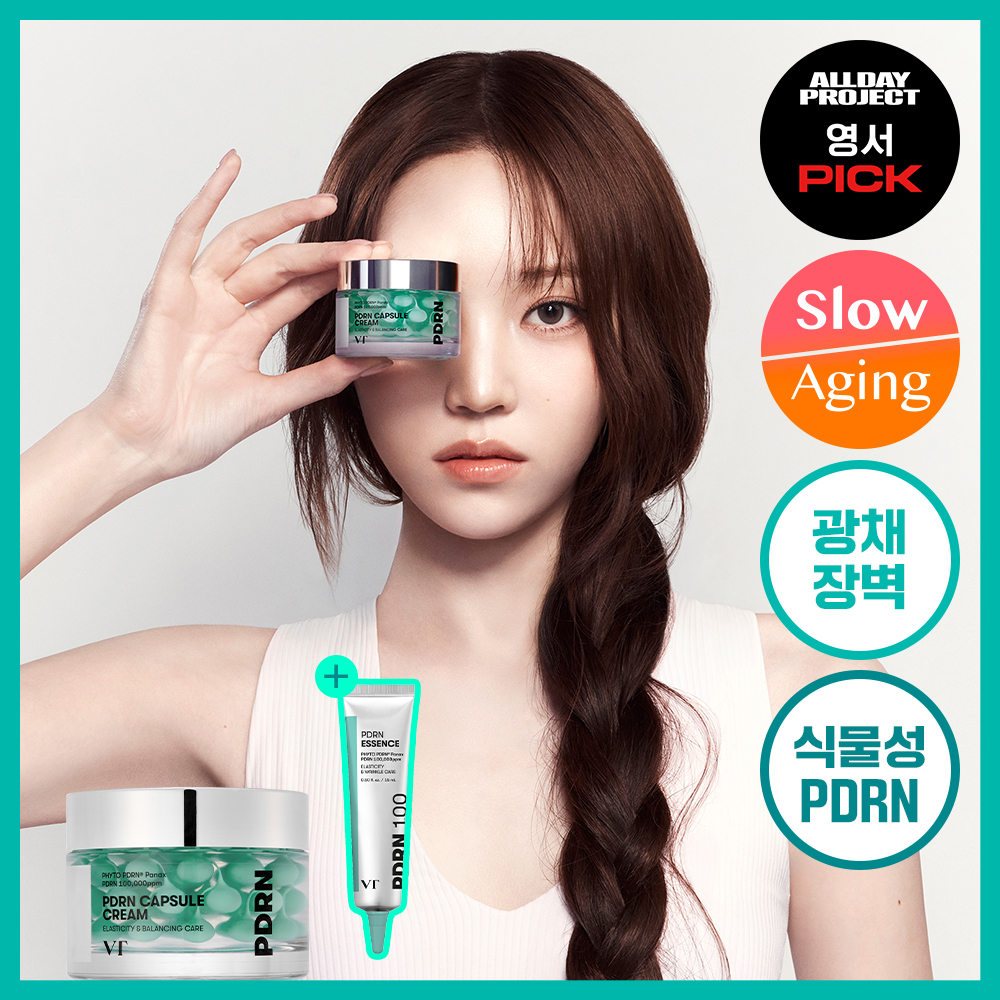
PDRN Capsule Cream 100
VT

Mung Bean pH-Balanced Cleansing Foam
Beplain
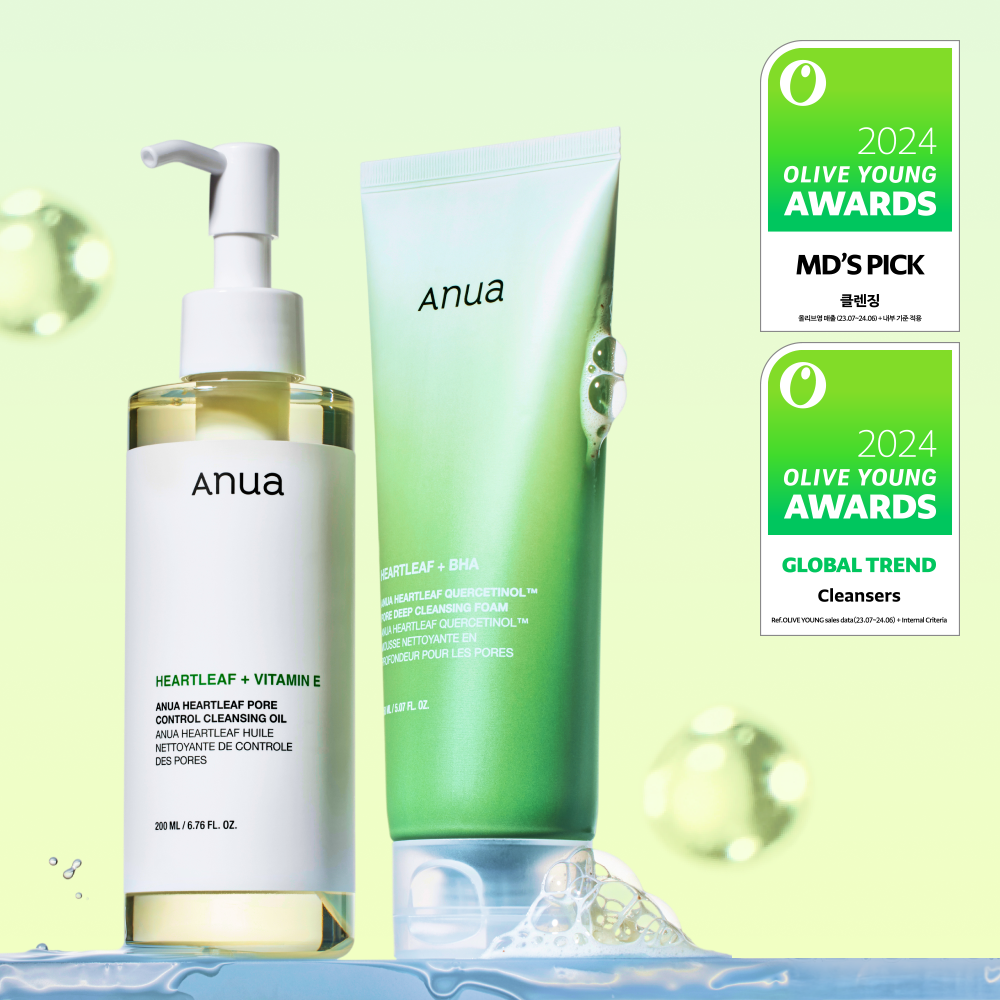
Heartleaf Double Cleansing Set
Anua

PDRN Hyaluronic Capsule 100 Serum Refill Set
Anua

PDRN Hyaluronic Acid 100 Moisturizing Cream
Anua
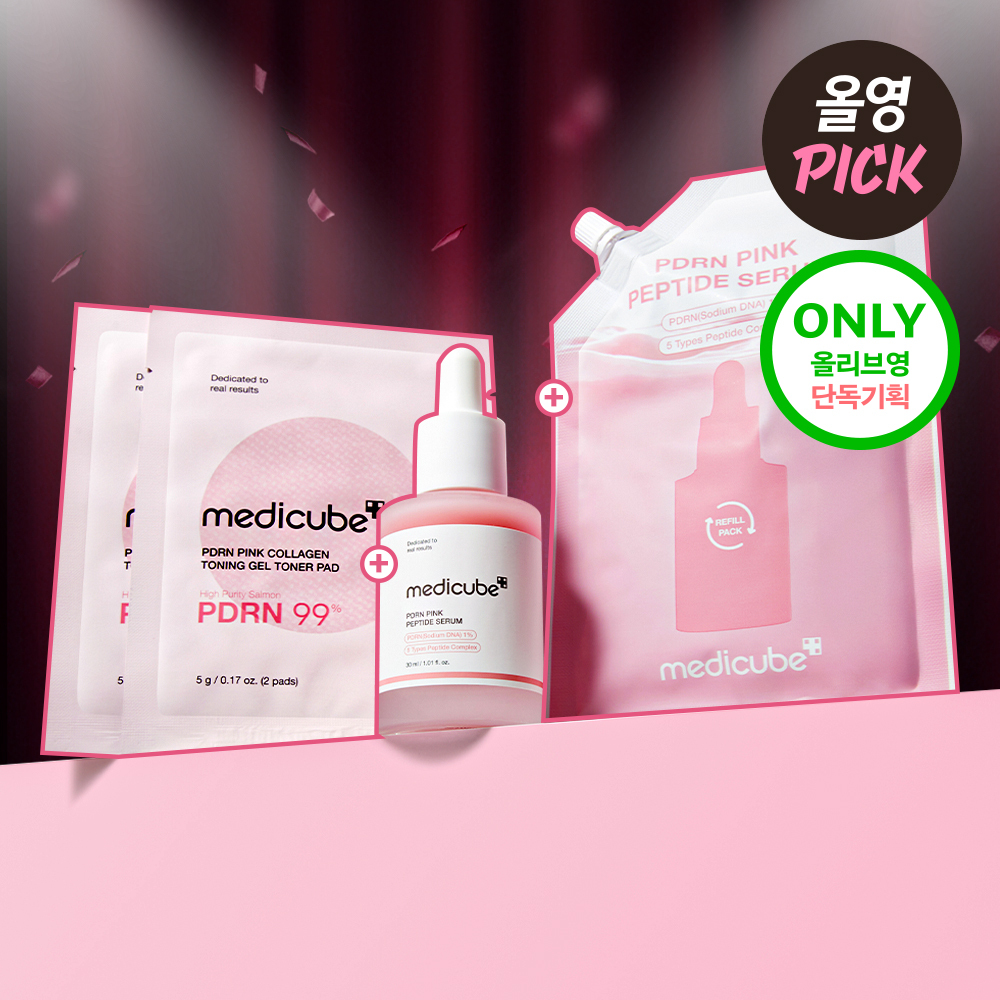
PDRN Pink Peptide Ampoule
Medicube
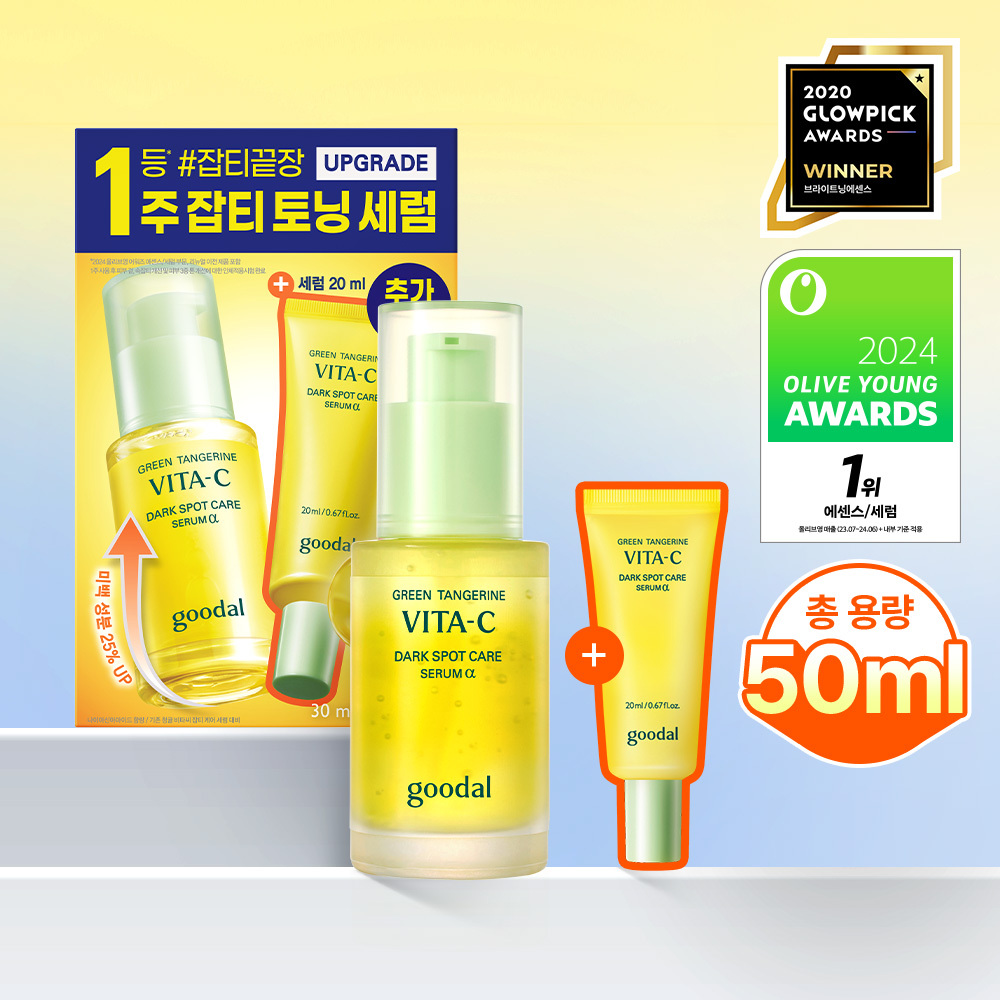
Green Tangerine Vita-C Dark Spot Care Serum α
Goodal
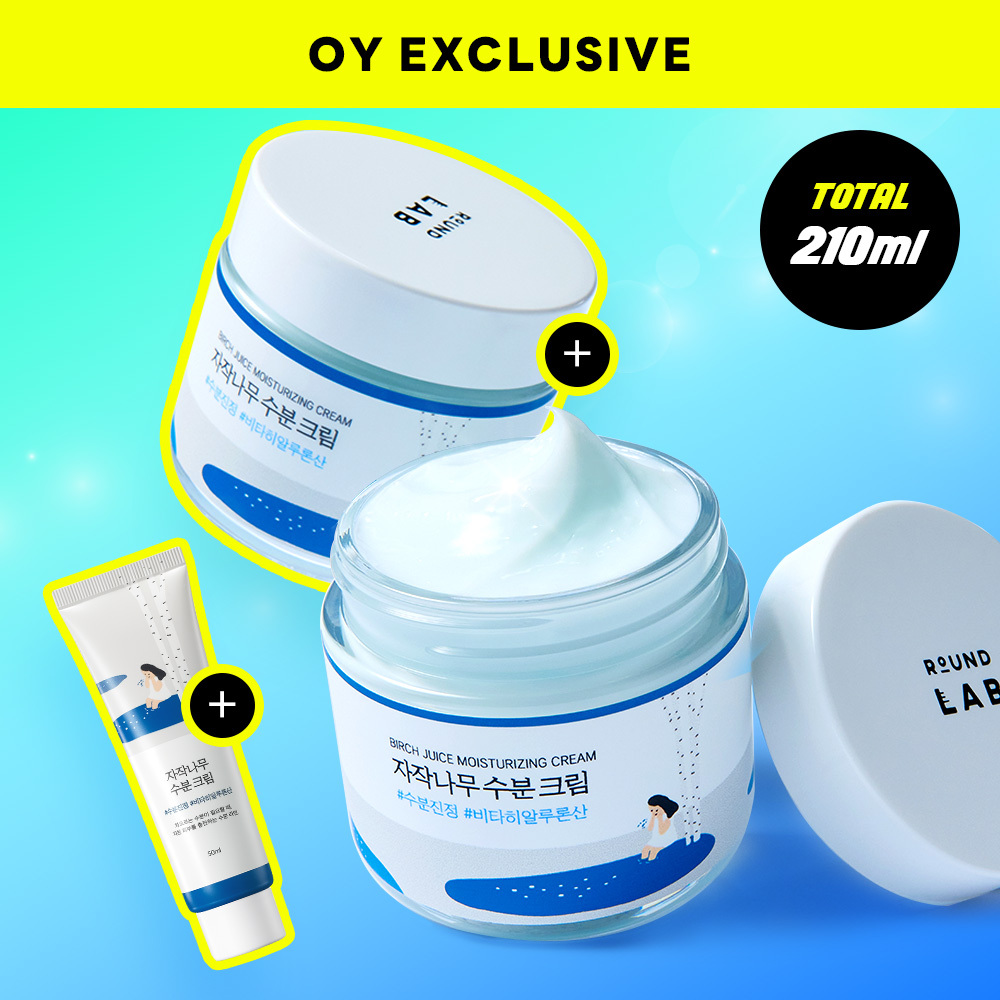
Birch Juice Moisturizing Cream Double Set
Round Lab
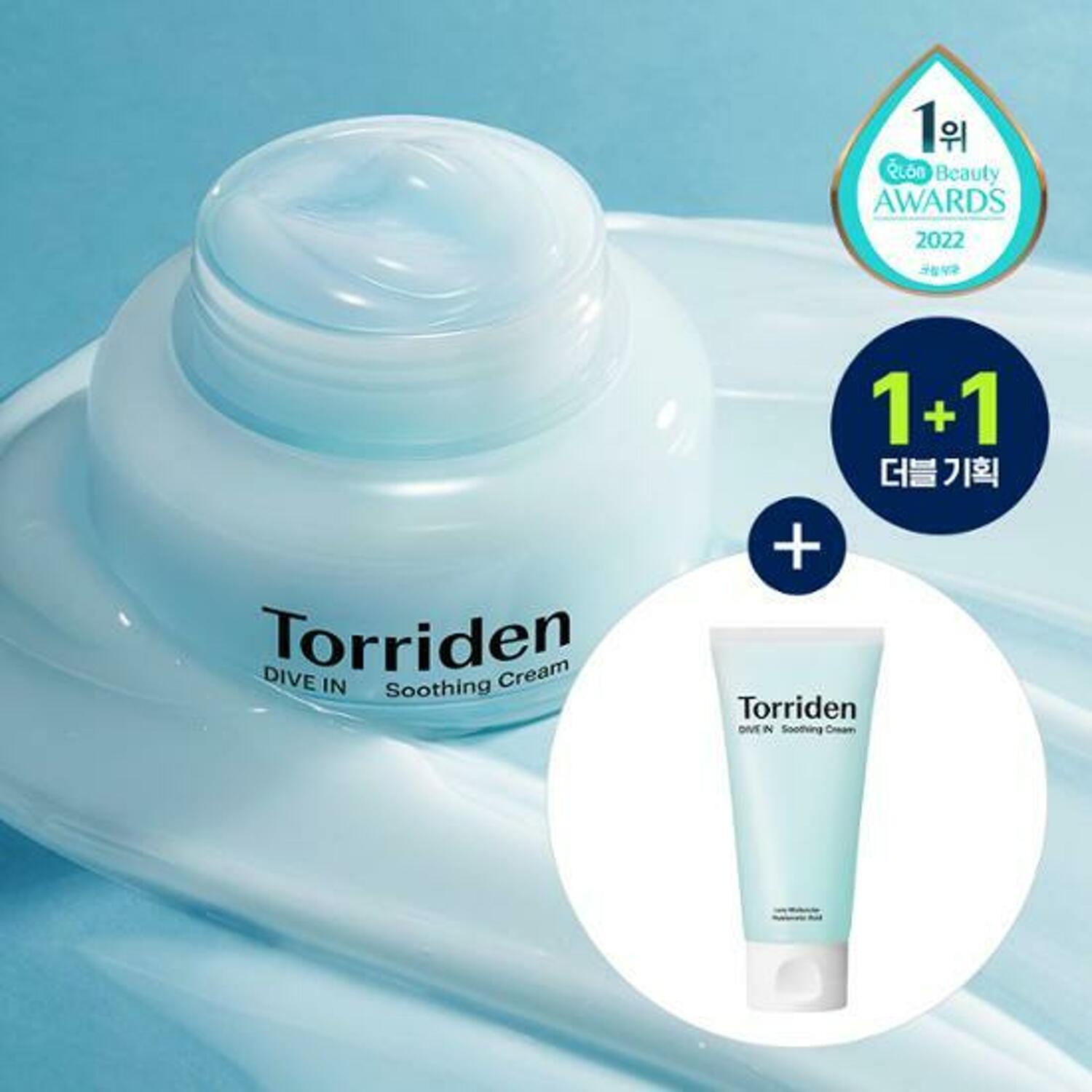
Dive-in Soothing Cream Double Pack
Torriden
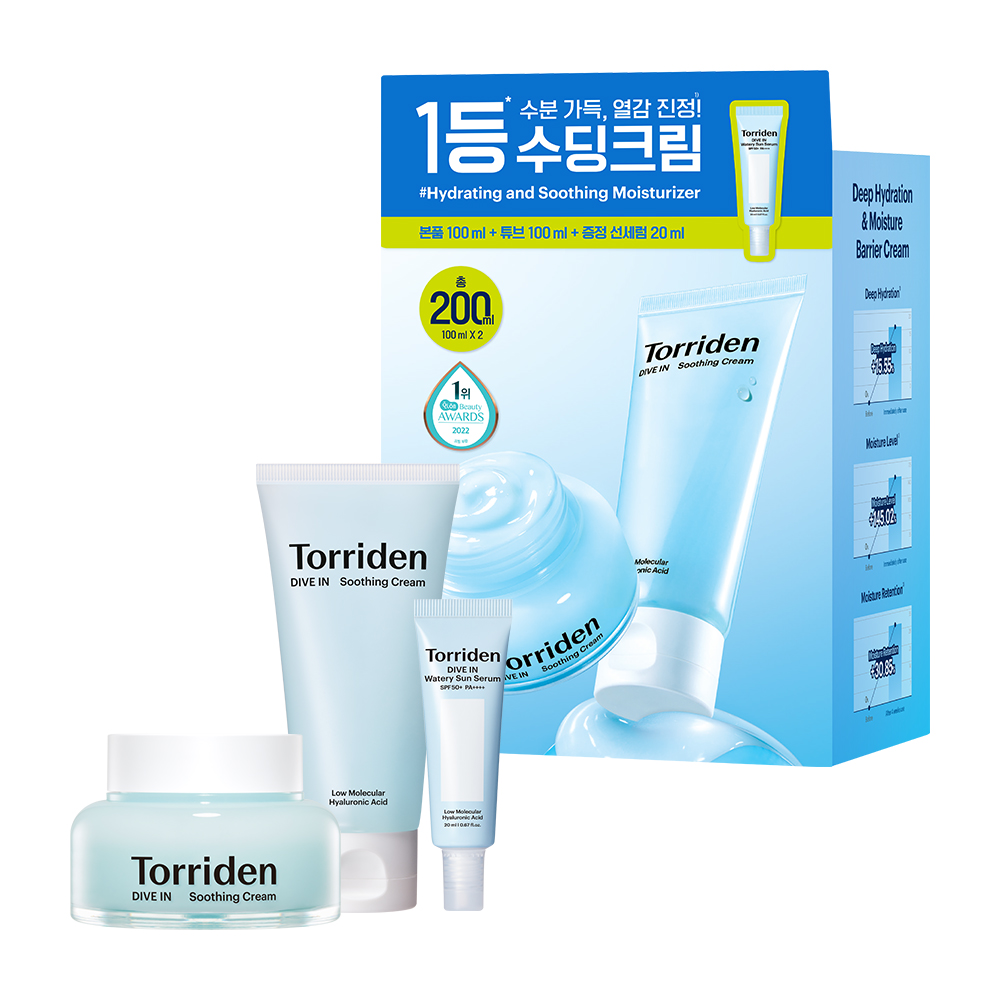
Dive-In Soothing Cream
Torriden
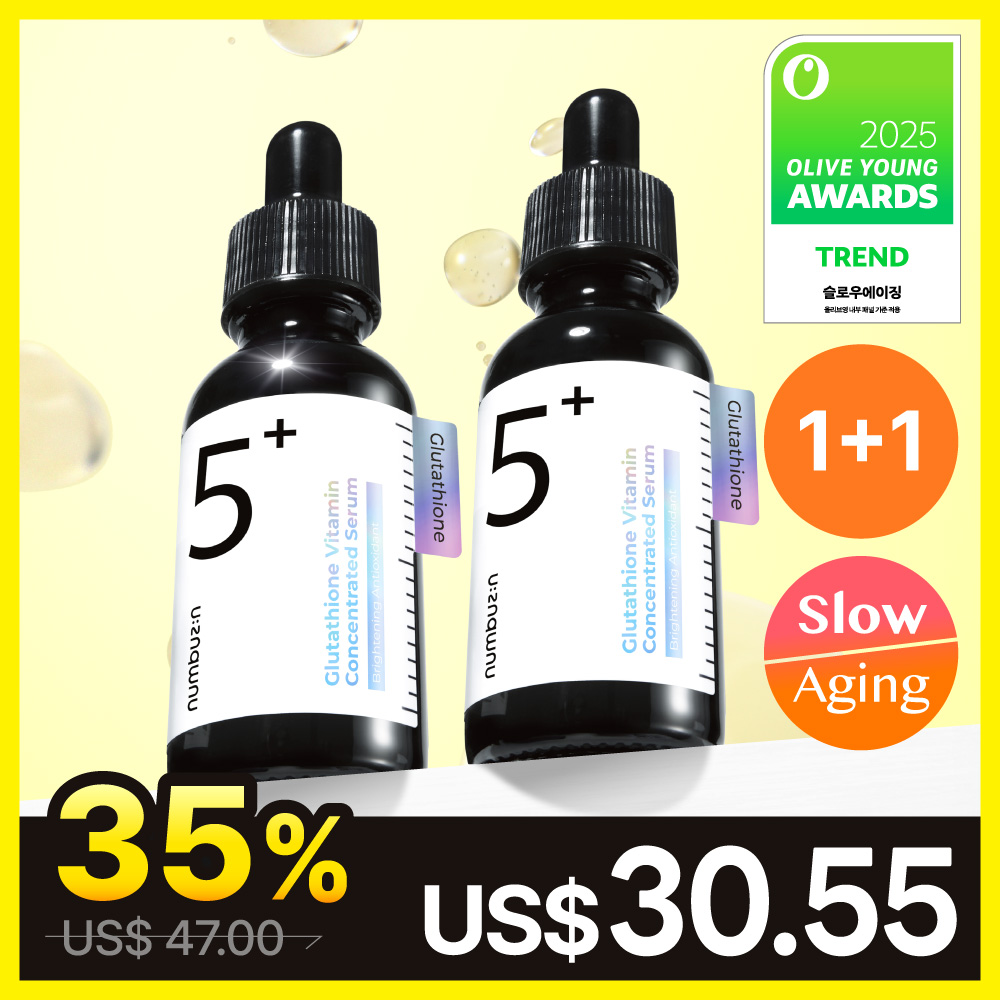
No.5+ Vitamin Concentrated Serum Duo Set
Numbuzin
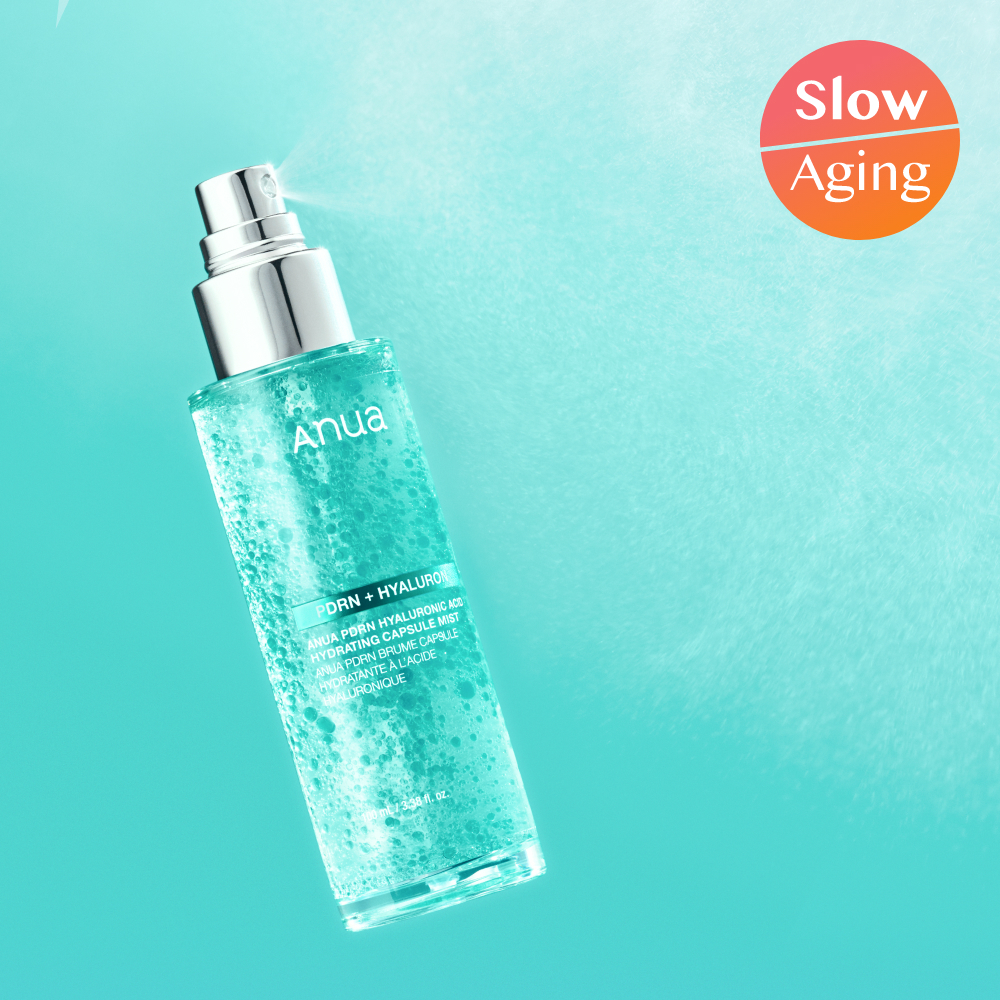
PDRN Hyaluronic Acid Hydrating Capsule Mist
Anua
Frequently Asked Questions
Is red algae extract the same as carrageenan?▼
Can red algae extract help with acne-prone skin?▼
Does red algae extract provide sun protection?▼
How long does it take to see results from red algae extract?▼
Is red algae extract sustainable?▼
Explore More
Want personalized ingredient advice?
Yuri, our AI beauty advisor, can tell you how Red Algae Extract works with your specific skin type, routine, and concerns.
Ask Yuri, free