Jute Leaf Extract
INCI: Corchorus Olitorius Leaf Extract
Antioxidant and soothing plant extract
About Jute Leaf Extract
Jute Leaf Extract, derived from Corchorus olitorius (also known as molokhia or Egyptian spinach), is a nutrient-dense botanical that's making waves in K-beauty formulations for its dual antioxidant and soothing capabilities. This leafy green has been consumed for centuries in Middle Eastern and Asian cuisines, but its skincare potential comes from an impressive phytochemical profile including flavonoids, phenolic acids, vitamins A and C, and essential minerals like calcium and iron. In K-beauty, jute leaf extract is prized for calming reactive skin while defending against environmental stressors that accelerate aging. With a safety rating of 4 out of 5 and a non-comedogenic score of 0 out of 5, it's safe for all skin types, including acne-prone and sensitive complexions. You'll find it in 42 products on Seoul Sister, often paired with other barrier-repairing ingredients in formulas designed to tackle inflammation, redness, and oxidative damage. Brands like Bringgreen and Ongredients have integrated it into their high-performing serums and lotions, where it works synergistically with ingredients like centella asiatica and zinc to address blemishes and compromised skin barriers. Its gentle nature and multitasking benefits make it particularly appealing for the Korean skincare philosophy of prevention and protection rather than aggressive correction.
How Jute Leaf Extract Works
At the cellular level, jute leaf extract functions as both a radical scavenger and an anti-inflammatory agent. Its high concentration of quercetin and kaempferol (flavonoid antioxidants) neutralizes reactive oxygen species (ROS) that form when skin is exposed to UV radiation, pollution, and blue light. By donating electrons to these unstable molecules, jute leaf extract prevents them from damaging lipids in cell membranes, proteins in the dermis, and DNA in keratinocytes. This protection helps maintain collagen integrity and prevents the cascade of inflammatory signals that lead to premature aging. Simultaneously, the extract's phenolic compounds inhibit pro-inflammatory cytokines like IL-6 and TNF-alpha, which are responsible for redness, heat, and discomfort in irritated skin. The vitamin C content supports collagen synthesis, while vitamin A derivatives encourage healthy cell turnover without the irritation associated with synthetic retinoids. Minerals like magnesium and calcium help fortify the skin's moisture barrier by supporting proper lipid organization in the stratum corneum. This combination of antioxidant defense and inflammation control makes jute leaf extract particularly effective in formulas targeting barrier repair and environmental protection.
Jute Leaf Extract by Skin Type
Oily Skin
Jute leaf extract works beautifully for oily skin types because it provides antioxidant protection without adding oils or heavy emollients that could trigger breakouts. Its anti-inflammatory properties help calm the redness and irritation that often accompany active sebum production and enlarged pores. The 0 comedogenic rating means it won't clog pores or contribute to congestion, making it ideal for acne-prone complexions that still need environmental defense.
Dry Skin
For dry skin, jute leaf extract offers protective antioxidant benefits while supporting barrier function through its mineral content, particularly calcium which helps maintain proper lipid structure in the skin's outer layers. While it's not a primary moisturizer, it works synergistically with hydrating ingredients to prevent moisture loss caused by environmental stressors. The soothing properties also help calm the irritation and sensitivity that often accompany chronic dryness.
Combo Skin
Combination skin benefits from jute leaf extract's balanced approach to skincare, delivering lightweight antioxidant protection that won't overwhelm oily zones while still supporting barrier health in drier areas. Its anti-inflammatory action helps regulate the uneven oil production and reactive patches common in combination complexions. The non-comedogenic formula ensures T-zone breakouts aren't triggered while cheeks and temples receive adequate protection.
Sensitive Skin
This is where jute leaf extract truly shines. Its gentle soothing properties calm reactive skin without the irritation potential of stronger antioxidants like pure vitamin C. The anti-inflammatory compounds reduce redness, heat, and discomfort while building resilience against environmental triggers that typically provoke flare-ups. The 4 out of 5 safety rating reflects its well-tolerated nature, making it suitable even for rosacea-prone or easily irritated complexions.
Normal Skin
Normal skin can use jute leaf extract as a preventive measure, maintaining the balanced, healthy state that's already present. The antioxidant protection guards against the daily environmental damage that accumulates over time and leads to visible aging. Its soothing properties keep skin comfortable and calm, while the barrier-supporting minerals help maintain the robust lipid structure that characterizes normal, resilient skin.
How to Use Jute Leaf Extract
- 1Layer jute leaf extract serums before heavier creams to maximize absorption, particularly in multi-step K-beauty routines where product order impacts efficacy.
- 2Use morning and night for comprehensive protection, as antioxidants work best with consistent application to maintain adequate levels in the skin.
- 3Pair with other barrier-repair ingredients like ceramides, centella asiatica, or niacinamide for enhanced calming and protective effects, as seen in top-rated products like Ongredients Skin Barrier Calming Lotion.
- 4If you're using active ingredients like retinoids or acids, apply jute leaf extract serums afterward to calm any potential irritation while still benefiting from antioxidant defense.
- 5Store products containing jute leaf extract away from direct sunlight and heat to preserve the stability of its antioxidant compounds, ensuring maximum potency over time.
Background
Jute, scientifically known as Corchorus olitorius, has been cultivated for over 4,000 years, primarily in Egypt, India, and parts of Asia where its leaves are considered both a nutritional superfood and traditional medicine. In Egyptian and Middle Eastern cultures, jute leaves (molokhia) have been eaten as a vitamin-rich vegetable and applied topically to soothe skin conditions and minor wounds. The plant's use in traditional medicine centered on its anti-inflammatory and fortifying properties, attributes now validated by modern phytochemical analysis. K-beauty brands began incorporating jute leaf extract in the mid-2010s as part of the industry's broader movement toward botanical actives with documented traditional use and scientific backing. Korean formulators were drawn to its gentle yet effective profile, fitting perfectly into the preventive, barrier-focused philosophy that distinguishes K-beauty from Western approaches. Today, it appears in formulations targeting sensitive, blemish-prone, and environmentally stressed skin, often alongside other Asian botanicals like centella and green tea.
K-Beauty Products with Jute Leaf Extract
View all 46 →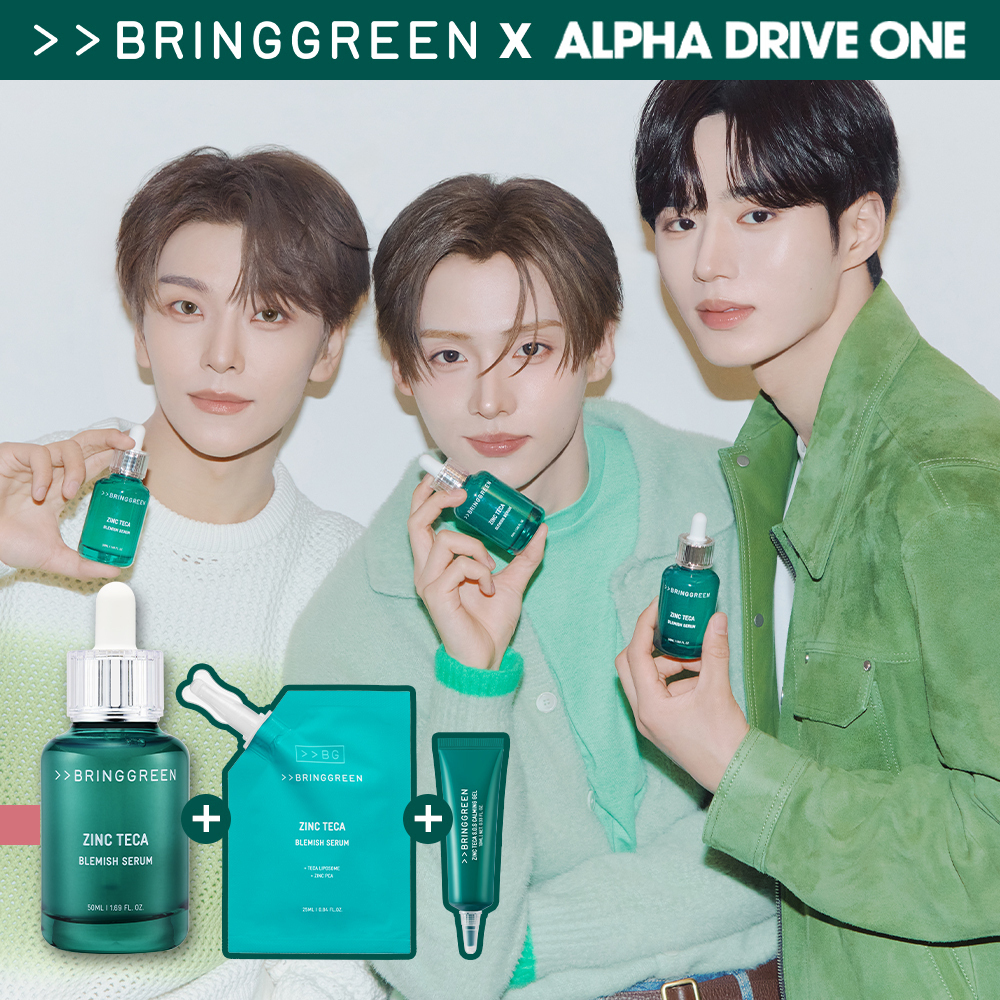
Zinc Teca Blemish Serum Set
Bringgreen
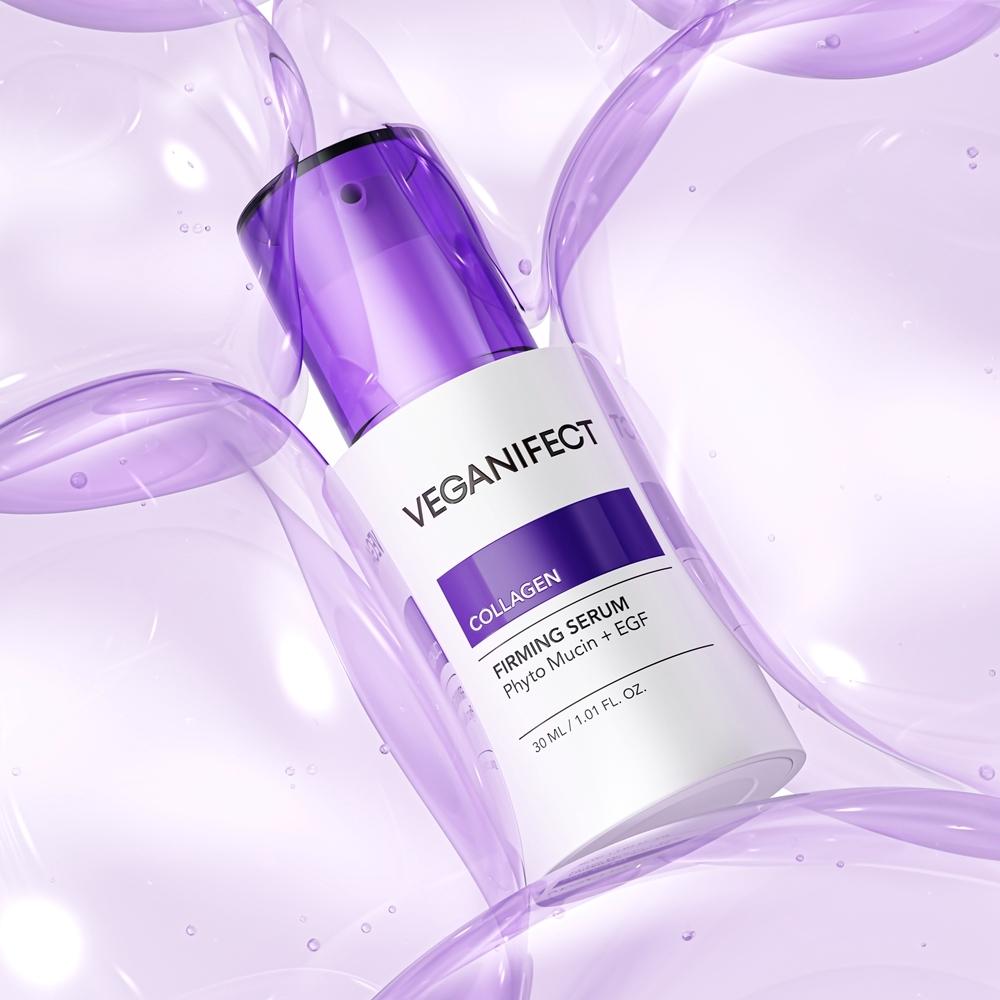
Veganifect Collagen EGF Serum
Anua
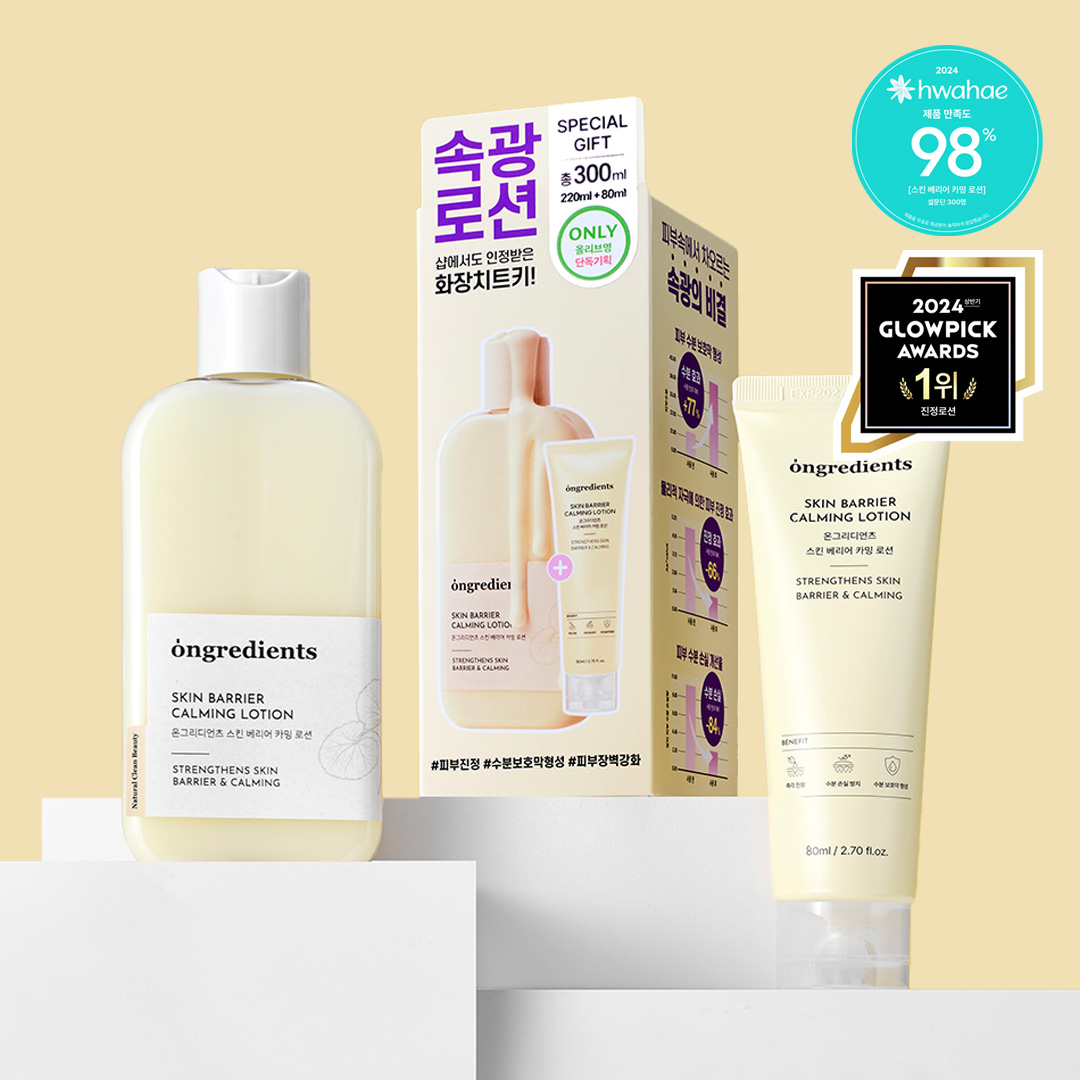
Skin Barrier Calming Lotion Set
Ongredients
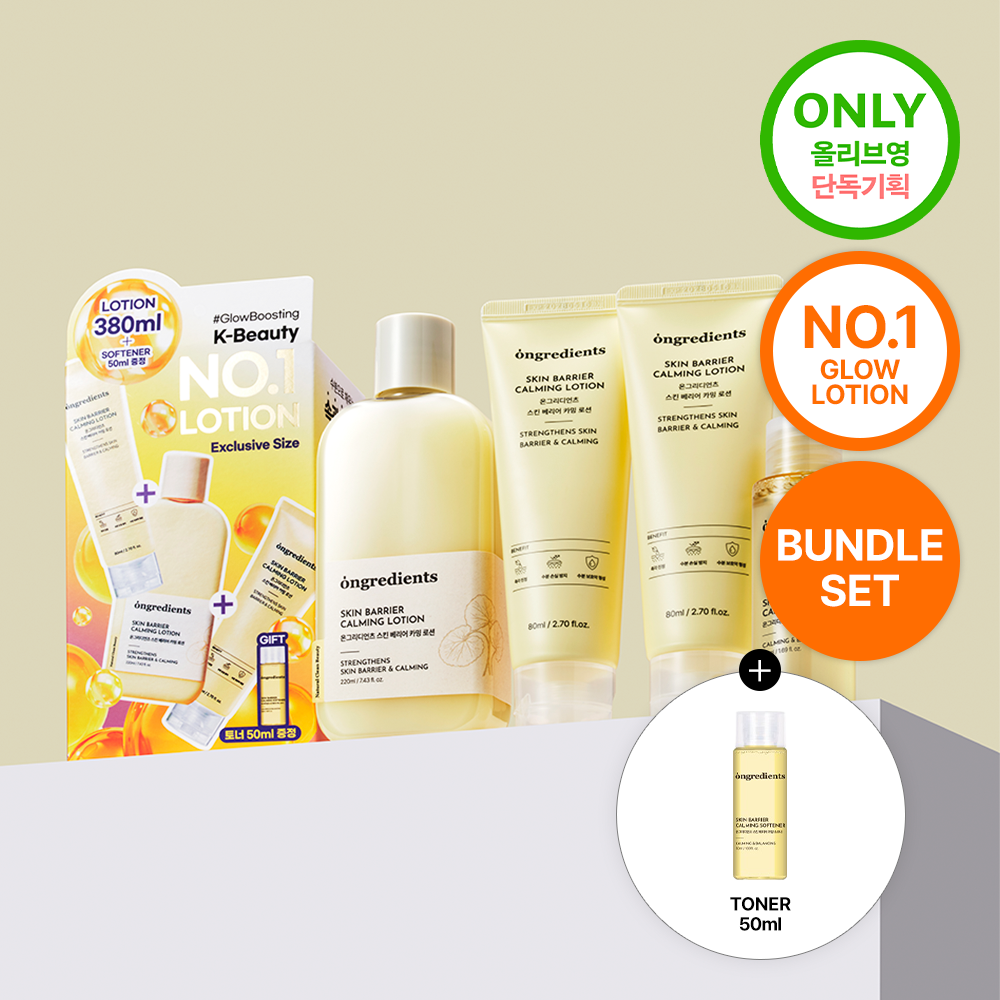
Skin Barrier Calming Large Size Set (Lotion + Softener)
Ongredients

Zinc Teca Trouble Serum
Bringgreen
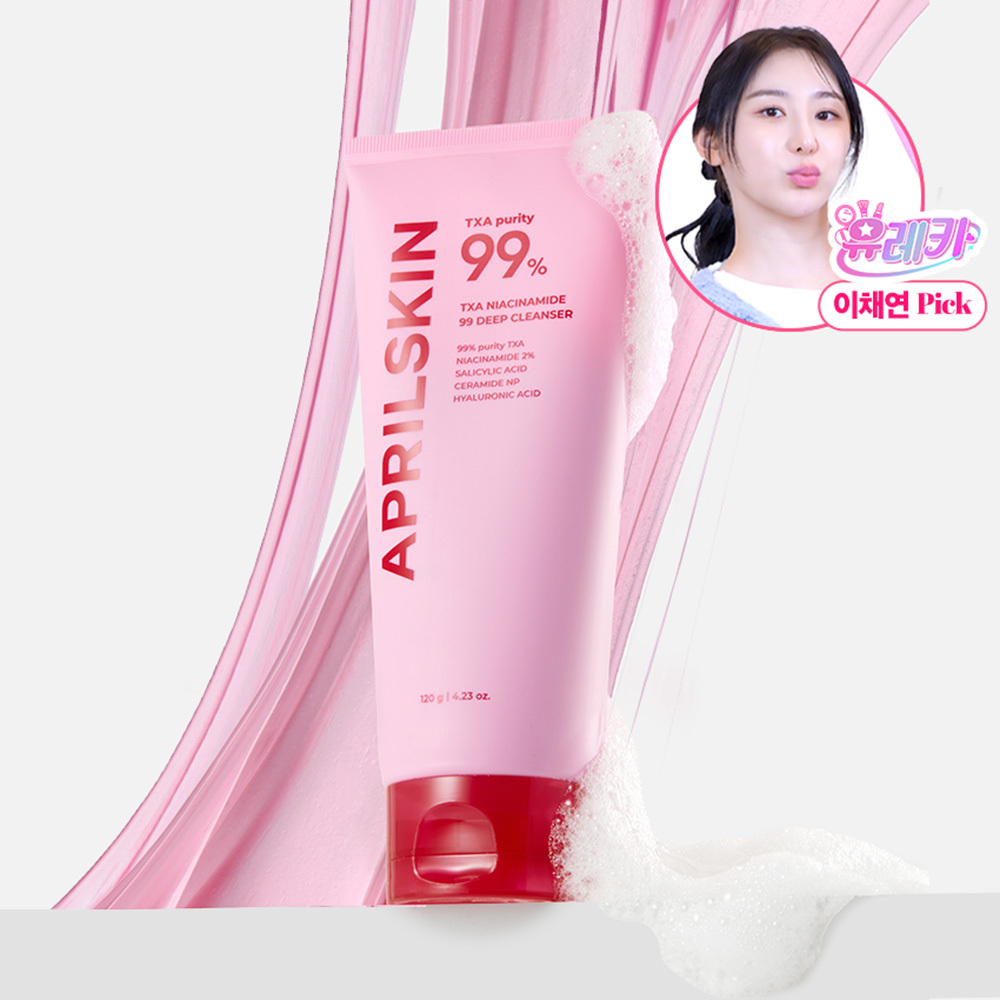
TXA Niacinamide 99 Deep Cleanser
April Skin
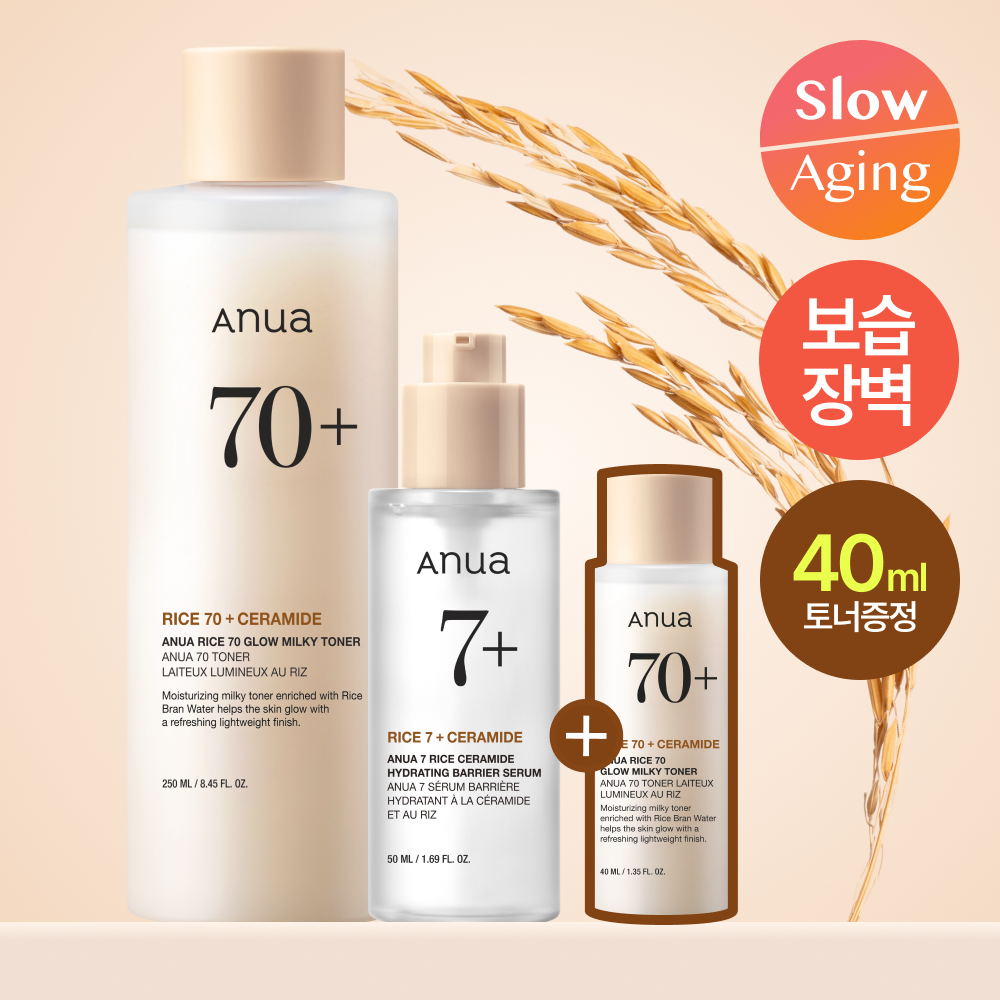
Rice 70 Glow Milky Serum Toner Set (Serum 50ml + Toner 250ml + Toner 40ml)
Anua
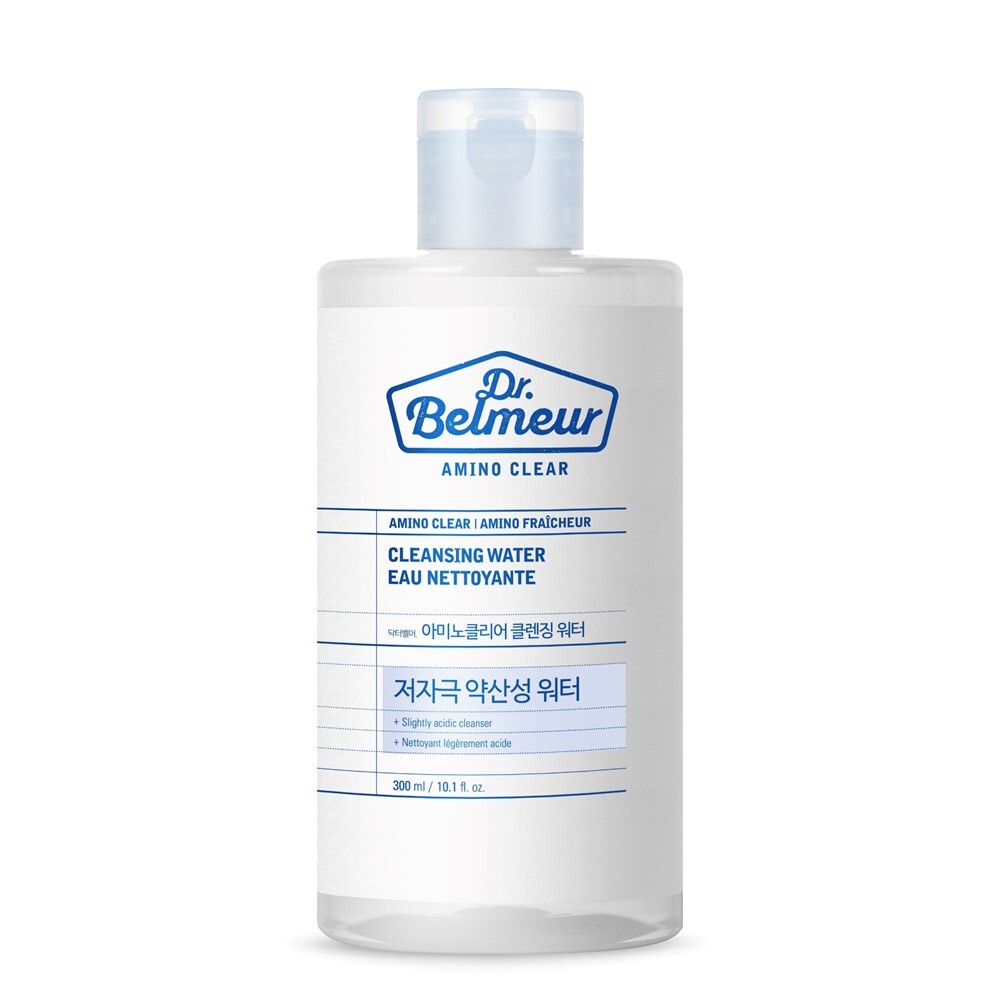
Amino Clear Cleansing Water
Dr. Belmeur
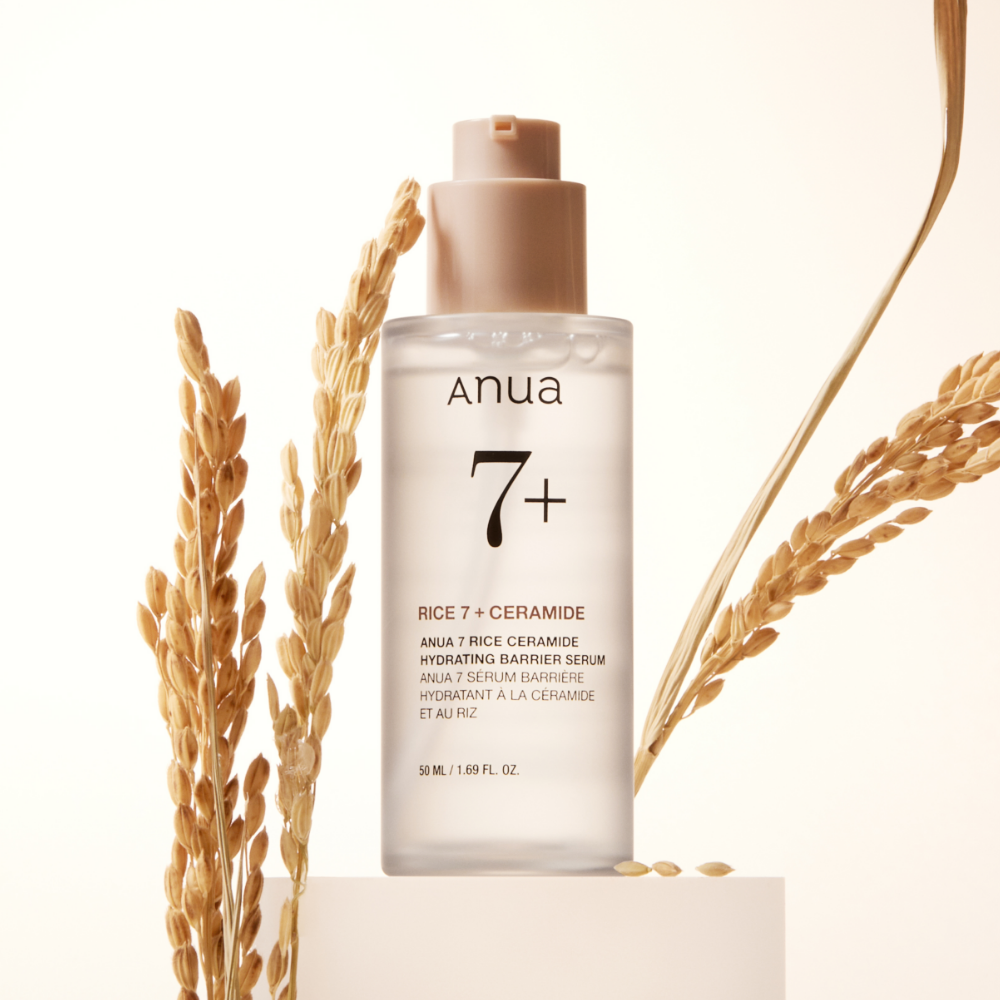
7 Rice Ceramide Hydrating Barrier Serum
Anua

Zinc Teca Trouble Serum Double Set
Bringgreen
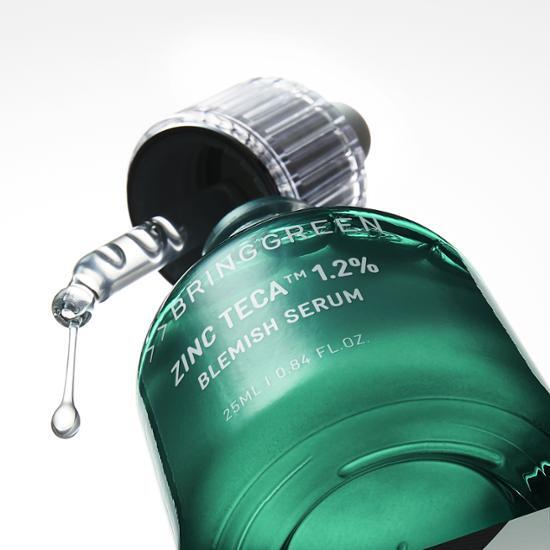
Zinc Teca 1.2% Blemish Serum
Bringgreen
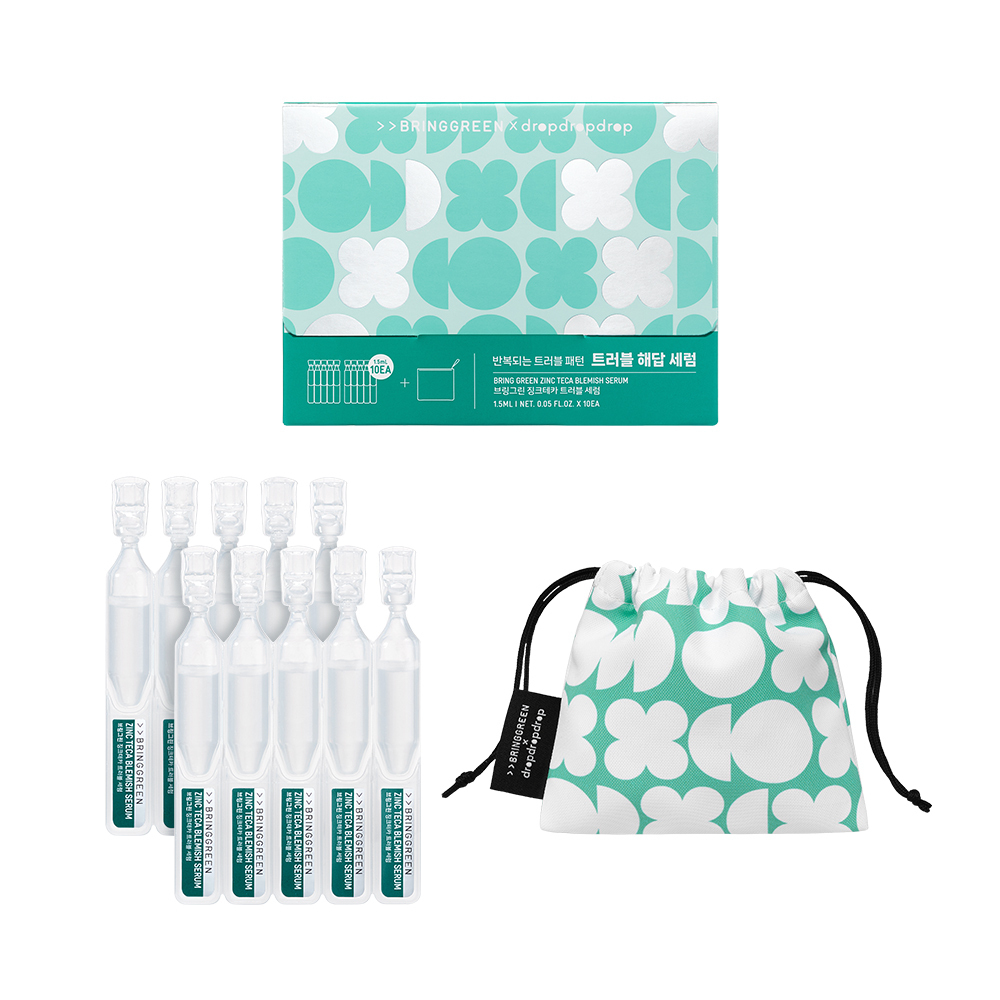
Zinc Teca Blemish Serum
Bringgreen
Frequently Asked Questions
Is jute leaf extract the same as the fiber used to make burlap bags?▼
Can jute leaf extract help with acne and breakouts?▼
How does jute leaf extract compare to other antioxidant ingredients like vitamin C?▼
What ingredients work best with jute leaf extract?▼
Is jute leaf extract safe during pregnancy or for eczema-prone skin?▼
Explore More
Want personalized ingredient advice?
Yuri, our AI beauty advisor, can tell you how Jute Leaf Extract works with your specific skin type, routine, and concerns.
Ask Yuri, free