Melon Fruit Extract
INCI: Cucumis Melo (Melon) Fruit Extract
Antioxidant and skin conditioning agent
About Melon Fruit Extract
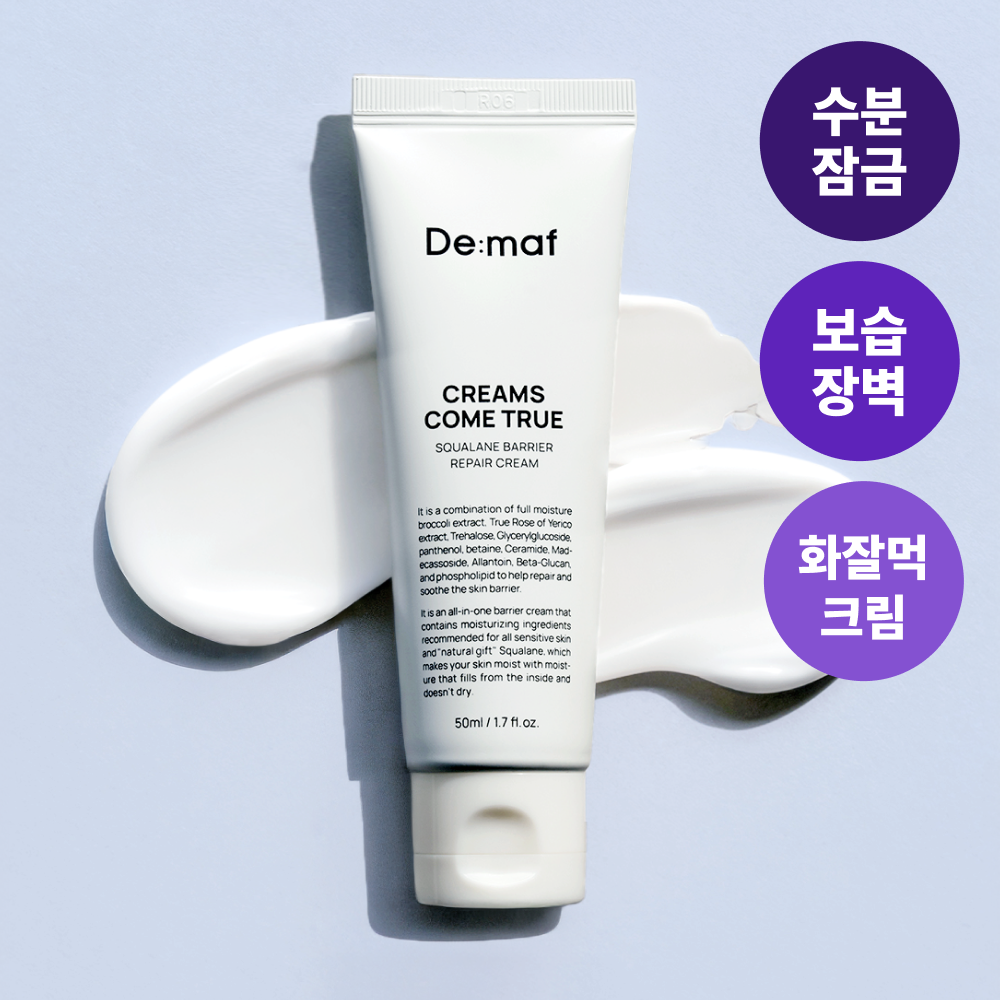
Melon Fruit Extract, derived from Cucumis melo, is a nutrient-rich botanical ingredient packed with vitamins A, C, and E, along with minerals like potassium and magnesium. In K-beauty formulations, it's valued for its dual role as an antioxidant powerhouse and skin conditioning agent. The extract contains high levels of superoxide dismutase (SOD), one of nature's most potent antioxidant enzymes, which helps neutralize free radicals that accelerate skin aging. Korean formulators appreciate melon extract not just for its protective properties, but also for its hydrating sugars and amino acids that help maintain the skin's moisture barrier. With a comedogenic rating of 0/5, it's exceptionally safe for all skin types, including acne-prone skin. Found in 74 products on Seoul Sister, from gel cleansers like Luvum's Bamboo Hyaluronic Moisture Gel Cleanser to barrier repair formulas like Demaf's Creams Come True Squalane Barrier Repair Cream (both rated 5.0/5), melon extract has become a staple in K-beauty's ingredient vocabulary. Its lightweight texture and compatibility with other actives make it an ideal supporting player in multi-step routines, delivering antioxidant protection without heaviness or irritation.
How Melon Fruit Extract Works
At the cellular level, melon fruit extract works through multiple mechanisms. The SOD enzyme it contains catalyzes the dismutation of superoxide radicals into oxygen and hydrogen peroxide, which are then further broken down by other antioxidant systems in the skin. This prevents oxidative stress that damages collagen, elastin, and cell membranes. The extract's vitamin C content stimulates fibroblast activity and collagen synthesis while inhibiting melanin production through tyrosinase suppression. Meanwhile, its natural sugars act as humectants, binding water molecules to the stratum corneum and improving skin hydration. The amino acids present in melon extract support the skin's natural moisturizing factor (NMF), helping maintain optimal barrier function. Vitamin E works synergistically with vitamin C to regenerate antioxidant capacity, creating a protective network against environmental aggressors like UV radiation and pollution. The mineral content, particularly potassium, helps regulate cellular water balance and supports proper cell metabolism.
Melon Fruit Extract by Skin Type
Oily Skin
Melon fruit extract is excellent for oily skin due to its non-comedogenic nature and lightweight hydration. The antioxidants help protect sebum from oxidation, which can reduce the formation of inflammatory acne lesions. Its astringent properties can also help minimize the appearance of enlarged pores without stripping the skin.
Dry Skin
This ingredient is highly beneficial for dry skin types, as its natural sugars and amino acids provide humectant properties that draw moisture into the skin and support barrier repair. The vitamins A and E work to improve skin texture and reduce flakiness. Products like Demaf's Creams Come True Squalane Barrier Repair Cream (5.0/5) combine melon extract with occlusives for enhanced hydration retention.
Combo Skin
Combination skin benefits from melon extract's balanced approach to hydration, providing moisture where needed without congesting oily zones. The ingredient's ability to regulate water balance at the cellular level helps normalize skin function across different facial areas. Its antioxidant protection works universally, regardless of oil production patterns.
Sensitive Skin
With a 4/5 safety rating and gentle conditioning properties, melon extract is suitable for sensitive skin. Its anti-inflammatory compounds help calm reactive skin, while its antioxidant profile protects against irritants. High-rated products like Aestura's Cerachiol Crush Cream (5.0/5) pair it with ceramides for sensitive skin support.
Normal Skin
Normal skin types can use melon extract as a preventative antioxidant measure to maintain skin health and delay signs of aging. The extract provides light hydration and protection without disrupting the skin's natural balance. It works well in daily-use products like Anua's Teca-Micro Bubble Ampoule Toner (5.0/5) for consistent antioxidant defense.
How to Use Melon Fruit Extract
- 1Layer melon extract products in the middle of your routine, after actives like vitamin C serums but before heavier creams, to maximize antioxidant synergy without compromising absorption.
- 2Look for melon extract in morning formulations where its antioxidant properties can protect skin throughout the day from environmental stressors and UV-induced free radical damage.
- 3Pair with other hydrating ingredients like hyaluronic acid or squalane (as seen in top-rated products on Seoul Sister) to create a comprehensive moisture barrier support system.
- 4Since melon extract is non-comedogenic, you can safely use it around the eye area in products that contain it, benefiting from its anti-aging antioxidants in this delicate zone.
Background
Melons have been cultivated for over 4,000 years, originating in Persia and Africa before spreading across Asia. In traditional Korean medicine, melon was valued for its cooling properties and ability to relieve heat-related skin conditions during summer months. Korean women historically used fresh melon pulp as a simple facial treatment for its hydrating and soothing effects. The modern extraction and standardization of melon fruit extract for cosmetic use began in the 1990s when researchers identified its exceptionally high SOD content, sometimes 90 times higher than other plant sources. K-beauty brands embraced it as part of the clean beauty movement, appreciating both its traditional roots and scientifically proven benefits. Today, it's a frequent addition to Korean formulations that emphasize gentle, food-derived ingredients with measurable efficacy.
K-Beauty Products with Melon Fruit Extract
View all 78 →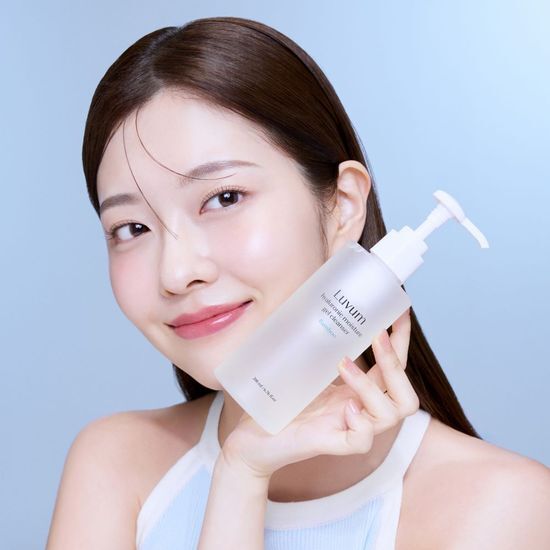
Bamboo Hyaluronic Moisture Gel Cleanser
Luvum
Creams Come True Squalane Barrier Repair Cream
Demaf
Derma Cream Pack Cleanser
Mediheal

Madecassoside Blemish Repair Serum
Mediheal
Madecassoside Derma Cream Set
Mediheal
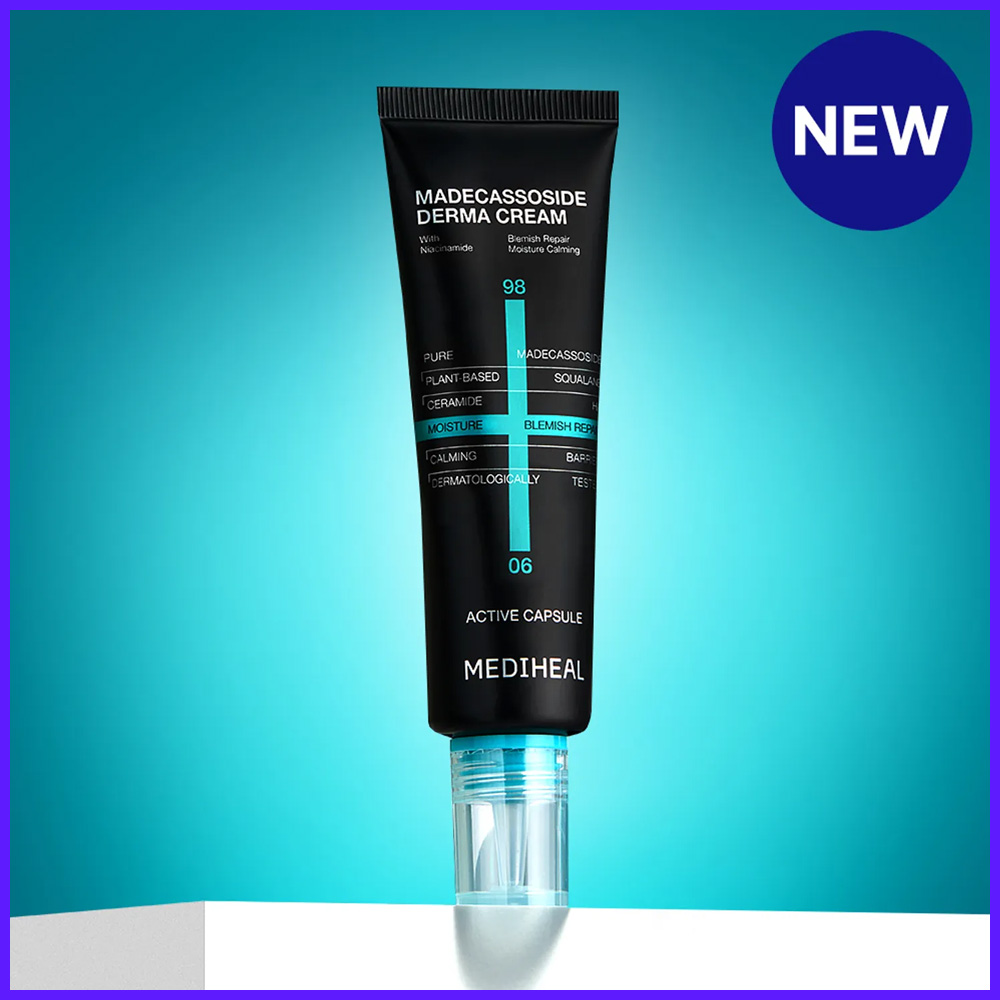
Madecassoside Derma Cream
Mediheal
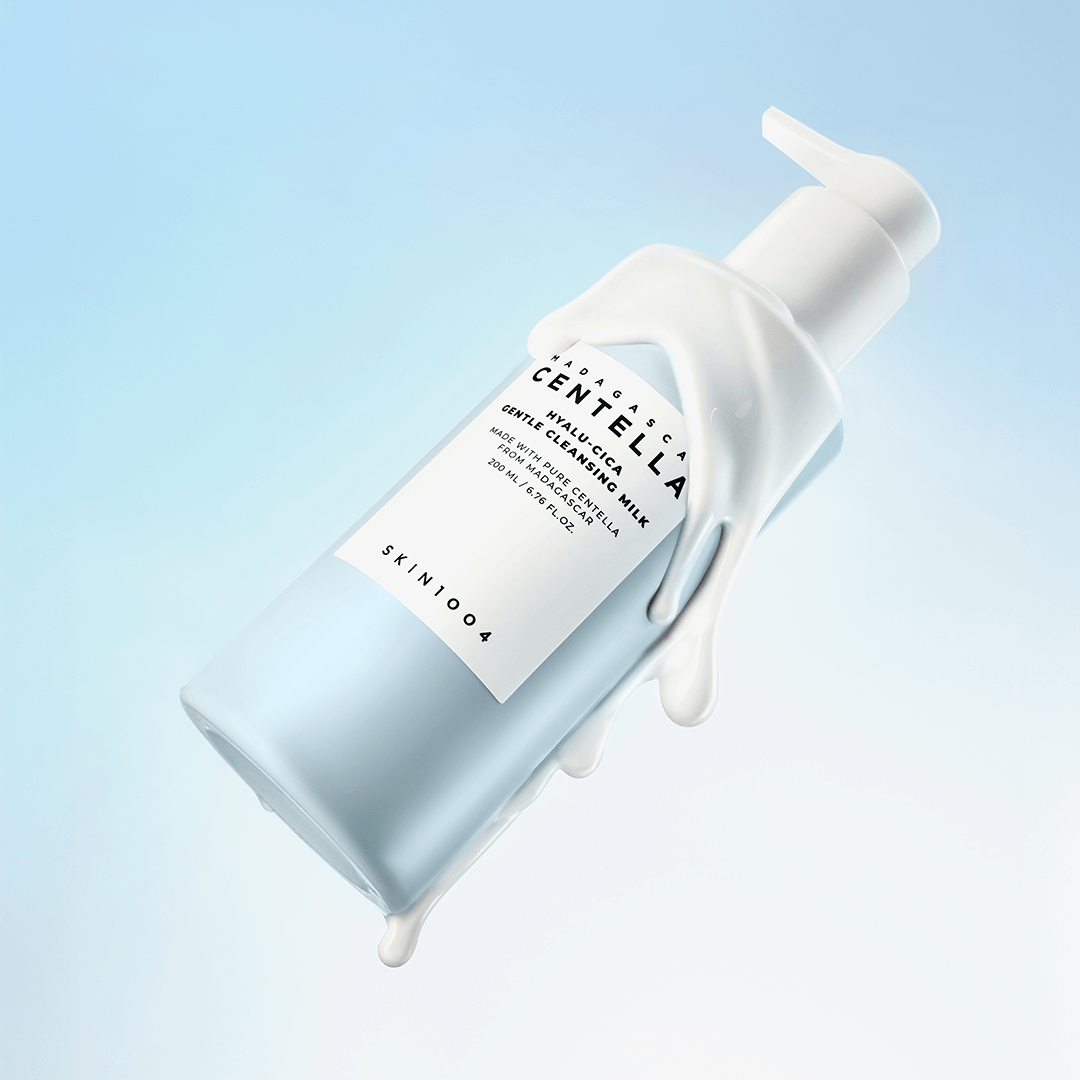
Madagascar Centella Hyalu-Cica Gentle Cleansing Milk
SKIN1004
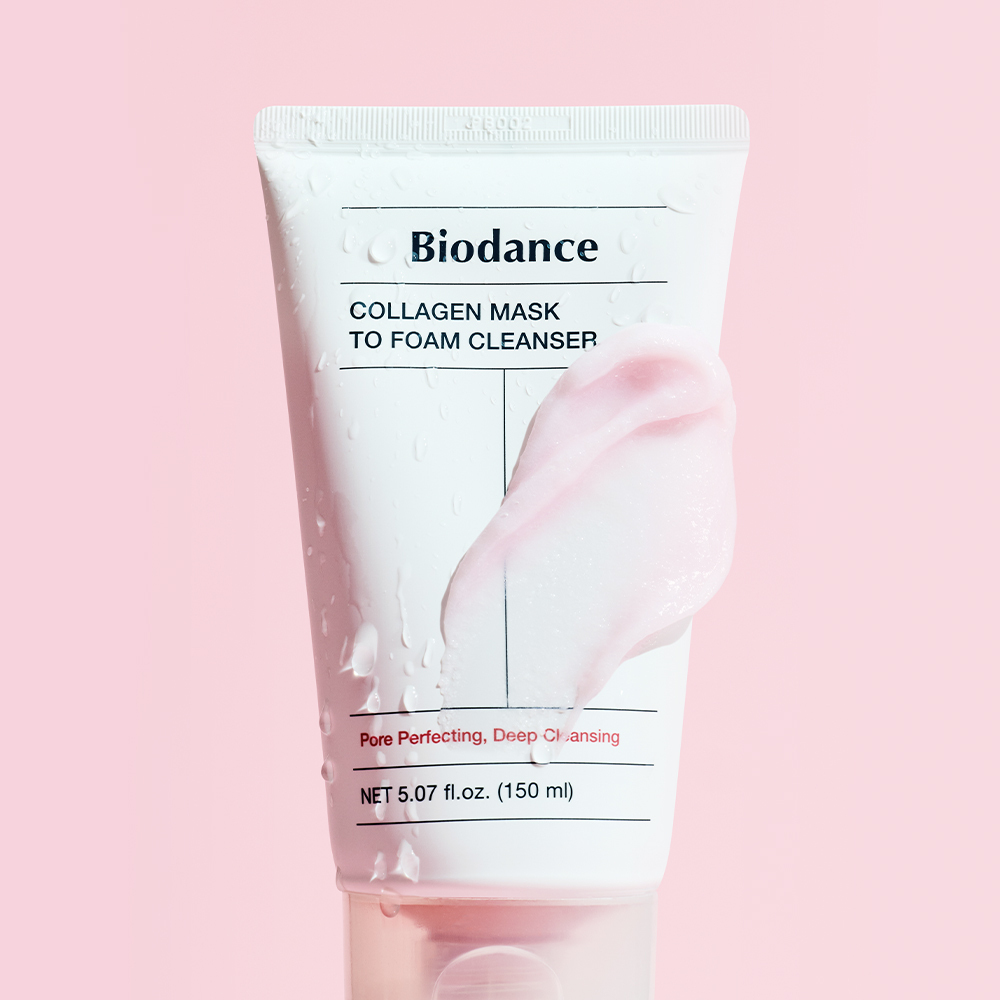
Collagen Mask To Foam Cleanser
Biodance
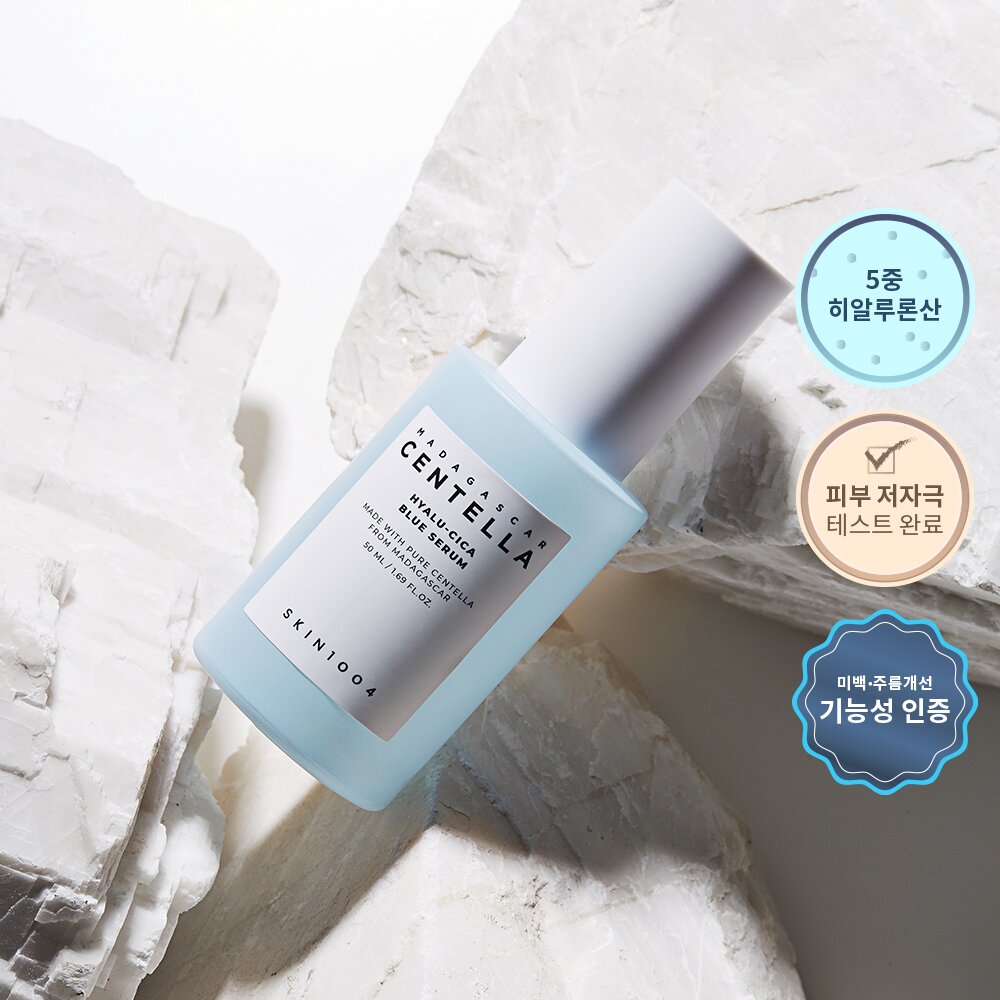
Madagascar Centella Hyalu-Cica Blue Serum
SKIN1004
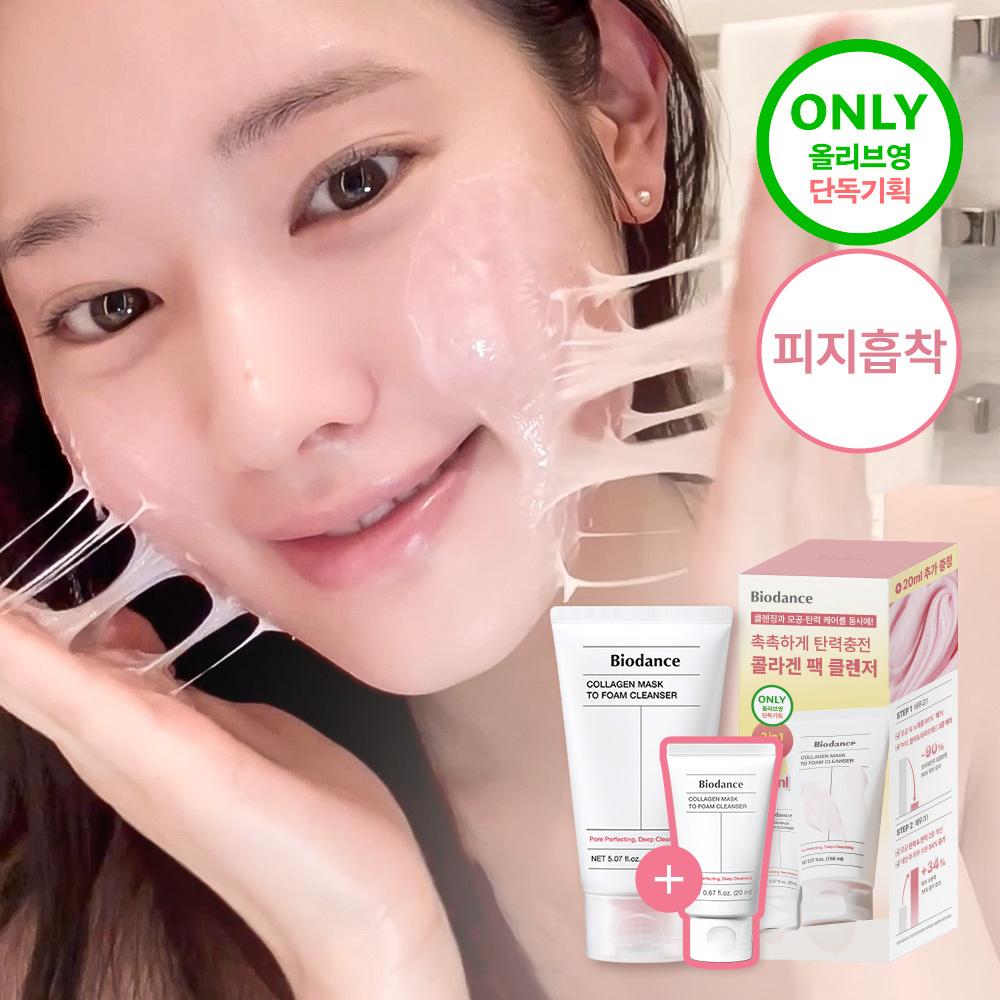
Collagen Mask To Foam Cleanser Set
Biodance
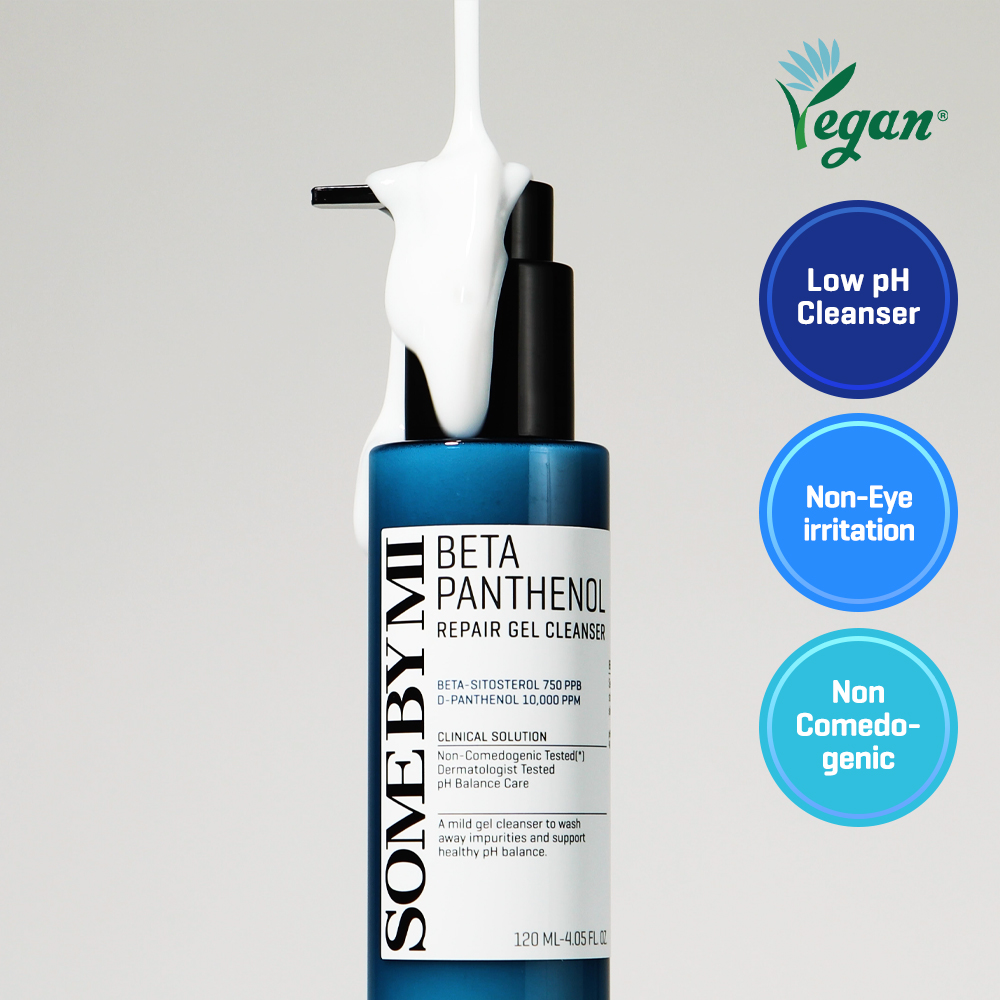
Beta Panthenol Repair Gel Cleanser
Some By Mi
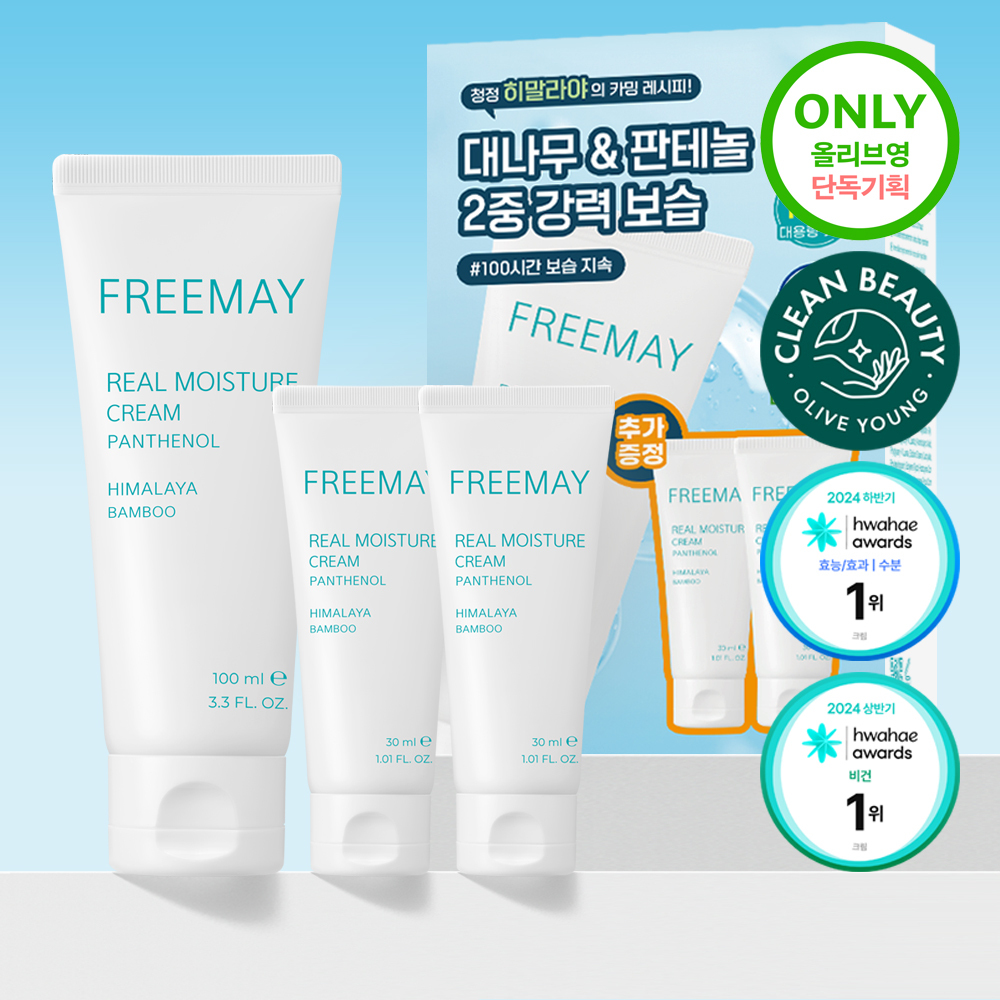
Real Moisture Cream Set
Freemay
Frequently Asked Questions
Is melon fruit extract safe for acne-prone skin?▼
Can I use melon extract if I'm allergic to eating melons?▼
Does melon fruit extract actually have anti-aging benefits?▼
How quickly can I expect to see results from melon extract?▼
Explore More
Want personalized ingredient advice?
Yuri, our AI beauty advisor, can tell you how Melon Fruit Extract works with your specific skin type, routine, and concerns.
Ask Yuri, free