Pumpkin Extract
INCI: Cucurbita Pepo (Pumpkin) Fruit Extract
Antioxidant and enzymatic exfoliant with vitamins
About Pumpkin Extract
Pumpkin extract is a multitasking botanical powerhouse that delivers both chemical exfoliation and antioxidant protection in one ingredient. Derived from the flesh of Cucurbita pepo, this extract is rich in naturally occurring enzymes (particularly proteases), vitamins A, C, and E, zinc, and alpha hydroxy acids that work synergistically to resurface and brighten skin. In K-beauty formulations, pumpkin extract has gained popularity as a gentle alternative to traditional AHAs, offering enzymatic exfoliation that breaks down dead skin cells without the harsh stripping effect of stronger acids. The extract's vibrant orange color comes from its high beta-carotene content, a precursor to vitamin A that supports skin cell turnover and collagen production. What makes pumpkin extract particularly appealing for Korean skincare brands is its ability to brighten and refine texture while simultaneously delivering antioxidant protection against environmental stressors and free radical damage. With a comedogenic rating of just 1/5, it's suitable for nearly all skin types, including acne-prone and congested complexions that need exfoliation without pore-clogging. The ingredient's versatility is evident across 18 K-beauty products on Seoul Sister, appearing in everything from gentle foam cleansers like S.Nature's Aqua Rice line to concentrated treatment ampoules like Ariul's Green Vitamin C Toning Ampoule, consistently earning ratings above 4.8/5.
How Pumpkin Extract Works
Pumpkin extract employs a dual-action mechanism that addresses both surface-level concerns and deeper skin health. The enzymatic exfoliation occurs through proteolytic enzymes that selectively break down the keratin bonds holding dead skin cells together on the stratum corneum, allowing them to shed naturally without physical abrasion or chemical disruption of the skin's pH. This process is gentler than traditional AHAs because the enzymes only target the already-dead surface cells rather than actively dissolving the bonds in living tissue. Simultaneously, the extract's rich vitamin C content inhibits tyrosinase activity, the enzyme responsible for melanin production, which helps fade post-inflammatory hyperpigmentation and brighten overall skin tone. The vitamin A compounds (including beta-carotene) signal to skin cells to increase turnover rates and stimulate fibroblast activity, promoting collagen synthesis in the dermal layer. Zinc acts as a cofactor for multiple enzymatic processes and provides anti-inflammatory benefits, particularly valuable for acne-prone skin. The vitamin E component functions as a lipid-soluble antioxidant that neutralizes free radicals in the cell membrane before they can trigger oxidative damage and premature aging. This comprehensive mechanism makes pumpkin extract particularly effective at addressing multiple concerns (texture, tone, aging) through complementary pathways.
Pumpkin Extract by Skin Type
Oily Skin
Pumpkin extract excels for oily skin types due to its enzymatic exfoliation that helps unclog pores without adding heavy oils, plus its zinc content provides mild sebum regulation and anti-inflammatory benefits. The low comedogenic rating (1/5) means it won't contribute to breakouts, while the gentle resurfacing action helps minimize the appearance of enlarged pores common in oily complexions. You'll find it effectively incorporated in products like Graymelin's Pineapple Mild Peeling Gel (4.9/5), where it works alongside other fruit enzymes to refine texture without stripping skin.
Dry Skin
While pumpkin extract offers valuable brightening and anti-aging benefits for dry skin through its vitamin content, it should be paired with adequate hydration since the exfoliating action can potentially increase transepidermal water loss if used too aggressively. The vitamin A compounds support barrier repair and cell renewal, which helps dry skin maintain a healthier surface, but look for formulations that combine pumpkin extract with humectants or emollients. S.Nature's Aqua Rice Foam Cleanser (4.8/5) balances pumpkin extract with hydrating rice ingredients for a gentler approach suitable for drier complexions.
Combo Skin
Combination skin benefits significantly from pumpkin extract's balanced approach, as it addresses the excess oil and congestion in the T-zone while the antioxidant components nourish drier cheek areas without adding heaviness. The enzymatic exfoliation is selective enough to work on congested zones without over-drying, and the low comedogenic rating means it won't trigger breakouts in oily areas. This makes it an ideal ingredient for multi-benefit products targeting combination concerns, as seen in its inclusion across various K-beauty categories from cleansers to treatment ampoules.
Sensitive Skin
Pumpkin extract is generally well-tolerated by sensitive skin because enzymatic exfoliation is significantly gentler than physical scrubs or high-percentage acids, working with skin's natural processes rather than forcing them. However, those with very reactive skin should introduce it gradually, as the enzyme activity and vitamin C content can potentially cause temporary tingling in compromised barriers. The anti-inflammatory zinc and antioxidant vitamins actually help calm irritation over time, making it a good long-term choice once tolerance is established through patch testing and gradual incorporation.
Normal Skin
Normal skin can leverage pumpkin extract's full spectrum of benefits without concern, using it to maintain healthy cell turnover, prevent early signs of aging, and keep skin bright and refined. The balanced profile of exfoliation, antioxidant protection, and vitamin nourishment helps normal skin maintain its equilibrium while addressing minor texture or tone variations. Products like Ariul's Green Vitamin C Toning Ampoule (4.8/5) showcase how pumpkin extract can be layered into a preventative routine for skin that doesn't have specific concerns but wants to maintain its healthy state.
How to Use Pumpkin Extract
- 1Introduce pumpkin extract products gradually, starting 2-3 times per week, to allow skin to adapt to the enzymatic exfoliation before increasing frequency.
- 2Apply pumpkin extract treatments to clean, dry skin and leave on for the recommended time (usually 5-10 minutes for masks, longer for leave-on products) to allow enzymes adequate contact time to work effectively.
- 3Always follow with SPF during the day, as the exfoliating action removes the protective layer of dead cells and increases photosensitivity, making skin more vulnerable to UV damage.
- 4Layer pumpkin extract products before heavier creams but after watery essences in your routine to ensure the enzymes can reach the skin surface without being blocked by occlusive ingredients.
- 5Avoid combining pumpkin extract with other active exfoliants (retinoids, strong AHAs/BHAs, vitamin C serums above 15%) in the same routine to prevent over-exfoliation and irritation.
Background
Pumpkin's use in skincare traces back to Native American traditions, where the flesh was applied topically to soothe burns and insect bites, though its enzymatic properties weren't scientifically understood until modern times. The ingredient gained mainstream beauty attention in Western spas during the 1990s when aestheticians discovered that pumpkin pulp masks provided noticeable brightening and smoothing effects with minimal irritation compared to glycolic peels. K-beauty brands began incorporating pumpkin extract in the early 2010s as part of the broader movement toward fruit enzyme exfoliants that aligned with Korean skincare philosophy, which favors gentle, consistent resurfacing over aggressive treatments. The ingredient fit perfectly into the K-beauty emphasis on natural botanicals with proven efficacy, and its rich vitamin and enzyme profile made it valuable for multi-step routines focused on achieving glass skin. Today, pumpkin extract appears in 18 products on Seoul Sister, demonstrating its sustained relevance in formulations from cleansers to concentrated ampoules, consistently earning high user ratings for its ability to refine texture and brighten without irritation.
K-Beauty Products with Pumpkin Extract
View all 18 →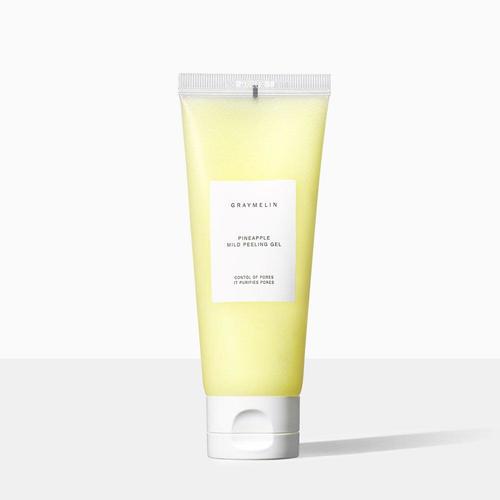
Pineapple Mild Peeling Gel
Graymelin
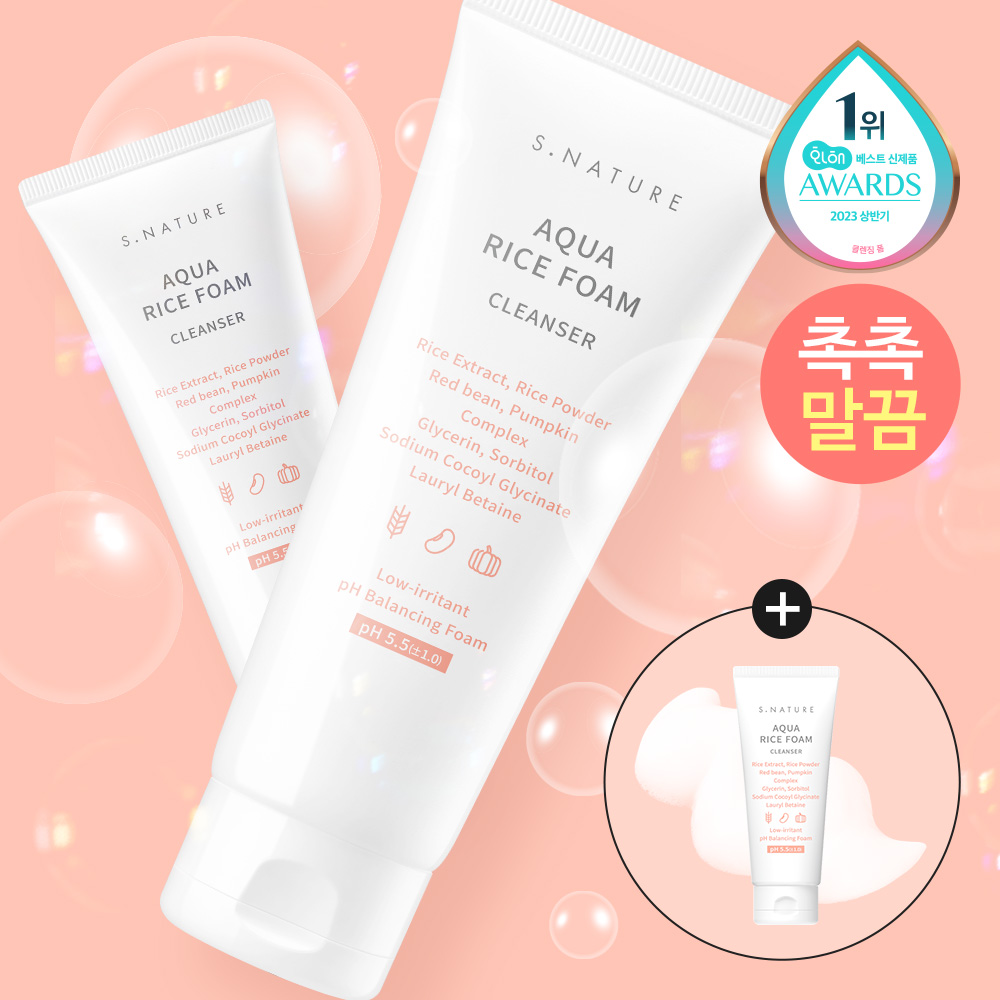
Aqua Rice Foam Cleanser
S.Nature
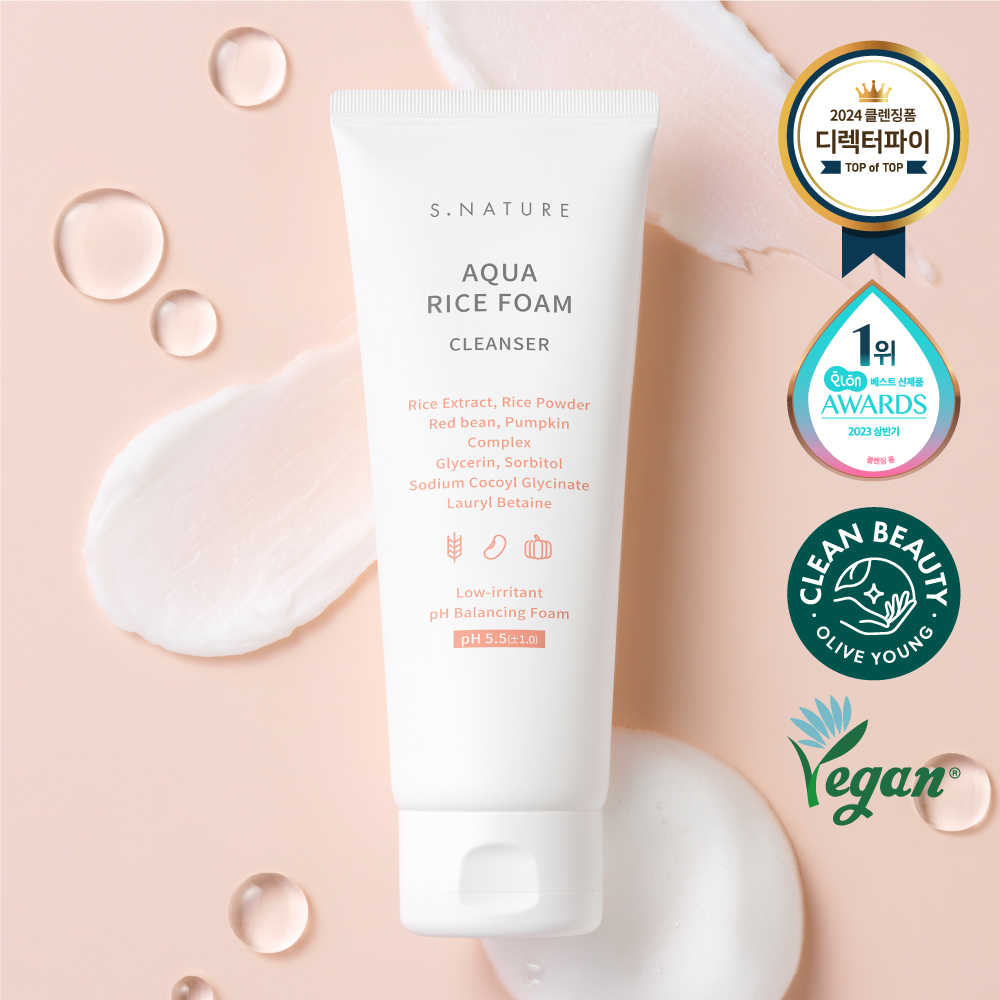
Aqua Rice Mild Acidic Foam Cleanser
S.Nature
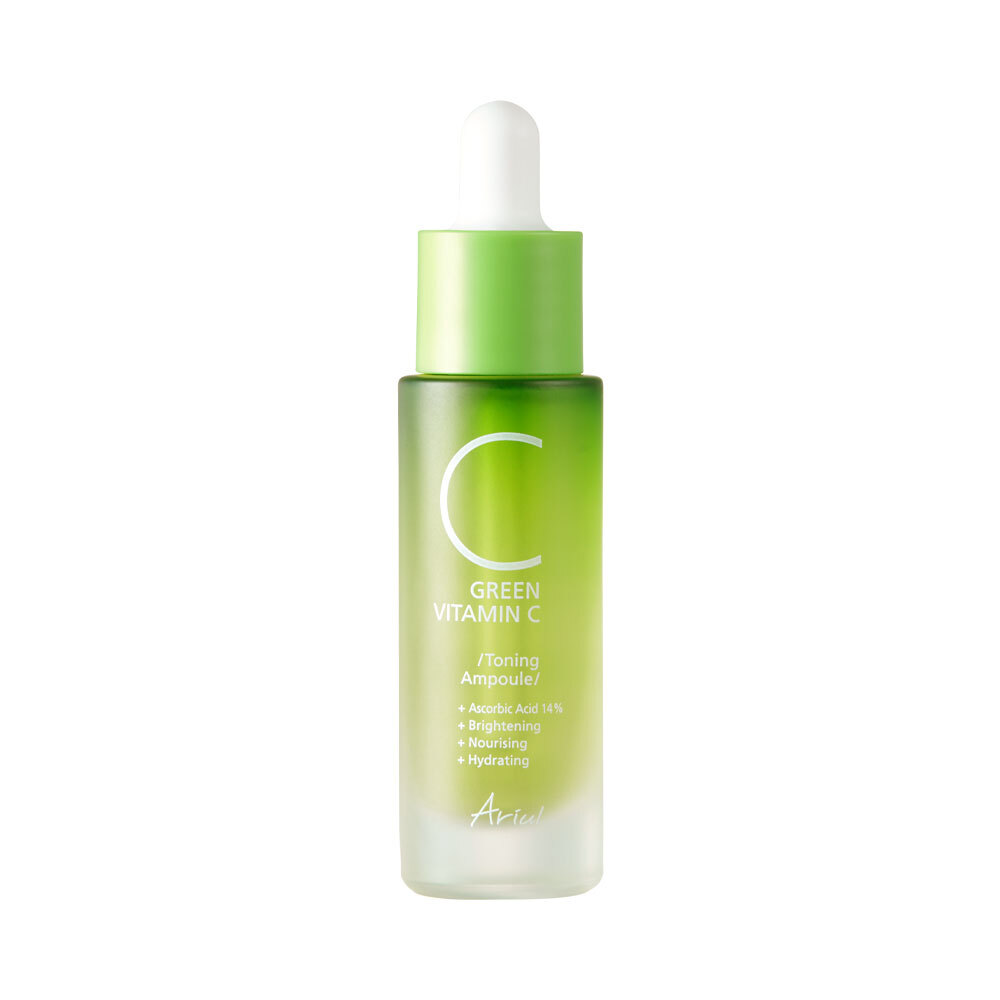
Green Vitamin C Toning Ampoule
Ariul
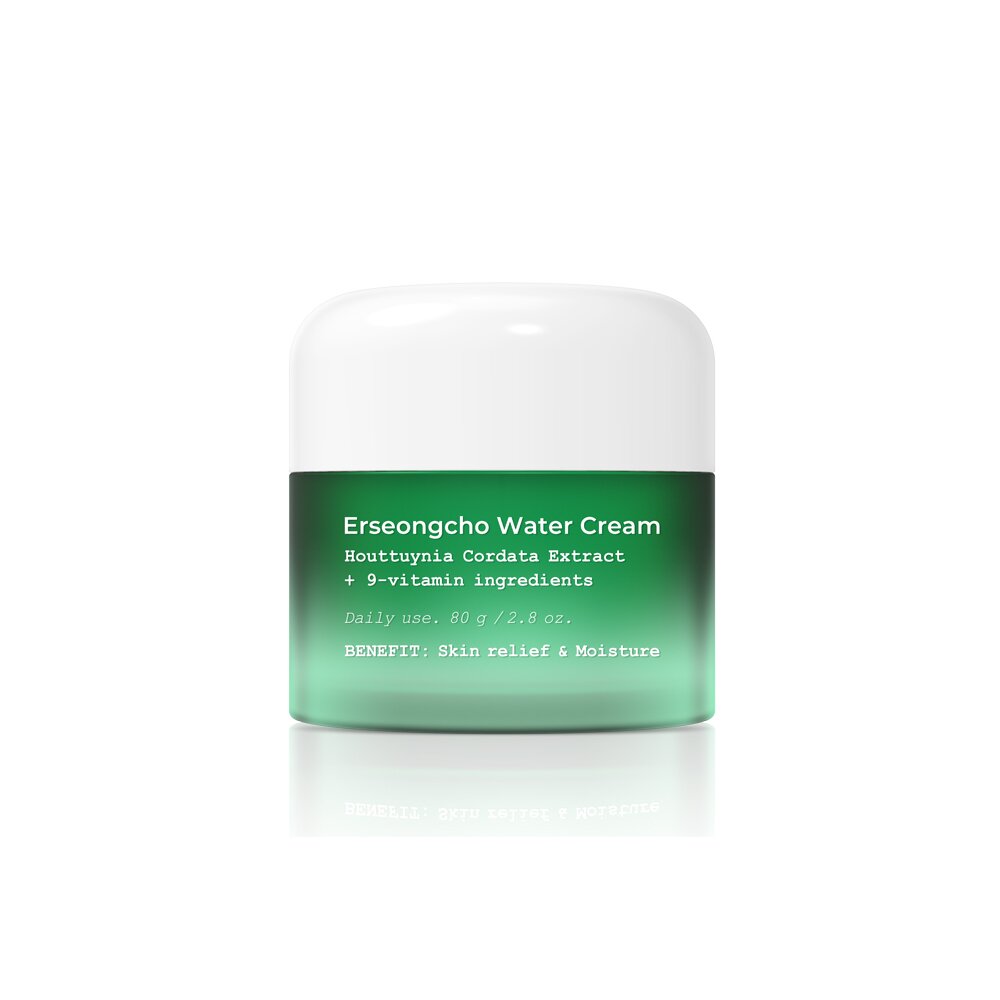
Erseongcho Cream
Centellian24
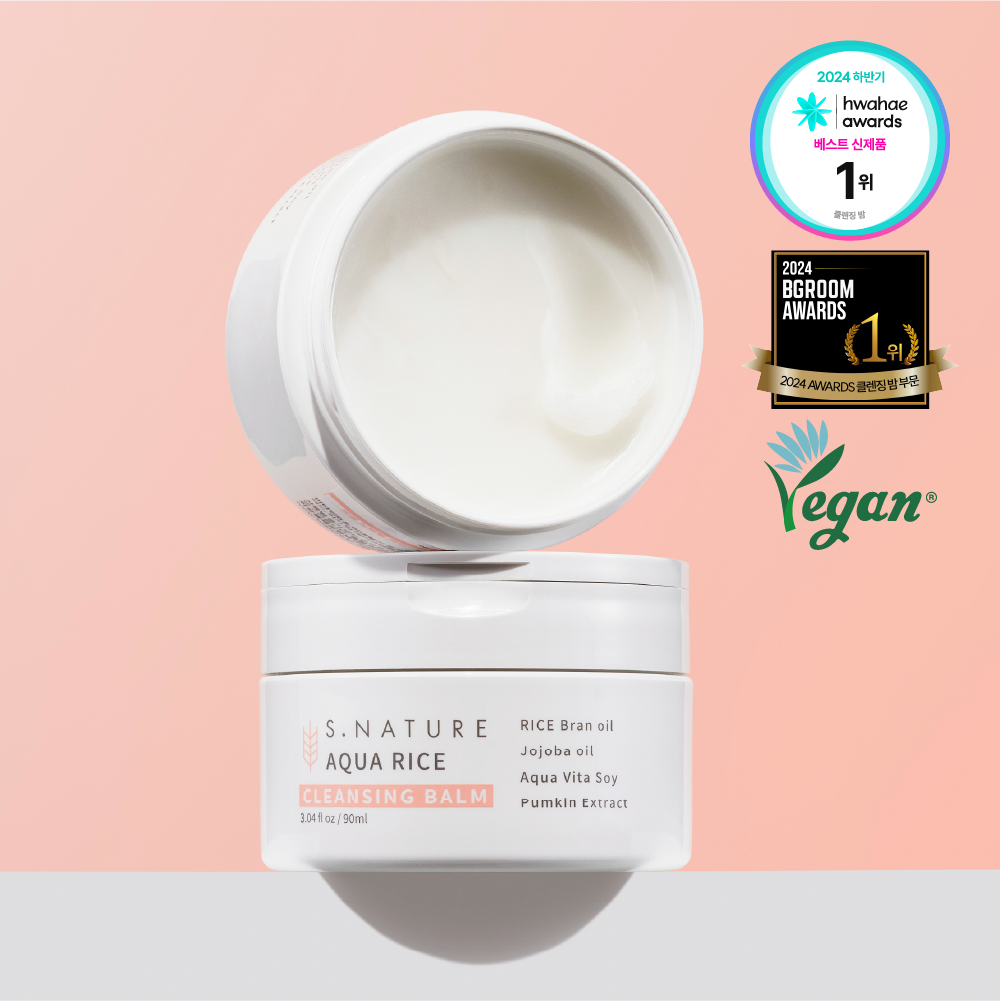
Aqua Rice Cleansing Balm
S.Nature
Shimoment V-Lifting Roller Cream (Refill)
Centellian24
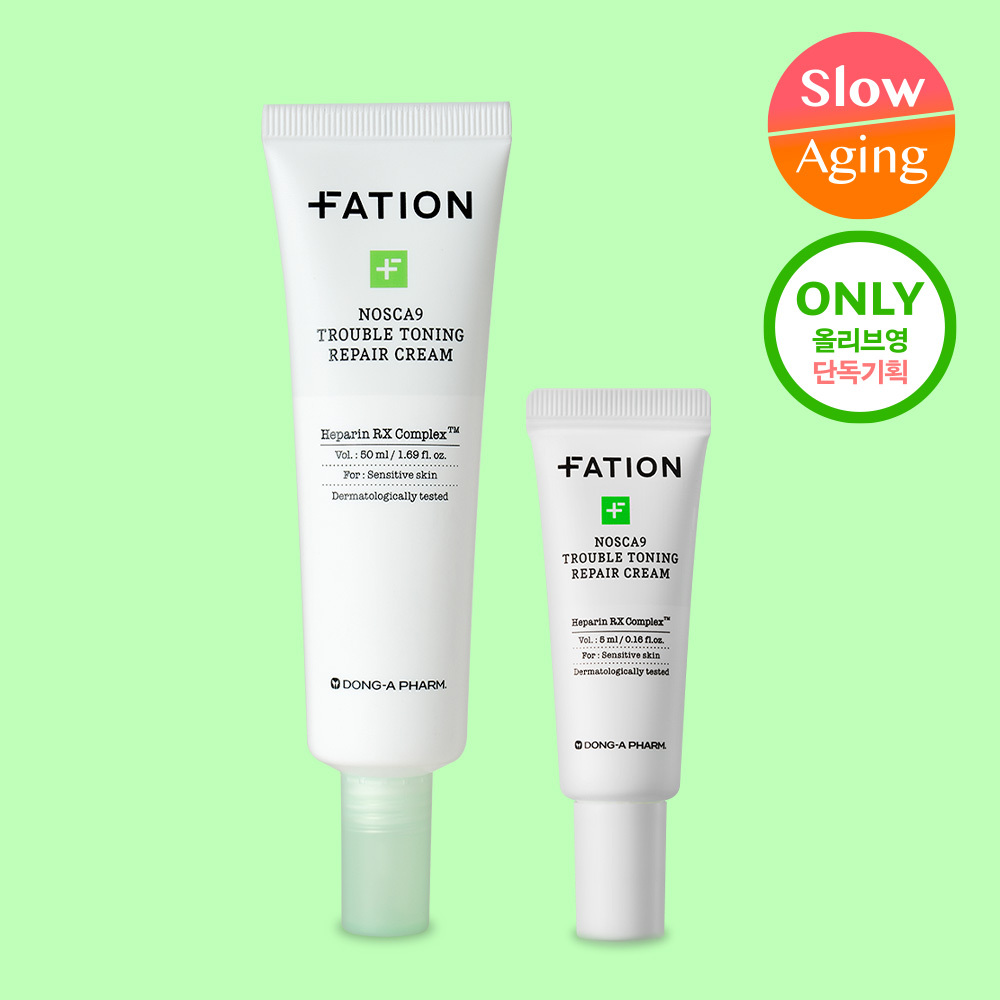
Nosca9 Trouble Toning Repair Cream Set
Fation
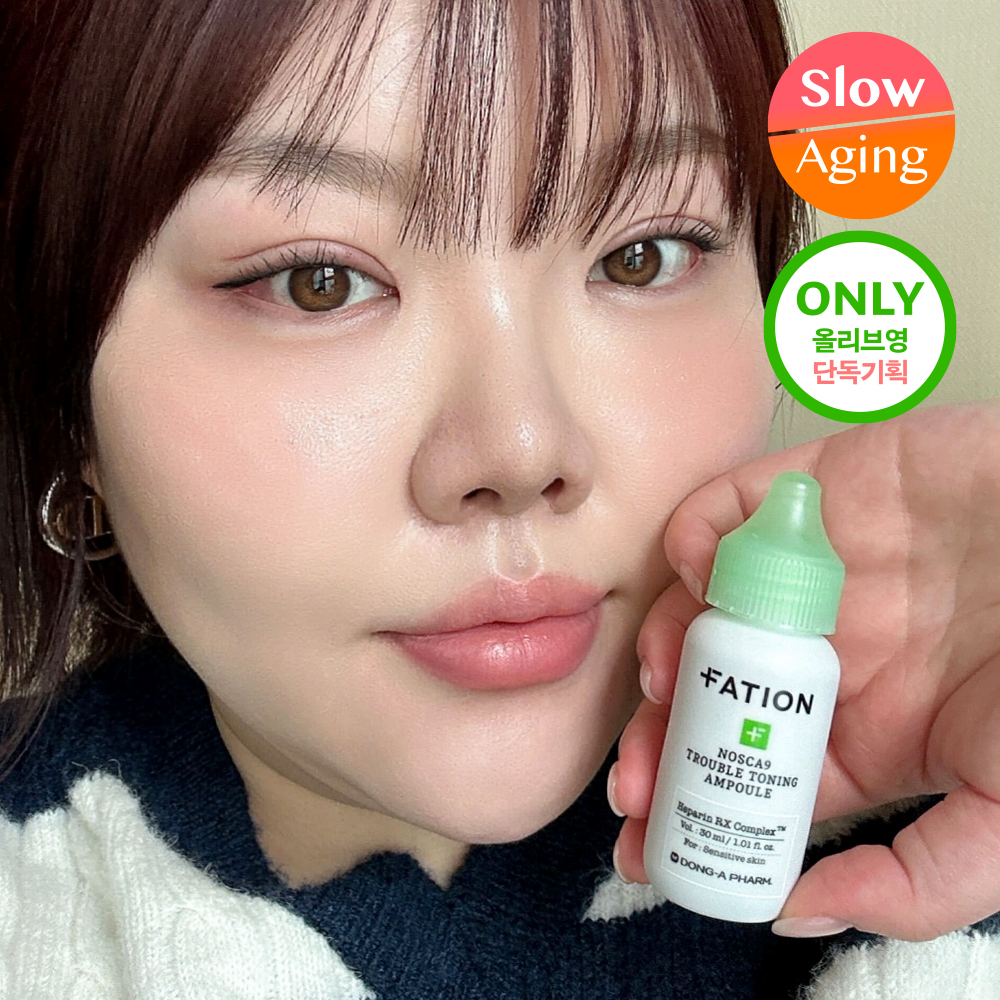
Nosca9 Trouble Toning Ampoule
Fation
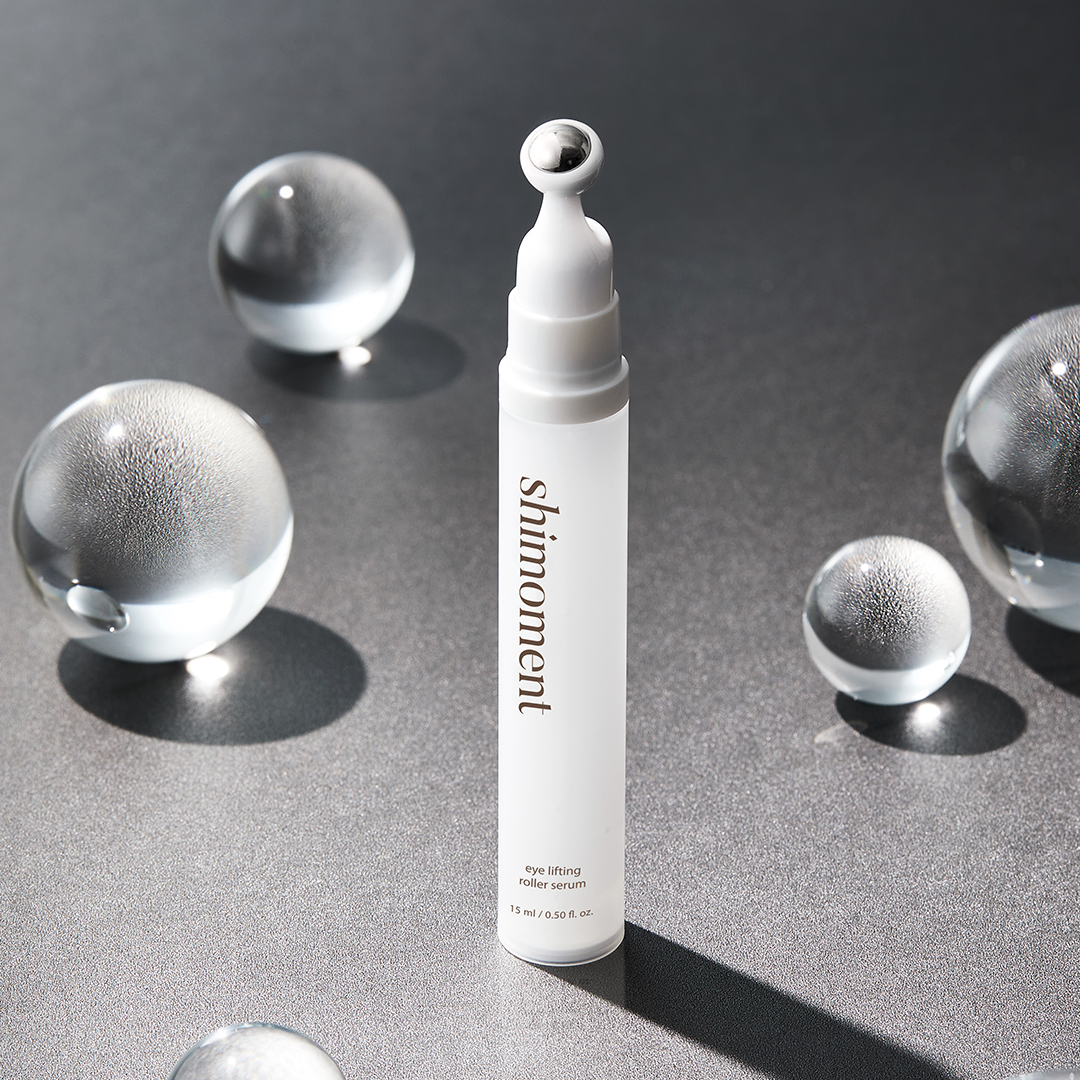
Eye Lifting Roller Serum
shimoment
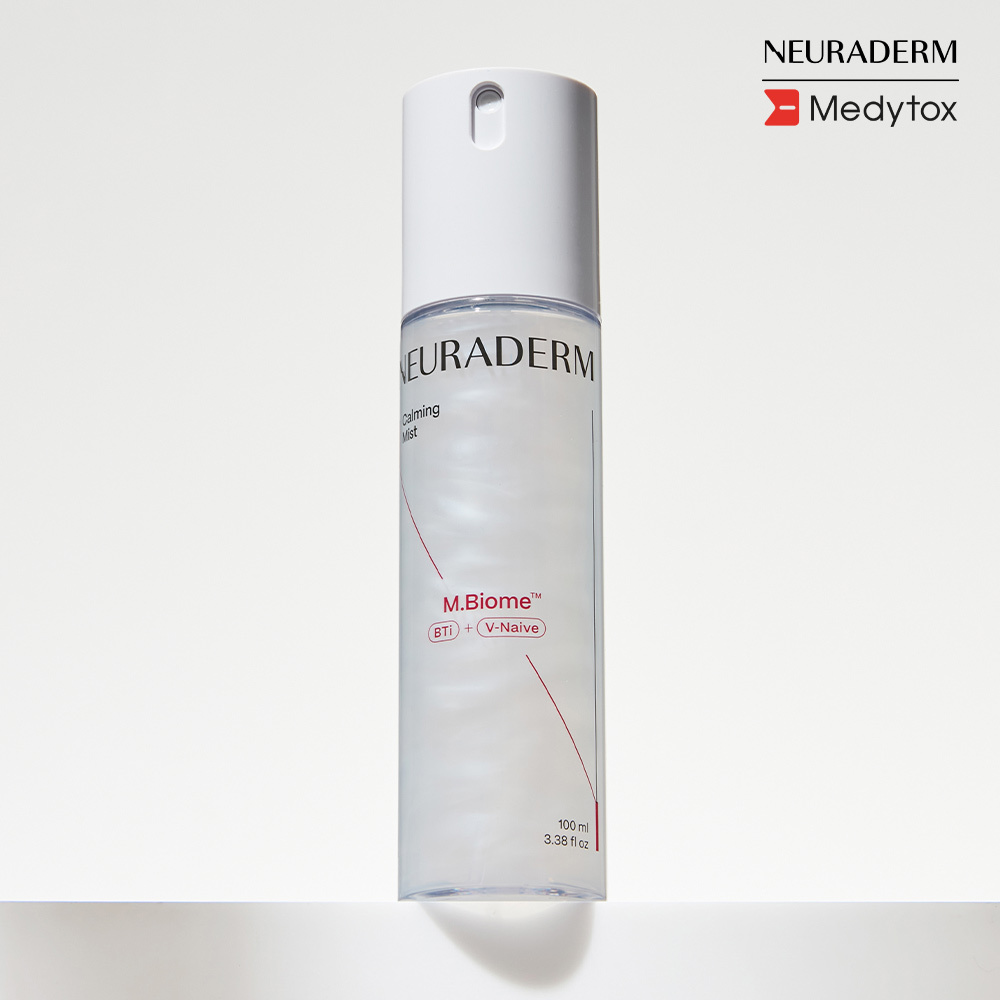
Medytox Calming Mist
Neuraderm
Nourishing Care Carrot Cleansing Balm
KAHI
Frequently Asked Questions
Can I use pumpkin extract every day or will it over-exfoliate my skin?▼
Is pumpkin extract safe to use if I'm pregnant or breastfeeding?▼
Will pumpkin extract help with acne scars and hyperpigmentation?▼
Can I mix pumpkin extract products with vitamin C or retinol serums?▼
Why does my pumpkin extract product tingle when I apply it?▼
Explore More
Want personalized ingredient advice?
Yuri, our AI beauty advisor, can tell you how Pumpkin Extract works with your specific skin type, routine, and concerns.
Ask Yuri, free