Turmeric Root Extract
INCI: Curcuma Longa (Turmeric) Root Extract
Antioxidant and anti-inflammatory agent for brightening
About Turmeric Root Extract
Turmeric Root Extract, derived from the rhizome of Curcuma longa, has become a powerhouse ingredient in K-beauty formulations for its potent antioxidant and anti-inflammatory properties. The extract contains curcuminoids, particularly curcumin, which give turmeric its characteristic golden color and most of its skin benefits. In K-beauty, turmeric has evolved beyond its traditional medicinal roots to become a sophisticated brightening and calming agent, appearing in 381 products on Seoul Sister ranging from cleansers to creams. What makes this ingredient particularly appealing is its ability to address multiple skin concerns simultaneously, delivering visible brightening while reducing redness and inflammation. Korean formulations have mastered the art of stabilizing turmeric extract to prevent the yellow staining historically associated with raw turmeric, making it suitable for daily skincare routines. The ingredient's versatility is evident in its appearance across different product categories, from the VT PDRN Capsule Cream 100 (5.0/5 rating) to multiple Beplain cleansing formulas (4.9/5 ratings), proving its compatibility with various textures and formulation goals. With a low comedogenic rating of 1/5, turmeric extract offers brightening benefits without clogging pores, addressing a common concern with some traditional brightening ingredients.
How Turmeric Root Extract Works
Turmeric Root Extract works at the cellular level primarily through its curcuminoid content, which inhibits the production of melanin by interfering with tyrosinase, the enzyme responsible for melanin synthesis. This mechanism helps fade hyperpigmentation and creates a more even skin tone over time. The extract's anti-inflammatory action comes from its ability to suppress pro-inflammatory cytokines and inhibit the NF-kB pathway, a key regulator of inflammatory responses in skin cells. This makes it particularly effective at calming irritation and reducing redness. As an antioxidant, turmeric extract neutralizes free radicals through electron donation, protecting skin cells from oxidative stress caused by UV exposure and environmental pollutants. The curcuminoids also support the skin's natural barrier function by promoting ceramide synthesis and reducing transepidermal water loss. Unlike some brightening ingredients that can be harsh, turmeric extract achieves its effects through gentle, cumulative action, making it suitable for sensitive skin types while still delivering visible results in improved clarity and reduced discoloration.
Turmeric Root Extract by Skin Type
Oily Skin
Turmeric Root Extract is excellent for oily skin types due to its anti-inflammatory properties that help calm active sebaceous glands and reduce the appearance of enlarged pores. Its low comedogenic rating (1/5) means it won't contribute to congestion, making it a safe choice for acne-prone individuals. The ingredient's antimicrobial properties can also help address breakout-causing bacteria without stripping the skin.
Dry Skin
While turmeric extract isn't primarily a hydrating ingredient, it benefits dry skin by supporting barrier repair and reducing inflammation that can compromise the skin's moisture retention. The extract works well in cream formulations like the VT PDRN Capsule Cream 100, where it complements hydrating ingredients. Its antioxidant properties protect already vulnerable dry skin from environmental stressors that can worsen dehydration.
Combo Skin
Combination skin types benefit significantly from turmeric extract's balanced approach to skin concerns. It addresses excess oil and potential congestion in the T-zone while providing antioxidant protection and brightening benefits to drier areas. The ingredient's appearance in cleansing formulas like the Beplain Mung Bean pH-Balanced Cleansing Foam (4.9/5) shows its effectiveness in maintaining balance without over-drying or leaving residue.
Sensitive Skin
Turmeric Root Extract is particularly valuable for sensitive skin due to its strong anti-inflammatory and soothing properties. It actively calms redness and irritation while providing gentle brightening without the harshness of stronger acids or retinoids. The ingredient's appearance in gentle formulations like the Anua Heartleaf Double Cleansing Set (4.8/5) demonstrates its compatibility with reactive skin types, though patch testing is still recommended.
Normal Skin
Normal skin types can use turmeric extract as a preventative antioxidant and maintenance brightening ingredient. It helps preserve skin's balanced state by protecting against environmental damage and preventing the formation of dark spots before they appear. The extract supports overall skin health and radiance without disrupting normal skin's natural equilibrium.
How to Use Turmeric Root Extract
- 1Introduce turmeric extract gradually, starting with cleansers or wash-off products before moving to leave-on treatments, to assess your skin's response and ensure no temporary yellow tinting occurs.
- 2Pair turmeric extract with niacinamide or vitamin C in your routine for enhanced brightening effects, as these ingredients work synergistically to address hyperpigmentation through different mechanisms.
- 3Use turmeric-containing products consistently for at least 6-8 weeks to see visible brightening results, as the ingredient works through cumulative, gentle action rather than immediate dramatic change.
- 4Apply turmeric extract products after cleansing and toning but before heavier creams to maximize absorption and effectiveness, especially in serum or essence formulations.
- 5If you have very fair skin or are concerned about temporary yellow tinting, choose products where turmeric is balanced with other ingredients and always follow with your regular skincare routine.
Background
Turmeric has been used in Ayurvedic and traditional Asian medicine for over 4,000 years, prized for its healing and beautifying properties long before modern cosmetic science validated its benefits. In Indian and Southeast Asian cultures, turmeric paste has been a traditional pre-wedding beauty treatment, applied to brighten and even skin tone. The ingredient made its way into K-beauty as Korean cosmetic chemists sought natural, effective alternatives to synthetic brightening agents, particularly after the clean beauty movement gained momentum in the late 2010s. Korean brands innovated extraction and stabilization methods that preserved turmeric's active curcuminoids while eliminating the staining issues associated with raw turmeric powder. This technical advancement allowed turmeric to transition from a traditional folk remedy to a sophisticated cosmetic ingredient suitable for modern, multi-step skincare routines, now appearing in 381 products across the Seoul Sister database.
K-Beauty Products with Turmeric Root Extract
View all 438 →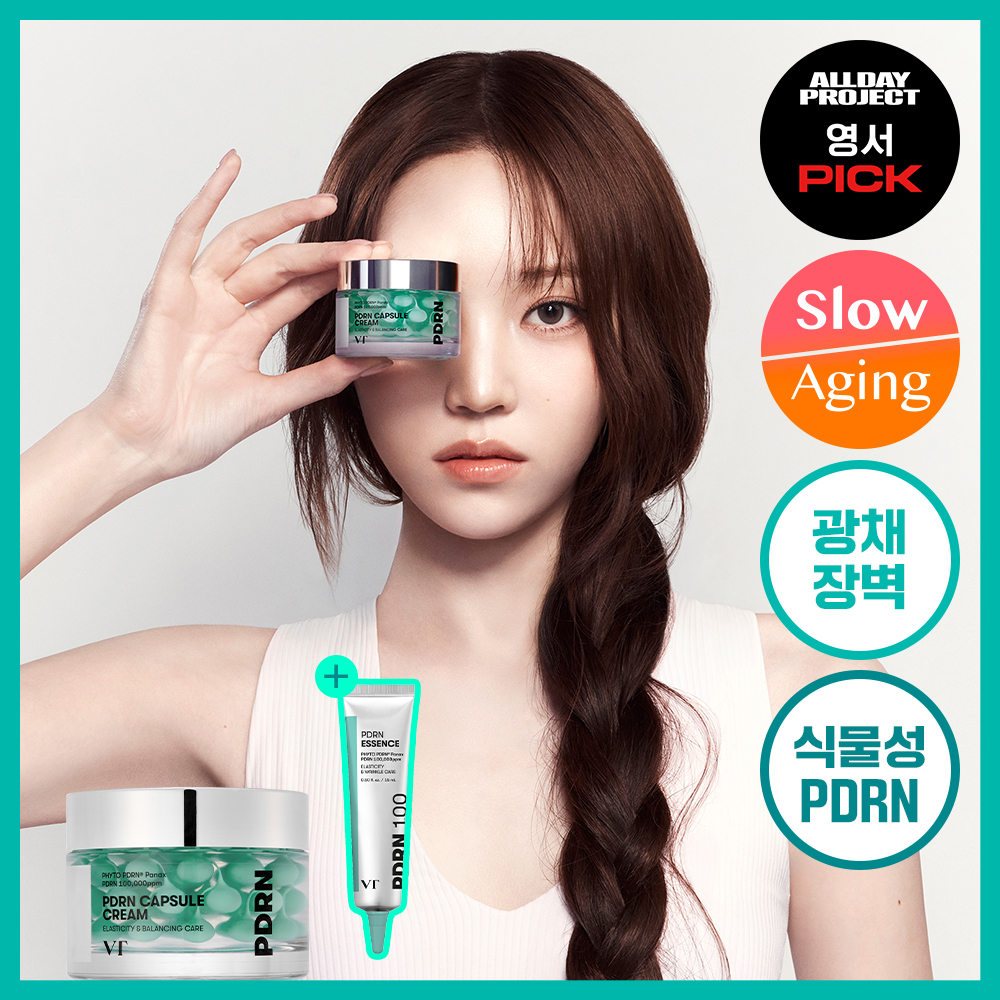
PDRN Capsule Cream 100
VT

Mung Bean pH-Balanced Cleansing Foam
Beplain
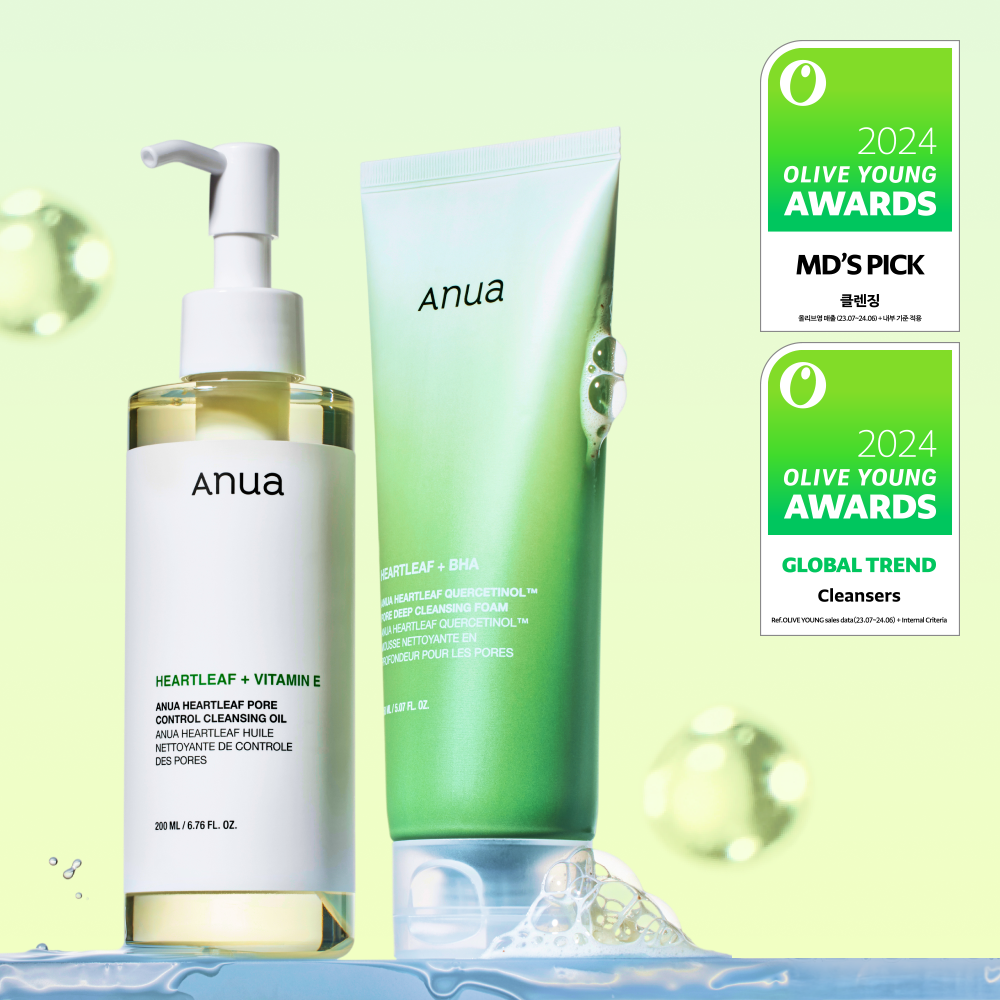
Heartleaf Double Cleansing Set
Anua

PDRN Hyaluronic Capsule 100 Serum Refill Set
Anua

PDRN Hyaluronic Acid 100 Moisturizing Cream
Anua
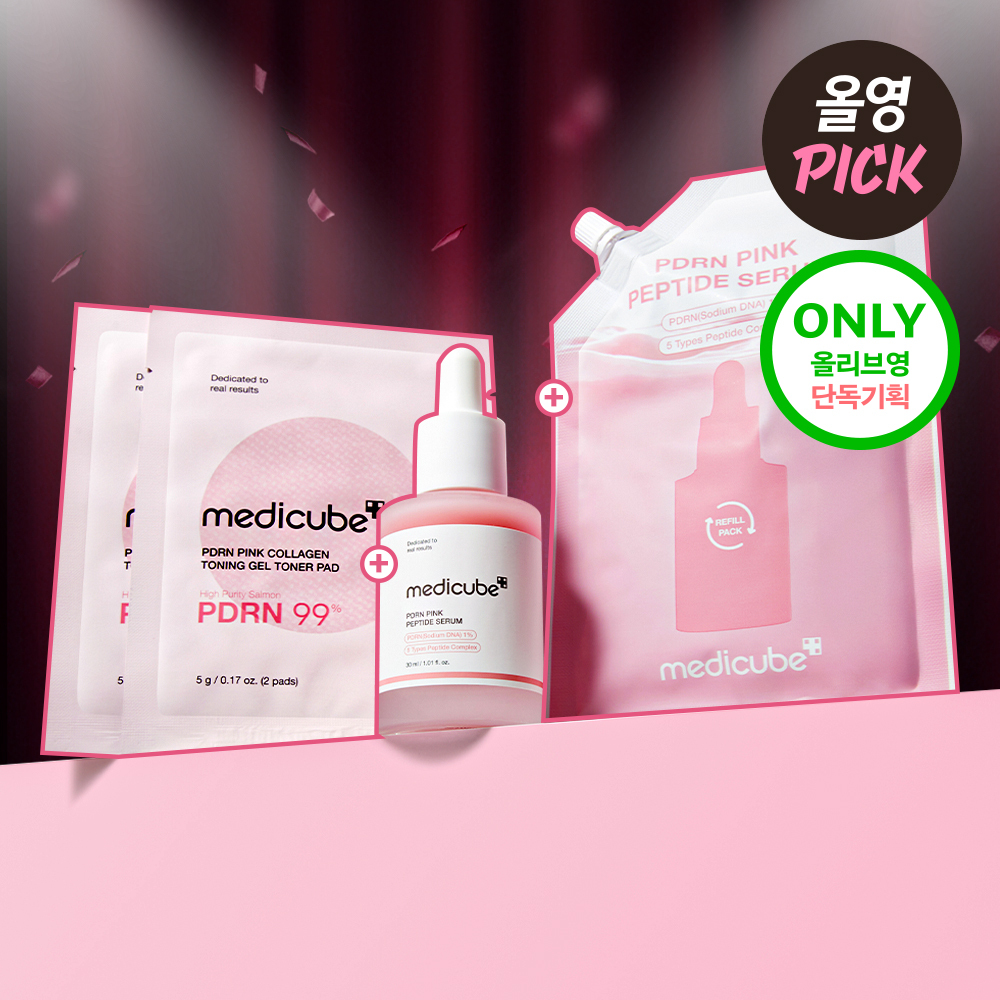
PDRN Pink Peptide Ampoule
Medicube
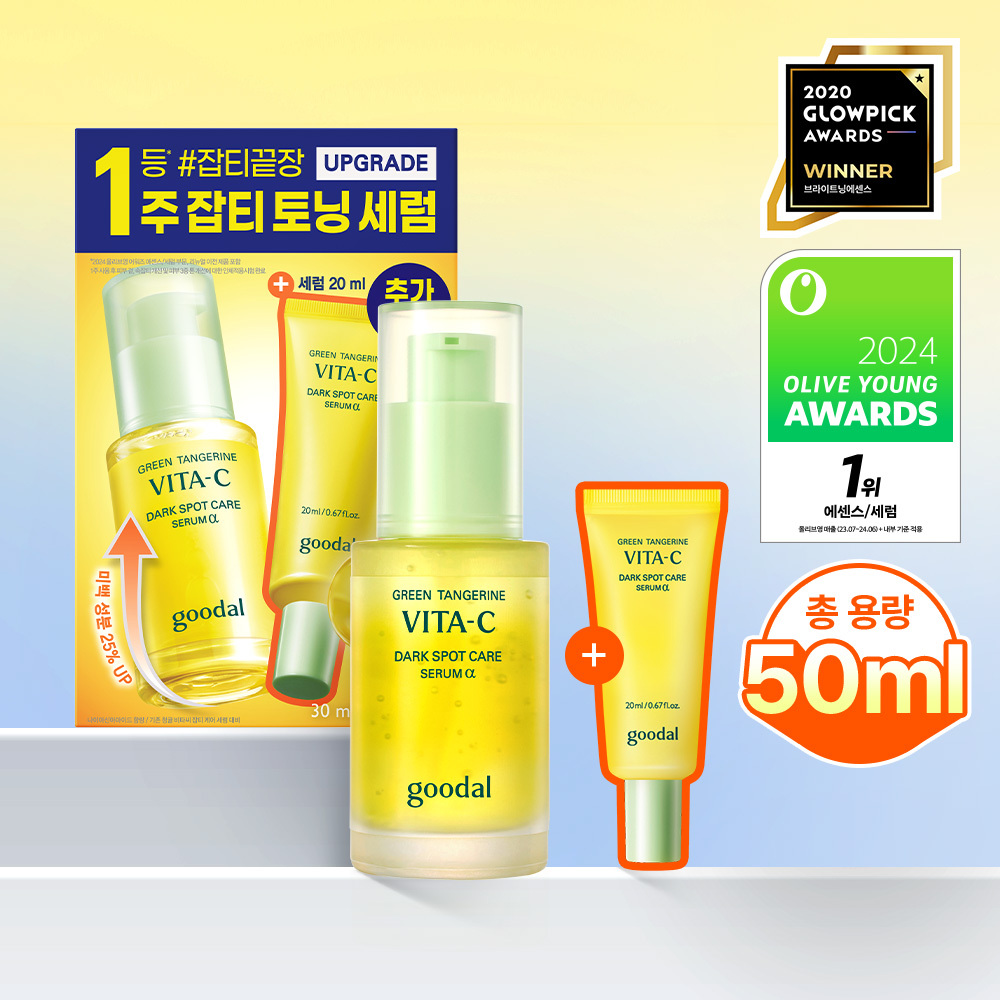
Green Tangerine Vita-C Dark Spot Care Serum α
Goodal
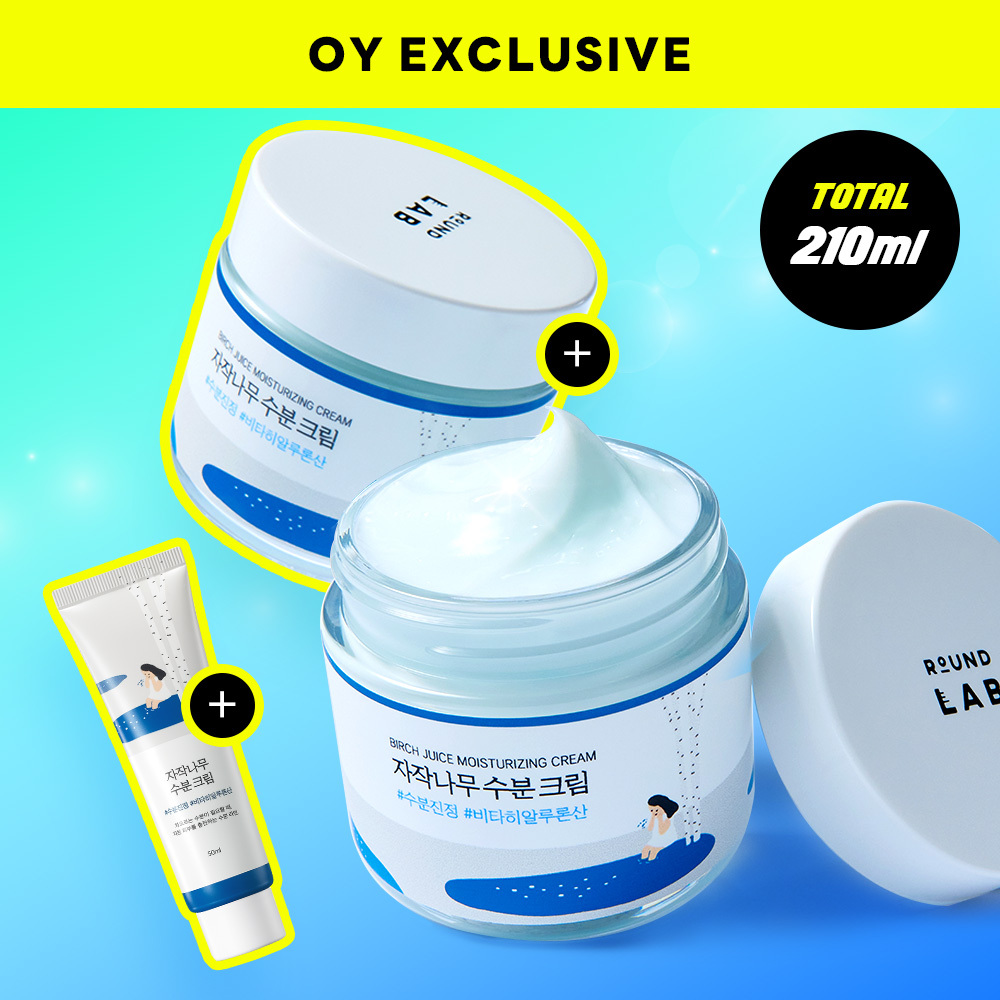
Birch Juice Moisturizing Cream Double Set
Round Lab
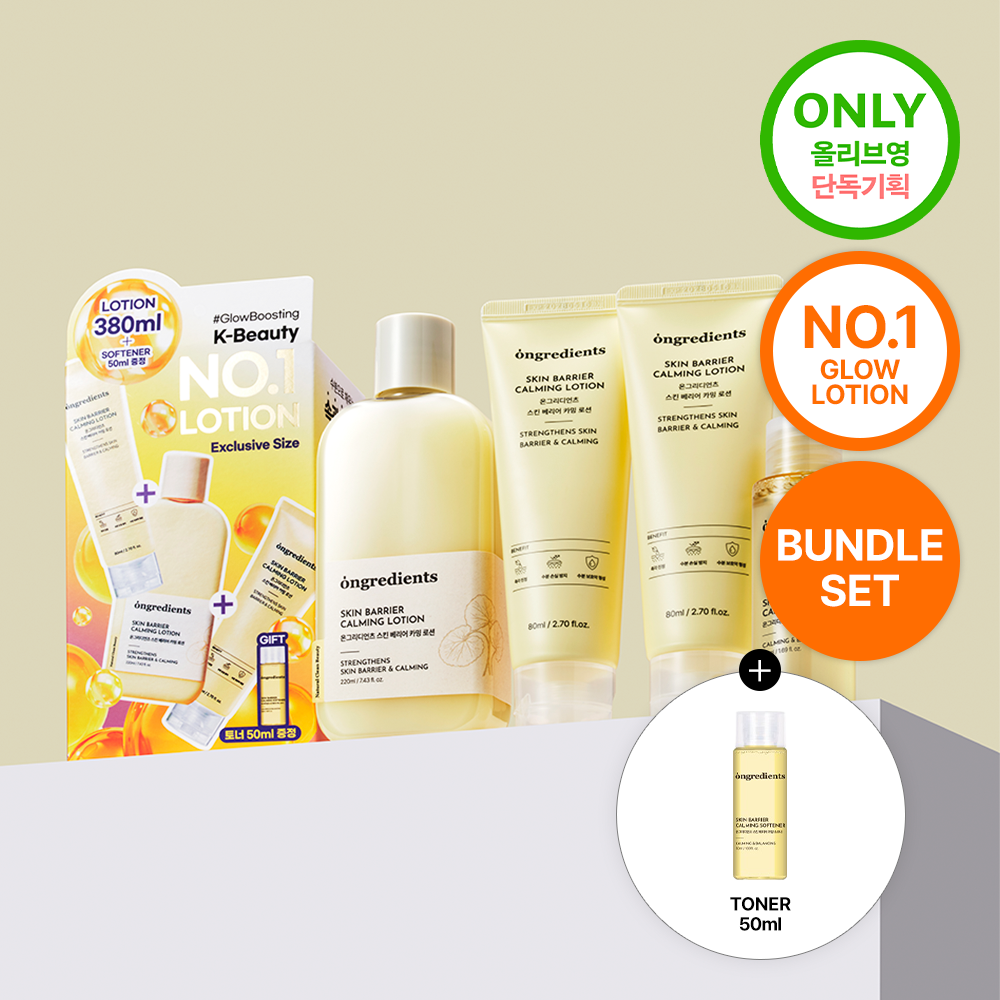
Skin Barrier Calming Large Size Set (Lotion + Softener)
Ongredients
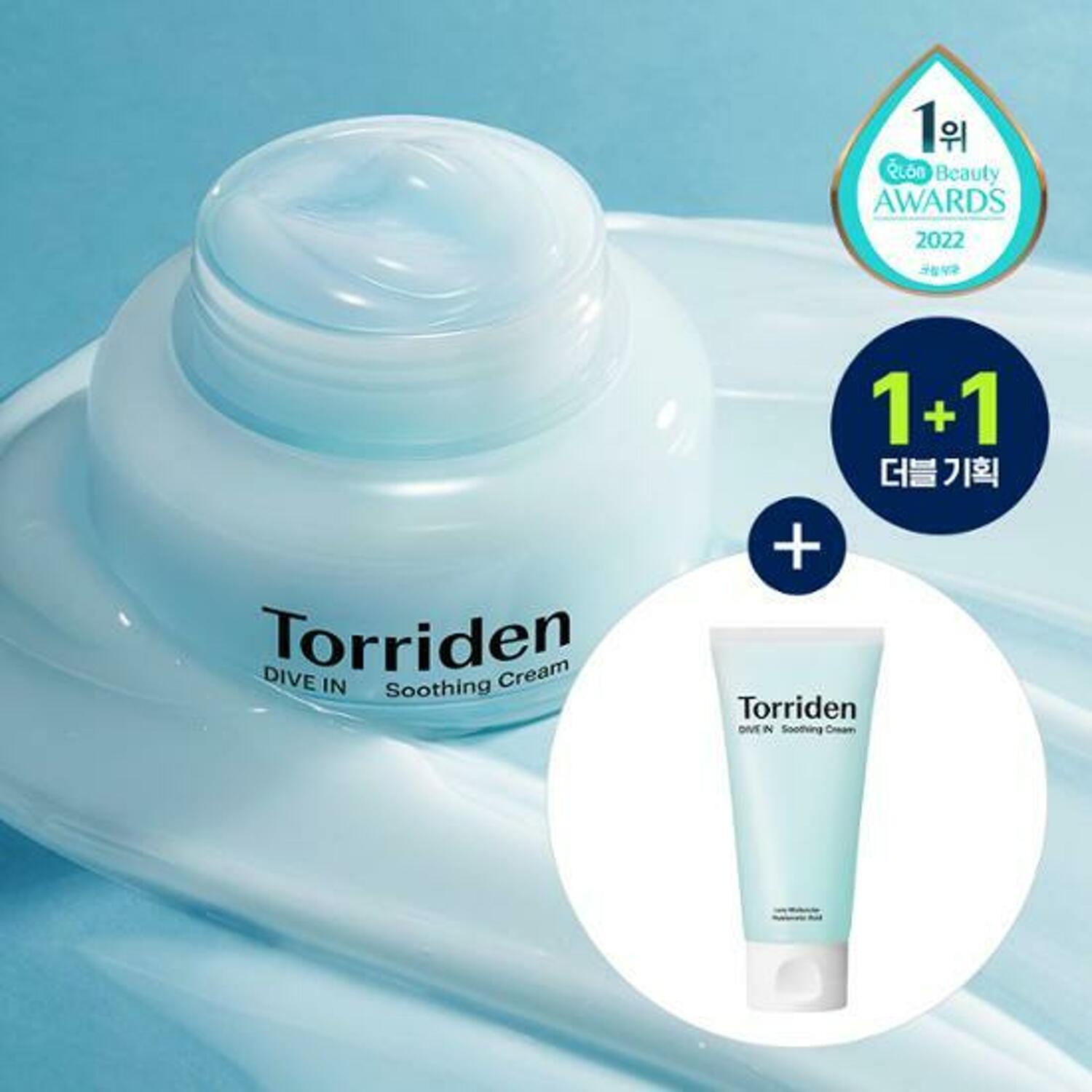
Dive-in Soothing Cream Double Pack
Torriden
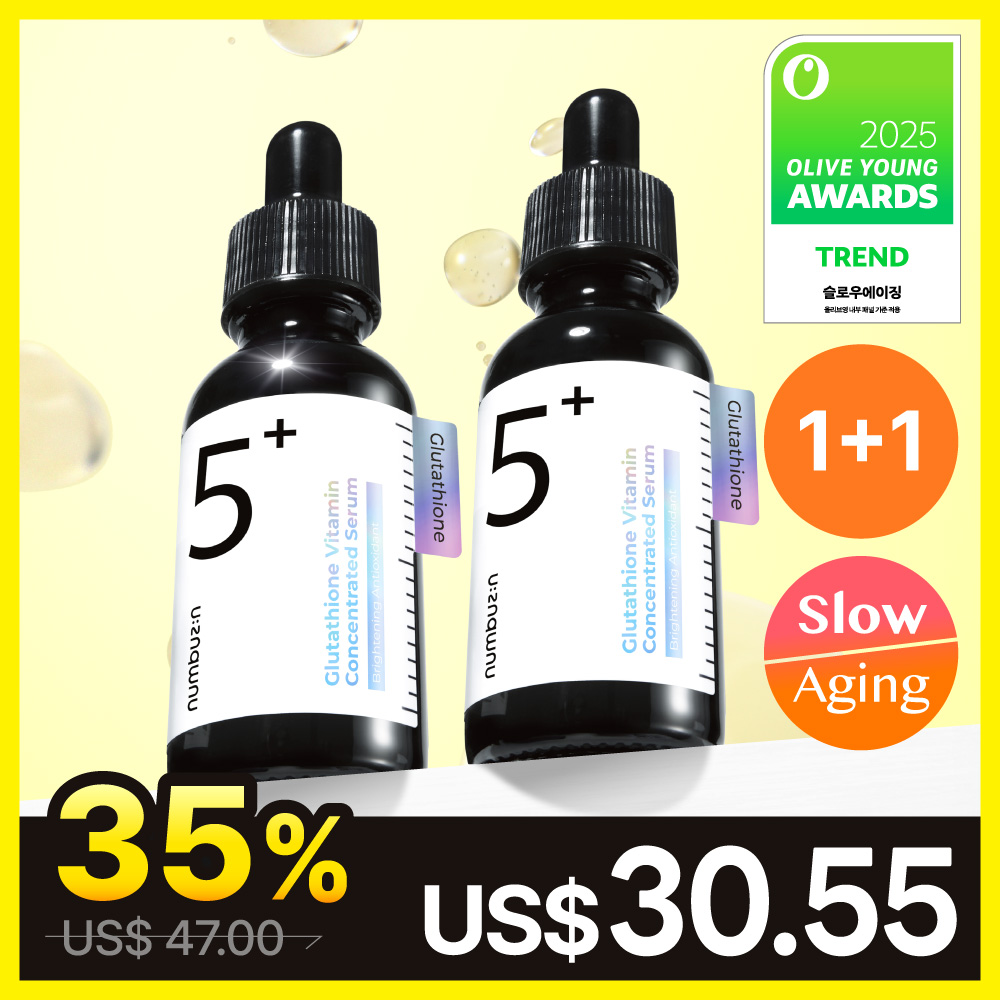
No.5+ Vitamin Concentrated Serum Duo Set
Numbuzin
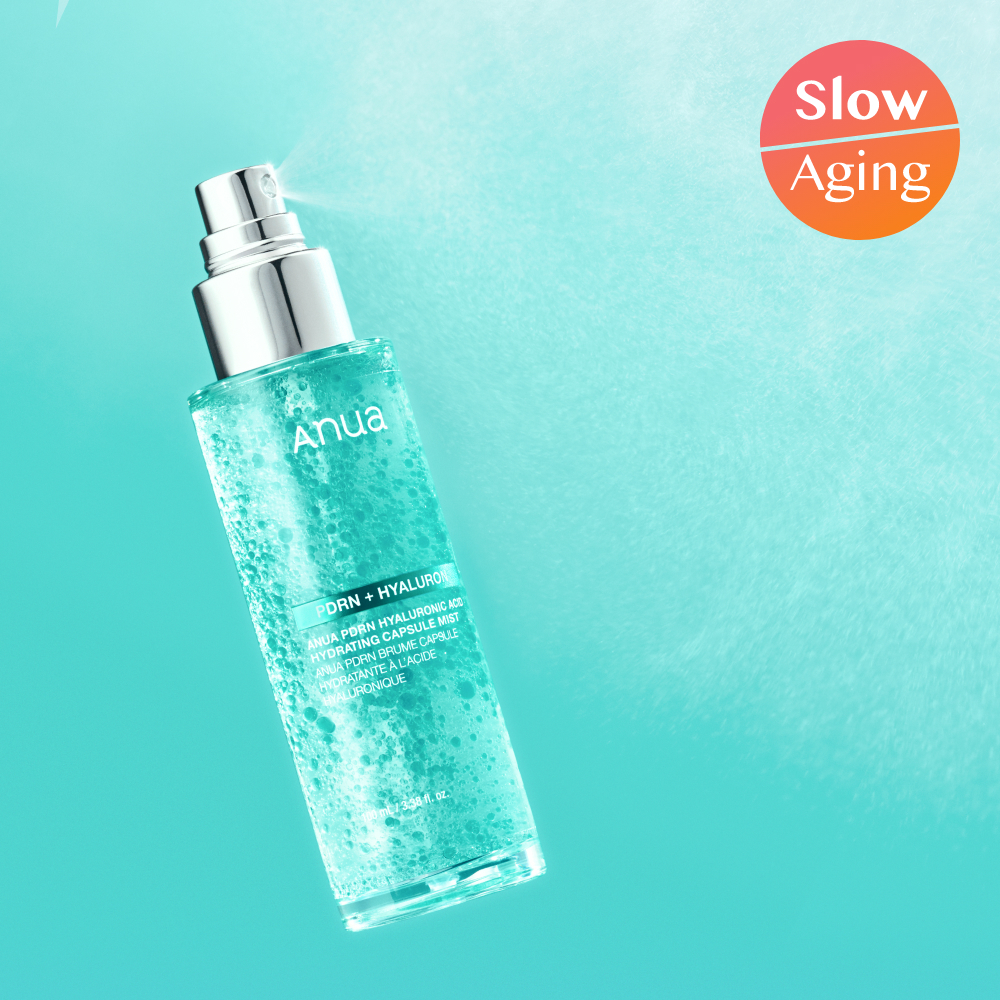
PDRN Hyaluronic Acid Hydrating Capsule Mist
Anua
Frequently Asked Questions
Will turmeric extract stain my skin yellow?▼
How long does it take to see brightening results from turmeric extract?▼
Can I use turmeric extract with vitamin C or retinol?▼
Is turmeric extract effective for acne-prone skin?▼
Does turmeric extract help with redness and rosacea?▼
Explore More
Want personalized ingredient advice?
Yuri, our AI beauty advisor, can tell you how Turmeric Root Extract works with your specific skin type, routine, and concerns.
Ask Yuri, free