Vitamin B12
INCI: Cyanocobalamin
Antioxidant and anti-inflammatory skin soother
About Vitamin B12
Vitamin B12, listed as Cyanocobalamin on ingredient labels, is a water-soluble vitamin gaining serious momentum in K-beauty formulations for its powerful antioxidant and anti-inflammatory properties. While most people know B12 as an essential nutrient for energy and red blood cell production when taken internally, topical application offers distinct benefits for skin health. This deep red-colored ingredient works by neutralizing free radicals that accelerate aging, calming inflammation that leads to redness and sensitivity, and supporting the skin's natural barrier function. Korean skincare brands have embraced B12 for its ability to address multiple concerns at once, from reducing redness and evening skin tone to protecting against environmental stressors like pollution and UV damage. With a perfect safety rating and zero comedogenic potential, B12 is exceptionally well-tolerated across all skin types. Its appearance in 320 K-beauty products demonstrates its versatility, showing up in everything from bubbly cleansing masks to concentrated serums and peptide-packed ampoules. The ingredient pairs particularly well with other actives like PDRN and probiotics, which explains why you'll often find it in advanced Korean formulations designed for skin repair and rejuvenation.
How Vitamin B12 Works
At the cellular level, Vitamin B12 functions as both a direct antioxidant and an indirect supporter of cellular metabolism. The molecule's structure allows it to donate electrons to unstable free radicals, neutralizing them before they can damage cellular membranes, DNA, and collagen fibers. This antioxidant action is particularly valuable for preventing oxidative stress that leads to premature aging and hyperpigmentation. B12 also modulates the skin's inflammatory response by regulating cytokine production, the chemical messengers that trigger redness, swelling, and discomfort. When inflammation is kept in check, skin appears calmer and heals more efficiently. Additionally, B12 supports DNA synthesis and cell replication, which is essential for maintaining healthy skin turnover and barrier function. The ingredient enhances cellular energy production by participating in metabolic pathways, giving skin cells the fuel they need to perform repair processes effectively. Because B12 is water-soluble, it penetrates the skin's aqueous layers easily and doesn't disrupt the lipid barrier, making it compatible with virtually every other skincare ingredient.
Vitamin B12 by Skin Type
Oily Skin
Oily skin benefits significantly from B12's anti-inflammatory properties, which help calm the reactive sebaceous glands and reduce redness often associated with acne-prone skin. Because it's completely non-comedogenic and water-soluble, B12 won't clog pores or add unwanted heaviness. The antioxidant protection is especially valuable for oily skin exposed to urban pollution, which can trigger excess oil production.
Dry Skin
For dry skin, B12 supports barrier repair and reduces inflammation that can worsen moisture loss. While B12 itself isn't a moisturizer, its role in cellular metabolism helps skin cells function optimally, improving their ability to retain hydration. Pair B12 products with hydrating ingredients like hyaluronic acid or ceramides for maximum benefit, as seen in formulations like Mediheal's PDRN cream.
Combo Skin
Combination skin appreciates B12's balanced approach, calming oily zones without over-drying and protecting dry areas without adding greasiness. The ingredient's anti-inflammatory benefits work across different skin zones, reducing redness in T-zone areas while supporting barrier health in drier cheek regions. B12 won't disrupt your skin's natural balance.
Sensitive Skin
This is where B12 truly shines. Its exceptional safety profile and anti-inflammatory action make it ideal for reactive, sensitive skin prone to redness and irritation. B12 helps calm inflammation from environmental triggers, allergens, or other actives in your routine. The ingredient rarely causes reactions and can actually improve skin's tolerance to other products over time by strengthening barrier function.
Normal Skin
Normal skin uses B12 as preventative care, protecting against free radical damage and maintaining the healthy status quo. The antioxidant benefits help prevent signs of aging before they start, while the anti-inflammatory properties keep skin looking calm and even-toned. B12 is an excellent everyday ingredient for maintaining skin health without risk of irritation.
How to Use Vitamin B12
- 1Look for B12 in leave-on products like serums, ampoules, and creams rather than cleansers, since the ingredient needs contact time to deliver full antioxidant and anti-inflammatory benefits.
- 2B12 pairs exceptionally well with PDRN and peptides (as seen in top-rated Mediheal and Medicube products), creating synergistic effects for skin repair and rejuvenation.
- 3The ingredient is stable and can be used morning and night. Consider morning application for antioxidant protection against daily environmental stressors.
- 4If you're using strong actives like retinol or acids, B12 products can help calm any resulting inflammation and support skin's recovery process.
- 5No need to worry about conflicts. B12's water-soluble nature and neutral pH make it compatible with virtually every other skincare ingredient, from vitamin C to niacinamide.
Background
Vitamin B12 was first isolated in 1948 as the anti-pernicious anemia factor, earning its discoverers a Nobel Prize. For decades, it was known exclusively as an internal nutrient critical for neurological function and blood health. The skincare world began exploring topical B12 in the early 2000s when researchers discovered that skin cells possess receptors for the vitamin and can benefit from external application. Korean beauty brands were among the first to seriously incorporate B12 into cosmetic formulations, recognizing its potential as a gentle yet effective antioxidant suitable for sensitive Asian skin types. The ingredient's distinctive deep red color initially made formulators hesitant, but advances in encapsulation technology and careful concentration control allowed B12 to be incorporated without staining skin. Today, B12 represents K-beauty's science-forward approach, taking a well-understood nutritional compound and applying it topically for targeted skin benefits.
K-Beauty Products with Vitamin B12
View all 345 →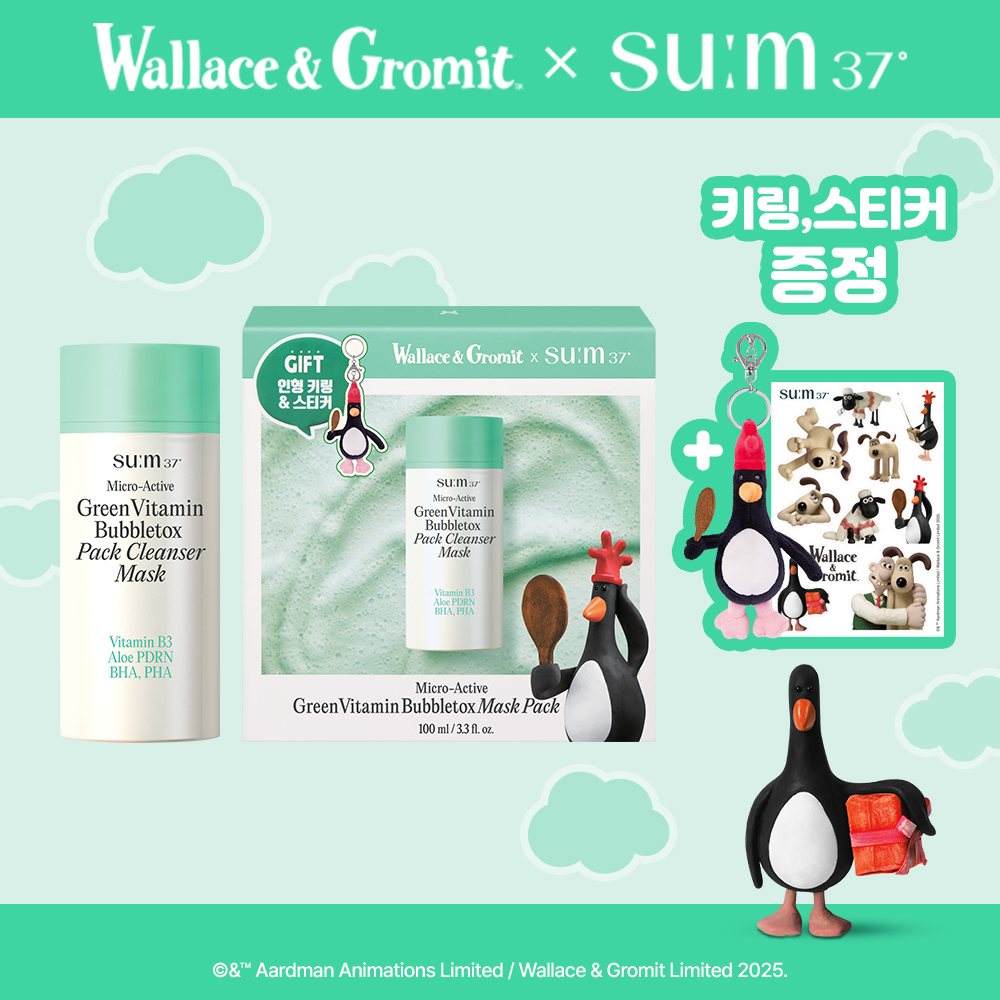
Micro-Active Green Vitamin Bubbletox Pack Cleanser Mask
SUM37
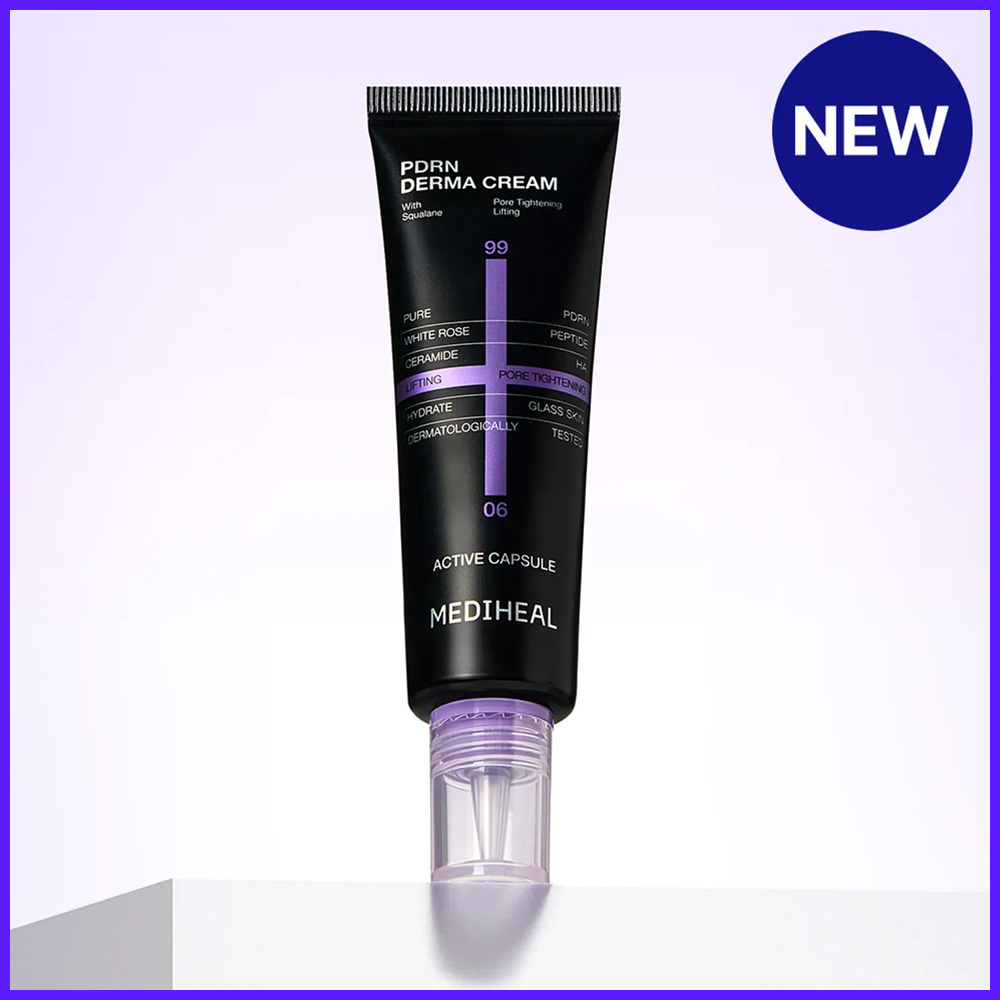
PDRN Lifting Derma Cream
Mediheal
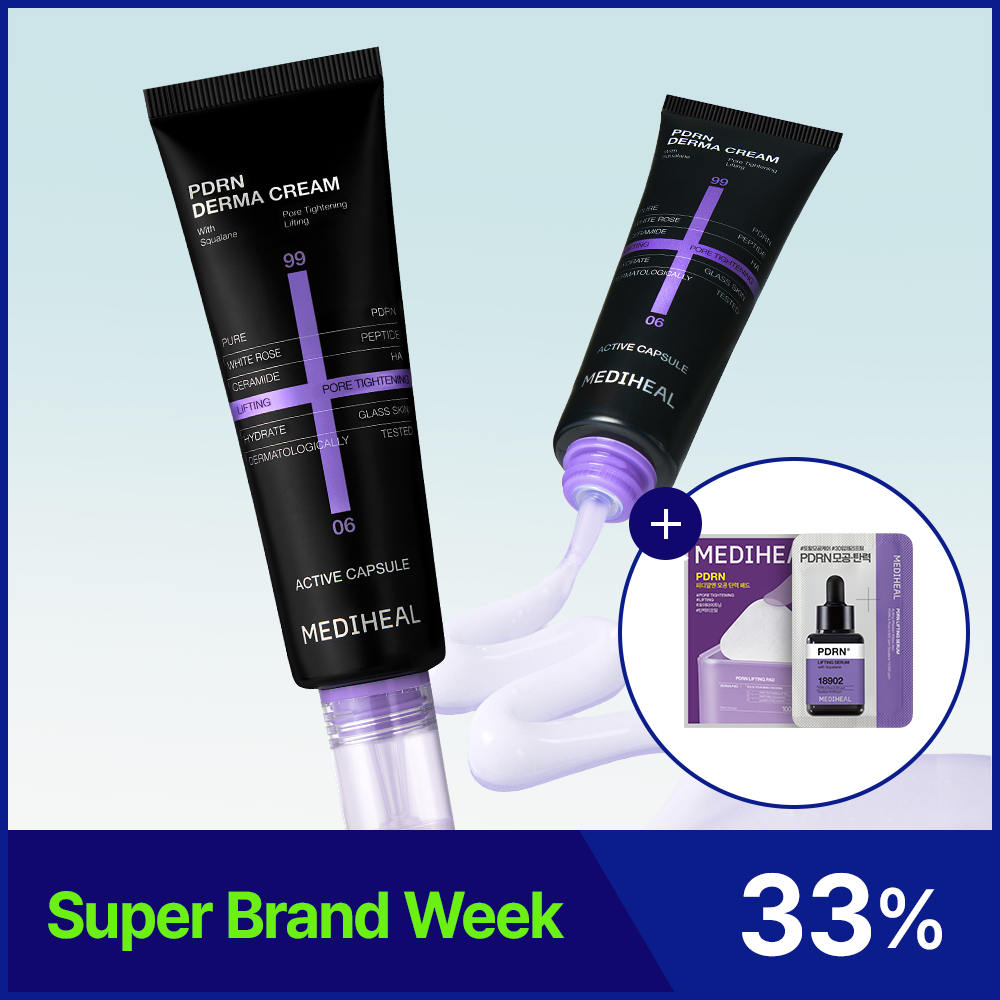
PDRN Cream
Mediheal
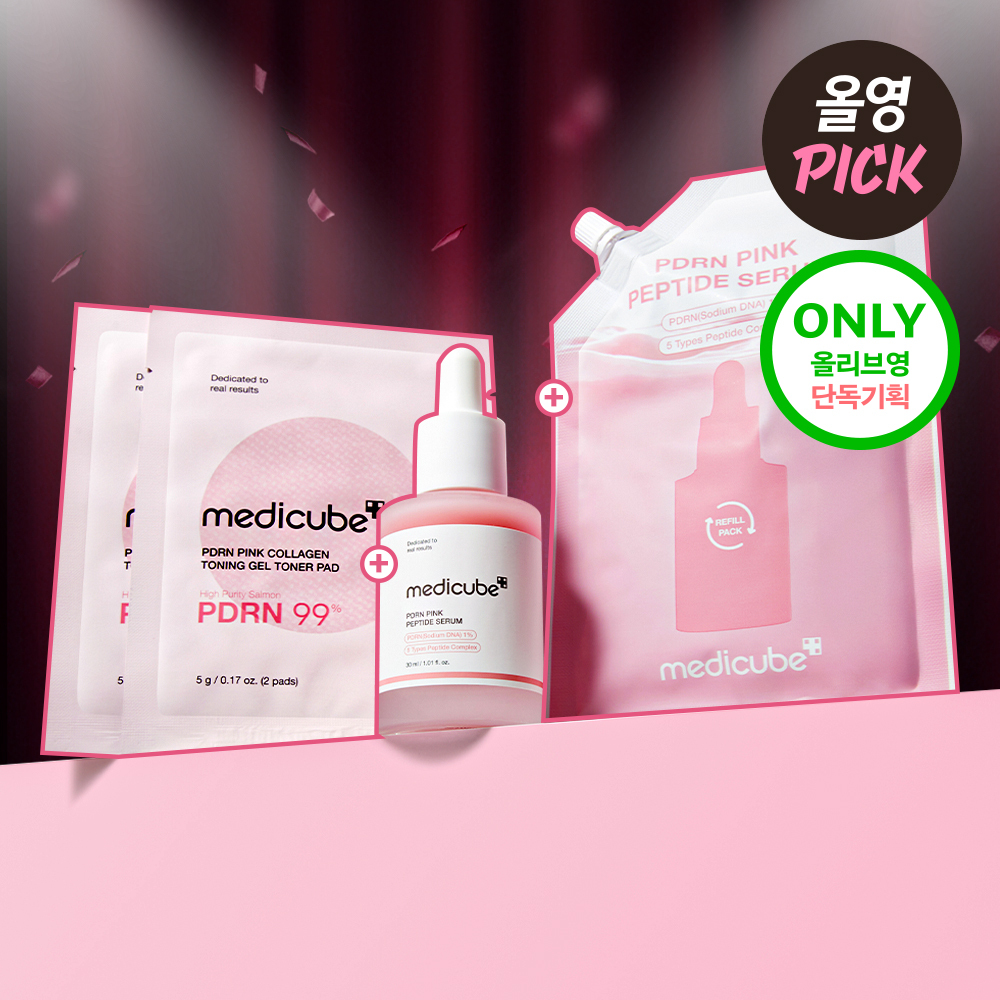
PDRN Pink Peptide Ampoule
Medicube
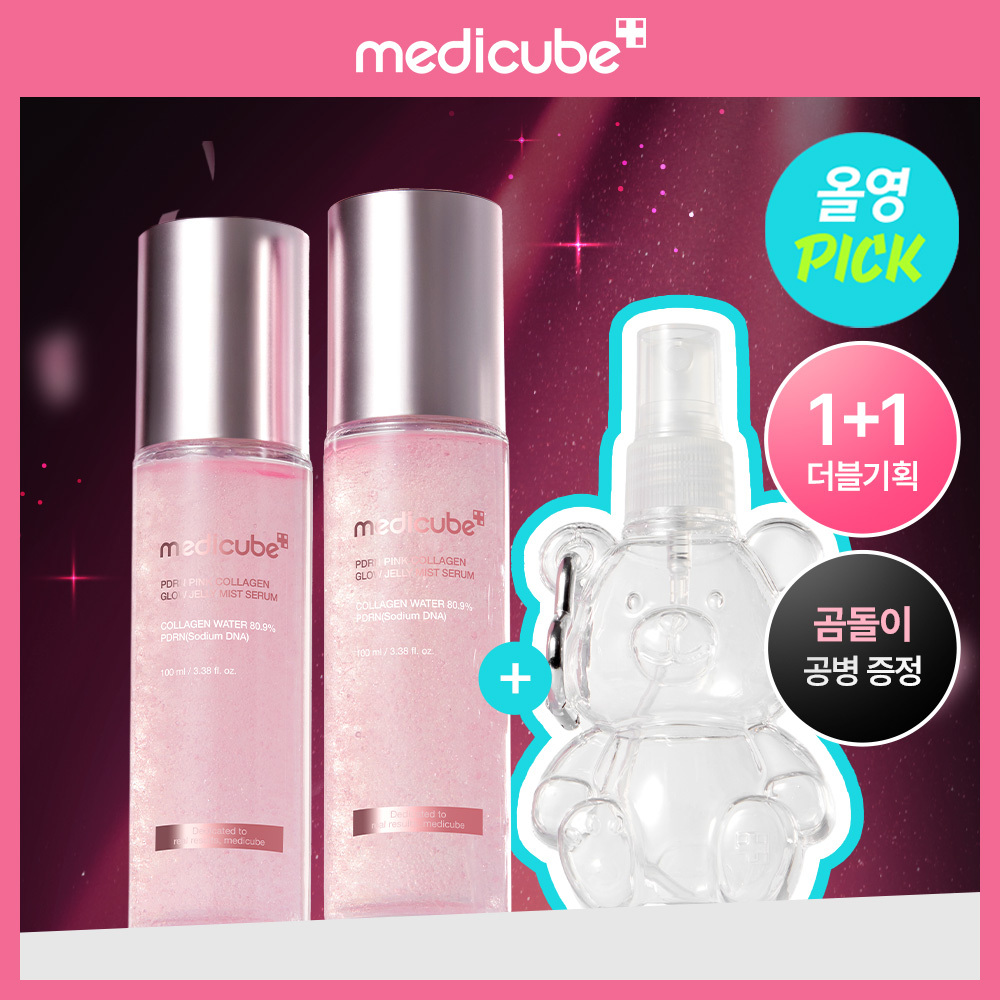
PDRN Pink Collagen Glow Jelly Mist Serum
Medicube
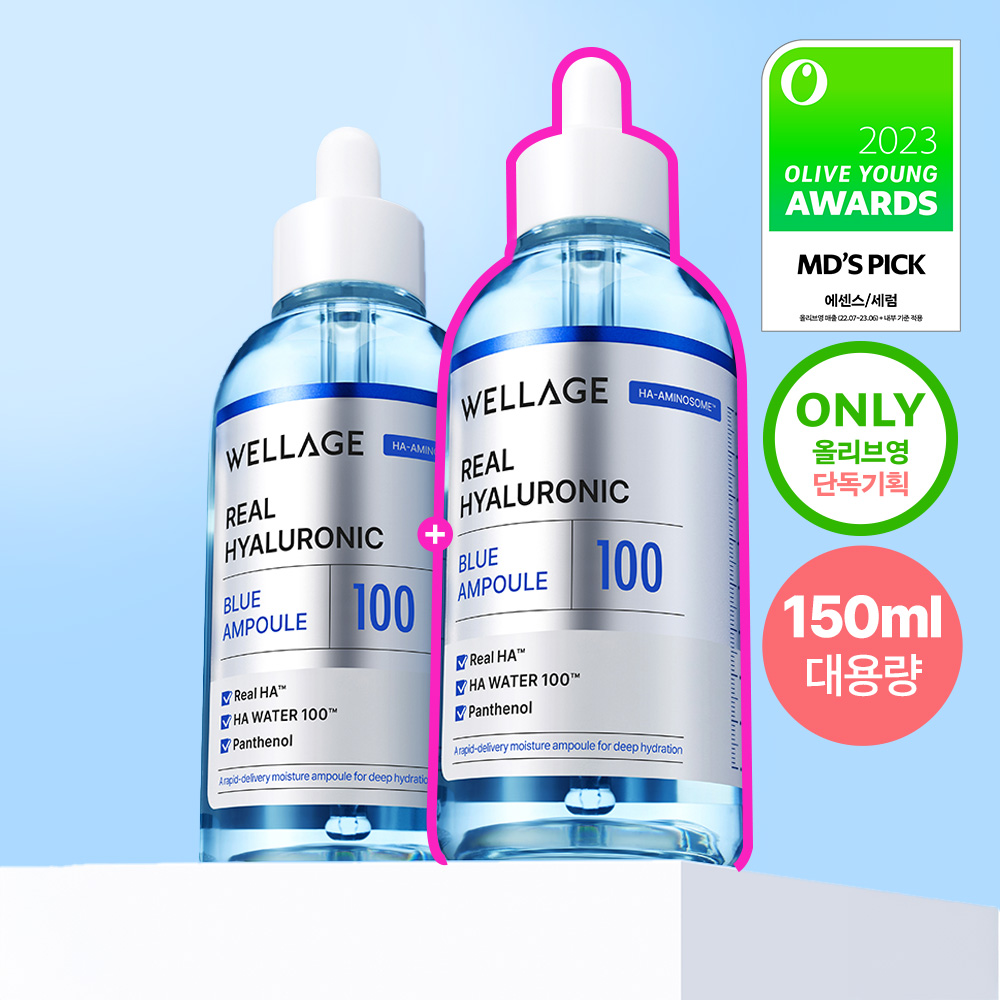
Real Hyaluronic Blue 100 Ampoule
Wellage

Niacinamide 10% + TXA 4% Dark Spot Correcting Serum
Anua
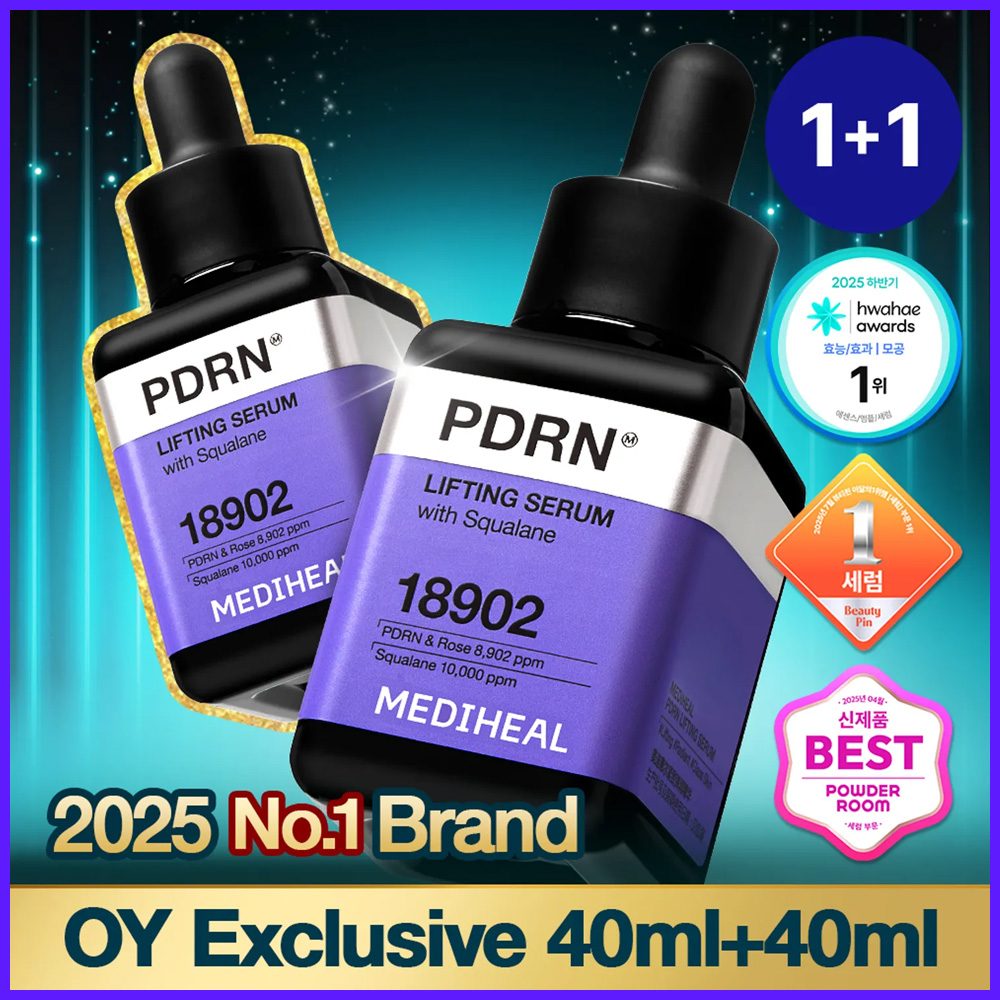
PDRN Lifting Serum
Mediheal
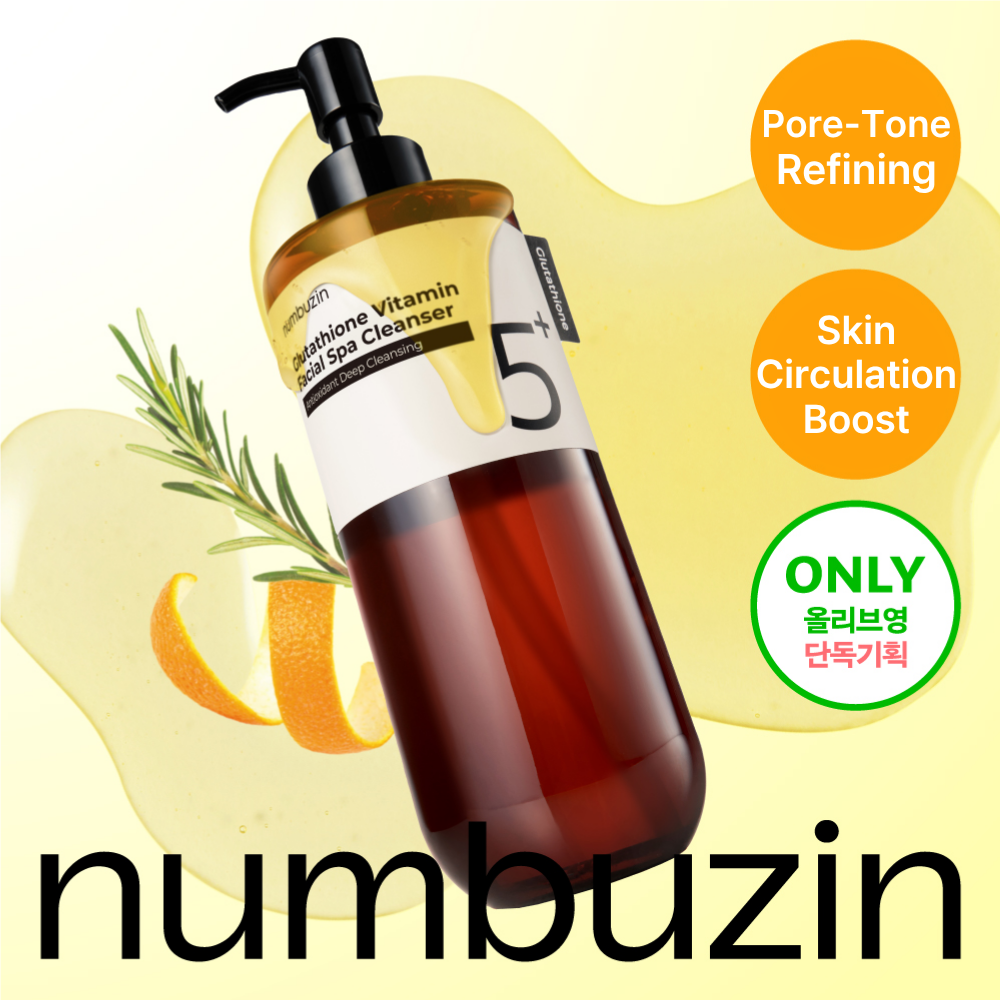
No. 5 Glutathione C Facial Spa Cleanser
Numbuzin
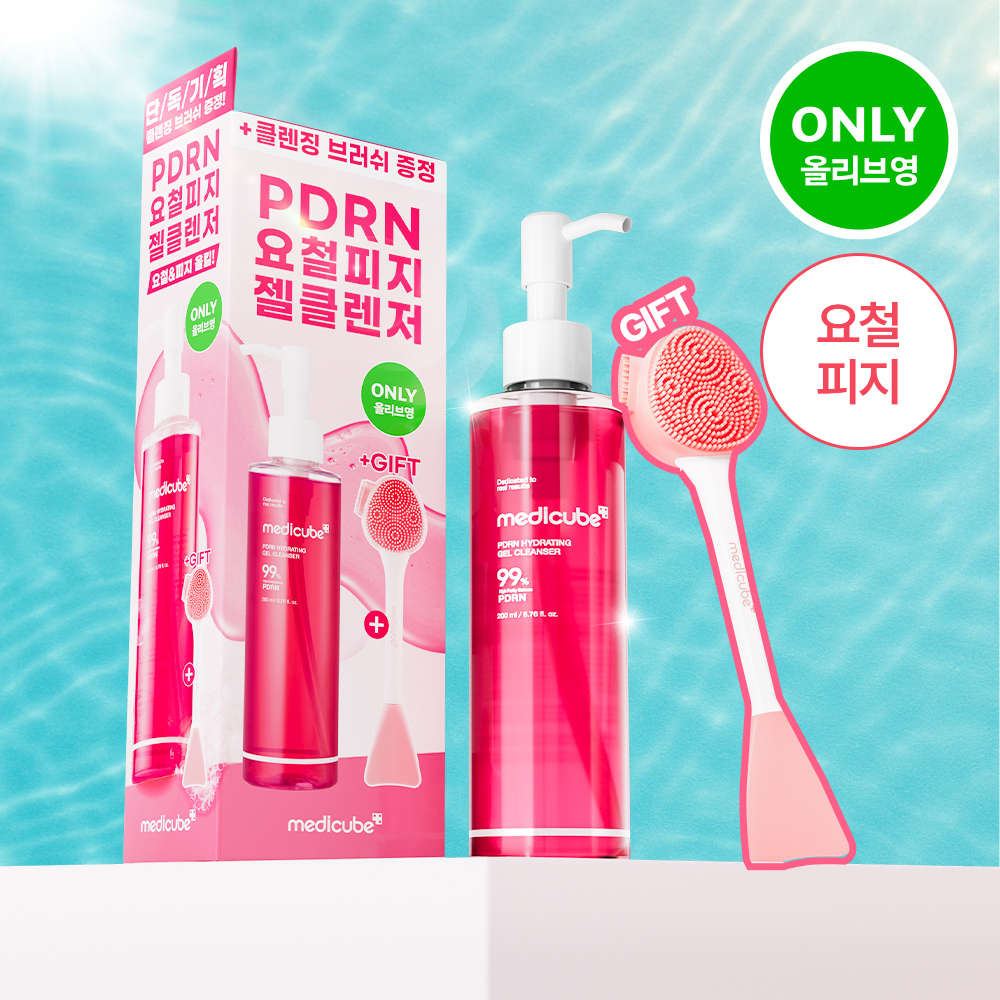
PDRN Gel To Foam Cleanser
Medicube
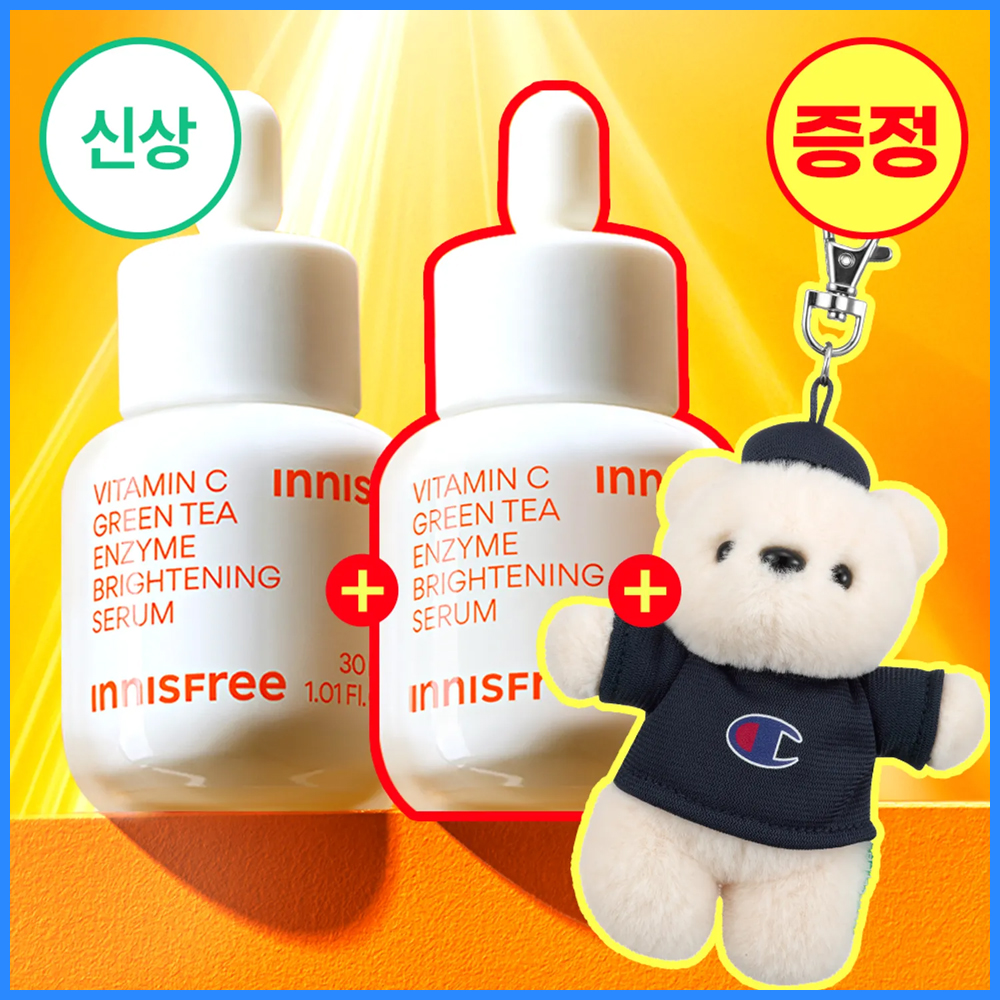
Vitamin C Green Tea Enzyme Brightening Serum
Innisfree
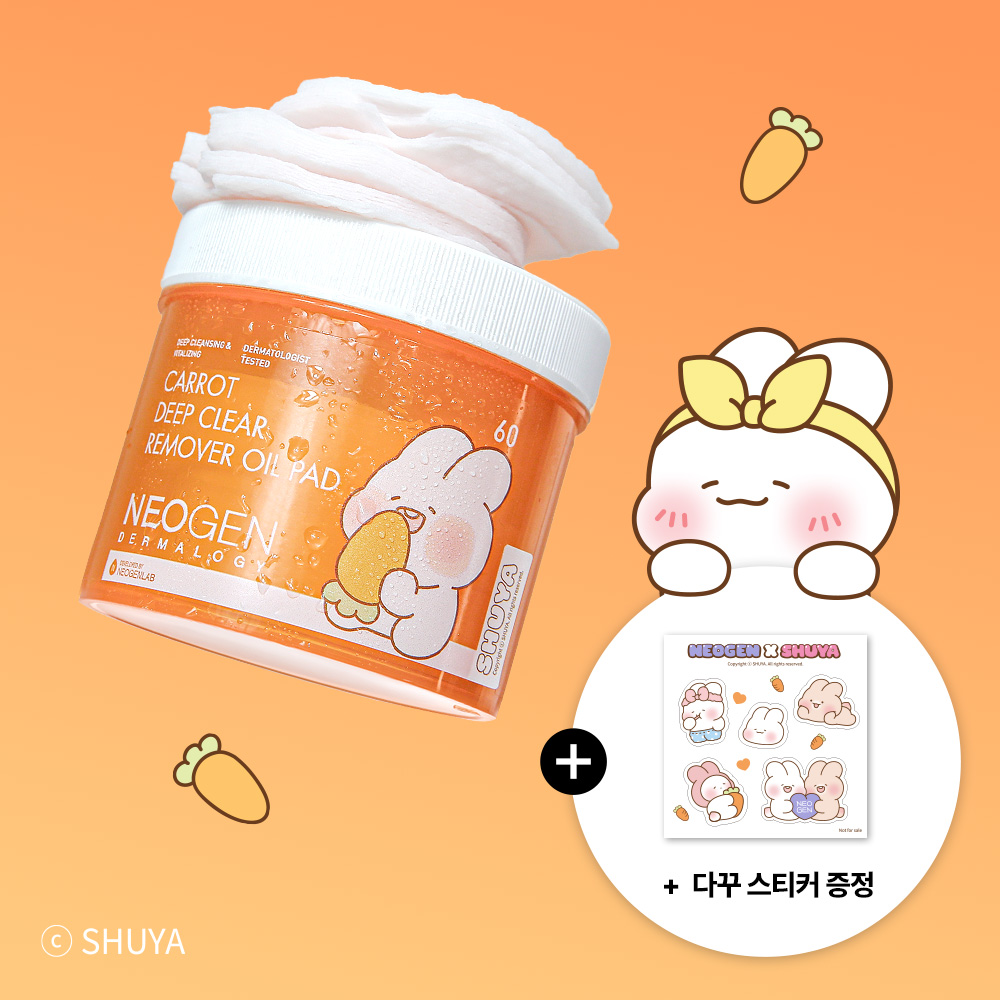
Dermalogy Carrot Deep Clear Remover Oil Pad
Neogen
Frequently Asked Questions
Will Vitamin B12 stain my skin pink or red?▼
Can I use Vitamin B12 if I'm already taking B12 supplements?▼
How does Vitamin B12 compare to other antioxidants like Vitamin C?▼
Why is Vitamin B12 often paired with PDRN in K-beauty products?▼
Is Vitamin B12 effective for reducing redness and rosacea?▼
Explore More
Want personalized ingredient advice?
Yuri, our AI beauty advisor, can tell you how Vitamin B12 works with your specific skin type, routine, and concerns.
Ask Yuri, free