Artichoke Leaf Extract
INCI: Cynara Scolymus (Artichoke) Leaf Extract
Antioxidant and skin purifying agent
About Artichoke Leaf Extract
Artichoke Leaf Extract is a potent botanical antioxidant derived from Cynara scolymus, the globe artichoke plant cultivated throughout the Mediterranean. In K-beauty formulations, it functions as both a powerful free radical scavenger and a skin purifying agent, thanks to its rich concentration of cynarin, chlorogenic acid, and flavonoids. These bioactive compounds work synergistically to protect skin from environmental stressors while refining pore appearance and regulating sebum production. What makes artichoke leaf extract particularly valuable in Korean skincare is its dual action profile. It delivers antioxidant protection comparable to more expensive botanical extracts while simultaneously addressing congestion and excess oil, a combination that's rare in plant-based actives. With a comedogenic rating of 0/5, it won't clog pores, making it ideal for layering in the multi-step K-beauty routine. You'll find it in 69 products on Seoul Sister, appearing in everything from high-performance serums like Anua's Multox Booster Ampoule to cleansers like VELY VELY's Sweet Rice Cake Deep Cleanser. The ingredient has gained traction in K-beauty precisely because it addresses multiple skin concerns without irritation, fitting perfectly into the Korean philosophy of gentle yet effective skincare.
How Artichoke Leaf Extract Works
Artichoke leaf extract works through multiple biochemical pathways. Its primary active, cynarin, inhibits lipid peroxidation by neutralizing reactive oxygen species before they can damage cell membranes and collagen structures. This antioxidant mechanism helps prevent premature aging and inflammation at the cellular level. Simultaneously, chlorogenic acid and luteolin in the extract modulate sebaceous gland activity by influencing 5-alpha-reductase, the enzyme that converts testosterone to DHT, a hormone that triggers excess sebum production. The extract also contains inulin, a prebiotic fiber that supports the skin's microbiome by feeding beneficial bacteria while discouraging harmful strains. On a surface level, the natural astringent properties of artichoke tannins temporarily tighten pores and refine skin texture. The combination of enzymatic regulation, antioxidant protection, and microbiome support creates a comprehensive approach to skin health that works preventatively rather than just treating existing damage.
Artichoke Leaf Extract by Skin Type
Oily Skin
Artichoke leaf extract is exceptionally well-suited for oily skin due to its sebum-regulating properties. By modulating the hormonal pathways that trigger excess oil production, it helps reduce shine and minimize the appearance of enlarged pores without stripping skin. Its non-comedogenic profile means it delivers these benefits without any risk of congestion or breakouts.
Dry Skin
While artichoke leaf extract isn't a primary hydrator, it benefits dry skin through its antioxidant protection and microbiome support. The extract helps strengthen the skin barrier by preventing oxidative damage to lipids in the stratum corneum. Best used in combination with humectants and emollients rather than as a standalone treatment for dryness.
Combo Skin
This is where artichoke leaf extract truly shines. It addresses excess oil in the T-zone while its gentle, non-stripping nature won't exacerbate dryness in cheek areas. The balanced approach of purifying without disrupting the moisture barrier makes it ideal for managing the varying needs of combination skin in a single product.
Sensitive Skin
Artichoke leaf extract is generally well-tolerated by sensitive skin, with a safety rating of 4/5. Its anti-inflammatory compounds, particularly luteolin, can actually help calm reactivity and reduce redness. However, those with specific plant allergies should patch test first, as botanical extracts can occasionally trigger sensitivities in highly reactive skin.
Normal Skin
For normal skin, artichoke leaf extract functions as preventative maintenance. Its antioxidant properties protect against environmental aging, while its gentle purifying action keeps pores clear without disruption. It's the kind of ingredient that helps maintain skin balance rather than dramatically transforming it, which is exactly what normal skin needs.
How to Use Artichoke Leaf Extract
- 1Layer artichoke leaf extract products after toners but before heavier serums to maximize absorption of its water-soluble antioxidants.
- 2Pair with niacinamide for enhanced pore-refining effects, as the two ingredients work synergistically to regulate sebum without irritation.
- 3Use products containing artichoke extract in the morning under sunscreen to leverage its antioxidant protection against UV-induced free radicals throughout the day.
- 4If you have combination skin, consider using an artichoke extract serum like Anua's Multox Booster Ampoule only on your T-zone while using more hydrating products on drier areas.
Background
The artichoke has been valued for medicinal purposes since ancient Greek and Roman times, when physicians like Pliny the Elder documented its digestive and purifying properties. Cynara scolymus was cultivated primarily around the Mediterranean, where it was consumed both as food and medicine. The leap to topical skincare came much later, in the late 20th century, when cosmetic chemists began isolating and studying the polyphenolic compounds in artichoke leaves. Korean beauty brands embraced artichoke leaf extract in the 2010s as part of the broader K-beauty movement toward botanical actives with clinical backing. Its inclusion in formulations reflects the Korean skincare philosophy of addressing root causes (sebum regulation, antioxidant defense) rather than just symptoms, and its gentle efficacy made it a natural fit for the layering-focused K-beauty routine.
K-Beauty Products with Artichoke Leaf Extract
View all 77 →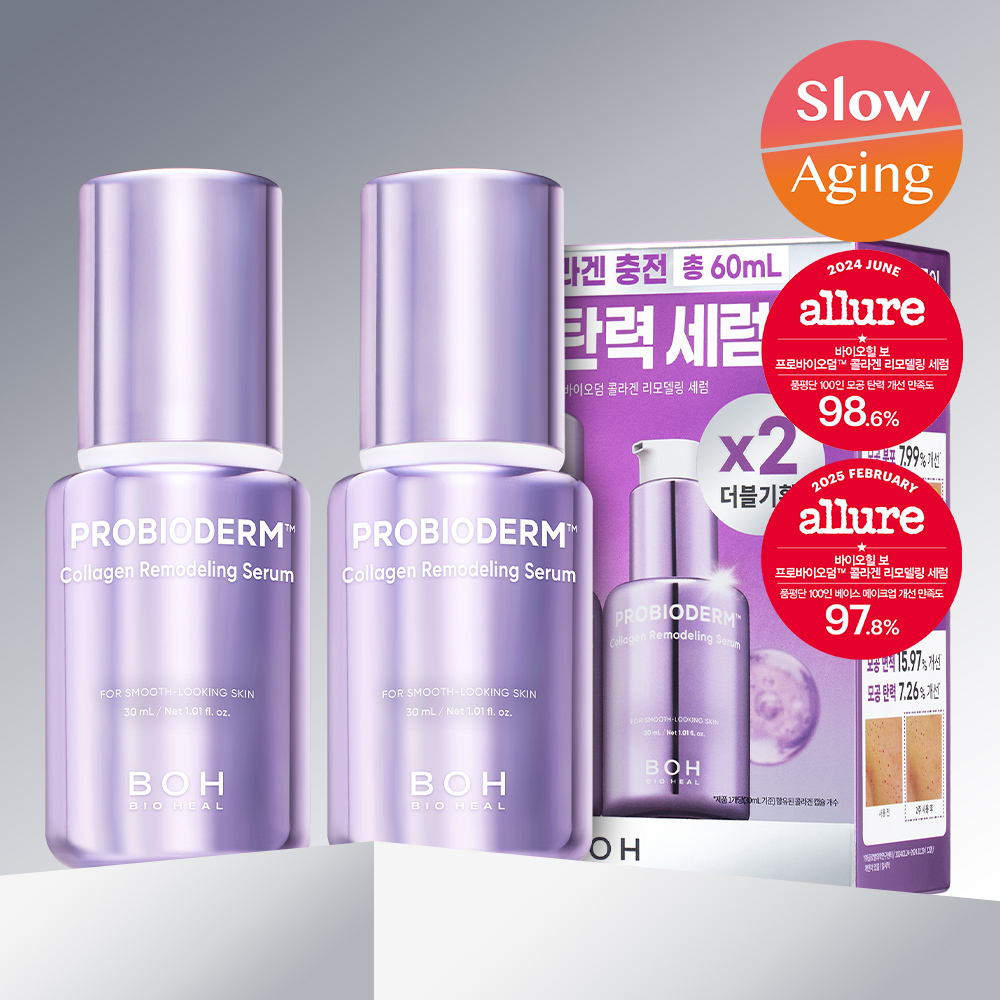
Probioderm Collagen Remodeling Serum
Bioheal BOH
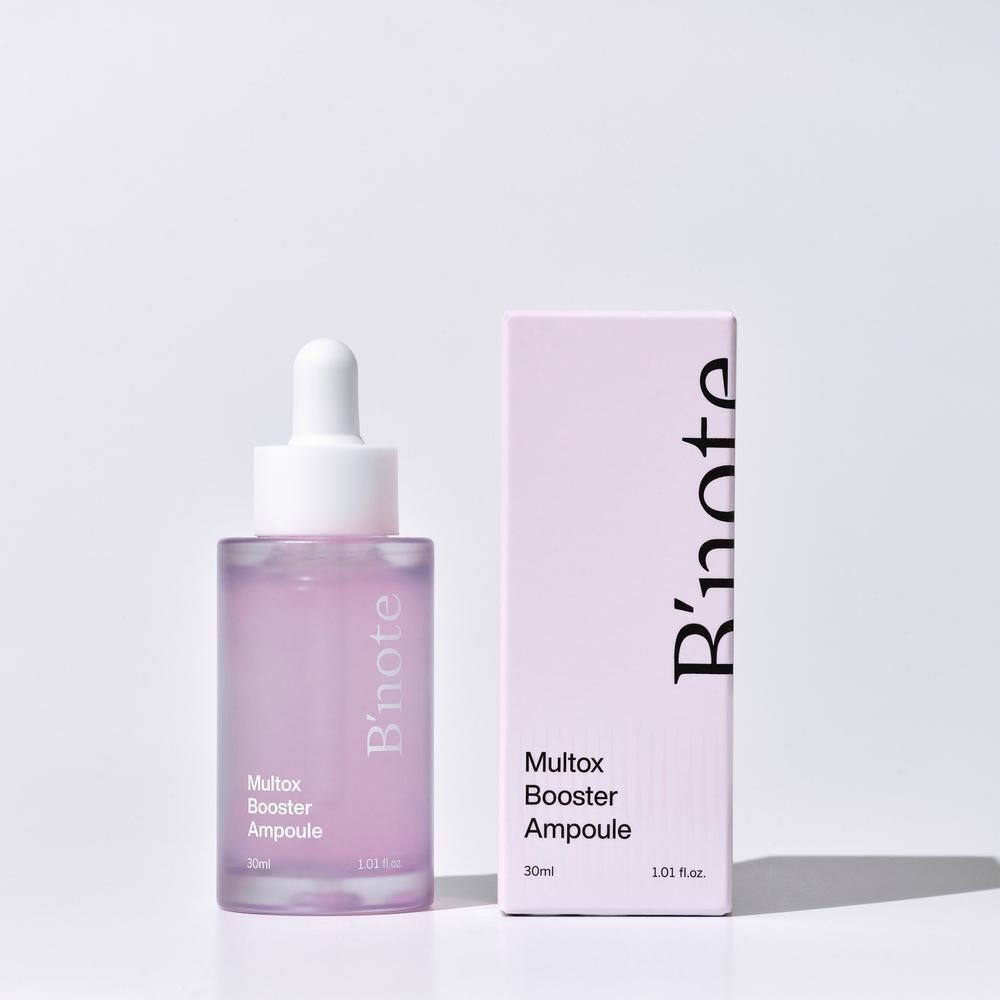
Multox Booster Ampoule
Anua
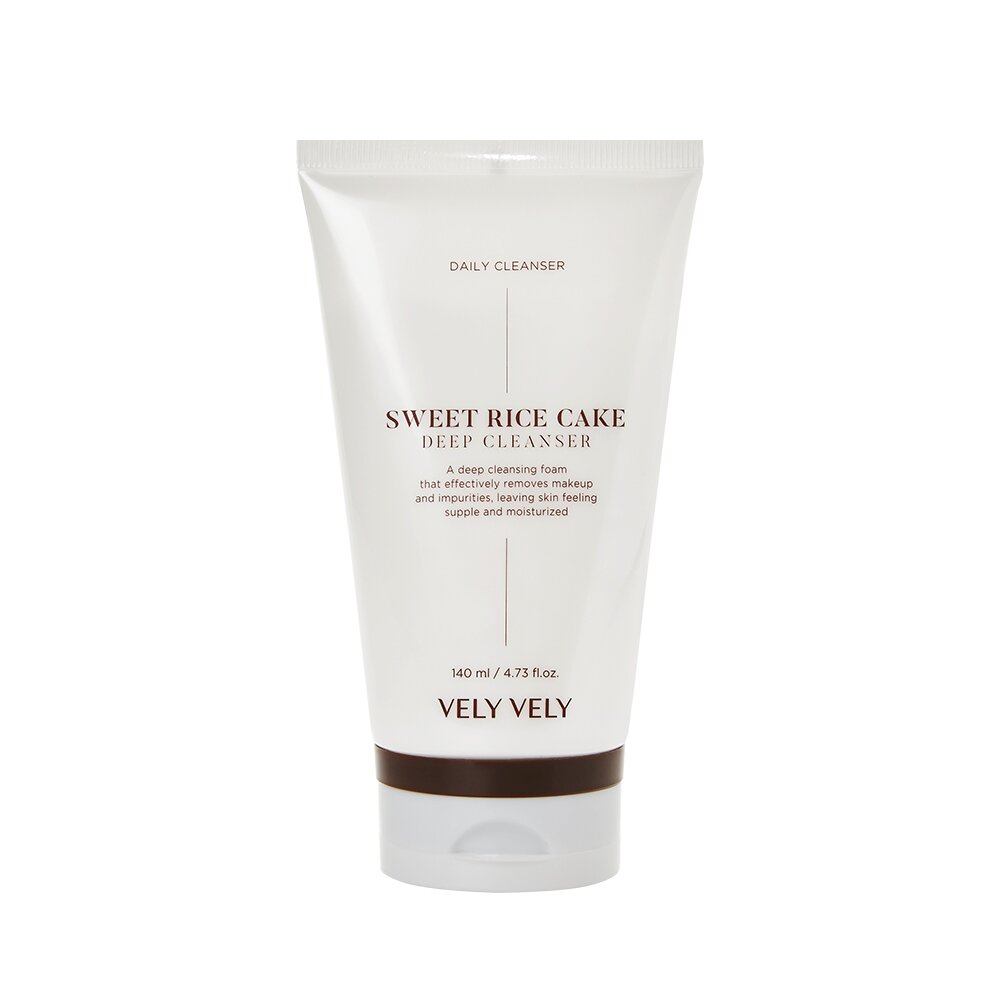
Sweet Rice Cake Deep Cleanser
VELY VELY
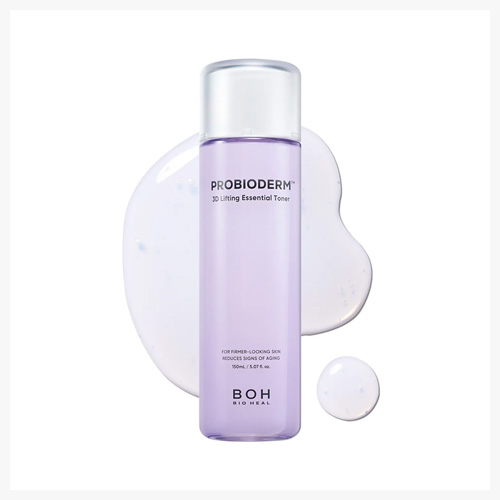
Probioderm 3D Lifting Essential Toner
Bioheal BOH
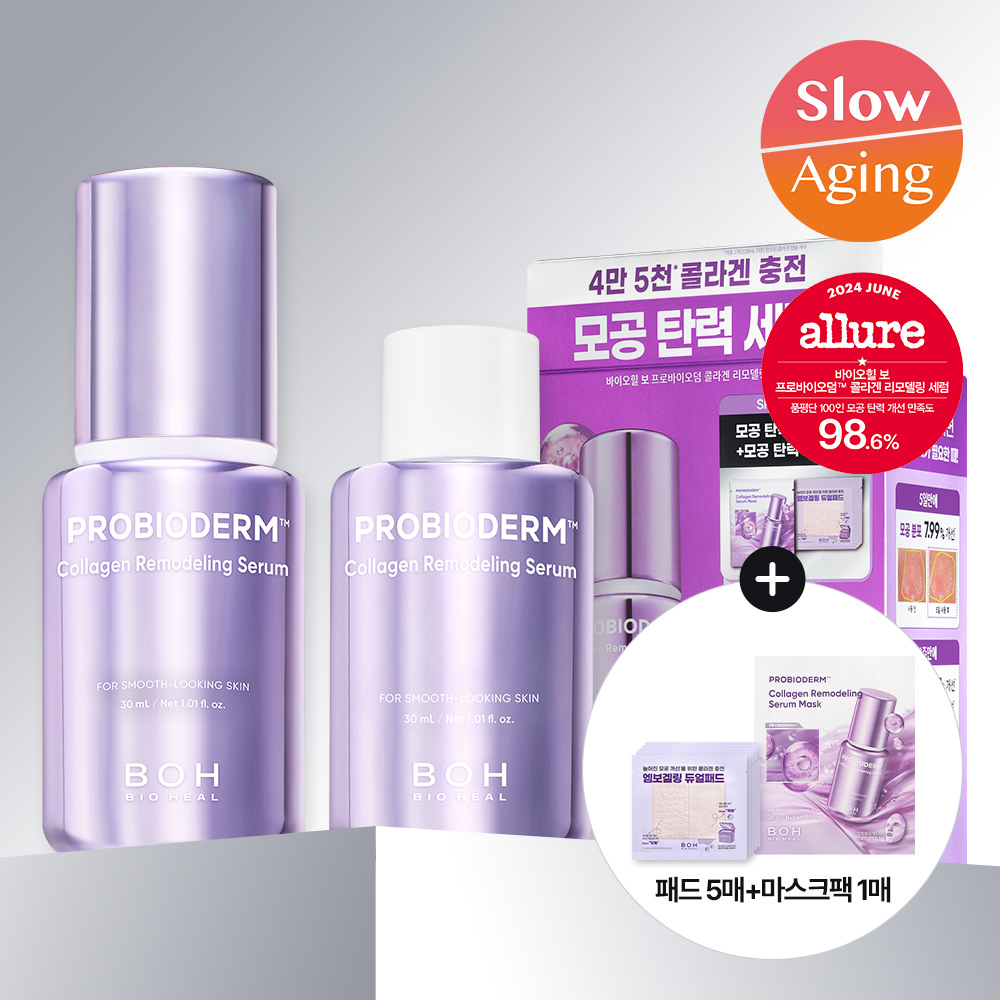
Probioderm Collagen Remodelling Serum Refill Set
Bioheal BOH
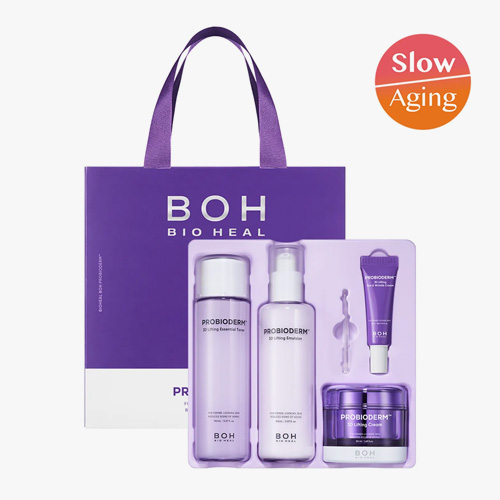
Probioderm 3D Lifting Skincare 3P Set
Bioheal BOH
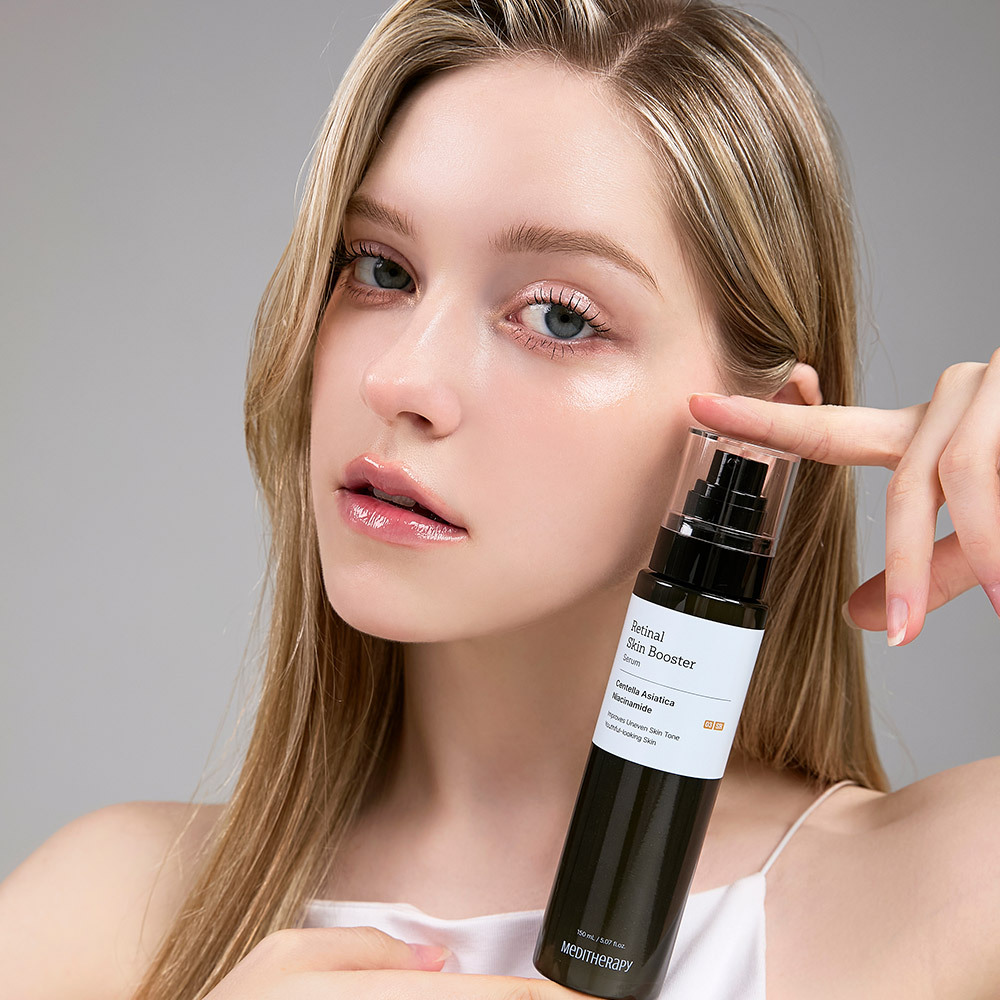
Retinal Skin Booster Serum
Anua
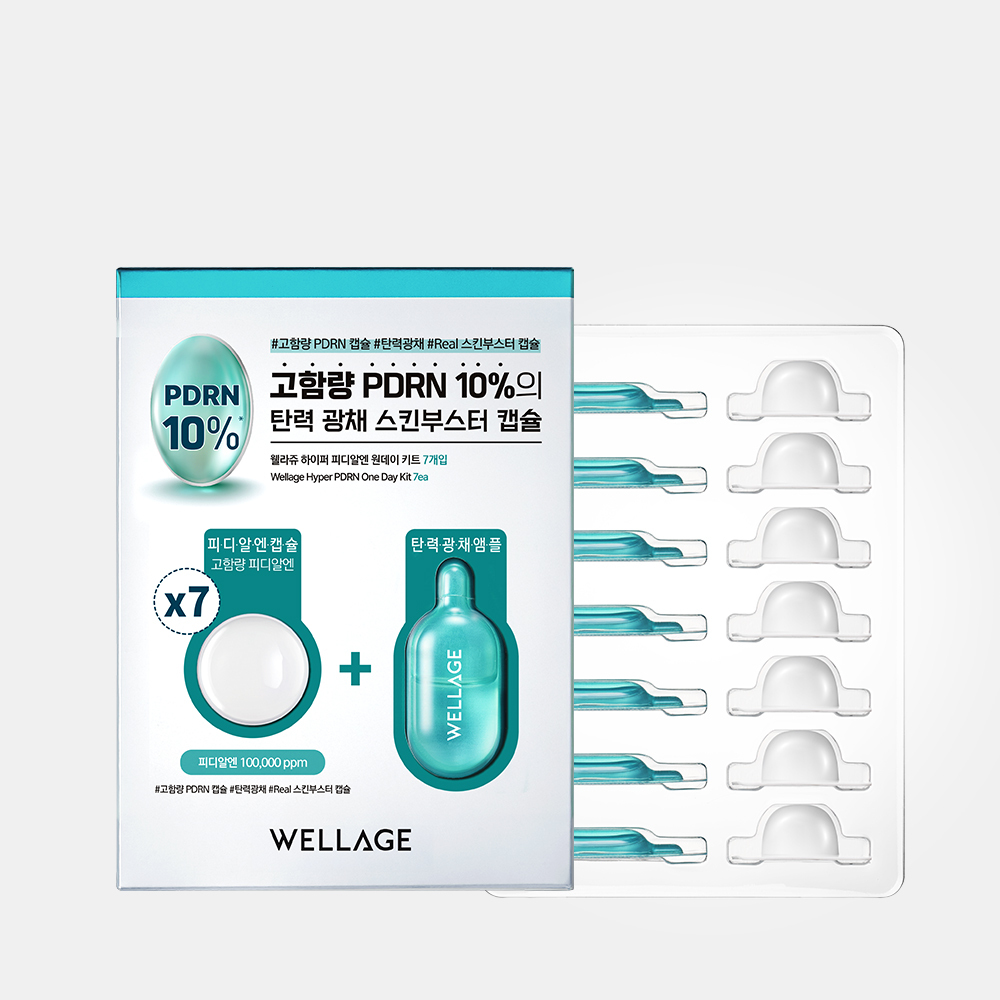
Hyper PDRN One Day Kit
Wellage

Biome Barrier Cream Mist
Medicube

Retinol Bakuchiol Bubble Toner
Some By Mi
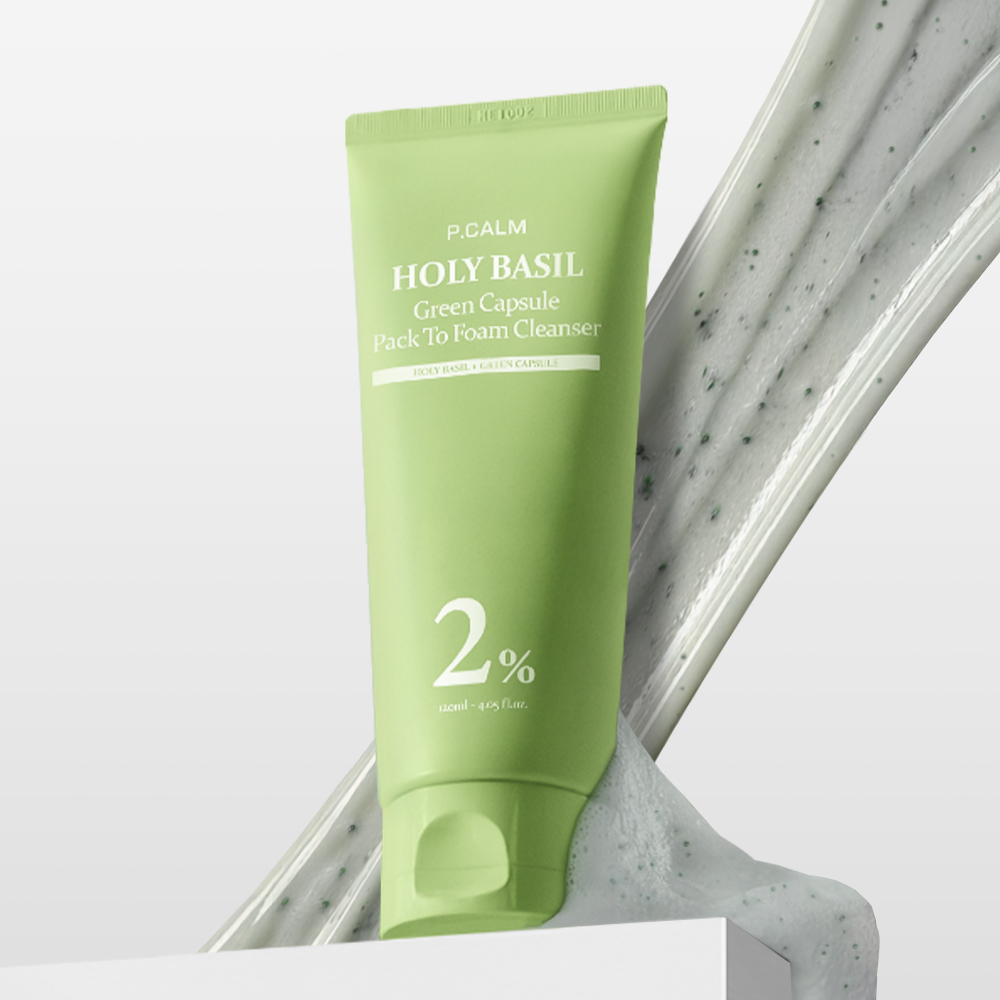
P.CALM Holy Basil Green Capsule Pack To Foam Cleanser
Beplain
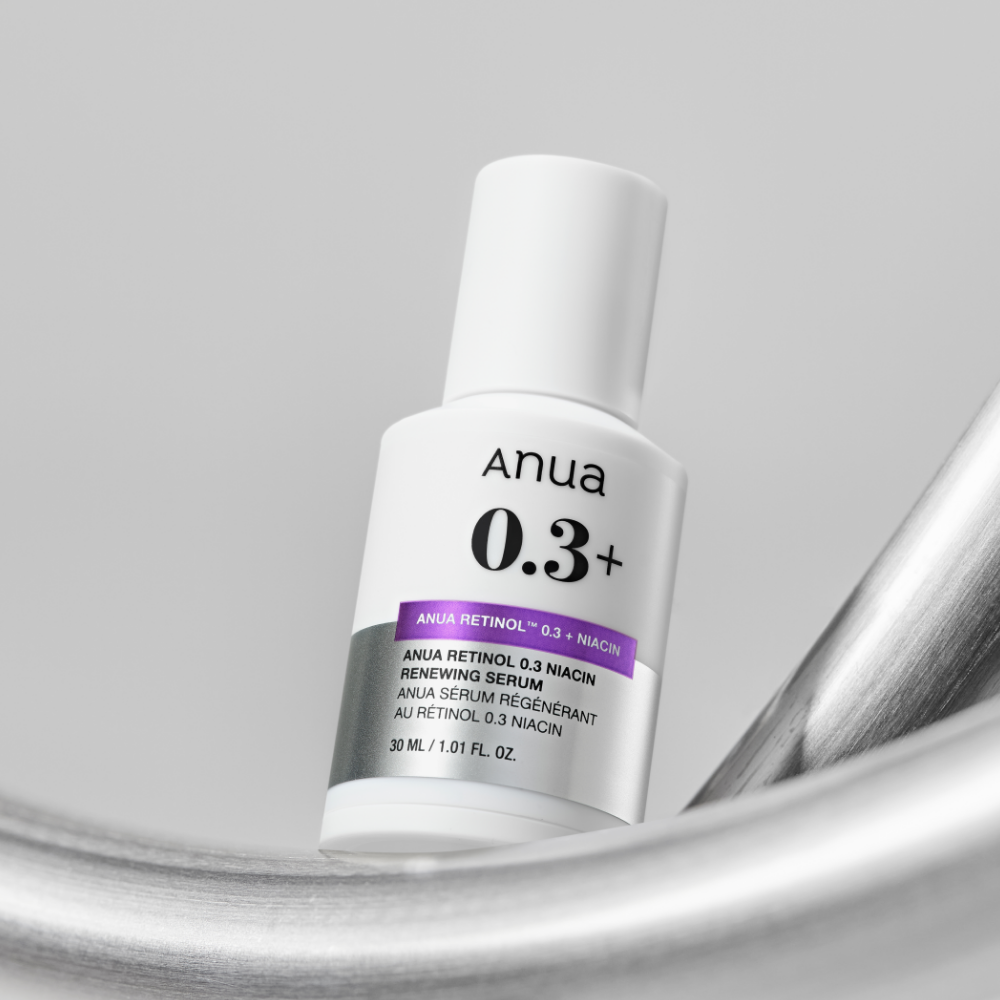
Retinol 0.3 Niacin Renewing Serum
Anua
Frequently Asked Questions
Does artichoke leaf extract actually shrink pores?▼
Can I use artichoke extract if I'm allergic to artichokes?▼
Is artichoke leaf extract effective enough to justify the hype?▼
Should I use artichoke extract in the morning or evening?▼
Explore More
Want personalized ingredient advice?
Yuri, our AI beauty advisor, can tell you how Artichoke Leaf Extract works with your specific skin type, routine, and concerns.
Ask Yuri, free