Purple Nutsedge Root Extract
INCI: Cyperus Rotundus Root Extract
Anti-inflammatory and skin soothing botanical extract
About Purple Nutsedge Root Extract
Purple nutsedge root extract comes from Cyperus rotundus, a resilient grass-like plant that's been used in traditional Asian and Ayurvedic medicine for centuries. In K-beauty, it's valued as a multitasking botanical that calms inflammation, reduces redness, and helps balance excess oil production without clogging pores. The extract contains bioactive compounds like cyperene and cyperol that work to inhibit inflammatory pathways in skin cells, making it particularly useful in products targeting acne, sensitivity, and post-breakout healing. What makes purple nutsedge stand out in modern formulations is its dual action: it soothes irritated skin while also offering mild antibacterial properties that can help prevent future breakouts. Korean skincare brands have incorporated this ingredient into everything from lightweight serums to rich creams, recognizing its compatibility with other actives and its gentle nature. With a comedogenic rating of 0 out of 5, it's safe for all skin types, including acne-prone and congestion-prone complexions. Found in 60 K-beauty products on Seoul Sister, including highly rated formulas like Bioheal BOH's Probioderm Collagen Remodeling Serum and Banila Co's Pongdang Pore Deep Clean Cleansing Oil (both rated 5.0 out of 5), purple nutsedge has earned its place as a reliable supporting ingredient in K-beauty's botanical arsenal.
How Purple Nutsedge Root Extract Works
Purple nutsedge root extract works primarily through its polyphenolic compounds and essential oils that interrupt the inflammatory cascade at the cellular level. When skin experiences irritation, whether from environmental stress, acne bacteria, or sensitizing ingredients, immune cells release pro-inflammatory mediators like cytokines and prostaglandins. The active compounds in purple nutsedge, particularly alpha-cyperone and cyperene, inhibit these inflammatory pathways by suppressing the activity of enzymes like cyclooxygenase (COX) and lipoxygenase (LOX). This mechanism is similar to how NSAIDs work, but much gentler and topically targeted. Additionally, the extract demonstrates mild tyrosinase-inhibiting activity, which means it can help fade post-inflammatory hyperpigmentation over time by slowing melanin production in areas where skin has been inflamed. Its antibacterial properties come from volatile oils that disrupt bacterial cell membranes, offering a natural way to reduce acne-causing bacteria without the harshness of synthetic antimicrobials. Because it works through multiple gentle mechanisms rather than one aggressive pathway, purple nutsedge is less likely to cause irritation or sensitization, making it ideal for layering with other actives in complex K-beauty routines.
Purple Nutsedge Root Extract by Skin Type
Oily Skin
Purple nutsedge root extract is excellent for oily skin because it helps regulate sebum production while calming the inflammation that often accompanies breakouts. Its antibacterial properties work to keep pores clearer without stripping skin or triggering rebound oil production. The 0 out of 5 comedogenic rating means you can use it freely in serums and moisturizers without worrying about congestion.
Dry Skin
For dry skin, purple nutsedge offers soothing relief from the tightness and inflammation that can accompany dehydration. While it's not a humectant or emollient itself, it reduces the inflammatory response that can compromise your skin barrier, allowing your moisturizing ingredients to work more effectively. Look for it in richer formulas like Fully's Rice Ceramide Capsule Cream, where it complements barrier-repairing ingredients.
Combo Skin
Combination skin benefits from purple nutsedge's balancing nature. It can calm inflammation in your oily T-zone while being gentle enough for drier cheek areas. This makes it ideal in products that need to work across different skin zones, like the Banila Co Pongdang Pore Deep Clean Cleansing Oil, which uses purple nutsedge to soothe while thoroughly cleansing without over-drying.
Sensitive Skin
Sensitive skin types will appreciate purple nutsedge's anti-inflammatory properties that address redness and reactivity without adding potential irritants. Its gentle, plant-based mechanism makes it a safer alternative to synthetic anti-inflammatories, and its presence in products like Bringgreen's Zinc Teca Blemish Serum Set shows how well it pairs with other calming actives for maximum soothing benefit.
Normal Skin
Even normal skin can benefit from purple nutsedge's preventive anti-inflammatory action, which helps maintain skin balance and resilience against daily environmental stressors. It's a low-risk, high-reward ingredient that supports overall skin health without disrupting your skin's natural equilibrium. Products like The Whoo's Royal Regina Energy Drop Treatment use it as part of a luxe blend to maintain optimal skin condition.
How to Use Purple Nutsedge Root Extract
- 1Layer purple nutsedge products after active treatments like retinol or acids to calm any potential irritation while still allowing the actives to work effectively.
- 2Use cleansing products containing purple nutsedge (like the Banila Co cleansing oil) when your skin feels sensitized or after professional treatments to prevent post-treatment inflammation.
- 3Pair purple nutsedge serums with centella or niacinamide for amplified calming effects, especially if dealing with active breakouts or post-acne marks.
- 4Apply products with this ingredient both morning and night since its anti-inflammatory benefits work cumulatively and won't interfere with other steps in your routine.
Background
Cyperus rotundus, commonly called purple nutsedge or nutgrass, has roots (literally) in traditional medicine systems across Asia, particularly in Ayurveda and Traditional Chinese Medicine where it's known as 'Xiang Fu.' Historically, it was used to treat digestive issues, menstrual problems, and inflammatory conditions, with healers recognizing its ability to 'move stagnant energy' and reduce internal heat. The plant itself is considered one of the world's most invasive weeds, but its tuberous roots contain valuable medicinal compounds. Korean skincare formulators began incorporating purple nutsedge extract in the early 2010s as part of the broader hanbang (traditional herbal medicine) revival in K-beauty. Its appeal lies in combining traditional wisdom with modern dermatological needs, offering a botanically elegant solution to inflammation without synthetic ingredients. Today, it appears in both affordable and luxury K-beauty lines, valued for its versatility and compatibility with contemporary skincare actives.
K-Beauty Products with Purple Nutsedge Root Extract
View all 63 →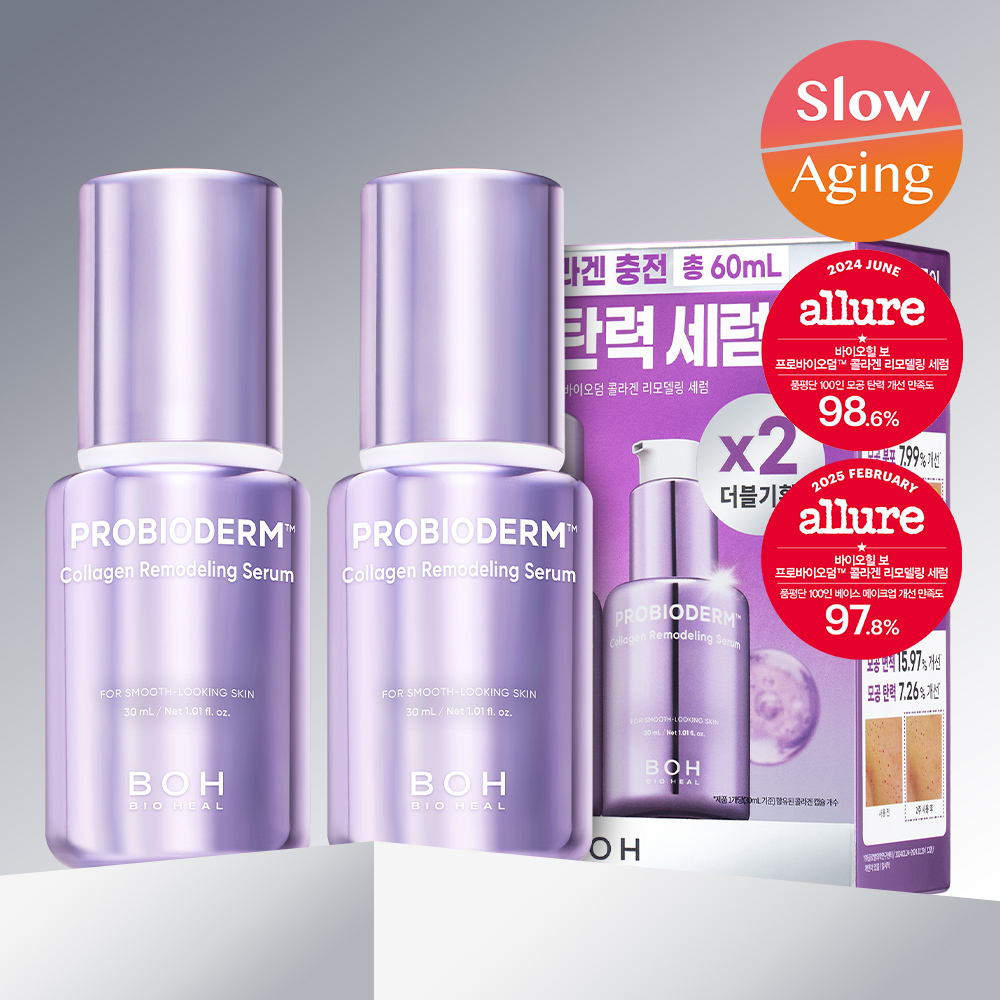
Probioderm Collagen Remodeling Serum
Bioheal BOH
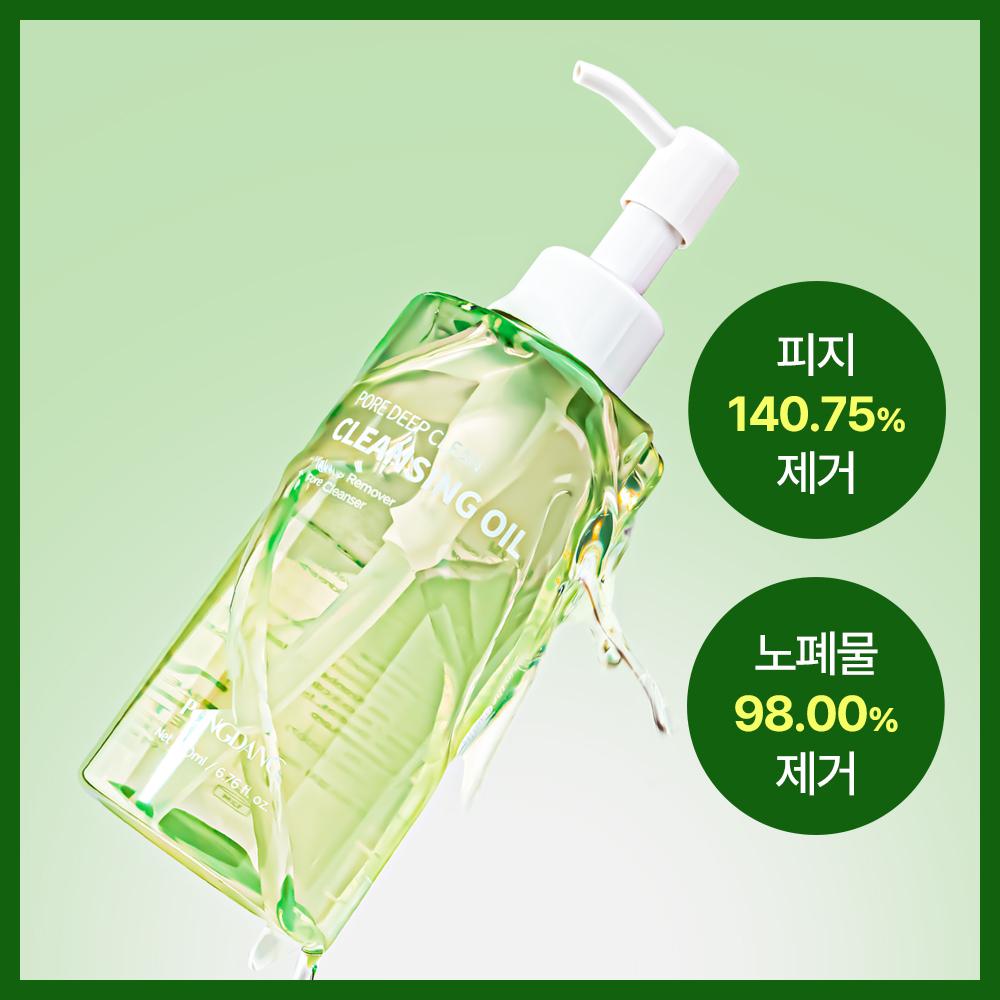
Pongdang Pore Deep Clean Cleansing Oil
Banila Co

Zinc Teca Blemish Serum Set
Bringgreen

Rice Ceramide Capsule Cream
Fully
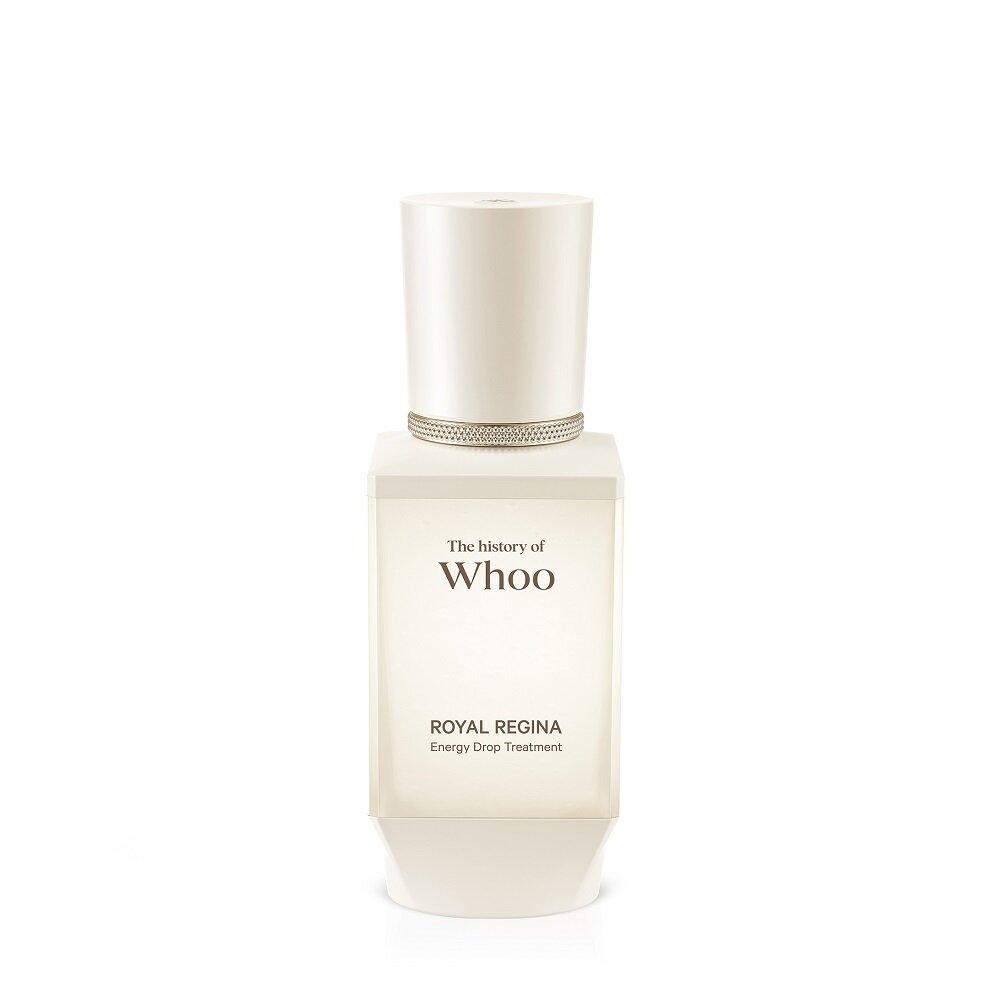
Royal Regina Energy Drop Treatment
The Whoo
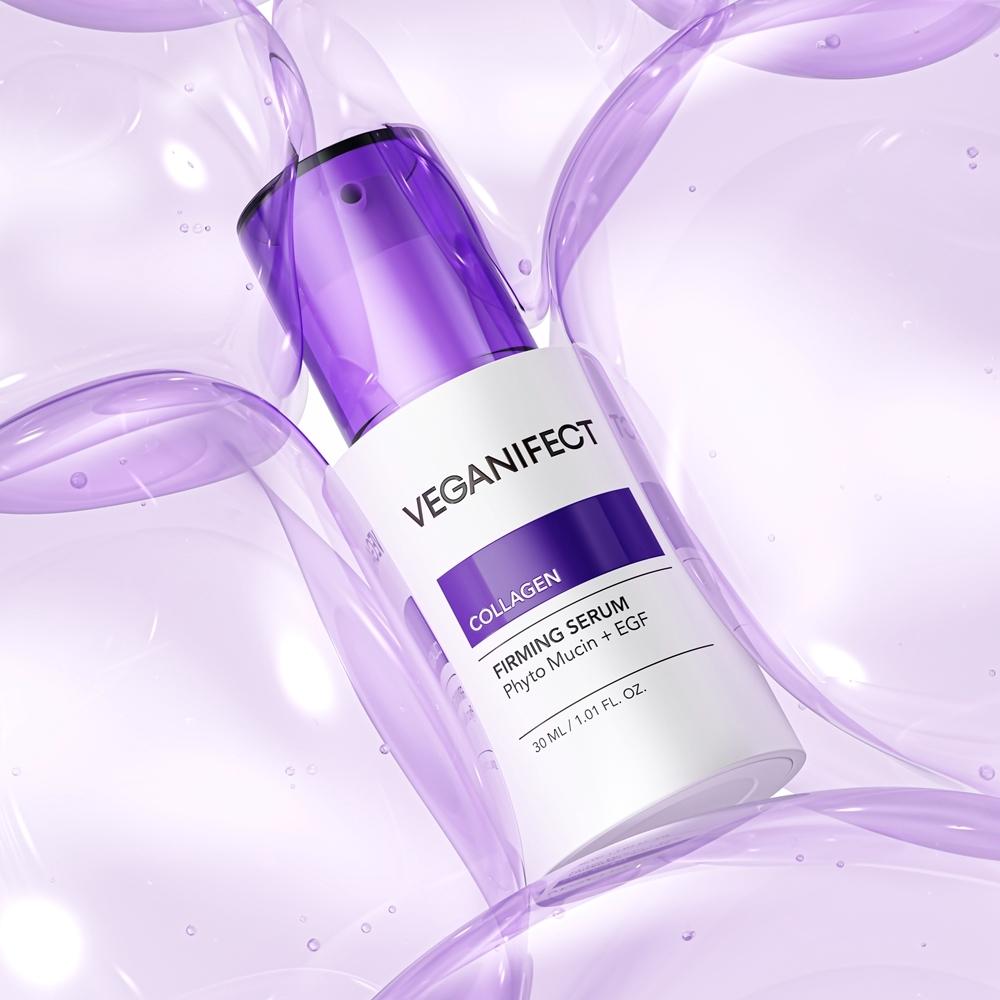
Veganifect Collagen EGF Serum
Anua
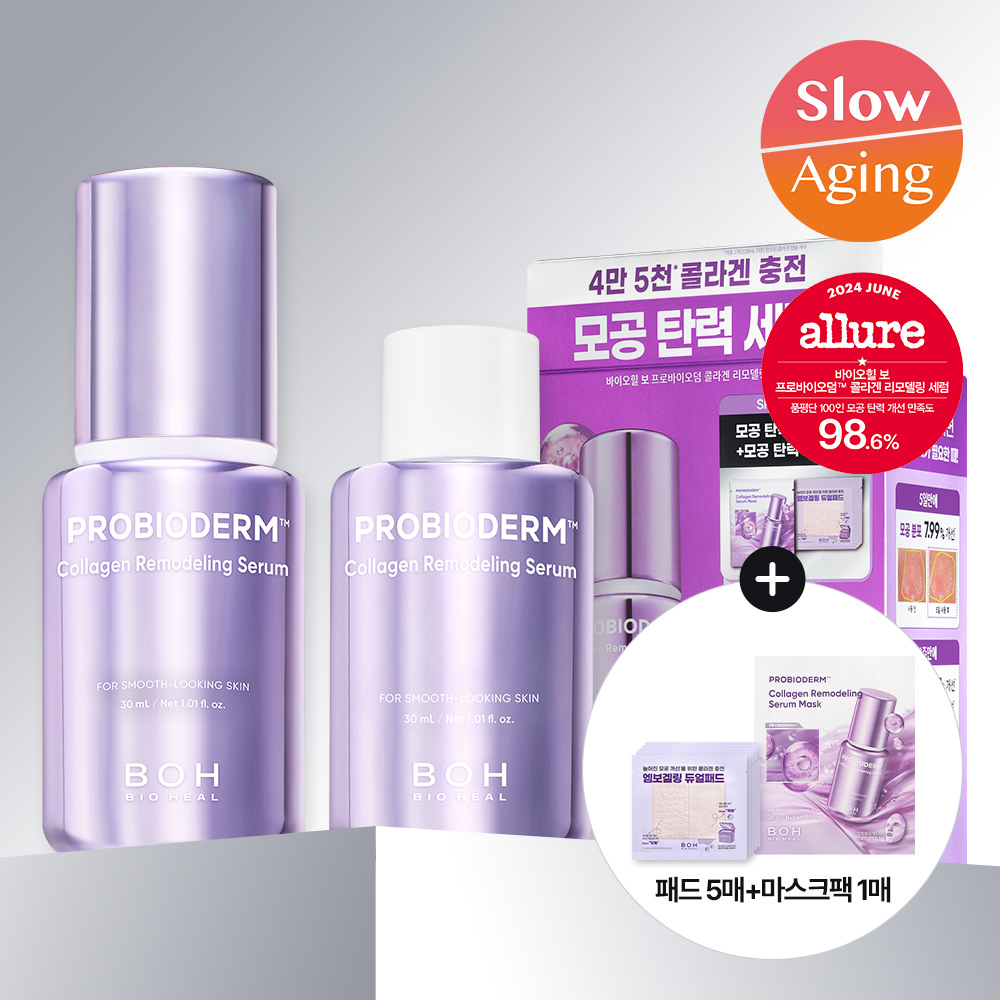
Probioderm Collagen Remodelling Serum Refill Set
Bioheal BOH
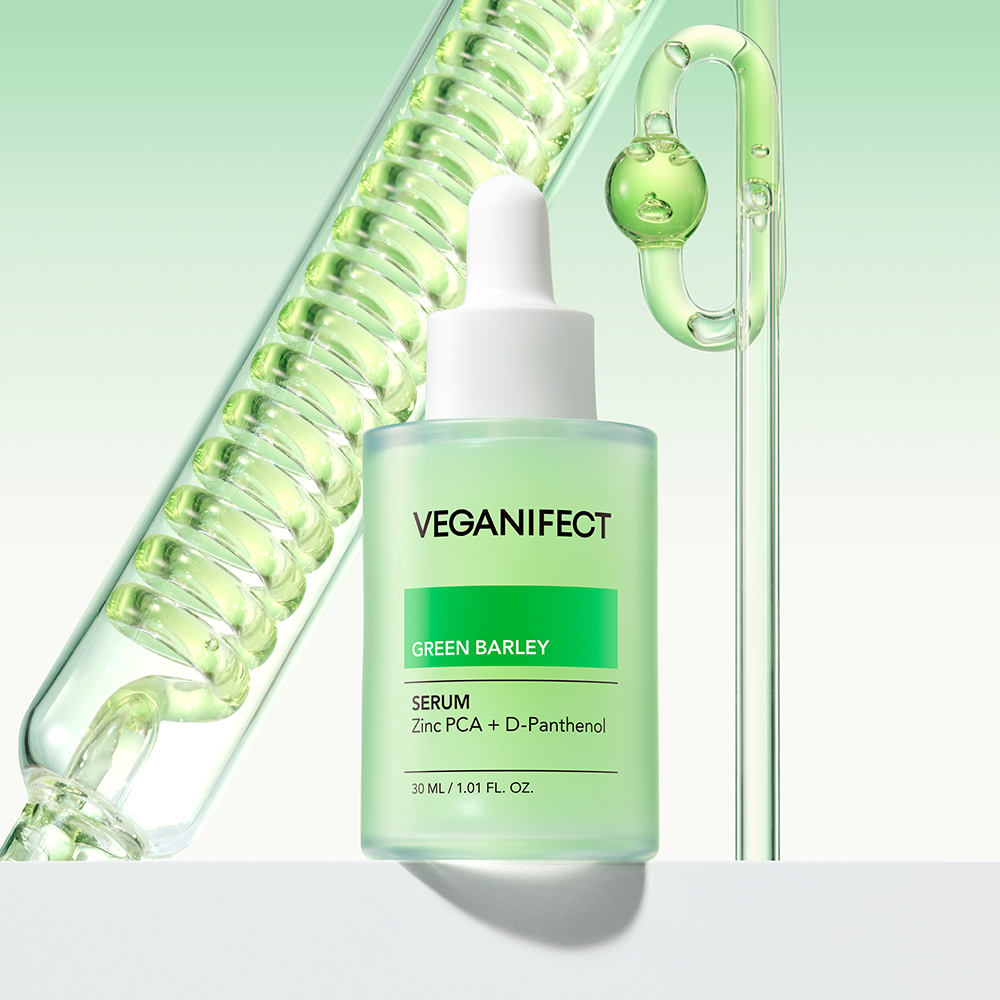
Green Barley Zinc Serum
Anua

Purifying Cleansing Soda Foam Double Pack
ma:nyo
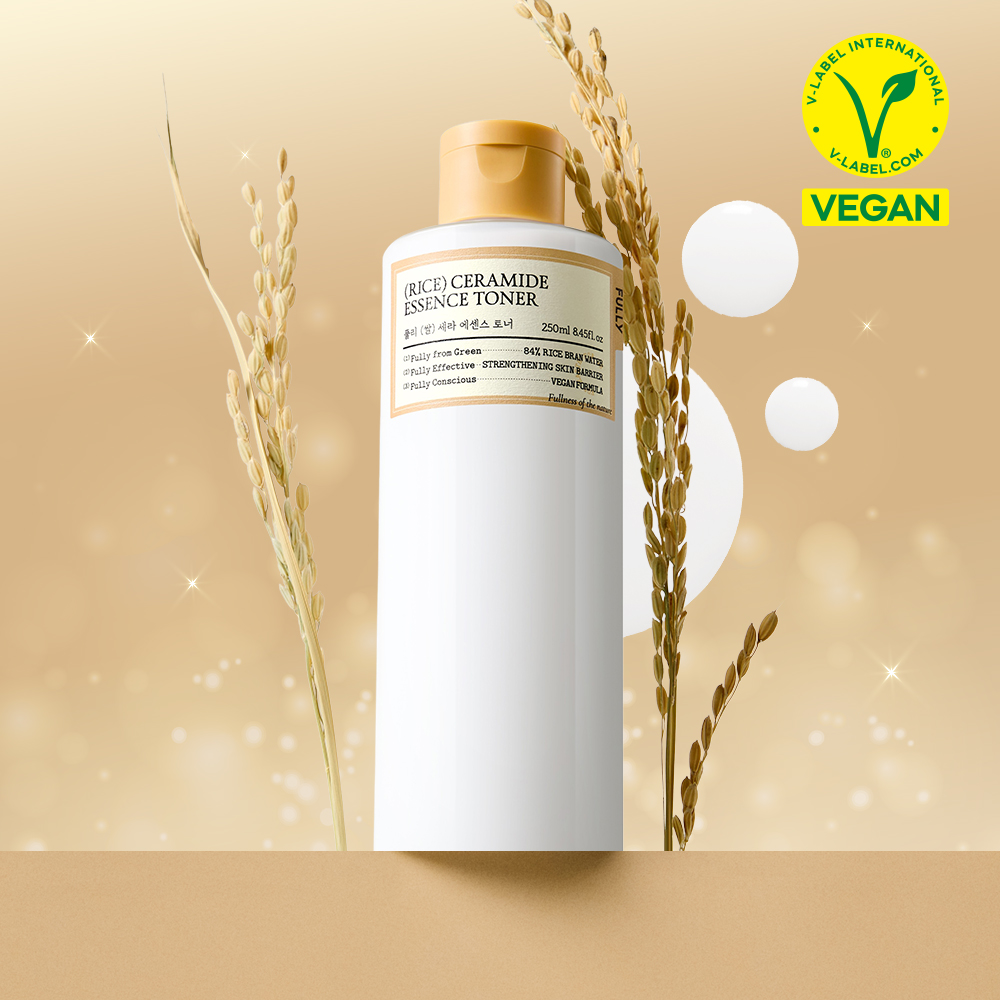
Rice Ceramide Essence Toner
Fully
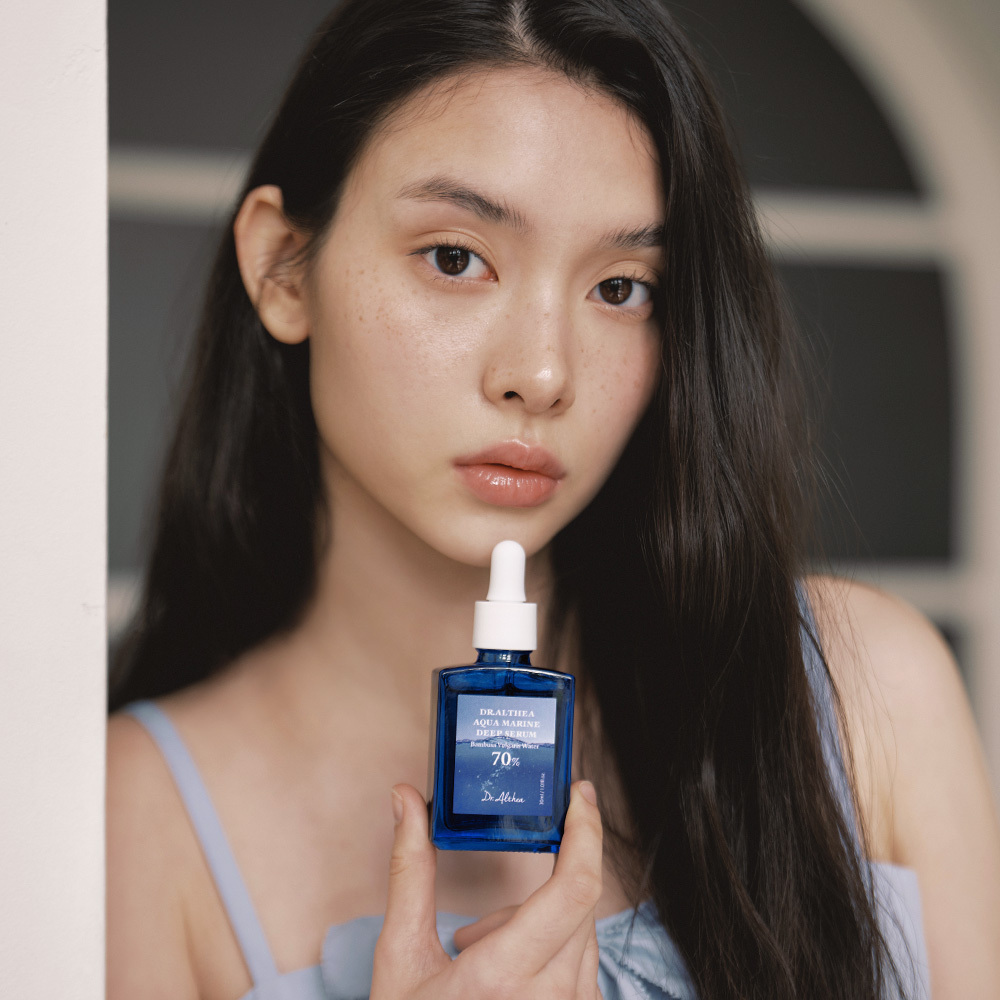
Aqua Marine Deep Serum
Dr. Althea
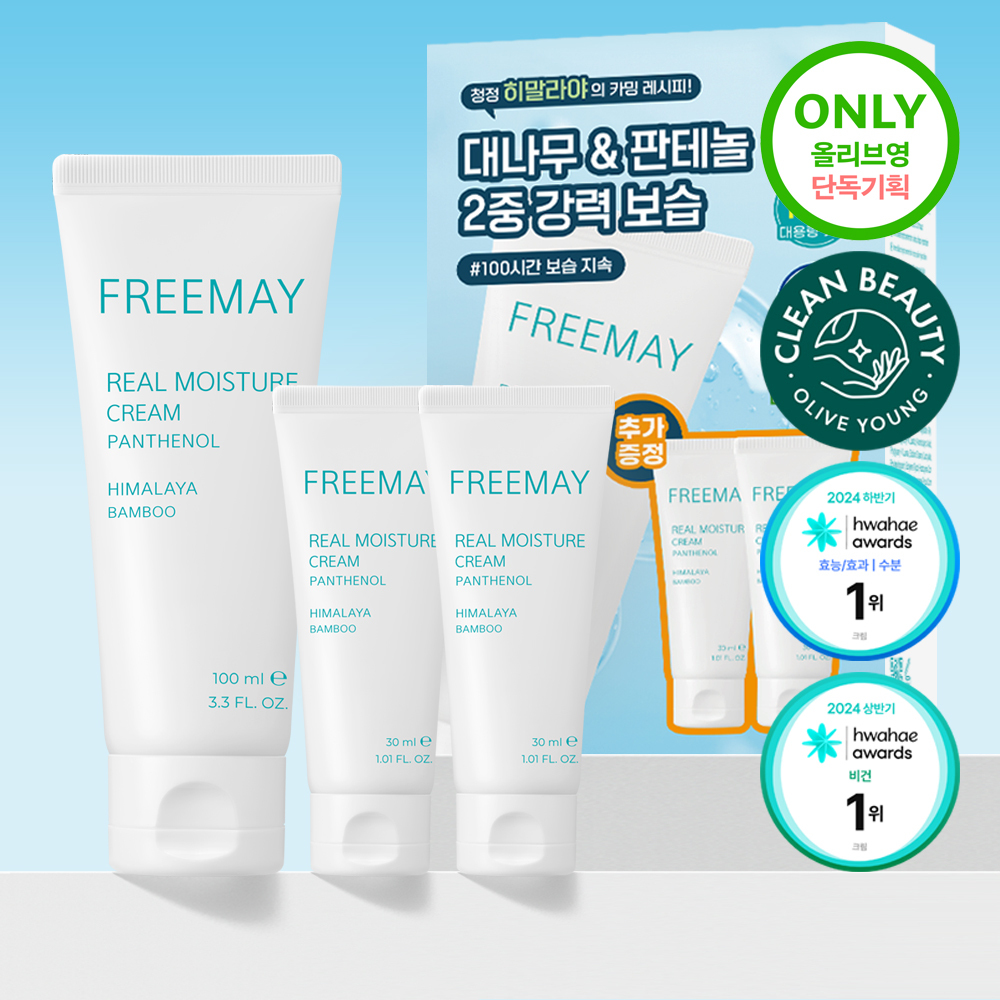
Real Moisture Cream Set
Freemay
Frequently Asked Questions
Can purple nutsedge root extract cause breakouts?▼
How does purple nutsedge compare to centella for calming redness?▼
Is this ingredient safe to use with retinol or vitamin C?▼
Why isn't purple nutsedge as famous as other K-beauty botanicals?▼
Explore More
Want personalized ingredient advice?
Yuri, our AI beauty advisor, can tell you how Purple Nutsedge Root Extract works with your specific skin type, routine, and concerns.
Ask Yuri, free