Carrot Seed Oil
INCI: Daucus Carota Sativa (Carrot) Seed Oil
Antioxidant and skin conditioning oil
About Carrot Seed Oil
Carrot seed oil is a potent botanical extract pressed from the seeds of Daucus carota sativa, the wild carrot plant. Rich in carotenoids (including beta-carotene), vitamin E, and essential fatty acids, this golden-hued oil delivers serious antioxidant protection while conditioning and nourishing skin. K-beauty brands have embraced carrot seed oil for its dual benefits: it fights free radical damage from environmental stressors like UV exposure and pollution, while simultaneously supporting skin barrier function. The oil's high beta-carotene content gives it a natural orange tint and contributes to its skin-brightening reputation. Unlike carrot root extract, which is water-soluble, carrot seed oil is lipophilic, making it ideal for cleansing balms and oil-based treatments where it can dissolve makeup and sebum while delivering active compounds. With a comedogenic rating of 2/5, it's relatively lightweight for an oil and less likely to clog pores than heavier alternatives. Korean skincare formulations often pair carrot seed oil with ceramides and other barrier-supporting ingredients to maximize its conditioning effects. You'll find it across 50 K-beauty products on Seoul Sister, prominently featured in top-rated cleansers like April Skin's Carrotene IPMP Hydromelt Cleansing Balm (4.9/5) and Skinfood's Carrot Carotene Relief Cream (4.9/5), where its antioxidant prowess and skin-soothing properties shine.
How Carrot Seed Oil Works
Carrot seed oil works at the cellular level primarily through its rich concentration of fat-soluble antioxidants, particularly carotenoids and tocopherols (vitamin E). Beta-carotene, the most abundant carotenoid in the oil, neutralizes reactive oxygen species (ROS) generated by UV radiation and environmental pollution, preventing oxidative damage to lipid membranes, proteins, and DNA in skin cells. This antioxidant activity helps prevent premature aging and supports skin's natural repair processes. The oil's essential fatty acids, including linoleic and oleic acids, integrate into the stratum corneum (outermost skin layer) to reinforce the lipid barrier, reducing transepidermal water loss and improving hydration. Vitamin E works synergistically with carotenoids, regenerating oxidized beta-carotene molecules and extending antioxidant protection. Additionally, the oil contains small amounts of vitamin A precursors that can be converted to retinol in skin cells, potentially supporting gentle cell turnover. Its emollient properties create a protective film on skin's surface without heavy occlusion, making it effective in cleansing formulations where it dissolves sebum and makeup through the principle of 'like dissolves like' while depositing beneficial nutrients.
Carrot Seed Oil by Skin Type
Oily Skin
Carrot seed oil can work for oily skin despite being an oil, thanks to its moderate comedogenic rating (2/5) and linoleic acid content, which research suggests may help regulate sebum production. It's best used in rinse-off products like cleansing balms (as seen in April Skin's Carrotene IPMP formulation) rather than leave-on treatments where heavier oils might feel uncomfortable on already oily skin.
Dry Skin
This is where carrot seed oil truly excels. Its essential fatty acid profile helps repair compromised skin barriers common in dry skin types, while its emollient properties seal in moisture without feeling greasy. The vitamin E and carotenoids protect already-vulnerable dry skin from environmental damage that can worsen dehydration, making it ideal in both cleansing and moisturizing products.
Combo Skin
Combination skin benefits from carrot seed oil's balanced fatty acid profile, which provides necessary lipids to dry zones without overwhelming oilier areas. Using it in cleansing balms allows combination skin to experience its conditioning benefits during cleansing without leaving residue that might congest oily T-zone areas. Products like the ma:nyo Deep Clear Cleansing Balm (4.8/5) demonstrate this approach.
Sensitive Skin
The anti-inflammatory properties of carotenoids and vitamin E make carrot seed oil generally well-tolerated by sensitive skin, though individual reactions vary. Its ability to strengthen the skin barrier can actually reduce sensitivity over time by improving skin's defense against irritants. The Secret Pore Ceramide Bubble Spray Serum by SUM37 (5.0/5) combines it with ceramides specifically for this barrier-supporting effect. Always patch test, as essential oils in some formulations may cause reactions.
Normal Skin
Normal skin can use carrot seed oil preventatively to maintain its balanced state. The antioxidant protection guards against future damage while the conditioning properties keep skin soft and supple without disrupting its natural equilibrium. It's versatile enough to use across product types, from cleansers to creams, without causing imbalance.
How to Use Carrot Seed Oil
- 1Look for carrot seed oil in first-step cleansers like balms or oils where it can remove makeup and sunscreen while conditioning skin, maximizing benefits without potential heaviness from leave-on products.
- 2If using a pure carrot seed oil or oil-heavy product, apply to damp skin to enhance absorption and prevent a greasy feel, especially if you have combination or oily skin.
- 3Pair with niacinamide or vitamin C in your routine to create a comprehensive antioxidant defense system, as these ingredients work through different mechanisms than carotenoids.
- 4Store carrot seed oil products away from light and heat, as the delicate carotenoids and vitamin E degrade with exposure, reducing effectiveness over time.
- 5Use carrot seed oil products in your evening routine if you're concerned about the faint orange tint transferring to fabrics or mixing oddly with makeup during the day.
Background
Carrot seed oil has roots in traditional European and Indian herbal medicine, where wild carrot (also called Queen Anne's Lace) was valued for various therapeutic purposes. The steam-distilled essential oil differs from the cold-pressed seed oil used in skincare, though both have historical medicinal applications. In Ayurvedic traditions, carrot preparations were used to support skin health and detoxification. The oil's journey into modern skincare began as the cosmetic industry recognized beta-carotene's powerful antioxidant properties in the late 20th century. K-beauty's adoption of carrot seed oil accelerated in the 2010s as brands sought botanical alternatives to synthetic antioxidants and began highlighting 'farm-to-face' ingredient stories. Korean formulations particularly embraced it for cleansing products, recognizing that oil-based cleansing (influenced by traditional Asian beauty practices) provided an ideal vehicle for delivering its benefits. The ingredient gained mainstream K-beauty visibility through products like Skinfood's Carrot Carotene line, which leveraged the brand's food-based ingredient philosophy.
K-Beauty Products with Carrot Seed Oil
View all 57 →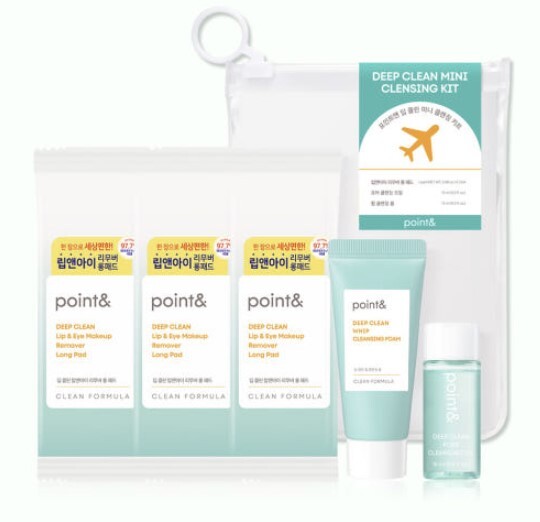
Deep Clean Mini Cleansing Travel Kit
Beplain
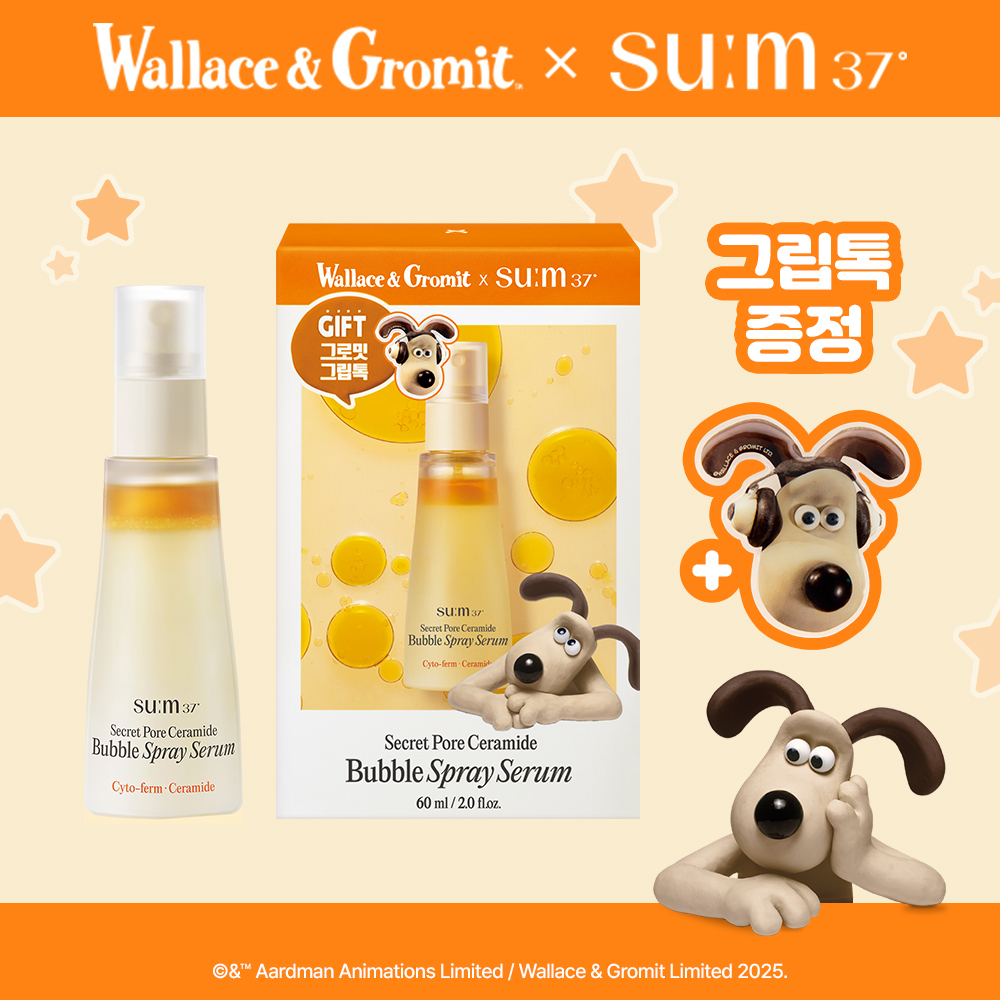
Secret Pore Ceramide Bubble Spray Serum
SUM37
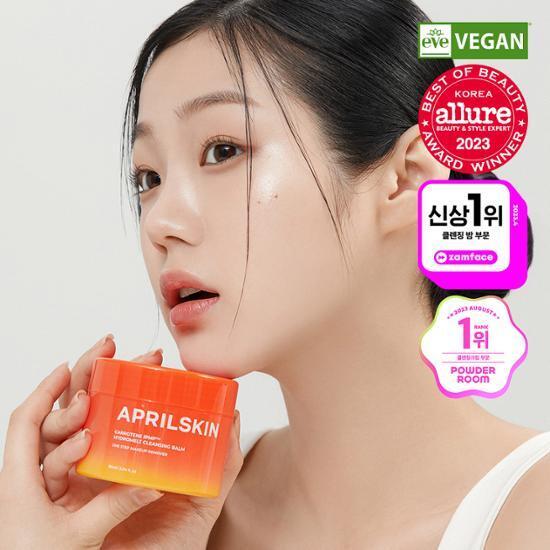
Carrotene IPMP Hydromelt Cleansing Balm
April Skin
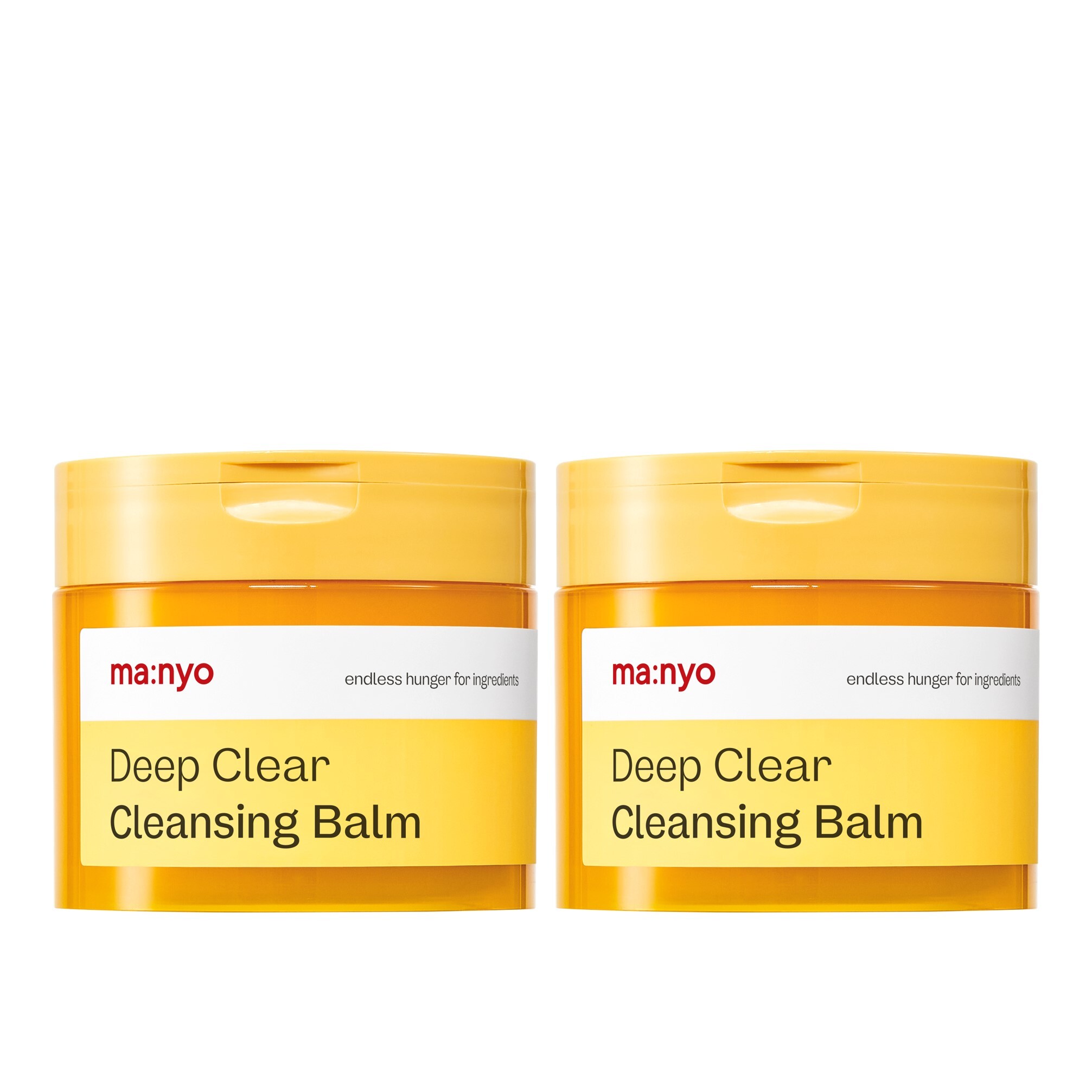
Deep Clear Cleansing Balm Double Pack
ma:nyo
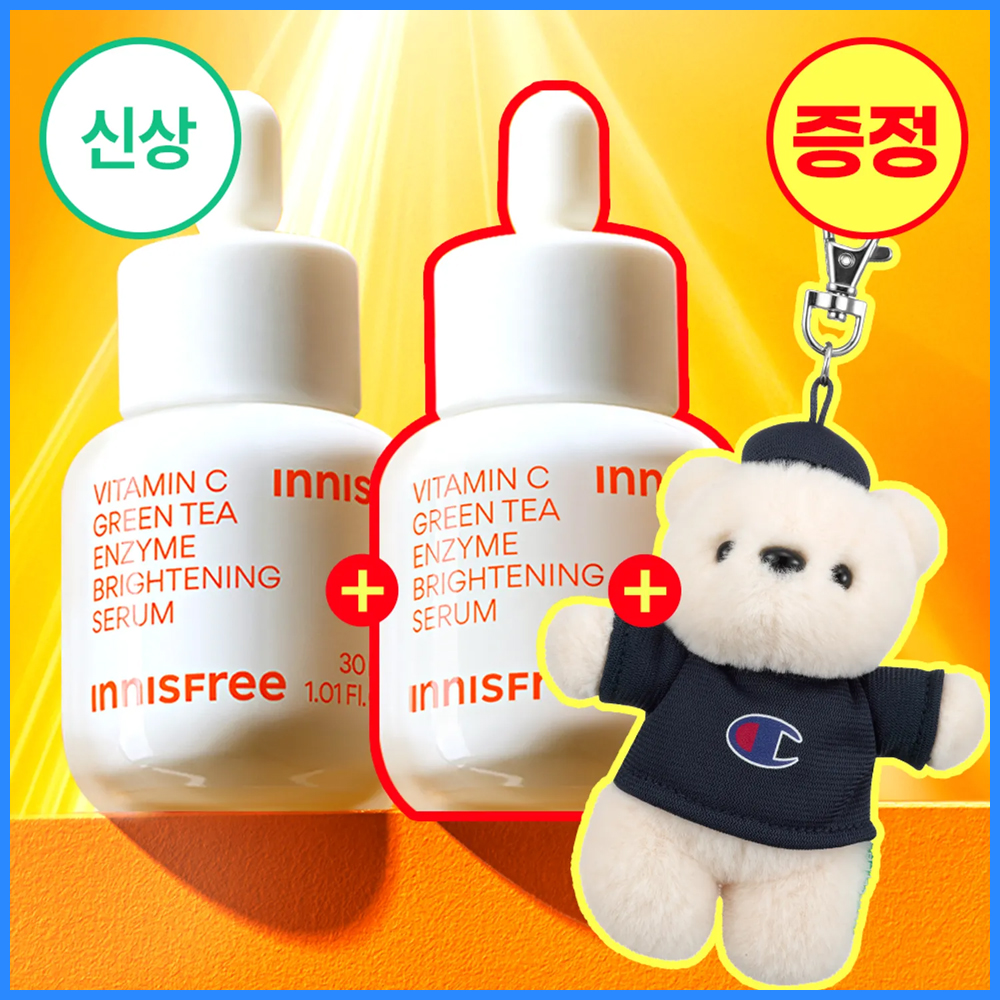
Vitamin C Green Tea Enzyme Brightening Serum
Innisfree
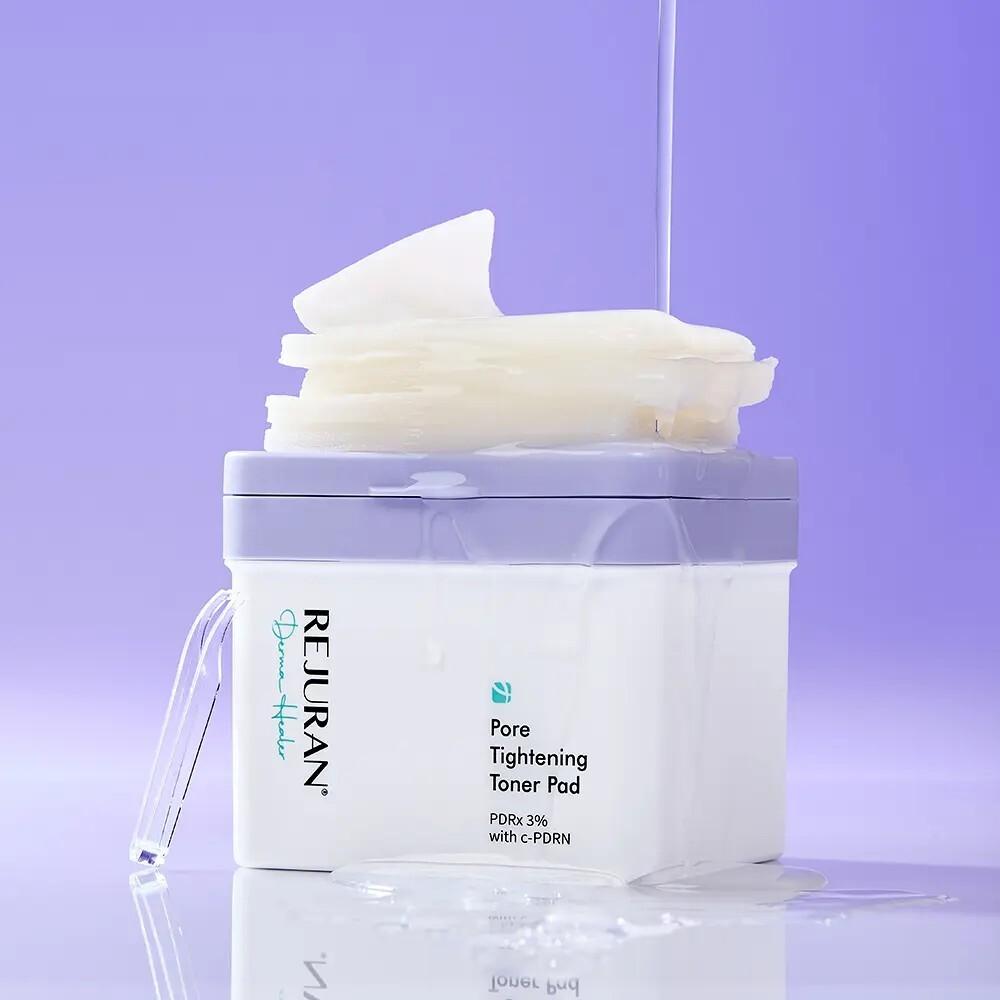
Derma Healer Pore Tightening Toner Pad 60P Limited Set
Rejuran
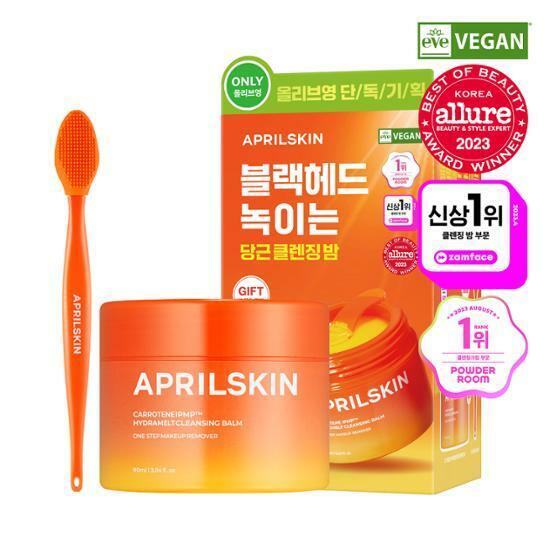
Carrotene IPMP Hydromelt Cleansing Balm Special Set
April Skin
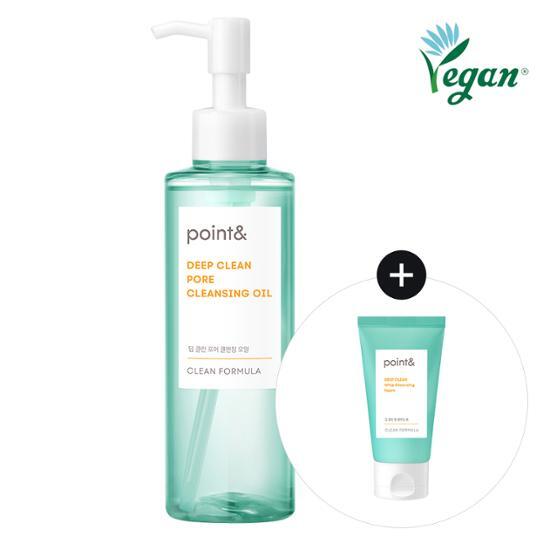
Deep Clean Pore Cleansing Oil
Banila Co
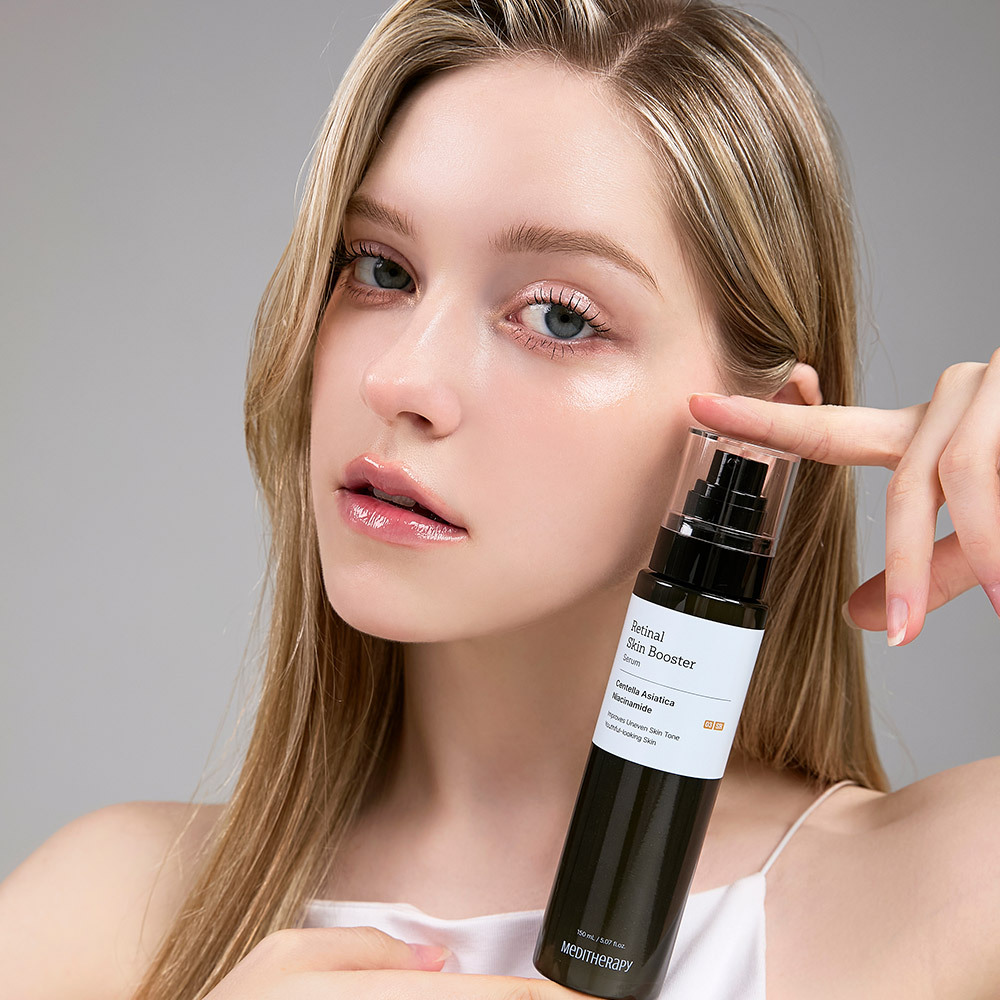
Retinal Skin Booster Serum
Anua
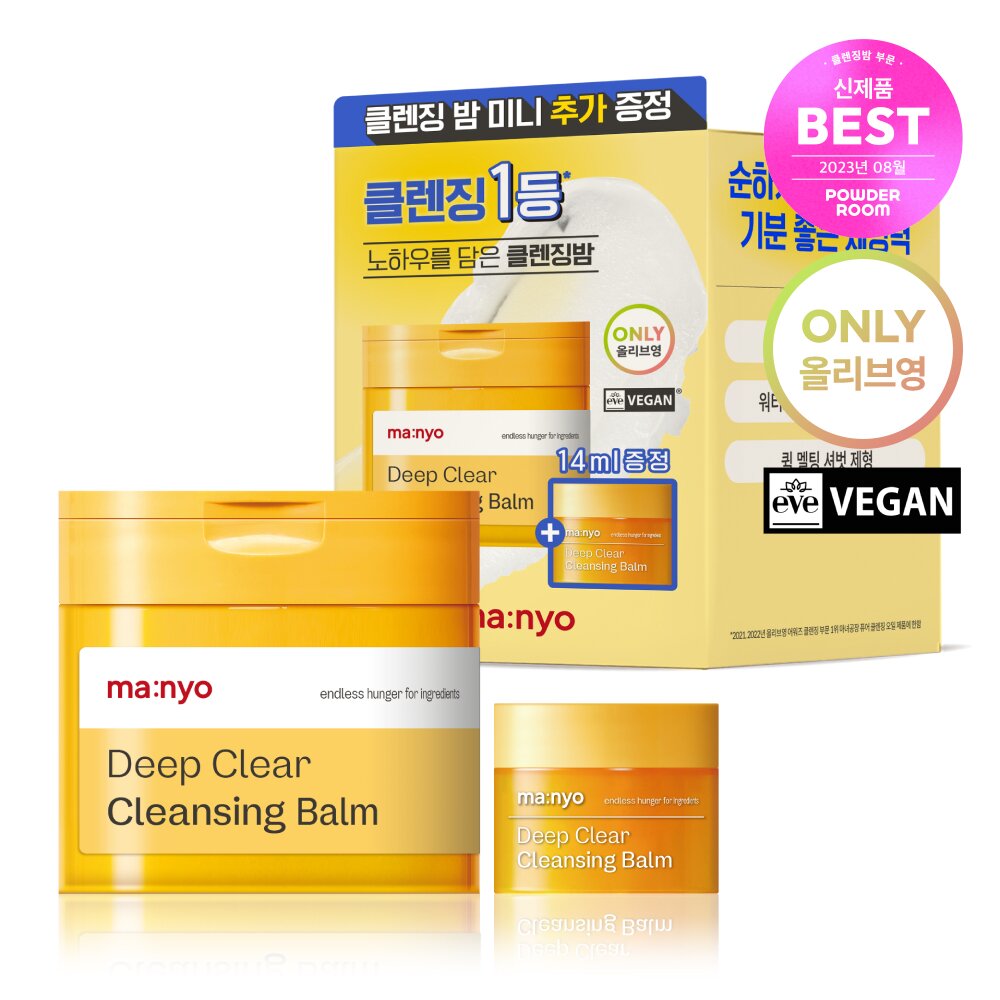
Deep Clear Cleansing Balm Special Set
ma:nyo
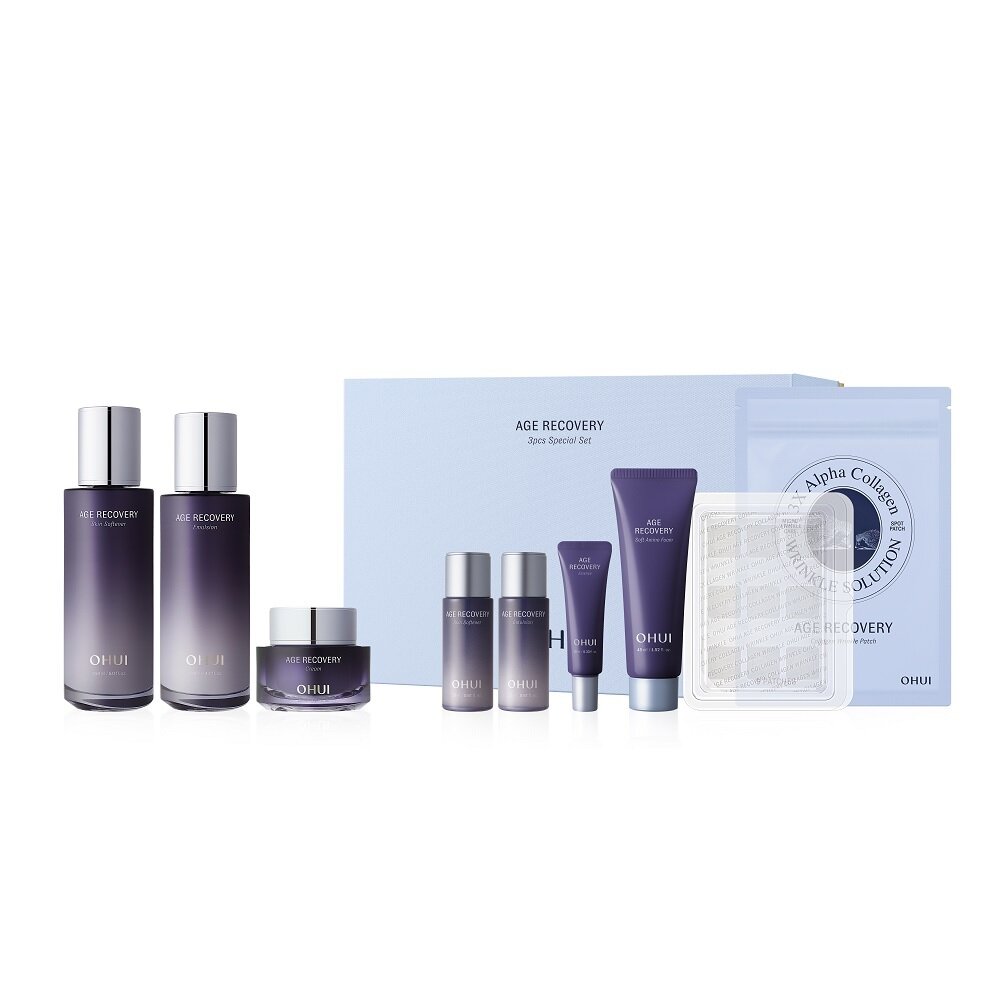
Age Recovery 3P Set
OHUI
Nourishing Care Carrot Cleansing Balm
KAHI
Frequently Asked Questions
Will carrot seed oil make my skin orange?▼
Is carrot seed oil the same as carrot essential oil?▼
Can I use carrot seed oil if I'm acne-prone?▼
Does carrot seed oil provide sun protection?▼
Why do K-beauty brands put carrot seed oil in cleansing balms?▼
Explore More
Want personalized ingredient advice?
Yuri, our AI beauty advisor, can tell you how Carrot Seed Oil works with your specific skin type, routine, and concerns.
Ask Yuri, free