Hydrolyzed Collagen
INCI: Desamido Collagen
Humectant and film-forming protein moisturizer
About Hydrolyzed Collagen
Hydrolyzed collagen is a water-soluble form of collagen that has been broken down into smaller peptide fragments through a process called hydrolysis. Unlike intact collagen molecules, which are too large to penetrate the skin barrier, hydrolyzed collagen consists of low-molecular-weight peptides that can actually interact with your skin's surface layers. In K-beauty formulations, this ingredient functions primarily as a humectant and film-forming agent, meaning it attracts moisture from the environment and creates a protective barrier on your skin. While the peptides themselves don't rebuild your skin's collagen structure (that's a common myth), they do provide significant hydration benefits by binding water molecules to your skin's surface. The ingredient appears in 20 products on Seoul Sister, ranging from high-performance lifting ampoules like the EXO-V Prolifting Set to everyday moisturizers like The Face Shop's Alltimate Vegan Mucin Peptide 8 Cream. Korean cosmetic chemists favor hydrolyzed collagen for its ability to improve skin texture and create that coveted dewy, plump appearance without clogging pores (0/5 comedogenic rating). It's particularly valued in K-beauty for its synergy with other hydrating ingredients like hyaluronic acid and peptides, creating layered moisture systems that address multiple hydration needs simultaneously.
How Hydrolyzed Collagen Works
When collagen undergoes hydrolysis, enzymes or acids break the large protein molecules into smaller peptide chains, typically ranging from 2 to 20 amino acids in length. These fragments are small enough to penetrate the outermost layer of your skin (the stratum corneum) where they perform two key functions. First, as a humectant, hydrolyzed collagen's amino acid structure contains multiple hydrophilic (water-loving) sites that attract and bind moisture molecules from the surrounding environment and from deeper skin layers. This creates a reservoir of hydration in your epidermis. Second, when hydrolyzed collagen dries on your skin's surface, it forms a thin, breathable film that reduces transepidermal water loss (TEWL), essentially creating a moisture barrier that keeps the water you've just attracted locked in place. Some research suggests that these collagen peptides may also send signals to fibroblasts in your dermis, potentially stimulating your skin's own collagen production, though this secondary benefit is still being studied. The immediate plumping effect you feel after using products containing hydrolyzed collagen comes from that dual action of drawing water into your skin and preventing it from evaporating.
Hydrolyzed Collagen by Skin Type
Oily Skin
Hydrolyzed collagen works surprisingly well for oily skin because it provides lightweight hydration without adding oil or heaviness. The 0/5 comedogenic rating means it won't clog pores or trigger breakouts, and the film it forms is breathable rather than occlusive. Many people with oily skin skip moisturizer thinking their skin doesn't need it, but dehydration can actually trigger excess oil production, and hydrolyzed collagen addresses that without making your skin feel greasy.
Dry Skin
This is where hydrolyzed collagen truly shines. Dry skin lacks both moisture and often has a compromised barrier function, and hydrolyzed collagen addresses both issues simultaneously. The humectant properties pull water into your skin while the film-forming ability helps repair and reinforce your moisture barrier. Products like the EXO-V Prolifting Set and The Face Shop's Alltimate Vegan Mucin Peptide 8 Cream (both rated 5.0/5) pair hydrolyzed collagen with other intensive moisturizers for maximum dry skin relief.
Combo Skin
Combination skin can be tricky because you need hydration without heaviness in your T-zone but enough moisture for drier cheek areas. Hydrolyzed collagen's lightweight, non-comedogenic nature makes it ideal for this skin type. It provides consistent hydration across your entire face without creating that uneven feeling where some areas feel too oily and others still feel tight. The film it forms adapts to different moisture needs across your face.
Sensitive Skin
With a safety rating of 4/5, hydrolyzed collagen is generally well-tolerated by sensitive skin. It's a relatively simple ingredient chemically, without the complexity that often triggers reactions, and its function is primarily physical (attracting and holding water) rather than biological (triggering cellular responses that might cause irritation). The soothing, plumping effect can actually help calm sensitive skin by improving barrier function. However, if you have a known allergy to animal-derived proteins, opt for plant-based or vegan alternatives.
Normal Skin
Normal skin can use hydrolyzed collagen as part of a preventive skincare strategy. While your skin may not be experiencing dryness or other concerns right now, maintaining optimal hydration helps preserve your skin barrier and can slow down visible signs of aging. Products like SNP's Pore Bounce-Up Clay Mask (5.0/5) use hydrolyzed collagen to ensure that even clarifying treatments don't strip your skin of necessary moisture, maintaining that balanced, healthy state.
How to Use Hydrolyzed Collagen
- 1Layer hydrolyzed collagen products under occlusive moisturizers at night to maximize the humectant effect. The occlusive layer traps the moisture that hydrolyzed collagen has drawn into your skin.
- 2Apply to damp skin right after cleansing or toning. Hydrolyzed collagen works by attracting water molecules, so giving it moisture to work with amplifies its effectiveness.
- 3In dry climates or during winter, pair hydrolyzed collagen with a humidifier. Humectants draw moisture from the environment, so increasing ambient humidity helps them perform better.
- 4Don't expect instant collagen replacement. The plumping you see immediately is from hydration, not from rebuilding your skin's collagen structure. Consistent use over time may support collagen production, but that's a gradual process.
- 5If you're using multiple hydrating products, apply hydrolyzed collagen serums or ampoules before heavier creams but after watery essences, following K-beauty's thin-to-thick layering principle.
Background
Collagen has been used in traditional medicine and beauty practices for centuries, particularly in Asian cultures where collagen-rich foods like bone broth and fish skin have been consumed for their perceived beauty benefits. The use of hydrolyzed collagen in modern skincare began in the 1980s when cosmetic chemists discovered that breaking down collagen molecules into smaller peptides made them compatible with topical formulations. Korean beauty brands were early adopters of this technology, recognizing that while whole collagen couldn't penetrate skin, hydrolyzed versions could provide surface-level benefits that aligned perfectly with K-beauty's focus on hydration and barrier health. The ingredient gained particular momentum in K-beauty during the 2000s peptide boom, when consumers became more educated about ingredient efficacy and molecular size. Today, Korean brands often use marine-derived hydrolyzed collagen (from fish) rather than bovine sources, reflecting both technical preferences and cultural dietary patterns.
K-Beauty Products with Hydrolyzed Collagen
View all 21 →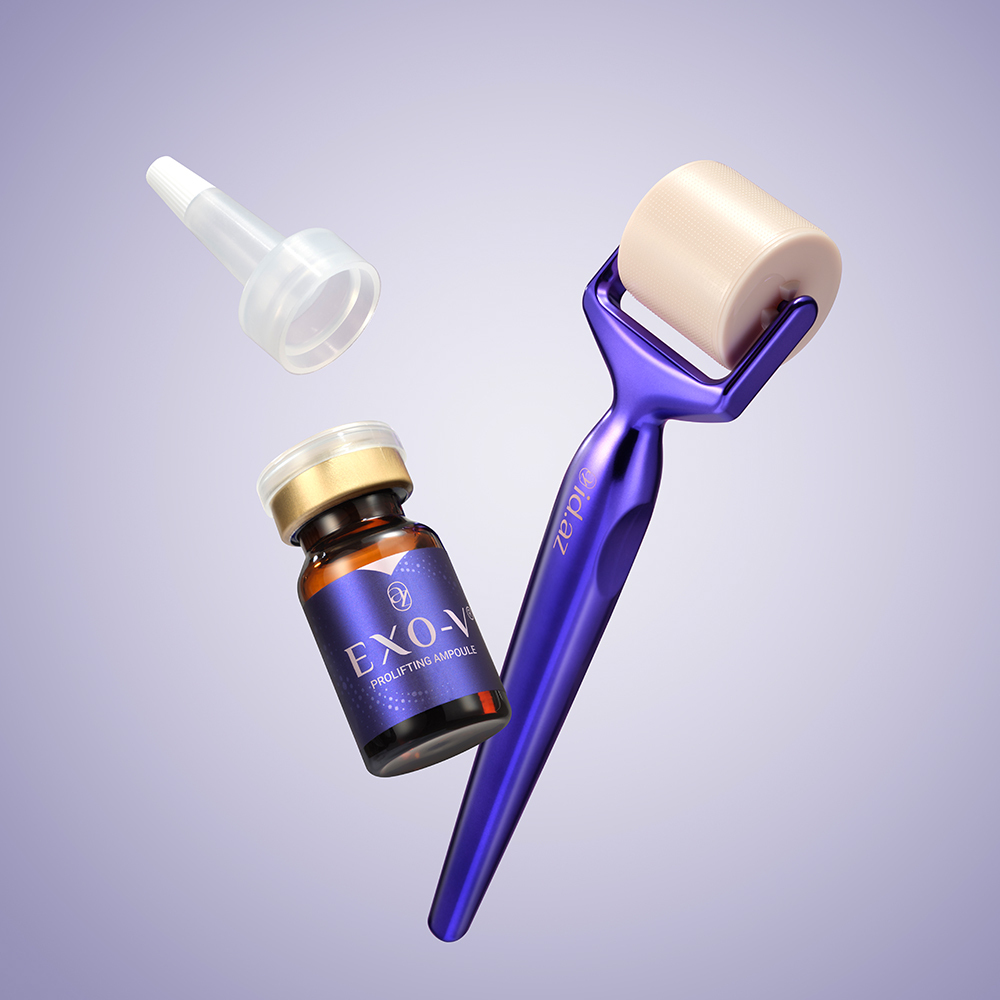
EXO-V Prolifting Set (Lifting Ampoule + MTS Roller)
Idplacosmetic
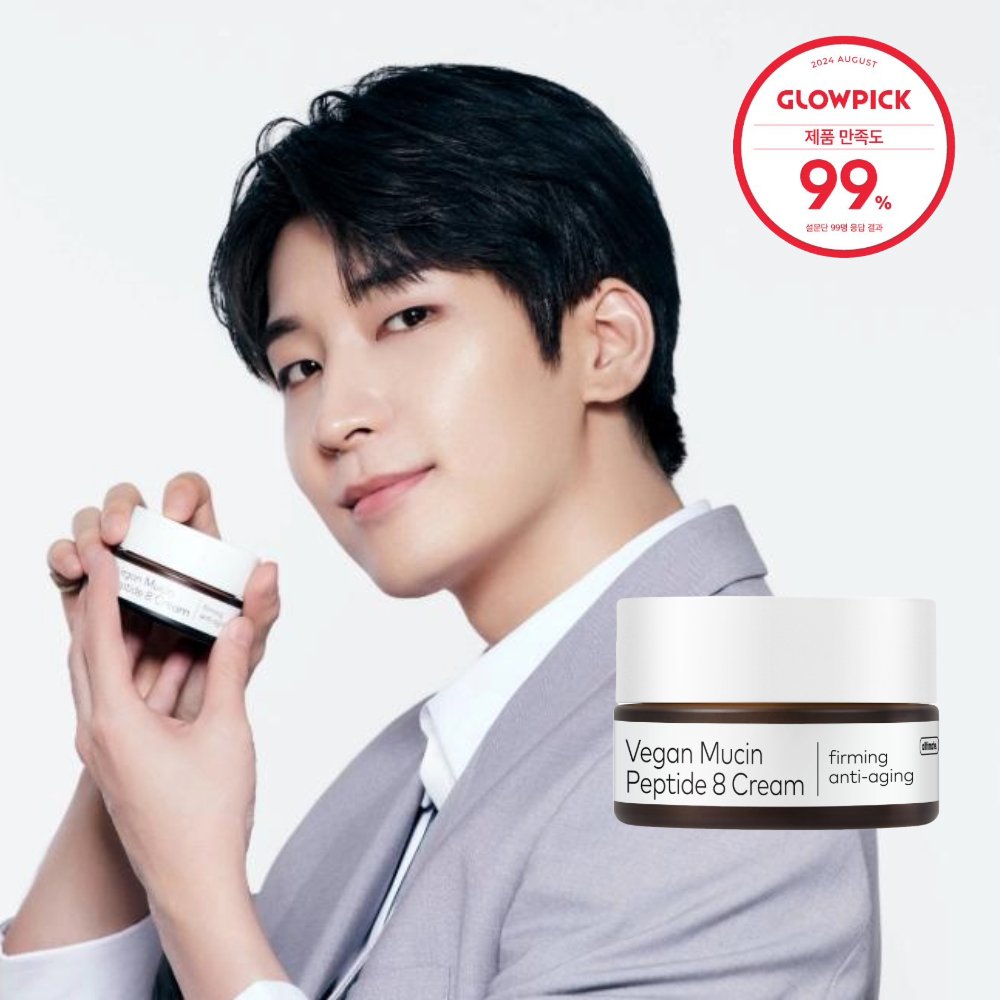
Alltimate Vegan Mucin Peptide 8 Cream
The Face Shop
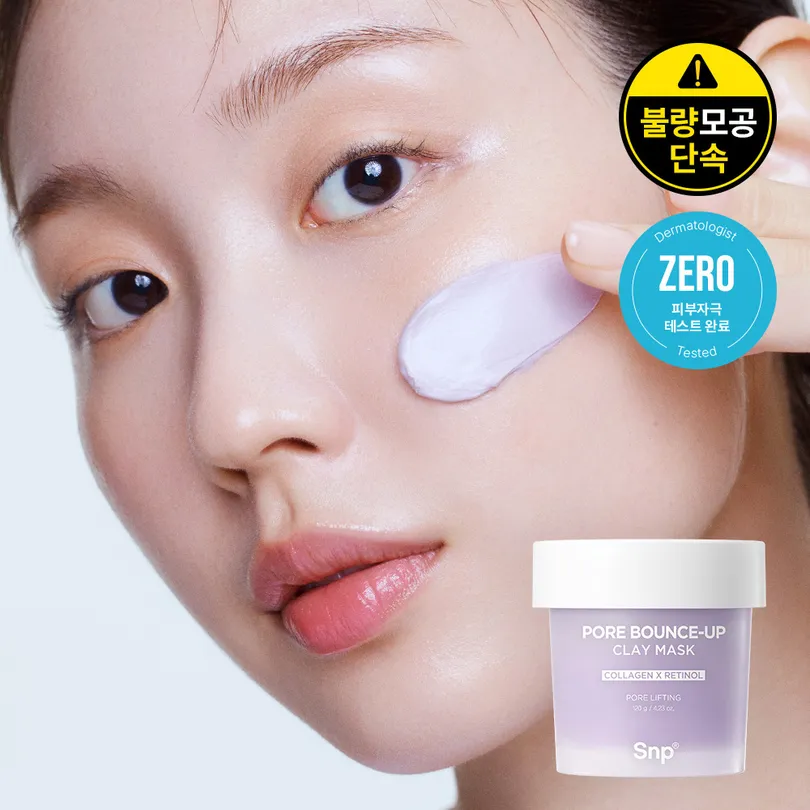
Pore Bounce-Up Clay Mask
SNP
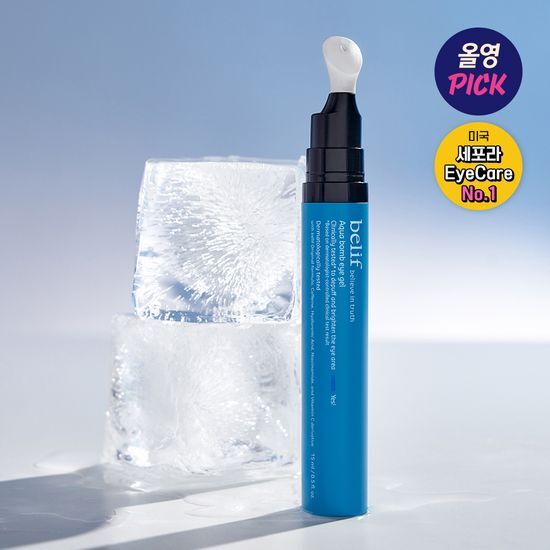
Aqua Bomb Eye Gel
Belif
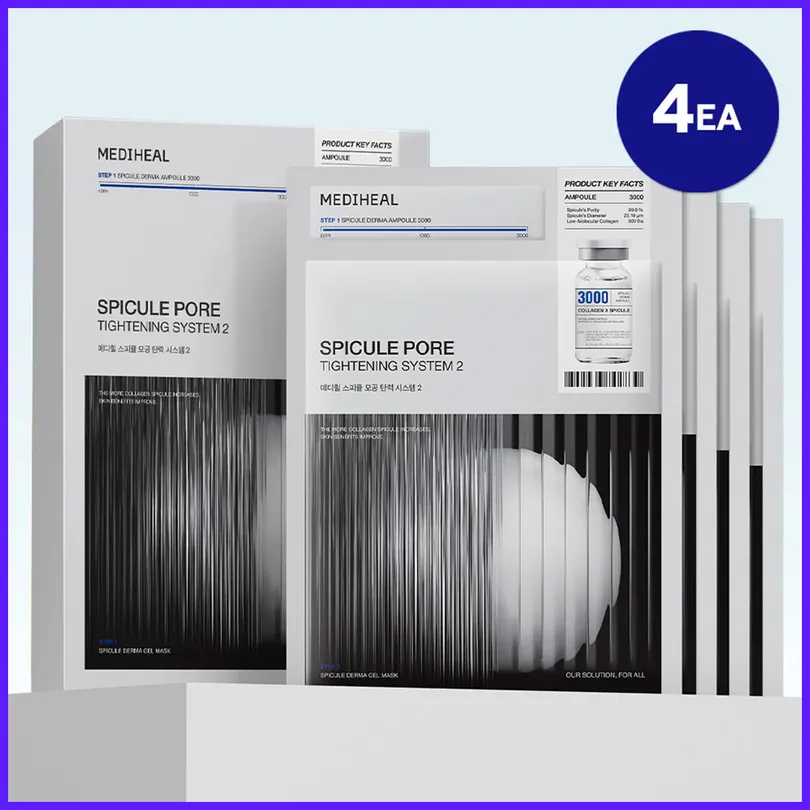
Spicule Pore Tightening System 2
Mediheal
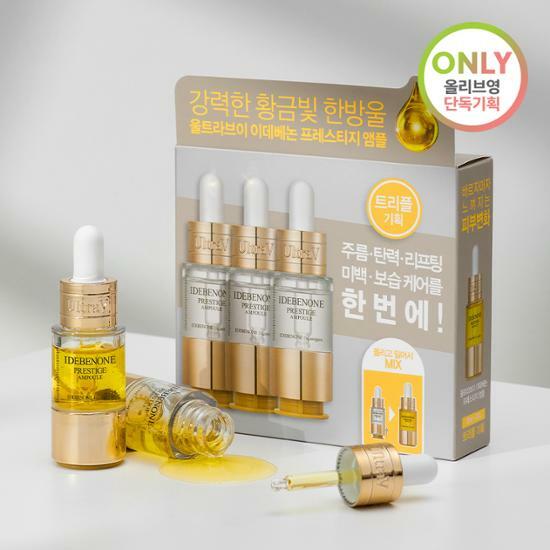
Ultra V Idebenone Prestige Ampoule 3ea
Anua
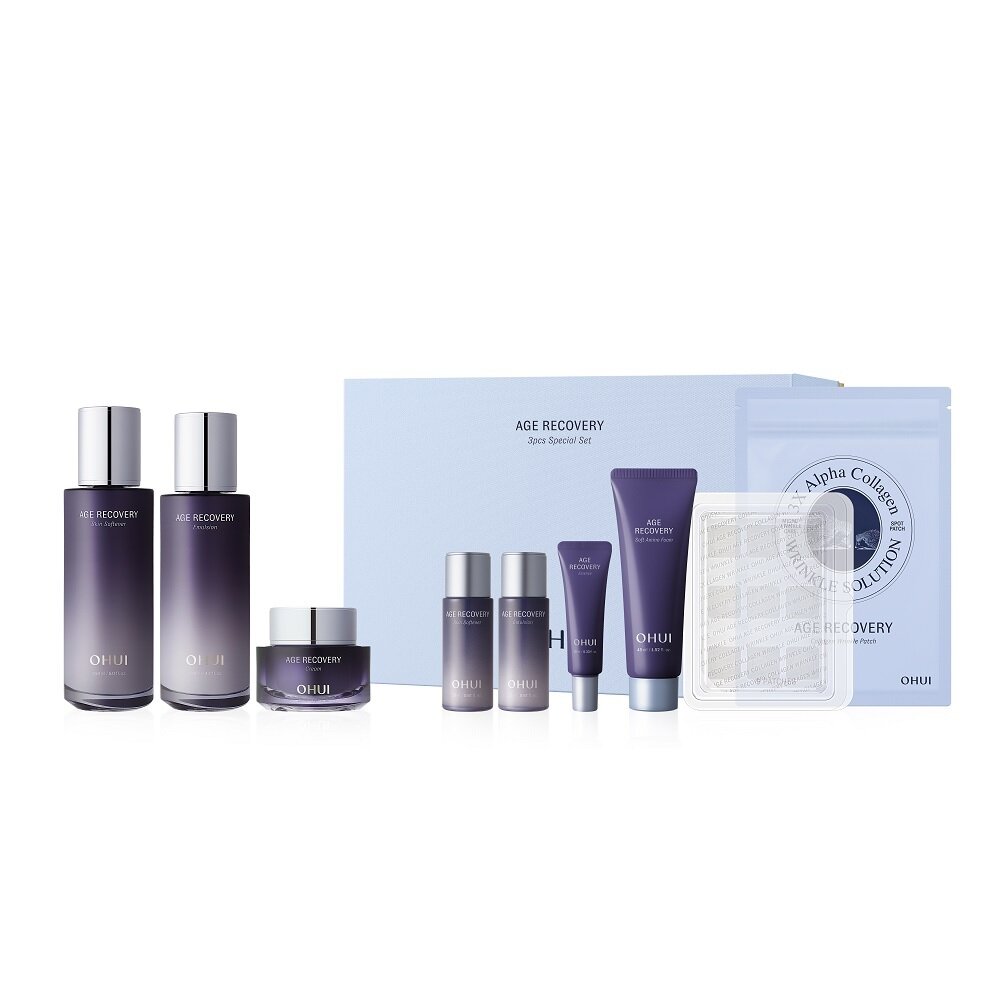
Age Recovery 3P Set
OHUI
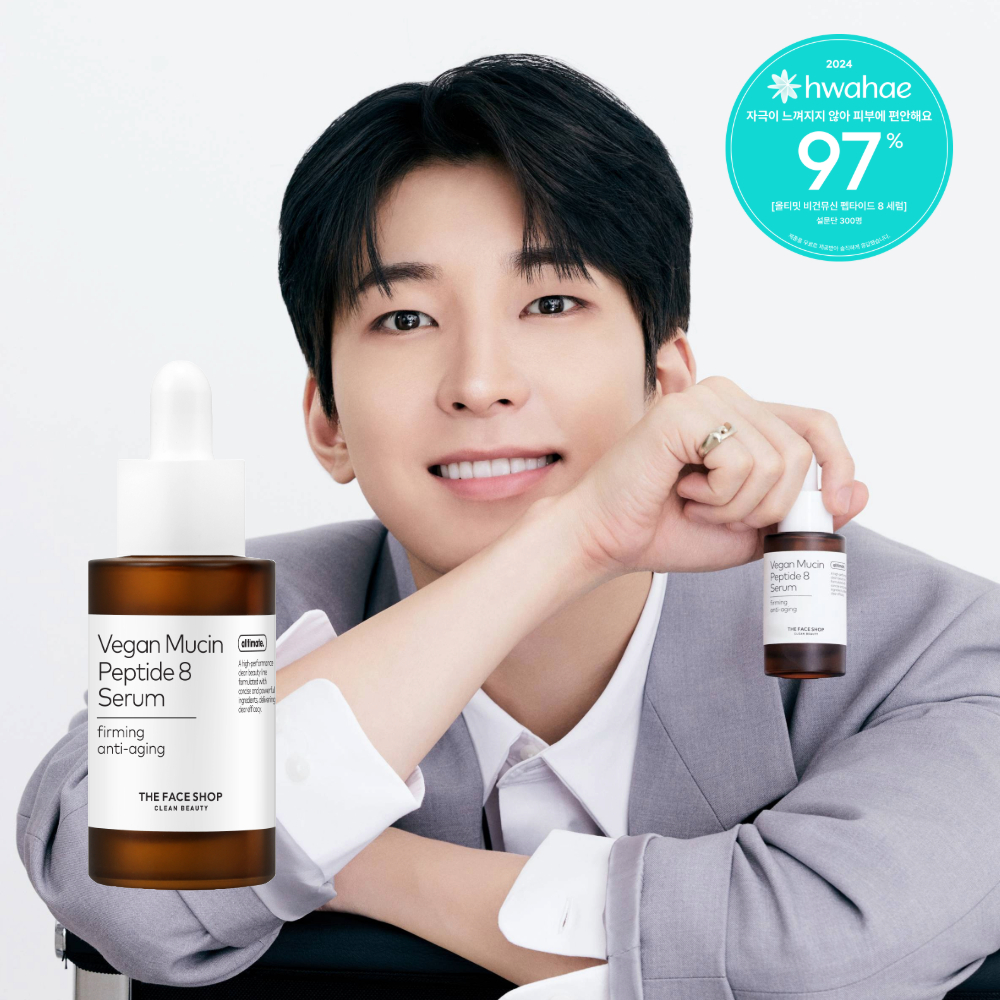
Alltimate Vegan Mucin Peptide 8 Serum
The Face Shop
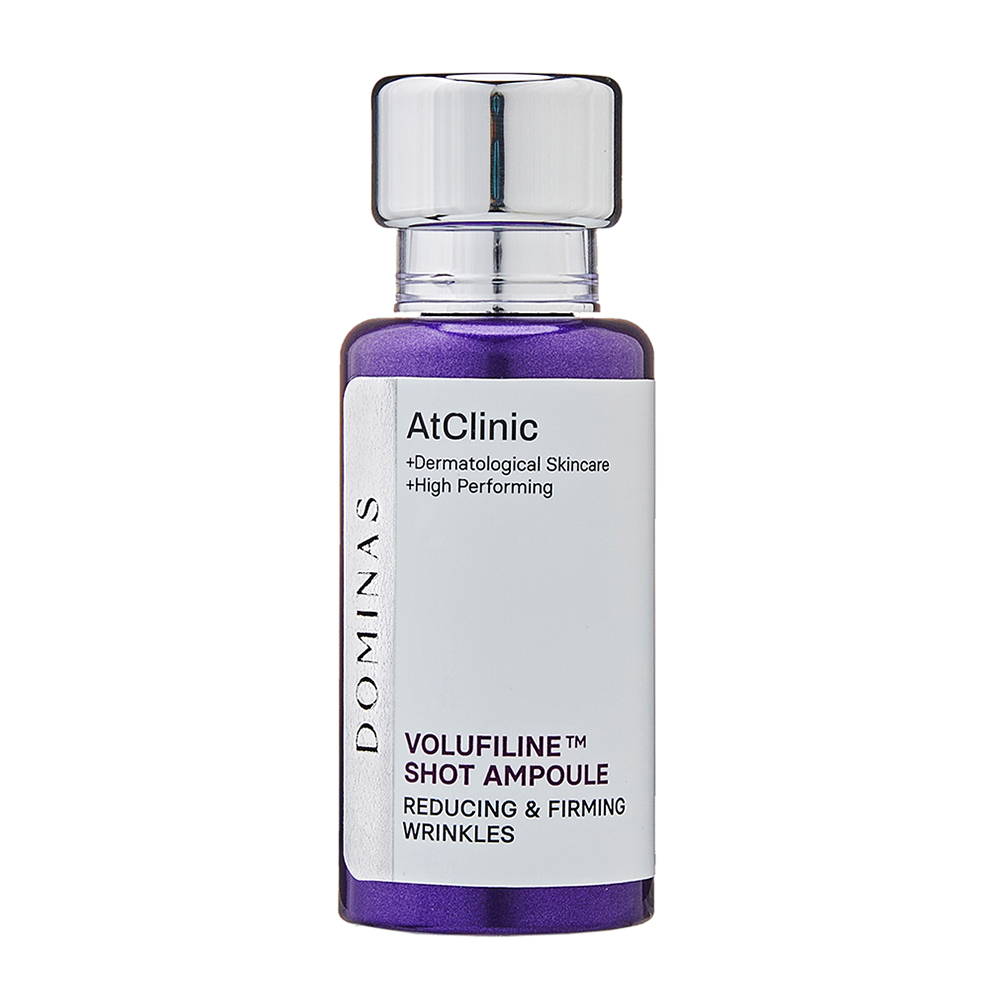
At Clinic Volufiline Shot Ampoule
Anua
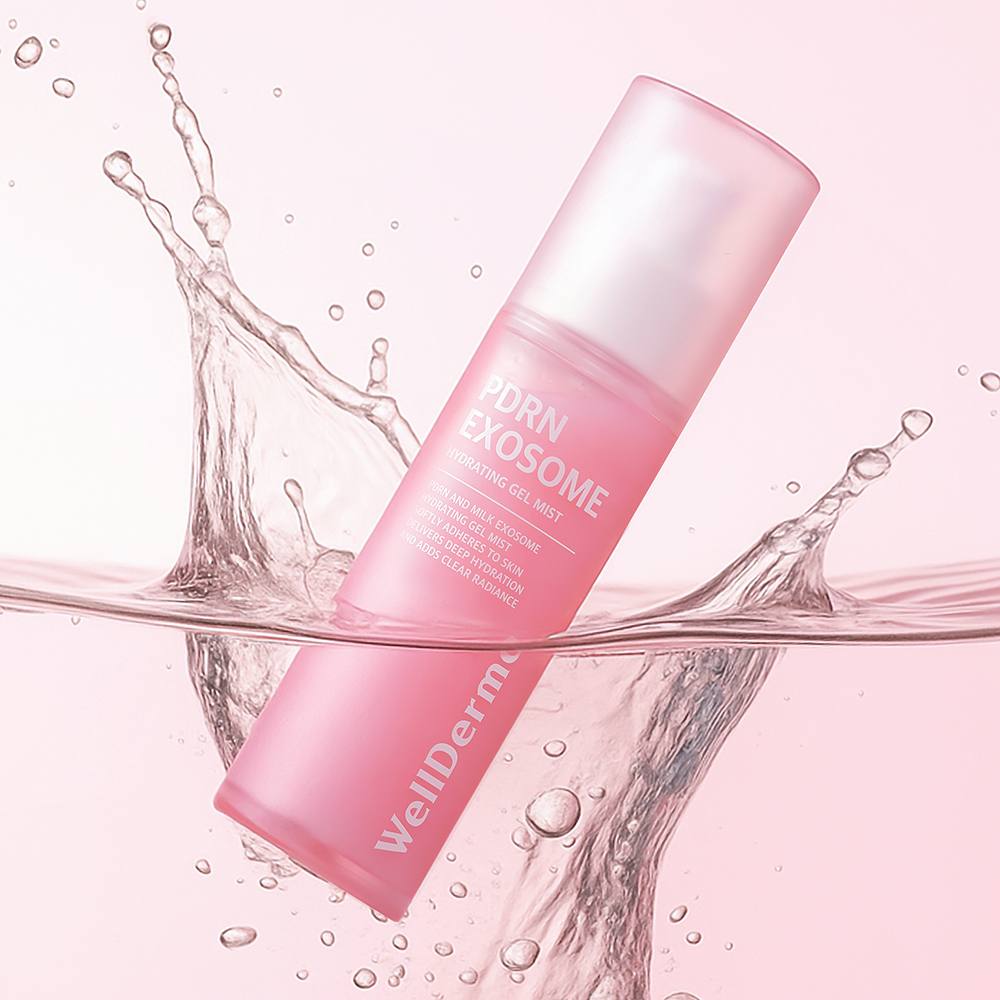
PDRN Exosome Hydrating Gel Mist
Wellderma
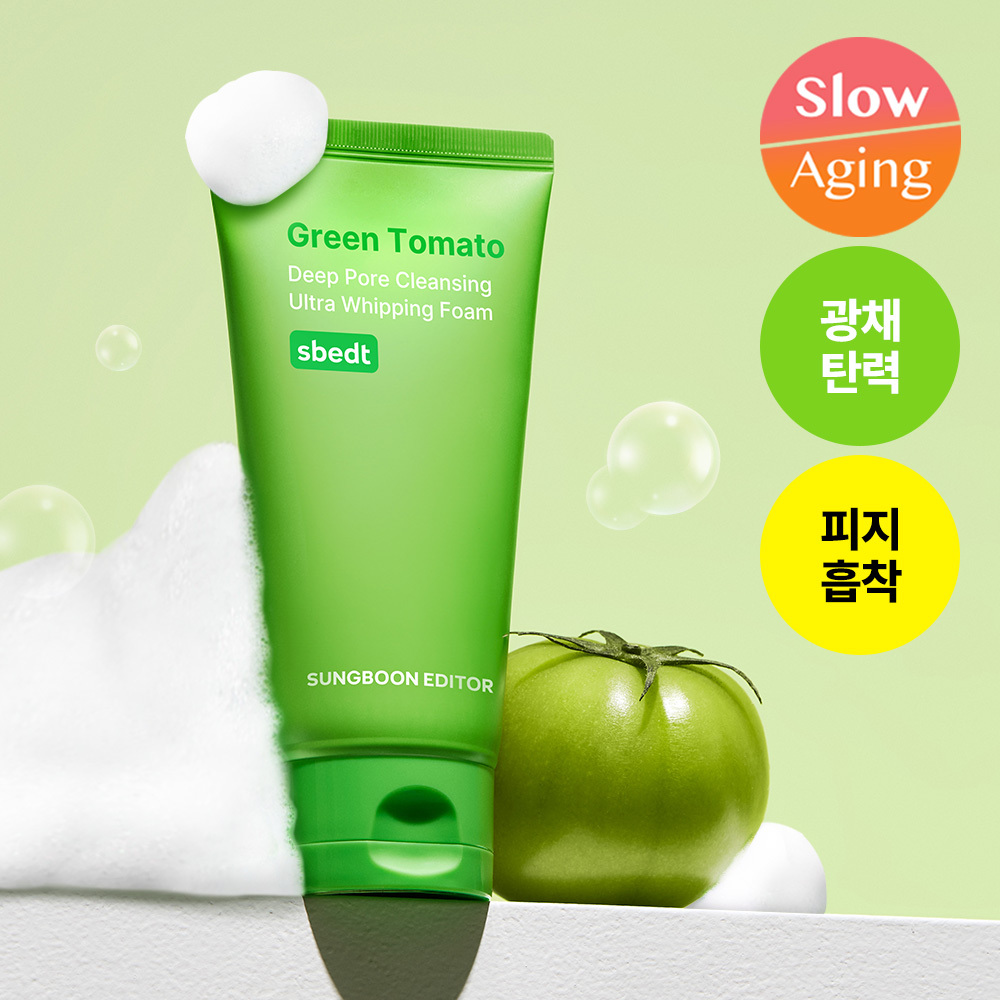
Green Tomato Deep Pore Cleansing Ultra Whipping Foam
Sungboon Editor
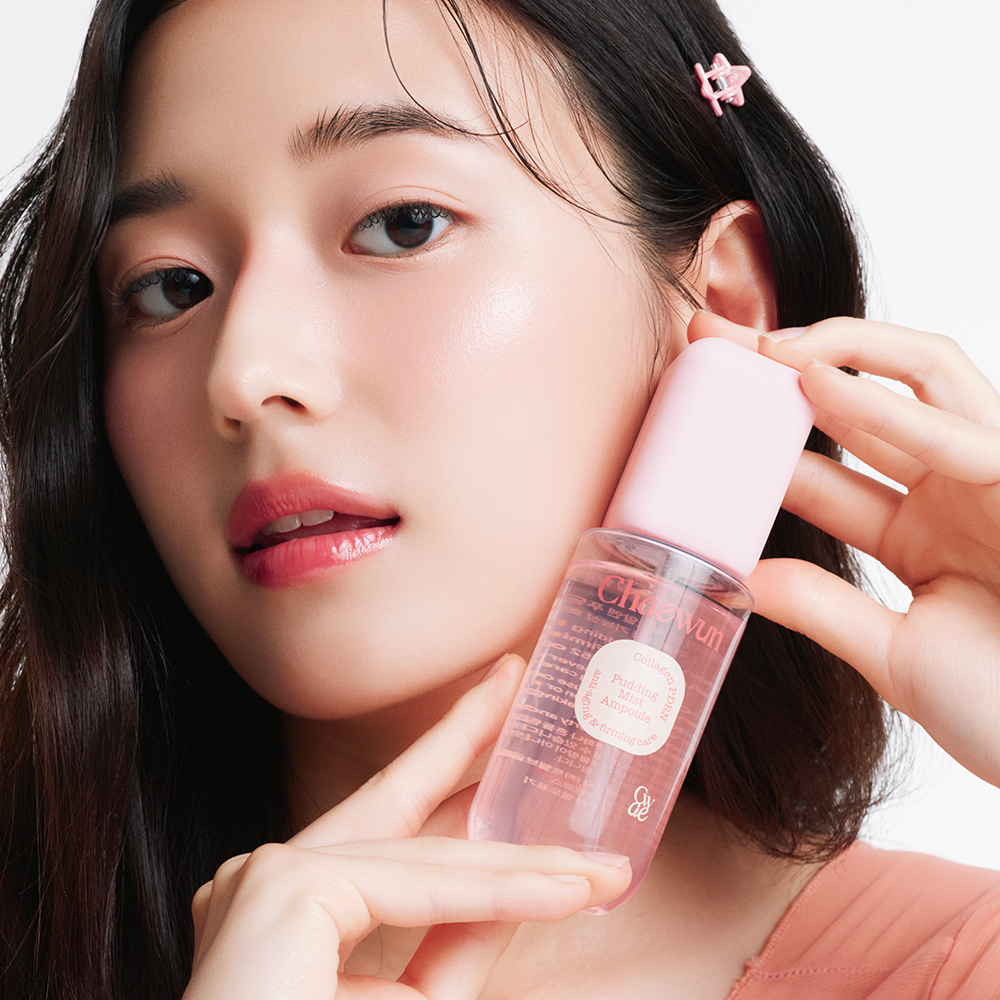
Collagen PDRN Pudding Mist Ampoule
Medicube
Frequently Asked Questions
Does hydrolyzed collagen actually rebuild collagen in my skin?▼
Is hydrolyzed collagen vegan or does it come from animals?▼
Can I use hydrolyzed collagen if I have acne-prone skin?▼
How is hydrolyzed collagen different from regular collagen in skincare?▼
What's the best way to store products with hydrolyzed collagen?▼
Articles About Hydrolyzed Collagen
Explore More
Want personalized ingredient advice?
Yuri, our AI beauty advisor, can tell you how Hydrolyzed Collagen works with your specific skin type, routine, and concerns.
Ask Yuri, free