Elastin
Film-forming protein that conditions and moisturizes skin
About Elastin
Elastin is a structural protein naturally found in skin's dermal layer, responsible for maintaining skin's ability to bounce back after stretching or contracting. In skincare formulations, elastin is typically derived from animal sources (marine or bovine) or created through biotechnology. As a topical ingredient, elastin functions primarily as a film-forming agent and humectant rather than penetrating deeply to replace lost structural elastin in aging skin. When applied to skin's surface, elastin molecules create a flexible, breathable film that helps lock in moisture and temporarily smooth the appearance of fine lines. The protein's large molecular size (approximately 60-70 kDa) prevents it from penetrating beyond the stratum corneum, meaning its benefits are primarily surface-level conditioning rather than true structural repair. However, this doesn't diminish its value in K-beauty formulations, where elastin serves as an excellent supporting ingredient in products focused on hydration, plumping, and creating a smooth canvas for other actives. K-beauty brands often combine elastin with collagen peptides and hyaluronic acid to create comprehensive moisture-barrier support systems. The protein's ability to bind water and form protective films makes it particularly valuable in serums, creams, and sheet masks designed for immediate plumping effects and long-lasting hydration.
How Elastin Works
Elastin works through two primary mechanisms at the skin's surface. First, as a hygroscopic protein, it attracts and binds water molecules from both the product formulation and the environment, creating a reservoir of hydration on the skin's surface. This water-binding capacity helps maintain optimal moisture levels in the stratum corneum throughout the day. Second, elastin forms a semi-occlusive film over the skin that reduces transepidermal water loss (TEWL) without completely blocking the skin's natural functions. This film is flexible and moves with your facial expressions, unlike some heavier occlusive ingredients. The protein's amino acid composition, rich in glycine, valine, alanine, and proline, provides additional conditioning benefits by temporarily filling in micro-irregularities on the skin's surface. While topical elastin cannot integrate into the skin's existing elastin network or stimulate new elastin synthesis, it creates immediate cosmetic benefits by improving skin texture, enhancing product spreadability, and providing a smooth, plumped appearance that lasts several hours after application.
Elastin by Skin Type
Oily Skin
Elastin is suitable for oily skin types when formulated in lightweight serums or gel-based products. Its non-comedogenic rating of 0/5 means it won't clog pores or contribute to breakouts. The film it forms is breathable and doesn't create the heavy, suffocating feeling that can trigger excess oil production.
Dry Skin
Dry skin benefits significantly from elastin's dual action as both a humectant and film-former. The protein helps prevent moisture loss throughout the day while attracting additional hydration to the skin's surface. In richer cream formulations, elastin works synergistically with occlusive ingredients to create long-lasting comfort and suppleness.
Combo Skin
Combination skin types can use elastin-containing products across the entire face, as the ingredient adjusts well to varying hydration needs. The lightweight film it creates provides moisture to dry zones without overwhelming oilier areas. Focus application on areas showing early signs of elasticity loss, typically around the eyes and mouth.
Sensitive Skin
With a safety rating of 4/5, elastin is generally well-tolerated by sensitive skin. The protein is biocompatible and rarely triggers irritation or allergic reactions, though those with specific animal protein sensitivities should verify the source (marine-derived elastin is often better tolerated). Its soothing, conditioning properties can actually help calm reactive skin.
Normal Skin
Normal skin types can incorporate elastin as a preventative measure to maintain optimal hydration and surface texture. The protein supports skin's natural moisture barrier without disrupting its balance. Regular use in serums or masks helps maintain the plump, smooth appearance characteristic of healthy, well-hydrated skin.
How to Use Elastin
- 1Apply elastin-containing serums or essences to damp skin immediately after cleansing to maximize the protein's water-binding capacity and enhance absorption of subsequent products.
- 2Layer elastin products under heavier creams or sleeping masks to create a moisture sandwich effect that keeps hydration locked in overnight.
- 3Use elastin-rich sheet masks before makeup application for an immediate plumping effect that creates a smooth canvas and helps foundation sit better on skin.
- 4Pair elastin with active ingredients like niacinamide or peptides, as the film-forming properties can help buffer potential irritation while still allowing actives to work effectively.
Background
Elastin was first isolated and identified in 1953 by Dr. S.M. Partridge, who discovered this unique protein's role in providing skin with its characteristic elasticity and resilience. Unlike collagen, which provides structural support, elastin allows tissues to stretch and return to their original shape. In skincare, elastin gained prominence in the 1980s when researchers began exploring how to harness proteins for cosmetic applications. K-beauty brands were relatively late adopters of standalone elastin compared to collagen, but by the 2010s, Korean formulators recognized its value as a complementary ingredient in comprehensive anti-aging and hydration systems. The rise of marine biotechnology in Korea led to improved extraction and purification methods, making high-quality elastin more accessible for mass-market products. Today, K-beauty approaches elastin as part of protein complex formulations rather than a singular hero ingredient, reflecting the Korean skincare philosophy of synergistic ingredient combinations.
K-Beauty Products with Elastin
View all 28 →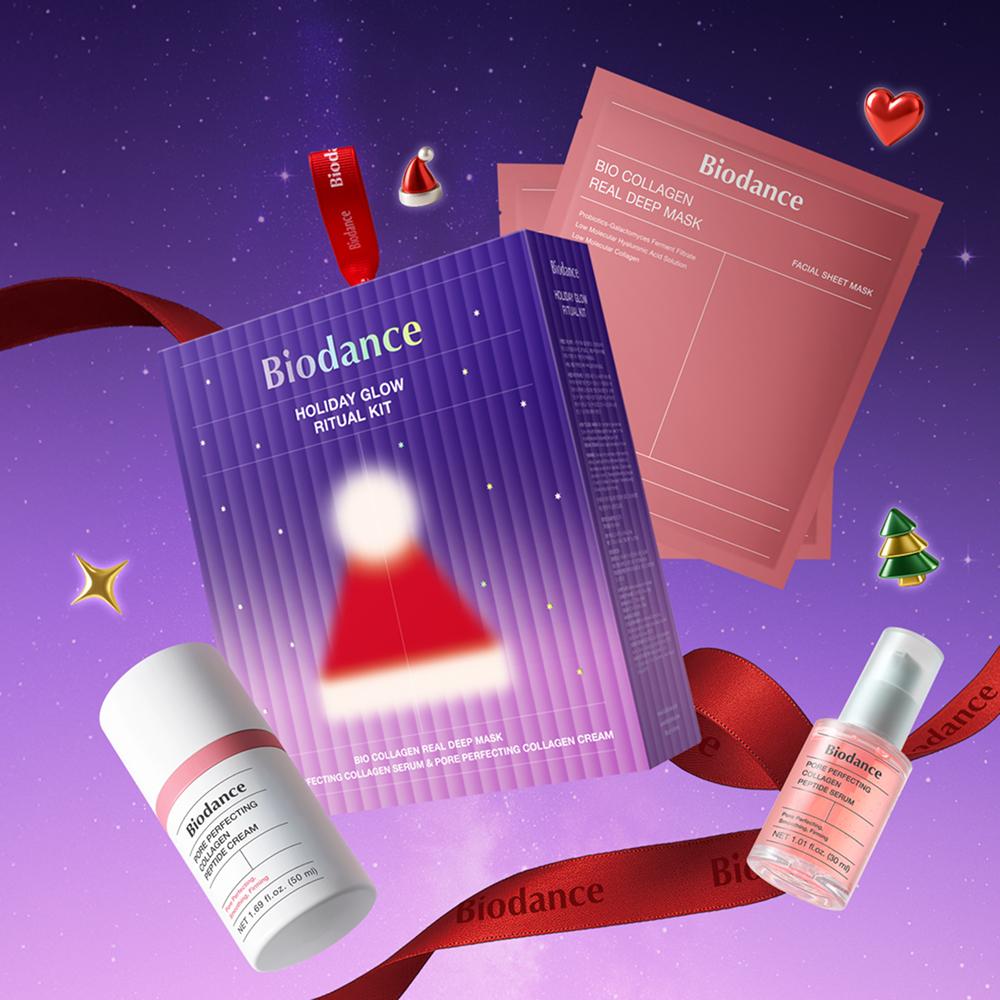
Holiday Glow Ritual Kit (Collagen Peptide Serum 30ml + Collagen Peptide Cream 50ml + Collagen Mask 2ea)
Biodance
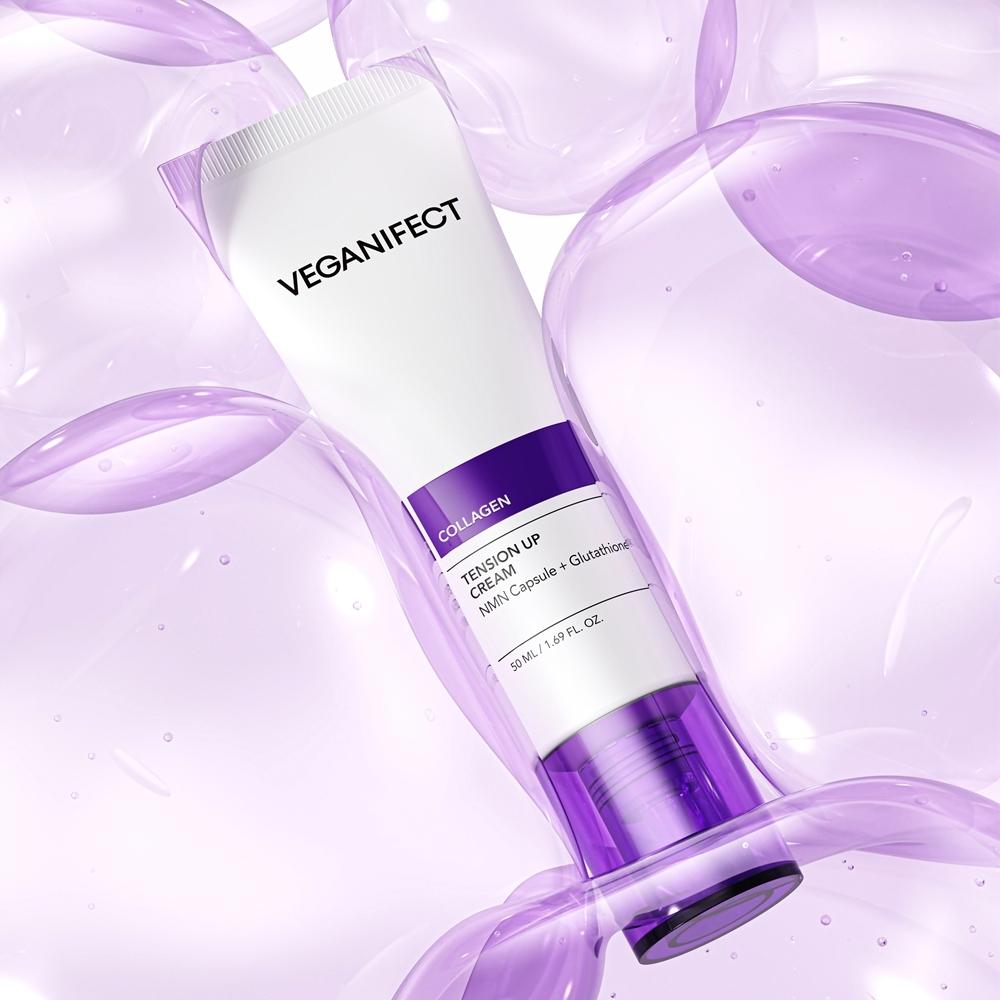
Veganifect Collagen NMN Capsule Cream
Aestura
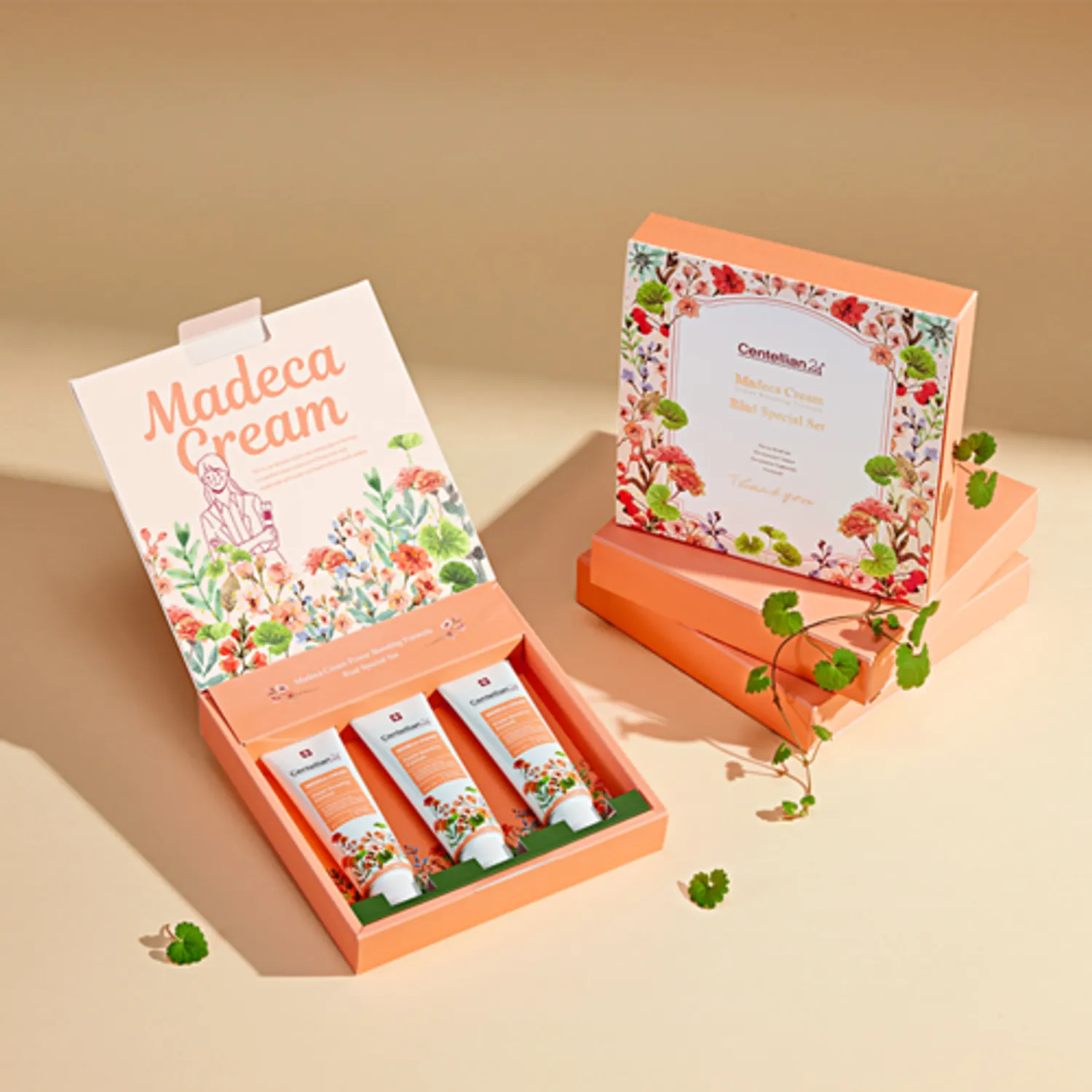
Madeca Cream Power Boosting Formula Triple Set
Centellian24
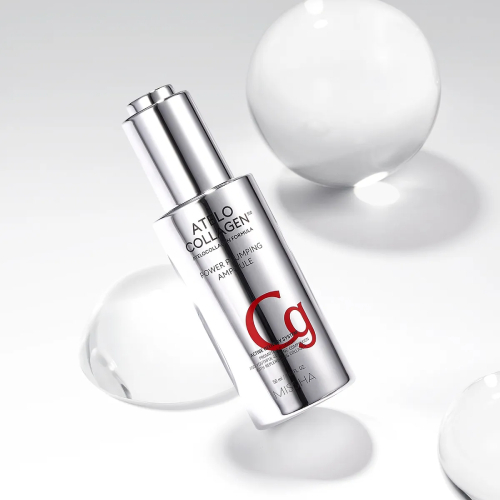
Atelo Collagen 500 Power Plumping Ampoule
MISSHA
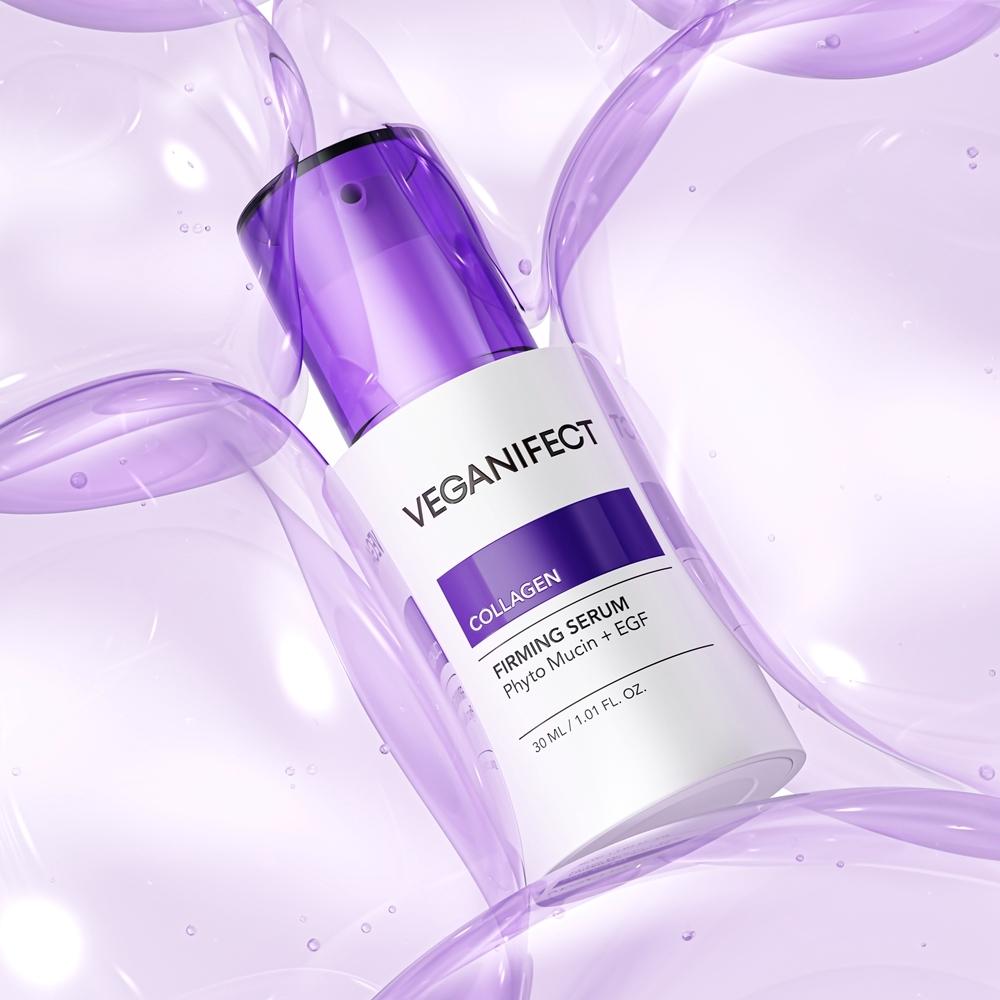
Veganifect Collagen EGF Serum
Anua
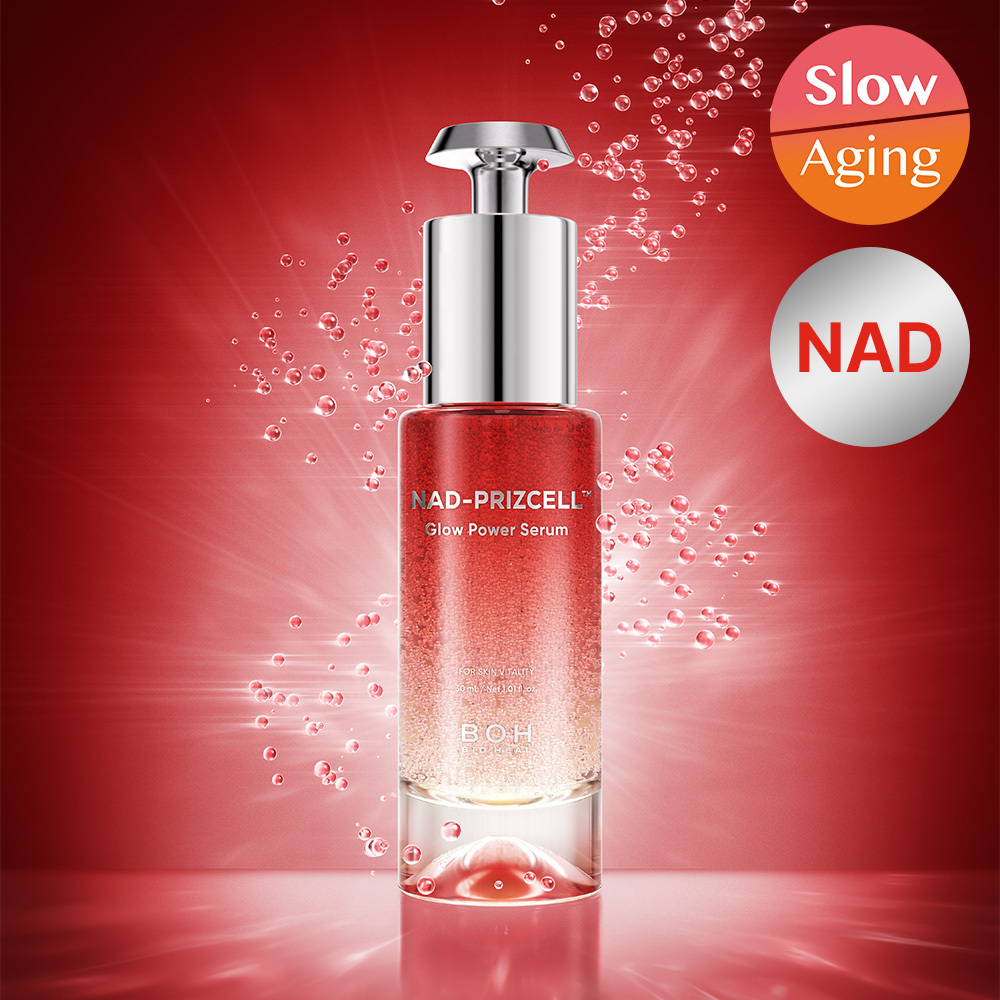
NAD-Prizcell Glow Power Serum
Bioheal BOH
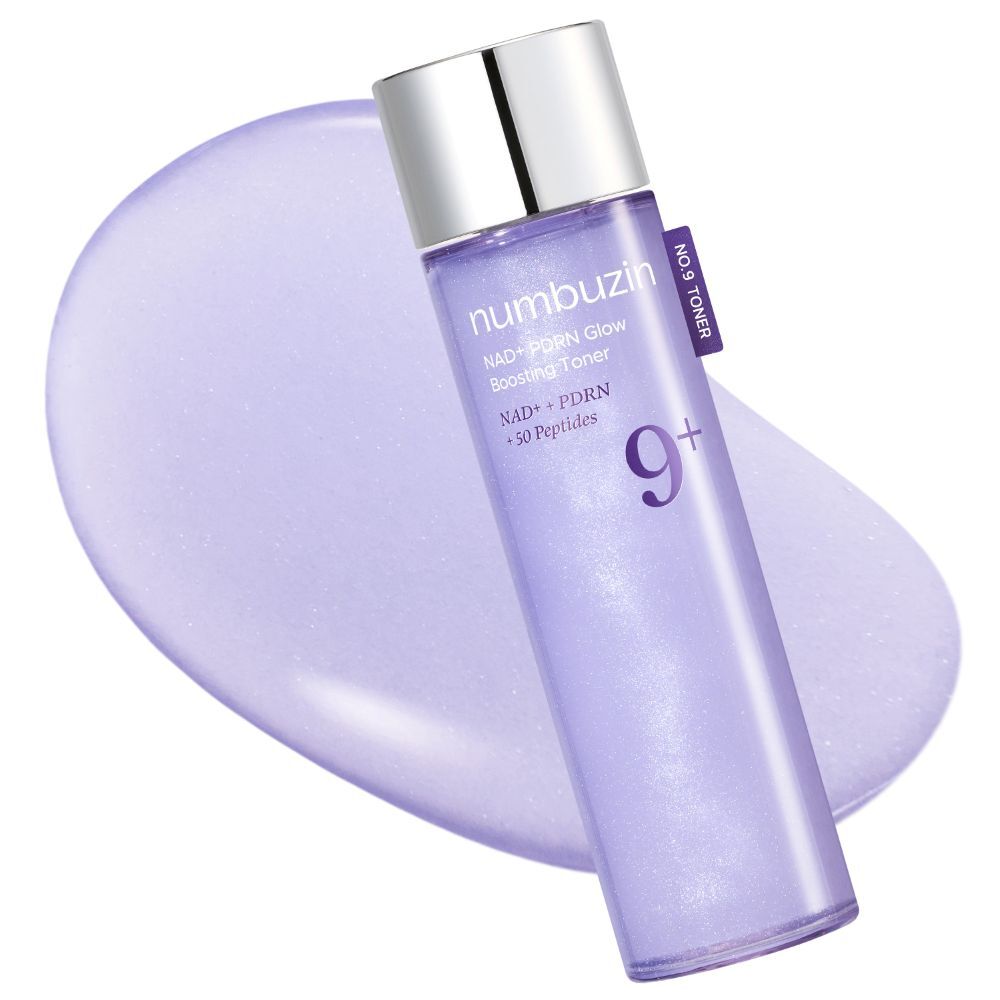
No. 9 NAD PDRN Glow Treatment Toner
Numbuzin
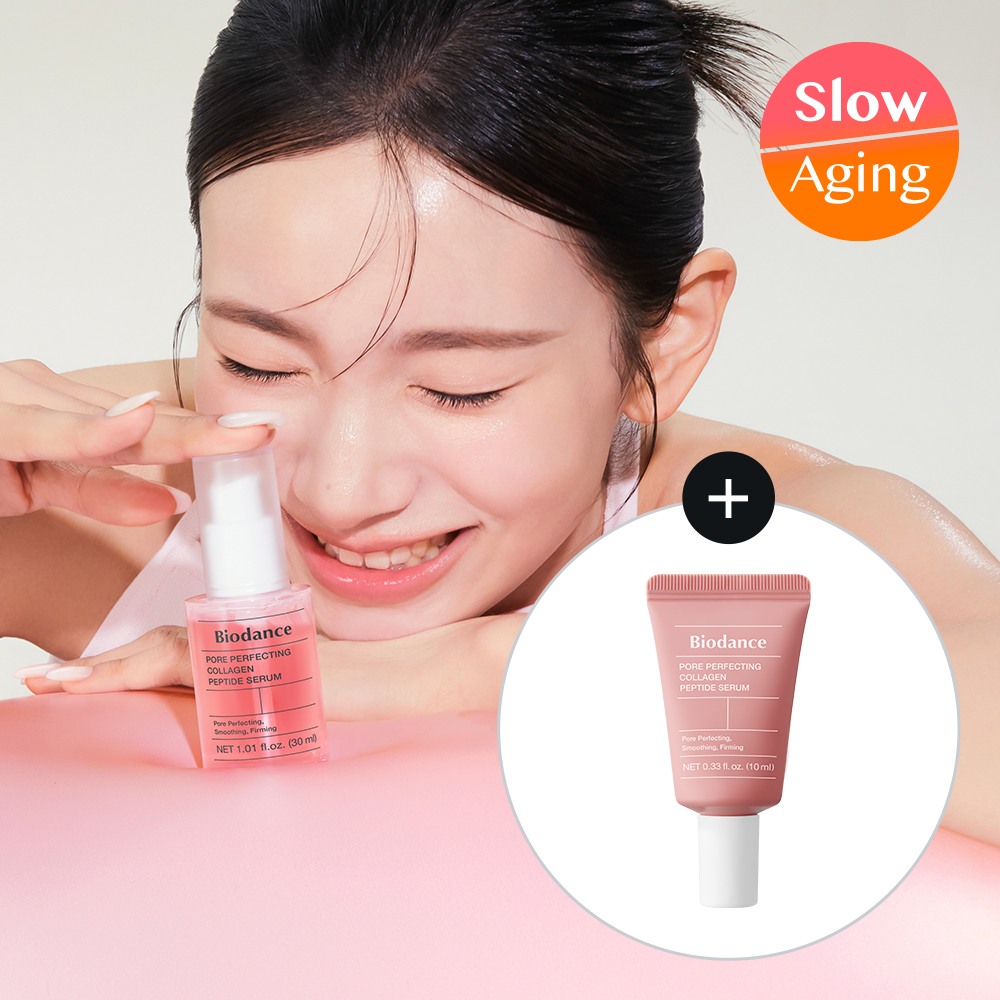
Pore Perfecting Collagen Peptide Serum Set
Biodance
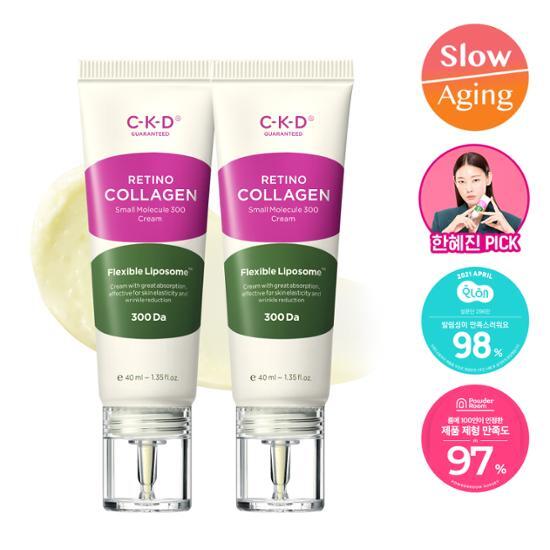
Retino Collagen Small Molecule 300 Cream
CKD
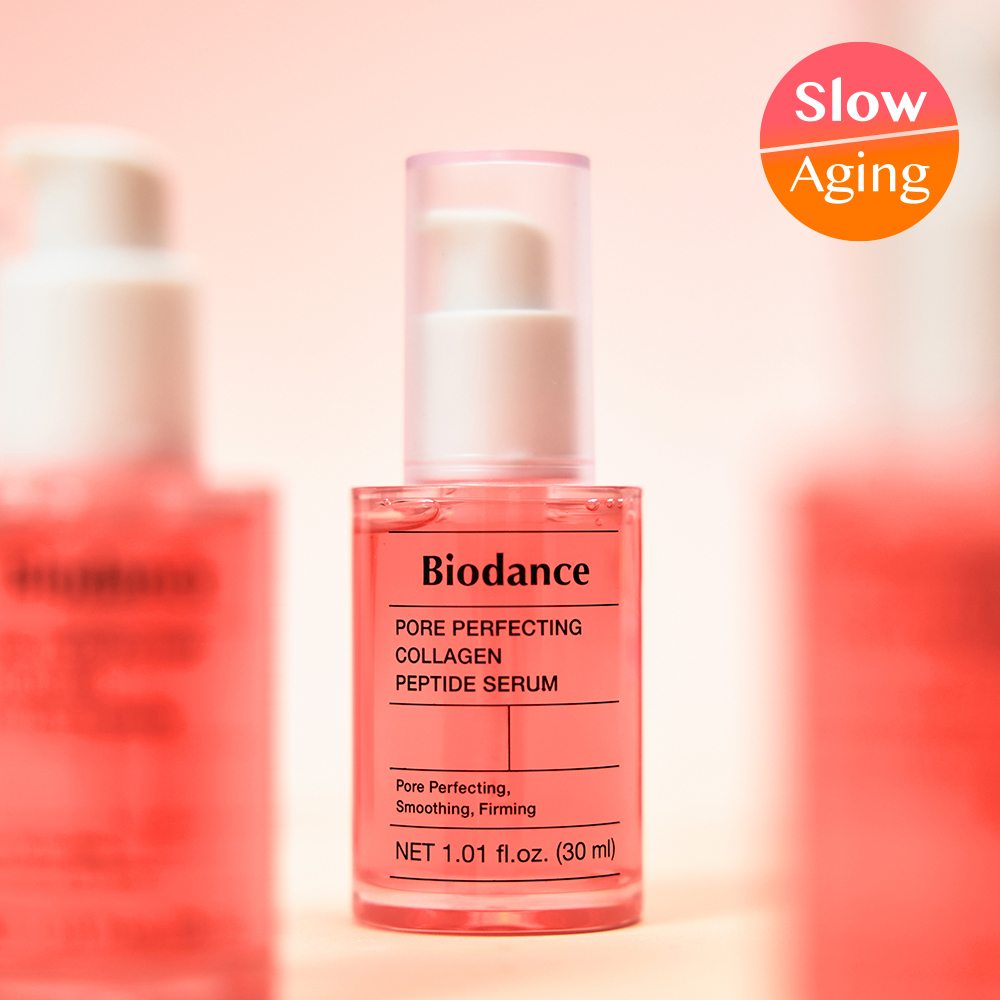
Pore Perfecting Collagen Peptide Serum
Biodance
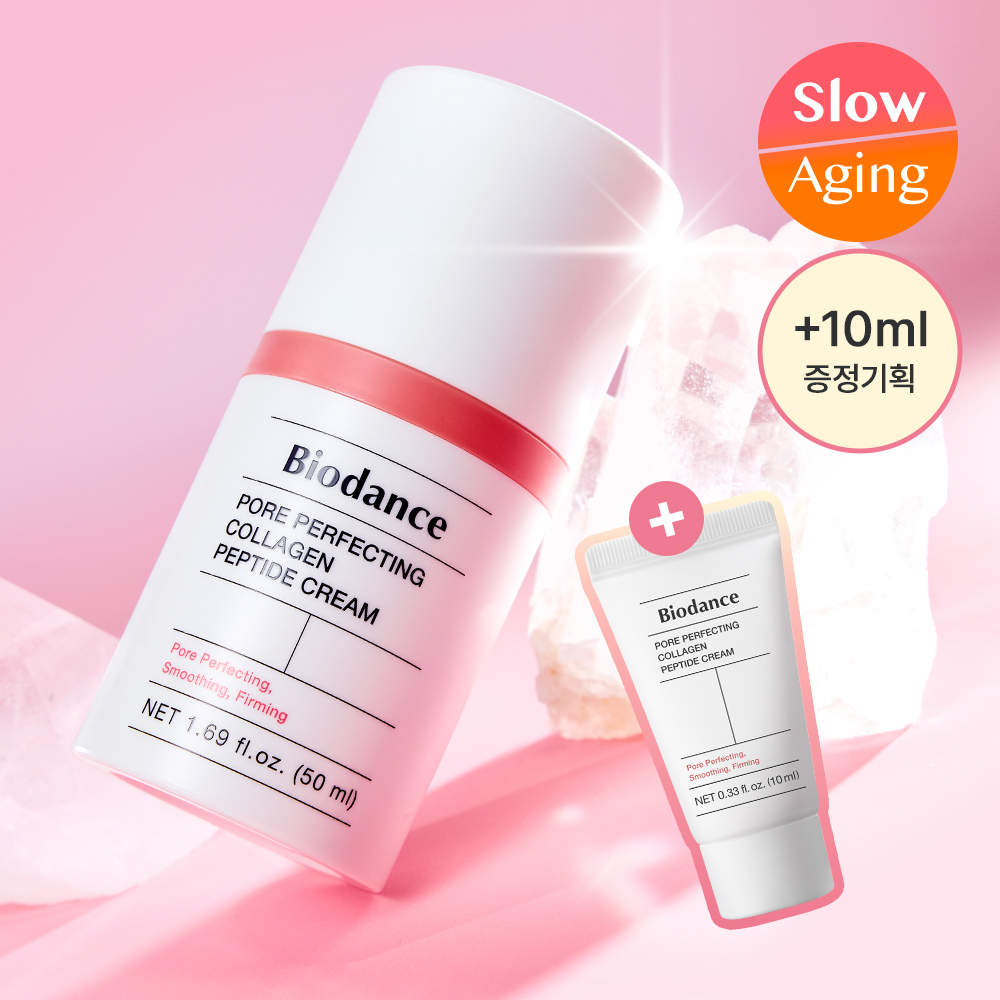
Pore Perfecting Collagen Peptide Cream Set
Biodance
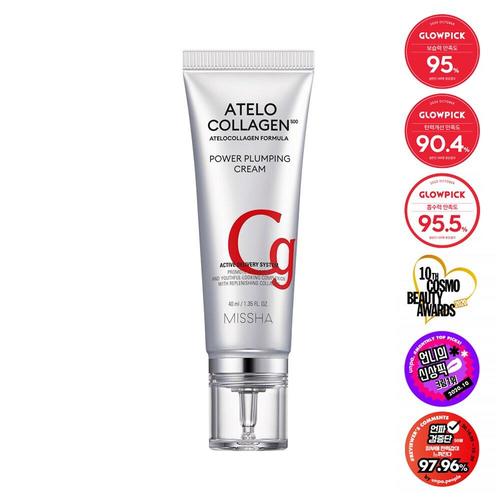
Atelo Collagen 500 Power Plumping Cream
MISSHA
Frequently Asked Questions
Can topical elastin actually restore lost elasticity in aging skin?▼
Is elastin better than collagen in skincare products?▼
Are there vegan alternatives to animal-derived elastin?▼
How quickly can I see results from using elastin products?▼
Explore More
Want personalized ingredient advice?
Yuri, our AI beauty advisor, can tell you how Elastin works with your specific skin type, routine, and concerns.
Ask Yuri, free