Sea Lettuce Extract
INCI: Enteromorpha Compressa Extract
Antioxidant and skin conditioning marine extract
About Sea Lettuce Extract
Sea lettuce extract, derived from the green algae Enteromorpha compressa, is a nutrient-dense marine ingredient that has become increasingly prominent in K-beauty formulations focused on environmental protection and hydration. This edible seaweed thrives in coastal waters and is packed with polysaccharides, minerals, amino acids, and vitamins that mirror the composition of human skin cells, making it highly biocompatible. Korean formulators prize sea lettuce for its dual action as both an antioxidant and humectant, capable of neutralizing free radicals from pollution and UV exposure while simultaneously strengthening the skin's moisture barrier. The extract contains significant levels of magnesium, calcium, and iron alongside bioactive compounds like ulvan, a unique polysaccharide that demonstrates anti-inflammatory properties. In K-beauty's evolving focus on marine biotechnology, sea lettuce represents a sustainable, low-irritation alternative to synthetic actives, with its non-comedogenic profile making it suitable for formulations targeting congested or sensitive skin types. The ingredient's appearance in high-performing products like Aestura's Differensea line and Some By Mi's PDRN serums reflects its credibility among formulators seeking science-backed botanical alternatives.
How Sea Lettuce Extract Works
At the cellular level, sea lettuce extract operates through multiple mechanisms. Its polysaccharide content, particularly ulvan, forms a protective film on the skin's surface that prevents transepidermal water loss while allowing the skin to breathe. These polysaccharides also activate the skin's natural moisturizing factor (NMF) production, encouraging keratinocytes to generate more hygroscopic compounds that bind water molecules. The extract's antioxidant capacity comes from its phenolic compounds and chlorophyll derivatives, which donate electrons to neutralize reactive oxygen species (ROS) generated by UV radiation and pollution. This electron donation breaks the chain reaction of oxidative stress that leads to collagen degradation and premature aging. Additionally, sea lettuce's mineral profile supports enzymatic processes involved in skin repair and barrier function. The magnesium content helps regulate cellular energy production, while zinc compounds support protein synthesis necessary for maintaining structural integrity. The extract's amino acid profile provides building blocks for ceramide synthesis, reinforcing the lipid matrix between skin cells and improving overall barrier resilience.
Sea Lettuce Extract by Skin Type
Oily Skin
Sea lettuce extract is excellent for oily skin due to its completely non-comedogenic nature (0/5 rating) and lightweight hydration. The extract delivers moisture without adding oils or occlusives that could trigger breakouts, while its mineral content helps regulate sebum production. Its antioxidant properties also protect against the oxidative stress that can exacerbate inflammatory acne.
Dry Skin
This marine extract is particularly beneficial for dry skin types, as its polysaccharides create a moisture-retaining film while stimulating the skin's natural hydration mechanisms. The humectant properties draw water into the upper layers of the epidermis, providing immediate plumping effects. Products like Centellian24's Differensea Melting Cream leverage sea lettuce's ability to support long-term barrier repair, addressing the root causes of chronic dryness.
Combo Skin
Combination skin responds well to sea lettuce extract because it hydrates without overloading T-zone areas prone to congestion. The extract's balanced approach provides moisture where needed (cheeks, around eyes) without triggering excess sebum production in oilier areas. Its anti-inflammatory properties also help manage the uneven texture common in combination skin types.
Sensitive Skin
Sea lettuce extract is highly suitable for sensitive skin, with its gentle marine origin and anti-inflammatory compounds helping to calm reactivity. The ulvan polysaccharides have documented soothing effects on irritated skin, making this ingredient a smart choice in products like Beplain's Blue Freedom line designed for compromised barriers. Its biocompatibility means minimal risk of allergic reactions compared to more complex botanical extracts.
Normal Skin
For normal skin, sea lettuce extract serves as preventative maintenance, providing antioxidant protection against environmental stressors that could disrupt skin balance over time. It supports the existing healthy barrier function while adding a boost of hydration. Products like Wonder Bath's Packcleanser use sea lettuce as part of a comprehensive approach to maintaining skin equilibrium and preventing future concerns.
How to Use Sea Lettuce Extract
- 1Layer sea lettuce products after toners but before heavier creams to maximize the humectant effect, as damp skin helps polysaccharides draw in more moisture.
- 2Use sea lettuce-containing products both morning and night since the antioxidant protection works synergistically with sunscreen during the day and supports overnight repair processes.
- 3If you live in a polluted urban environment, prioritize sea lettuce extracts in your routine as they specifically combat oxidative stress from particulate matter and environmental toxins.
- 4Sea lettuce pairs well with other marine ingredients (like spirulina in the Some By Mi serum) for amplified skin barrier benefits without overwhelming sensitive skin.
Background
Sea lettuce has been consumed as food in coastal Asian communities for centuries, particularly in Korea, Japan, and China where it's known for its nutritional density. Korean traditional medicine recognized seaweed varieties for their cooling and detoxifying properties, though topical skincare applications are relatively modern. The ingredient gained scientific attention in the early 2000s when marine biotechnology research revealed the unique polysaccharide structures in green algae that closely resemble human glycosaminoglycans. K-beauty brands began incorporating sea lettuce extract around 2015 as part of the broader marine ingredient trend, with formulators drawn to its sustainability profile (it's fast-growing and requires no pesticides) and its alignment with Korean skincare's emphasis on gentle, moisture-focused approaches. The Differensea line by Aestura, launched in recent years, represents the culmination of this research, using sea lettuce as a cornerstone ingredient in formulations targeting modern skin concerns like pollution damage and barrier dysfunction.
K-Beauty Products with Sea Lettuce Extract
View all 16 →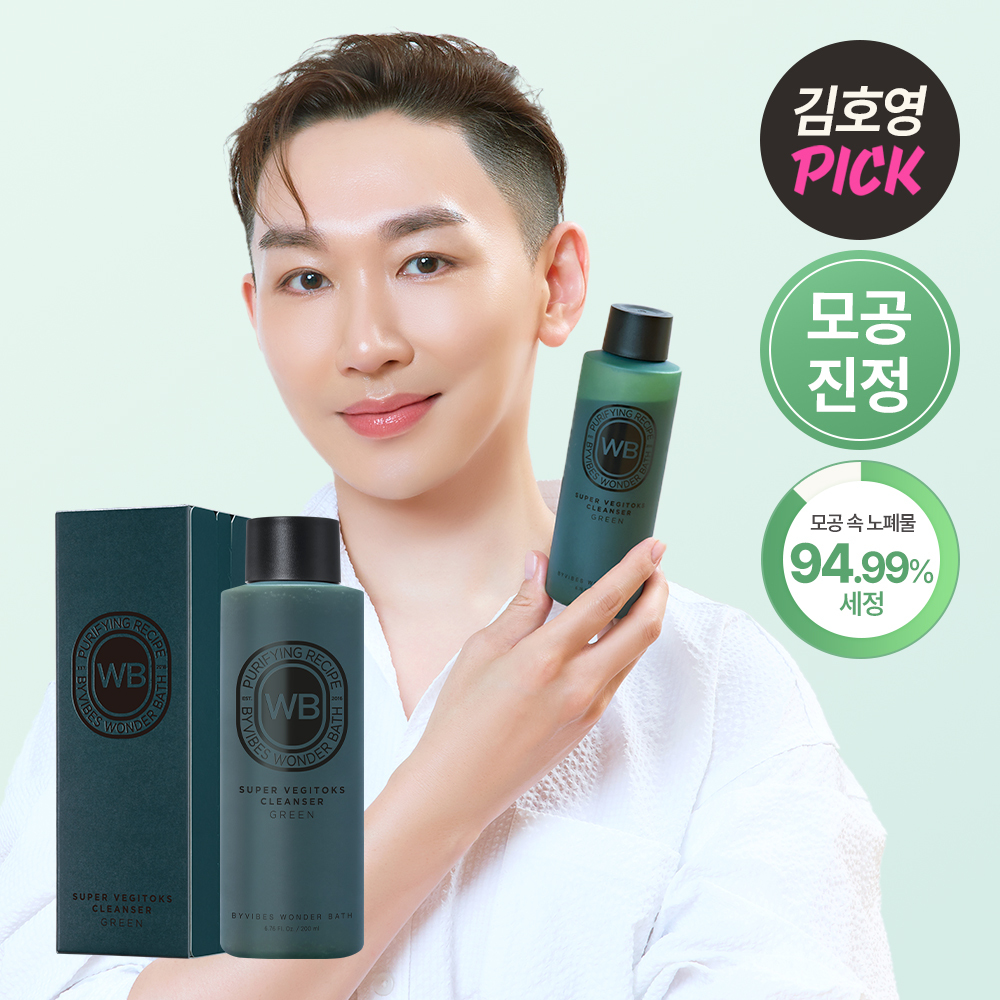
Wonder Bath Super Vegitoks Packcleanser
Chosungah Beauty
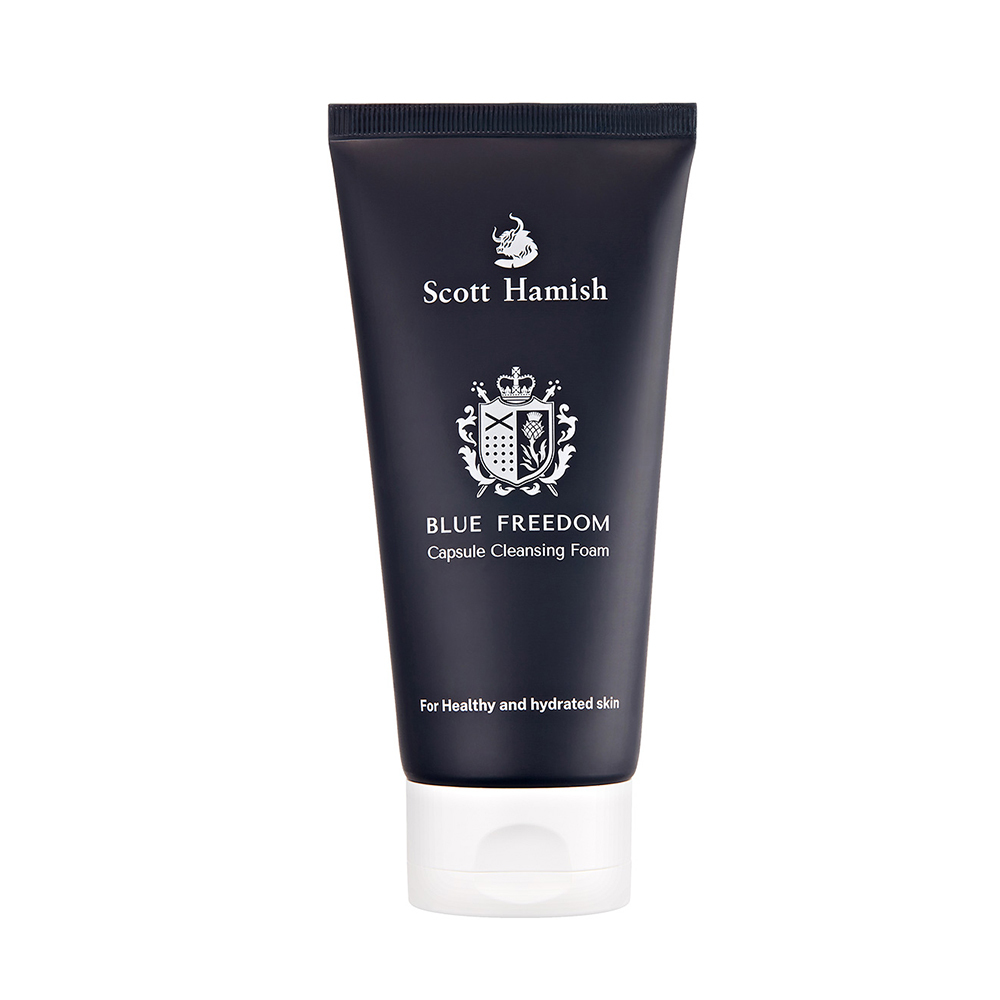
Blue Freedom Capsule Cleansing Foam
Beplain
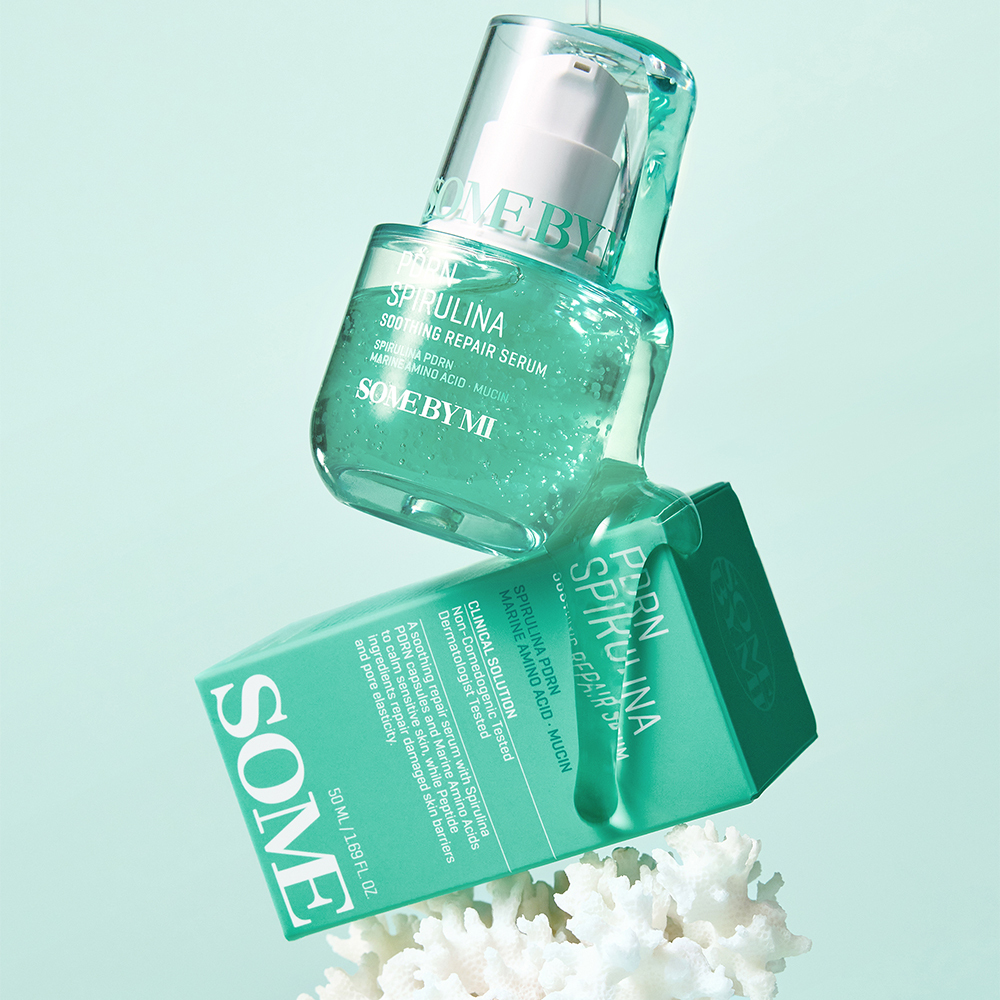
PDRN Spirulina Soothing Repair Serum
Some By Mi
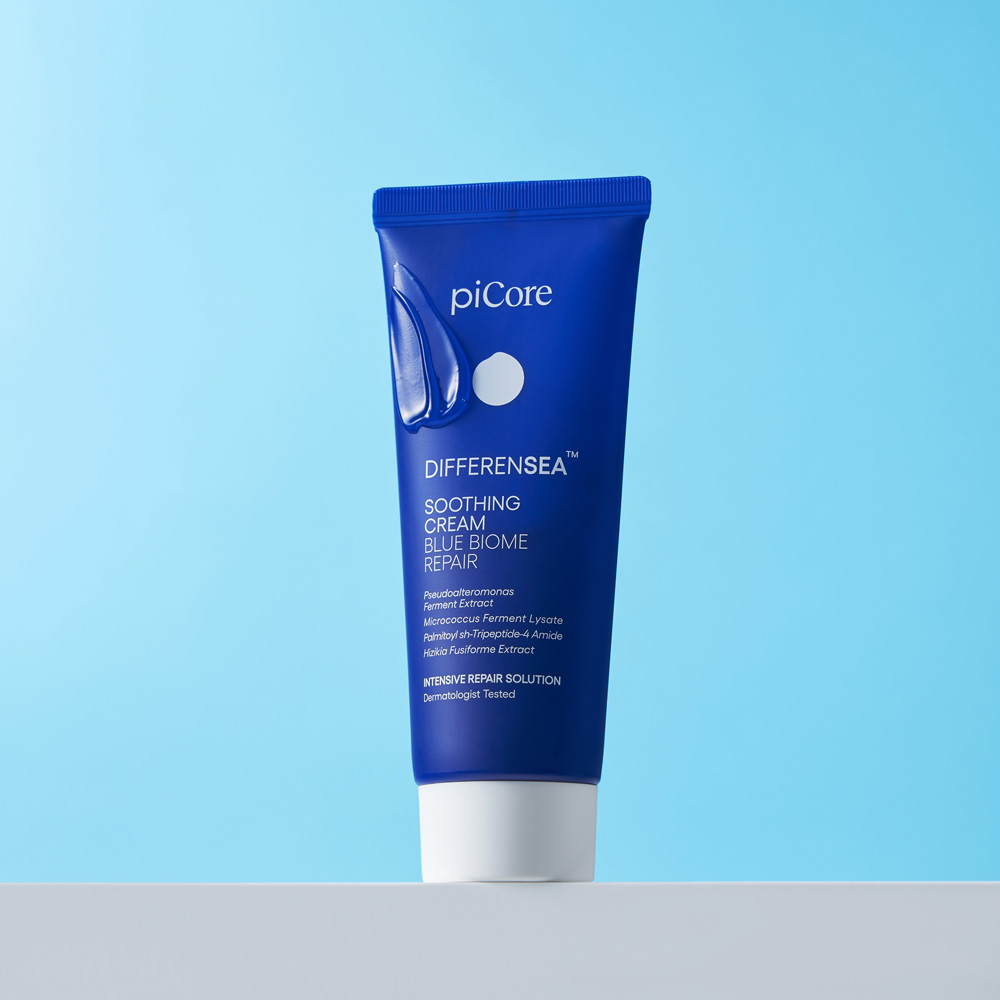
Differensea Blue Biome Repair Soothing Cream
Aestura
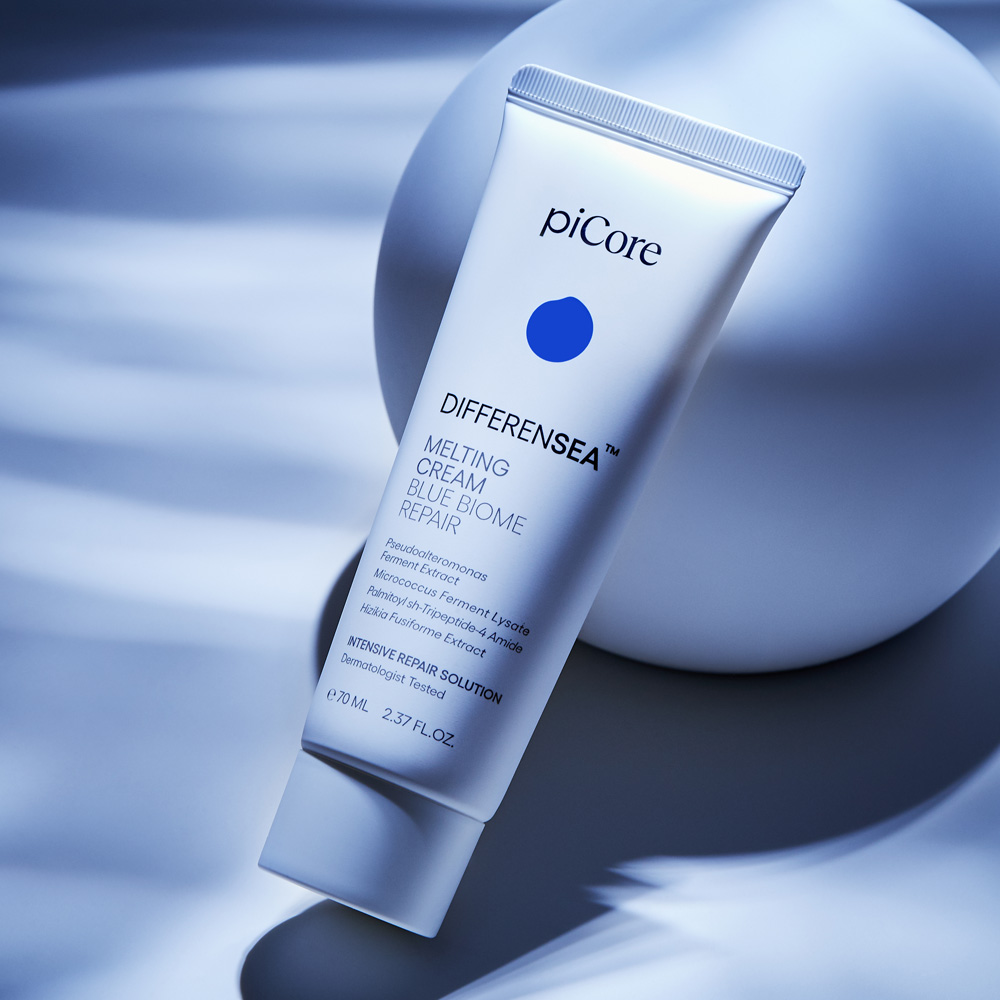
Differensea Blue Biome Repair Melting Cream
Centellian24
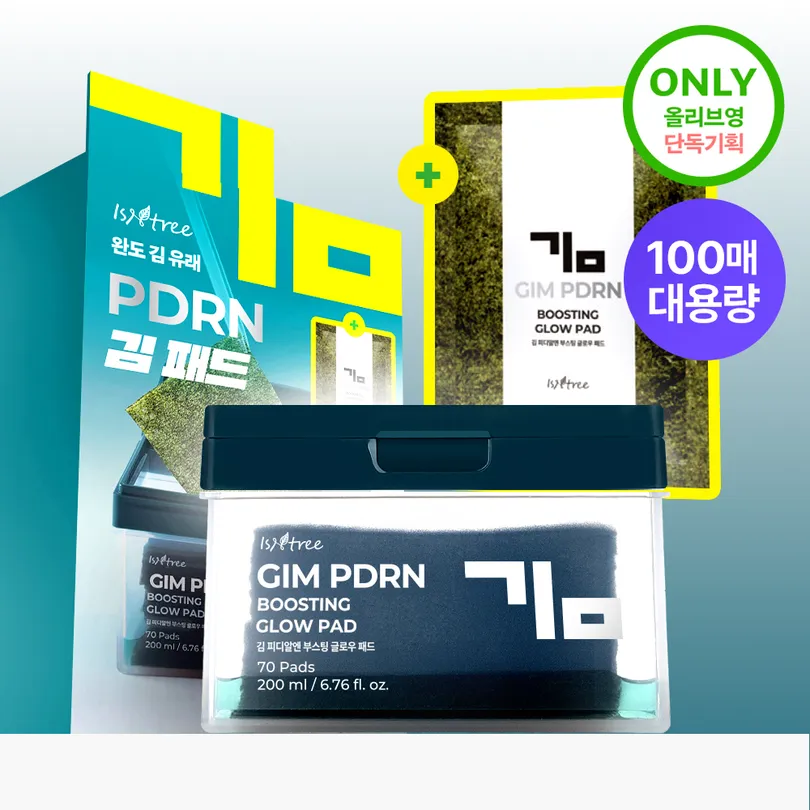
GIM PDRN Boosting Glow Pad
Isntree
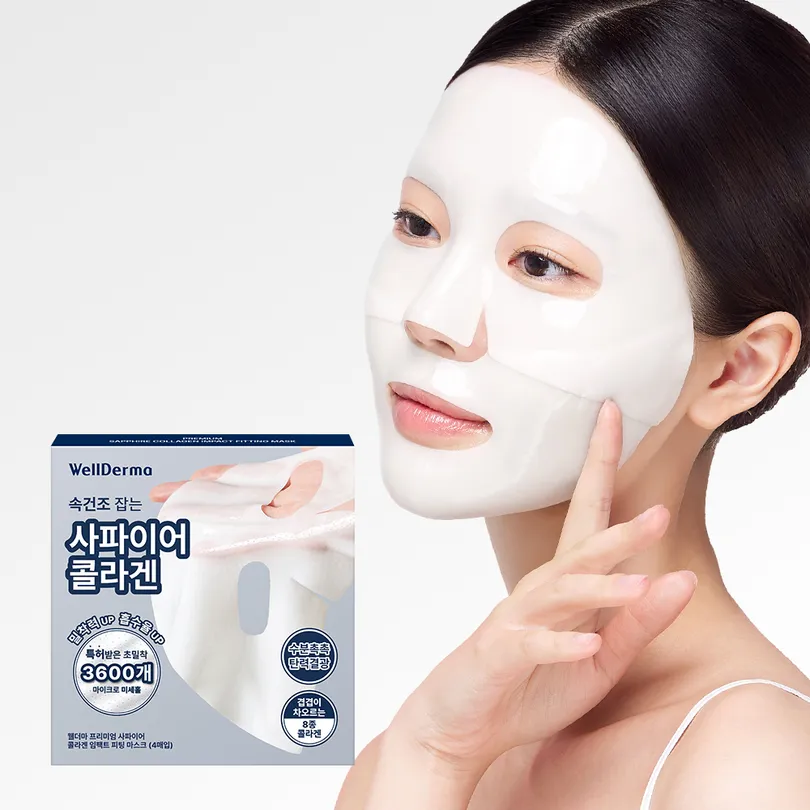
Sapphire Collagen Impact Fitting Mask Sheet 4ea
Wellderma
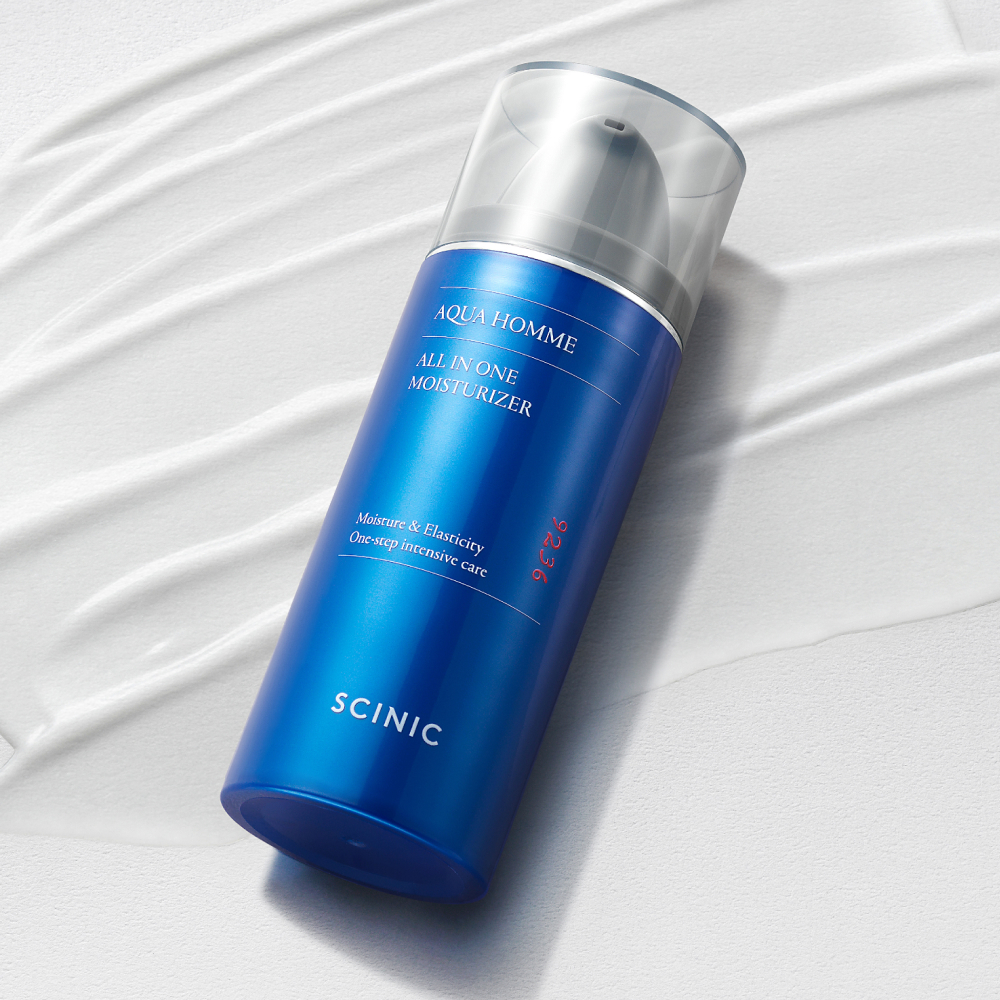
Aqua Homme All In One Moisturizer
Scinic
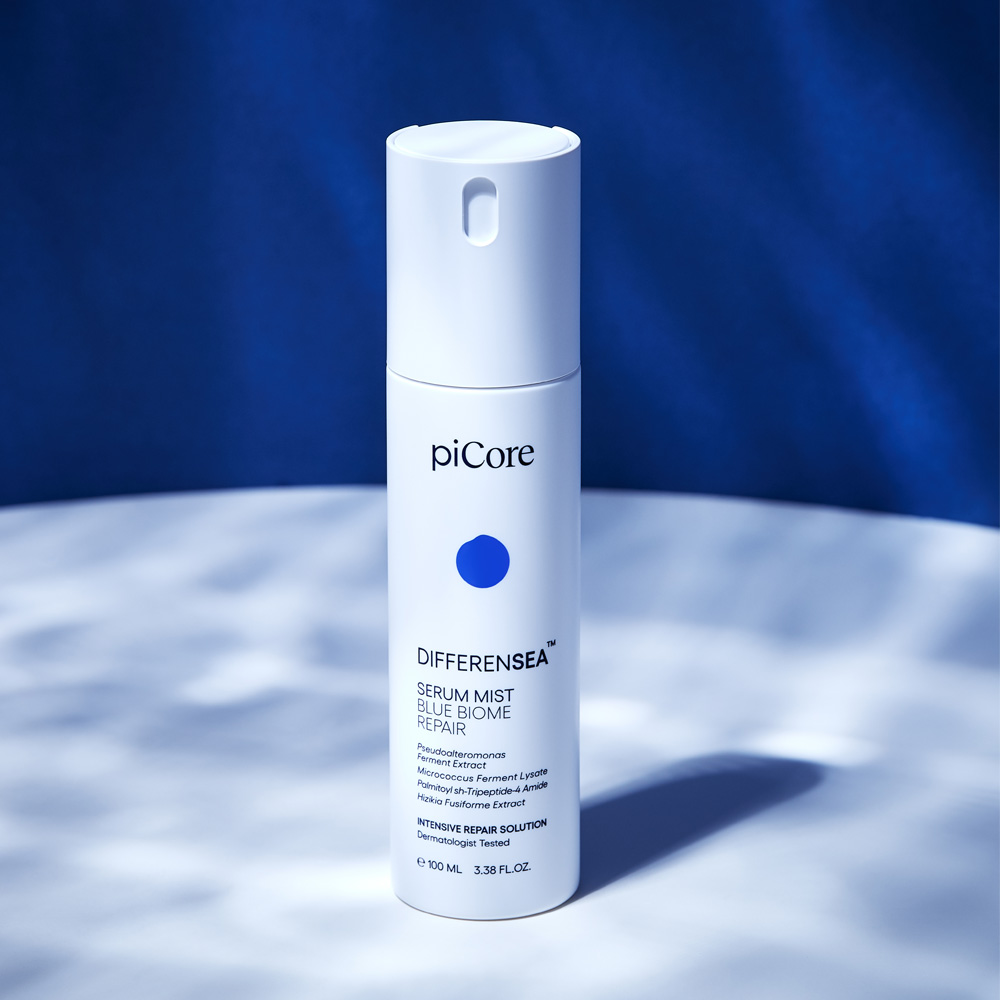
Differensea Blue Biome Repair Serum Mist
Medicube
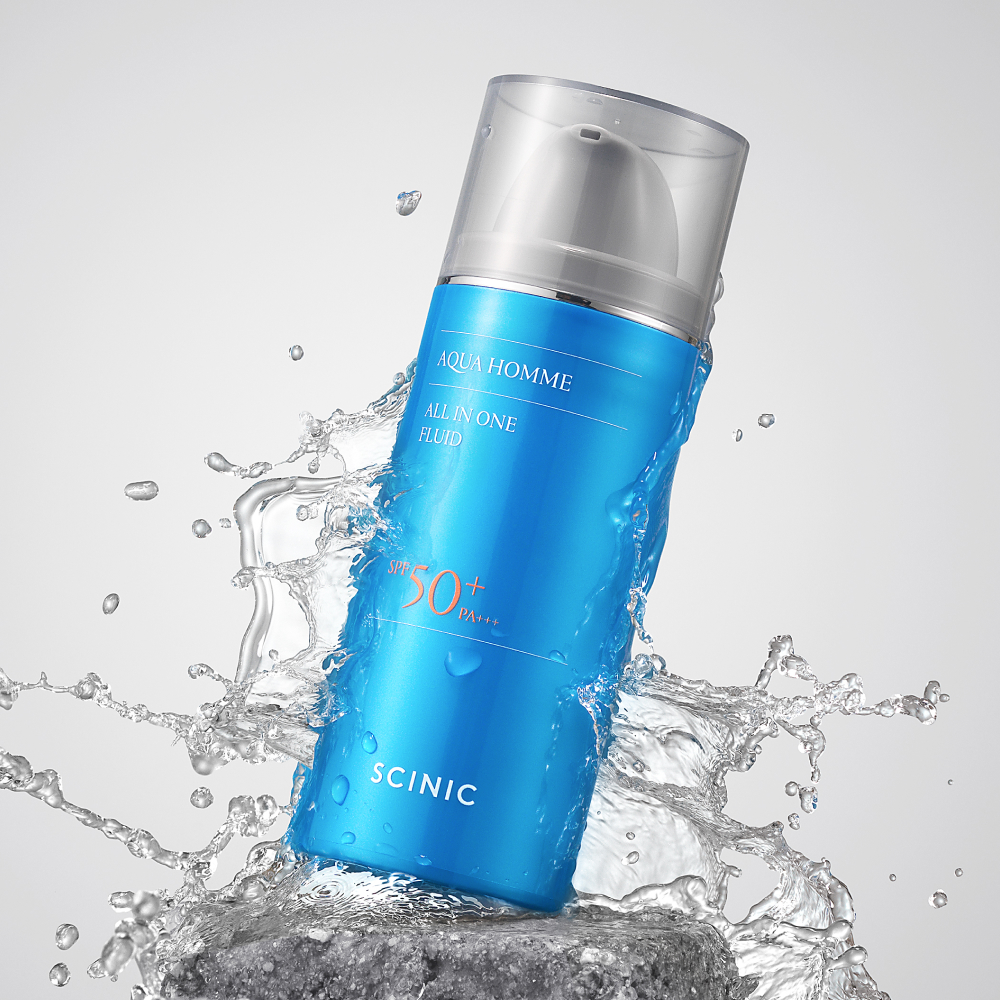
Aqua Homme All In One Fluid
Scinic

Marine Care Eye Cream
Heimish
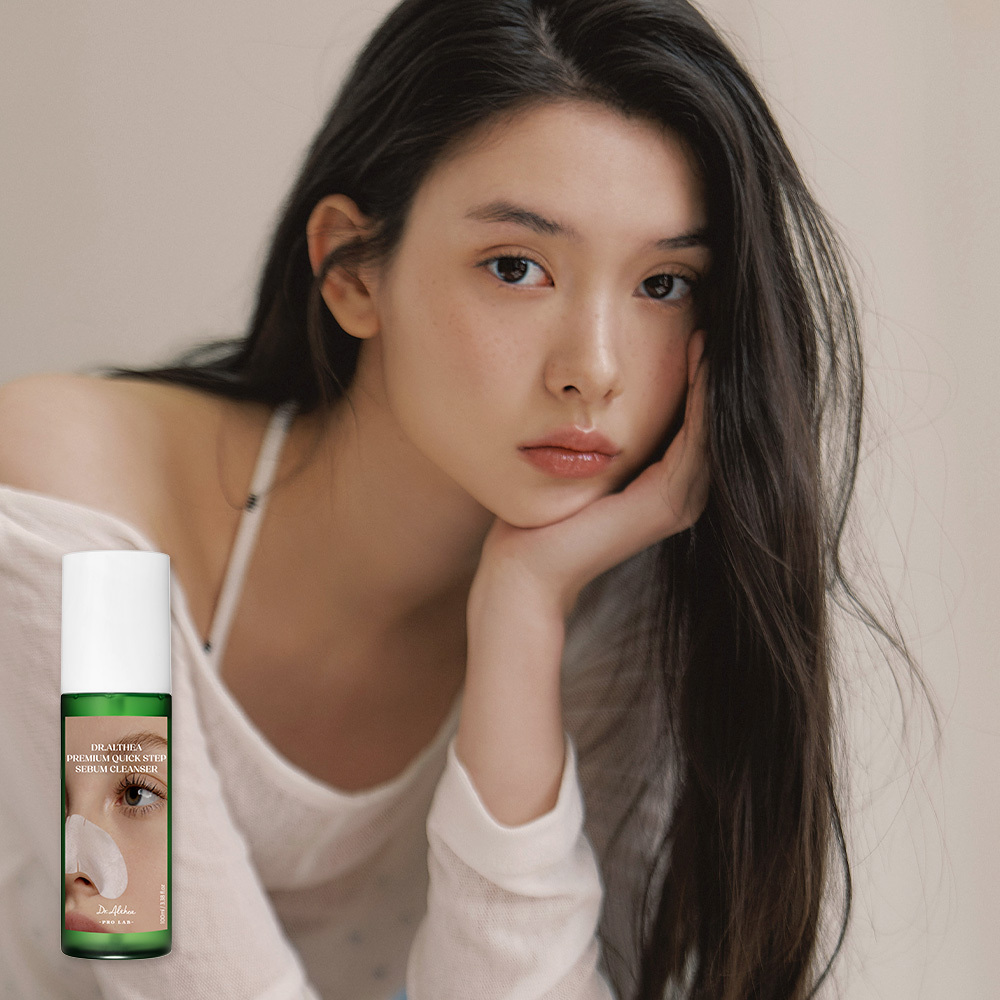
Premium Quick Step Sebum Cleanser
Dr. Althea
Frequently Asked Questions
Is sea lettuce extract effective enough to see real results, or is it just a trendy marine ingredient?▼
Can sea lettuce extract cause breakouts or clog pores?▼
How does sea lettuce extract compare to other seaweed ingredients like kelp or spirulina?▼
Will sea lettuce extract work in both humid and dry climates?▼
Explore More
Want personalized ingredient advice?
Yuri, our AI beauty advisor, can tell you how Sea Lettuce Extract works with your specific skin type, routine, and concerns.
Ask Yuri, free