EGCG (Green Tea Catechin)
INCI: Epigallocatechin Gallate
Potent antioxidant and anti-inflammatory agent
About EGCG (Green Tea Catechin)
EGCG (epigallocatechin gallate) is the most powerful catechin found in green tea, accounting for up to 50% of its total polyphenol content. This superstar antioxidant has become a K-beauty favorite because it delivers triple-threat benefits: antioxidant protection, anti-inflammatory calming, and visible anti-aging results. Think of EGCG as your skin's personal bodyguard against environmental damage. It neutralizes free radicals from UV exposure and pollution before they can break down collagen and trigger premature aging. But unlike many antioxidants that just defend, EGCG actively helps repair existing damage by supporting cellular regeneration and reducing chronic inflammation that ages skin over time. Korean skincare brands have mastered extracting and stabilizing this delicate ingredient, often pairing it with other tea-derived compounds like matcha powder for synergistic effects. With a comedogenic rating of 0/5, EGCG works beautifully across all skin types without clogging pores. You'll find it in everything from lightweight ampoules like House of Hur's Phyto Brew Matcha Ampoule (4.9/5) to hybrid textures like their Matcha Dual Cream And Gel (5.0/5), where it delivers concentrated benefits without heaviness. The safety rating of 4/5 reflects its excellent tolerance profile, though proper formulation matters since pure EGCG can oxidize quickly when exposed to light and air.
How EGCG (Green Tea Catechin) Works
EGCG works at the cellular level by donating electrons to unstable free radical molecules, neutralizing them before they can damage your skin's DNA, lipids, and proteins. This electron donation is what makes it such a potent antioxidant, measuring significantly higher on the ORAC scale than vitamins C and E. Beyond its defensive antioxidant action, EGCG modulates inflammatory pathways by inhibiting the activation of NF-kB, a protein complex that triggers inflammatory responses in skin cells. This makes it especially effective at calming redness, reducing acne-related inflammation, and preventing the chronic low-level inflammation that accelerates aging. EGCG also inhibits the enzyme collagenase, which breaks down collagen fibers, helping preserve skin firmness and elasticity. Research shows it can reduce sebum production by modulating androgen activity in sebaceous glands, making it valuable for oily and acne-prone skin. Additionally, EGCG demonstrates photoprotective properties by absorbing UV radiation and reducing the formation of sunburn cells, though it should complement, not replace, traditional sunscreen (like in La'dor's Tamanu Airy Sunscreen, 5.0/5, which uses EGCG as a supportive antioxidant layer).
EGCG (Green Tea Catechin) by Skin Type
Oily Skin
EGCG is particularly beneficial for oily skin due to its ability to regulate sebum production and reduce the size of enlarged pores. Its anti-inflammatory properties help calm active breakouts while the antioxidant action prevents post-acne hyperpigmentation. The non-comedogenic nature (0/5 rating) means it delivers powerful benefits without adding congestion.
Dry Skin
While EGCG doesn't directly hydrate, it protects dry skin from oxidative stress that can compromise the moisture barrier. Look for formulations that pair EGCG with hydrating ingredients like bifida ferment (as in ma:nyo's Bifida Biome Complex Ampoule, 4.8/5). The anti-inflammatory benefits also help soothe the irritation that often accompanies dryness.
Combo Skin
EGCG is ideal for combination skin because it addresses multiple concerns without overloading any area. It controls excess oil in the T-zone while providing antioxidant protection to drier cheek areas. Hybrid textures like House of Hur's Matcha Dual Cream And Gel (5.0/5) let you customize application, using more of the gel portion on oily zones and cream on dry patches.
Sensitive Skin
The anti-inflammatory properties of EGCG make it genuinely soothing for sensitive skin, helping reduce reactivity and redness. However, sensitive skin should introduce EGCG gradually, as high concentrations in poorly formulated products can occasionally cause irritation. Products that combine EGCG with other calming ingredients like centella (see Centellian24's Madeca Matcha Toning Peeling Gel, 4.8/5) offer a gentler entry point.
Normal Skin
Normal skin benefits from EGCG's preventative anti-aging and protective antioxidant properties. It helps maintain the balanced state your skin already enjoys while defending against environmental damage that could disrupt it over time. This is an ingredient to start using in your early to mid-twenties as part of a proactive skincare approach.
How to Use EGCG (Green Tea Catechin)
- 1Apply EGCG products in the morning under sunscreen to maximize photoprotective benefits, or layer at night to support cellular repair during sleep when inflammation naturally peaks.
- 2Store EGCG products away from direct light and heat, as this antioxidant oxidizes quickly. Opaque or dark glass bottles (common in K-beauty packaging) help preserve potency.
- 3If using multiple antioxidants, apply EGCG before vitamin C serums, as the slightly acidic pH of vitamin C products can enhance EGCG absorption.
- 4For acne-prone skin, focus EGCG application on active breakout zones or apply all over to prevent new blemishes. The sebum-regulating effects become noticeable after 4-6 weeks of consistent use.
- 5Pair EGCG with niacinamide for enhanced brightening effects, or with hyaluronic acid if you have dry skin, since EGCG alone doesn't provide hydration.
Background
Green tea has been used in traditional Chinese and Korean medicine for over 4,000 years, but EGCG as an isolated compound only entered Western scientific literature in the 1980s when researchers began studying why green tea drinkers showed lower rates of certain cancers. Korean skincare brands were early adopters of topical EGCG in the 2000s, drawing on the traditional Korean practice of using green tea rinses for clearer skin and applying cooled tea bags to reduce puffiness. The ingredient gained mainstream K-beauty prominence around 2015 when matcha (finely ground green tea with concentrated EGCG) became a trending ingredient. Brands like House of Hur built entire product lines around maximizing EGCG delivery, using techniques like low-temperature extraction to preserve the delicate catechin structure. Today, Korea leads in EGCG formulation technology, often fermenting green tea to increase bioavailability or pairing it with complementary botanical antioxidants.
K-Beauty Products with EGCG (Green Tea Catechin)
View all 19 →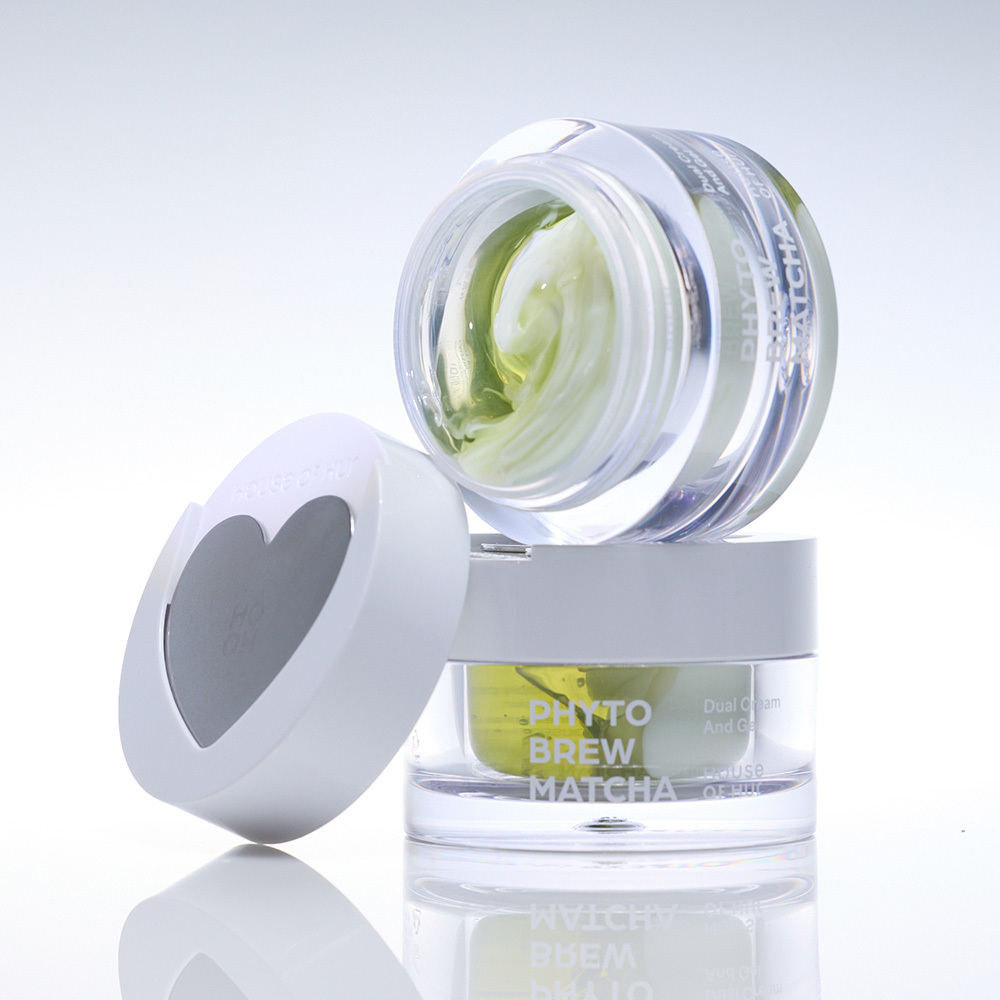
Phyto Brew Matcha Dual Cream And Gel
House of Hur
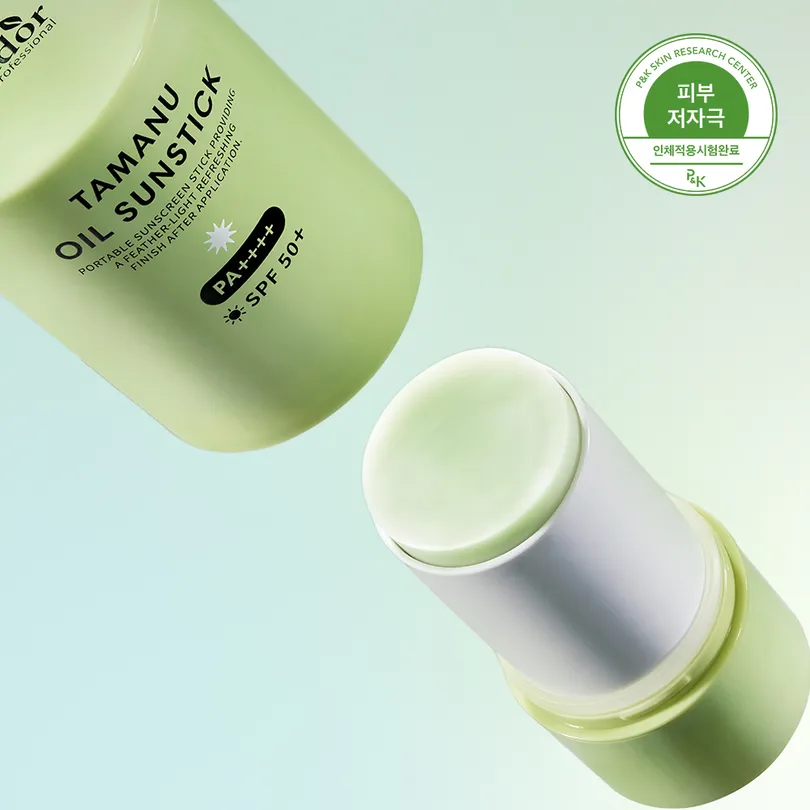
Tamanu Oil Sun Stick
La'dor
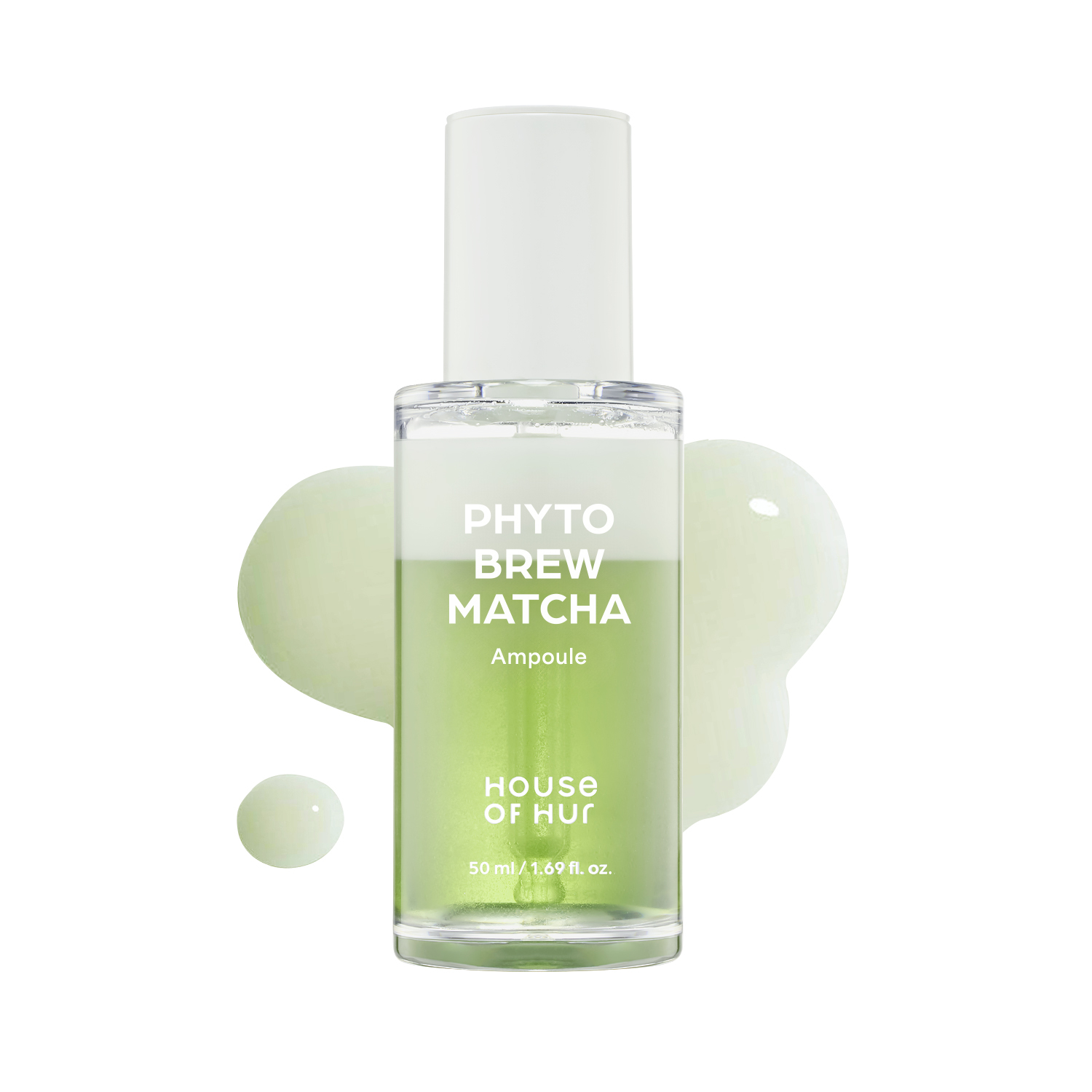
Phyto Brew Matcha Ampoule
House of Hur

Madeca Matcha Toning Peeling Gel
Centellian24

Bifida Biome Complex Ampoule
ma:nyo
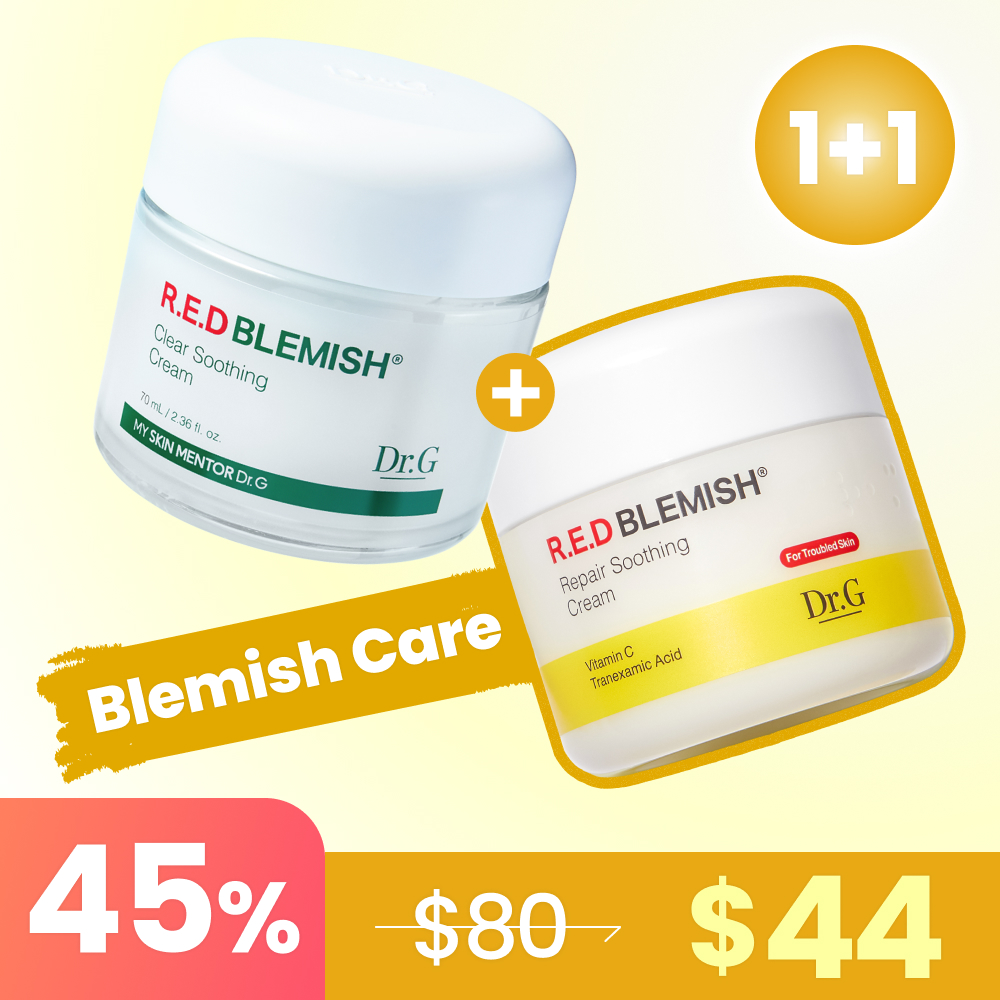
Red Blemish Clear Soothing Cream Duo Set
Dr.G
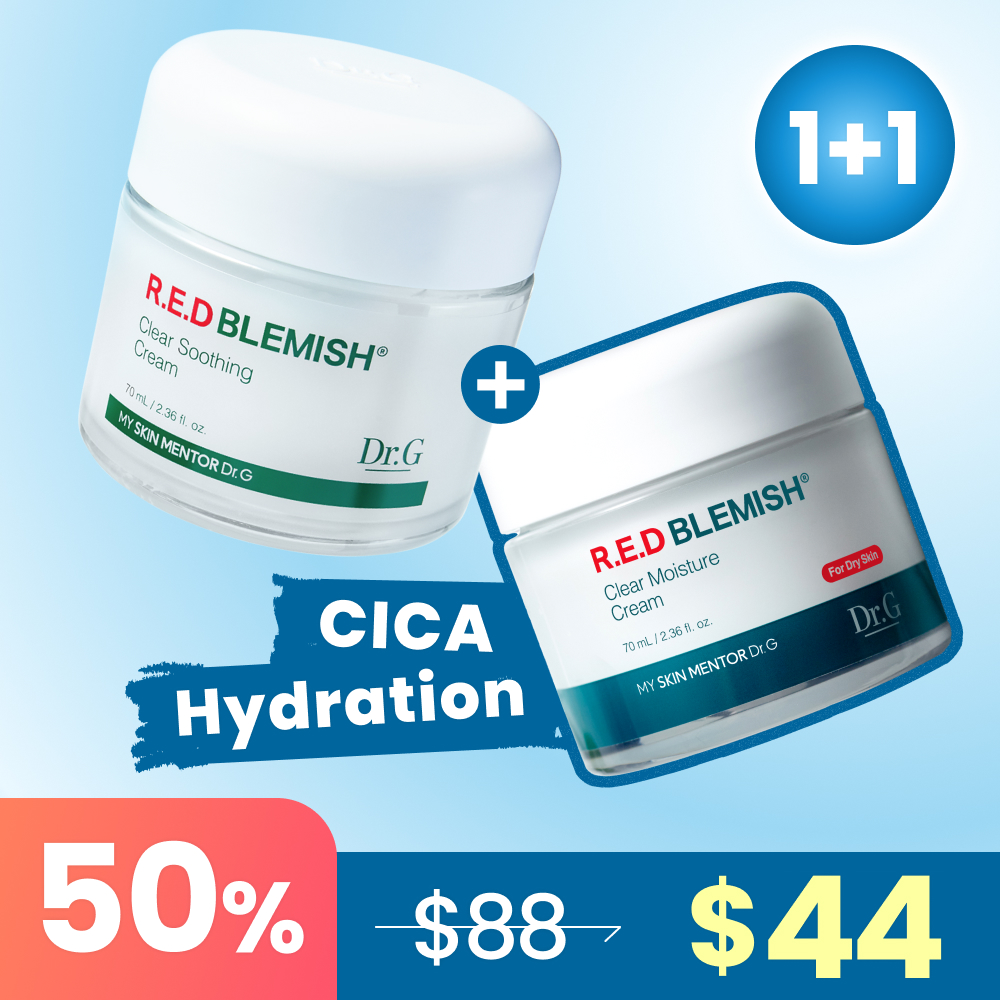
Red Blemish Clear Soothing Cream & Moisture Cream Duo Set
Dr.G
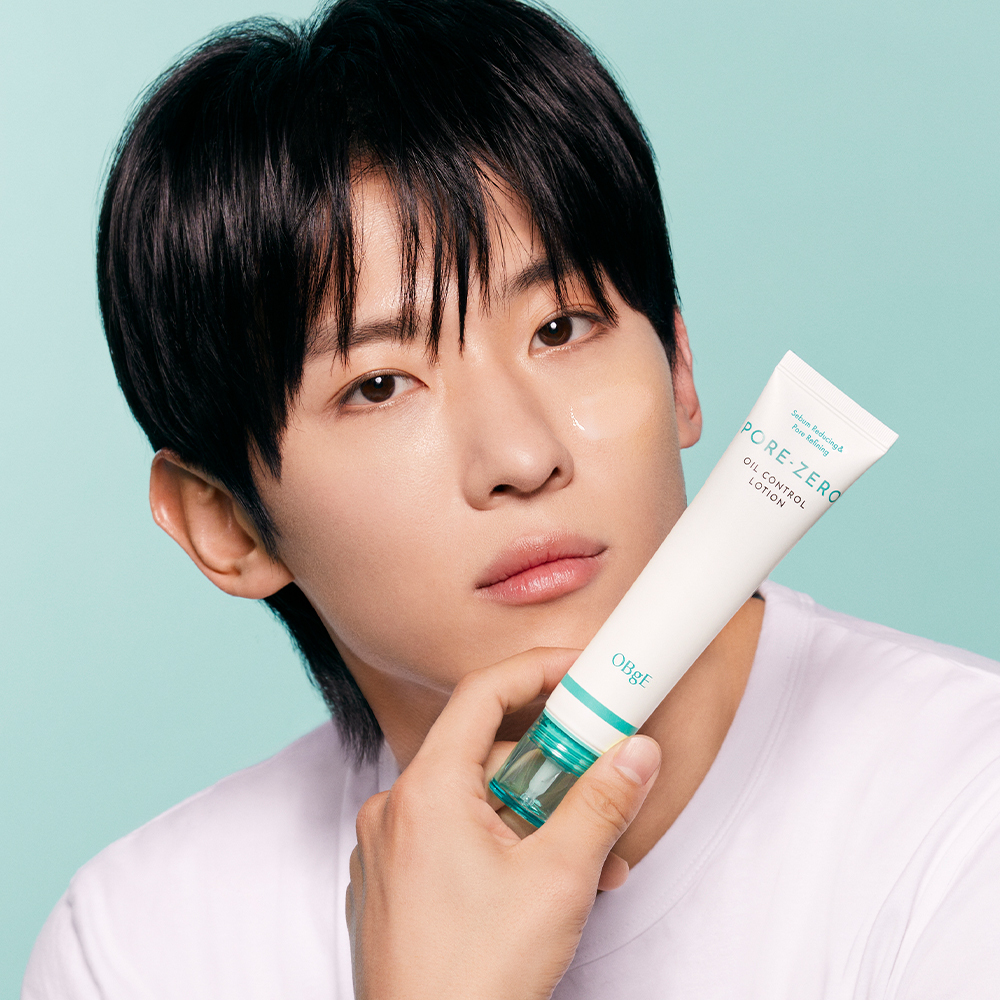
Pore Zero Oil Control Lotion
OBgE
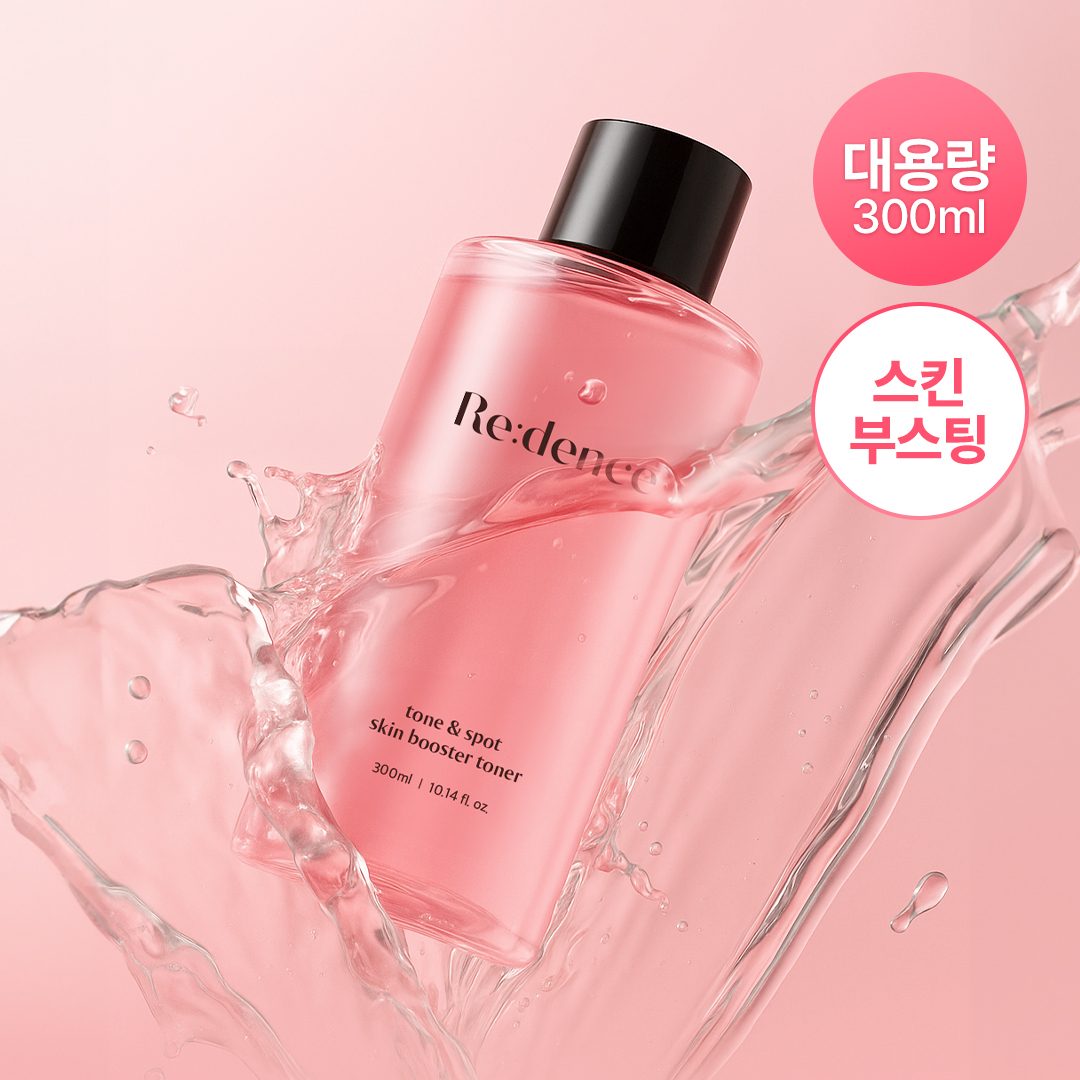
Tone & Spot Skin Booster Toner
Redence
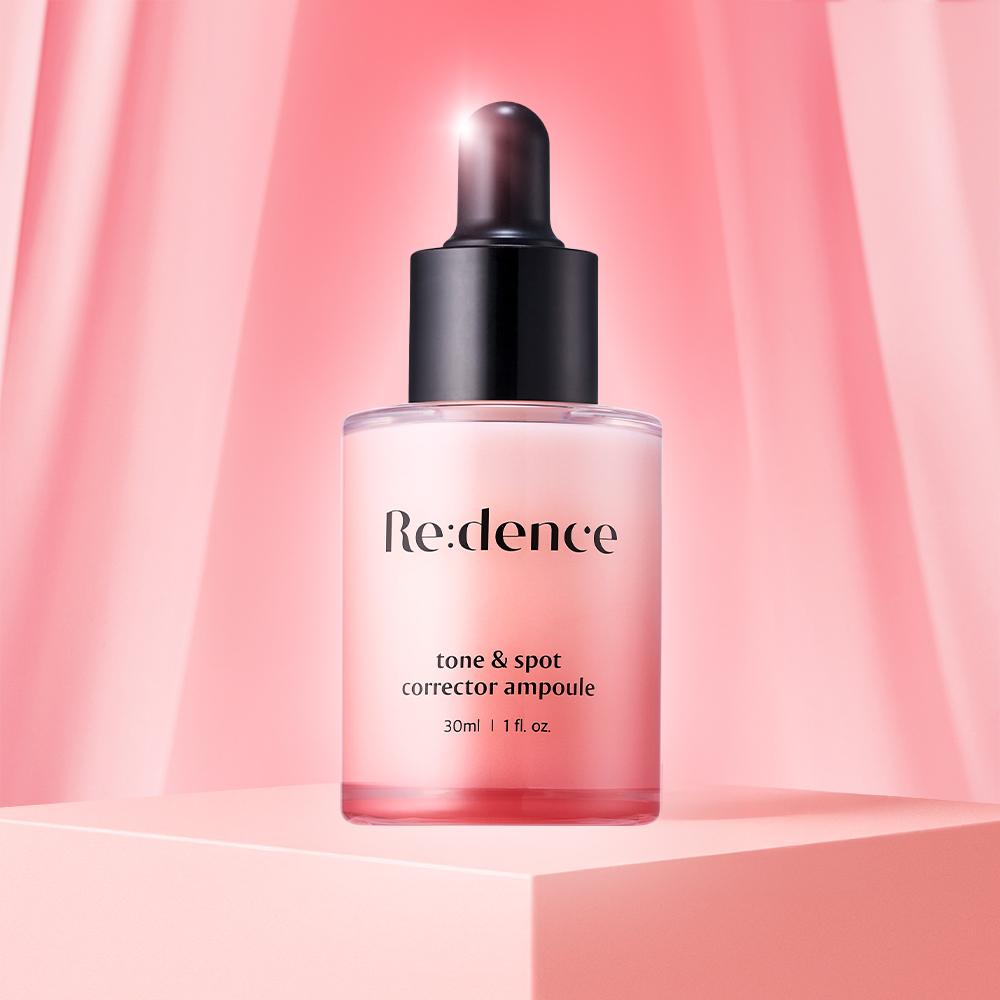
Tone & Spot Corrector Ampoule
Redence
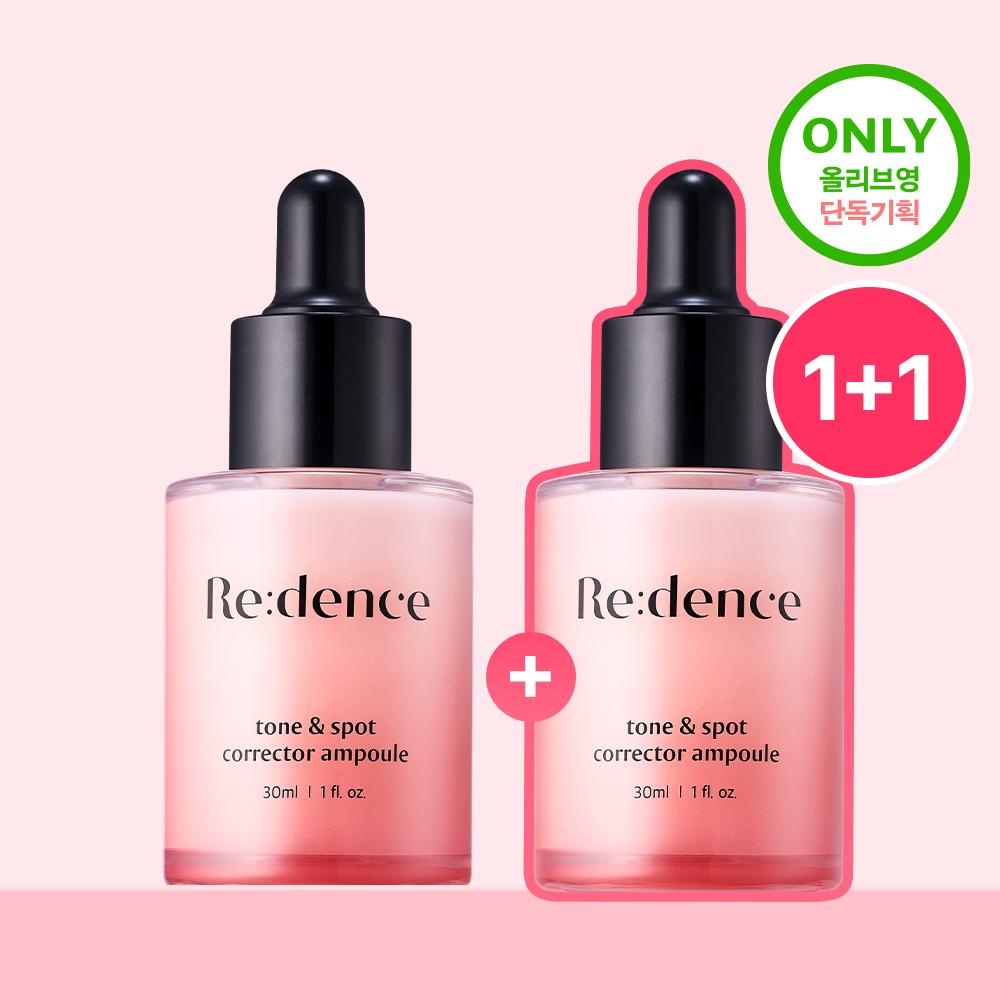
Redence Tone & Spot Corrector Ampoule Double Pack
Anua
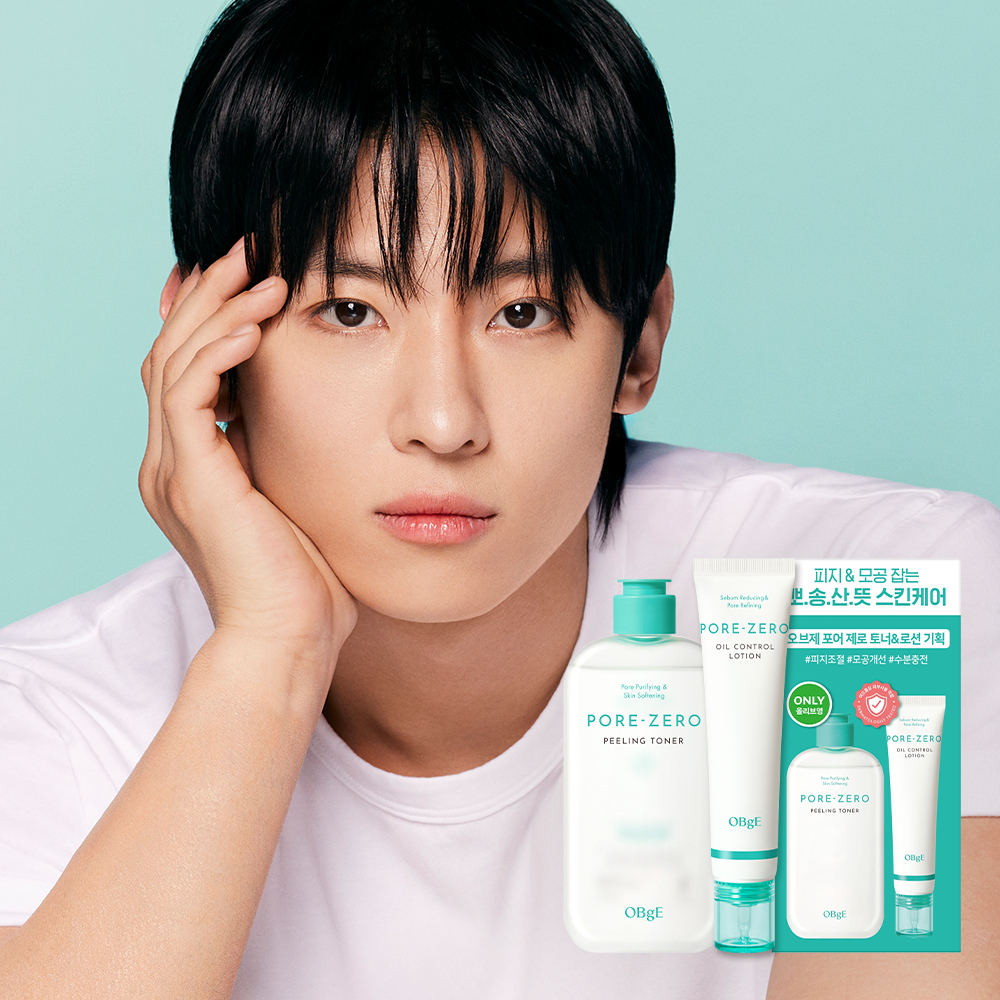
Pore Zero Toner/Lotion 2P Set
OBgE
Frequently Asked Questions
Is EGCG the same as just using green tea extract?▼
Can EGCG replace my vitamin C serum?▼
Why do some EGCG products look brownish or change color?▼
How much EGCG concentration should I look for?▼
Can I use EGCG if I'm pregnant or breastfeeding?▼
Explore More
Want personalized ingredient advice?
Yuri, our AI beauty advisor, can tell you how EGCG (Green Tea Catechin) works with your specific skin type, routine, and concerns.
Ask Yuri, free