Erythritol
Humectant and skin conditioning agent
About Erythritol
Erythritol is a sugar alcohol (polyol) that functions as a gentle humectant and skin conditioning agent in K-beauty formulations. Unlike the erythritol you might find as a sugar substitute in your kitchen, cosmetic-grade erythritol serves as a moisture-binding ingredient that helps skin retain hydration without the sticky or heavy feeling associated with traditional humectants like glycerin. With a perfect safety rating of 5/5 and a non-comedogenic rating of 0/5, it's become a go-to ingredient for Korean skincare brands developing lightweight, breathable formulas that layer well in multi-step routines. Found in 161 products on Seoul Sister, erythritol appears across categories from sheet masks to serums to cleansers, often paired with other actives like peptides, panthenol, and antioxidants. What makes erythritol particularly valuable in K-beauty is its ability to improve product texture and spreadability while delivering real hydration benefits. It creates that coveted essence-like consistency that absorbs quickly without residue, making it ideal for Korean skincare's philosophy of layering multiple products. Brands like NEEDLY, Numbuzin, and DERMALINE incorporate erythritol into high-performing formulations that consistently earn top ratings (4.9-5.0/5 stars), demonstrating its effectiveness across different product formats and skin concerns.
How Erythritol Works
Erythritol works through a dual mechanism that addresses both immediate and sustained hydration needs. As a humectant, it draws water from the environment and deeper skin layers into the stratum corneum (outermost layer of skin), helping to plump and smooth the surface. Its molecular structure contains four hydroxyl groups that form hydrogen bonds with water molecules, allowing it to hold moisture against the skin. Unlike larger humectants that can sometimes pull water from deeper layers and cause dehydration in low-humidity environments, erythritol's smaller molecular weight (122 Da) means it penetrates effectively while maintaining a balanced moisture exchange. Additionally, erythritol functions as a skin conditioning agent by forming a protective film on the skin's surface that reduces transepidermal water loss (TEWL) without creating an occlusive barrier. This allows skin to breathe while staying hydrated. Its cooling effect upon application comes from its slightly endothermic dissolution, which can provide temporary soothing relief to irritated or inflamed skin, making it particularly valuable in calming formulations.
Erythritol by Skin Type
Oily Skin
Erythritol is excellent for oily skin because it provides lightweight hydration without adding heaviness or contributing to excess sebum production. Its non-comedogenic rating of 0/5 means it won't clog pores, and its ability to improve product texture helps serums and creams absorb quickly rather than sitting on the surface. The cooling sensation can also help minimize the appearance of enlarged pores temporarily.
Dry Skin
For dry skin, erythritol works as part of a comprehensive hydration strategy rather than as a standalone solution. It effectively draws moisture into the skin and helps other ingredients penetrate better, but should be paired with occlusives and emollients to prevent moisture loss. Products like Numbuzin's No. 1 Pantothenic B5 Active Soothing Cream combine erythritol with richer moisturizing ingredients for optimal results on dry skin.
Combo Skin
Combination skin benefits significantly from erythritol's balanced hydration approach. It delivers moisture to dry zones without overwhelming oily areas, and its lightweight nature means you can layer it strategically where needed. The non-greasy finish makes it ideal for the multi-product routines that combination skin often requires to address different zones effectively.
Sensitive Skin
Erythritol's perfect 5/5 safety rating and gentle nature make it suitable for sensitive skin. It doesn't cause irritation, and its cooling effect can actually help calm redness and discomfort. Products like NEEDLY's Hya-light Calming mask sheet (5.0/5 rating) demonstrate how erythritol works in soothing formulations designed specifically for reactive skin. Its humectant properties also support barrier function, which is often compromised in sensitive skin types.
Normal Skin
Normal skin can use erythritol-containing products freely to maintain optimal hydration levels and support overall skin health. Its ability to improve product texture and absorption makes daily skincare routines more enjoyable, while its conditioning properties help preserve the balanced state that normal skin naturally possesses. It's particularly useful in maintaining skin resilience against environmental stressors.
How to Use Erythritol
- 1Layer erythritol-containing essences or serums before heavier creams to maximize absorption and create a hydration gradient that locks moisture into skin effectively.
- 2In low-humidity environments (like air-conditioned offices or winter weather), follow erythritol products with an occlusive moisturizer to prevent any potential moisture loss through evaporation.
- 3Use erythritol-based cleansers like Beplain's Vita Rose Serum Jam Pack Cleanser (4.9/5) as a gentle option that cleanses without stripping, leaving skin conditioned rather than tight.
- 4Apply sheet masks containing erythritol (like NEEDLY's 5.0-rated masks) for 15-20 minutes for an instant hydration boost before events or after flights when skin needs quick revival.
- 5Pair erythritol products with other actives like peptides or antioxidants (as seen in DERMALINE's formulations) since erythritol can enhance penetration and overall product performance without causing irritation.
Background
Erythritol was first discovered in the 1840s by Scottish chemist John Stenhouse, though its applications remained largely unexplored for decades. Naturally occurring in fermented foods, fruits like grapes and pears, and even human tissue, erythritol entered commercial production in the 1990s through fermentation of glucose by specific yeasts. While Western markets initially embraced it as a zero-calorie sweetener, Asian countries, particularly Japan and South Korea, pioneered its use in cosmetics. Korean cosmetic chemists recognized erythritol's potential as a humectant that could deliver the lightweight, fast-absorbing textures that define K-beauty. By the 2010s, as K-beauty's global influence expanded, erythritol became a staple in formulations seeking to balance efficacy with sensorial elegance. Its rise coincided with consumer demand for gentle, multi-layerable products that work synergistically in elaborate skincare routines, making it a perfect fit for Korean beauty philosophy.
K-Beauty Products with Erythritol
View all 173 →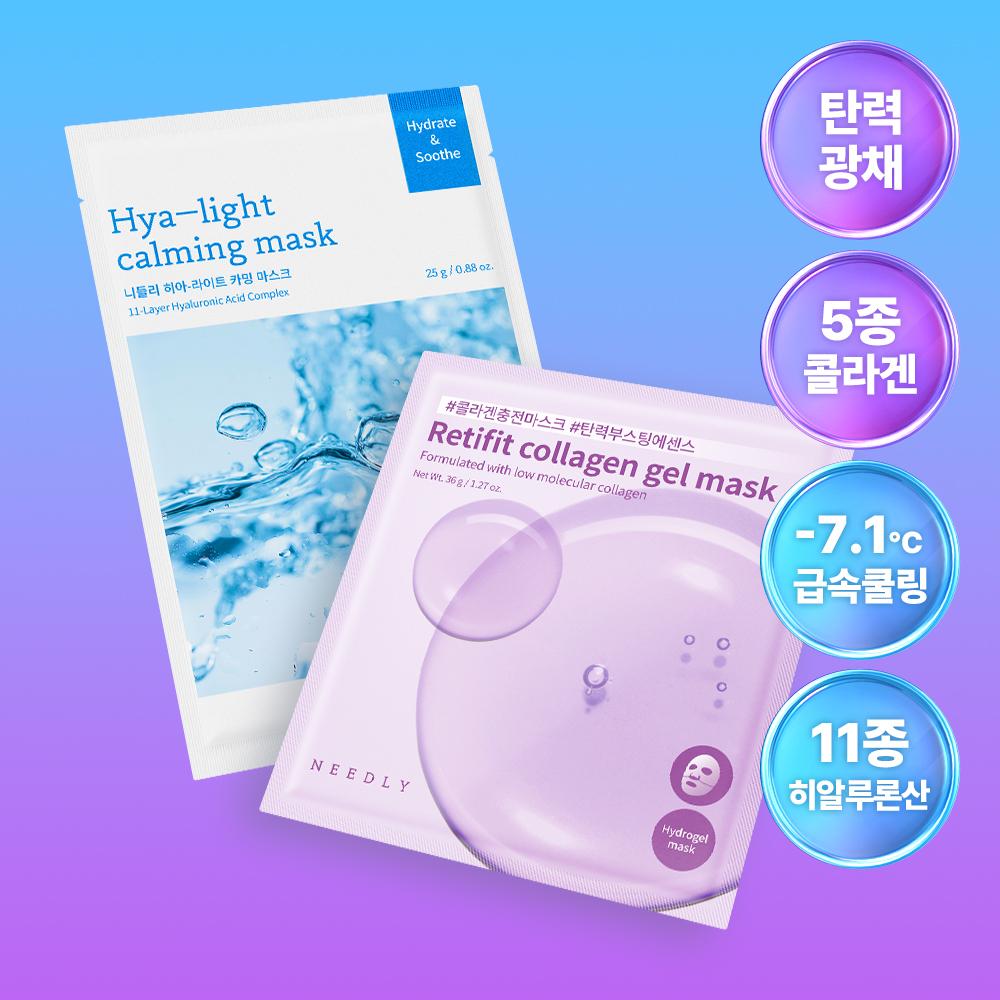
Mask Sheet (Retifit Collagen / Hya-light Calming)
NEEDLY
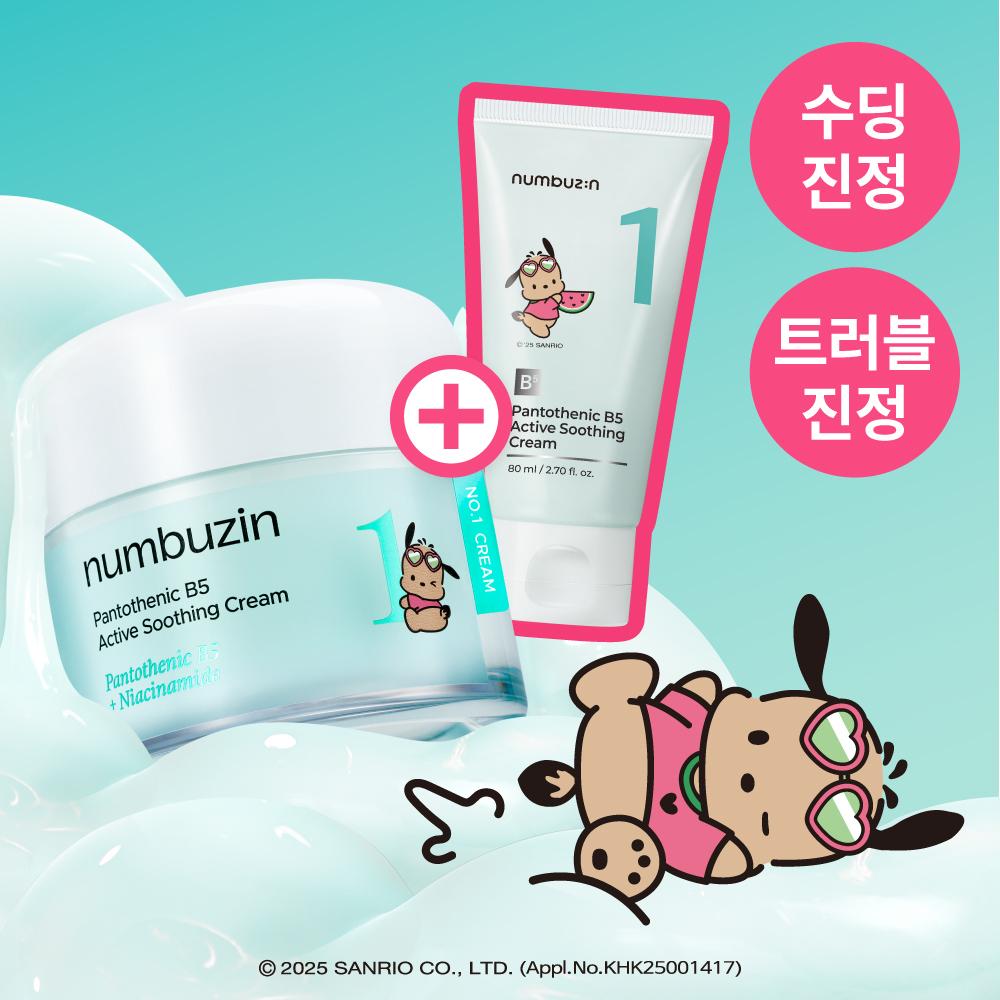
No. 1 Pantothenic B5 Active Soothing Cream Double Pack
Numbuzin
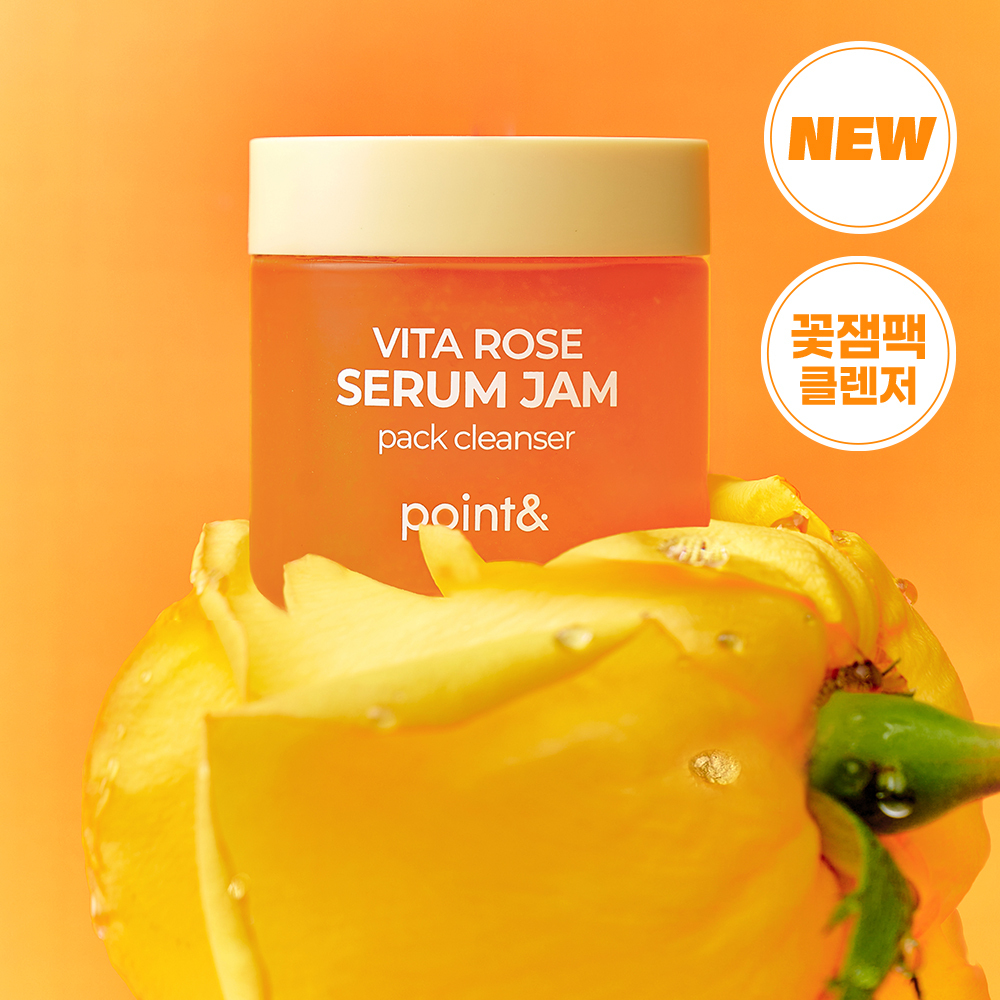
Vita Rose Serum Jam Pack Cleanser
Beplain
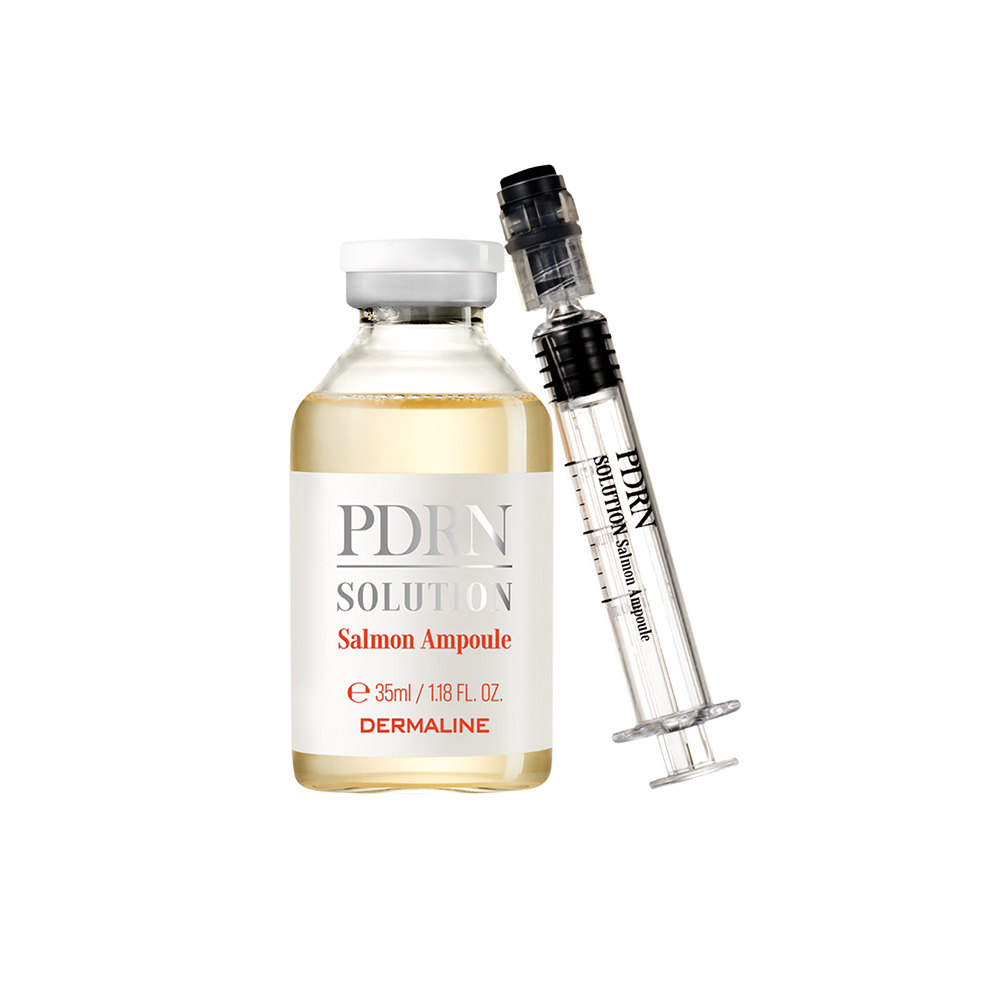
D'LEXO PDRN Solution Salmon Ampoule
DERMALINE
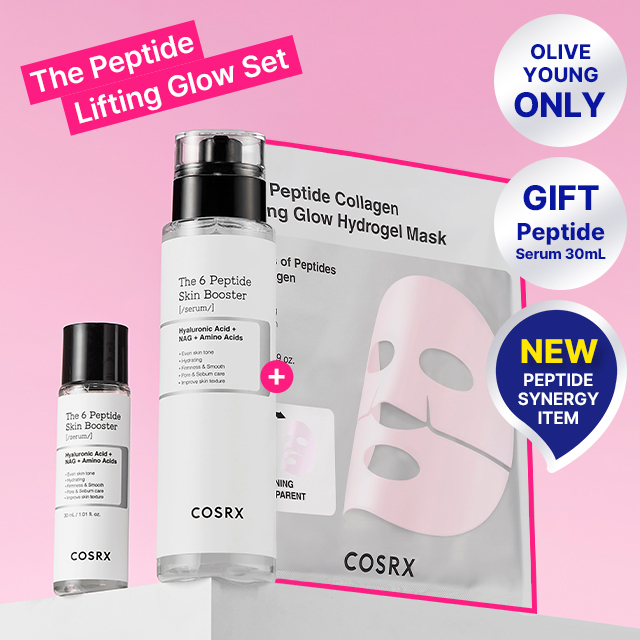
The Peptide Lifting Glow Set
COSRX
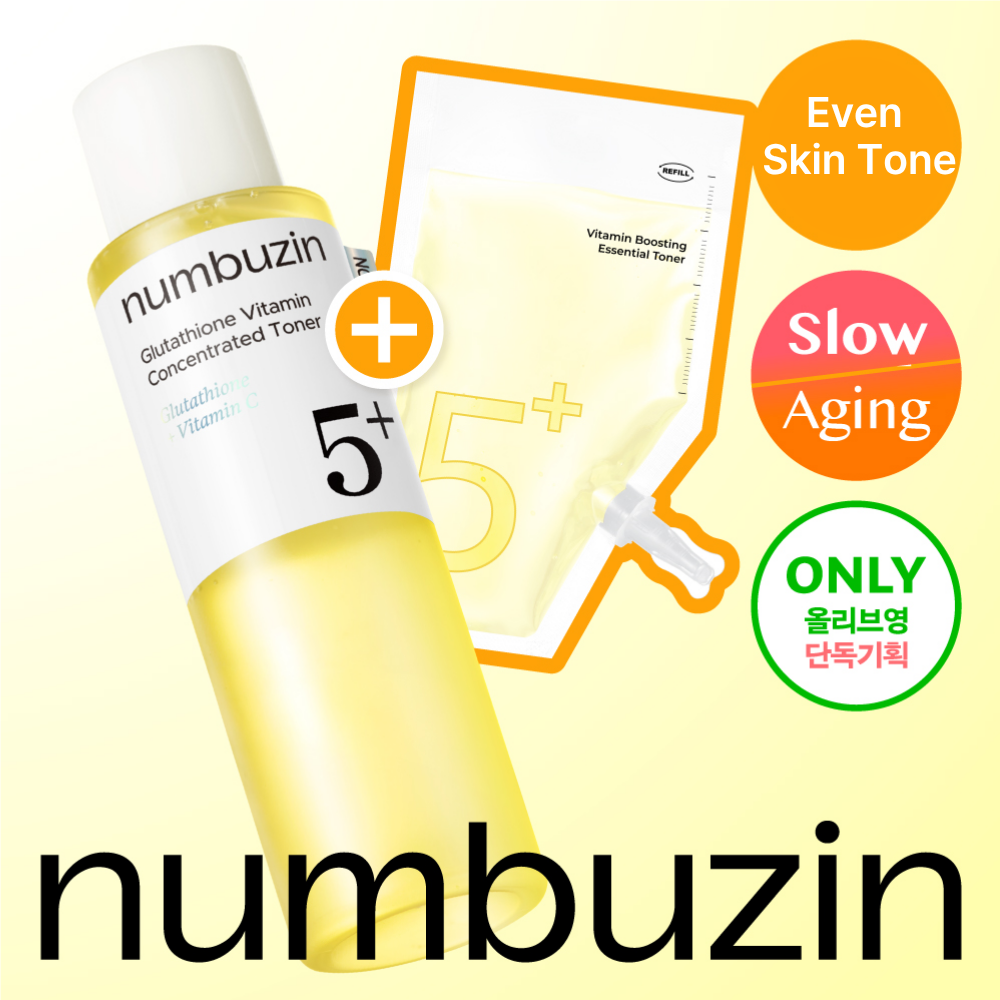
No. 5 Vitamin Boosting Essential Toner
Numbuzin
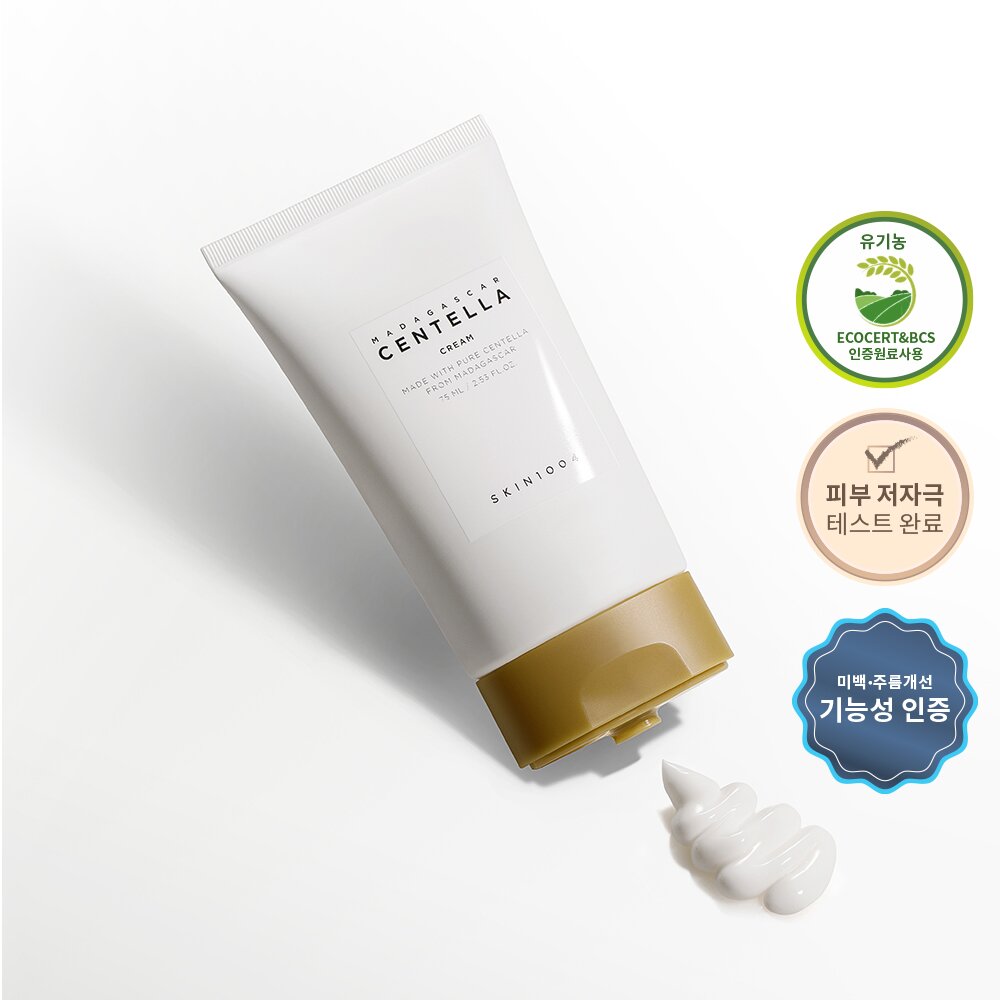
Madagascar Centella Cream
SKIN1004
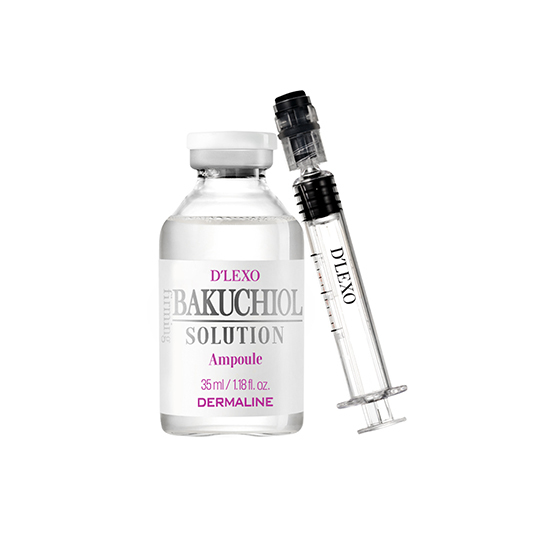
D'LEXO Bakuchiol Firming Solution Ampoule
DERMALINE
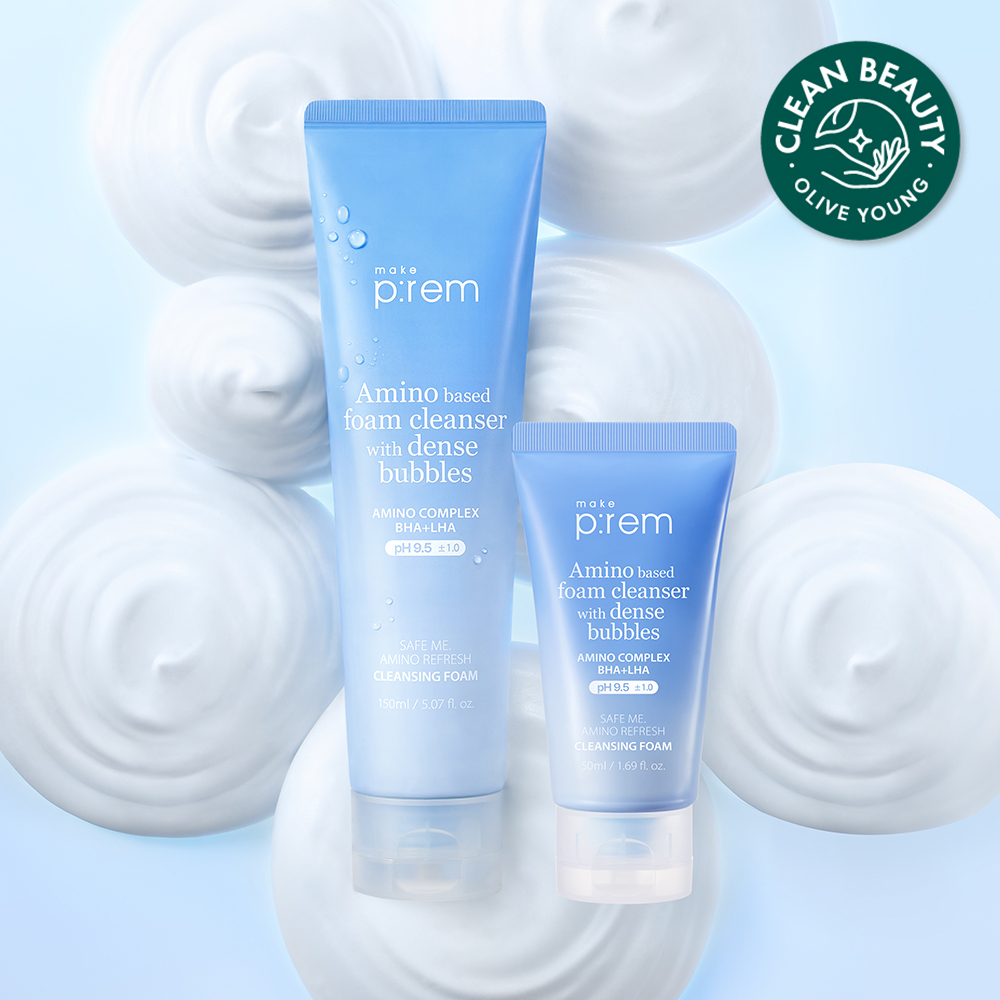
Safe Me Amino Refresh Cleansing Foam
Makeprem
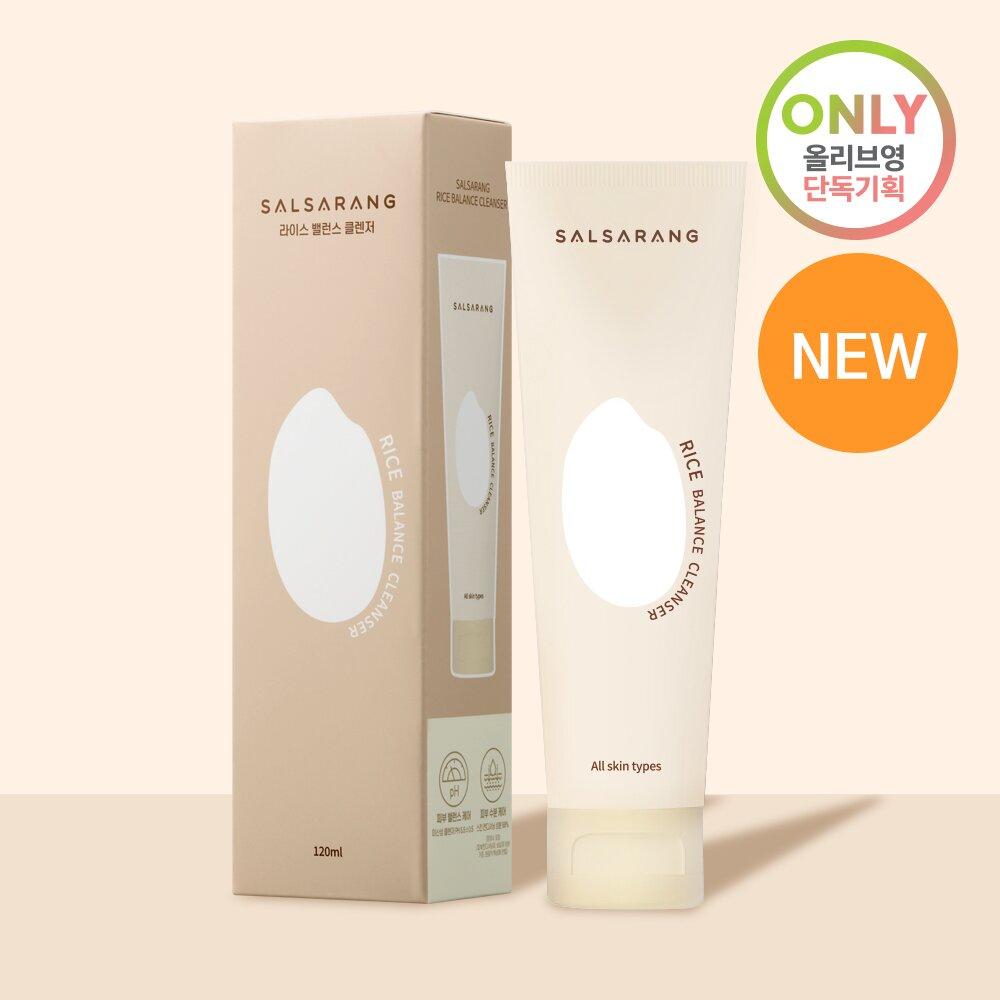
Rice Balance Cleanser
Beplain
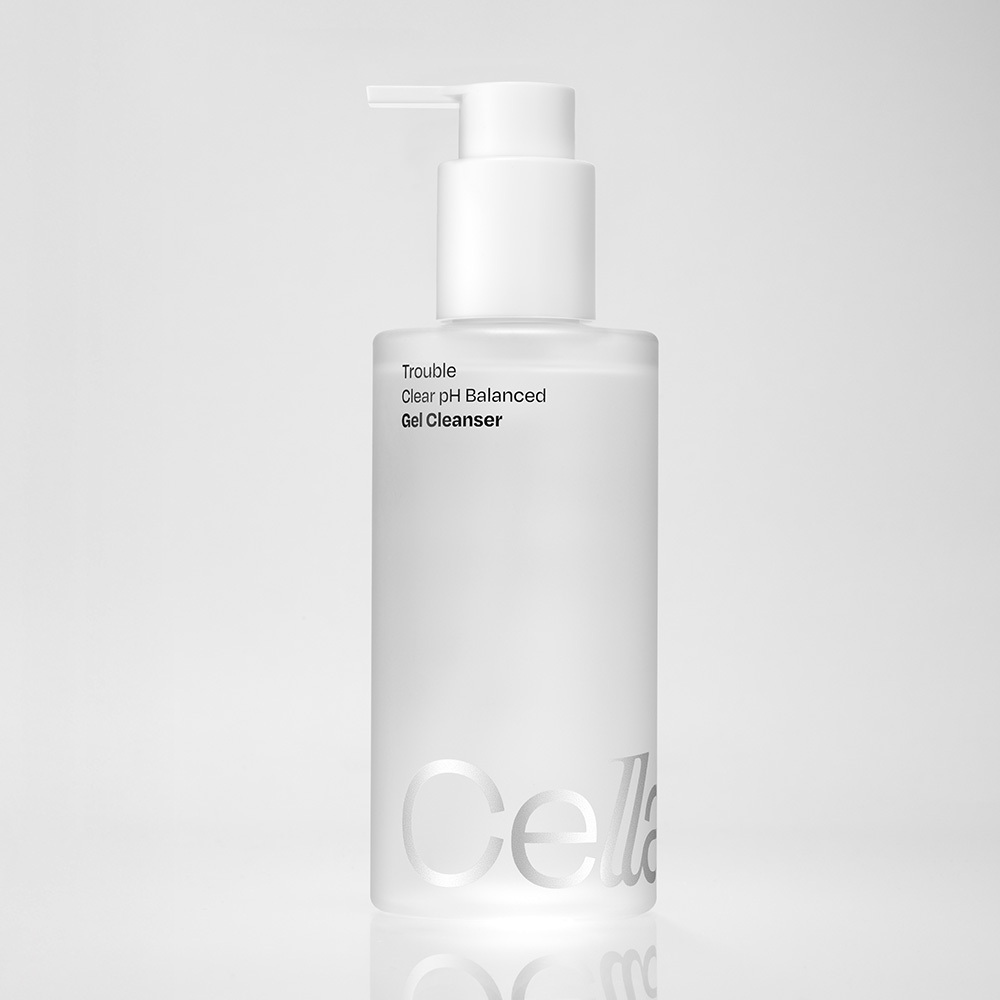
Trouble Clear pH Balanced Gel Cleanser
Celladix
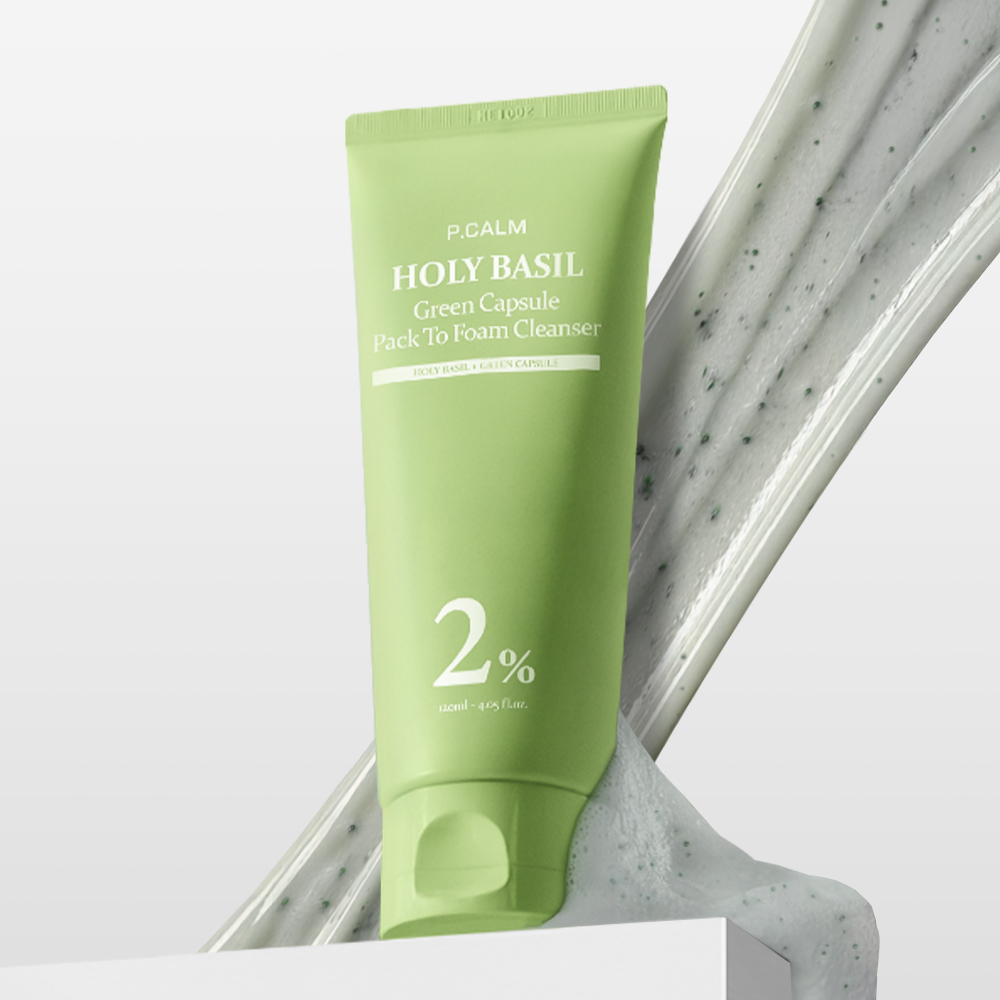
P.CALM Holy Basil Green Capsule Pack To Foam Cleanser
Beplain
Frequently Asked Questions
Is erythritol in skincare the same as the sweetener used in food?▼
Can erythritol cause the same digestive issues in skincare as it does when eaten?▼
Does erythritol work well in humid climates or only dry environments?▼
Why do products with erythritol feel cool when I apply them?▼
Can I use erythritol products if I'm layering multiple serums and treatments?▼
Explore More
Want personalized ingredient advice?
Yuri, our AI beauty advisor, can tell you how Erythritol works with your specific skin type, routine, and concerns.
Ask Yuri, free