Horse Chestnut Extract
INCI: Escin
Anti-inflammatory and circulation-improving agent
About Horse Chestnut Extract
Horse chestnut extract, standardized to its active compound escin (also spelled aescin), is a vascular-strengthening ingredient derived from the seeds of the Aesculus hippocastanum tree. In K-beauty formulations, it's prized for its ability to reduce inflammation, improve microcirculation, and minimize the appearance of puffiness and dark circles. The extract works by reinforcing capillary walls and reducing fluid leakage into surrounding tissues, making it particularly effective in eye creams and treatments targeting tired, stressed skin. With 21 products on Seoul Sister featuring this ingredient, including top-rated formulas like AHC's Hyaluro-Deep Volume 5 line (all rated 5.0/5) and Bioheal BOH's Panthecell Repair Cica Cream Mist (4.8/5), horse chestnut extract has become a go-to for brands addressing circulation-related skin concerns. Its non-comedogenic profile (0/5 rating) makes it suitable for all skin types, while its strong safety rating (4/5) reflects decades of dermatological research. Korean formulators often pair it with centella asiatica (cica) and hyaluronic acid to create multi-functional treatments that calm inflammation while delivering hydration. Unlike purely soothing ingredients, horse chestnut extract actively strengthens the skin's vascular network, addressing underlying causes of puffiness rather than just masking symptoms.
How Horse Chestnut Extract Works
Escin, the triterpene saponin responsible for horse chestnut extract's benefits, works through multiple mechanisms at the cellular level. It inhibits enzymes (hyaluronidase and elastase) that break down the proteins maintaining capillary wall integrity, effectively preventing the leakage of fluid and proteins into surrounding tissue that causes puffiness and inflammation. At the same time, escin modulates inflammatory pathways by reducing the release of prostaglandins and other pro-inflammatory mediators, calming reactive skin without suppressing necessary immune responses. The compound also improves venous tone by enhancing the sensitivity of blood vessels to norepinephrine, which helps them contract more efficiently and reduces blood pooling in small vessels near the skin's surface. This improved microcirculation brings more oxygen and nutrients to skin cells while facilitating waste removal, which explains why horse chestnut extract can brighten dull, fatigued-looking skin over time. The extract's antioxidant properties (thanks to flavonoids like quercetin) provide additional protection against free radical damage that can weaken capillary walls.
Horse Chestnut Extract by Skin Type
Oily Skin
Horse chestnut extract works well for oily skin because its anti-inflammatory properties help calm the reactive state that often triggers excess sebum production. The lightweight texture of formulas containing this ingredient (like the AHC gel treatments rated 5.0/5) absorbs quickly without adding shine. Its circulation-boosting effects can also help normalize sebaceous gland function over time.
Dry Skin
For dry skin, horse chestnut extract improves nutrient delivery to skin cells through enhanced microcirculation, which supports the skin's natural barrier repair processes. When paired with hydrators like hyaluronic acid (as seen in AHC's Hyaluro-Deep Volume 5 line), it helps create formulas that address both dehydration and inflammation. The ingredient itself is non-drying and works synergistically with moisturizing actives.
Combo Skin
Combination skin benefits from horse chestnut extract's balanced approach to inflammation, addressing oiliness in the T-zone while supporting hydration in drier areas. Its non-comedogenic rating (0/5) means it won't clog pores in oilier zones, while improved circulation helps normalize skin function across different facial areas. The ingredient's versatility makes it ideal for multi-zone concerns.
Sensitive Skin
Sensitive skin responds particularly well to horse chestnut extract's ability to strengthen capillaries and reduce reactivity. Products pairing it with cica (like Ideal for Men's Cica All In One, rated 5.0/5) offer amplified soothing benefits. By reducing vascular permeability, the ingredient helps prevent the inflammatory cascade that leads to redness and irritation, though those with severe sensitivities should patch test first due to the saponin content.
Normal Skin
Normal skin uses horse chestnut extract primarily for preventive care and maintaining optimal circulation. The ingredient helps preserve the healthy appearance of balanced skin by protecting capillary integrity and preventing the early signs of fatigue and dullness. It's an excellent addition to daily essences and mists (like Bioheal BOH's 4.8/5 rated formula) for maintaining skin vitality without overcomplicating routines.
How to Use Horse Chestnut Extract
- 1Apply horse chestnut extract products to under-eye areas using gentle patting motions rather than rubbing to avoid stressing delicate capillaries while the ingredient works to strengthen them.
- 2Use morning application for best results with puffiness, as the circulation-improving effects help counteract overnight fluid accumulation and give skin a more awake appearance throughout the day.
- 3Layer horse chestnut extract essences or serums before heavier moisturizers to ensure the active compounds penetrate effectively, especially in products like AHC's treatment gels that are designed for absorption.
- 4Store products containing this ingredient in cool environments, as heat can degrade saponin compounds and reduce effectiveness over time.
Background
Horse chestnut has been used medicinally since the 16th century, when Turkish physicians brought the Aesculus hippocastanum tree from the Balkans to Western Europe. Traditional medicine employed the seeds (after removing toxic compounds) to treat vascular conditions, particularly varicose veins and hemorrhoids. Modern extraction methods isolate escin, the primary active compound, which was first studied scientifically in the 1960s for treating chronic venous insufficiency. Korean skincare formulators adopted horse chestnut extract in the early 2010s as the K-beauty industry shifted toward addressing specific concerns like under-eye circles and facial puffiness rather than just surface-level hydration. The ingredient aligned perfectly with the Korean skincare philosophy of treating root causes. Today, it appears across multiple product categories, from essences to mists, often combined with other circulation-supporting botanicals in sophisticated multi-active formulations.
K-Beauty Products with Horse Chestnut Extract
View all 23 →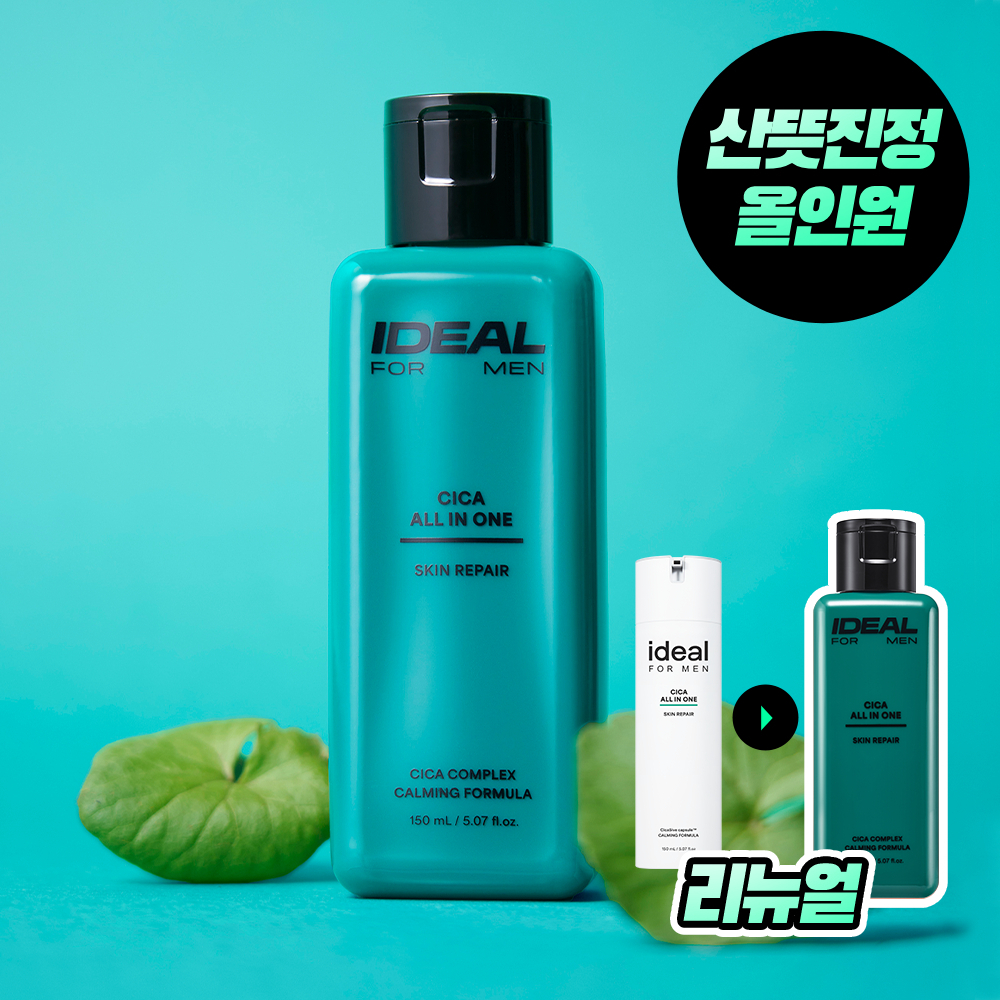
Cica All In One
Ideal for Men
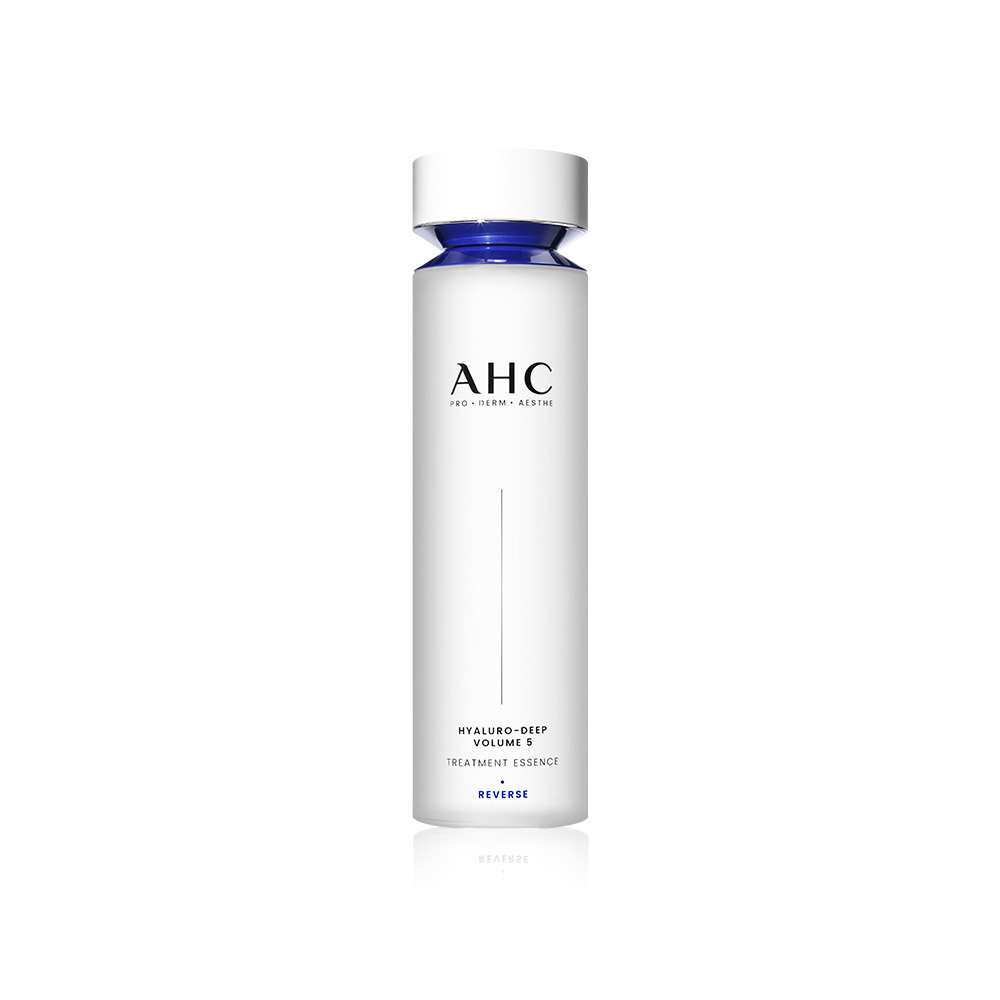
Hyaluro-Deep Volume 5 Treatment Essence
AHC
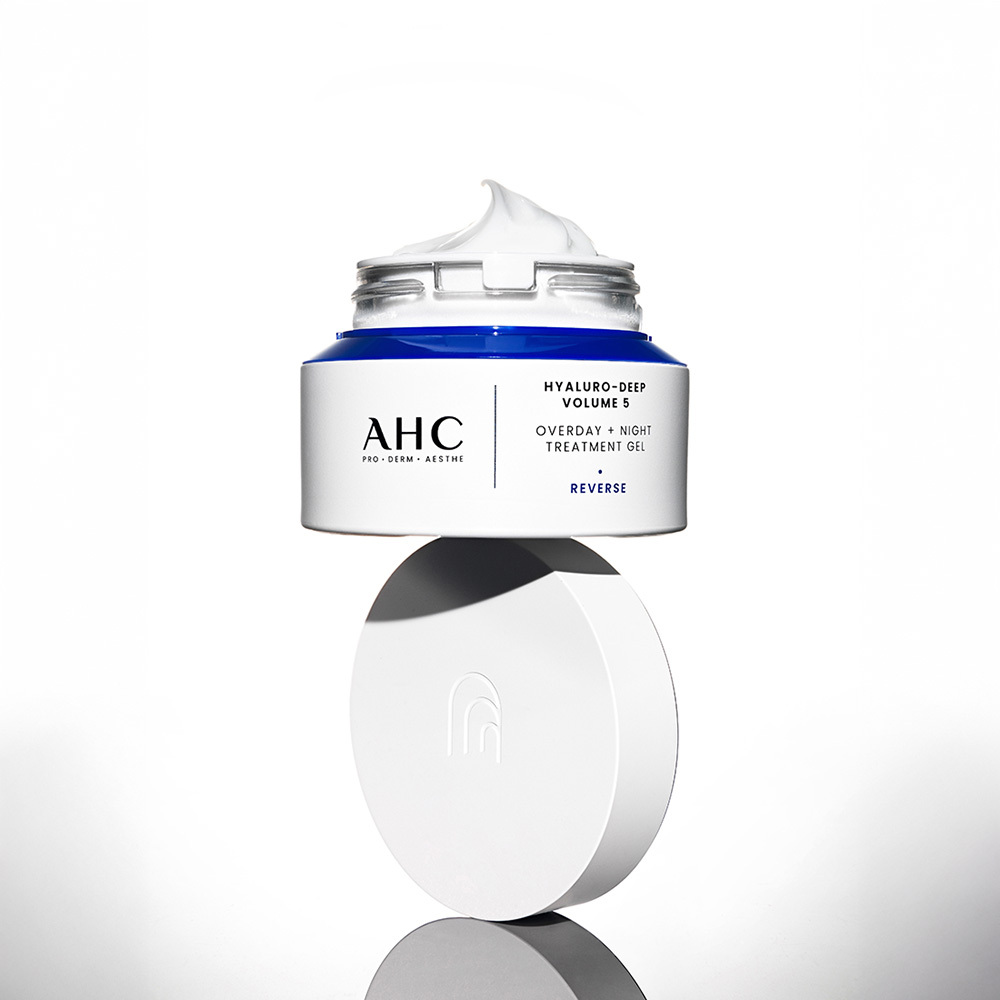
Hyaluro-Deep Volume 5 Overday+Night Treatment Gel
AHC
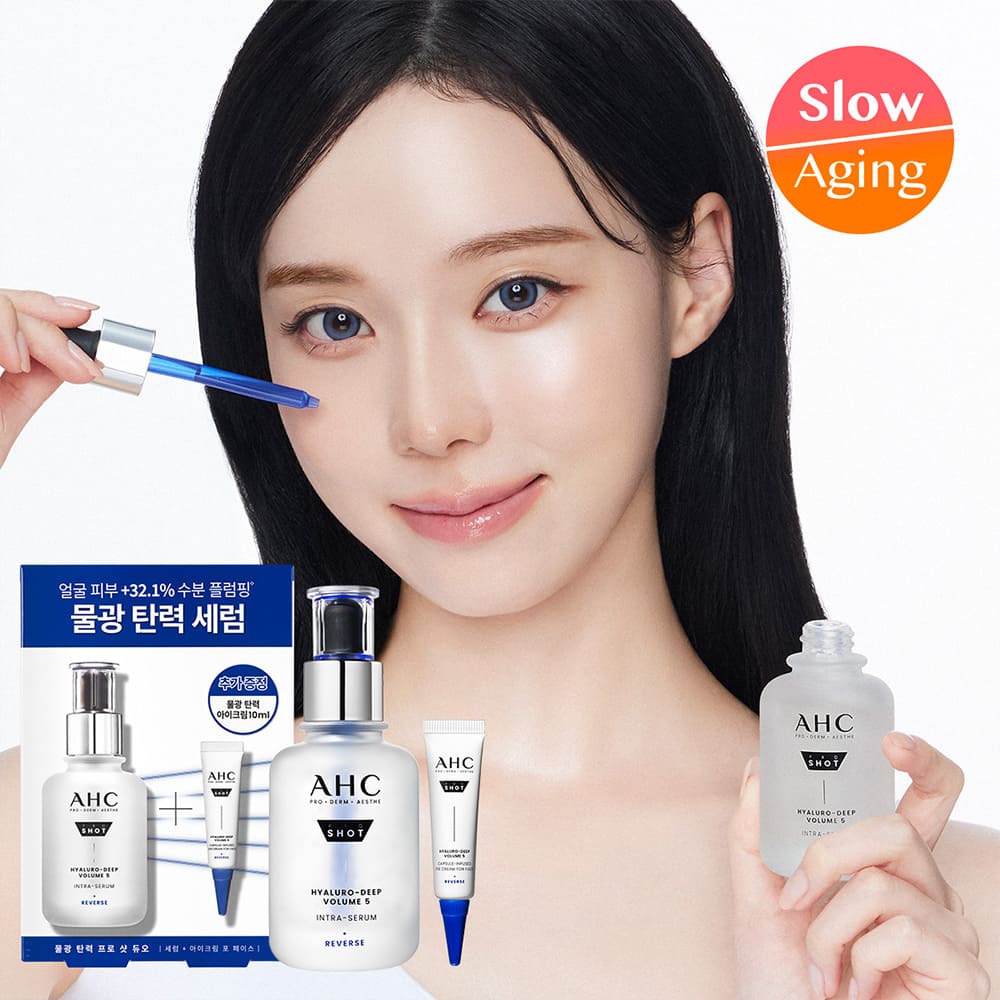
Pro Shot Hyaluro-Deep Volume 5 Intra-Serum
AHC
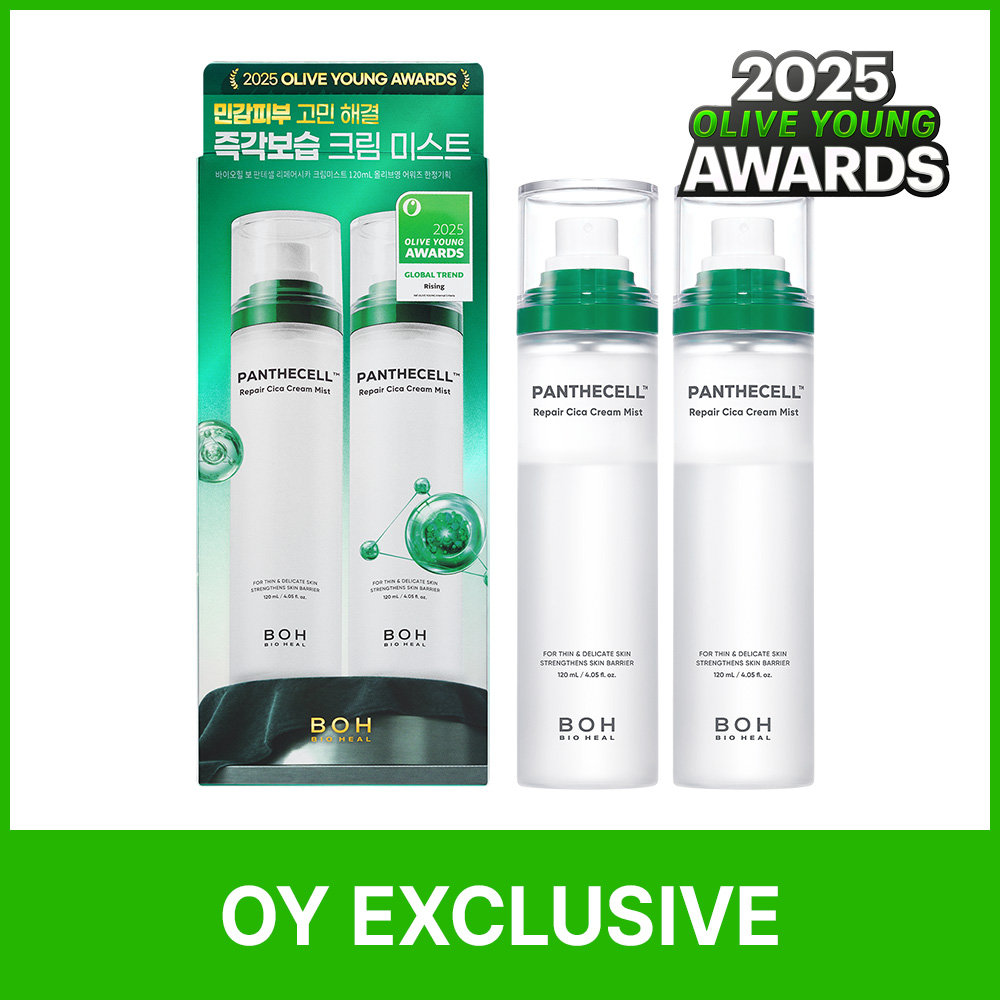
Panthecell Repair Cica Cream Mist
Bioheal BOH
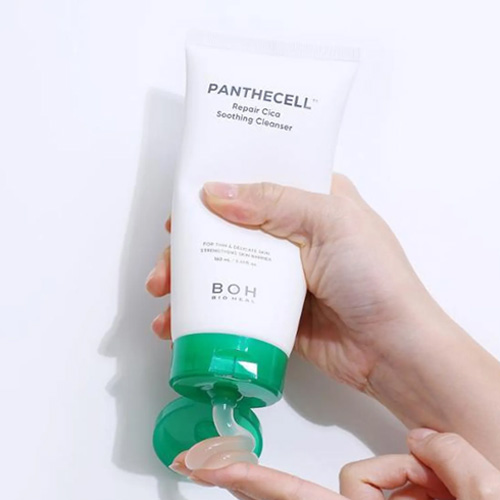
Panthecell Repair Cica Soothing Cleanser Double Pack
Bioheal BOH
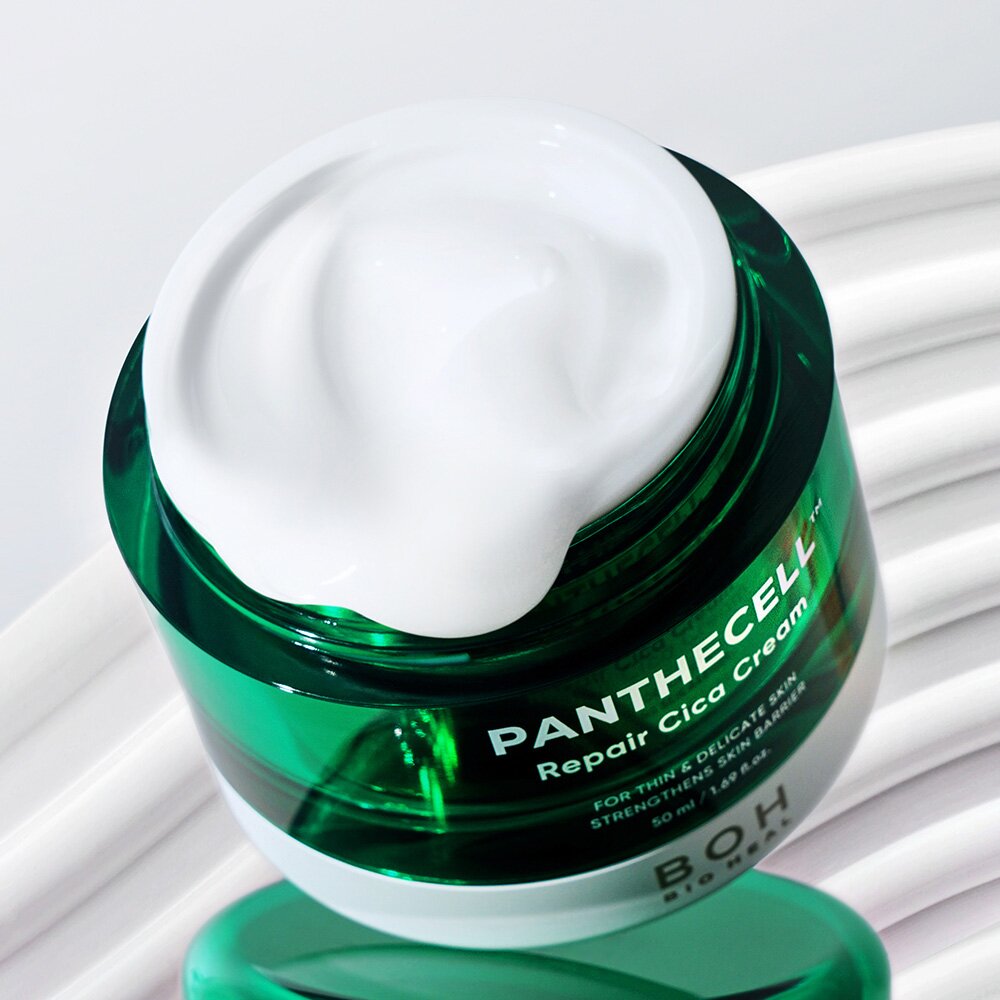
Panthecell Repair Cica Cream
Bioheal BOH
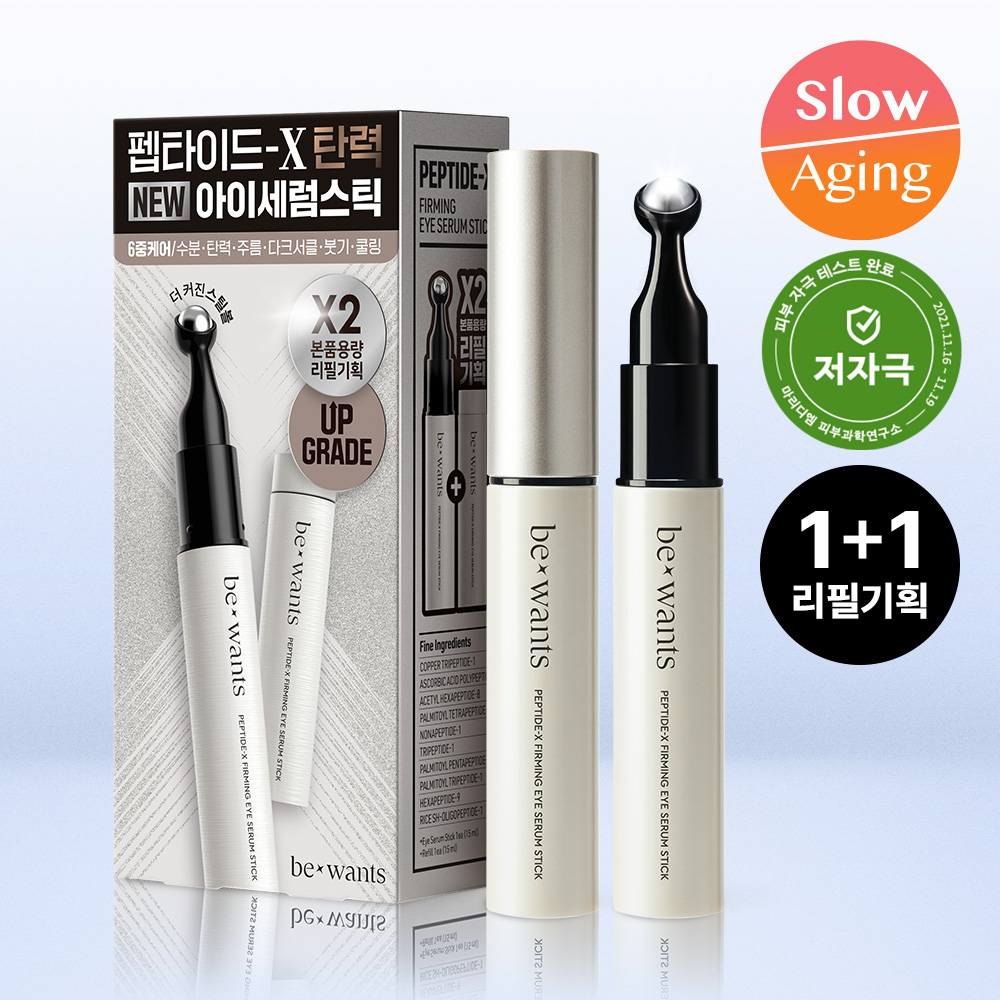
Peptide-X Firming Eye Serum Stick Set
Bewants
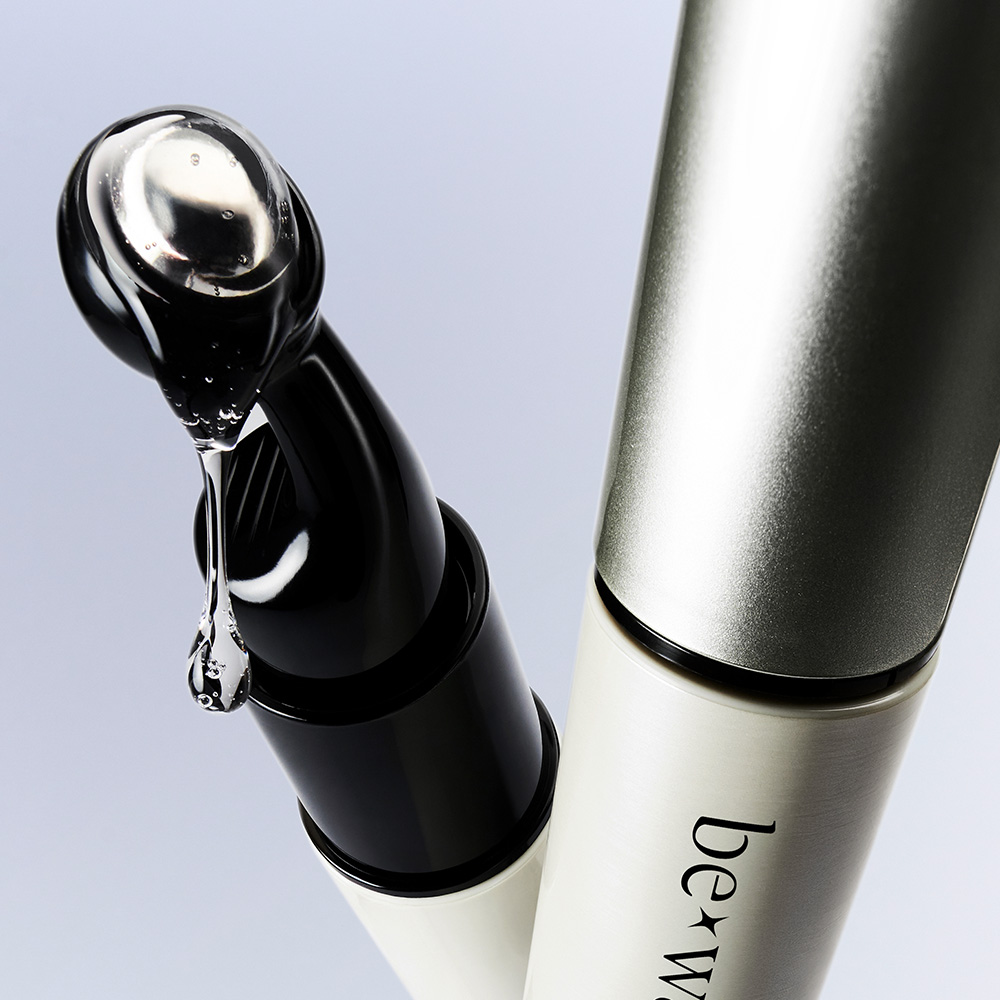
Peptide-X Firming Eye Serum Stick
Bewants
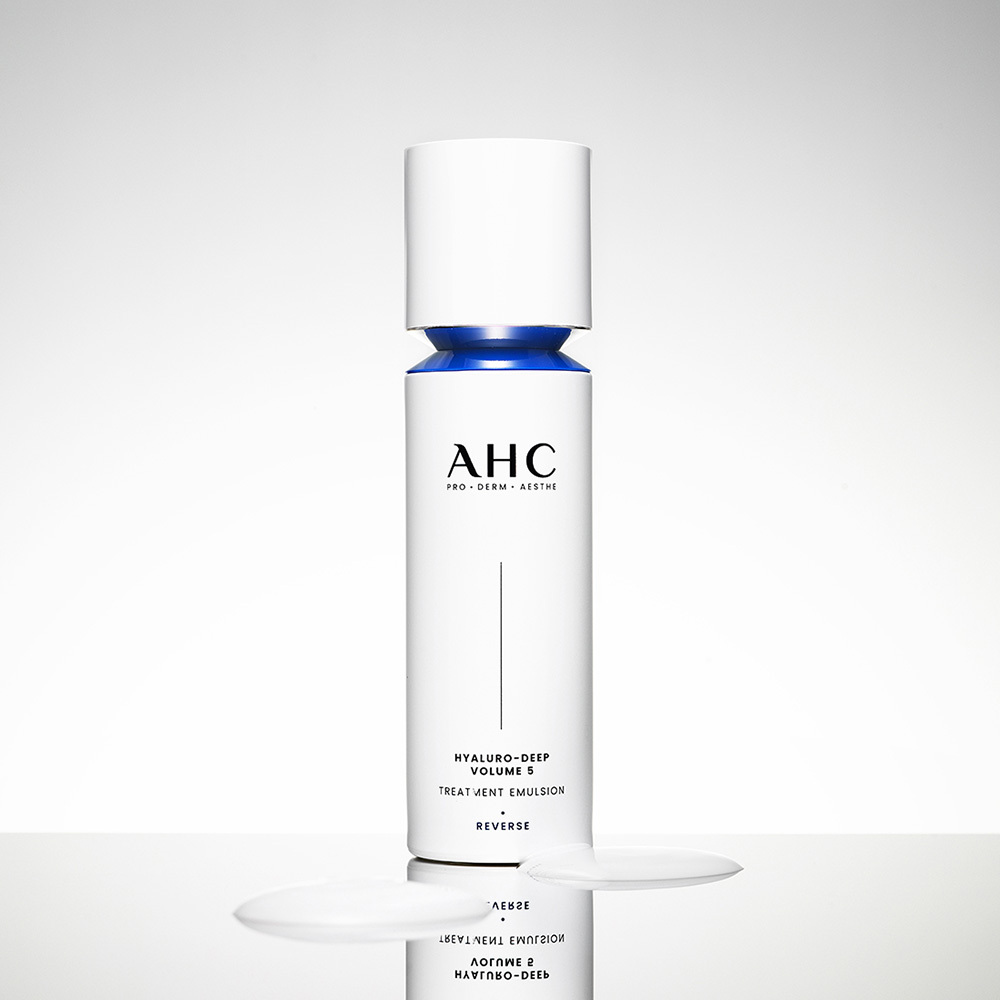
Hydro Deep Volume 5 Treatment Emulsion
AHC

Peptide-X Firming Eye Serum Stick Refill Set
Bewants
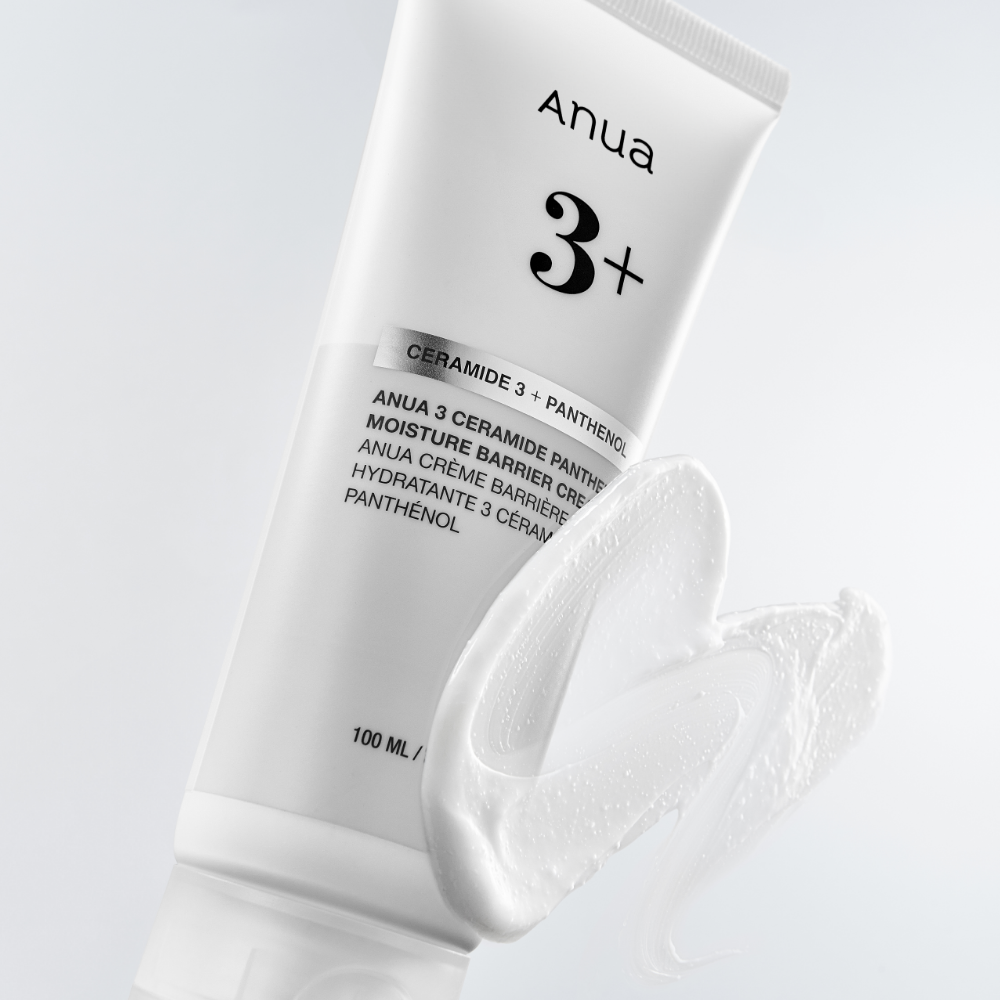
3 Ceramide Panthenol Moisture Barrier Cream
Anua
Frequently Asked Questions
How long does horse chestnut extract take to reduce under-eye puffiness?▼
Can I use horse chestnut extract with retinol or vitamin C?▼
Why is horse chestnut extract often paired with cica in K-beauty products?▼
Is horse chestnut extract safe during pregnancy?▼
Does horse chestnut extract help with rosacea-related redness?▼
Explore More
Want personalized ingredient advice?
Yuri, our AI beauty advisor, can tell you how Horse Chestnut Extract works with your specific skin type, routine, and concerns.
Ask Yuri, free