Ethylhexyl Triazone
UV filter providing broad-spectrum sun protection
About Ethylhexyl Triazone
Ethylhexyl Triazone is a photostable, broad-spectrum UV filter that has become a cornerstone ingredient in modern K-beauty sunscreens. As a chemical (organic) sunscreen agent, it absorbs UVB rays and provides partial UVA protection, making it particularly effective when combined with other UV filters in multi-layered formulations. Korean brands favor this ingredient because it offers high SPF protection without the white cast or heavy texture associated with mineral filters like zinc oxide. With a comedogenic rating of just 1 out of 5, it is exceptionally suitable for acne-prone and oily skin types who need reliable sun protection without clogged pores. Found in 353 K-beauty products on Seoul Sister, including top-rated formulas like Anua's Slowpure Glow Up Fluid Sun Serum and SKIN1004's Madagascar Centella Glow 1004 Duo, Ethylhexyl Triazone represents the evolution of K-beauty sun care toward lightweight, cosmetically elegant textures. Its photostability means it resists degradation from sunlight exposure better than older chemical filters like Avobenzone, maintaining protection throughout the day. The ingredient's oil-soluble nature allows formulators to create those coveted watery gel and fluid textures that have made Korean sunscreens globally famous, absorbing quickly without residue while delivering serious protection.
How Ethylhexyl Triazone Works
Ethylhexyl Triazone functions through a photochemical absorption mechanism. Its triazine ring structure contains conjugated double bonds that absorb UV radiation in the 280-320nm range (UVB) and extends into the UVA2 spectrum. When UV photons strike the molecule, the energy elevates electrons to an excited state. Instead of this energy penetrating skin cells and causing DNA damage, the molecule releases it as harmless heat through a process called internal conversion, returning to its ground state ready to absorb more UV rays. The photostability of Ethylhexyl Triazone comes from its symmetrical molecular structure, which resists the conformational changes that degrade other UV filters when exposed to sunlight. Because it is lipophilic (oil-loving), it integrates seamlessly into the lipid layers of the stratum corneum, forming a protective film on the skin's surface. This surface-level action means minimal absorption into living skin layers, contributing to its excellent safety profile and low irritation potential even for sensitive skin types.
Ethylhexyl Triazone by Skin Type
Oily Skin
Ethylhexyl Triazone is exceptionally well-suited for oily skin, with its comedogenic rating of 1/5 indicating virtually no pore-clogging potential. It enables the lightweight, gel-like textures found in products like Shingmulnara's Watery Sun Gel that absorb instantly without leaving a greasy film. The oil-soluble nature paradoxically works well here because it allows for water-based formulations that feel fresh and mattifying.
Dry Skin
While not inherently moisturizing, Ethylhexyl Triazone works well in formulations for dry skin when combined with hydrating ingredients. Products like SKIN1004's Madagascar Centella Glow 1004 Duo pair this UV filter with nourishing botanicals to prevent the drying effect sometimes associated with chemical sunscreens. Look for formulas that include hyaluronic acid or ceramides alongside this ingredient.
Combo Skin
Combination skin benefits significantly from Ethylhexyl Triazone's versatility, as it provides reliable protection in both fluid serums for the T-zone and richer creams for drier areas. The ingredient's photostability means you can layer it under makeup without oxidation or pilling. Its low comedogenic rating ensures the oily zones stay clear while protected.
Sensitive Skin
With a safety rating of 4 out of 5, Ethylhexyl Triazone is generally well-tolerated by sensitive skin, though chemical filters can occasionally trigger reactions in highly reactive individuals. Its photostability is actually a benefit here, as unstable UV filters that degrade in sunlight can create irritating free radicals. Products like Anua's Slowpure Glow Up Fluid Sun Serum often combine this filter with soothing ingredients to enhance tolerance.
Normal Skin
Normal skin thrives with Ethylhexyl Triazone-based sunscreens, experiencing all the benefits without concerns about irritation or breakouts. The ingredient's ability to deliver high SPF protection in lightweight, cosmetically elegant formulas means you can achieve serious sun defense without compromising on texture. Products like BOHO's All In One Tone Up Cream showcase how this filter enables multifunctional formulas that protect, brighten, and perfect skin simultaneously.
How to Use Ethylhexyl Triazone
- 1Apply sunscreen containing Ethylhexyl Triazone as the final step of your morning routine, using approximately 1/4 teaspoon for face and neck to achieve the SPF rating on the label.
- 2Wait 15 minutes after application before sun exposure to allow the UV filter to form a protective film on your skin's surface.
- 3Reapply every 2 hours during extended sun exposure, or immediately after swimming or sweating, as Ethylhexyl Triazone can be removed by water and friction despite its photostability.
- 4Layer under makeup without concern, as this ingredient's stability prevents the oxidation and pilling that can occur with less stable UV filters.
- 5Store your sunscreen in a cool, dry place away from direct sunlight to maintain the ingredient's effectiveness, though Ethylhexyl Triazone's photostability makes it more resilient than older chemical filters.
Background
Ethylhexyl Triazone was developed in the 1990s as part of the second generation of UV filters designed to address the photostability issues plaguing earlier chemical sunscreens. The triazine chemical class, characterized by a six-membered ring containing three nitrogen atoms, offered superior stability compared to cinnamate and benzophenone filters. While initially approved in Europe and Asia, it took decades for this ingredient to gain FDA approval in the United States, where sunscreen regulation moves slowly. Korean cosmetic chemists embraced Ethylhexyl Triazone early, recognizing its potential to create the lightweight, high-protection sunscreens that would become a K-beauty signature. The ingredient's ability to achieve high SPF ratings without heavy textures aligned perfectly with Korean beauty philosophy emphasizing daily sun protection as the foundation of skincare. Today, it appears in everything from watery gels to tone-up creams, representing K-beauty's commitment to making serious sun protection feel effortless.
K-Beauty Products with Ethylhexyl Triazone
View all 373 →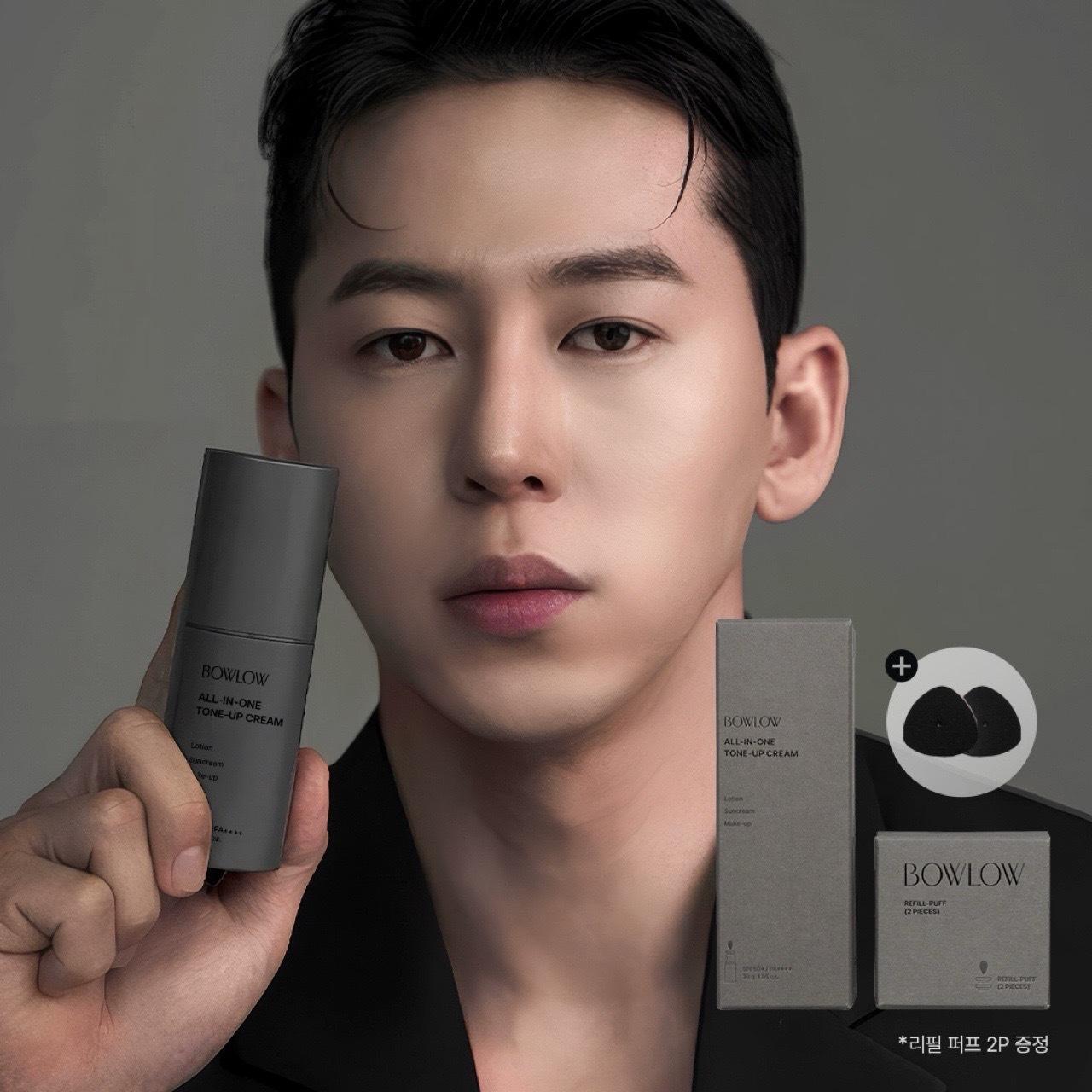
All In One Tone Up Cream
BOHO
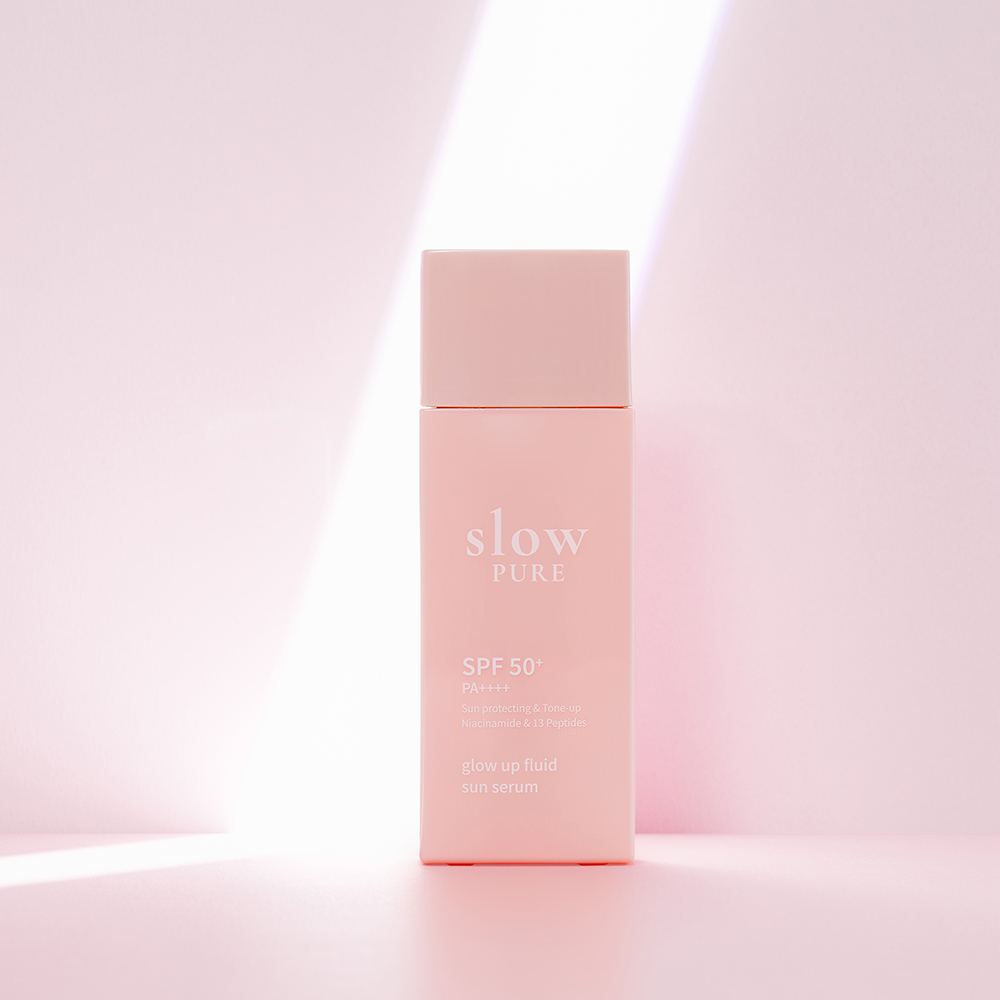
Slowpure Glow Up Fluid Sun Serum
Anua
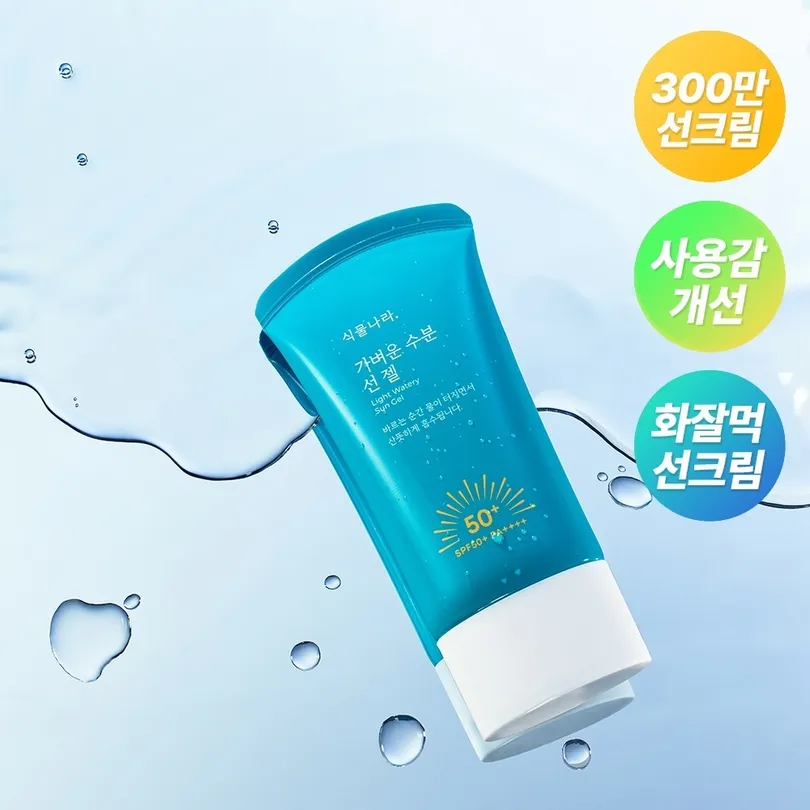
Light Watery Sun Gel Limited Edition
Shingmulnara
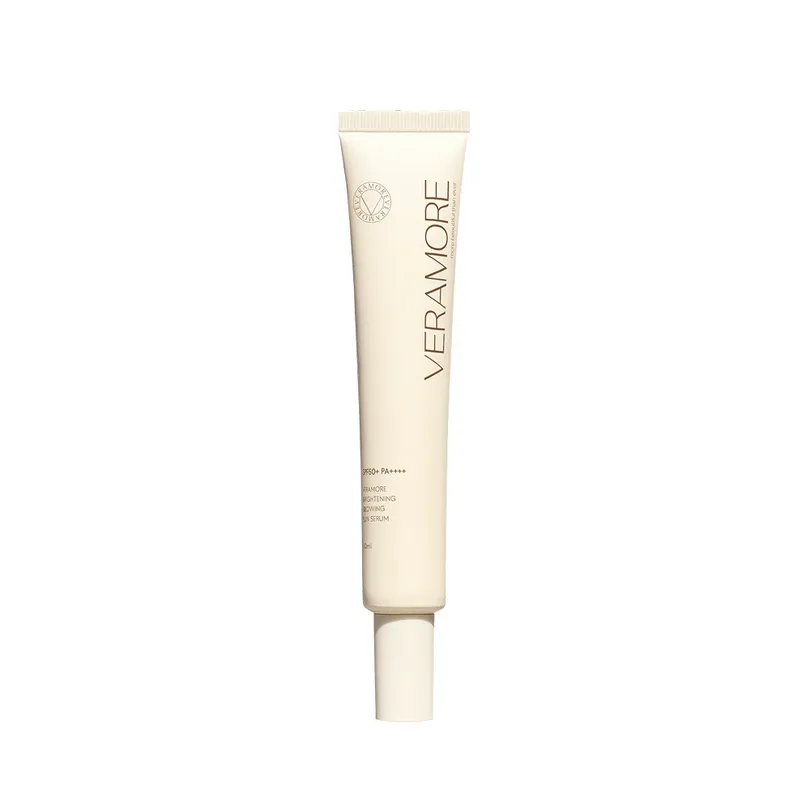
Brightening Glowing Sun Serum
Veramore
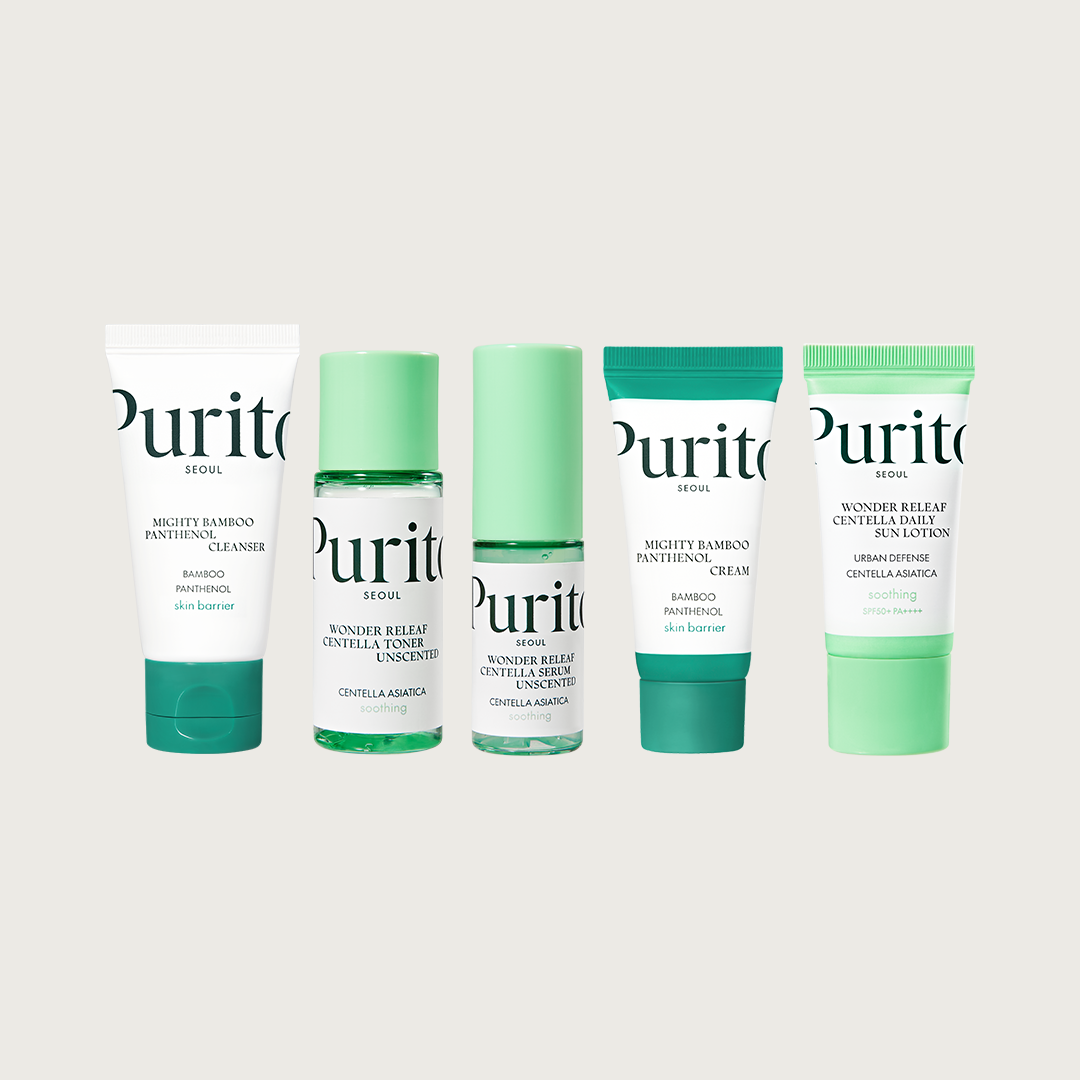
Best Kit 5P
Purito Seoul
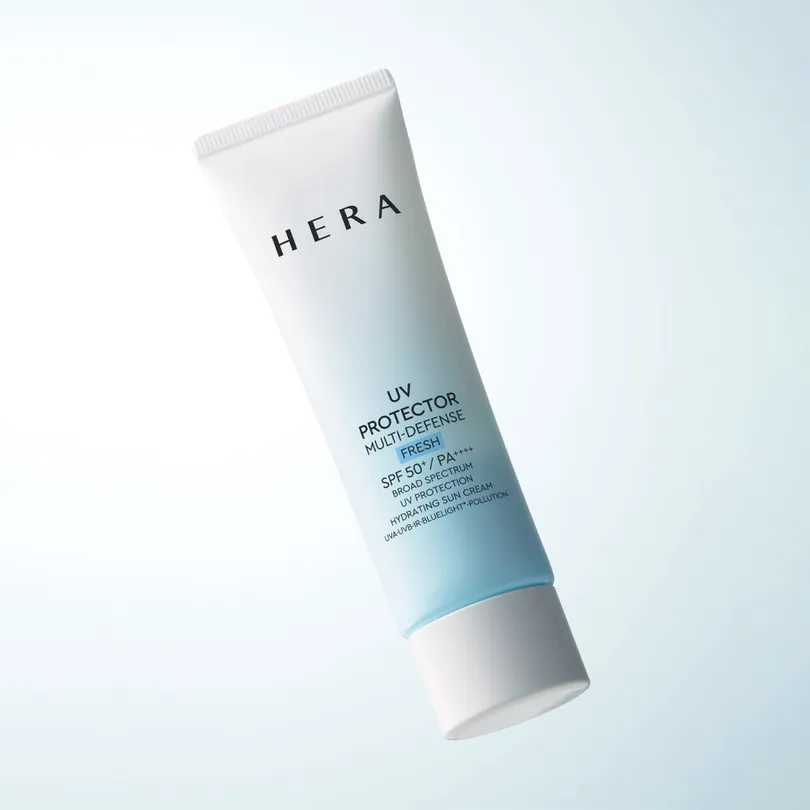
UV Protector Multi-Defense Fresh SPF50+ PA++++
HERA
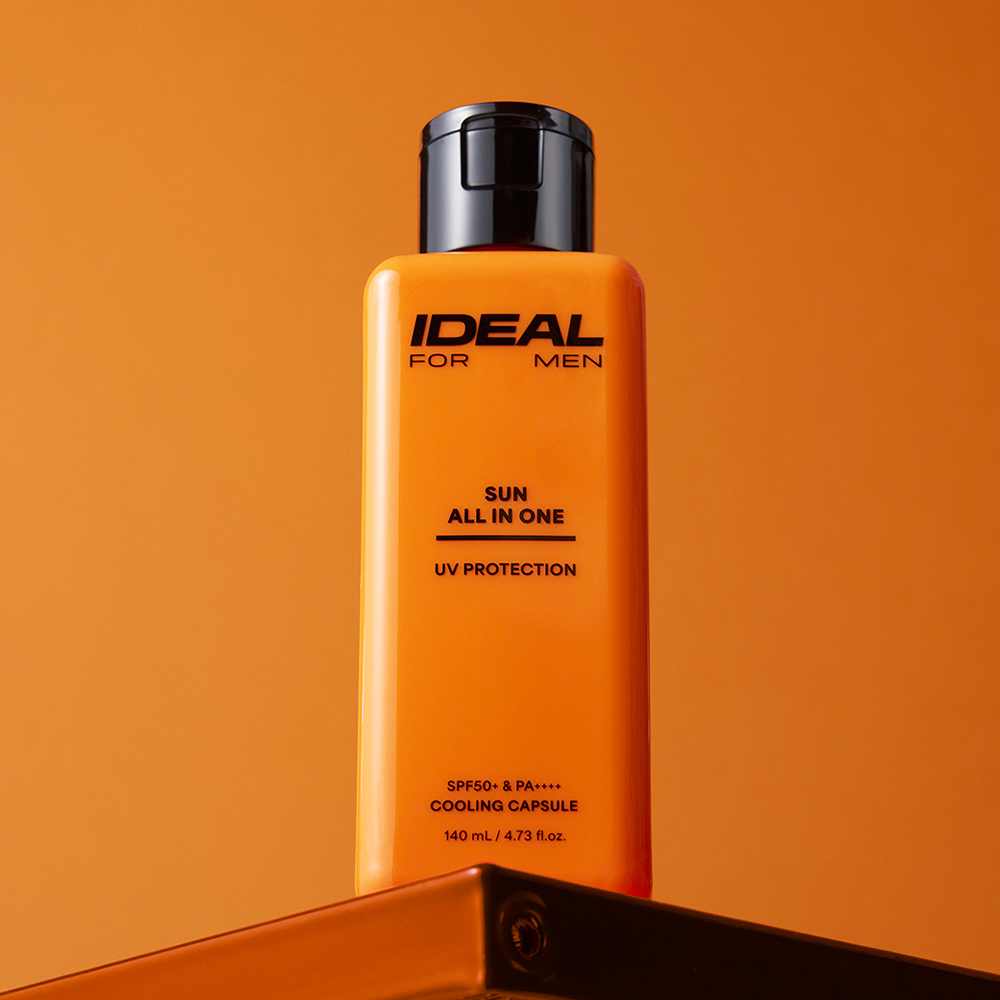
Sun All In One
Ideal for Men
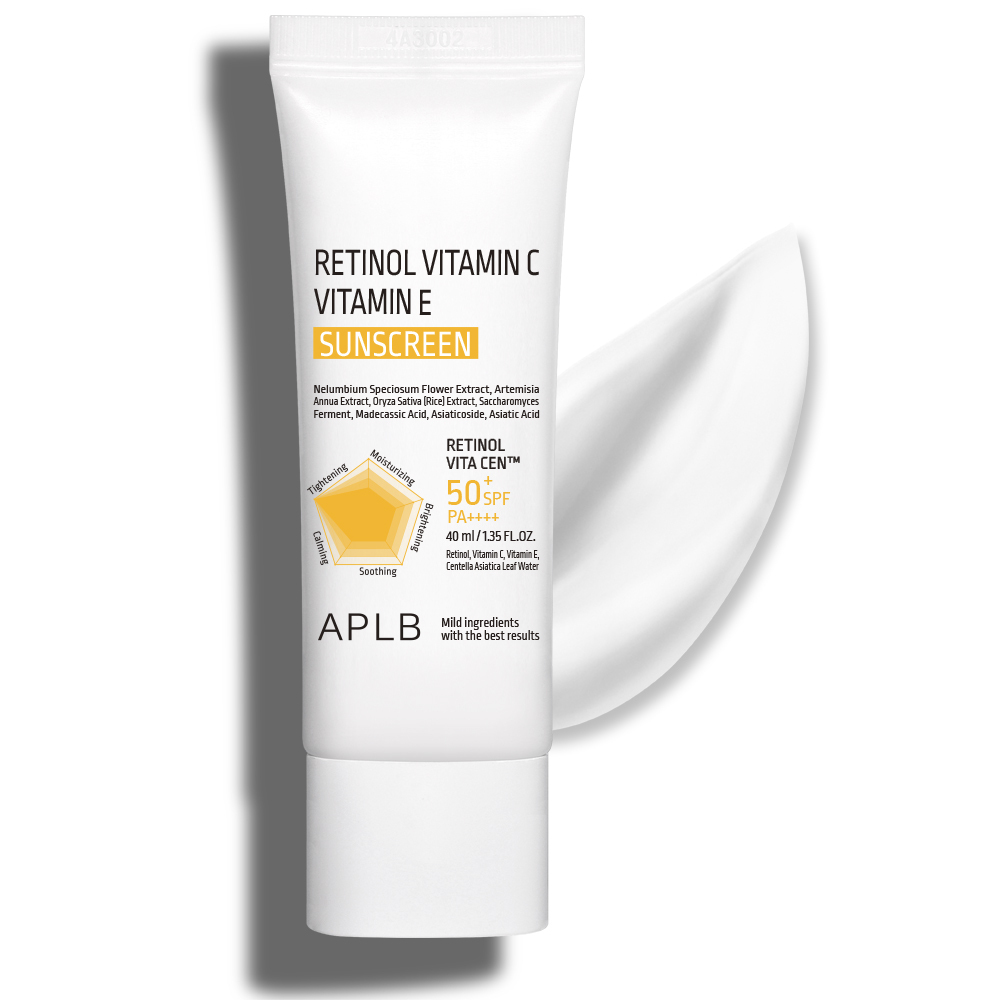
Retinol Vitamin C Vitamin E Sunscreen
APLB
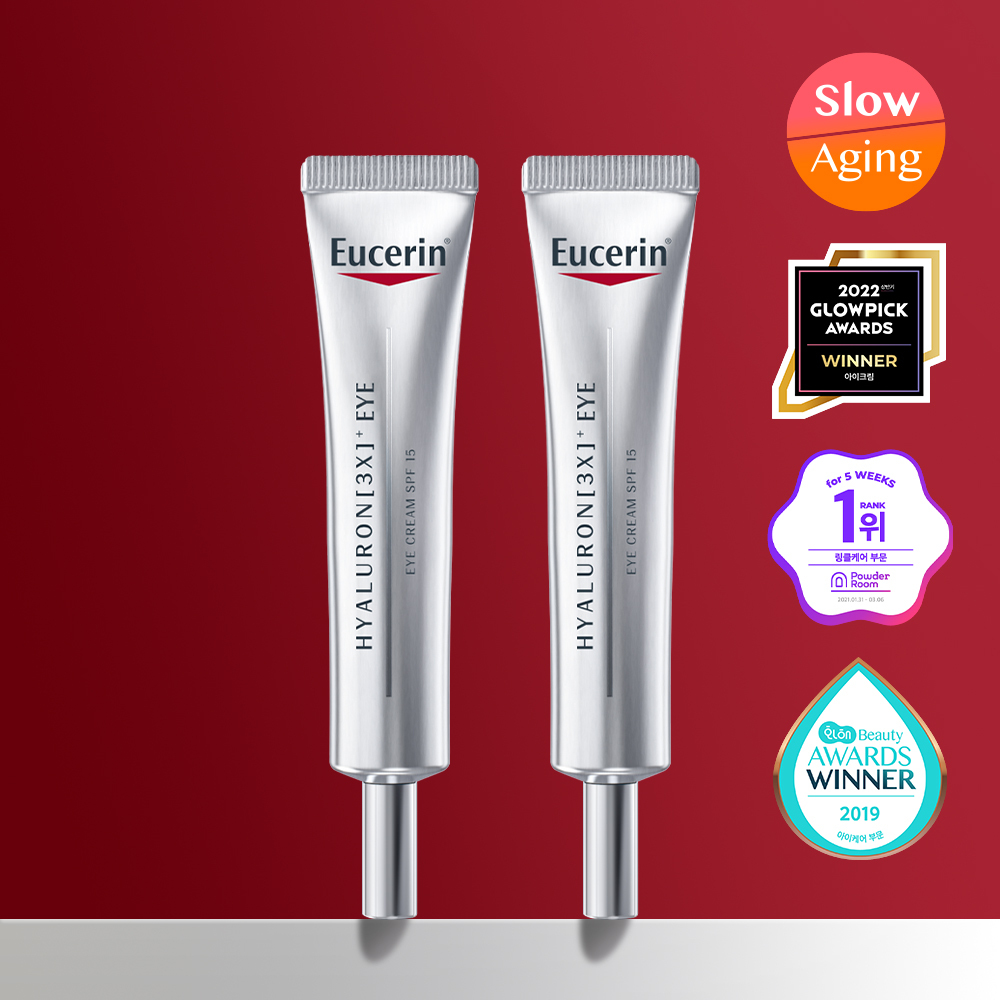
Hyaluron Eye Cream Double Pack
Eucerin
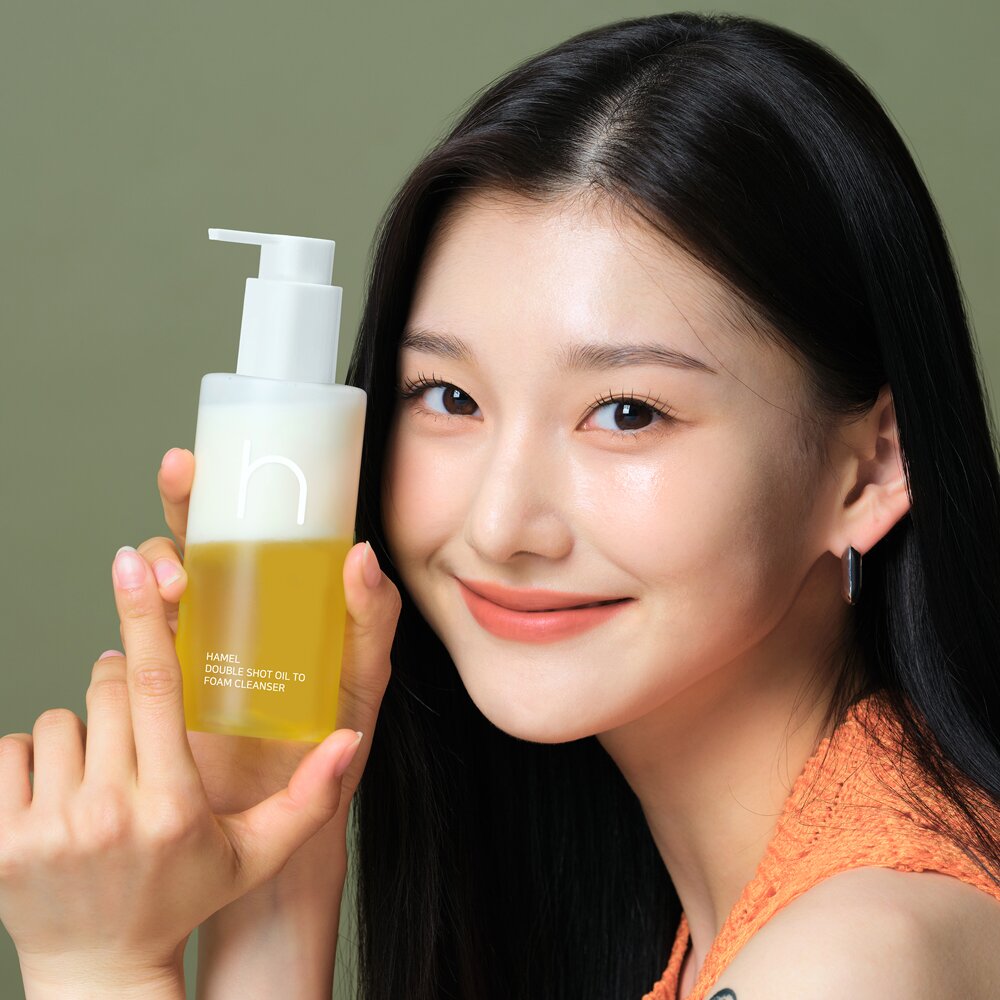
Double Shot Oil To Foam Cleanser
Banila Co
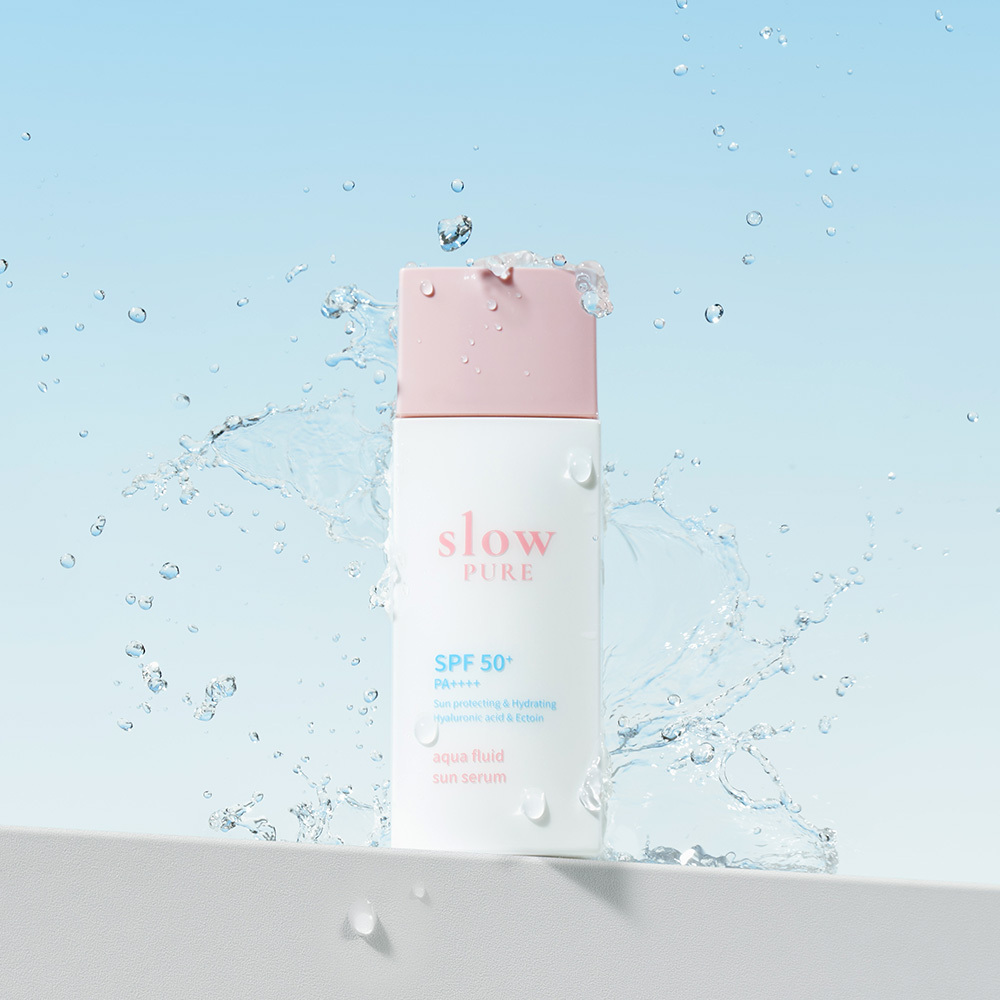
Slowpure Aqua Fluid Sun Serum
Anua
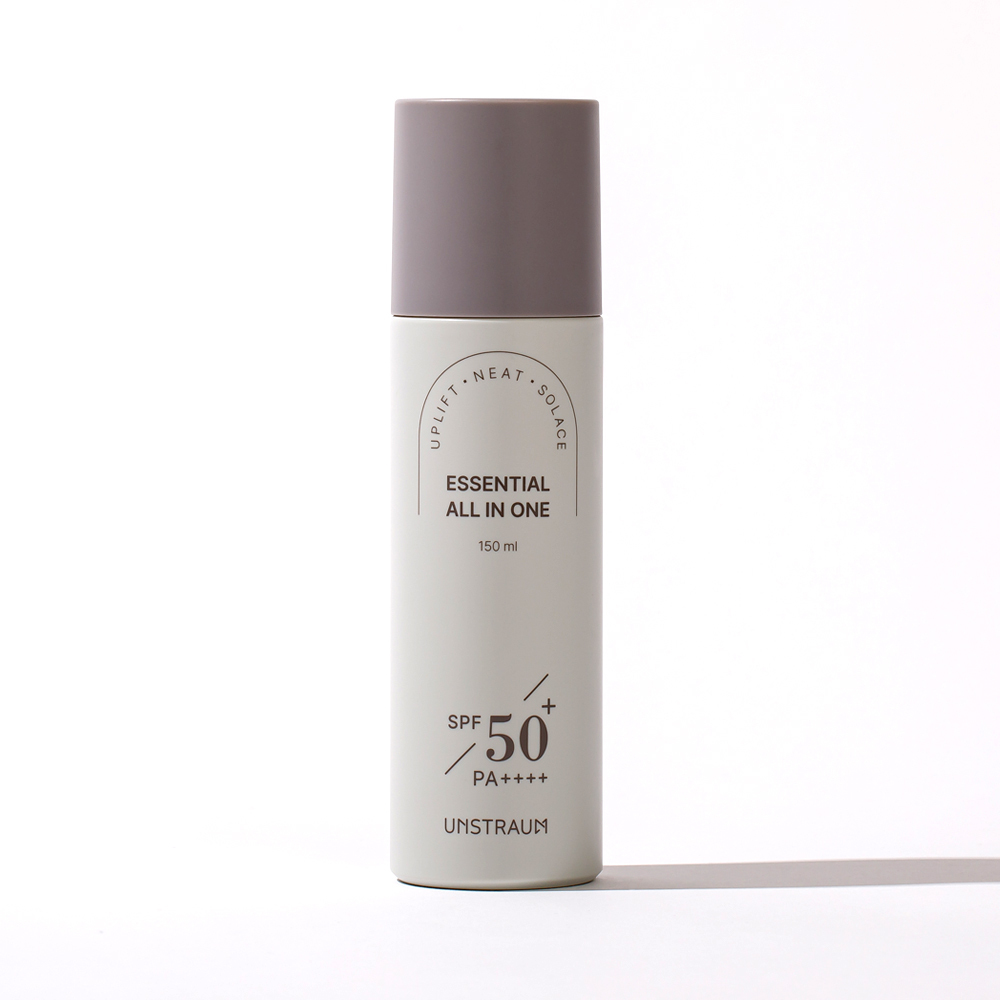
Essential All In One
BOHO
Frequently Asked Questions
Is Ethylhexyl Triazone safe for daily use?▼
Will Ethylhexyl Triazone cause breakouts?▼
Does Ethylhexyl Triazone protect against both UVA and UVB rays?▼
What makes Ethylhexyl Triazone better than older chemical sunscreen ingredients?▼
Can I use Ethylhexyl Triazone sunscreen if I have sensitive skin?▼
Articles About Ethylhexyl Triazone
What Is PDRN Skincare, Really? Why "Salmon DNA" and PDRN Are Not the Same Ingredient
"PDRN" is on every K-beauty label right now, but of 188 PDRN-named products in Seoul Sister's database, 171 actually list Sodium DNA and zero list PDRN. Here's the difference, why it matters, and the 10-second bottle check that tells you what you paid for.
Beauty of Joseon Aqua Fresh Sunscreen: Full Review
Beauty of Joseon's Aqua Fresh sunscreen has become a staple recommendation across K-beauty communities. But does it actually deliver on its promises, and is it right for your skin type? We break down the full ingredient list, UV protection, and who should (and shouldn't) reach for this one.
Explore More
Want personalized ingredient advice?
Yuri, our AI beauty advisor, can tell you how Ethylhexyl Triazone works with your specific skin type, routine, and concerns.
Ask Yuri, free