Fig Extract
INCI: fig extract
Antioxidant and skin conditioning agent
About Fig Extract
Fig extract is derived from the fruit of Ficus carica, a species that has been cultivated for thousands of years in Mediterranean and Middle Eastern regions. In K-beauty formulations, fig extract functions as both an antioxidant and skin conditioning agent, offering a unique blend of vitamins, minerals, and natural fruit enzymes that support healthy skin function. The extract is particularly rich in polyphenols and flavonoids, which protect skin from environmental stressors while delivering hydration and gentle nourishment. With a comedogenic rating of just 1 out of 5, fig extract is exceptionally lightweight and non-pore-clogging, making it a versatile ingredient that appears in everything from hydrating masks to intensive creams. Its presence in top-rated K-beauty products like VT's PDRN Reedle Shot 100 2-Step Hydrogel Mask (5.0/5) and Round Lab's Birch Juice Moisturizing Intensive Cream (4.9/5) demonstrates its effectiveness when combined with other cutting-edge ingredients. Fig extract brings a subtle sweetness to formulations while delivering tangible skincare benefits, particularly in products designed for sensitive or compromised skin that needs gentle conditioning without irritation.
How Fig Extract Works
Fig extract works at multiple levels to improve skin health and appearance. The polyphenolic compounds in figs, including anthocyanins and chlorogenic acid, neutralize free radicals that damage cellular structures and accelerate aging. These antioxidants protect lipid membranes and DNA from oxidative stress caused by UV exposure, pollution, and daily environmental aggressors. Meanwhile, the natural fruit enzymes in fig extract provide gentle exfoliation by breaking down the proteins that hold dead skin cells together, promoting a smoother texture without harsh scrubbing. The extract's high concentration of vitamins A, C, and E supports collagen synthesis and cellular repair processes. Natural sugars and mucilage in fig extract act as humectants, drawing moisture into the skin and forming a protective film that prevents transepidermal water loss. The mineral content, particularly calcium, potassium, and magnesium, helps maintain proper skin barrier function and supports the natural desquamation process. This multi-mechanism approach explains why fig extract appears in both hydrating treatments and products targeting skin texture and resilience.
Fig Extract by Skin Type
Oily Skin
Fig extract is excellent for oily skin due to its minimal comedogenic potential and gentle enzymatic action that helps clear pores without stripping natural oils. The antioxidants help regulate sebum oxidation, which can reduce the appearance of enlarged pores and prevent breakouts triggered by oxidized lipids on the skin surface.
Dry Skin
The humectant properties of fig extract make it particularly beneficial for dry skin, as it draws moisture into the epidermis and helps maintain hydration levels throughout the day. The conditioning agents in fig extract support barrier repair and reduce moisture loss, which is critical for managing chronic dryness and flaking.
Combo Skin
For combination skin, fig extract offers balanced benefits without overloading T-zone areas or leaving dry patches feeling tight. Its lightweight texture and non-greasy conditioning properties make it ideal for formulations that need to address multiple concerns simultaneously, as seen in products like Mediheal's Rose PDRN Essential Mask Sheet (4.9/5).
Sensitive Skin
Fig extract's gentle nature and anti-inflammatory polyphenols make it suitable for sensitive skin that reacts to harsher active ingredients. Its appearance in specialized formulations like Bringgreen's Zinc Teca Trouble Serum (4.8/5) suggests it works well in calming, reparative products designed for compromised skin barriers.
Normal Skin
Normal skin benefits from fig extract's preventative antioxidant protection and overall conditioning effects that maintain skin health and resilience. Regular use helps preserve the balanced state of normal skin by protecting against daily environmental damage before visible signs of stress appear.
How to Use Fig Extract
- 1Layer fig extract products under heavier moisturizers or oils to maximize the humectant effect, as the extract works best when there's adequate moisture in the environment to draw into your skin.
- 2Apply fig extract serums or essences to damp skin immediately after cleansing, when your skin is most receptive to water-binding ingredients and conditioning agents.
- 3If you're using multiple antioxidant products, alternate fig extract with vitamin C or retinol on different days to give your skin varied protective compounds without overwhelming your routine.
- 4Look for fig extract in hydrogel masks or sheet masks for intensive hydration sessions, as the occlusive environment helps the extract penetrate more effectively while preventing evaporation.
Background
Figs have been used in skincare and medicine for over 5,000 years, with ancient Egyptian, Greek, and Roman texts documenting their use for wound healing and skin softening. Cleopatra reportedly favored fig-based beauty treatments, and traditional Mediterranean folk medicine has long used fig leaves and fruit pulp to treat skin conditions. The shift to using standardized fig extract in modern cosmetics began in European laboratories in the 1990s, where researchers isolated the beneficial polyphenols and enzymes that traditional remedies had leveraged intuitively. K-beauty brands adopted fig extract more recently as part of the broader trend toward fruit-derived actives that combine efficacy with consumer appeal. The ingredient gained particular traction in Korea around 2018-2020 as brands sought gentler alternatives to synthetic conditioning agents, and its inclusion in advanced formulations alongside technologies like PDRN demonstrates how traditional botanicals are being integrated into next-generation skincare.
K-Beauty Products with Fig Extract
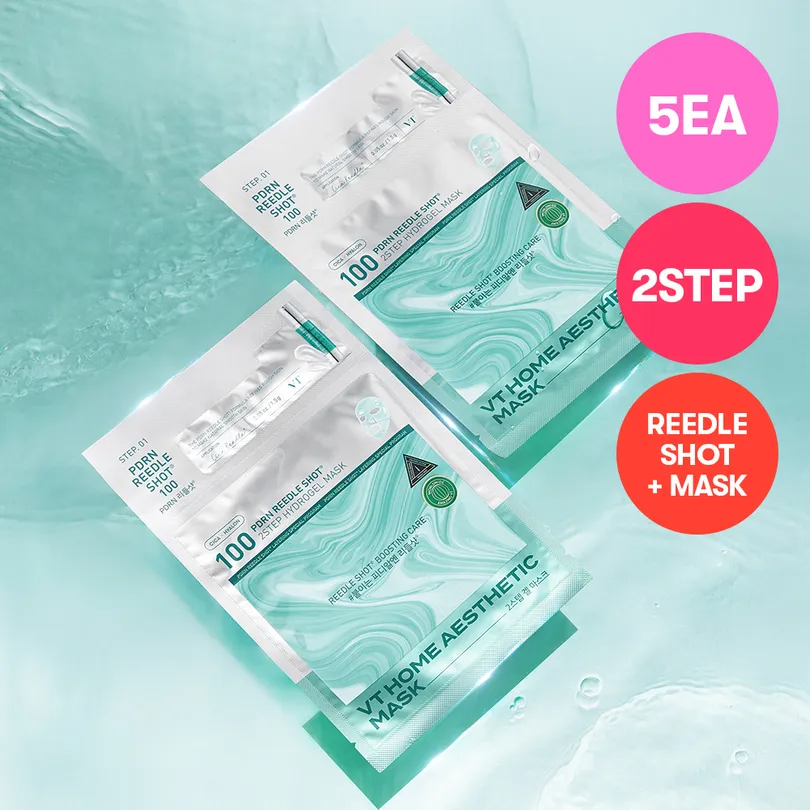
PDRN Reedle Shot 100 2-Step Hydrogel Mask
VT
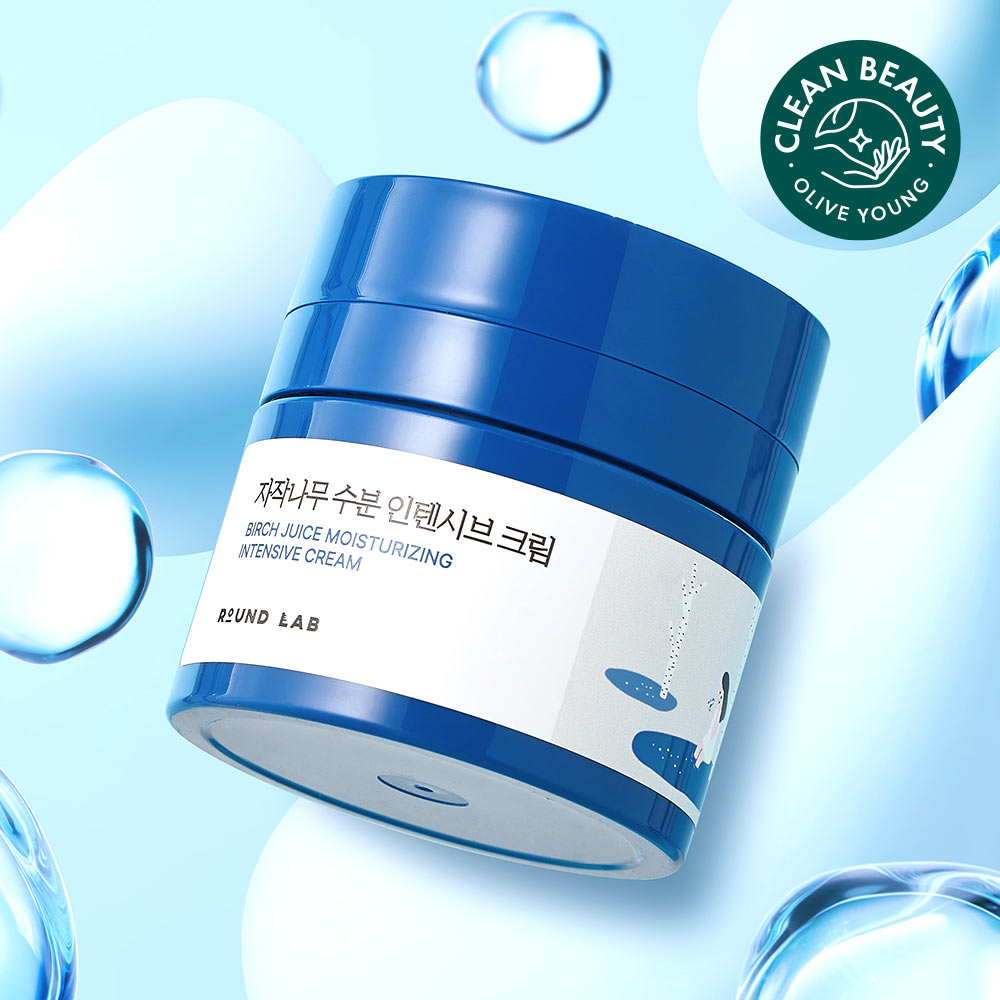
Birch Juice Moisturizing Intensive Cream
Round Lab
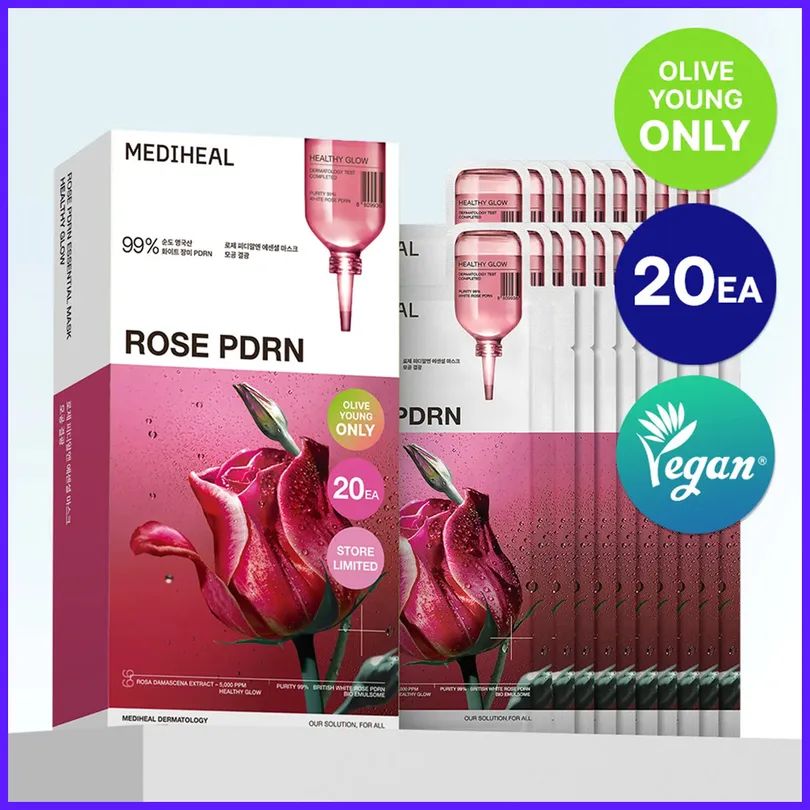
Rose PDRN Essential Mask Sheet For Healthy Glow
Mediheal

Zinc Teca Trouble Serum
Bringgreen
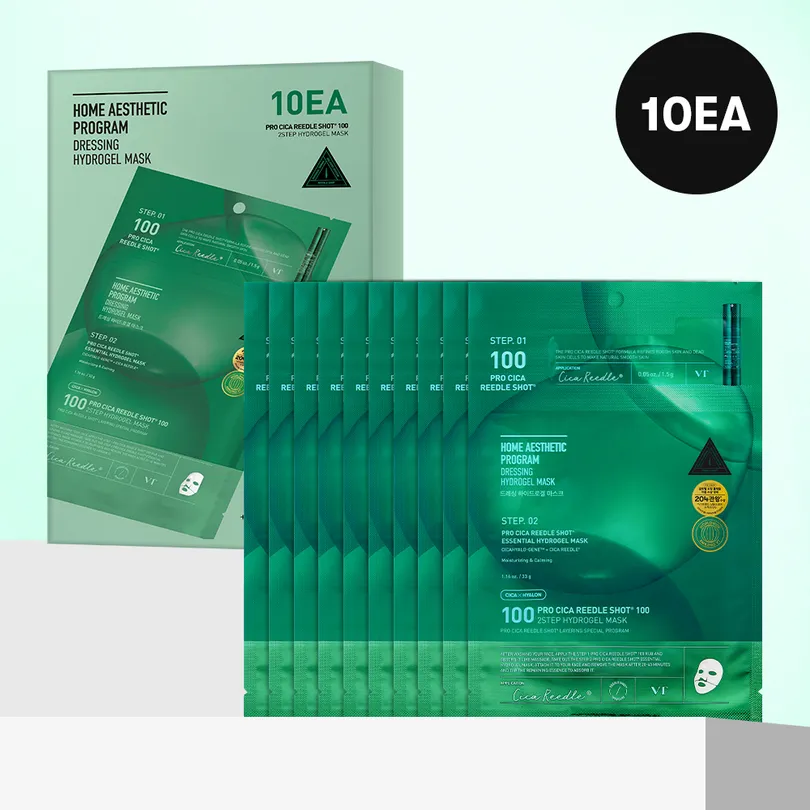
Pro Cica Reedle Shot 100 2-Step Hydrogel Mask
VT
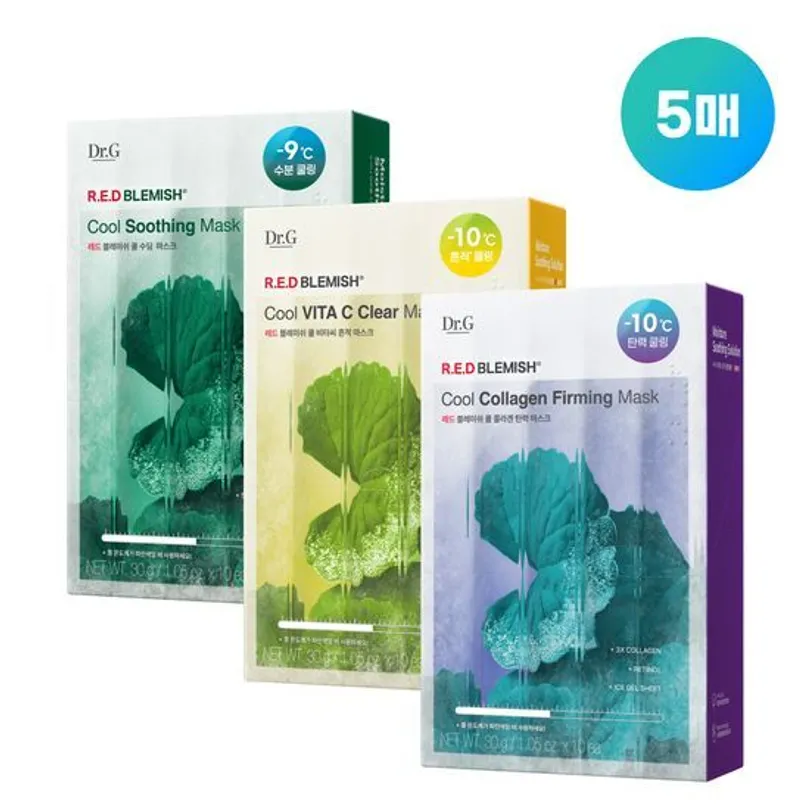
Red Blemish Cool Soothing Mask
Dr.G
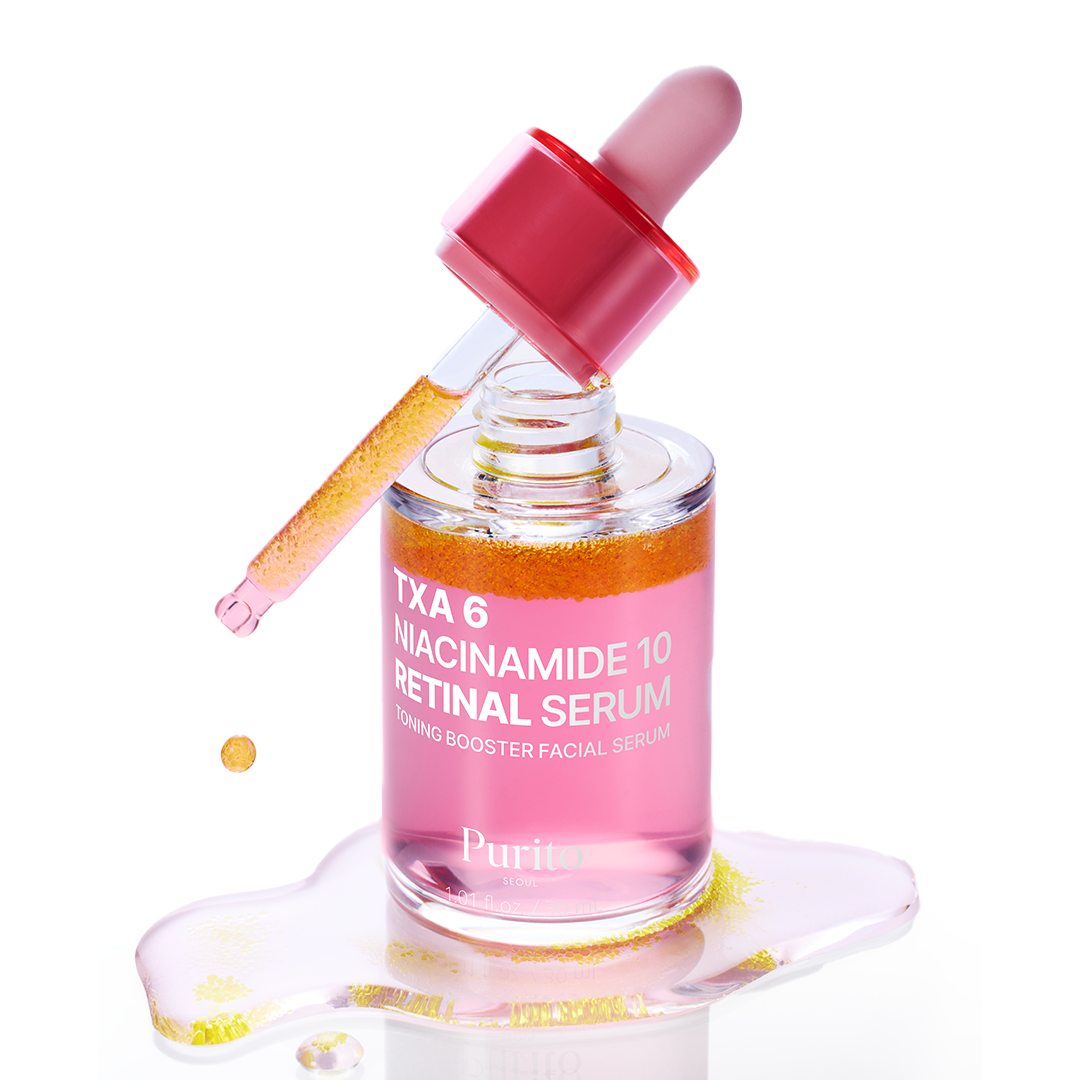
TXA Niacinamide 10 Retinal Serum
Purito Seoul
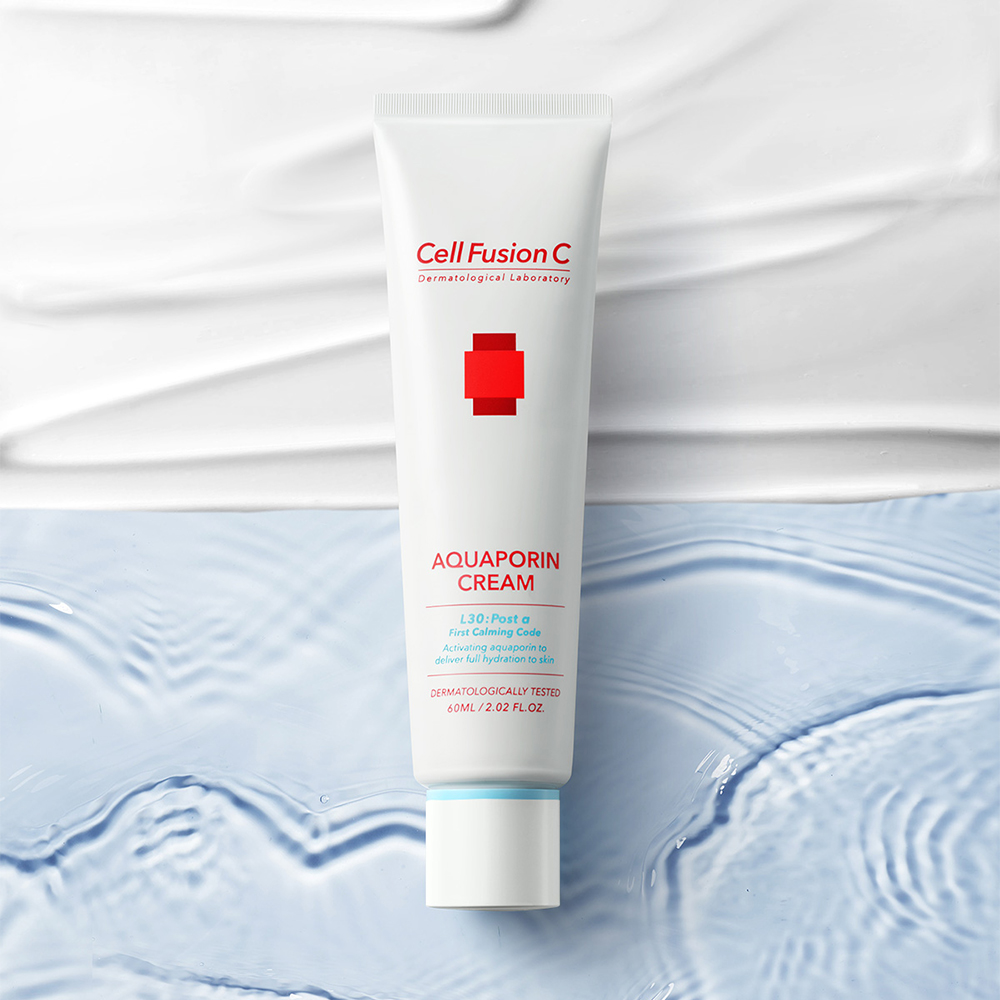
Post α Aquaporin Cream
Cell Fusion C
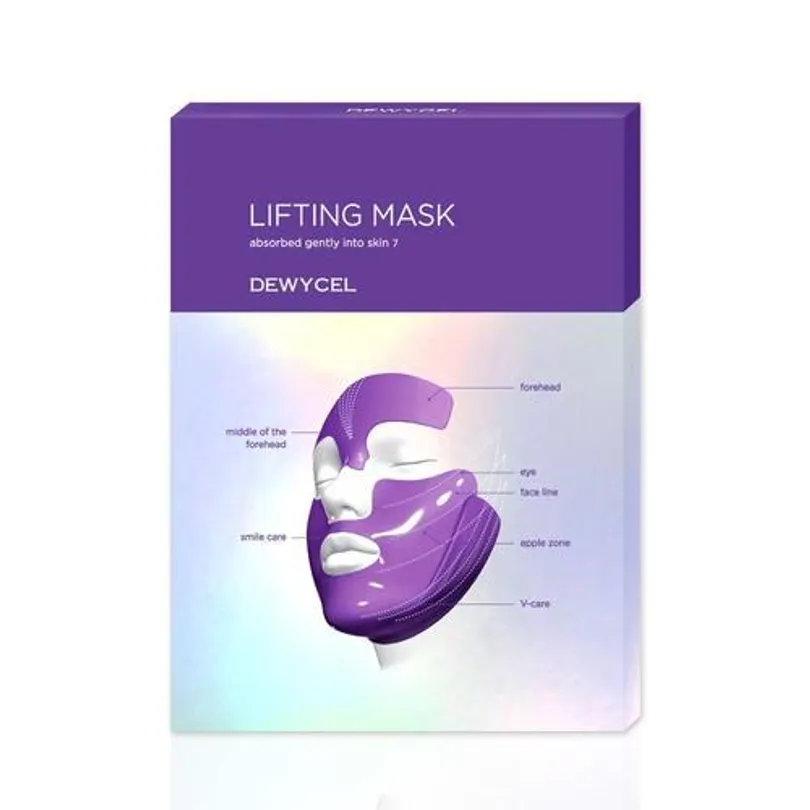
7 Lifting Mask Sheet
DEWY CEL
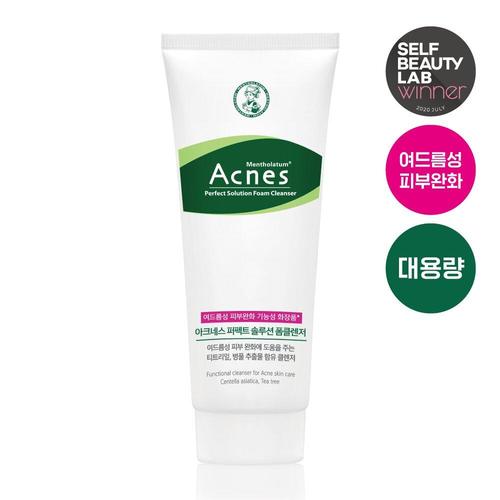
Perfect Solution Foam Cleanser
Acnes
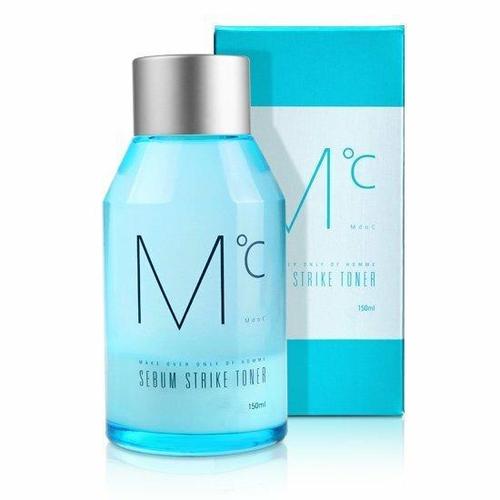
Sebum Strike Toner
Anua
Frequently Asked Questions
Is fig extract safe for acne-prone skin?▼
Can I use fig extract products during pregnancy?▼
How does fig extract compare to other fruit extracts in K-beauty?▼
Will fig extract make my skin photosensitive?▼
Explore More
Want personalized ingredient advice?
Yuri, our AI beauty advisor, can tell you how Fig Extract works with your specific skin type, routine, and concerns.
Ask Yuri, free