Vitamin B9
INCI: Folic Acid
Antioxidant that supports skin cell renewal
About Vitamin B9
Vitamin B9, also known as folic acid or folate in its natural form, is a water-soluble B vitamin that has gained attention in K-beauty for its impressive ability to support skin cell renewal and provide antioxidant protection. While folic acid is best known for its essential role in DNA synthesis and cell division throughout the body, skincare formulators have discovered that when applied topically, it helps accelerate the natural turnover of skin cells, leading to a fresher, more radiant complexion. In K-beauty formulations, folic acid works as both an active ingredient and a supporting player, enhancing the skin's ability to repair damage from environmental stressors like UV radiation and pollution. With a perfect safety rating of 5/5 and a non-comedogenic rating of 0/5, it's suitable for all skin types, including acne-prone and sensitive skin. Seoul Sister data shows vitamin B9 appears in 106 K-beauty products, ranging from cleansers like Parnell's Ceramic Bubble Peeling Cleanser to treatment serums like Real Barrier's Peptivita C Blemish Serum. Korean skincare brands often pair folic acid with other vitamins (especially vitamin C) and peptides to create synergistic formulas that address multiple skin concerns simultaneously, from uneven tone to fine lines and dullness.
How Vitamin B9 Works
At the cellular level, folic acid functions as a coenzyme in one-carbon transfer reactions, which are critical for the synthesis of nucleotides needed to create new DNA and RNA. When you apply folic acid topically, it penetrates the upper layers of skin and supports the rapid production of new, healthy skin cells while helping damaged cells repair their genetic material. This acceleration of cell turnover means that dead, dull surface cells are replaced more quickly with fresh cells, resulting in improved texture and brightness. As an antioxidant, folic acid neutralizes free radicals generated by UV exposure and pollution, protecting cellular structures from oxidative damage that leads to premature aging. Research suggests folic acid also supports the production of collagen and other structural proteins by ensuring that fibroblast cells have the resources they need for optimal function. Additionally, it works synergistically with other B vitamins (like niacinamide and panthenol) to strengthen the skin barrier and improve hydration retention, making it a valuable multi-tasking ingredient in comprehensive K-beauty routines.
Vitamin B9 by Skin Type
Oily Skin
Folic acid is excellent for oily skin because it supports faster cell turnover without adding heaviness or clogging pores (0/5 comedogenic rating). The enhanced renewal process helps prevent dead cells from mixing with excess sebum and creating congestion, while its antioxidant properties protect against the oxidative stress that can trigger inflammatory acne.
Dry Skin
For dry skin, folic acid aids in generating new, healthy cells that better retain moisture and maintain barrier integrity. When combined with hydrating ingredients common in K-beauty formulas (like hyaluronic acid or ceramides), it helps address the root cause of dryness by improving the skin's natural renewal cycle rather than just masking symptoms with emollients.
Combo Skin
Combination skin benefits from folic acid's balanced approach to renewal, as it addresses both the congestion-prone areas (typically T-zone) and drier patches without over-stripping or over-moisturizing. Its non-comedogenic nature means it won't worsen oily zones, while its cell-renewal properties help normalize skin function across different areas of the face.
Sensitive Skin
With a perfect 5/5 safety rating, folic acid is generally well-tolerated by sensitive skin types. Its gentle support of natural cell renewal processes helps strengthen compromised skin barriers over time, and its antioxidant action reduces inflammation caused by environmental aggressors without the irritation sometimes associated with stronger exfoliating ingredients.
Normal Skin
Normal skin can use folic acid as preventative care to maintain optimal cell turnover and protect against early signs of aging. It helps preserve the healthy balance normal skin already enjoys while providing antioxidant defense against daily environmental damage that accumulates over time.
How to Use Vitamin B9
- 1Look for folic acid in morning products (like vitamin C serums or cleansers) where its antioxidant properties provide daytime protection against environmental damage.
- 2Pair folic acid products with broad-spectrum sunscreen, as enhanced cell turnover can make new skin cells more vulnerable to UV damage.
- 3If using multiple vitamin-rich products, apply water-soluble vitamins like folic acid before oil-based treatments to ensure proper absorption.
- 4Folic acid works synergistically with other B vitamins, so products that combine B9 with niacinamide (B3) or panthenol (B5) often deliver enhanced results.
- 5Start with leave-on products like serums before trying folic acid cleansers, as longer contact time allows better penetration and results.
Background
Folic acid was first extracted from spinach leaves in 1941 by researcher Lucy Wills, who discovered its crucial role in preventing anemia. The name comes from the Latin word 'folium' meaning leaf, reflecting its abundance in leafy greens. While folic acid has been a nutritional staple for decades (particularly important for pregnant women), its application in skincare is relatively recent. Korean beauty researchers began incorporating folic acid into formulations in the early 2010s as part of the K-beauty trend toward vitamin-rich, science-backed ingredients that support skin health from multiple angles. The ingredient gained particular traction in Korea's focus on 'skin vitality' and 'glass skin' trends, where rapid cell renewal and antioxidant protection are key to achieving that coveted luminous, healthy glow. Today, folic acid appears across multiple K-beauty categories, from cleansers to serums, often in multi-vitamin formulas that reflect Korea's holistic approach to skincare.
K-Beauty Products with Vitamin B9
View all 114 →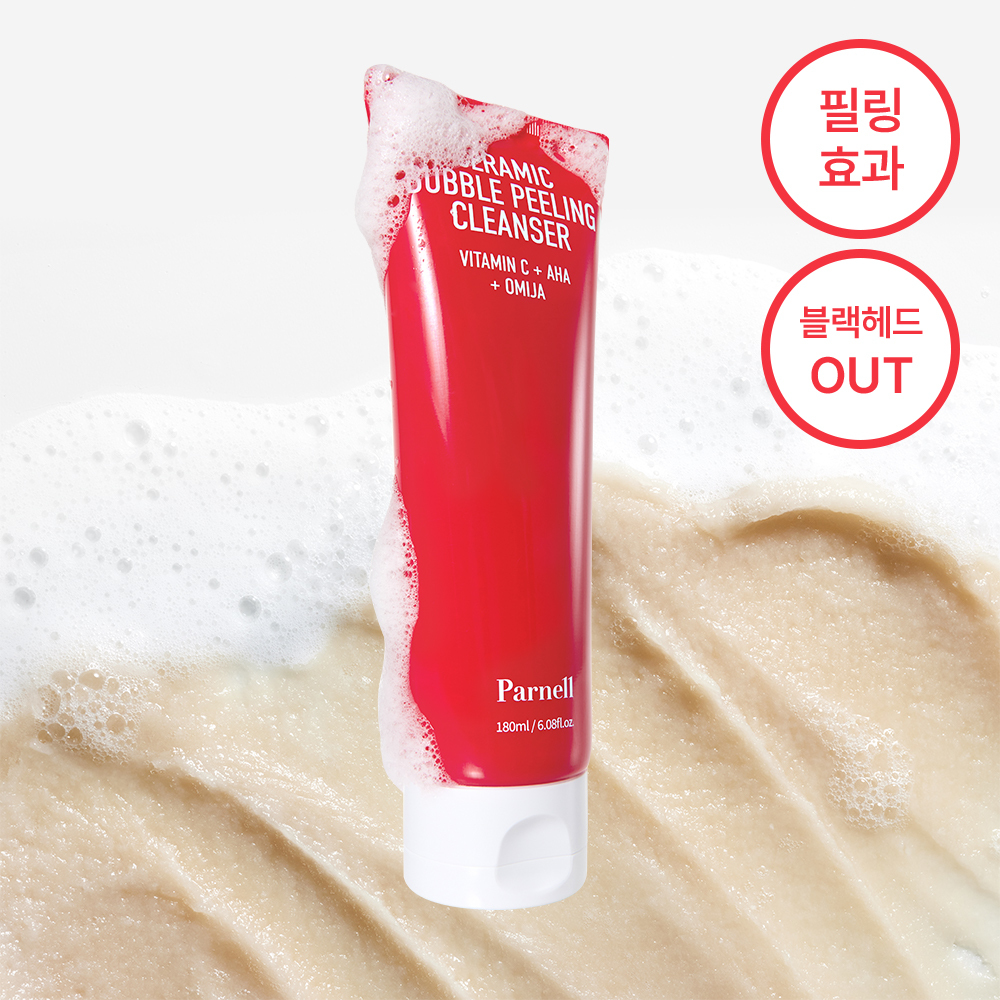
Ceramic Bubble Peeling Cleanser
Parnell
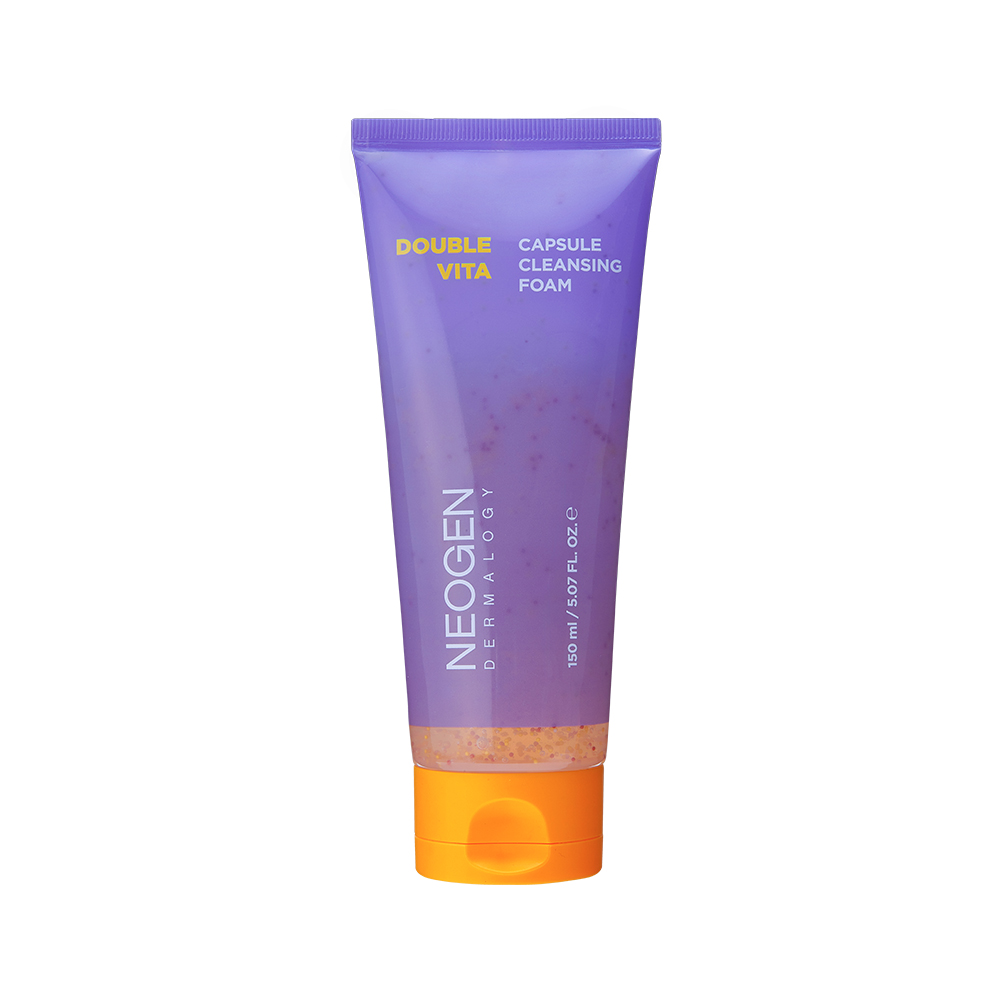
Double Vita Capsule Cleansing Foam
Neogen
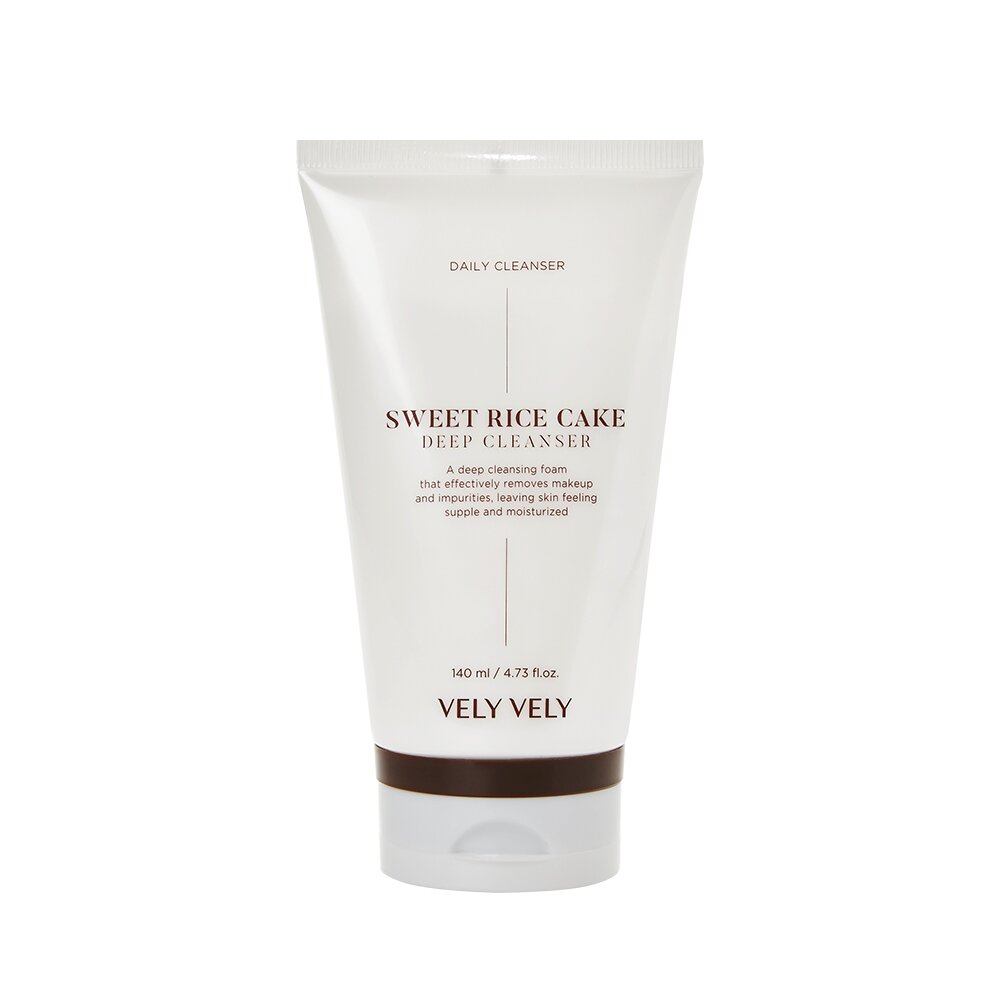
Sweet Rice Cake Deep Cleanser
VELY VELY
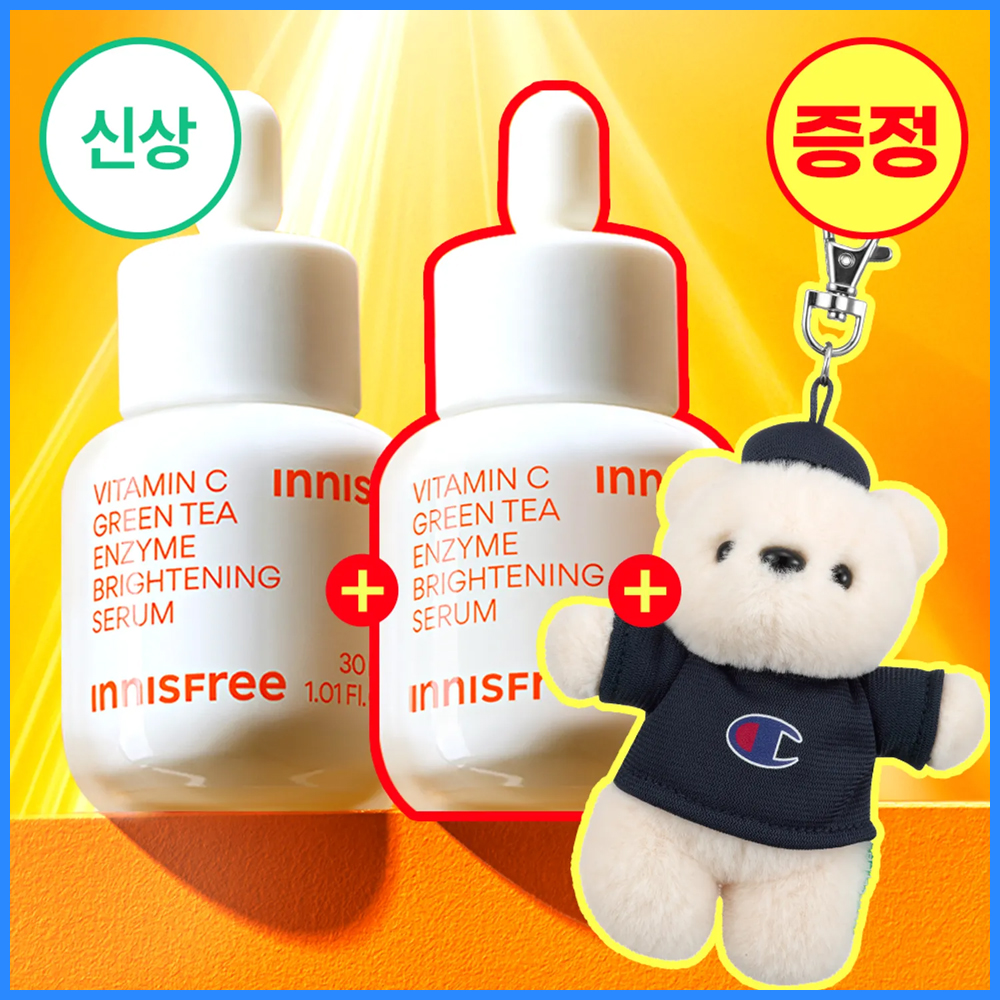
Vitamin C Green Tea Enzyme Brightening Serum
Innisfree
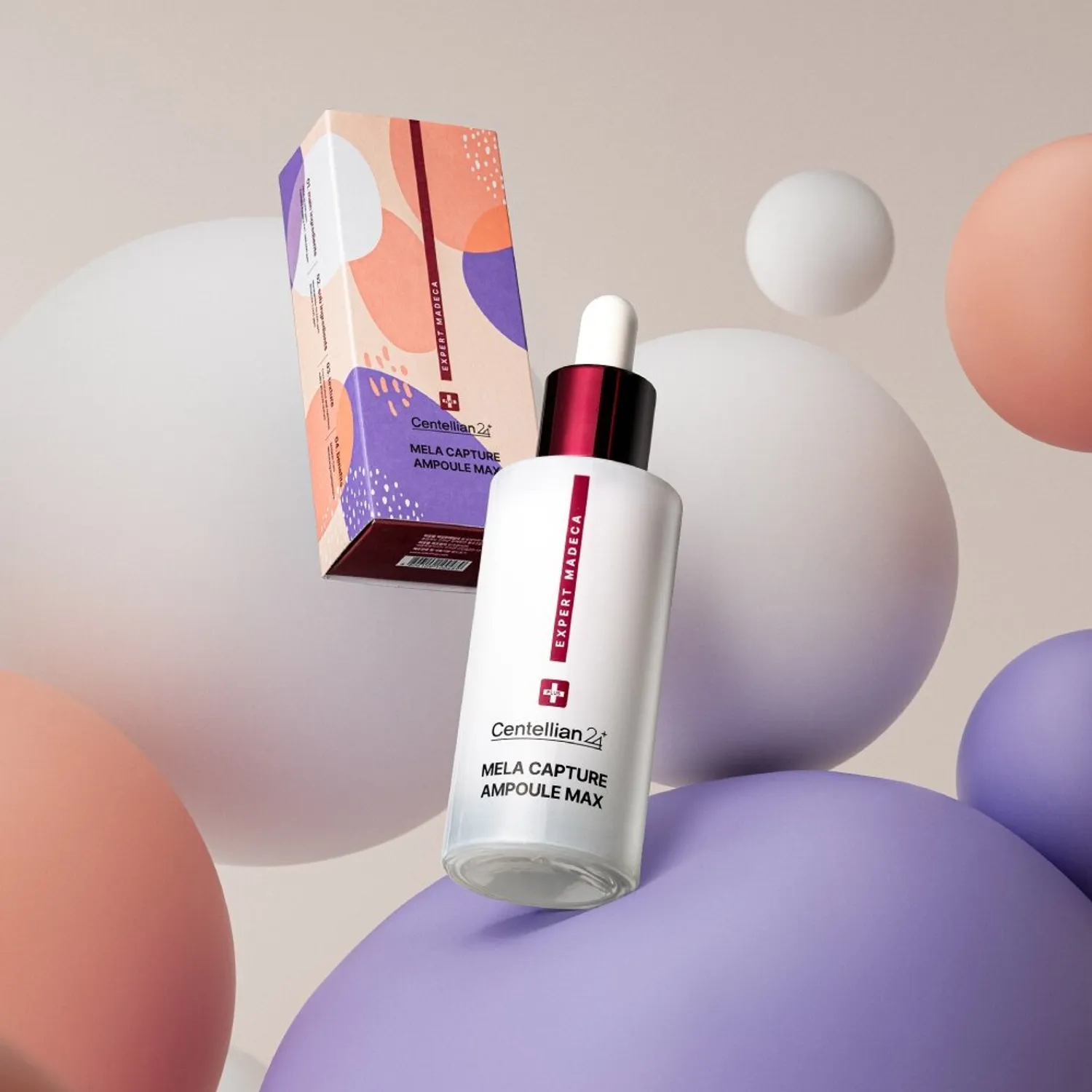
Expert Madeca Mela Capture Ampoule Max
Centellian24
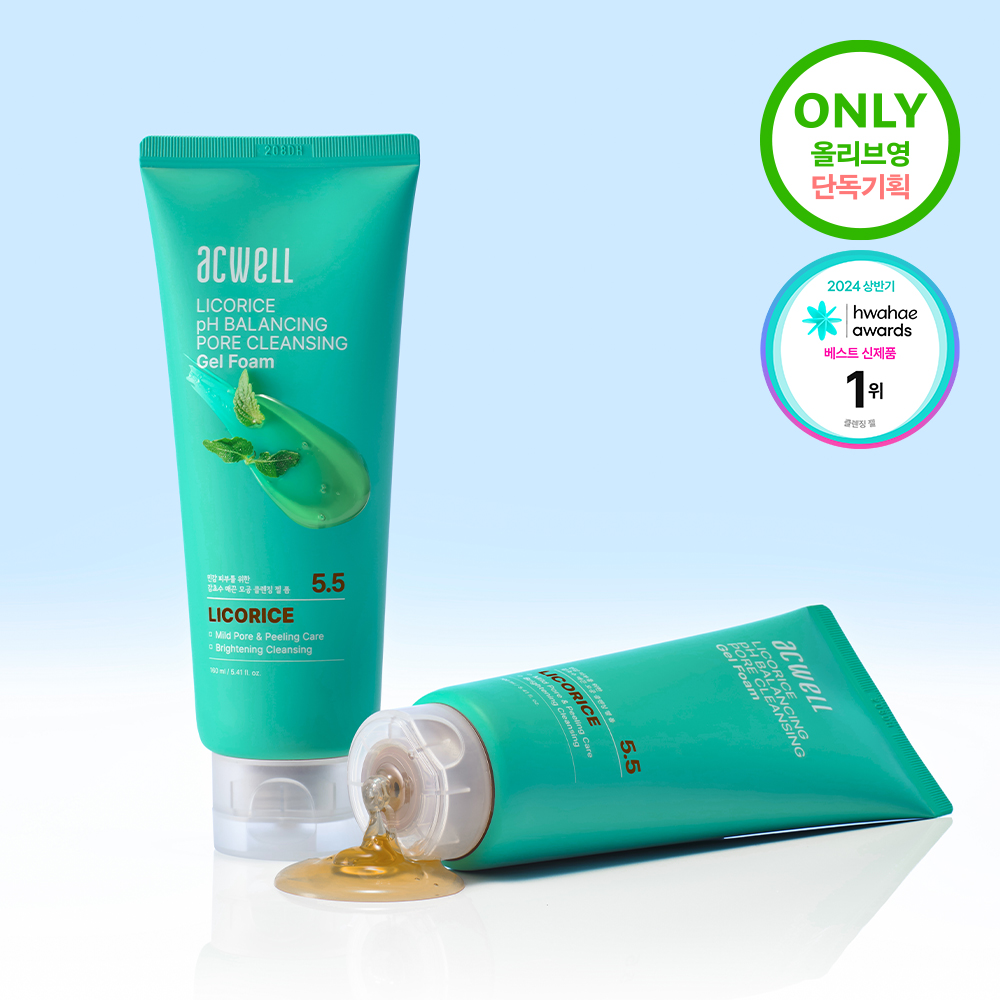
Licorice pH Balancing Pore Cleansing Gel Foam Double Set
Acwell
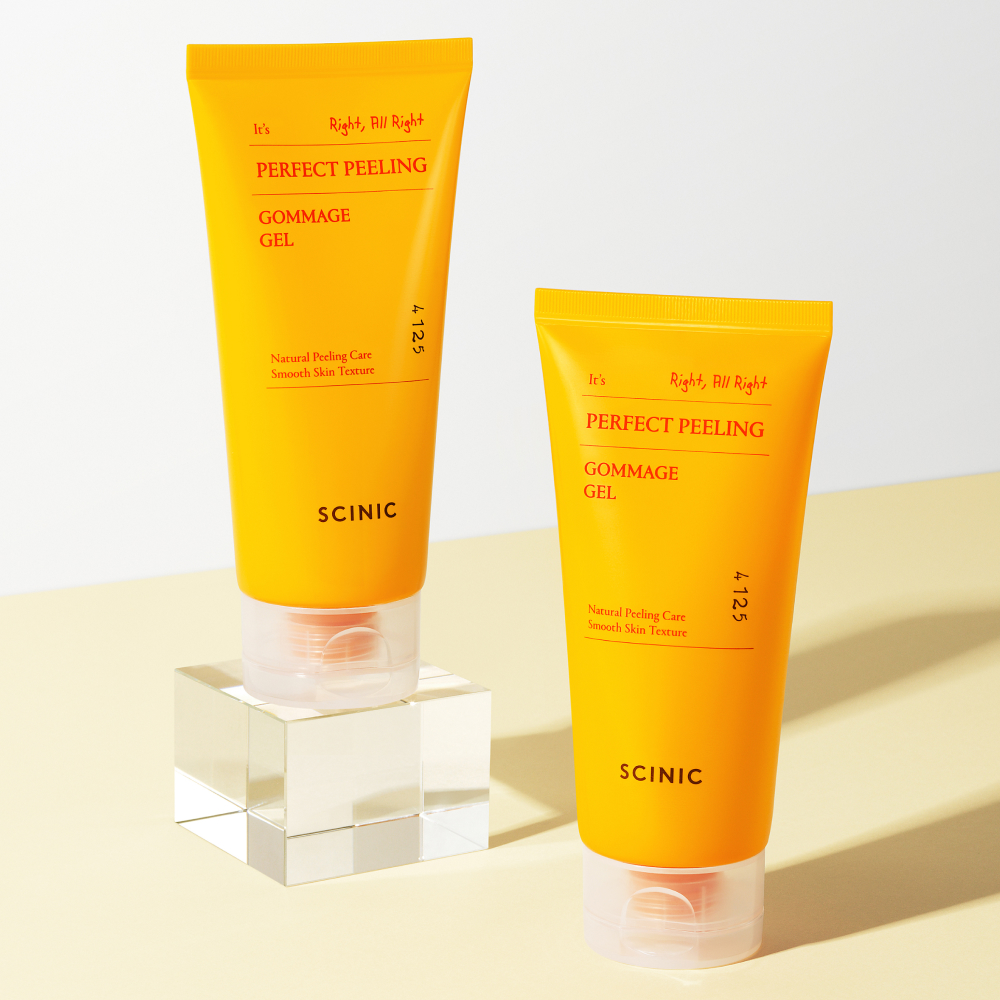
Perfect Peeling Gommage Gel
Scinic
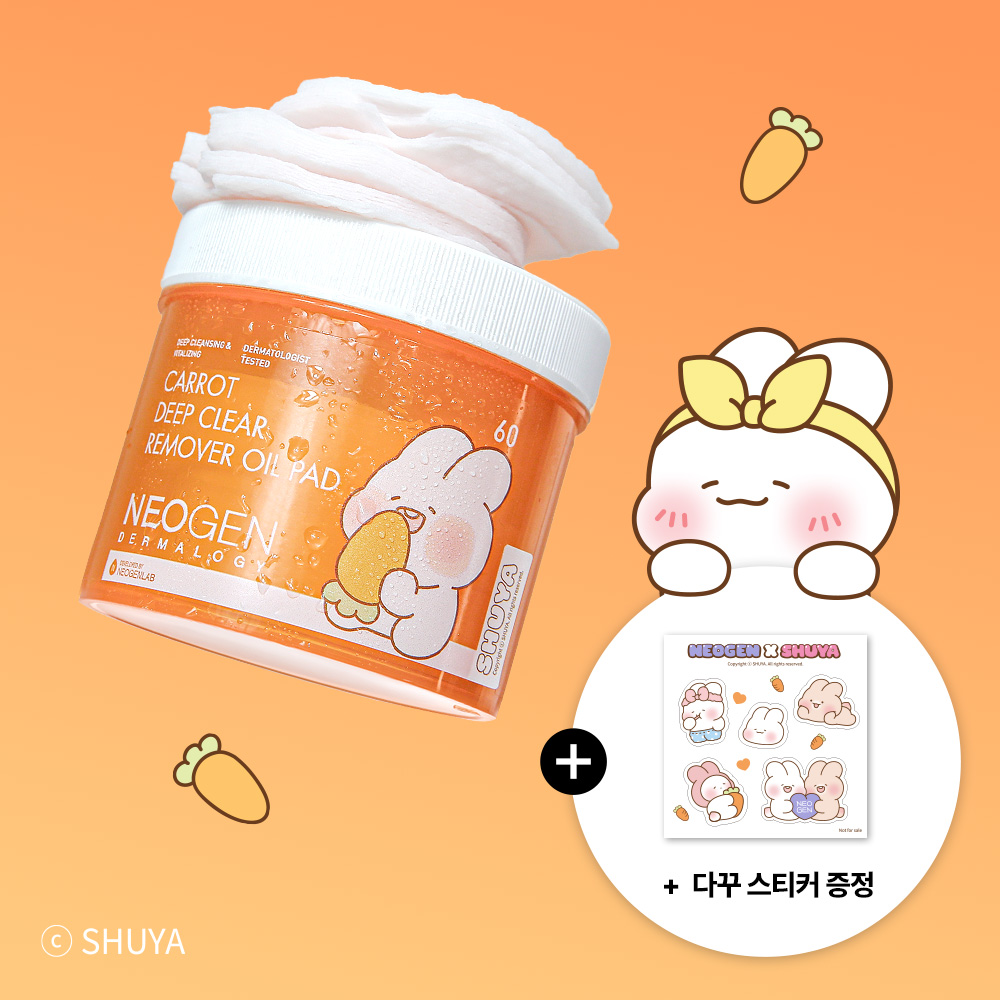
Dermalogy Carrot Deep Clear Remover Oil Pad
Neogen
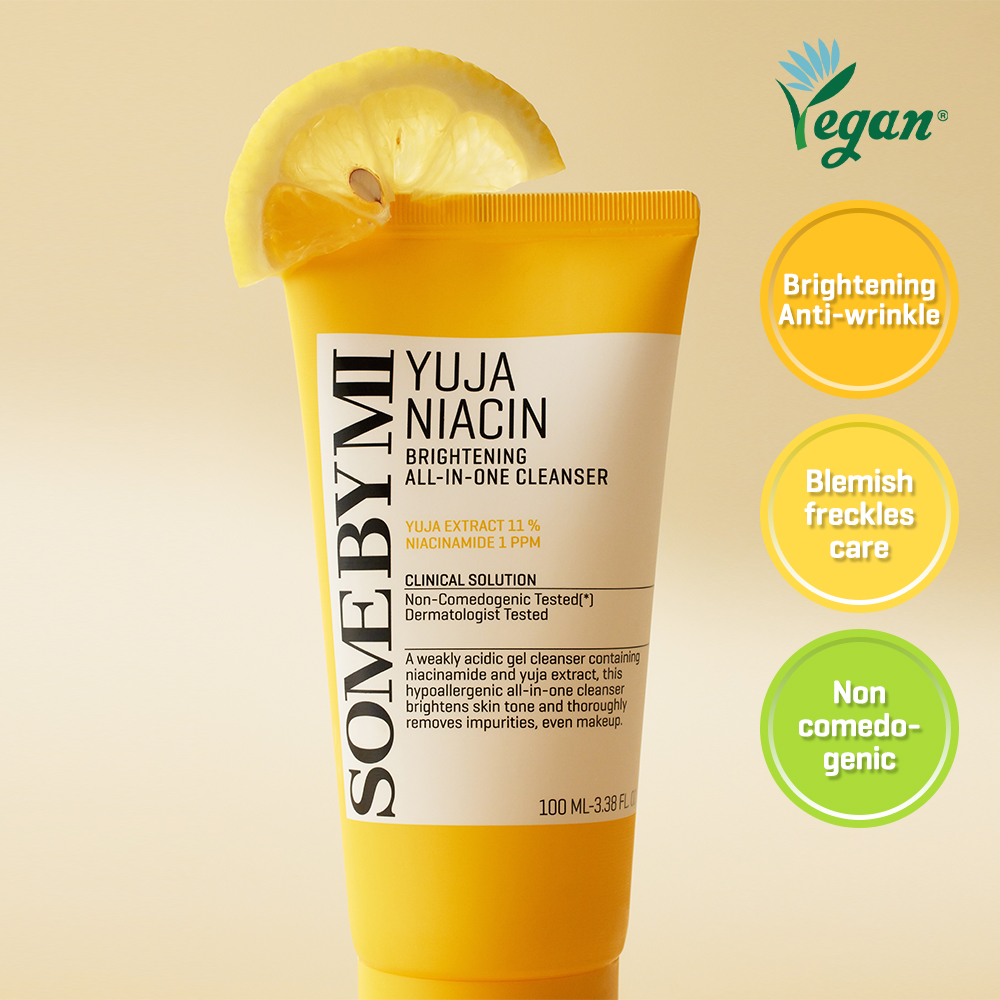
Yuja Niacin Brightening All In One Cleanser
Some By Mi
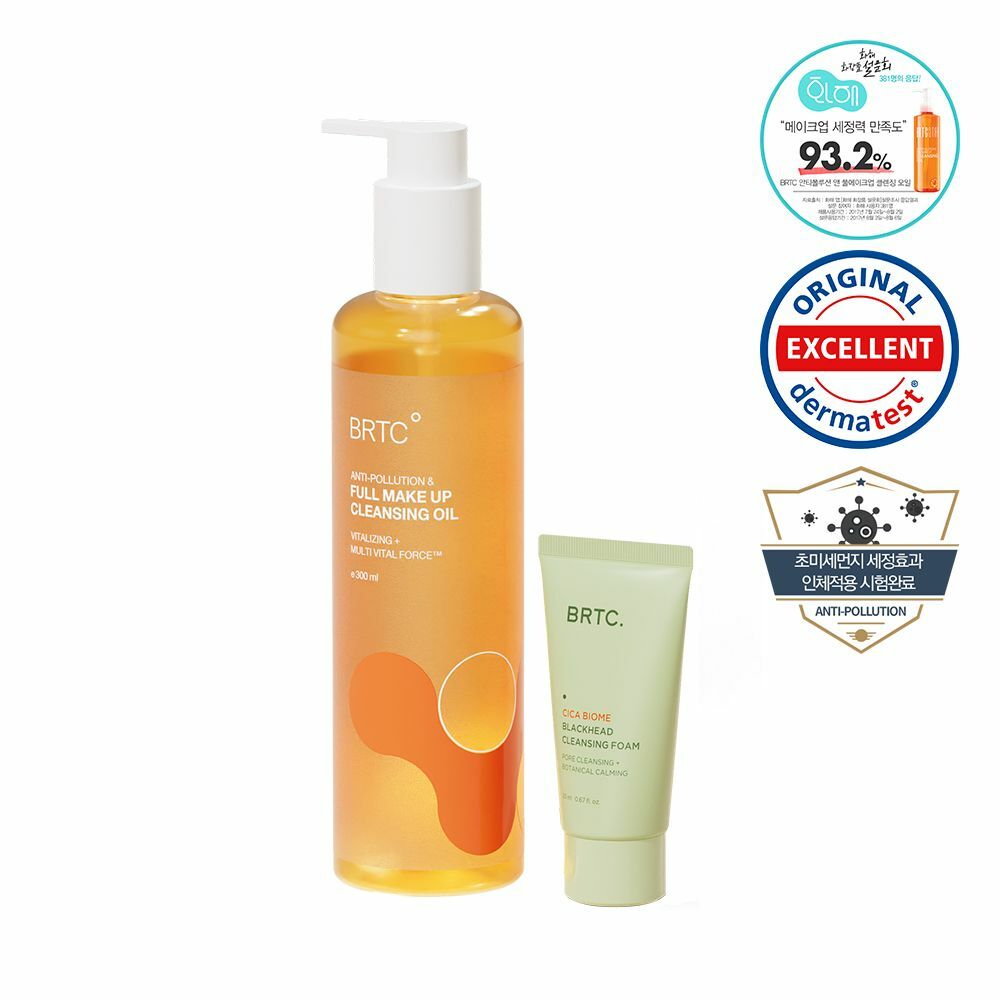
Anti-Pollution & Full Make Up Cleansing Oil
BRTC
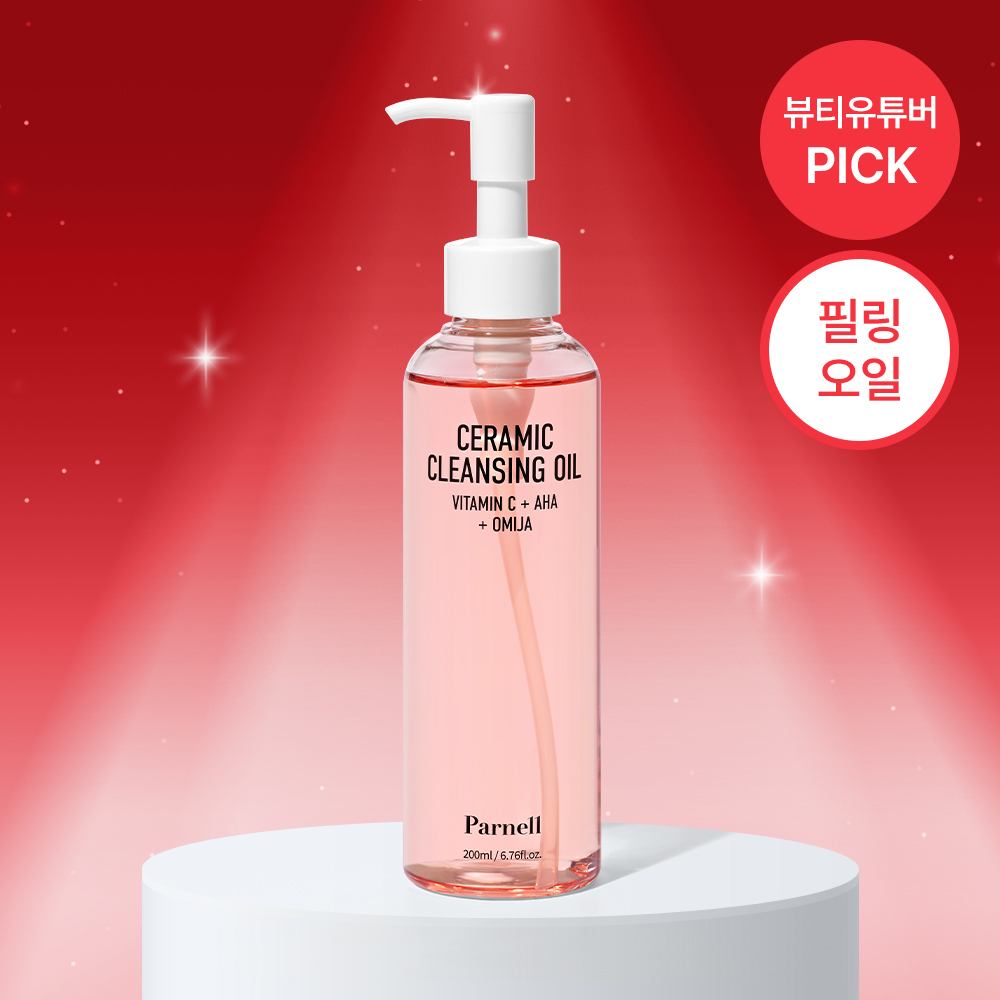
Ceramic Cleansing Oil
Parnell
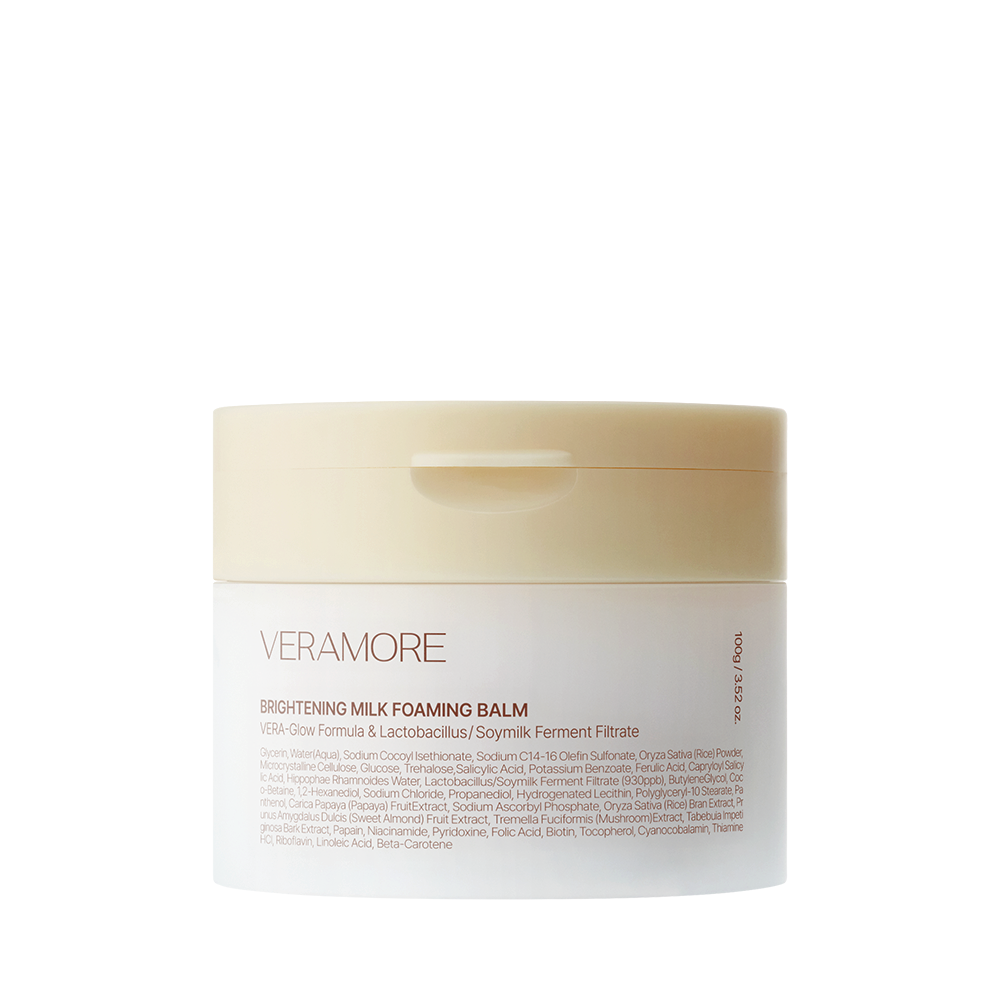
Veramore Brightening Milk Foaming Balm
Banila Co
Frequently Asked Questions
Can I use folic acid with vitamin C or other actives?▼
How quickly will I see results from folic acid products?▼
Is folic acid the same in skincare as the supplement I take?▼
Why is folic acid in cleansers if it rinses off?▼
Can folic acid help with hyperpigmentation or dark spots?▼
Explore More
Want personalized ingredient advice?
Yuri, our AI beauty advisor, can tell you how Vitamin B9 works with your specific skin type, routine, and concerns.
Ask Yuri, free