Fructose
Humectant that hydrates and conditions skin
About Fructose
Fructose is a simple sugar naturally found in fruits and honey that functions as a highly effective humectant in skincare. As the sweetest naturally occurring carbohydrate, it's also one of the most hygroscopic, meaning it pulls moisture from the air and binds it to the skin with impressive efficiency. In K-beauty formulations, fructose serves as both a hydration powerhouse and a natural preservative enhancer, helping products maintain their efficacy while delivering plump, dewy skin. Unlike some humectants that can feel sticky or heavy, fructose provides lightweight hydration that layers beautifully under other products. Its small molecular size allows it to penetrate the upper layers of skin easily, where it works to maintain optimal moisture levels throughout the day. Korean brands particularly value fructose for its compatibility with sensitive skin and its ability to enhance the performance of other active ingredients like centella asiatica and panthenol. With a perfect safety rating of 5/5 and zero comedogenic potential, fructose appears across 133 K-beauty products on Seoul Sister, from gentle cleansers to intensive treatment creams. Its natural origin and proven track record make it a staple in formulations designed for stressed, dehydrated, or compromised skin barriers.
How Fructose Works
At the molecular level, fructose works through osmotic action and hydrogen bonding to deliver multi-layered hydration. Its hydroxyl groups form strong hydrogen bonds with water molecules, creating a moisture reservoir in the stratum corneum that prevents transepidermal water loss. Because fructose is a smaller molecule than many polysaccharides, it penetrates more readily into the upper epidermis, where it attracts and holds water at the cellular level. This creates a gradient that draws moisture from deeper skin layers to the surface, promoting a natural plumping effect. Fructose also acts as a natural humectant by lowering the water activity in formulations, which inhibits microbial growth and enhances product stability. When applied topically, it supports the skin's natural moisturizing factor (NMF), a complex mixture of hygroscopic compounds that maintain skin hydration. Additionally, fructose can undergo the Maillard reaction with amino acids in the skin, though at cosmetic concentrations this is minimal and primarily contributes to product preservation rather than skin changes.
Fructose by Skin Type
Oily Skin
Fructose works exceptionally well for oily skin because it provides lightweight, non-greasy hydration without adding oils or occlusives that might trigger excess sebum production. The zero comedogenic rating means it won't clog pores or contribute to breakouts, making it ideal for acne-prone skin that still needs moisture. Products like Papa Recipe's Teatree Control Pack demonstrate how fructose can hydrate while supporting clarifying ingredients.
Dry Skin
This ingredient is a star performer for dry skin, delivering the intense moisture retention that dehydrated complexions desperately need. Fructose's exceptional hygroscopic properties mean it continuously pulls moisture from the environment to keep skin hydrated throughout the day. In rich formulations like Numbuzin's Pantothenic B5 Active Soothing Cream, fructose works synergistically with other humectants and emollients to repair compromised moisture barriers.
Combo Skin
Combination skin benefits from fructose's ability to provide balanced hydration without overloading oily zones or under-serving dry patches. Its lightweight texture and water-binding capacity make it perfect for products that need to work across different skin areas. The ingredient hydrates dry cheeks while keeping the T-zone comfortable and non-greasy.
Sensitive Skin
Fructose is exceptionally gentle on sensitive skin, with its natural origin and simple molecular structure minimizing the risk of irritation or allergic reactions. The perfect 5/5 safety rating reflects its compatibility with reactive complexions. In calming formulations like Abib's Heartleaf TECA Capsule Serum, fructose supports soothing actives by maintaining optimal hydration levels that help strengthen compromised barriers.
Normal Skin
Even balanced skin benefits from fructose's ability to maintain optimal hydration levels and support the skin's natural moisturizing factor. It works preventatively to keep normal skin in its healthy state, preventing the moisture loss that can lead to premature aging or sensitivity. Normal skin types can use fructose-containing products daily without concern for disrupting their skin's natural balance.
How to Use Fructose
- 1Layer fructose-containing toners or essences immediately after cleansing on damp skin to maximize moisture absorption and create a hydration reservoir for subsequent products.
- 2Use fructose products in both morning and evening routines as they work continuously to attract and bind moisture, with no risk of photosensitivity or time-of-day restrictions.
- 3In dry climates or air-conditioned environments, apply fructose serums or creams more frequently as the ingredient pulls moisture from the air, so humid conditions enhance its effectiveness.
- 4Combine fructose products with occlusives like sleeping masks or creams in your evening routine to seal in the moisture it attracts and prevent overnight water loss.
- 5Fructose pairs exceptionally well with exfoliating acids (as seen in The Ordinary's Glycolic Acid Toner) because it helps counteract potential dryness while the acids work to resurface skin.
Background
Fructose has been used in traditional medicine and beauty practices for centuries, though its scientific understanding as a skincare ingredient is more recent. Ancient cultures recognized that honey, rich in fructose, promoted wound healing and skin softening, leading to its use in beauty treatments across Egypt, Greece, and Asia. The Korean beauty industry began incorporating isolated fructose into modern formulations in the early 2000s as cosmetic chemistry advanced and brands sought natural, effective humectants that could replace more irritating synthetic alternatives. K-beauty's philosophy of gentle, hydration-focused skincare made fructose a natural fit, and its compatibility with fermented ingredients and botanical extracts further cemented its place in Korean formulations. Today, fructose appears in everything from first-step cleansers to final-step creams, valued for its ability to support the skin barrier while working harmoniously with K-beauty's signature multi-step routines.
K-Beauty Products with Fructose
View all 145 →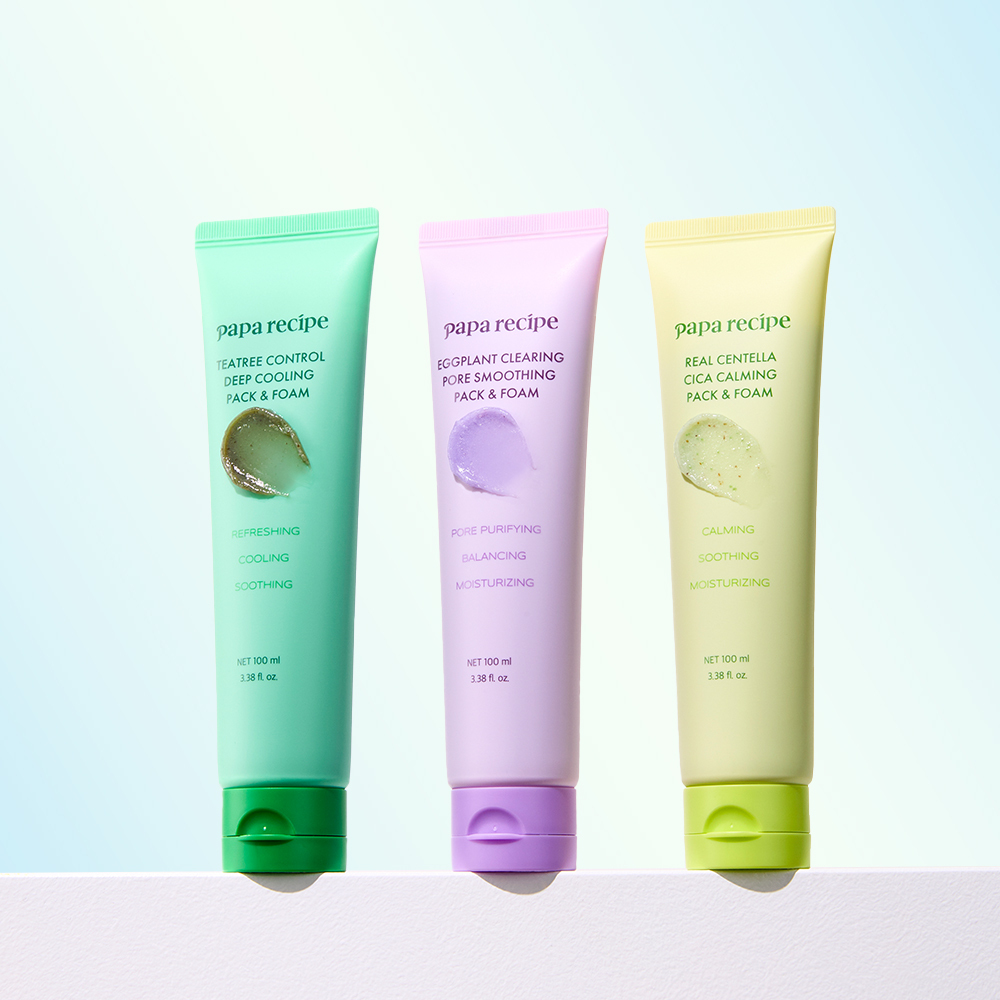
Pack & Foam (Real Centella/Eggplant Clearing/Teatree Control)
Papa Recipe
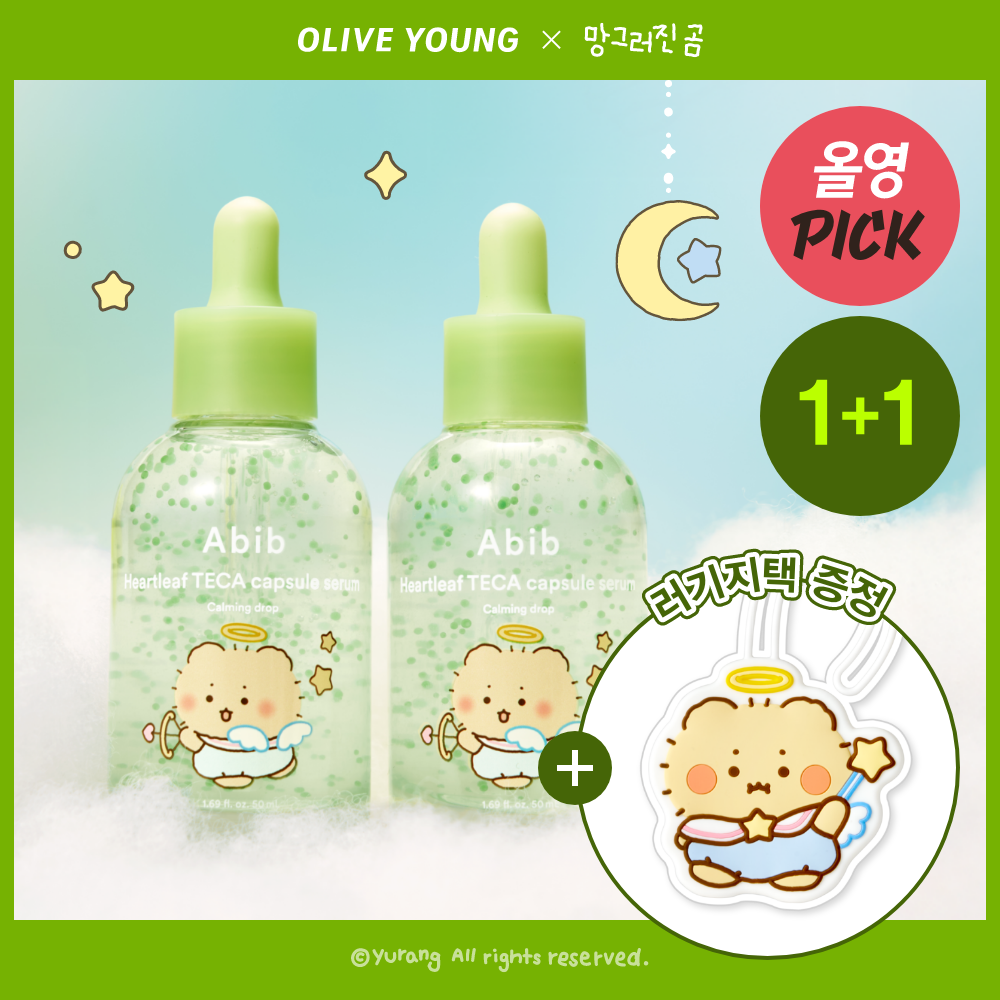
Heartleaf TECA Capsule Serum Calming Drop
Abib
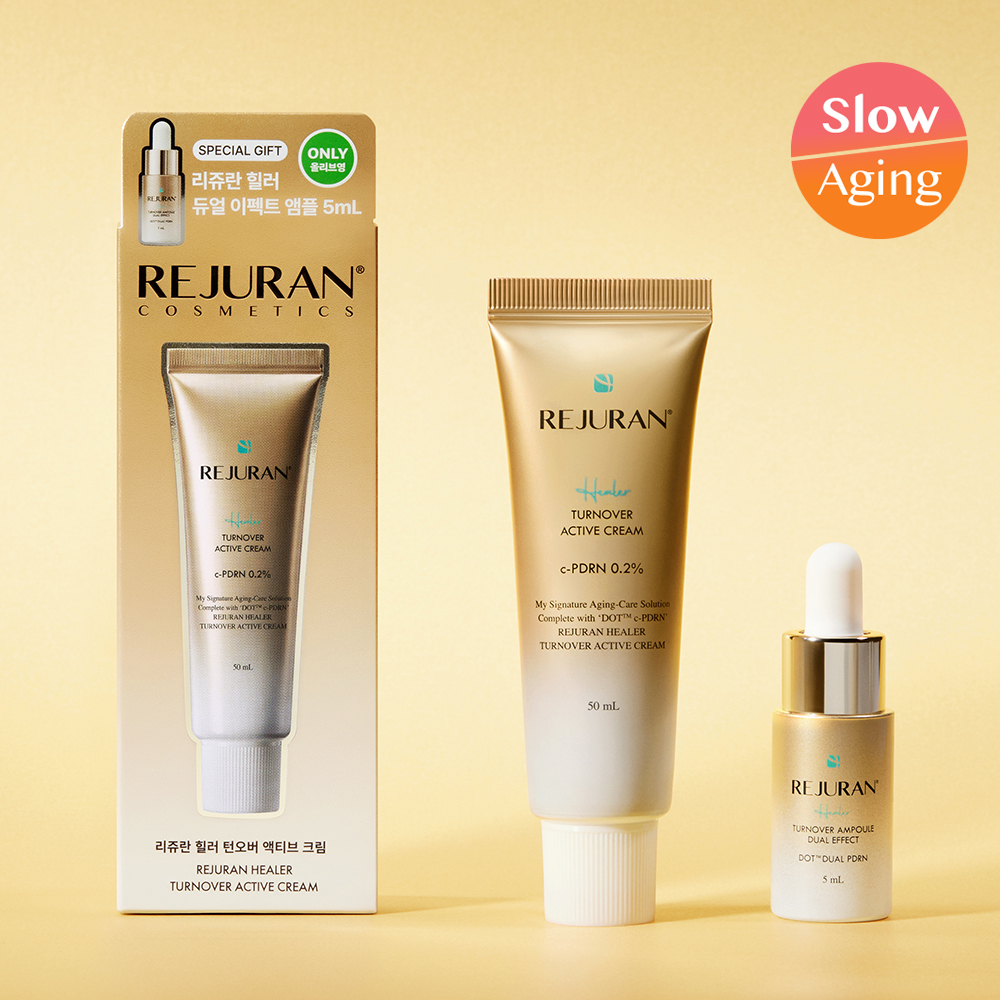
Healer Turnover Active Cream Set
Rejuran
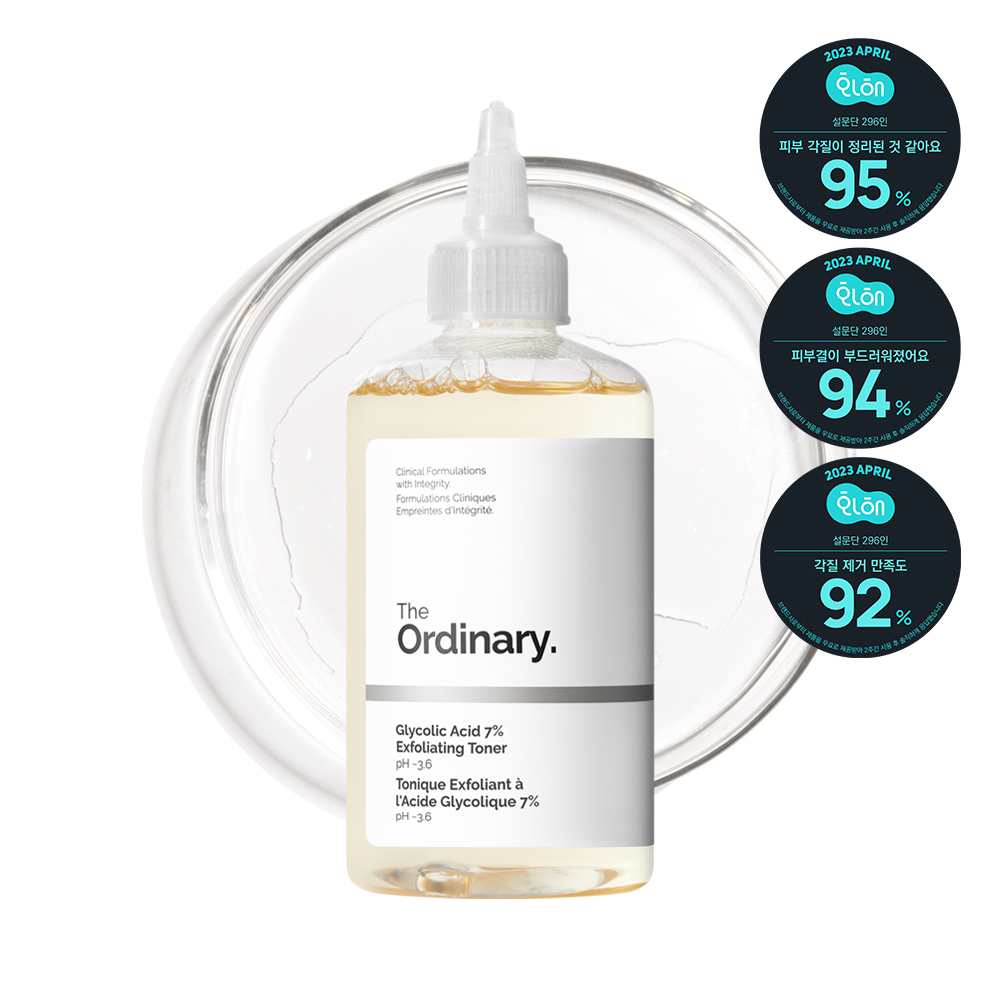
Glycolic Acid 7% Exfoliating Toner
The Ordinary
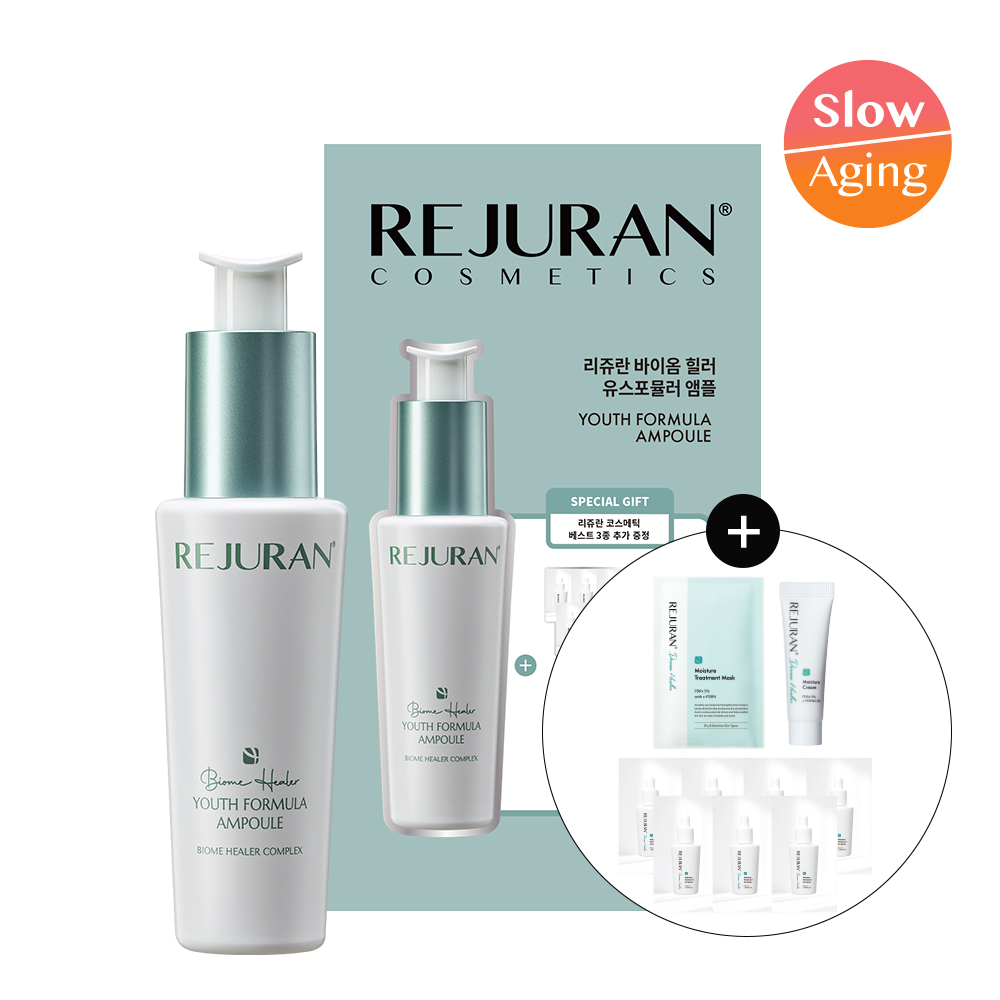
Biome Healer Youth Formula Ampoule
Rejuran
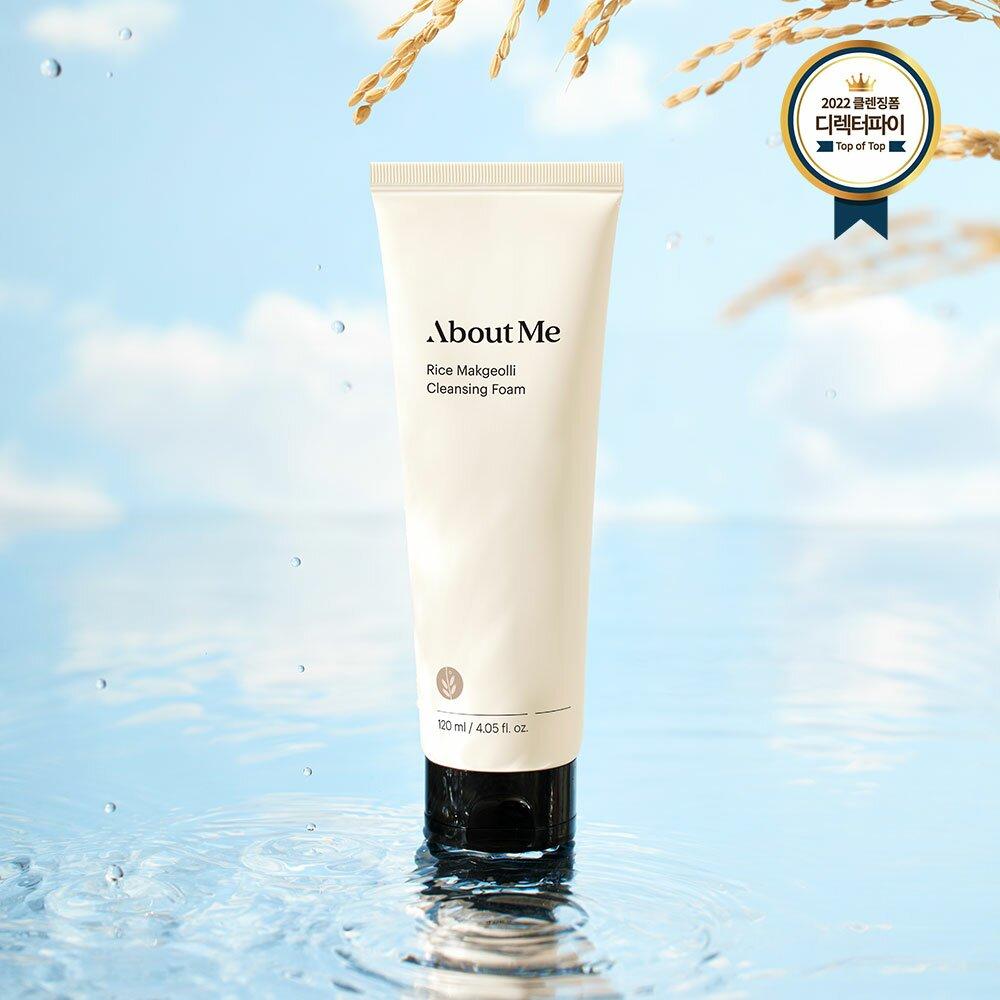
Rice Matgeolli Cleansing Foam
Beplain
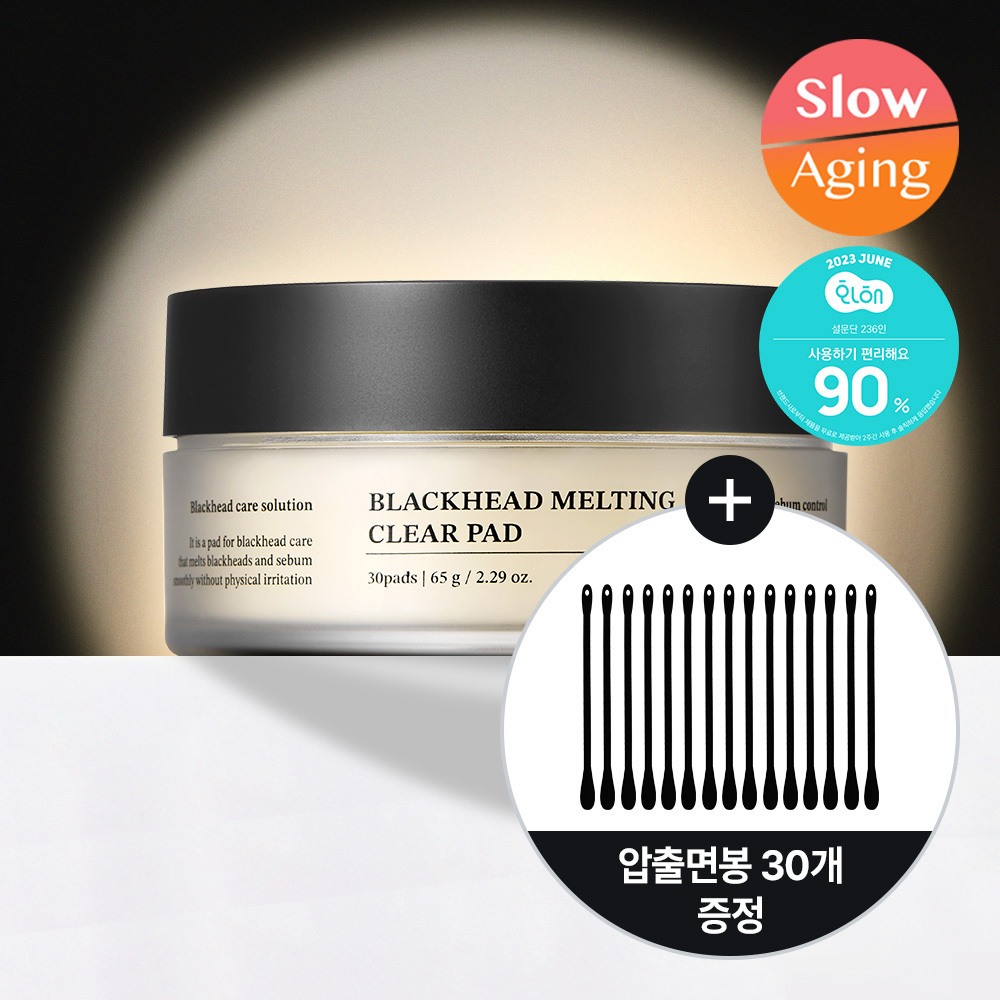
Blackhead Melting Clear Pad Set
Sungboon Editor

Blackhead Melting Clear Pad
Sungboon Editor
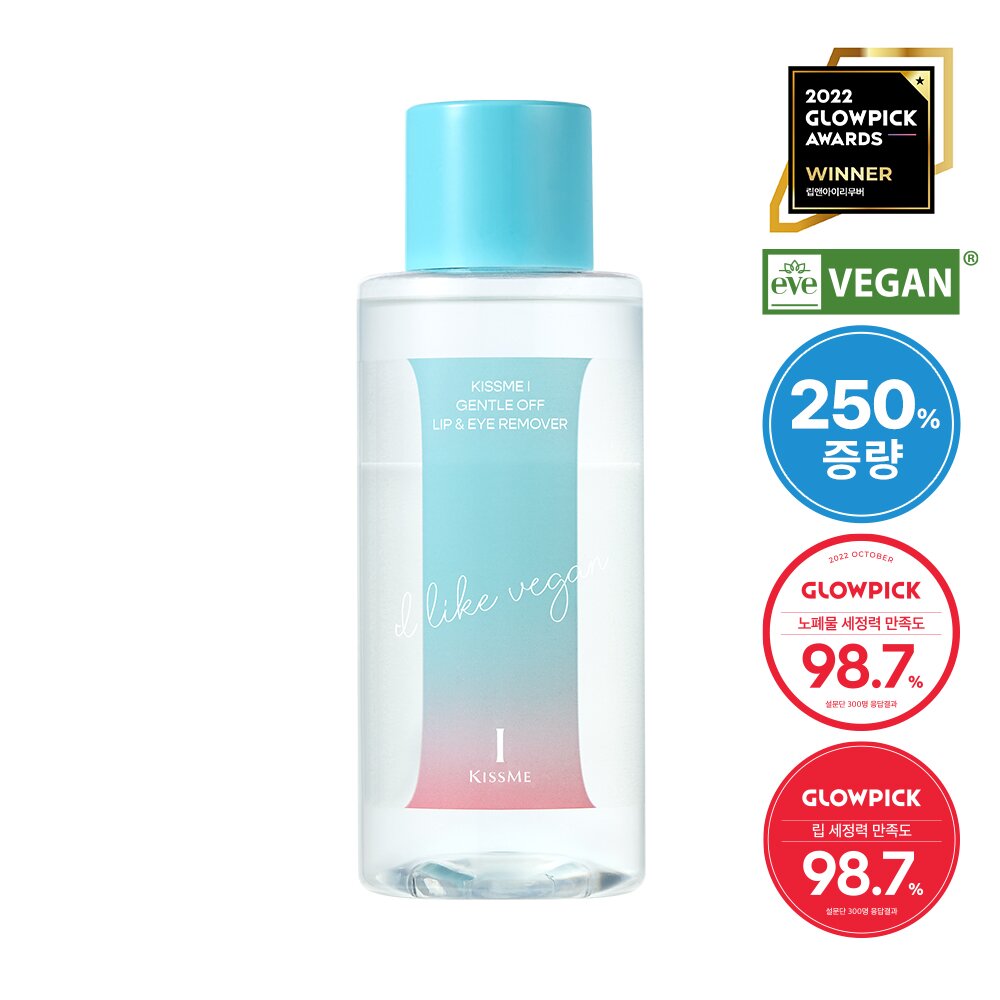
Gentle Off Lip & Eye Remover Large Size
Kiss Me
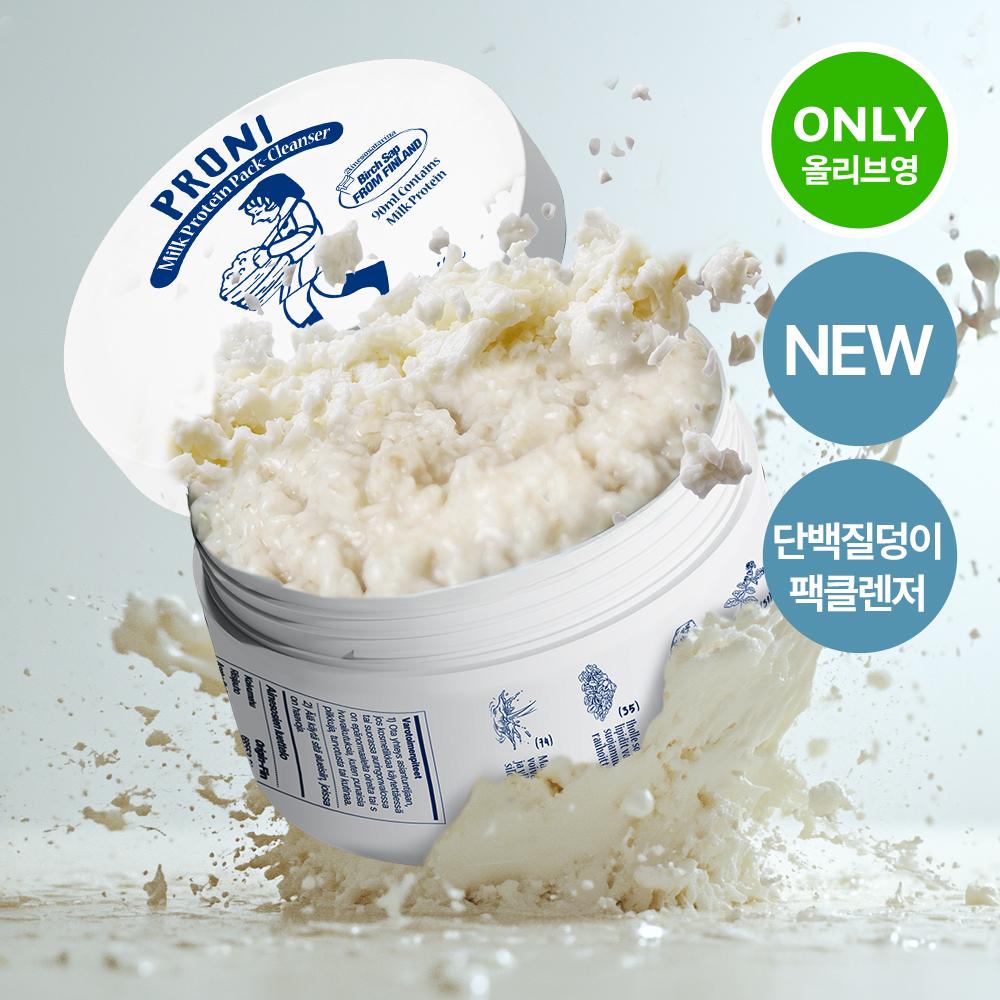
Proni Milk Protein Pack Cleanser
Torhop
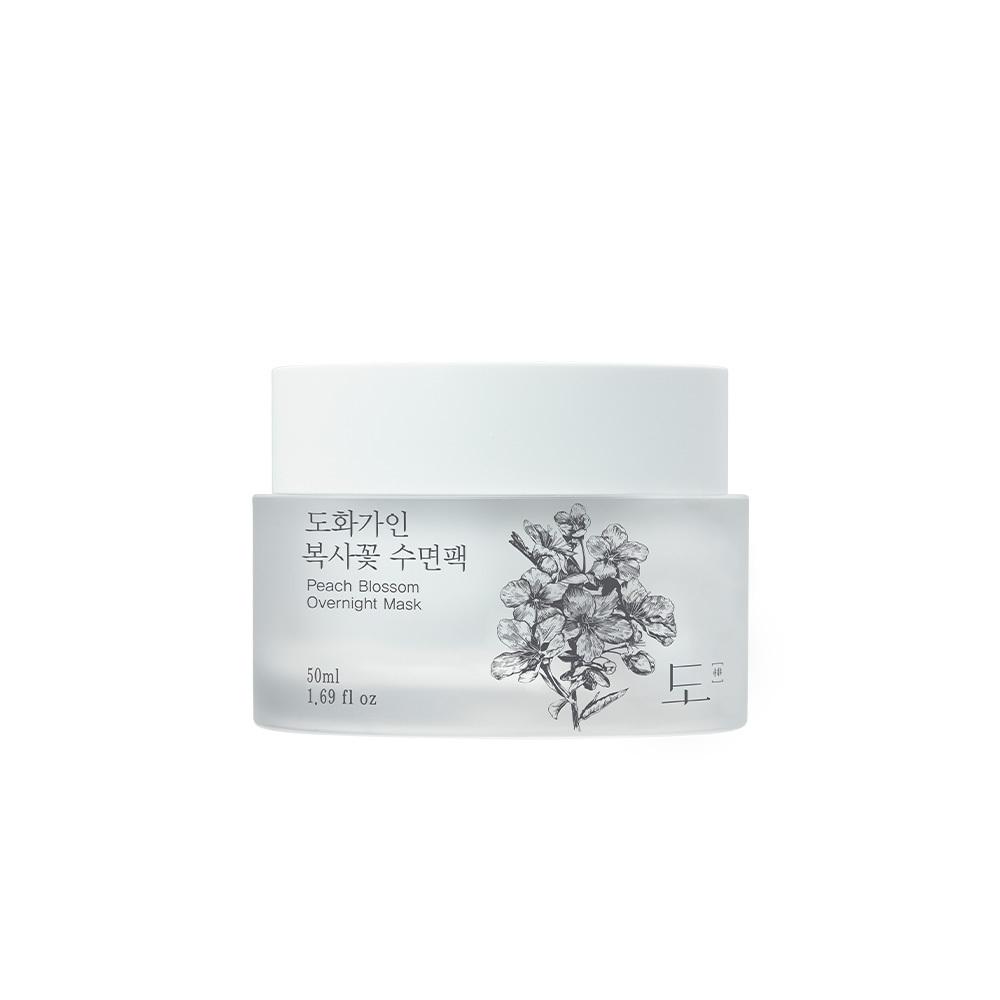
Peach Blossom Overnight Mask
House of Dohwa
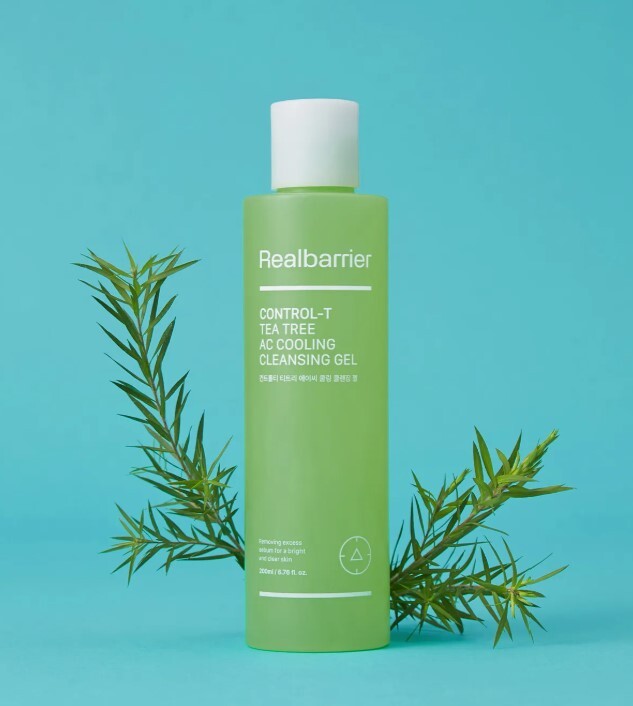
Control-T Tea Tree AC Cooling Cleansing Gel
Real Barrier
Frequently Asked Questions
Is fructose in skincare the same as the sugar that's bad for you when you eat it?▼
Can fructose make my skin sticky or attract dirt throughout the day?▼
Will fructose cause breakouts or feed acne bacteria on my skin?▼
Does fructose work better in humid or dry climates?▼
Can I use fructose products if I'm diabetic or avoiding sugar in my diet?▼
Explore More
Want personalized ingredient advice?
Yuri, our AI beauty advisor, can tell you how Fructose works with your specific skin type, routine, and concerns.
Ask Yuri, free