Reishi Mushroom Extract
INCI: Ganoderma Lucidum (Mushroom) Extract
Antioxidant and soothing anti-inflammatory agent
About Reishi Mushroom Extract
Reishi mushroom extract, derived from the Ganoderma lucidum fungus, is a powerhouse antioxidant and anti-inflammatory ingredient that has become increasingly popular in K-beauty formulations. Known as the "mushroom of immortality" in traditional Asian medicine, reishi delivers potent skin-calming benefits through bioactive polysaccharides, triterpenes, and beta-glucans. In K-beauty, reishi appears in 45 products on Seoul Sister, often formulated alongside other hanbang (traditional herbal) ingredients or modern actives like vitamin C. Its primary function is to neutralize free radicals while reducing inflammation and redness, making it particularly valuable for stressed, sensitized, or environmentally damaged skin. With a comedogenic rating of 0/5, reishi won't clog pores, and its gentle nature (safety rating: 4/5) makes it suitable for most skin types. The ingredient works synergistically with other antioxidants to enhance overall formula efficacy, which is why you'll find it in high-performing products like The Whoo's Gong Jin Hyang Cleansing Foam and Beauty of Joseon's Hanbang Serum Discovery Kit, both rated 5.0/5. Reishi's adaptogenic properties help skin maintain balance under stress, whether from pollution, UV exposure, or harsh weather conditions.
How Reishi Mushroom Extract Works
Reishi mushroom extract works at the cellular level through multiple complementary mechanisms. Its polysaccharides stimulate the skin's immune response and enhance natural moisture retention by supporting the skin barrier's lipid matrix. The triterpenic acids in reishi, particularly ganoderic acids, inhibit inflammatory mediators like histamine and reduce the production of pro-inflammatory cytokines, which explains its calming effect on irritated skin. As an antioxidant, reishi's beta-glucans and ergothioneine scavenge reactive oxygen species (ROS) that would otherwise damage cellular DNA, proteins, and lipids, essentially intercepting the oxidative stress that leads to premature aging. Reishi also demonstrates tyrosinase inhibition, which can help prevent excess melanin production and support a more even skin tone. Additionally, research suggests reishi polysaccharides may promote collagen synthesis by activating fibroblast activity, potentially supporting skin elasticity over time. The extract's adaptogenic compounds help cells respond more effectively to environmental stressors, essentially training skin to be more resilient.
Reishi Mushroom Extract by Skin Type
Oily Skin
Reishi mushroom extract works exceptionally well for oily skin because of its zero comedogenic rating and anti-inflammatory properties that help calm the redness and irritation often associated with acne-prone complexions. The ingredient's ability to regulate immune responses may help reduce the inflammatory component of breakouts without adding any pore-clogging oils or heavy textures.
Dry Skin
For dry skin, reishi's polysaccharides support barrier function and moisture retention, helping skin hold onto hydration more effectively. The antioxidant protection is particularly valuable for dry types, as compromised barriers make skin more vulnerable to environmental damage. Reishi works best for dry skin when combined with occlusives and emollients in richer formulations.
Combo Skin
Combination skin benefits from reishi's balanced approach, it provides antioxidant protection and soothing benefits to both oily and dry zones without disrupting either. The lightweight nature and non-comedogenic profile mean it won't exacerbate oil production in the T-zone while still delivering hydration support to drier areas.
Sensitive Skin
Reishi is particularly well-suited for sensitive skin due to its anti-inflammatory and immunomodulating properties, which help calm reactivity and reduce redness. The ingredient's gentle nature (4/5 safety rating) and ability to strengthen skin's stress response make it ideal for easily irritated complexions, though those with mushroom allergies should patch test first.
Normal Skin
Normal skin types can use reishi as a preventive antioxidant to maintain skin health and resilience against environmental aggressors. Its adaptogenic properties help skin maintain equilibrium, making it an excellent ingredient for maintaining the balanced state that normal skin already enjoys.
How to Use Reishi Mushroom Extract
- 1Layer reishi-containing serums before heavier moisturizers to maximize absorption of the bioactive compounds, ideally on slightly damp skin.
- 2Pair reishi with vitamin C products (like Melixir's Mandarin Vitamin C5 Dark Spot Serum) for enhanced antioxidant protection, as the ingredients work synergistically.
- 3Use reishi products both morning and evening, the antioxidant benefits are valuable for daytime environmental protection, while the anti-inflammatory properties support overnight skin repair.
- 4If you have known mushroom allergies, perform a patch test before incorporating reishi products into your routine, despite its generally gentle profile.
Background
Ganoderma lucidum has been used in traditional Chinese medicine for over 2,000 years, where it was reserved for royalty and believed to promote longevity and vitality. Called "lingzhi" in Chinese and "reishi" in Japanese, this woody mushroom grows on decaying hardwood trees and was so rare in nature that it was more valuable than gold. Modern cultivation techniques developed in the 1970s made reishi accessible for broader use, and skincare scientists soon discovered that the same bioactive compounds that made it valuable in wellness applications could benefit skin health. K-beauty brands began incorporating reishi into formulations in the early 2010s as part of the hanbang movement, which modernizes traditional Asian medicine ingredients with contemporary extraction and formulation technologies. Today, reishi represents the bridge between ancient herbal wisdom and evidence-based skincare innovation.
K-Beauty Products with Reishi Mushroom Extract
View all 47 →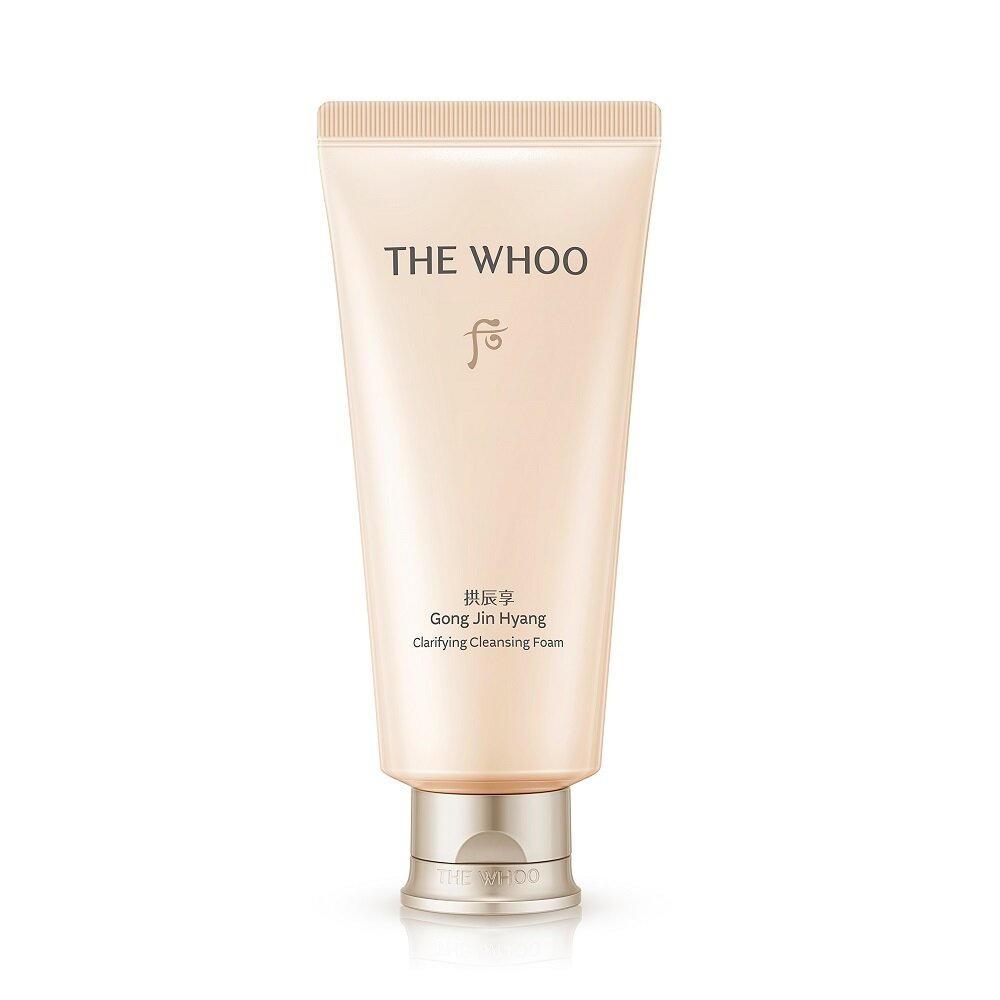
Gong Jin Hyang Cleansing Foam
The Whoo
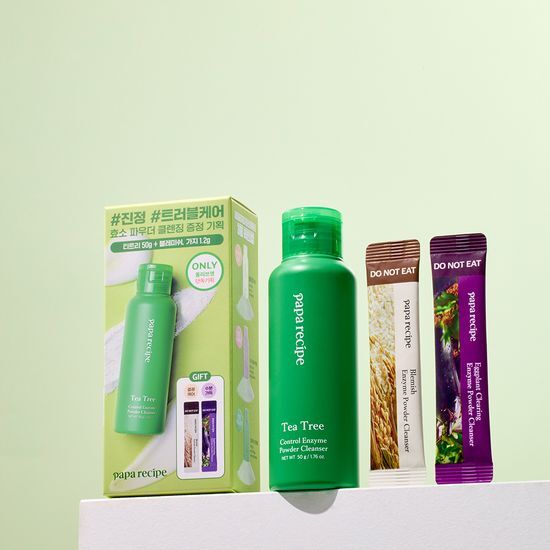
Tea Tree Control Enzyme Powder Cleanser Set
Papa Recipe
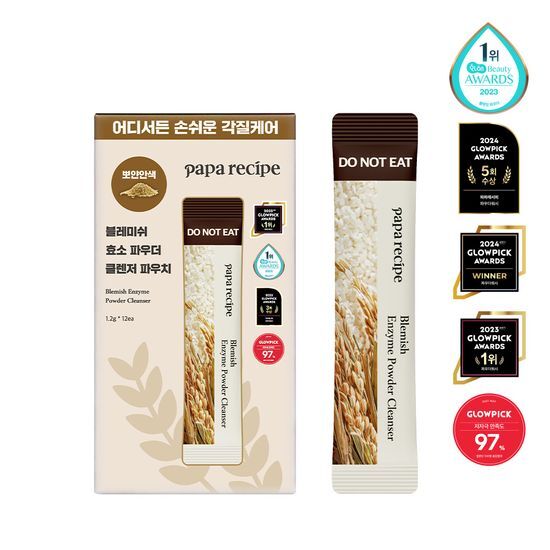
Blemish Enzyme Powder Cleanser Pouch
Papa Recipe

Bichup Ultimate Recovery Youth Serum Discovery Set
The Whoo

Super Melting Sebum Softener
Ilso
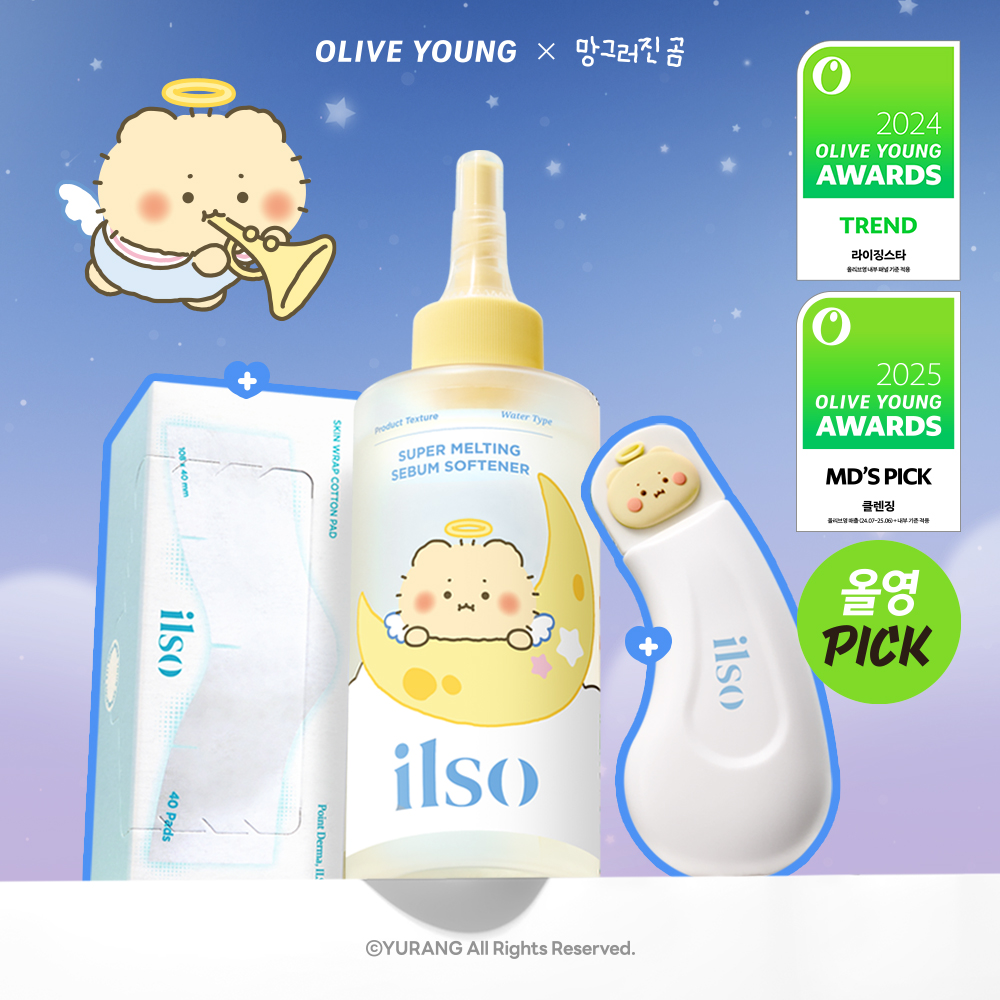
Super Melting Sebum Softener Set
Ilso
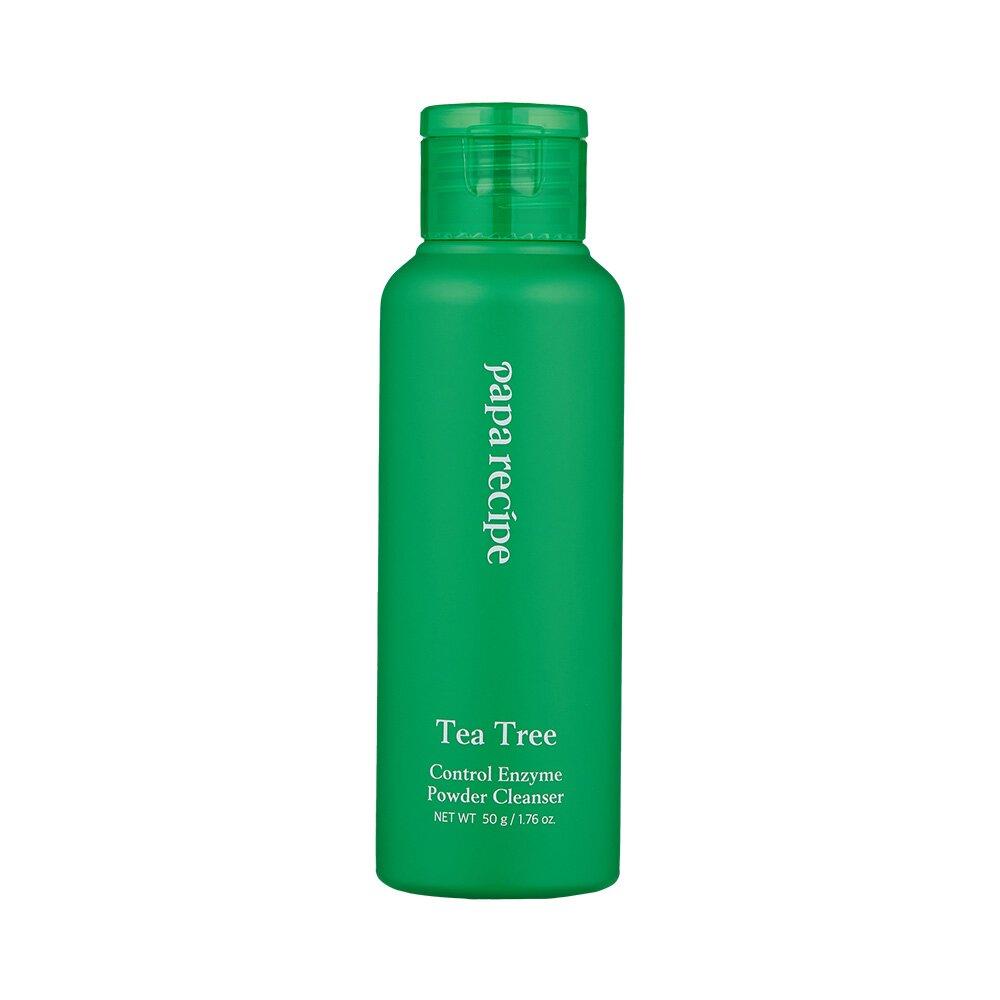
Tea Tree Control Enzyme Powder Cleanser
Papa Recipe
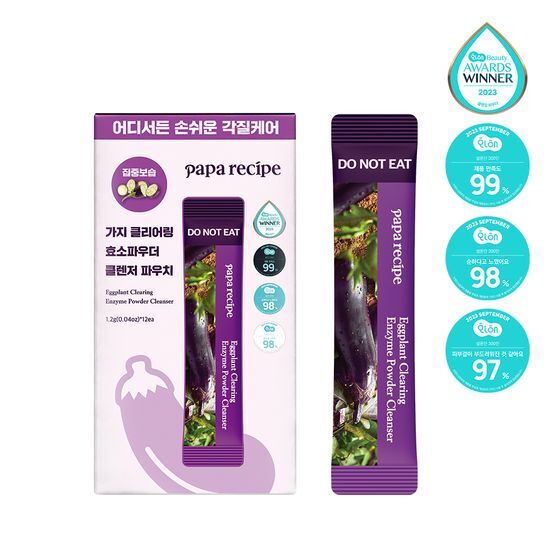
Eggplant Clearing Enzyme Powder Cleanser Pouch
Papa Recipe
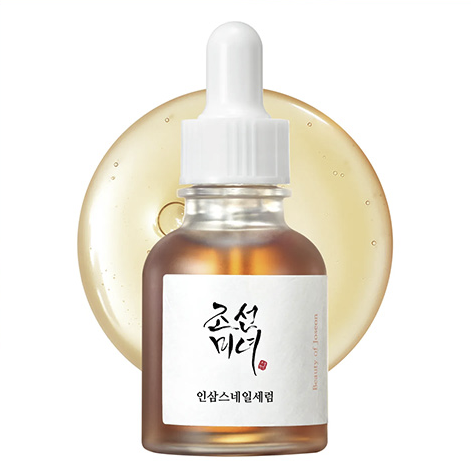
Revive Serum: Ginseng + Snail Mucin
Beauty of Joseon
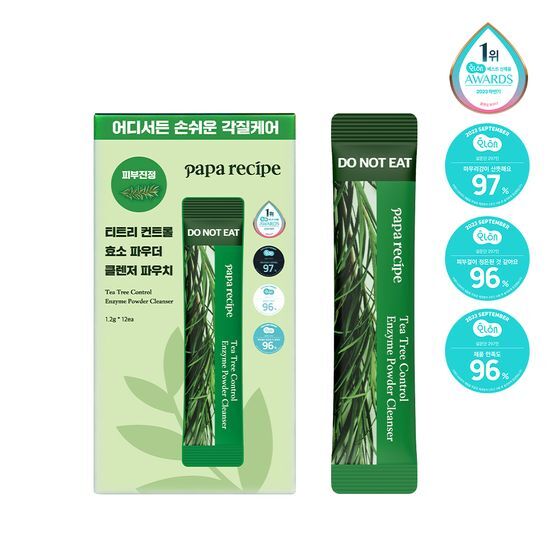
Tea Tree Control Enzyme Powder Cleanser Pouch
Papa Recipe
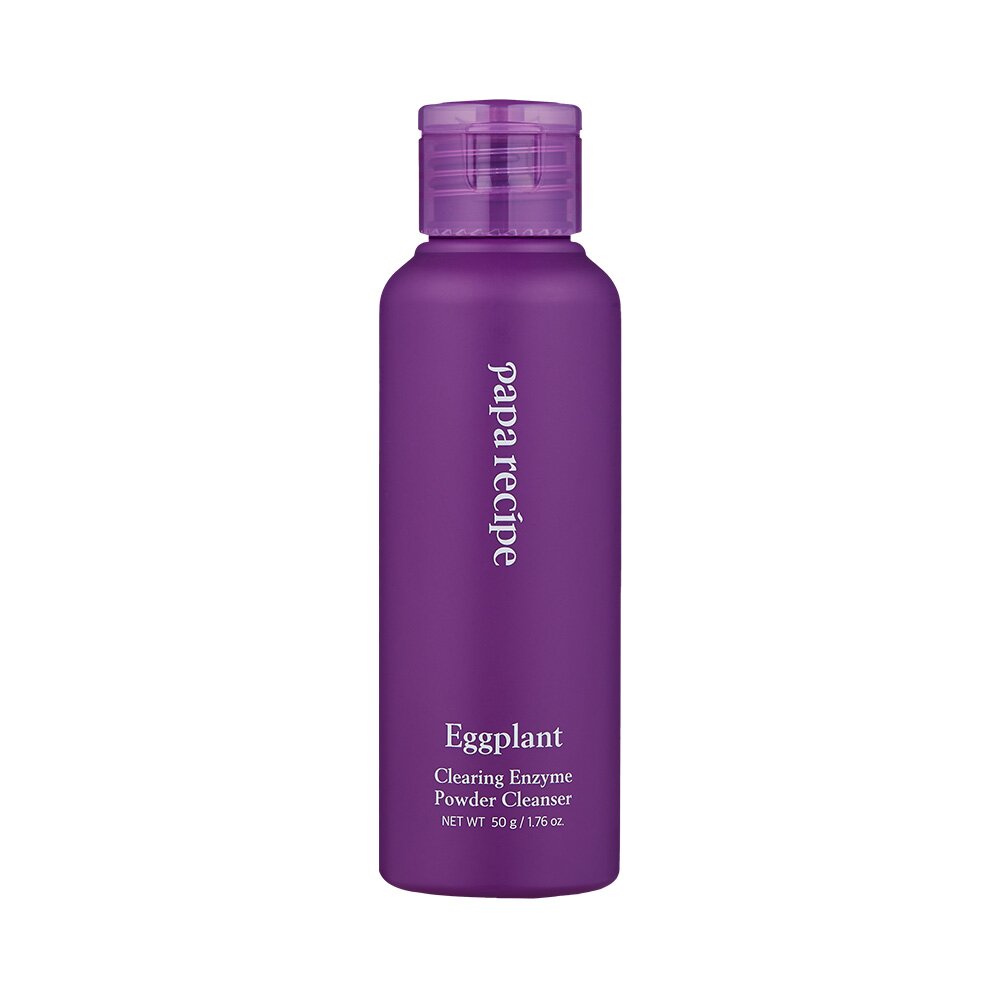
Eggplant Clearing Enzyme Powder Cleanser
Papa Recipe
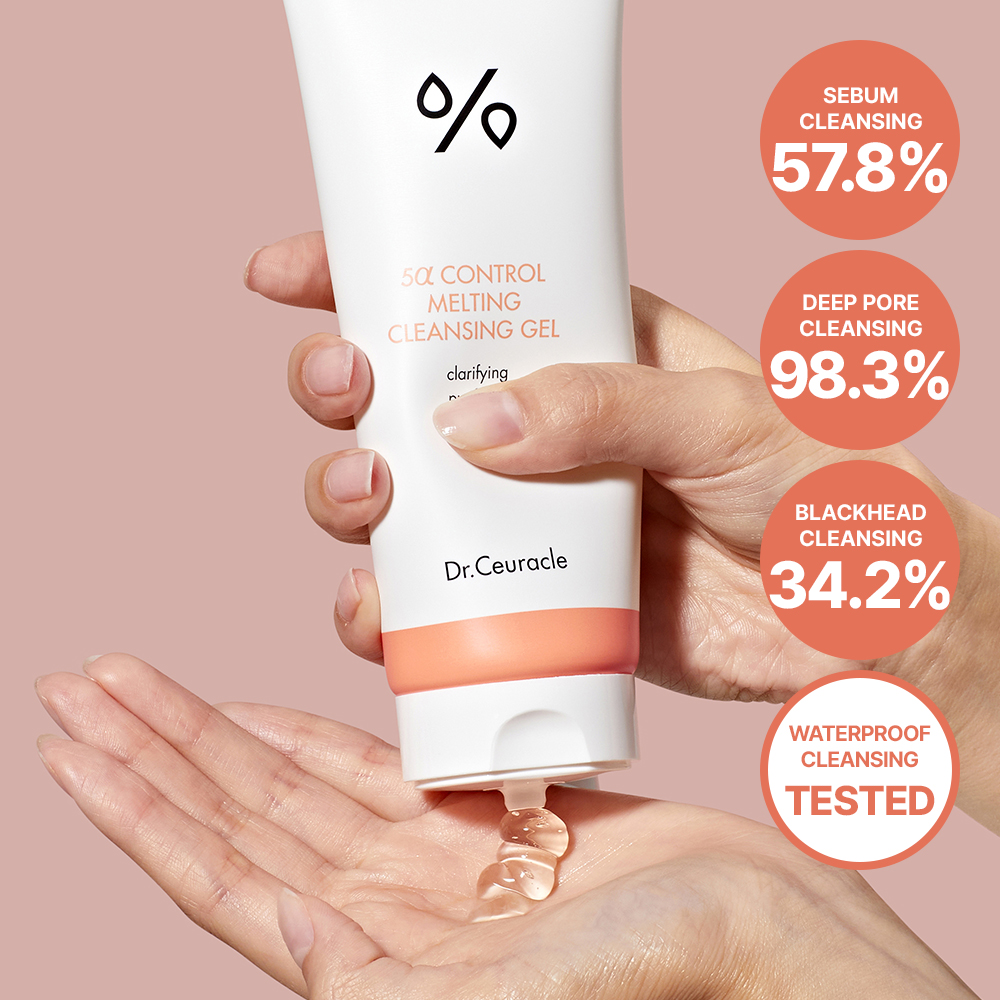
5α Control Melting Cleansing Gel
Dr.Ceuracle
Frequently Asked Questions
Can reishi mushroom extract help with acne and breakouts?▼
Is reishi mushroom extract safe to use during pregnancy?▼
How long does it take to see results from reishi mushroom extract?▼
Can I use reishi mushroom extract with retinol or acids?▼
Explore More
Want personalized ingredient advice?
Yuri, our AI beauty advisor, can tell you how Reishi Mushroom Extract works with your specific skin type, routine, and concerns.
Ask Yuri, free