Mangosteen Peel Extract
INCI: Garcinia Mangostana Peel Extract
Antioxidant and anti-inflammatory skin soother
About Mangosteen Peel Extract
Mangosteen peel extract comes from the deep purple rind of Garcinia mangostana, a tropical fruit revered in Southeast Asia as the 'queen of fruits.' While the sweet white flesh gets all the attention at fruit markets, K-beauty formulators have zeroed in on the peel, which contains an extraordinary concentration of xanthones, a class of polyphenolic compounds with powerful antioxidant and anti-inflammatory properties. The most studied of these is alpha-mangostin, which has been shown in research to neutralize free radicals more effectively than vitamin E in certain assays. In K-beauty formulations, mangosteen peel extract serves as a multi-tasking ingredient that calms irritation, protects against environmental stressors, and supports the skin's natural barrier function. Its non-comedogenic profile (rated 0/5) makes it universally safe across skin types, appearing in everything from lightweight serums to sun protection products. With a safety rating of 4/5, it's considered gentle enough for daily use, though anyone with a known allergy to tropical fruits should patch test first. The extract's inclusion in 10 products on Seoul Sister, including top-rated formulations like Beauty of Joseon's Hanbang Serum Discovery Kit (5.0/5) and House of Hur's Tropical Dew Sun Cream (4.9/5), reflects its growing reputation as a reliable, science-backed botanical that delivers real results without irritation.
How Mangosteen Peel Extract Works
Mangosteen peel extract works primarily through its xanthone content, particularly alpha-mangostin, which interrupts inflammatory cascades at the cellular level by inhibiting the release of pro-inflammatory mediators like histamine and prostaglandins. When skin encounters irritants, UV exposure, or pollution, immune cells trigger inflammation as a protective response, but chronic inflammation accelerates aging and compromises barrier function. The xanthones in mangosteen peel intercept this process by modulating NF-kB, a protein complex that controls inflammatory gene expression. Simultaneously, these compounds scavenge reactive oxygen species (ROS), unstable molecules that damage cellular DNA, lipids, and proteins through oxidation. By donating electrons to stabilize free radicals, mangosteen extract prevents the chain reaction of oxidative stress that leads to collagen breakdown and hyperpigmentation. Research also suggests that alpha-mangostin can inhibit tyrosinase, the enzyme responsible for melanin production, though this brightening effect is secondary to its primary anti-inflammatory action. The extract's small molecular weight allows it to penetrate the stratum corneum effectively, delivering these benefits where they're needed most without sitting on the surface or clogging pores.
Mangosteen Peel Extract by Skin Type
Oily Skin
Oily skin benefits significantly from mangosteen peel extract's anti-inflammatory properties, as excess sebum production is often accompanied by low-grade inflammation that can trigger breakouts. Its 0/5 comedogenic rating means it won't contribute to clogged pores, making it ideal for acne-prone individuals. The antioxidant action also helps protect sebum from oxidizing into comedogenic squalene peroxide, a key trigger in acne formation.
Dry Skin
Dry skin types gain support from mangosteen extract's ability to reduce inflammation-related barrier disruption, which can worsen transepidermal water loss. While it's not a humectant or emollient itself, its protective antioxidant function helps preserve the lipid barrier that keeps moisture locked in. Pair it with hydrating ingredients like hyaluronic acid or ceramides for optimal results, as seen in formulations like KLAVUU's Nourishing Care Lip Sleeping Pack (4.9/5).
Combo Skin
Combination skin is an ideal match for mangosteen peel extract because it addresses multiple concerns without overloading any one area. The extract calms inflammation in reactive T-zone areas while providing antioxidant protection to drier cheeks, all without adding weight or shine. Its presence in lightweight products like BanoBagi's Vita Genic Jelly Mask (5.0/5) shows how it can balance combination skin needs effectively.
Sensitive Skin
Sensitive skin may find mangosteen peel extract particularly soothing, as its primary function is reducing reactivity and calming irritation. The extract's anti-inflammatory xanthones help stabilize mast cells that release histamine during allergic responses. However, the 4/5 safety rating accounts for rare cases of tropical fruit allergies, so anyone with sensitivities to mango, cashew, or related species should patch test on the inner arm for 24 hours before full-face application.
Normal Skin
Normal skin can use mangosteen peel extract as a preventative antioxidant to maintain its balanced state and protect against premature aging. Daily environmental stressors like UV radiation and pollution generate free radicals even in healthy skin, and this extract provides a defensive shield without disrupting the skin's natural equilibrium. Products like AHC's Natural Perfection Fresh Sun Stick (4.9/5) incorporate it alongside sun filters for comprehensive environmental protection.
How to Use Mangosteen Peel Extract
- 1Layer mangosteen extract products after water-based serums but before heavier creams to ensure proper absorption, following the traditional K-beauty thin-to-thick layering method.
- 2Pair with vitamin C or niacinamide in your morning routine for synergistic antioxidant protection, as these ingredients work through complementary mechanisms to neutralize different types of free radicals.
- 3If using retinoids or chemical exfoliants at night, apply mangosteen extract products in the morning to help calm any residual irritation from stronger actives.
- 4Don't expect immediate brightening results, mangosteen's tyrosinase inhibition is mild compared to dedicated brightening ingredients, so appreciate it primarily for its soothing and protective benefits.
- 5Store products containing mangosteen extract away from direct sunlight and heat, as antioxidants can degrade with excessive light and temperature exposure, reducing their effectiveness over time.
Background
Mangosteen has been cultivated in Southeast Asia for centuries, with historical records showing its use in traditional Thai and Malay medicine to treat skin infections, wounds, and inflammation. Ancient healers would dry the thick purple rind and brew it into medicinal teas or create topical pastes, recognizing its healing properties long before modern science identified xanthones as the active compounds. The fruit's journey into contemporary skincare began in the early 2000s when researchers isolated alpha-mangostin and documented its remarkable antioxidant capacity in laboratory studies. K-beauty brands, always attentive to traditional Asian botanicals with scientific backing, began incorporating mangosteen peel extract into formulations around 2015, particularly in products targeting sensitive or inflammation-prone skin. The ingredient's appearance in both traditional hanbang-inspired lines (like Beauty of Joseon) and modern tropical-themed formulations (like House of Hur's sun care) demonstrates its versatility and the K-beauty industry's skill at bridging ancient wisdom with contemporary cosmetic science.
K-Beauty Products with Mangosteen Peel Extract
View all 13 →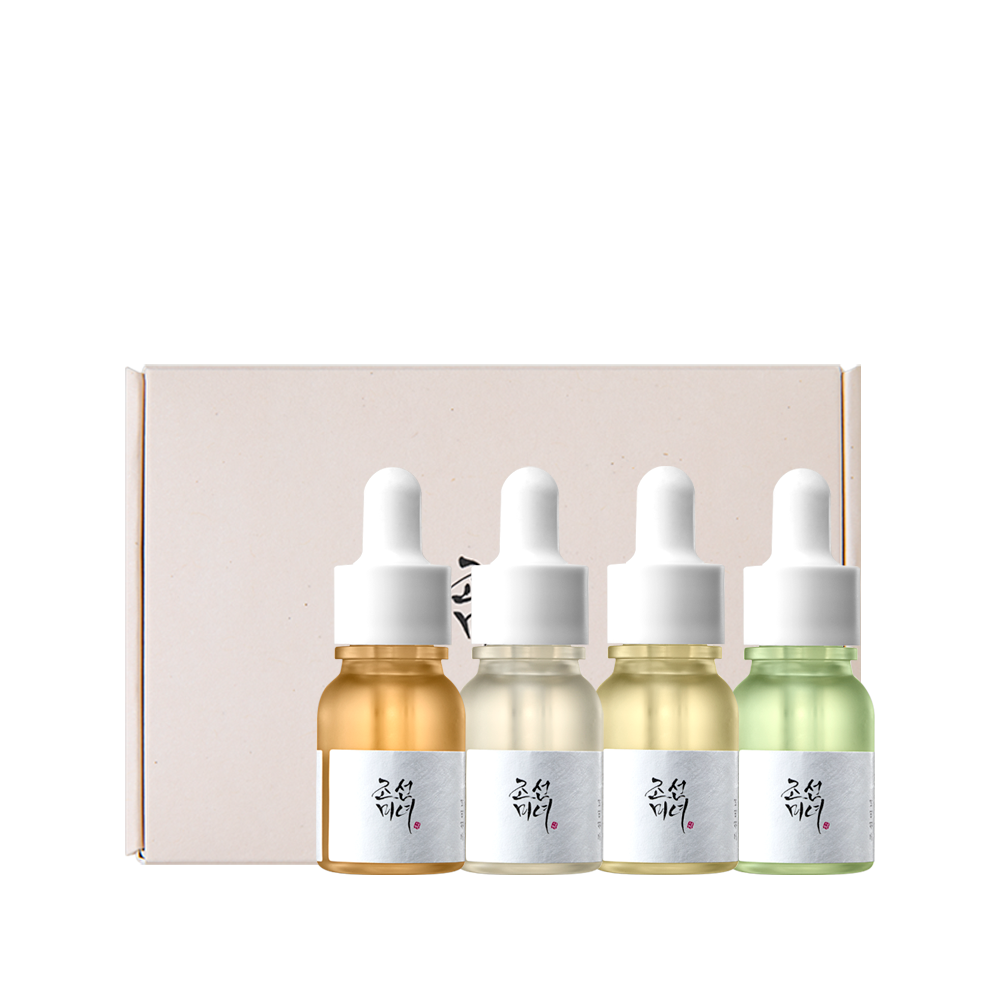
Hanbang Serum Discovery Kit
Beauty of Joseon
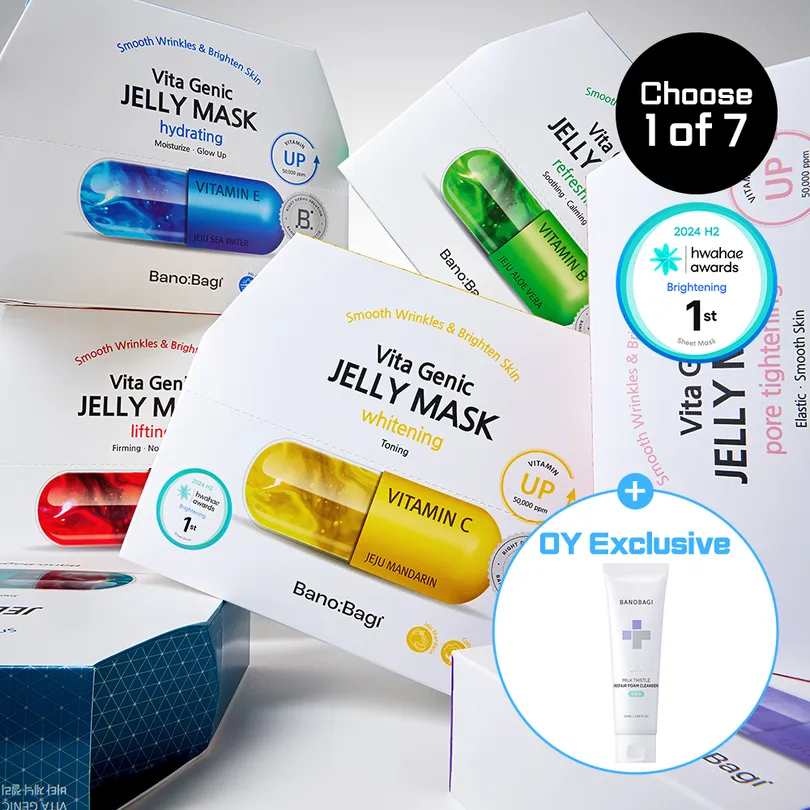
Vita Genic Jelly Mask
BanoBagi
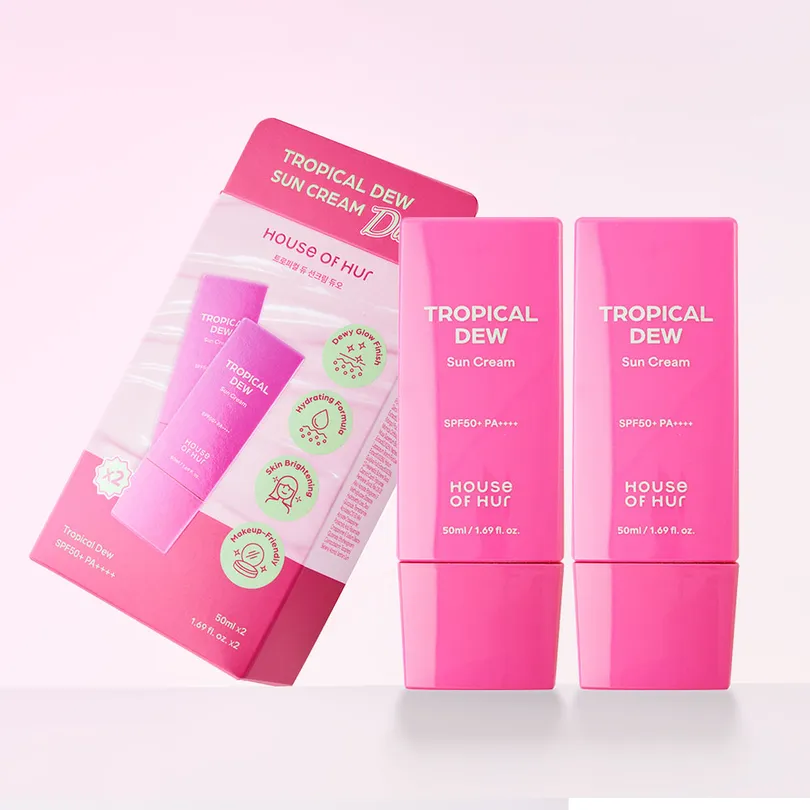
Tropical Dew Sun Cream 50ml Duo Set
House of Hur
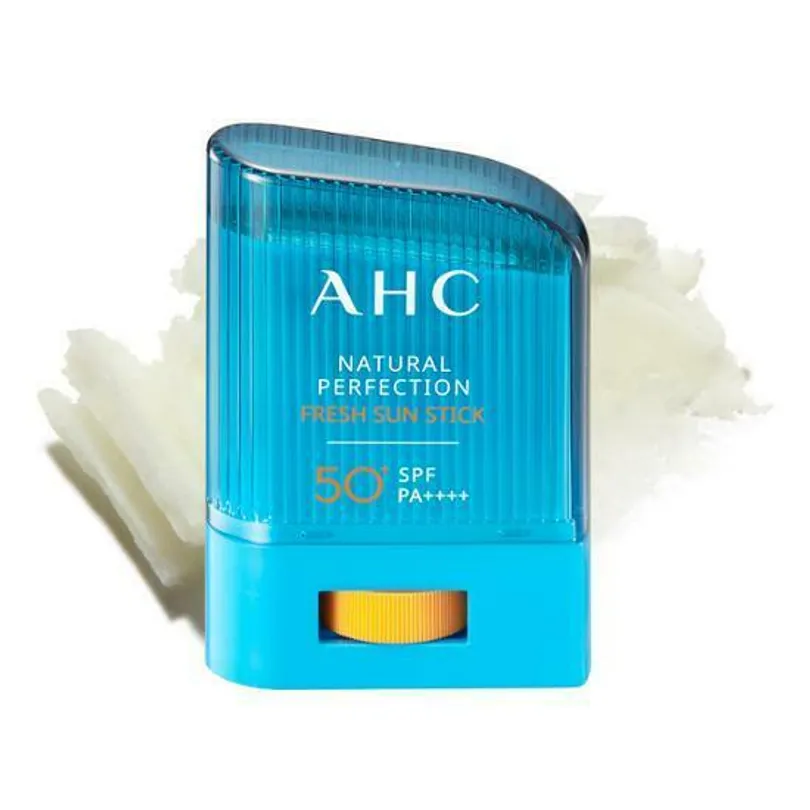
Natural Perfection Fresh Sun Stick
AHC
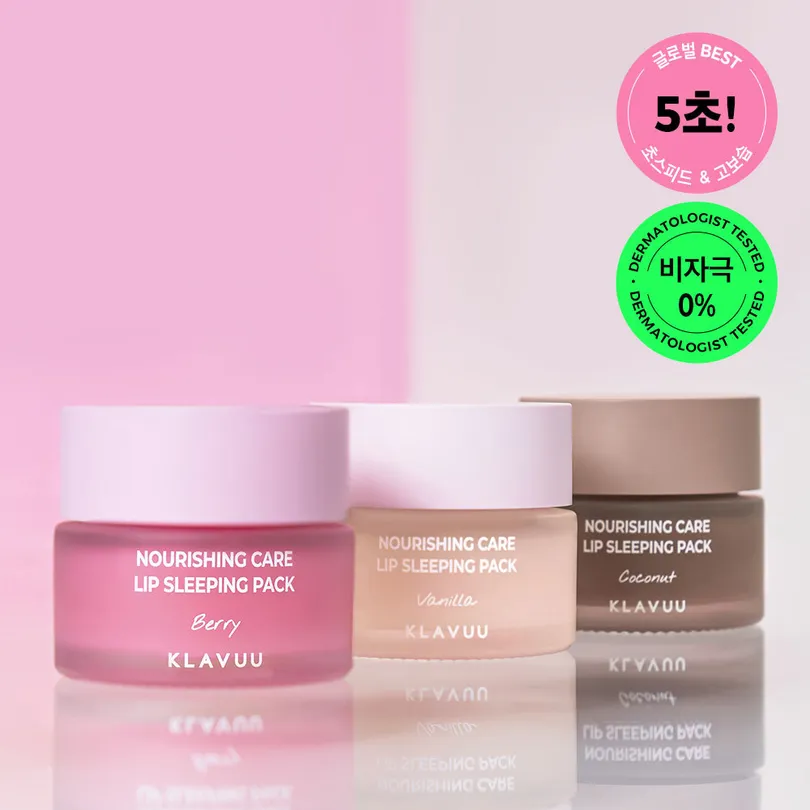
Nourishing Care Lip Sleeping Pack
KLAVUU
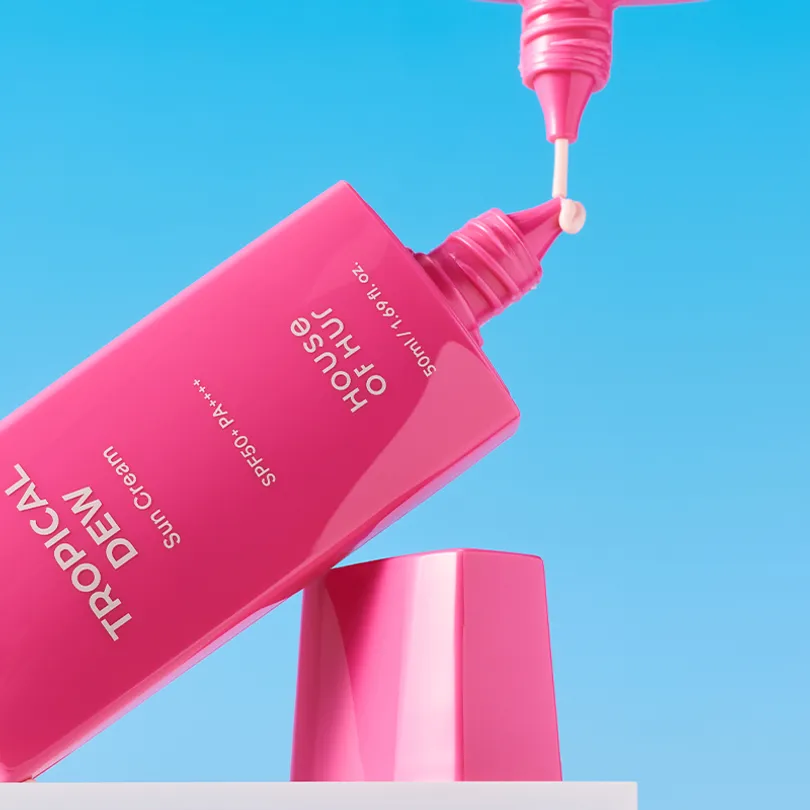
Tropical Dew Sun Cream
House of Hur
Green Plum Refreshing Cleanser
Beauty of Joseon
Calming Serum Green Tea + Panthenol
Beauty of Joseon
Collagen Core Glow Essence
TIRTIR
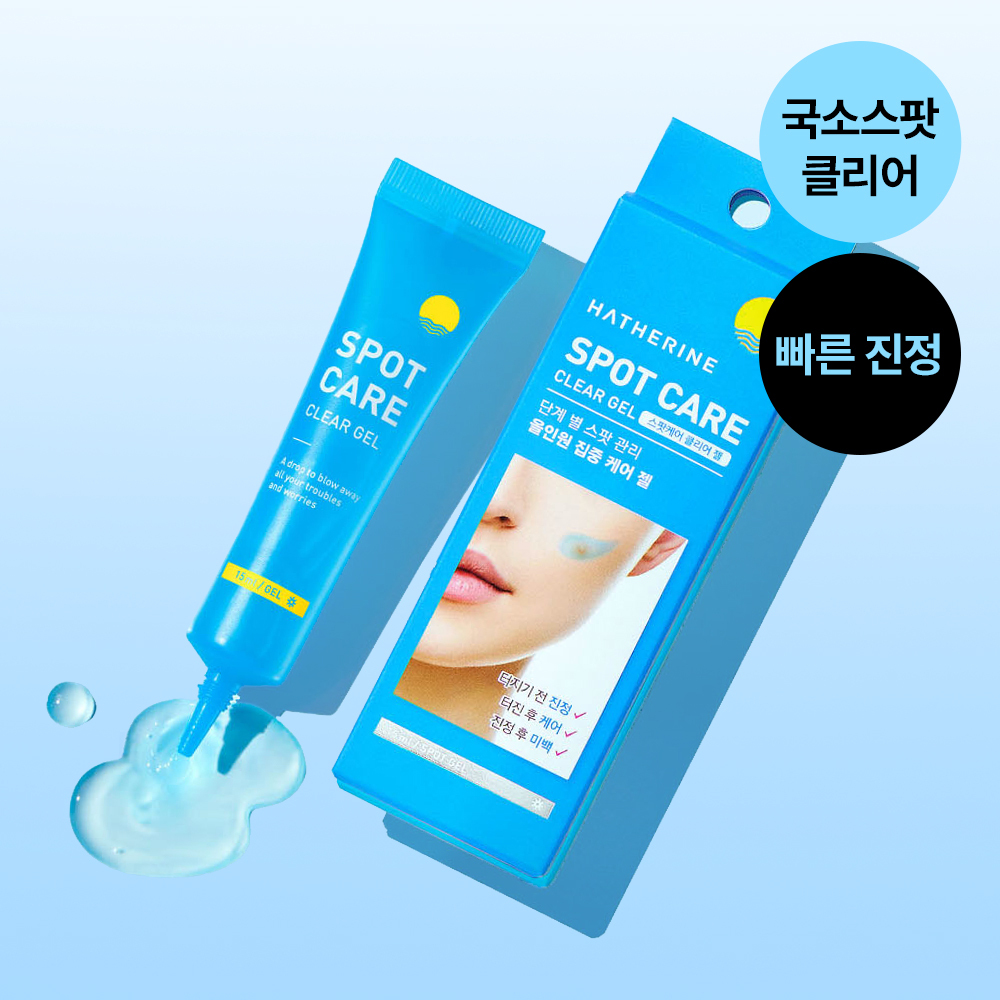
Spot Care Clear Gel
Hatherine
Ultra UV Shield Sun Essence SPF50+ PA++++
Frudia
Calming Serum: Green Tea + Panthenol
Beauty of Joseon
Frequently Asked Questions
Is mangosteen peel extract the same as eating mangosteen fruit?▼
Can mangosteen extract help with acne or breakouts?▼
Why does mangosteen appear in sun care products?▼
How quickly will I see results from mangosteen extract?▼
Can I use mangosteen extract if I'm allergic to mangoes?▼
Explore More
Want personalized ingredient advice?
Yuri, our AI beauty advisor, can tell you how Mangosteen Peel Extract works with your specific skin type, routine, and concerns.
Ask Yuri, free