Red Algae Extract
INCI: Gelidium Cartilagineum Extract
Hydrating and skin-soothing marine extract
About Red Algae Extract
Red algae extract, derived from the seaweed Gelidium cartilagineum, is a marine-sourced hydrator that has become a quiet powerhouse in K-beauty formulations. This crimson-hued algae thrives in cold ocean waters and produces a unique profile of polysaccharides, minerals, and amino acids that make it exceptionally effective at binding moisture to the skin. Unlike heavier occlusive ingredients, red algae works by forming a breathable moisture film that doesn't trap oil or clog pores, earning it a perfect 0/5 comedogenic rating. Korean formulators prize this ingredient for its dual ability to hydrate and calm inflammation, making it a versatile addition to everything from cleansers to serums. The extract contains natural carrageenan compounds that mimic the skin's natural moisture factors, plus a spectrum of minerals like calcium, magnesium, and potassium that support barrier function. With a safety rating of 4/5 and presence in 23 curated K-beauty products on Seoul Sister, red algae extract represents the K-beauty philosophy of looking to nature for gentle, effective solutions. It's particularly valued in products designed for sensitive or reactive skin, where synthetic humectants might cause irritation.
How Red Algae Extract Works
Red algae extract functions through multiple complementary mechanisms at the cellular level. The polysaccharides in Gelidium cartilagineum, primarily carrageenans and porphyrans, create a hydrophilic matrix on the skin's surface that attracts and holds water molecules without occluding pores. These large sugar molecules penetrate the upper layers of the stratum corneum, where they bind to keratinocytes and increase the water-holding capacity of individual skin cells. At the same time, the extract delivers bioavailable minerals that support the synthesis of natural moisturizing factors (NMFs) within corneocytes. The anti-inflammatory activity comes from sulfated polysaccharides that inhibit pro-inflammatory cytokines like IL-6 and TNF-alpha, reducing redness and sensitivity. Red algae also contains small amounts of mycosporine-like amino acids (MAAs), naturally occurring compounds that provide mild antioxidant protection against environmental stressors. This combination of humectant activity, barrier support, and inflammation modulation makes red algae a multifunctional ingredient that addresses hydration at both the surface and cellular level.
Red Algae Extract by Skin Type
Oily Skin
Red algae extract is exceptionally well-suited for oily skin due to its non-comedogenic nature and lightweight hydration. The water-binding polysaccharides provide moisture without adding oils or heaviness, helping to balance sebum production rather than exacerbating it. Its soothing properties also calm inflammation that can trigger excess oil production as a protective response.
Dry Skin
This ingredient delivers meaningful hydration for dry skin through its polysaccharide content, which holds multiple times its weight in water. The mineral profile supports barrier repair, helping to prevent transepidermal water loss. For severely dry skin, red algae works best when layered under occlusive moisturizers that seal in the hydration it provides.
Combo Skin
Red algae extract is ideal for combination skin because it hydrates dry zones without congesting oily areas. Its zero comedogenic rating means it can be applied uniformly across the face without triggering breakouts in the T-zone. The balanced moisture it provides helps normalize skin function across different facial regions.
Sensitive Skin
The anti-inflammatory properties of red algae make it particularly valuable for sensitive skin types. The sulfated polysaccharides actively reduce redness and calm reactive responses, while the gentle, ocean-derived nature of the ingredient rarely triggers irritation. Its presence in multiple 5-star rated K-beauty products reflects its reliability for delicate complexions.
Normal Skin
Normal skin benefits from red algae extract as a maintenance ingredient that preserves optimal hydration and prevents moisture loss. The mineral content supports ongoing barrier health, while the lightweight texture integrates seamlessly into multi-step routines without feeling heavy or redundant.
How to Use Red Algae Extract
- 1Apply red algae-containing products on damp skin immediately after cleansing to maximize the humectant effect and help the polysaccharides pull moisture into the skin barrier.
- 2Layer this ingredient under heavier creams or oils in your routine, as red algae works best as a hydrating foundation that other products can seal in.
- 3Look for red algae in toners and ampoules (like the Anua Teca-Micro Bubble Ampoule Toner) where the watery texture allows the ingredient to penetrate efficiently.
- 4If you're using red algae extract in a cleanser (like the Wonder Bath Super Vegitoks Packcleanser), follow with a leave-on product containing the ingredient to get the full hydrating benefit, since cleansers rinse away quickly.
- 5Combine red algae products with niacinamide or peptides for enhanced barrier repair, as the mineral content creates an optimal environment for these actives to work.
Background
Gelidium cartilagineum has been harvested from rocky coastlines in East Asia for centuries, originally used in traditional Korean and Japanese cuisine for making agar (a gelling agent). Coastal communities recognized that regular handling of this red seaweed left their hands unusually soft and hydrated, which led to its incorporation into traditional beauty preparations. Korean skincare brands began extracting and stabilizing red algae for cosmetic use in the early 2000s, part of the broader K-beauty movement to harness marine ingredients from Korea's extensive coastline. The cold waters surrounding the Korean peninsula produce particularly nutrient-dense red algae with high concentrations of beneficial polysaccharides. Today, red algae extract represents the intersection of traditional maritime knowledge and modern cosmetic science, with sustainable harvesting practices ensuring both ingredient efficacy and ocean ecosystem preservation.
K-Beauty Products with Red Algae Extract
View all 25 →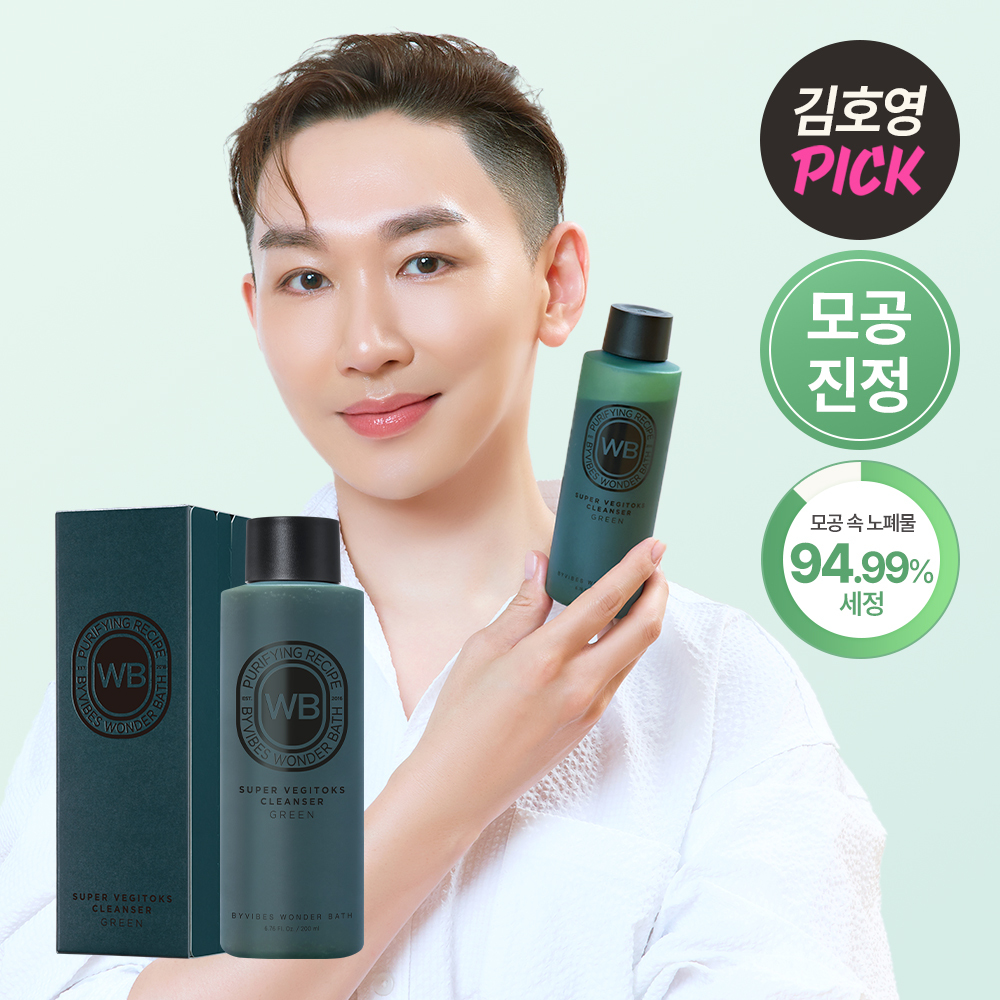
Wonder Bath Super Vegitoks Packcleanser
Chosungah Beauty
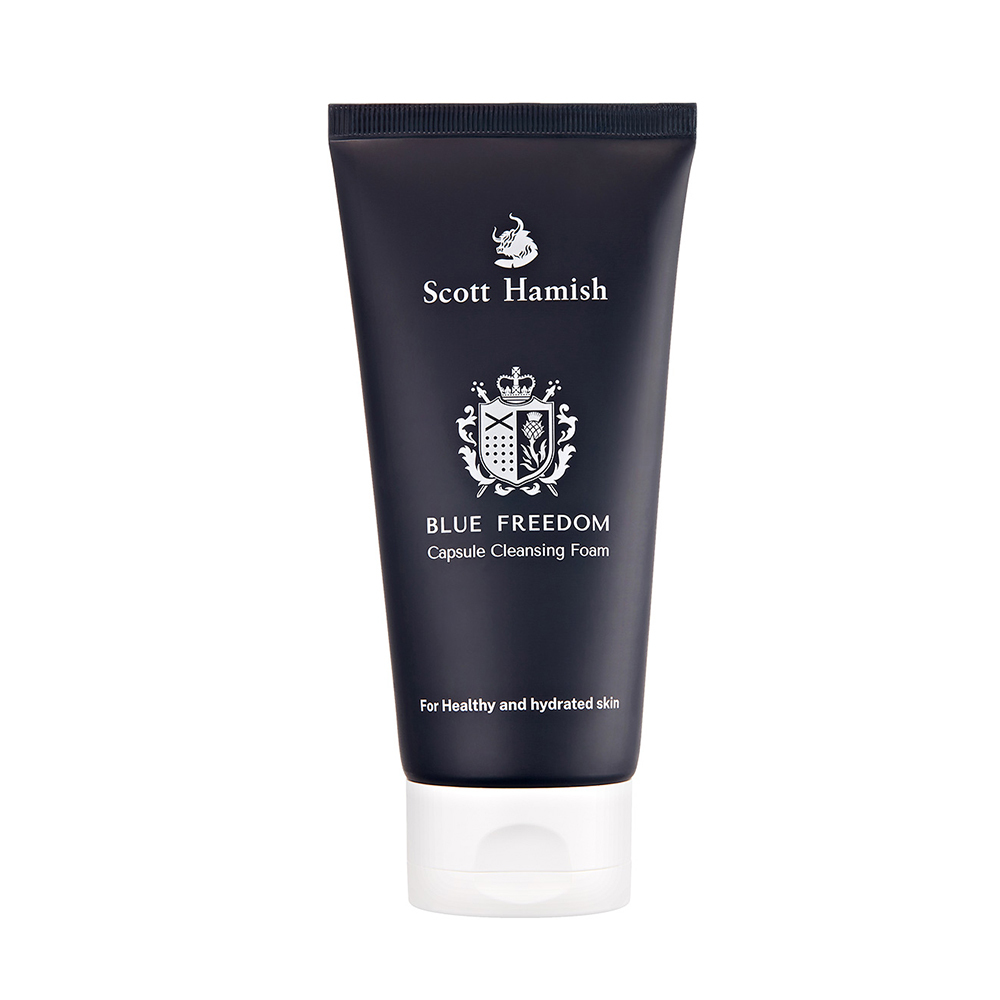
Blue Freedom Capsule Cleansing Foam
Beplain
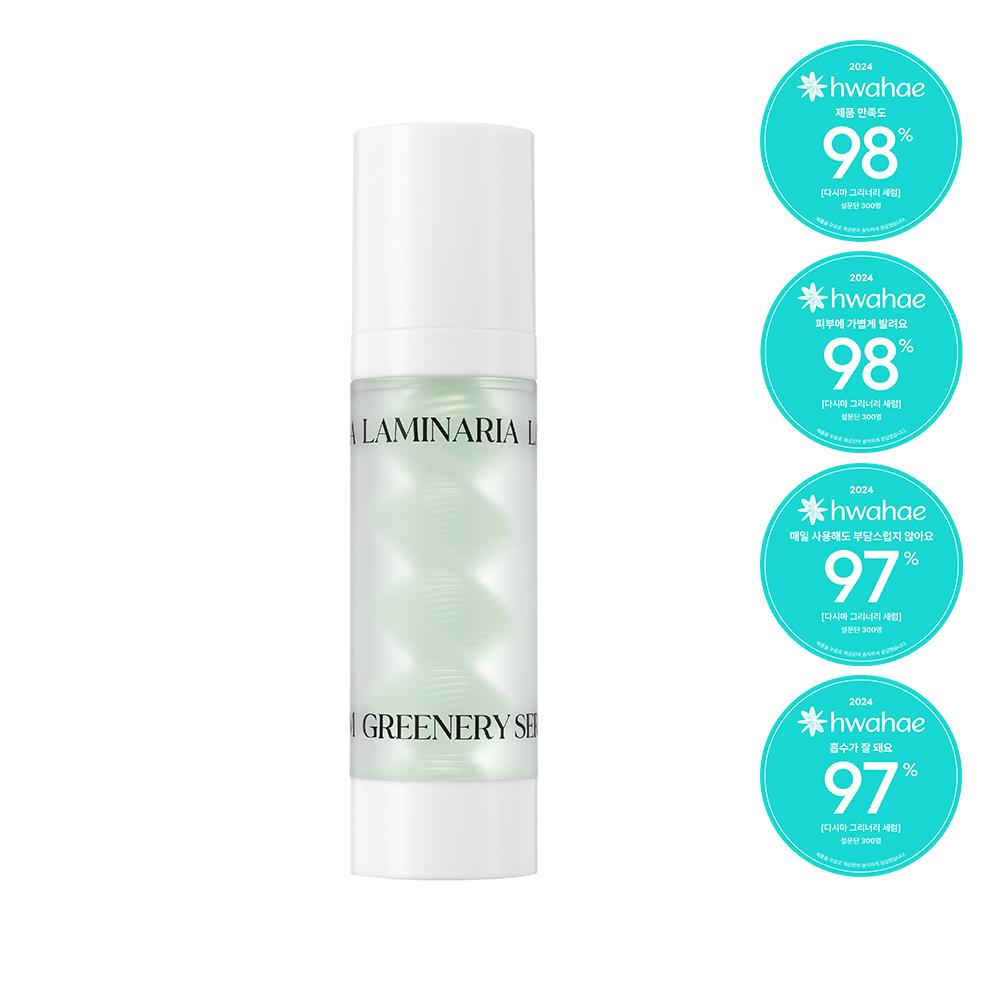
Laminaria Greenery Serum
ShionLe
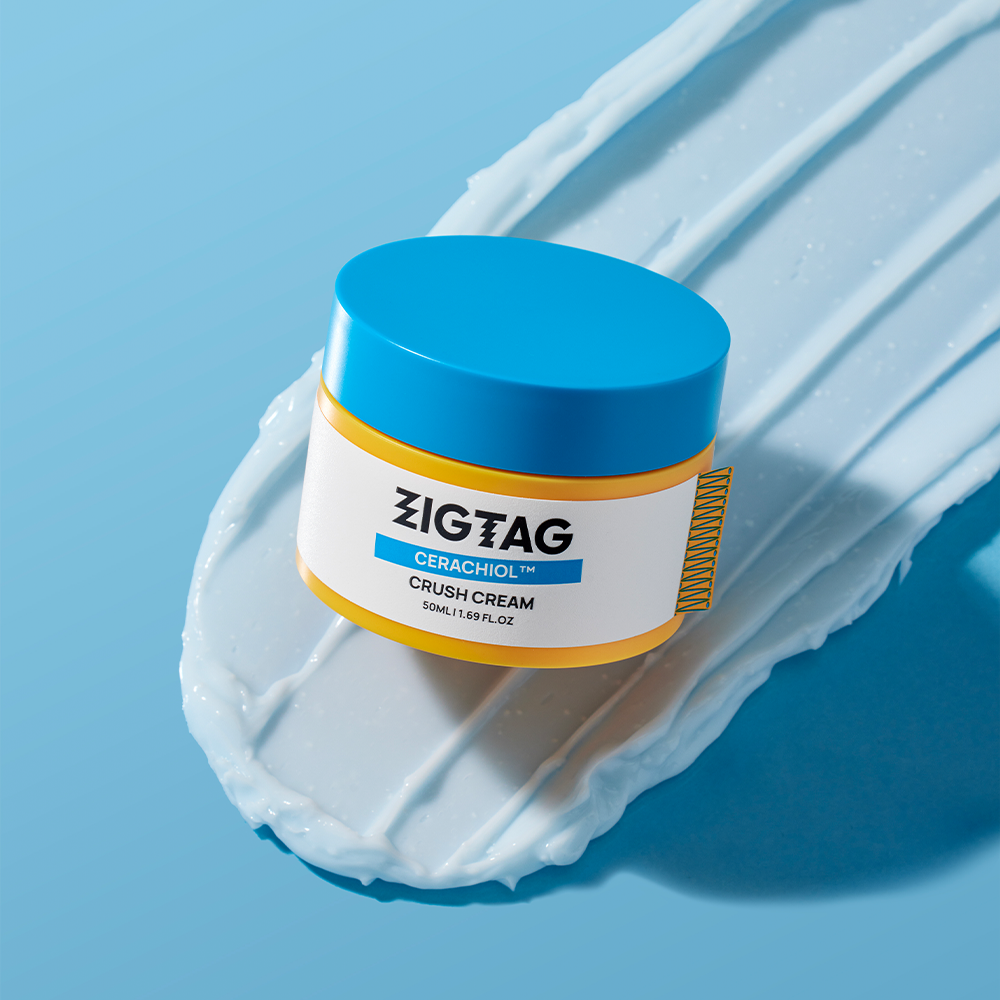
Cerachiol Crush Cream
Aestura
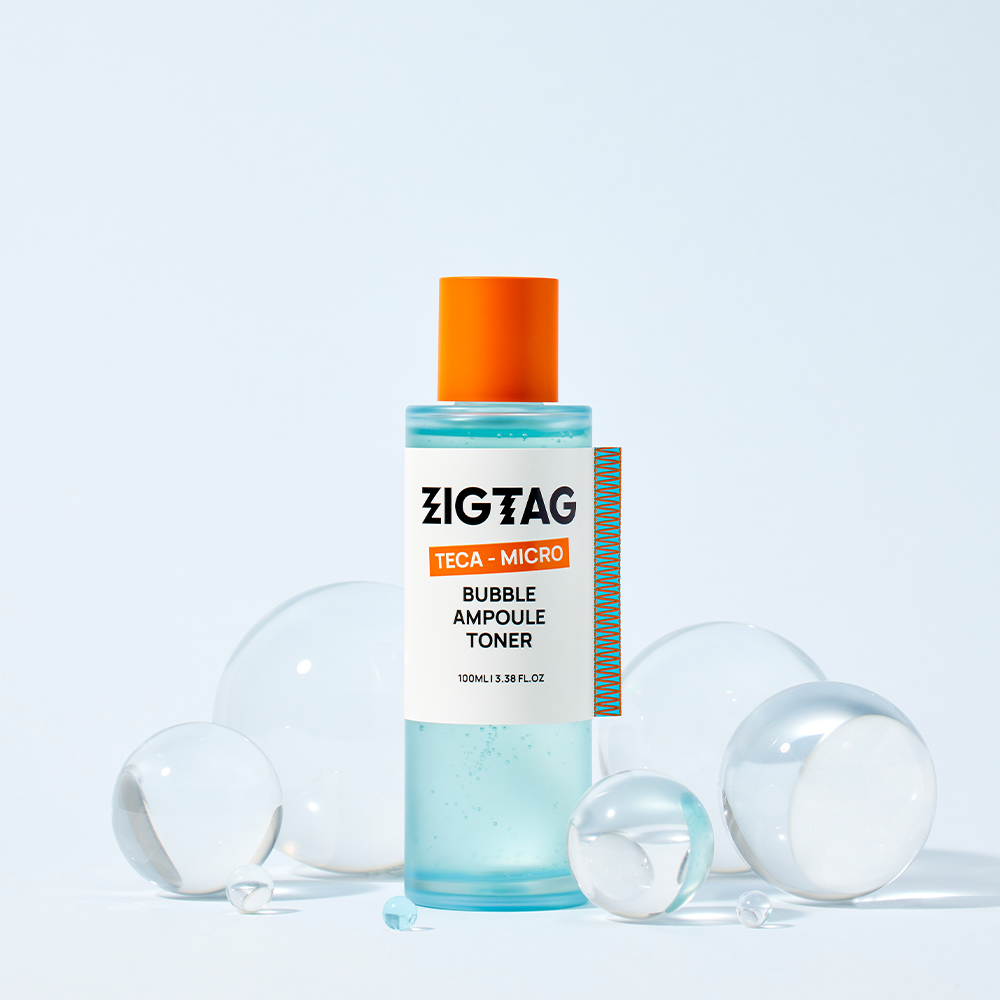
Teca-Micro Bubble Ampoule Toner
Anua
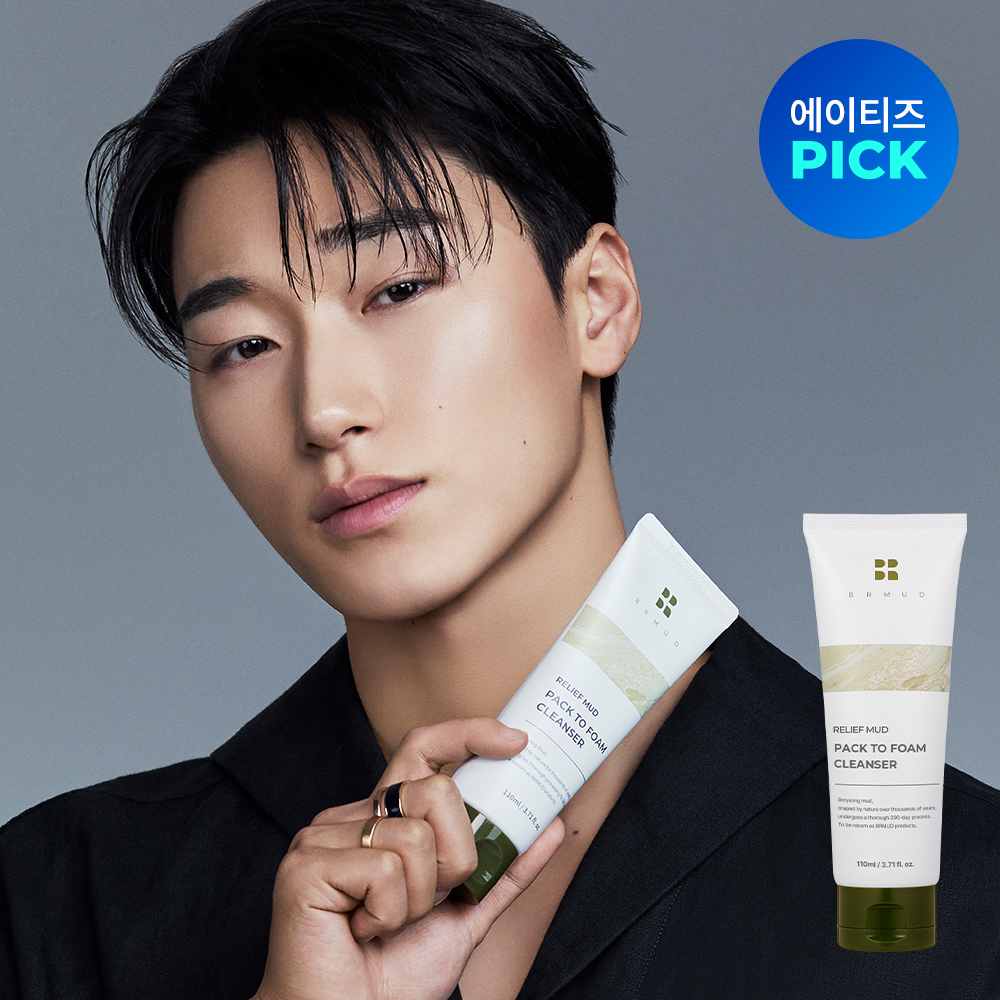
Relief Mud Pack To Foam Cleanser
Beplain
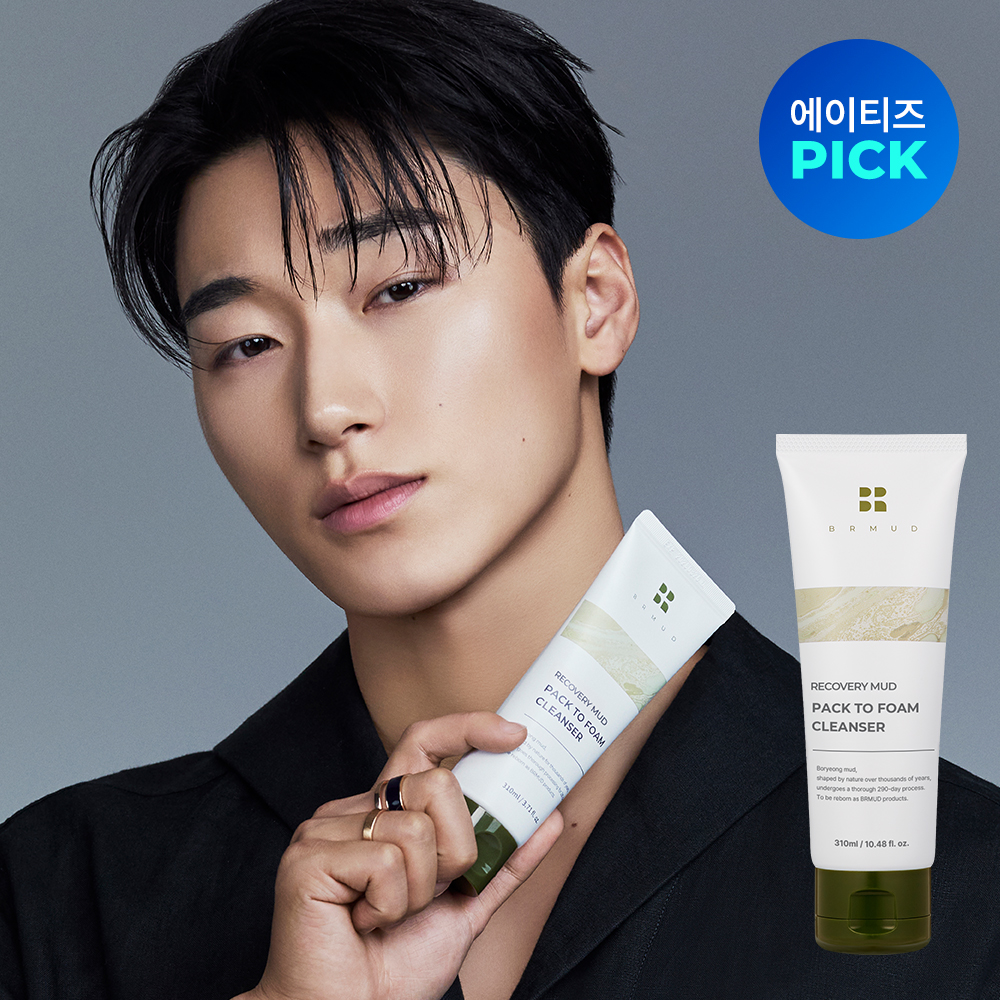
BRMUD Relief Mud Pack To Foam Cleanser
Beplain
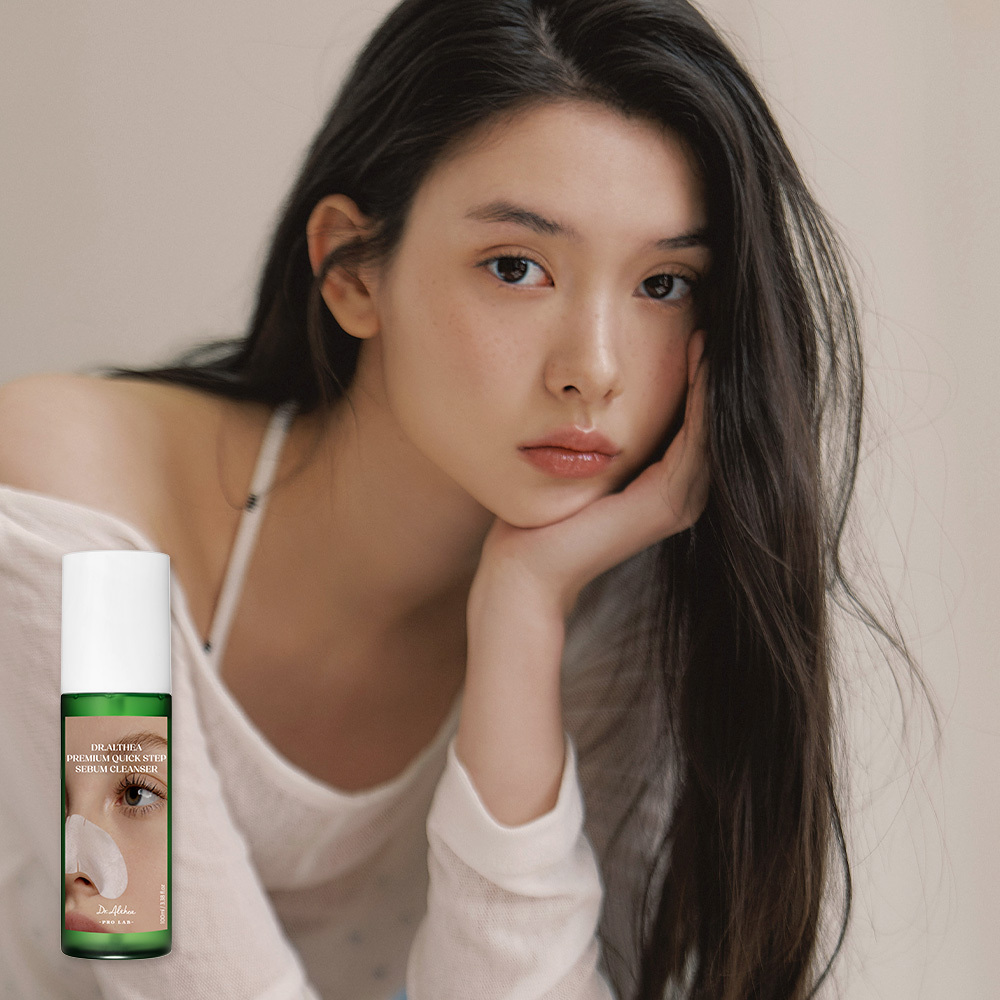
Premium Quick Step Sebum Cleanser
Dr. Althea
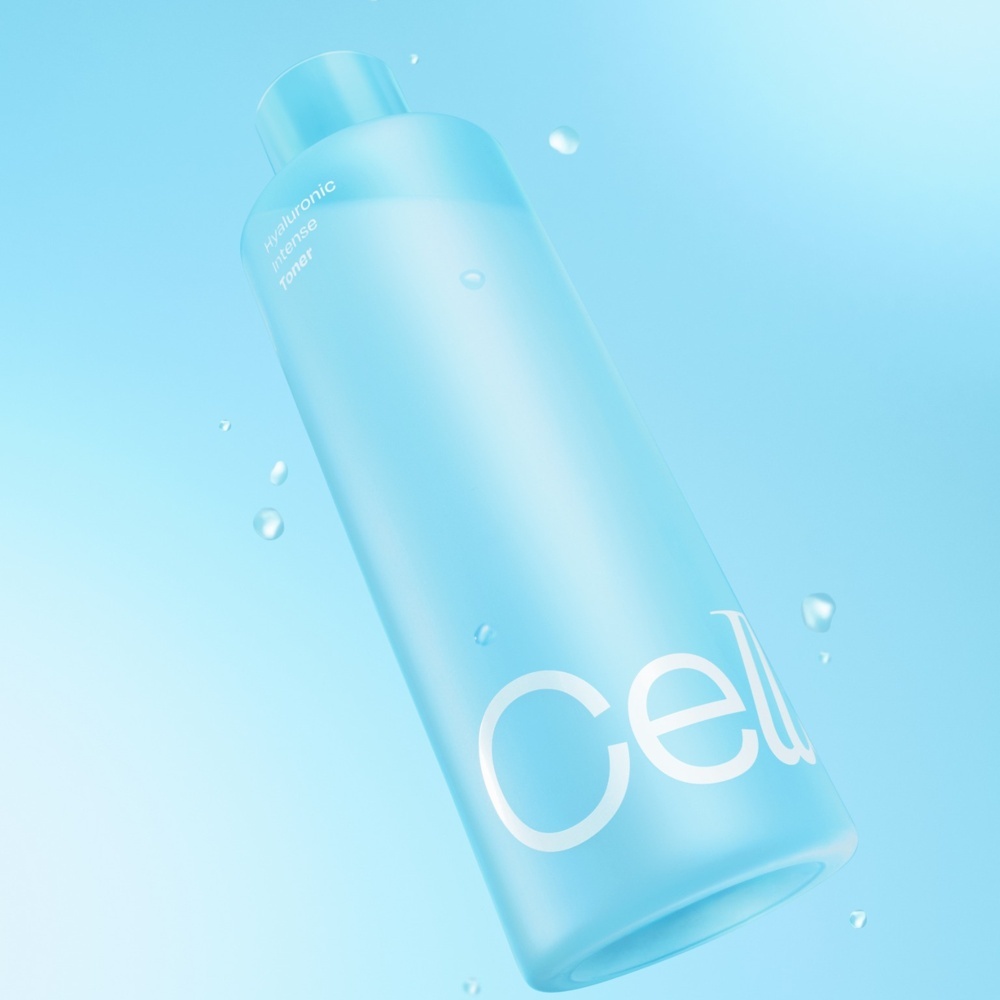
Hyaluronic Intense Toner
Celladix
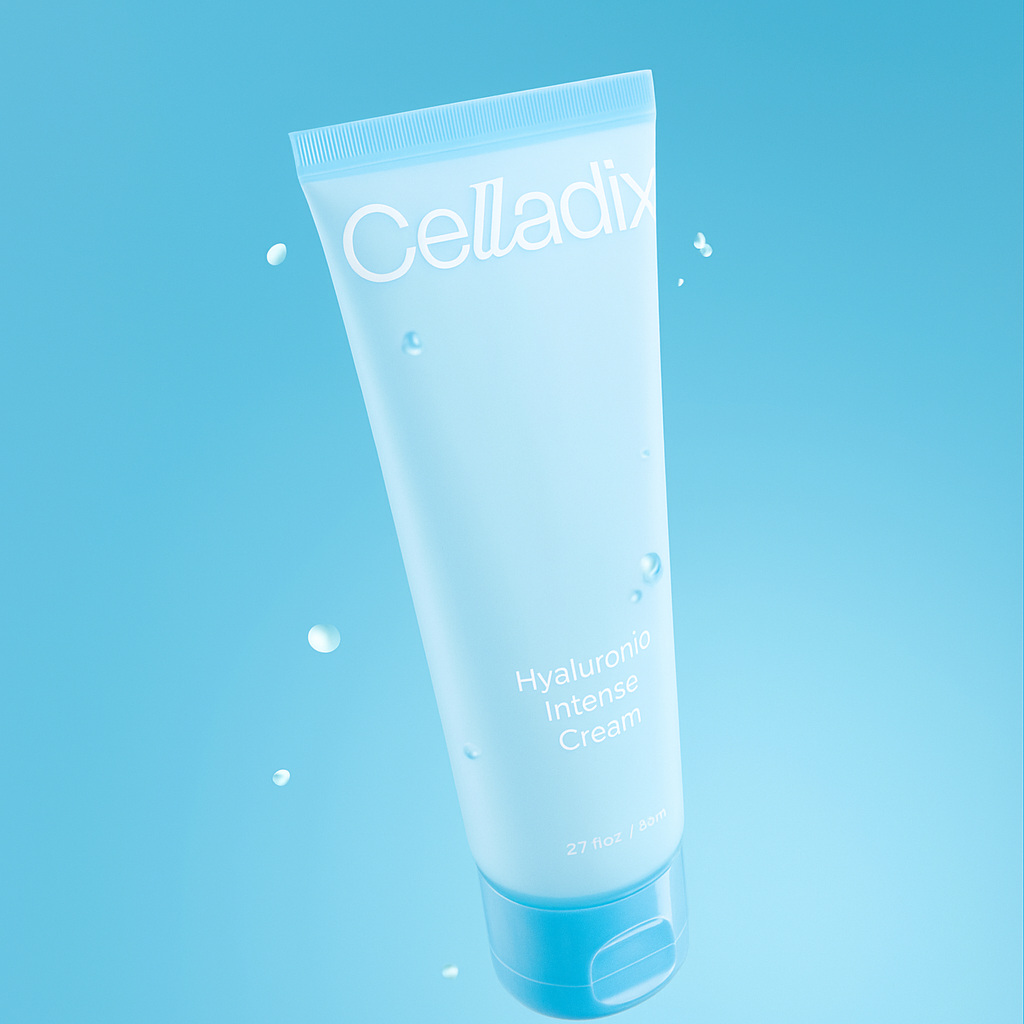
Hyaluronic Intense Cream
Celladix
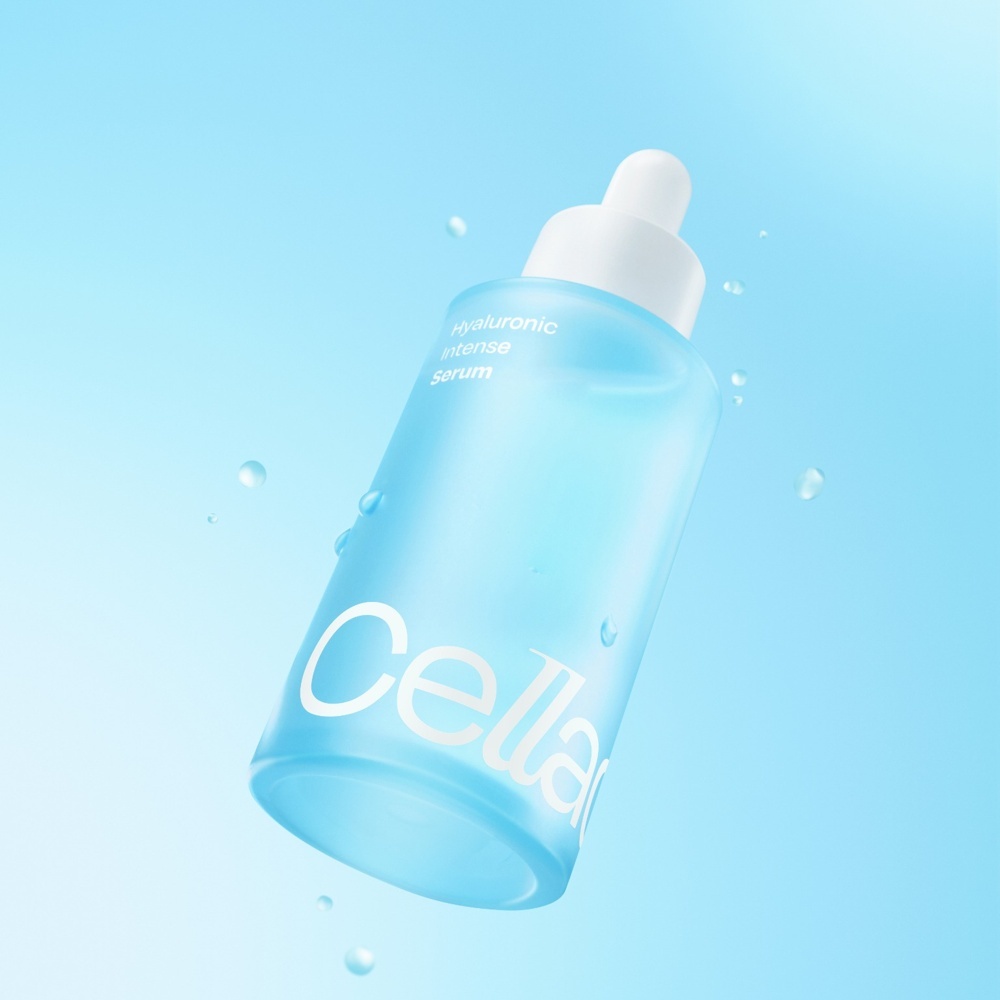
Hyaluronic Intense Serum
Celladix
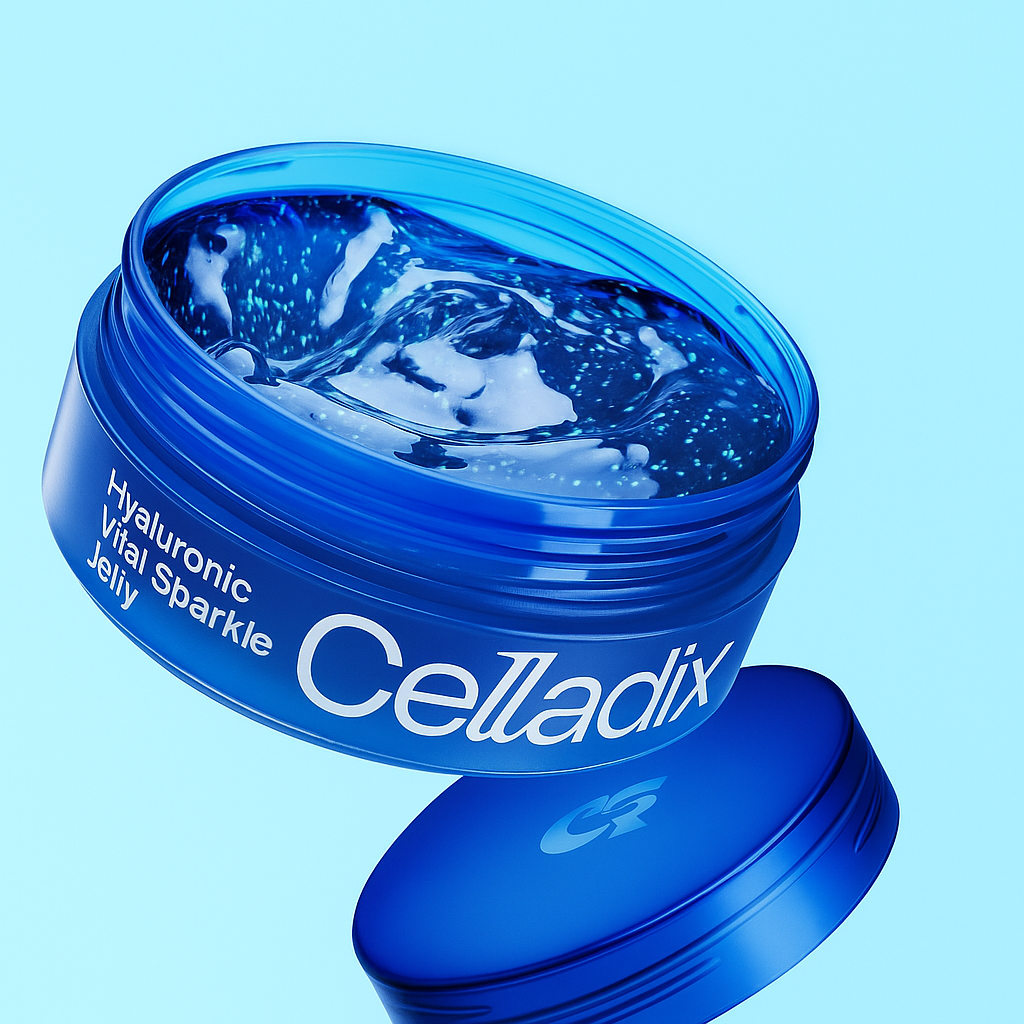
Hyaluronic Vita Sparkle Jelly Cream
Celladix
Frequently Asked Questions
Is red algae extract the same as carrageenan?▼
Can red algae extract clog pores or cause breakouts?▼
How does red algae compare to hyaluronic acid for hydration?▼
Is red algae extract safe for sensitive or rosacea-prone skin?▼
Should I avoid red algae extract if I have a shellfish or iodine allergy?▼
Explore More
Want personalized ingredient advice?
Yuri, our AI beauty advisor, can tell you how Red Algae Extract works with your specific skin type, routine, and concerns.
Ask Yuri, free