Glucose
Humectant and skin conditioning agent
About Glucose
Glucose is a simple sugar molecule that serves as one of the most fundamental building blocks in skincare, working quietly but powerfully as both a humectant and skin conditioning agent. While it may sound like just another sweet ingredient, glucose plays a critical role in maintaining your skin's moisture barrier and cellular energy production. In K-beauty formulations, glucose has gained recognition for its ability to attract and bind water to the skin's surface, similar to hyaluronic acid but with a smaller molecular structure that allows for deeper penetration. What makes glucose particularly valuable is its dual functionality: it not only hydrates the skin but also serves as a primary energy source for skin cells, supporting cellular metabolism and repair processes. Korean skincare brands have increasingly incorporated glucose into high-performance products, particularly in moisturizers and serums designed for barrier repair and hydration. With a perfect safety rating of 5/5 and a comedogenic rating of 0/5, glucose is suitable for all skin types without risk of clogging pores or causing irritation. Found in 548 K-beauty products on Seoul Sister, including top-rated formulations like VT's PDRN Capsule Cream 100 (5.0/5) and Medicube's PDRN Pink Collagen Glow Jelly Mist Serum (4.8/5), glucose has proven its worth as a versatile, effective ingredient that supports skin health at the most fundamental level. Its presence in premium formulations alongside cutting-edge ingredients like PDRN demonstrates its continued relevance in modern Korean skincare innovation.
How Glucose Works
At the molecular level, glucose functions through two primary mechanisms. First, as a humectant, glucose molecules contain multiple hydroxyl groups that form hydrogen bonds with water molecules, effectively pulling moisture from the environment and binding it to the skin's surface. This hygroscopic property allows glucose to maintain skin hydration even in lower humidity conditions. The small molecular size of glucose (180 Da) enables it to penetrate the stratum corneum more effectively than larger polysaccharides, delivering hydration to deeper skin layers. Second, glucose serves as the primary fuel source for cellular respiration in keratinocytes and fibroblasts. Through glycolysis and subsequent metabolic pathways, glucose is converted to ATP, the energy currency that powers all cellular functions including protein synthesis, cell division, and repair mechanisms. This energy production is essential for maintaining healthy skin turnover, collagen synthesis, and barrier function. Additionally, glucose participates in glycosylation processes, where it attaches to proteins and lipids to form glycoproteins and glycolipids that are crucial components of the skin's extracellular matrix and lipid barrier. This dual action of surface hydration and cellular energy support makes glucose uniquely effective in promoting overall skin health and resilience.
Glucose by Skin Type
Oily Skin
Glucose is excellent for oily skin because its zero comedogenic rating means it hydrates without adding heaviness or clogging pores. The lightweight molecular structure absorbs quickly, providing moisture that helps regulate sebum production without triggering excess oil. By supporting healthy cell turnover through cellular energy provision, glucose can help prevent the buildup of dead skin cells that often contributes to congestion in oily complexions.
Dry Skin
For dry skin, glucose acts as a powerful moisture magnet that draws water into dehydrated cells and helps maintain hydration throughout the day. Its ability to penetrate deeply means it addresses dryness at multiple skin layers, not just the surface. The energy-boosting properties also support the production of natural moisturizing factors and lipids, helping to rebuild a compromised moisture barrier from within.
Combo Skin
Combination skin benefits from glucose's balanced approach to hydration without adding oil or weight. It provides targeted moisture where needed (typically the cheeks) while the non-comedogenic formula won't exacerbate oiliness in the T-zone. The cellular energy support helps normalize skin function across different zones, promoting more balanced oil production and moisture levels over time.
Sensitive Skin
Glucose is ideal for sensitive skin due to its perfect safety rating and status as a naturally occurring molecule already present in healthy skin. It provides gentle hydration without irritation, inflammation, or allergic reactions. The ingredient supports barrier repair by fueling the cellular processes necessary to maintain intact, resilient skin that's less reactive to environmental stressors.
Normal Skin
Even normal skin benefits from glucose as a maintenance ingredient that supports optimal skin function. It provides lightweight, non-greasy hydration that keeps skin comfortable and plump. The cellular energy support helps maintain healthy skin turnover and collagen production, contributing to long-term skin health and preventing early signs of aging.
How to Use Glucose
- 1Layer glucose-containing products under heavier moisturizers to maximize humectant benefits, as this allows the ingredient to draw moisture inward while your occlusive cream seals it in.
- 2Use glucose-based products in humid environments or apply to damp skin for enhanced hydration benefits, since humectants work best when there's ambient moisture to attract.
- 3Pair glucose with other hydrating ingredients like hyaluronic acid, glycerin, or ceramides for a comprehensive moisture barrier support system that addresses hydration at multiple levels.
- 4Apply glucose-containing serums or creams both morning and night, as the ingredient is gentle enough for twice-daily use and its cellular energy benefits support skin repair during nighttime and protection during daytime.
Background
Glucose has been a fundamental molecule in biological systems for billions of years, but its intentional use in skincare is a more recent innovation rooted in biochemistry research from the mid-20th century. Scientists discovered that glucose wasn't just a dietary sugar but a critical component of healthy skin metabolism, present naturally in the skin's natural moisturizing factor. Korean skincare researchers began incorporating isolated glucose into formulations in the early 2000s as the industry shifted toward biomimetic ingredients that work with the skin's natural processes rather than against them. The ingredient gained particular prominence in K-beauty as brands focused on barrier-repair and hydration science, recognizing that supporting cellular energy production was just as important as topical moisture. Today, glucose appears in premium Korean formulations alongside advanced biotechnology ingredients like PDRN and growth factors, reflecting its status as a foundational yet sophisticated skincare component. Its inclusion in 548 K-beauty products demonstrates the industry's continued appreciation for simple, effective molecules that deliver measurable results without complexity.
K-Beauty Products with Glucose
View all 608 →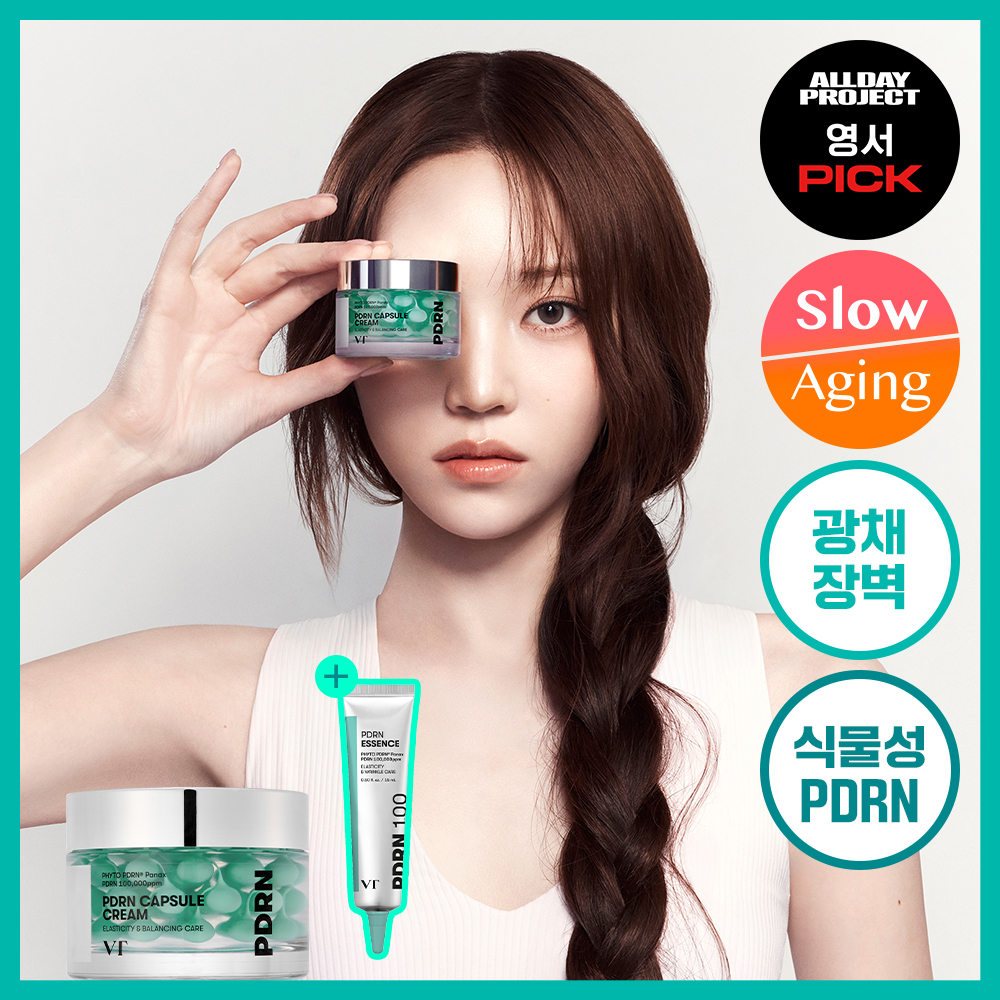
PDRN Capsule Cream 100
VT

Clean Vegan Cleansing Milk Refill Special Set
Makeprem

Aqua Squalane Moisturizing Cream
S.Nature
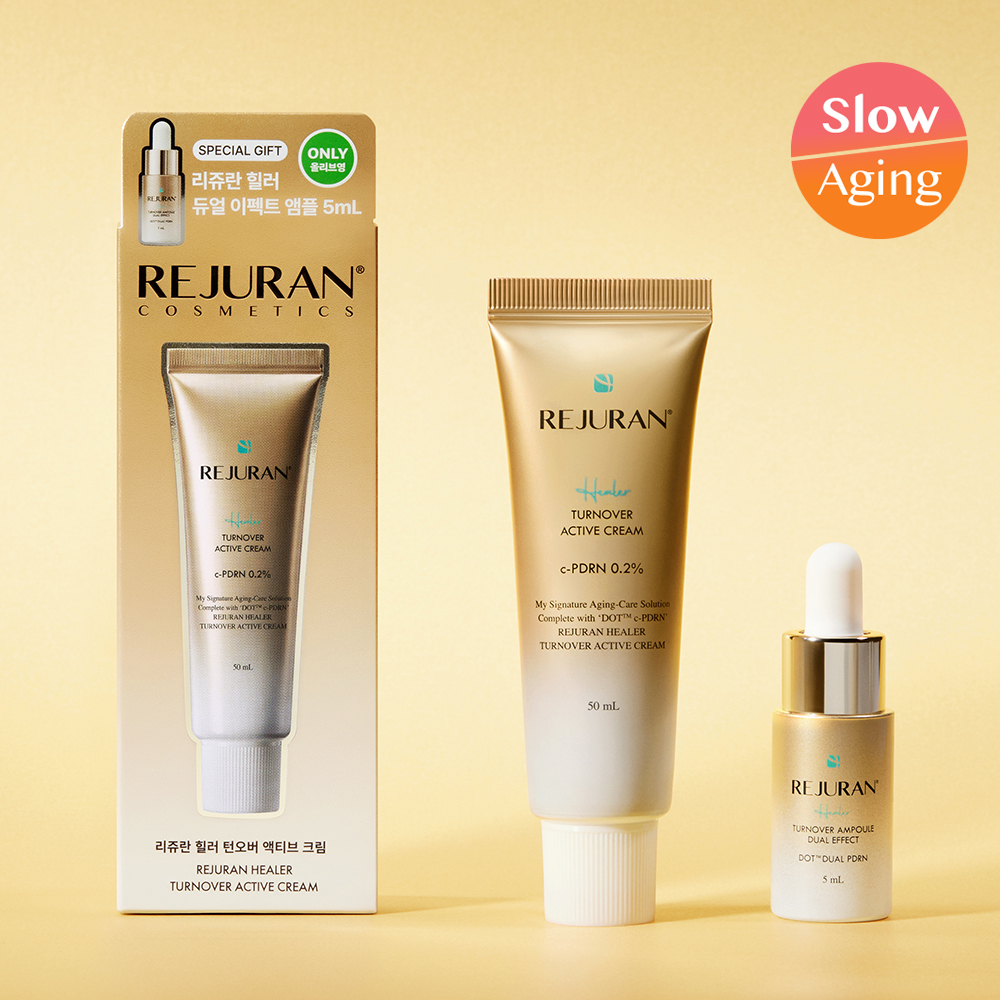
Healer Turnover Active Cream Set
Rejuran
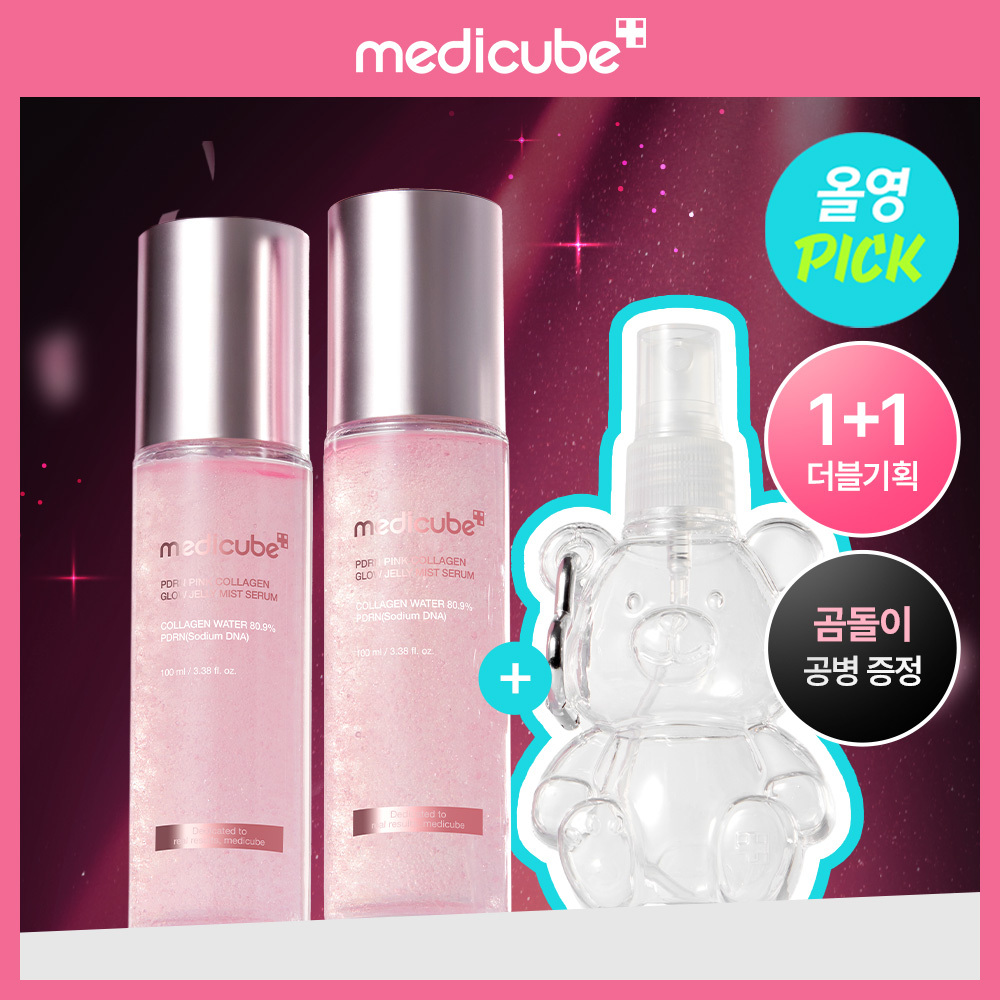
PDRN Pink Collagen Glow Jelly Mist Serum
Medicube

Skin Barrier Calming Lotion Set
Ongredients

Skin Barrier Calming Large Size Set (Lotion + Softener)
Ongredients
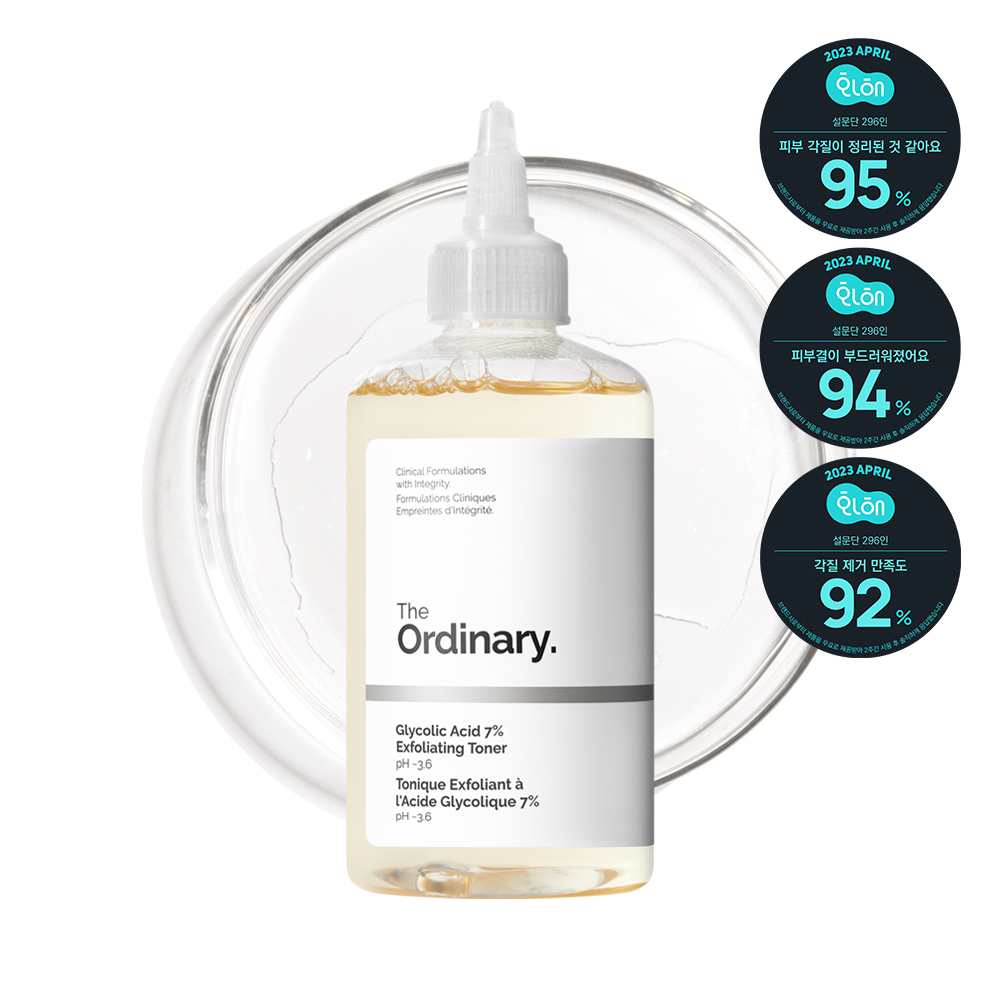
Glycolic Acid 7% Exfoliating Toner
The Ordinary

Madagascar Centella Probio-Cica Enrich Cream
SKIN1004
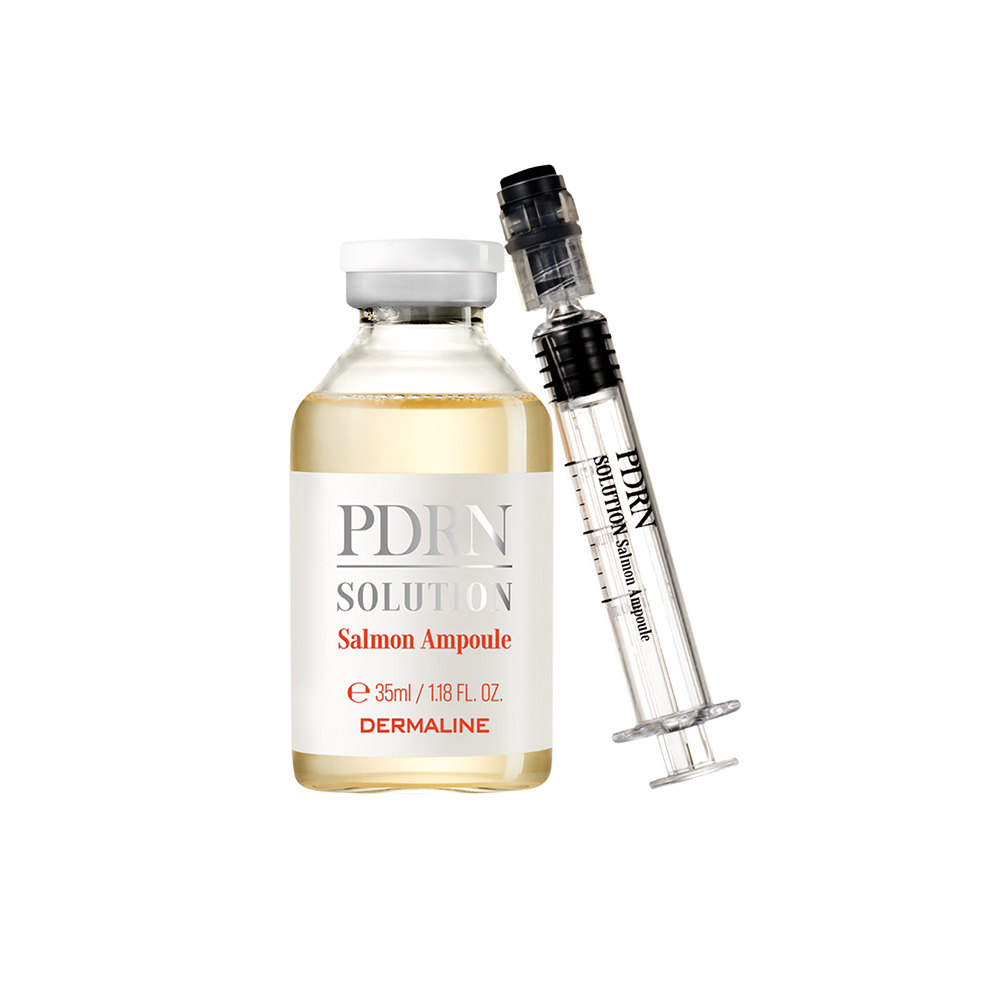
D'LEXO PDRN Solution Salmon Ampoule
DERMALINE
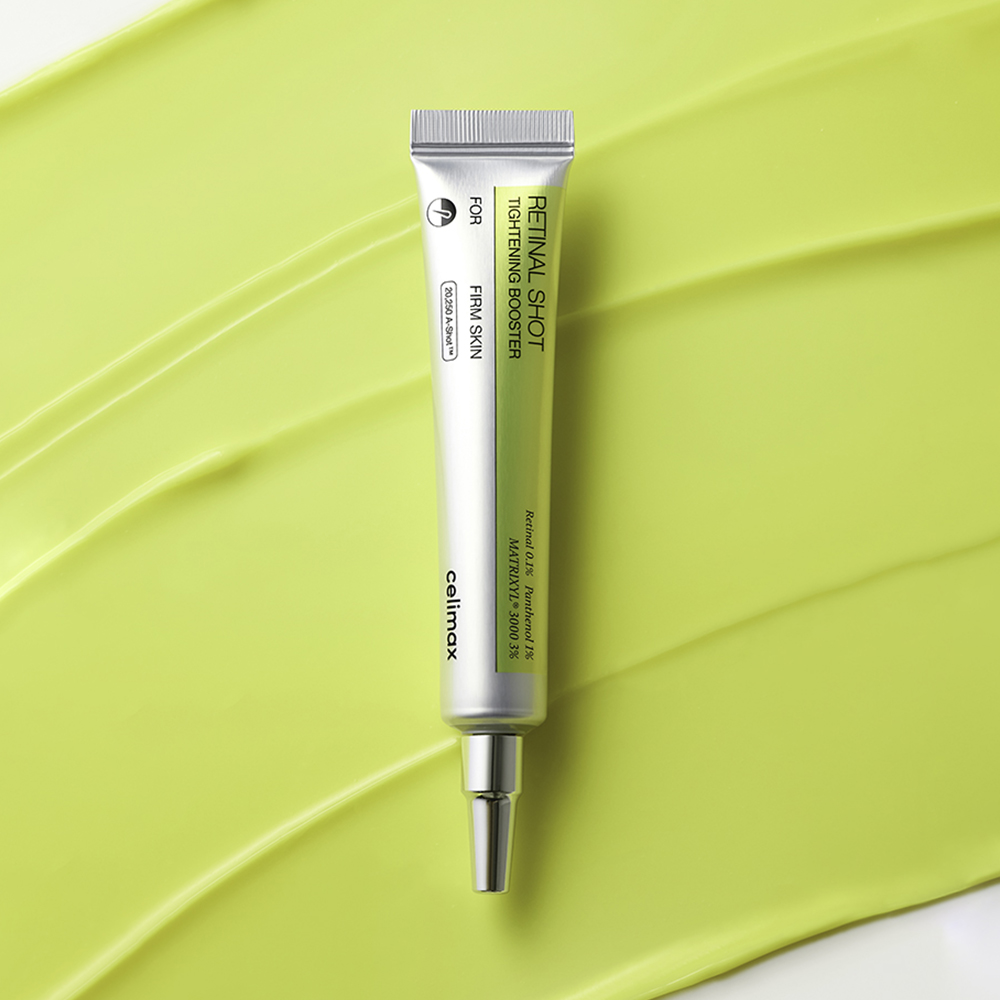
The Vita A Retinal Shot Tightening Booster
Celimax
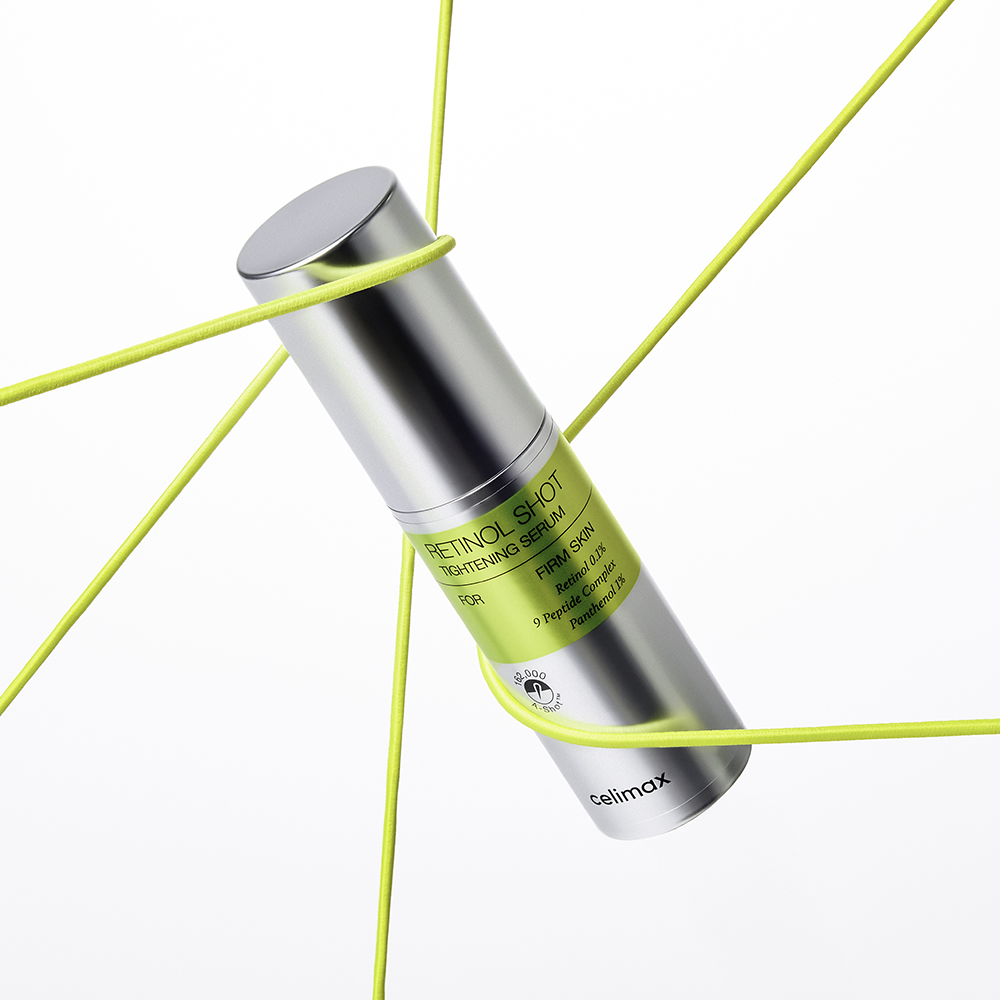
The Vita A Retinol Shot Tightening Serum
Celimax
Frequently Asked Questions
Is glucose in skincare the same as sugar that can damage skin?▼
Can glucose break me out or make my skin oily?▼
How does glucose compare to hyaluronic acid for hydration?▼
Why is glucose appearing in premium K-beauty products with PDRN and growth factors?▼
Explore More
Want personalized ingredient advice?
Yuri, our AI beauty advisor, can tell you how Glucose works with your specific skin type, routine, and concerns.
Ask Yuri, free