Glucosylrutin
Antioxidant and capillary strengthening flavonoid
About Glucosylrutin
Glucosylrutin is a stabilized, water-soluble derivative of rutin, a naturally occurring flavonoid found in citrus fruits, buckwheat, and asparagus. This sophisticated ingredient has become a quiet powerhouse in K-beauty formulations, prized for its dual action as both a potent antioxidant and a capillary strengthener. While vitamin C and niacinamide dominate the brightening conversation, glucosylrutin works behind the scenes to address a different layer of skin concerns: microcirculation and vascular health. By strengthening the tiny blood vessels beneath your skin's surface, it helps reduce redness, minimize the appearance of broken capillaries, and create a more even-toned complexion. Its antioxidant properties protect against free radical damage from UV exposure and pollution, making it a strategic addition to serums designed for urban dwellers. K-beauty brands have particularly embraced glucosylrutin in vitamin C formulations, where it acts as a supporting player that enhances overall efficacy while providing its own brightening benefits. With a comedogenic rating of 0/5, it's safe for all skin types, including acne-prone skin. The ingredient's appearance in high-performing products like Easydew's DW-EGF Vitamin C Boosting Ampoule and Melixir's Mandarin Vitamin C5 Dark Spot Serum (both rated 5.0/5 on Seoul Sister) demonstrates its effectiveness when formulated correctly.
How Glucosylrutin Works
Glucosylrutin functions through two primary mechanisms. First, as an antioxidant, it neutralizes reactive oxygen species (ROS) that damage cellular structures and accelerate aging. Its flavonoid structure allows it to donate electrons to unstable free radicals, stopping oxidative chain reactions before they compromise collagen, lipids, and DNA. Second, and more uniquely, glucosylrutin strengthens capillary walls by protecting and stabilizing the endothelial cells that line blood vessels. It does this by reducing capillary permeability and reinforcing the structural integrity of vessel walls through collagen cross-linking support. This vascular-protective action reduces the leakage of fluid and inflammatory mediators into surrounding tissue, which translates to less redness, puffiness, and visible broken capillaries on the skin's surface. The glucosyl modification (an added glucose molecule) makes this ingredient more stable and water-soluble than pure rutin, allowing it to penetrate the skin barrier more effectively and remain active in water-based formulations without degradation. This stability is why Korean formulators prefer it over standard rutin in their advanced serums.
Glucosylrutin by Skin Type
Oily Skin
Glucosylrutin works beautifully for oily skin, particularly if you experience redness or inflammation alongside excess sebum. Its lightweight, water-soluble nature won't add heaviness or clog pores (0/5 comedogenic rating), and its anti-inflammatory properties can help calm the reactive redness that often accompanies acne breakouts.
Dry Skin
For dry skin, glucosylrutin provides antioxidant protection without addressing hydration directly, so it performs best when layered with humectants and occlusives. Its capillary-strengthening benefits can reduce the ruddy, irritated look that sometimes develops when dry skin becomes compromised and sensitive to environmental stress.
Combo Skin
Combination skin benefits from glucosylrutin's balanced profile since it addresses redness in cheek areas while remaining non-comedogenic in the T-zone. It's particularly effective when formulated with vitamin C (as seen in top-rated products like Melixir's Mandarin Vitamin C5 serum), where it enhances brightening without causing the congestion that richer ingredients might trigger in oily zones.
Sensitive Skin
This is where glucosylrutin truly excels. Sensitive skin types prone to redness, visible capillaries, or reactivity benefit enormously from its capillary-strengthening and anti-inflammatory properties. By reinforcing blood vessel walls and reducing vascular permeability, it helps decrease the flushing and persistent redness that characterize reactive skin. Its gentle antioxidant action protects without irritation.
Normal Skin
Normal skin can use glucosylrutin as preventive maintenance against environmental damage and early signs of vascular aging like diffuse redness or loss of even tone. It works synergistically with other antioxidants in serums, boosting overall protective capacity while contributing its unique circulatory benefits that keep skin looking clear and radiant over time.
How to Use Glucosylrutin
- 1Layer glucosylrutin serums before heavier creams but after toners, as this water-soluble ingredient penetrates best when applied to slightly damp skin.
- 2Pair with vitamin C for enhanced brightening and antioxidant protection. Products like the Easydew DW-EGF Vitamin C Boosting Ampoule (5.0/5) are formulated with this synergy in mind.
- 3Use consistently for at least 6-8 weeks to see visible improvement in redness and capillary appearance, as vascular changes take time to manifest visibly.
- 4Apply both morning and night for maximum antioxidant coverage, especially if you live in urban areas with high pollution exposure.
- 5If you have rosacea or visible broken capillaries, focus application on affected areas, gently pressing the serum into skin rather than rubbing to avoid additional irritation.
Background
Rutin, the parent compound of glucosylrutin, has been used in traditional medicine for centuries, particularly in Eastern European and Asian practices where buckwheat and citrus peels were employed to treat circulatory problems and bruising. The connection between dietary rutin and vascular health was scientifically established in the mid-20th century when researchers identified it as vitamin P (for permeability). However, pure rutin's poor water solubility and stability limited its cosmetic applications. Korean cosmetic scientists solved this through enzymatic glucosylation, attaching a glucose molecule to create glucosylrutin, a derivative that maintains rutin's biological activity while dramatically improving stability and skin penetration. This innovation allowed K-beauty brands to incorporate capillary-strengthening benefits into elegant, lightweight serums rather than heavy creams. The ingredient gained particular traction in Korea's advanced vitamin C formulations, where it complements ascorbic acid's brightening action with vascular support, addressing both pigmentation and redness simultaneously.
K-Beauty Products with Glucosylrutin
View all 13 →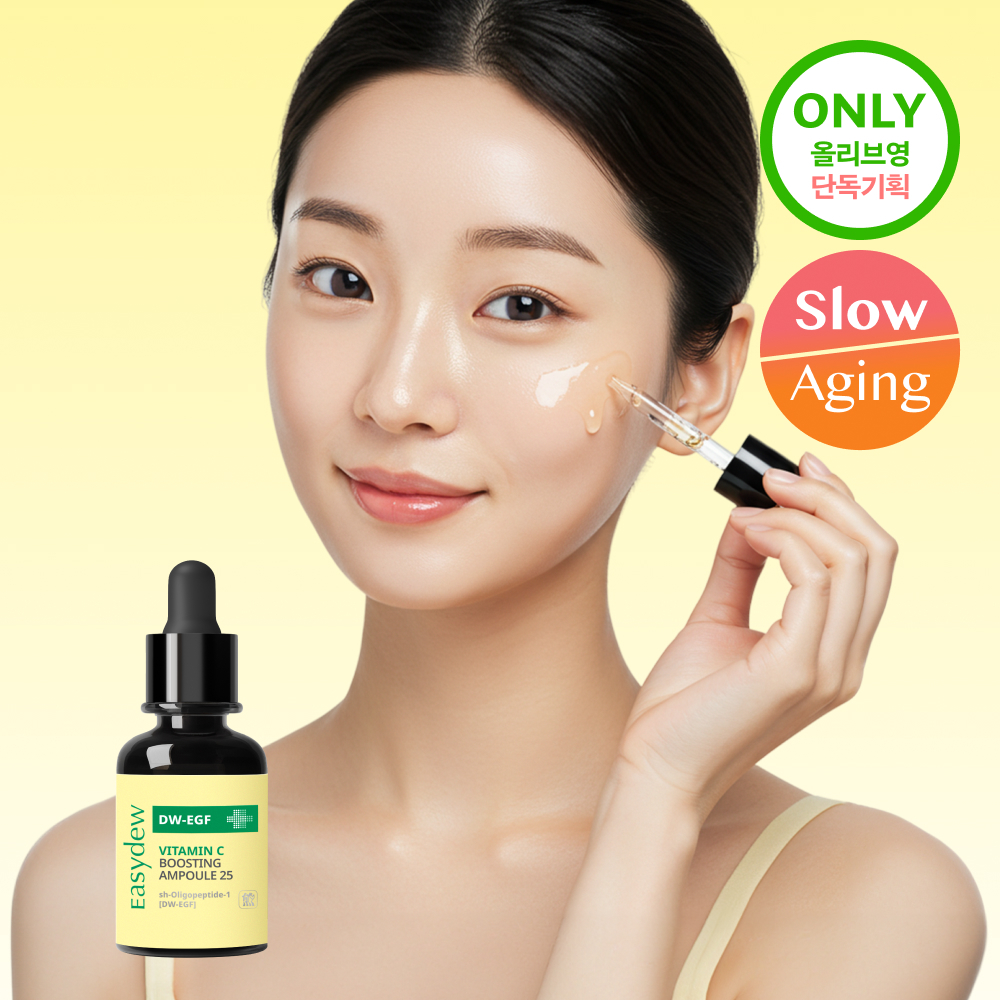
DW-EGF Vitamin C Boosting Ampoule 25
Easydew
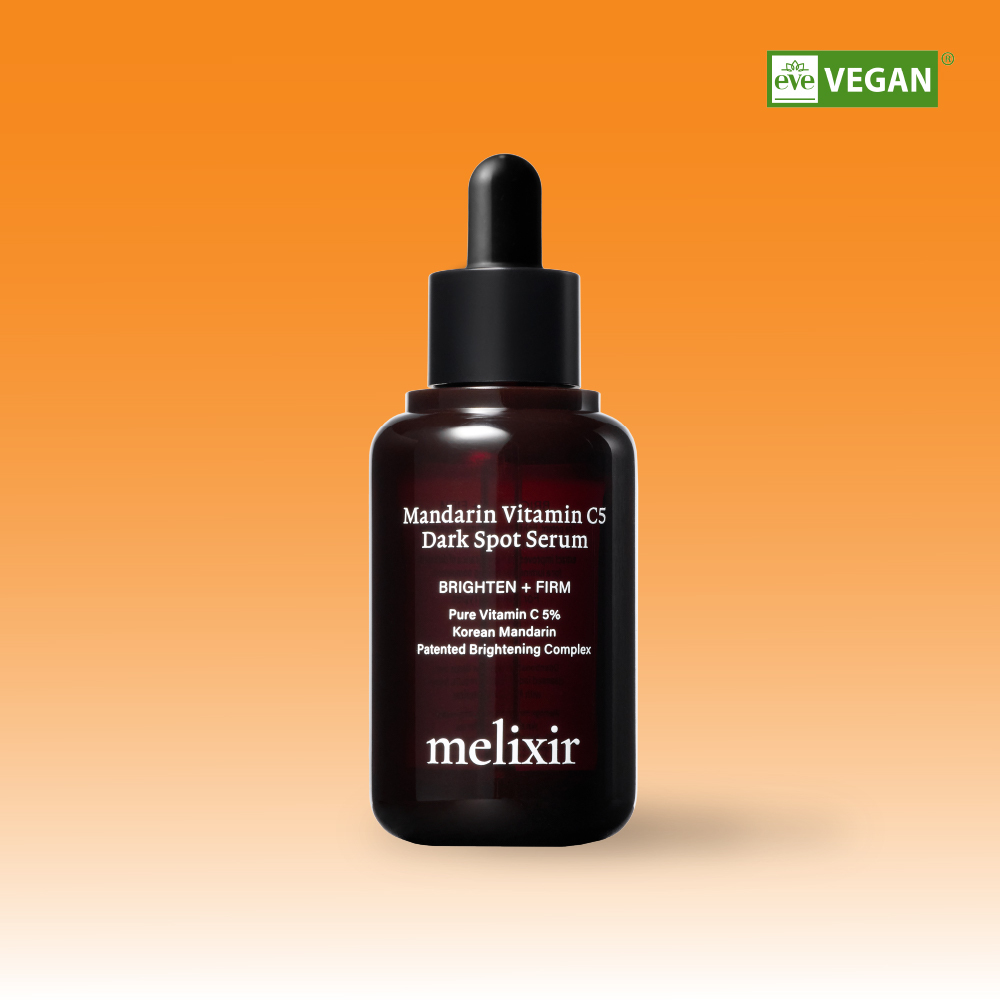
Mandarin Vitamin C5 Dark Spot Serum
Melixir
Vitacnergy Dark Spot Toning Serum
Bioheal BOH
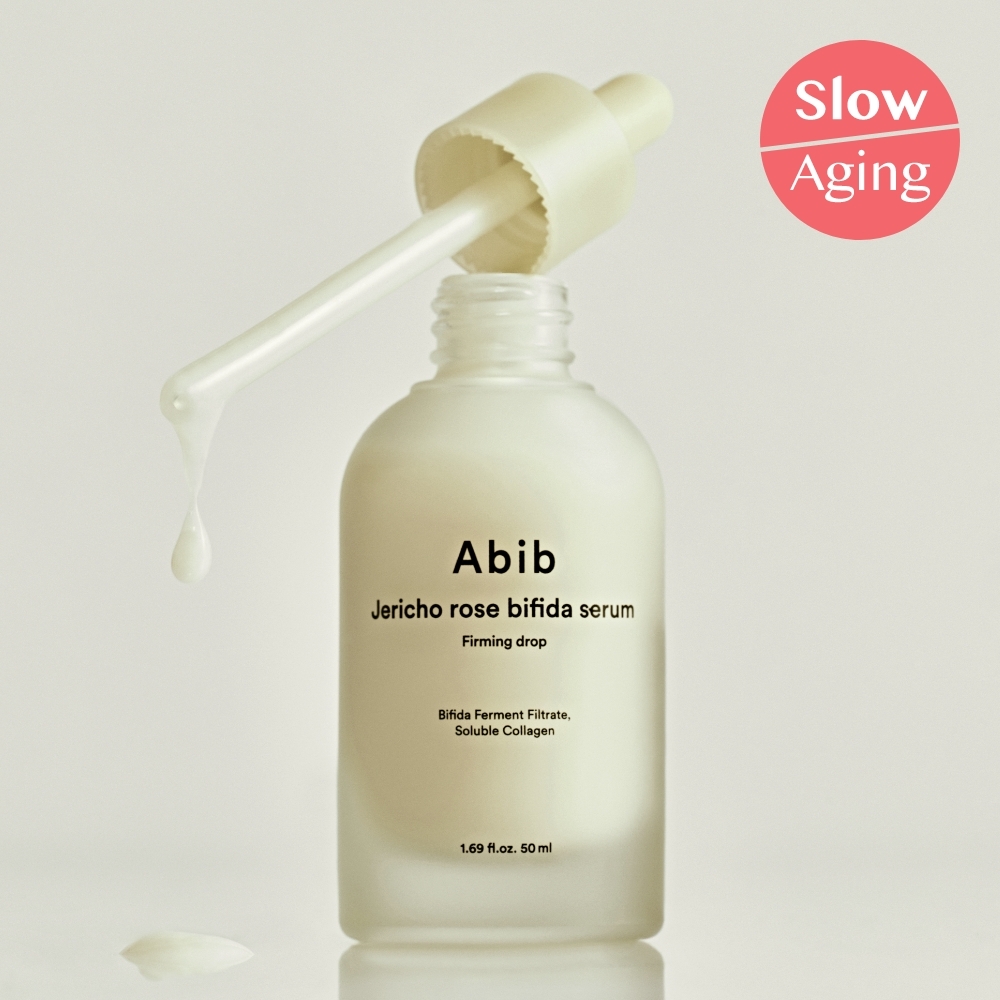
Jericho Rose Bifida Serum Firming Drop
Abib

CEQ Anti-Oxidant Serum
Dr.Different
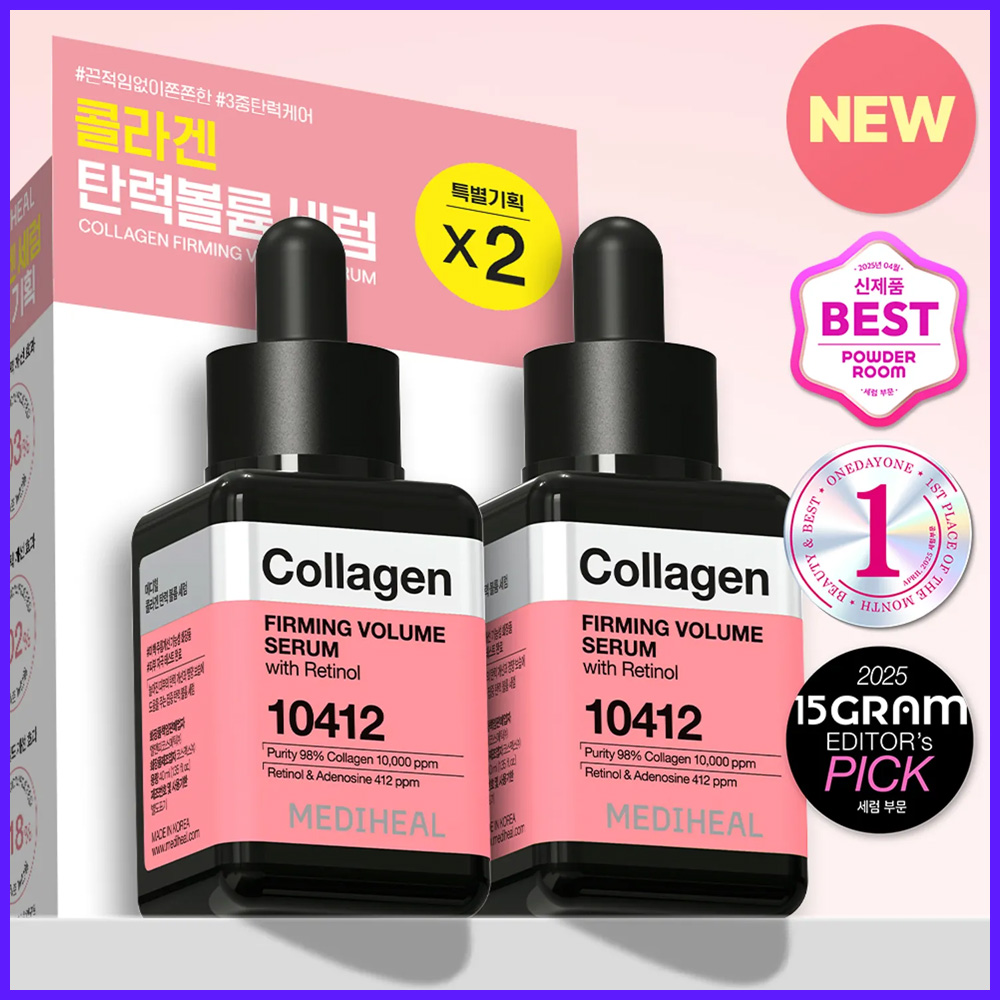
Collagen Firming Volume Serum Double Set
Mediheal
Collagen Firming Volume Serum
Mediheal
Blemi Shot Ampoule
AMPLE:N
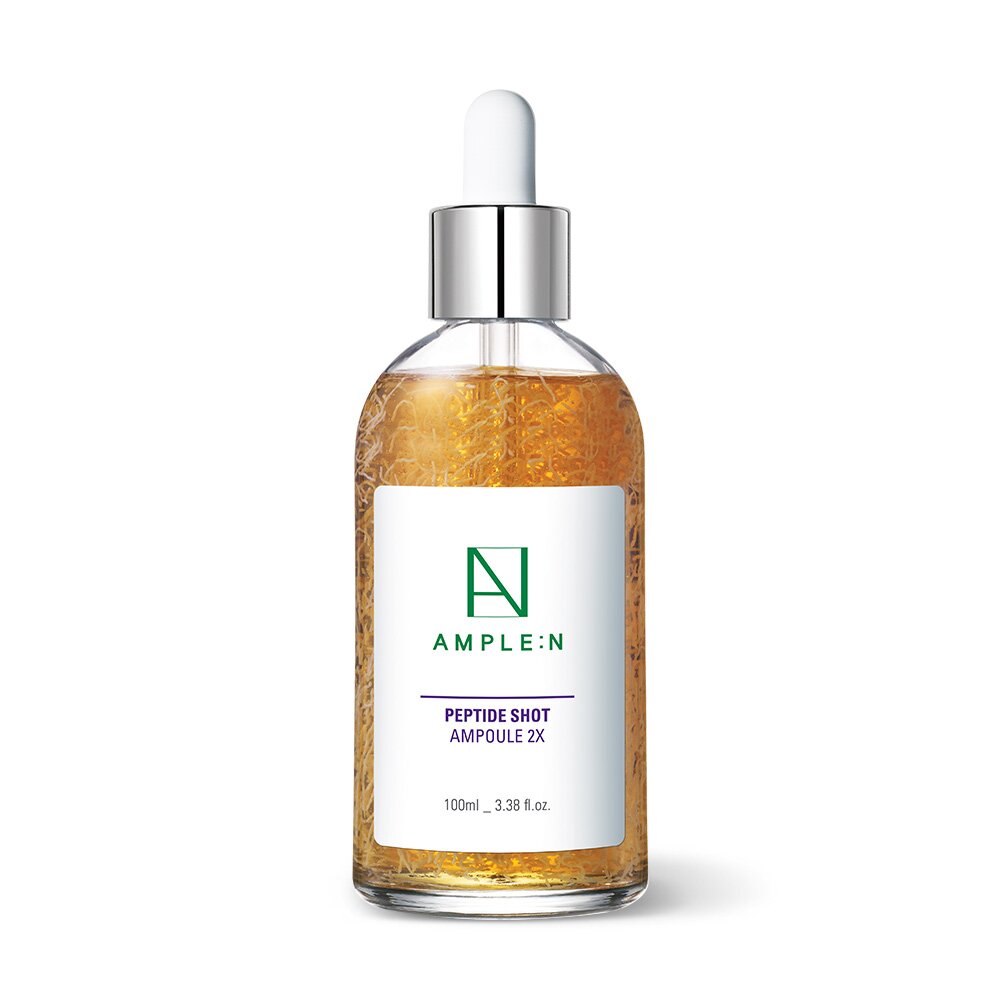
Peptide Shot Ampoule 2X
AMPLE:N
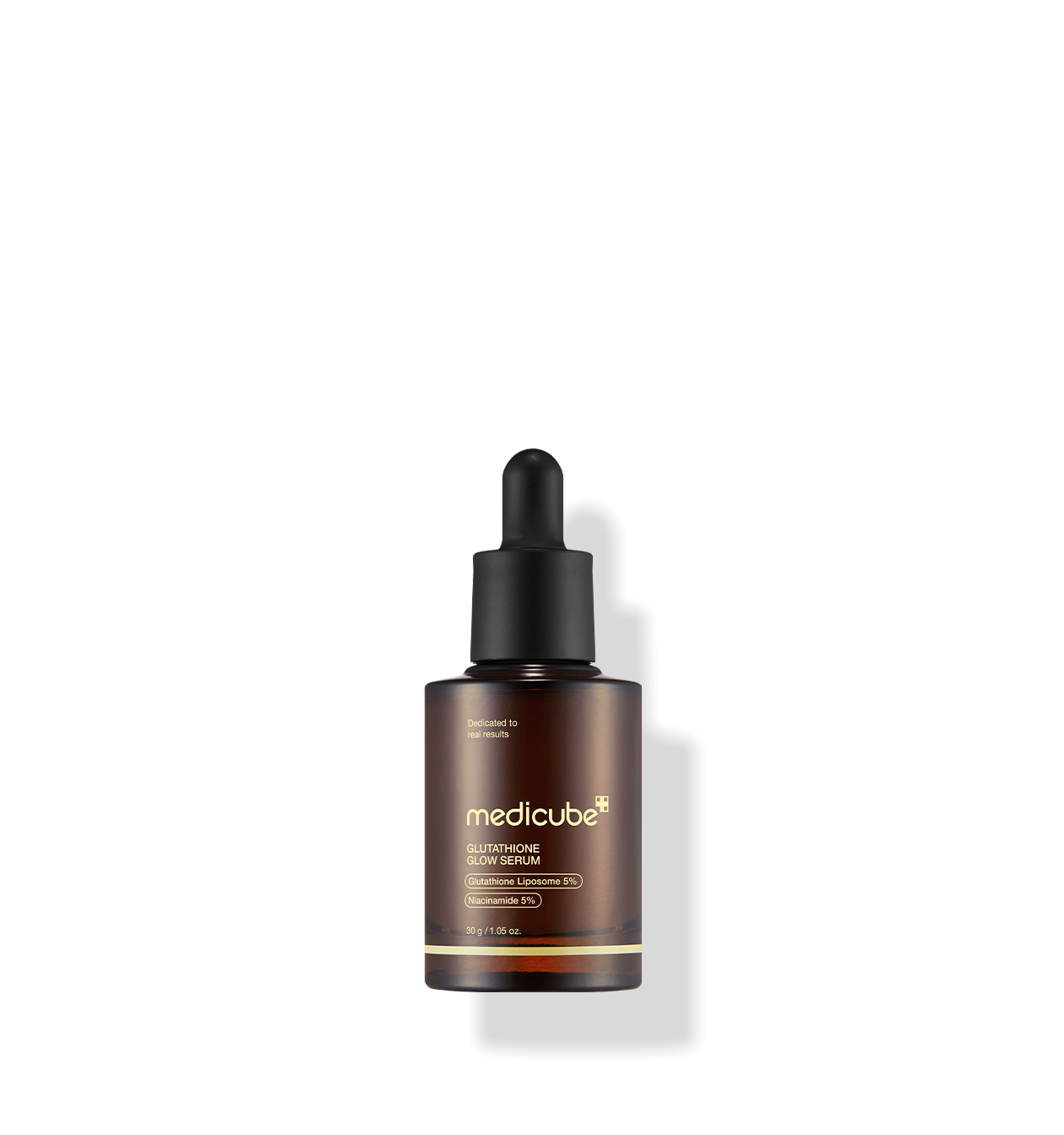
AGE-R Glutathione Glow Ampoule
Medicube
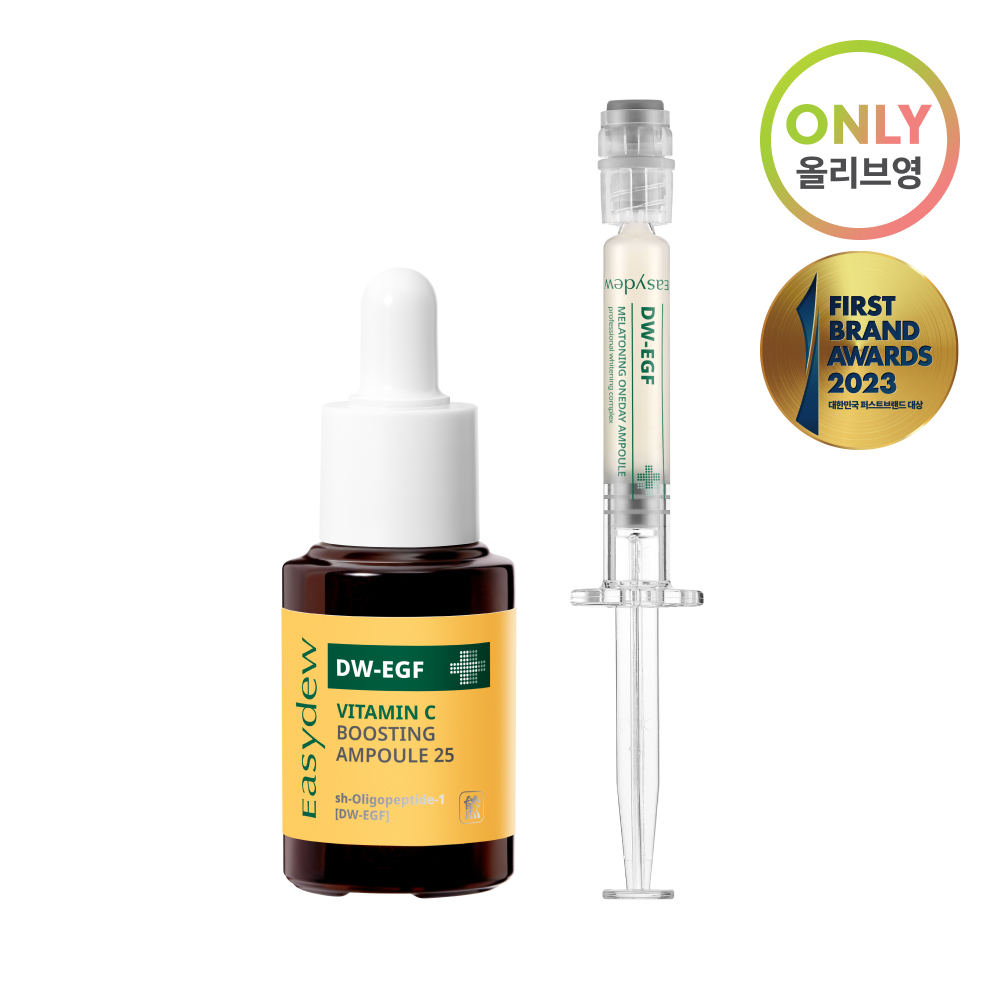
DW-EGF Vitamin C Boosting Ampoule 25 Special Set
Easydew
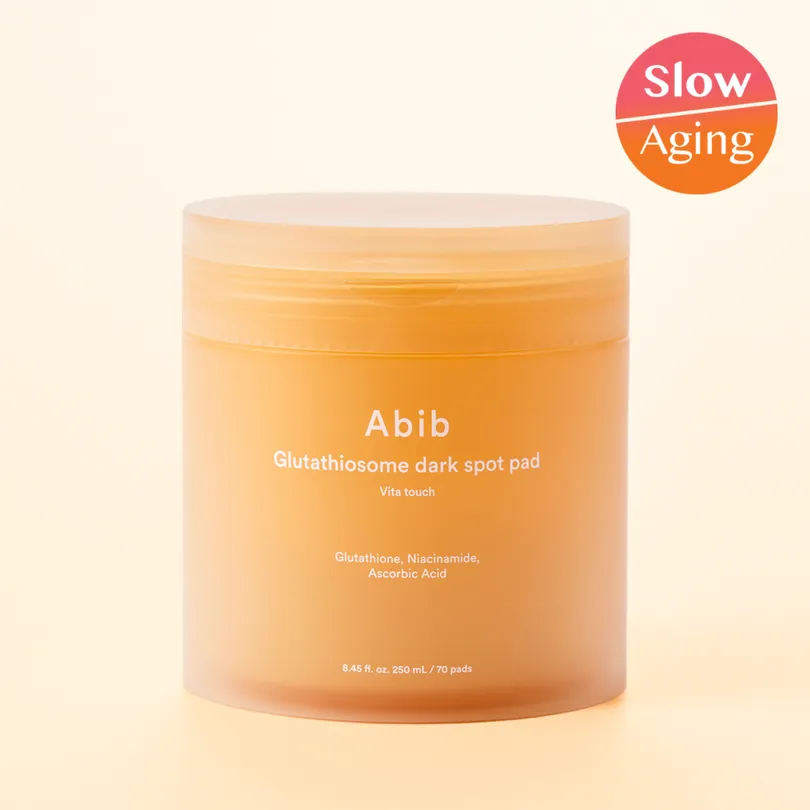
Glutathiosome Dark Spot Pad Vita Touch 70P
Abib
Frequently Asked Questions
Is glucosylrutin the same as vitamin P or rutin?▼
How long does it take to see results from glucosylrutin for redness?▼
Can I use glucosylrutin with other antioxidants like vitamin C?▼
Will glucosylrutin help with dark circles under my eyes?▼
Explore More
Want personalized ingredient advice?
Yuri, our AI beauty advisor, can tell you how Glucosylrutin works with your specific skin type, routine, and concerns.
Ask Yuri, free