Glutamine
Amino acid for skin barrier support
About Glutamine
Glutamine is a conditionally essential amino acid that plays a crucial role in maintaining skin barrier integrity and cellular health. As one of the most abundant amino acids in the body, glutamine serves as a building block for proteins and supports the synthesis of other vital compounds needed for skin repair and regeneration. In K-beauty formulations, glutamine has gained recognition for its ability to strengthen the skin's protective barrier, enhance hydration retention, and support the skin's natural defense mechanisms against environmental stressors. Unlike many trending ingredients that target surface-level concerns, glutamine works at the cellular level to fortify skin from within. Korean skincare brands like AHC have pioneered glutamine-focused product lines that pair this amino acid with other actives for comprehensive barrier support and brightening benefits. Its classification as non-comedogenic and dermatologically safe makes it suitable for all skin types, including sensitive and reactive skin that often struggles with traditional barrier-repair ingredients.
How Glutamine Works
At the cellular level, glutamine functions as a nitrogen donor, supporting protein synthesis and cellular energy production through its role in the citric acid cycle. When applied topically, glutamine penetrates the stratum corneum and provides substrate support for keratinocyte proliferation, the process by which skin cells regenerate and maintain barrier function. It also serves as a precursor for glutathione synthesis, one of the body's most powerful antioxidants, helping neutralize free radicals that accelerate skin aging. Glutamine enhances the production of natural moisturizing factors (NMFs) within the skin, improving water-binding capacity and preventing transepidermal water loss. Additionally, it supports filaggrin production, a protein essential for maintaining skin barrier structure and preventing irritant penetration. By supplying skin cells with this fundamental building block, glutamine helps maintain optimal cellular function, supports collagen synthesis, and promotes faster recovery from environmental damage or inflammation.
Glutamine by Skin Type
Oily Skin
Glutamine benefits oily skin by supporting barrier function without adding heaviness or congestion. Its non-comedogenic profile means it won't clog pores, while its barrier-strengthening properties can help regulate sebum production that often goes into overdrive when skin is compromised. Oily skin types can use glutamine-based products confidently, as the ingredient addresses underlying barrier weakness that sometimes triggers excess oil production.
Dry Skin
Dry skin particularly benefits from glutamine's ability to enhance natural moisturizing factor production and reduce transepidermal water loss. By strengthening the skin barrier at a cellular level, glutamine helps dry skin retain moisture more effectively and become less reactive to environmental stressors. Regular use of glutamine-containing products can transform chronically dehydrated skin by addressing the root cause of moisture loss rather than just surface symptoms.
Combo Skin
Combination skin thrives with glutamine because it balances without overcompensating in any direction. The ingredient supports barrier health across different facial zones without triggering excess oil in the T-zone or leaving dry areas undernourished. Glutamine's lightweight nature and cellular-level action make it ideal for combination skin that needs consistent support without heaviness or stimulation in reactive areas.
Sensitive Skin
Sensitive skin benefits enormously from glutamine's gentle, barrier-repairing properties. By strengthening the skin's protective barrier, glutamine reduces sensitivity to environmental triggers and helps calm reactive responses. Its amino acid structure makes it highly biocompatible, minimizing the risk of irritation while providing fundamental support for compromised skin that often characterizes sensitive types.
Normal Skin
Normal skin uses glutamine as preventive maintenance, supporting optimal barrier function and cellular health to preserve skin quality over time. While normal skin may not show immediate dramatic changes, consistent glutamine use helps maintain resilience against aging and environmental stress. It serves as foundational support that keeps normal skin functioning optimally without disruption.
How to Use Glutamine
- 1Apply glutamine-containing products like serums or essences after cleansing and toning, when skin is most receptive to ingredient absorption and barrier support
- 2Layer glutamine products under heavier moisturizers or treatments to maximize cellular uptake and create a synergistic barrier-supporting routine
- 3Use glutamine products consistently for at least 4-6 weeks to observe barrier improvements, as cellular-level changes require sustained support to manifest visibly
- 4Pair glutamine with other barrier-supporting ingredients like ceramides, niacinamide, or peptides for comprehensive skin barrier repair, as seen in top-rated formulations like AHC's Gluta-Ctivation line
Background
Glutamine's journey from clinical nutrition to skincare reflects growing understanding of skin biology at the molecular level. Originally recognized for its role in immune function and gut health, glutamine's importance for tissue repair caught the attention of dermatological researchers in the late 1990s. Studies on wound healing revealed that glutamine supplementation accelerated tissue recovery, prompting investigation into topical applications. Korean skincare researchers, known for translating clinical findings into consumer products, began incorporating glutamine into formulations in the early 2010s as part of the broader amino acid skincare trend. Brands like AHC developed dedicated glutamine product lines, often pairing it with other actives like glutathione for enhanced brightening and antioxidant benefits. The ingredient's rise in K-beauty coincided with increased consumer awareness of barrier health, positioning glutamine as a scientifically-grounded alternative to trending but potentially irritating actives.
K-Beauty Products with Glutamine
View all 30 →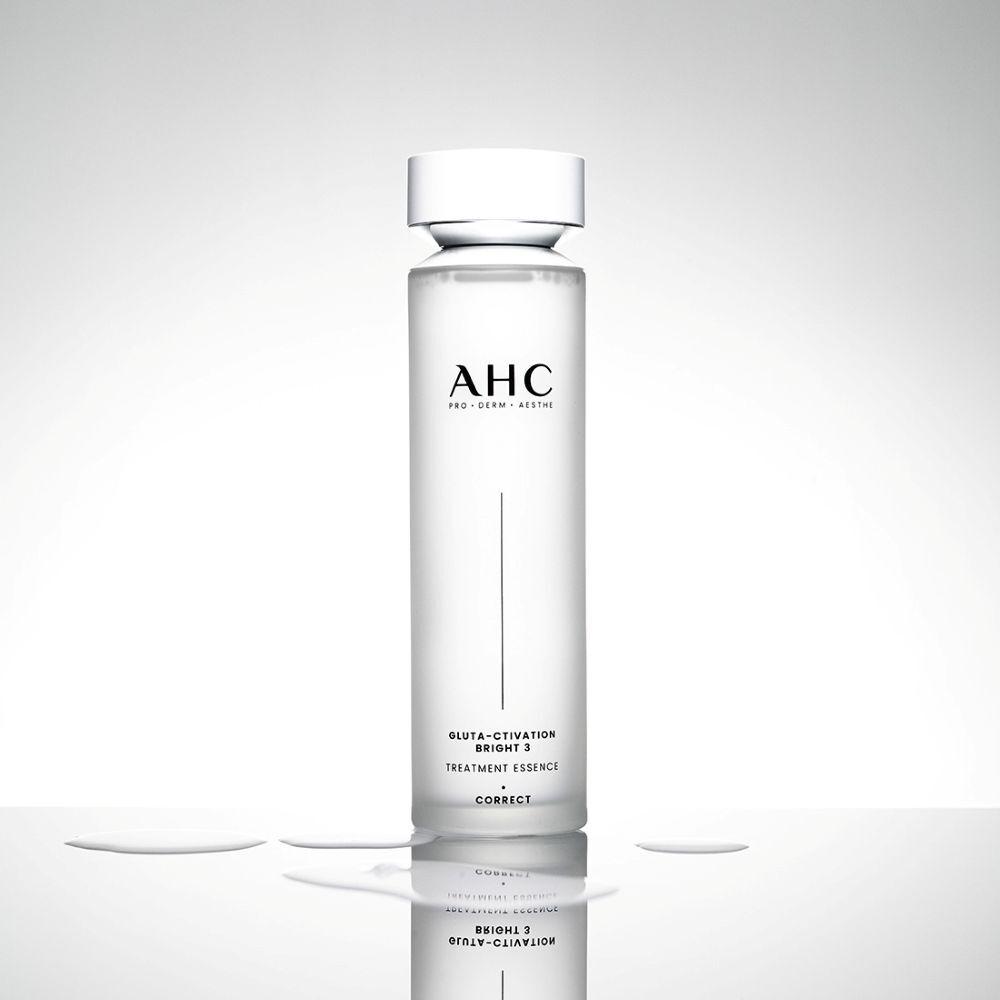
Gluta-Ctivation Bright 3 Treatment Essence
AHC
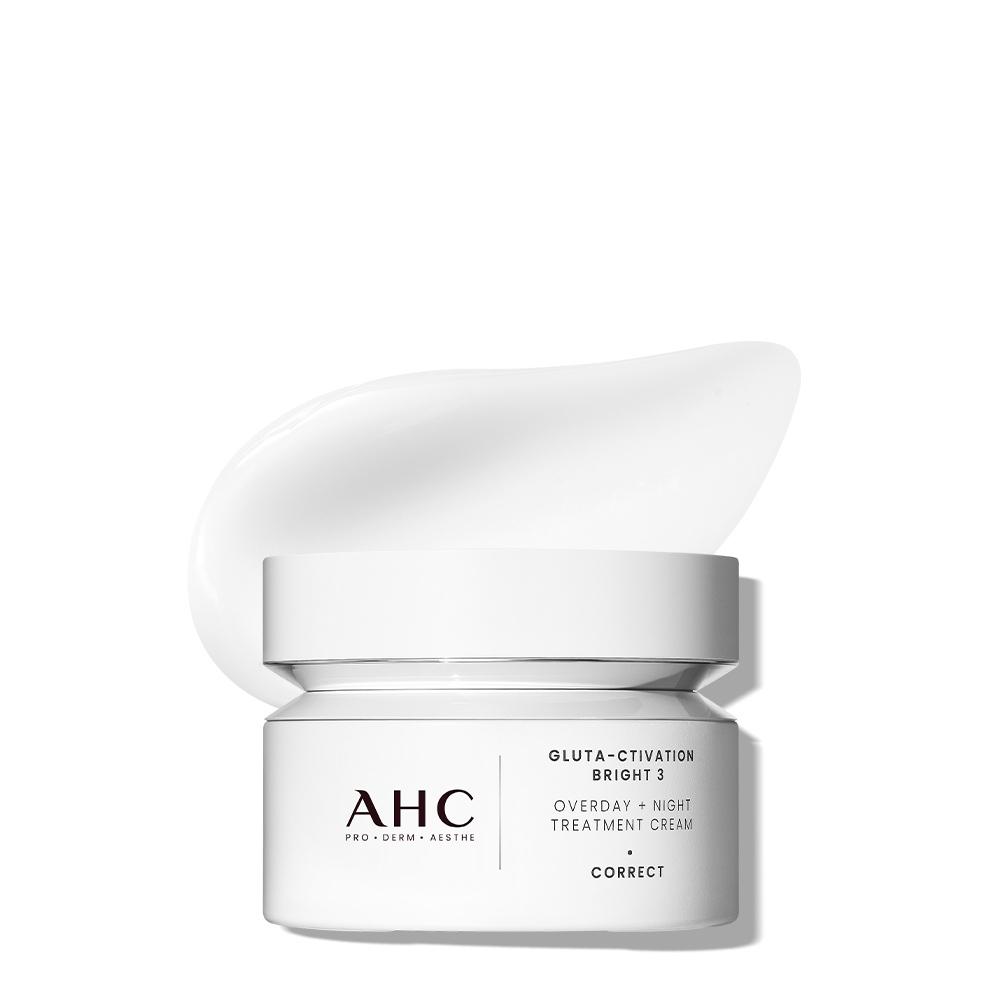
Gluta-Ctivation Bright 3 Overday+Night Treatment Cream
AHC

No. 9 NAD Bio Lifting-sil Essence
Numbuzin
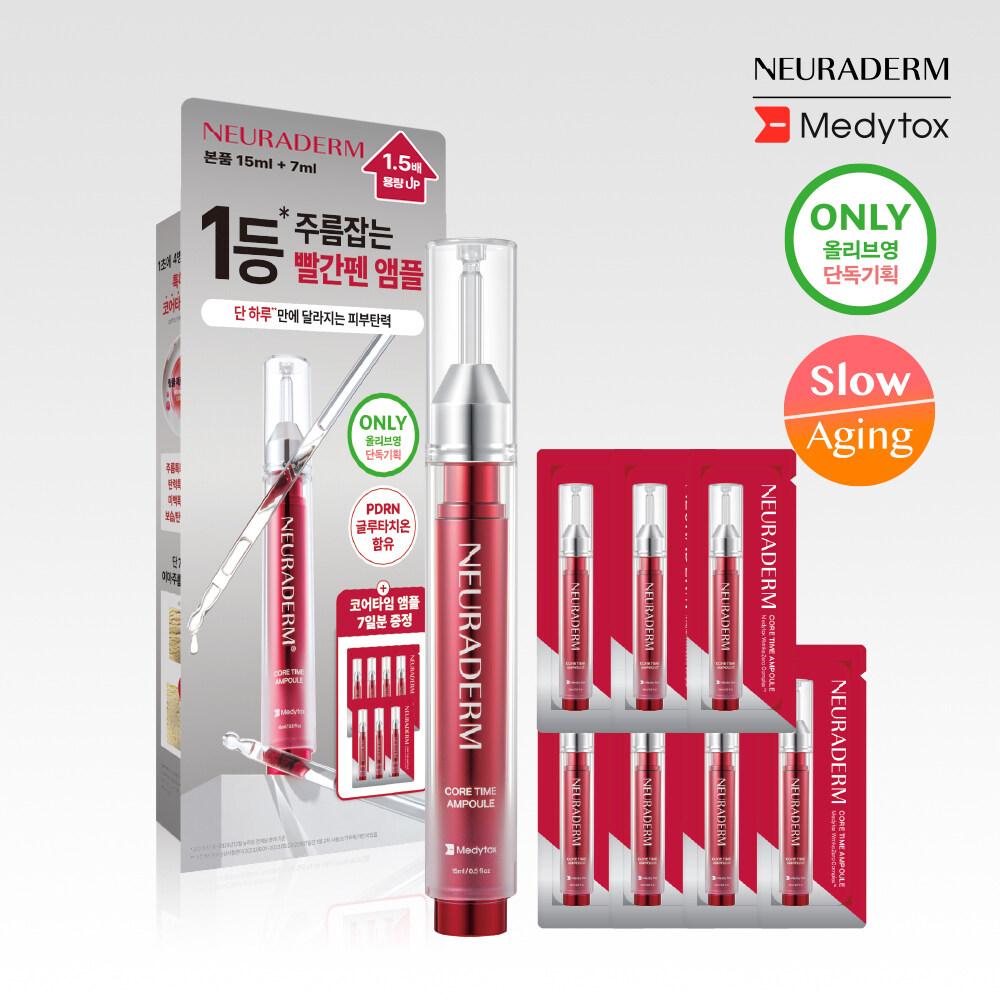
Medytox Core Time Ampoule
Neuraderm

Bichup Ultimate Recovery Youth Serum Discovery Set
The Whoo
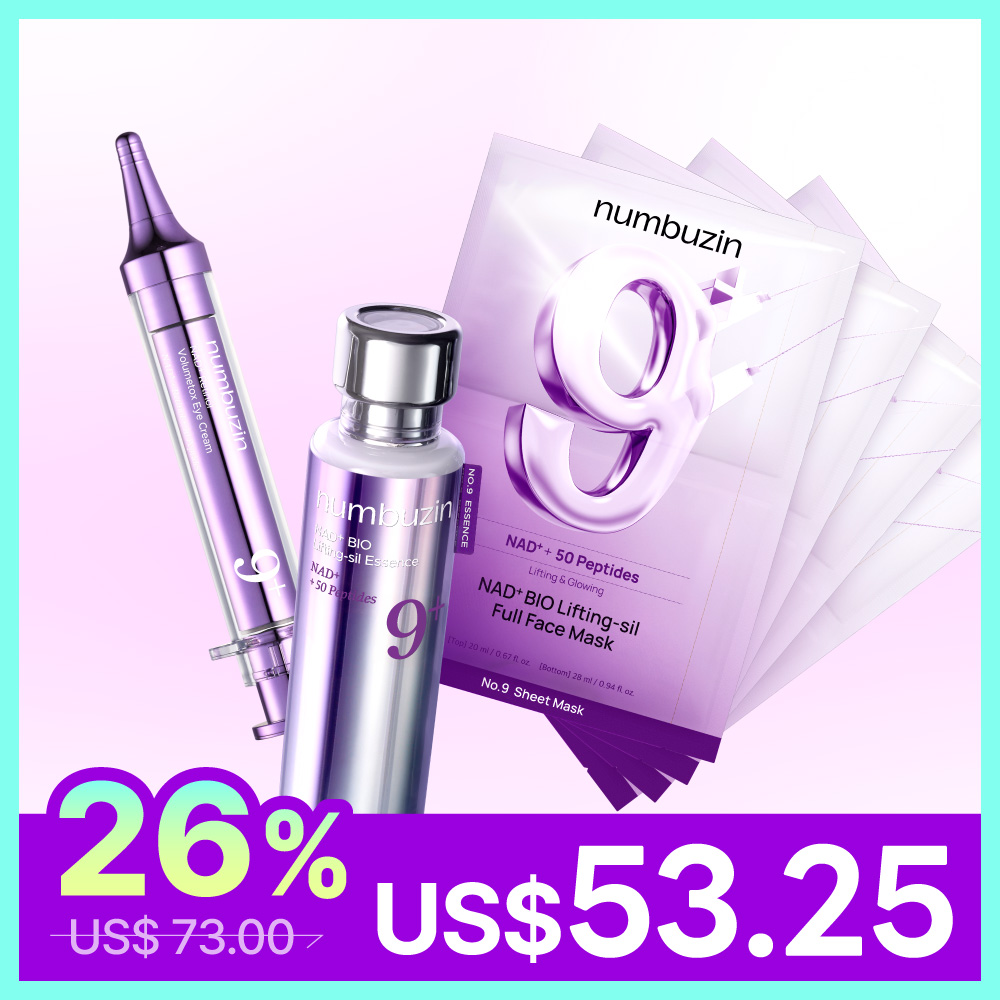
No. 9 NAD Ultimate Lifting Set
Numbuzin
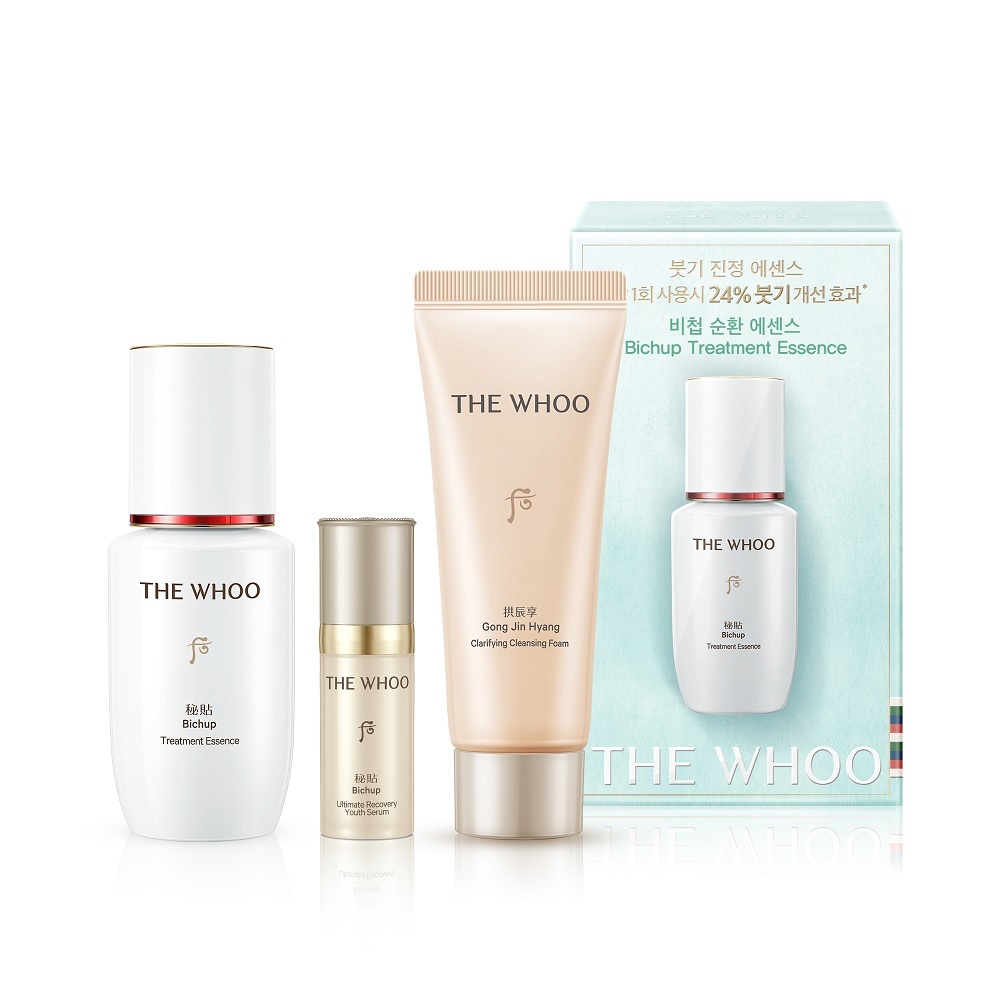
Bichup Treatment Essence 30ml Set
The Whoo
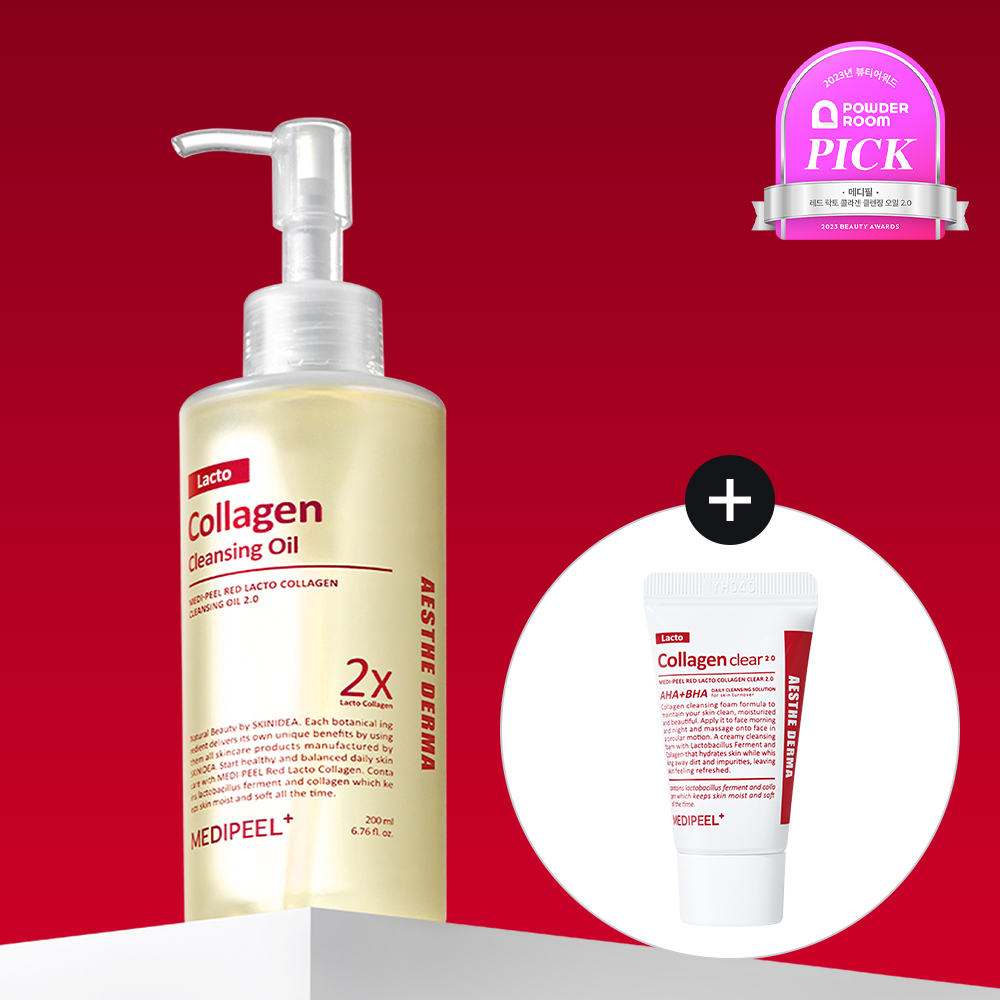
Red Lacto Collagen Cleansing Oil 2.0 Special Set
Medi-Peel
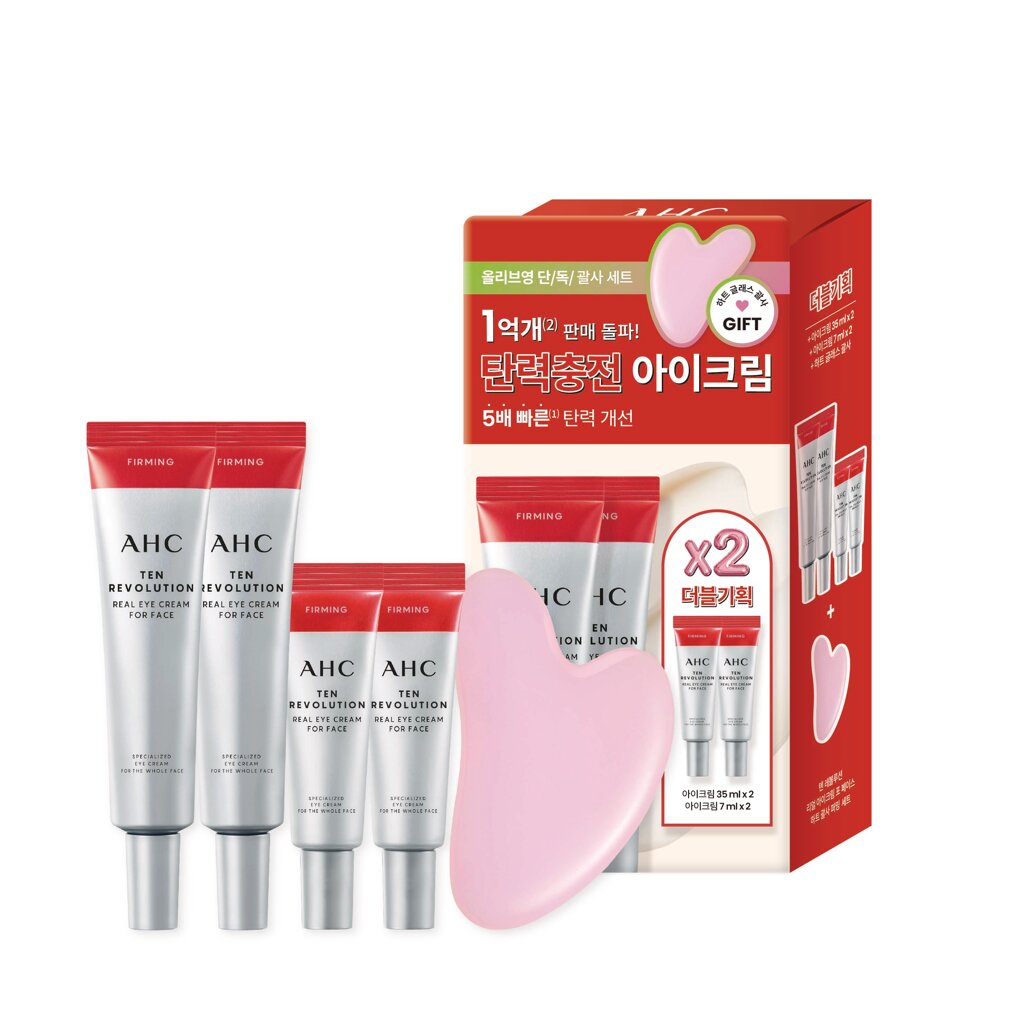
10 Revolution Real Eye Cream For Face
AHC
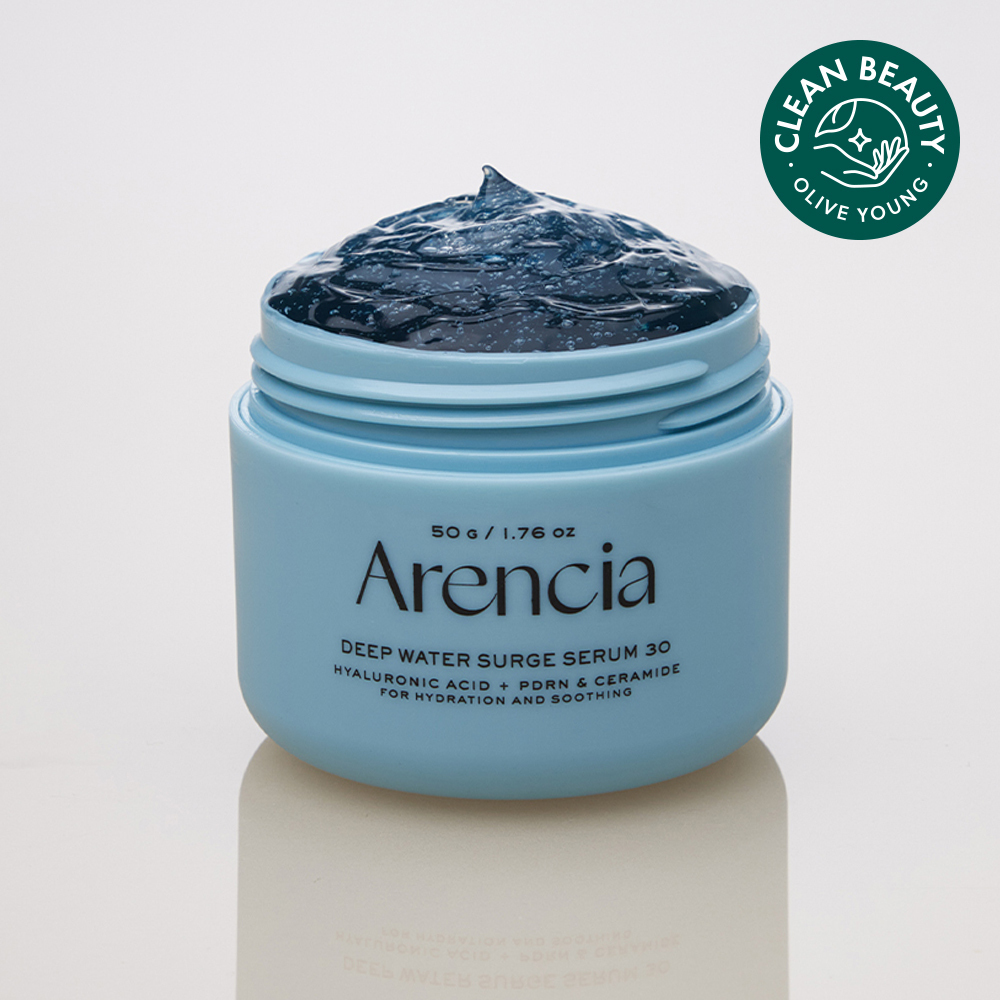
Deep Water Surge Serum 30
Arencia
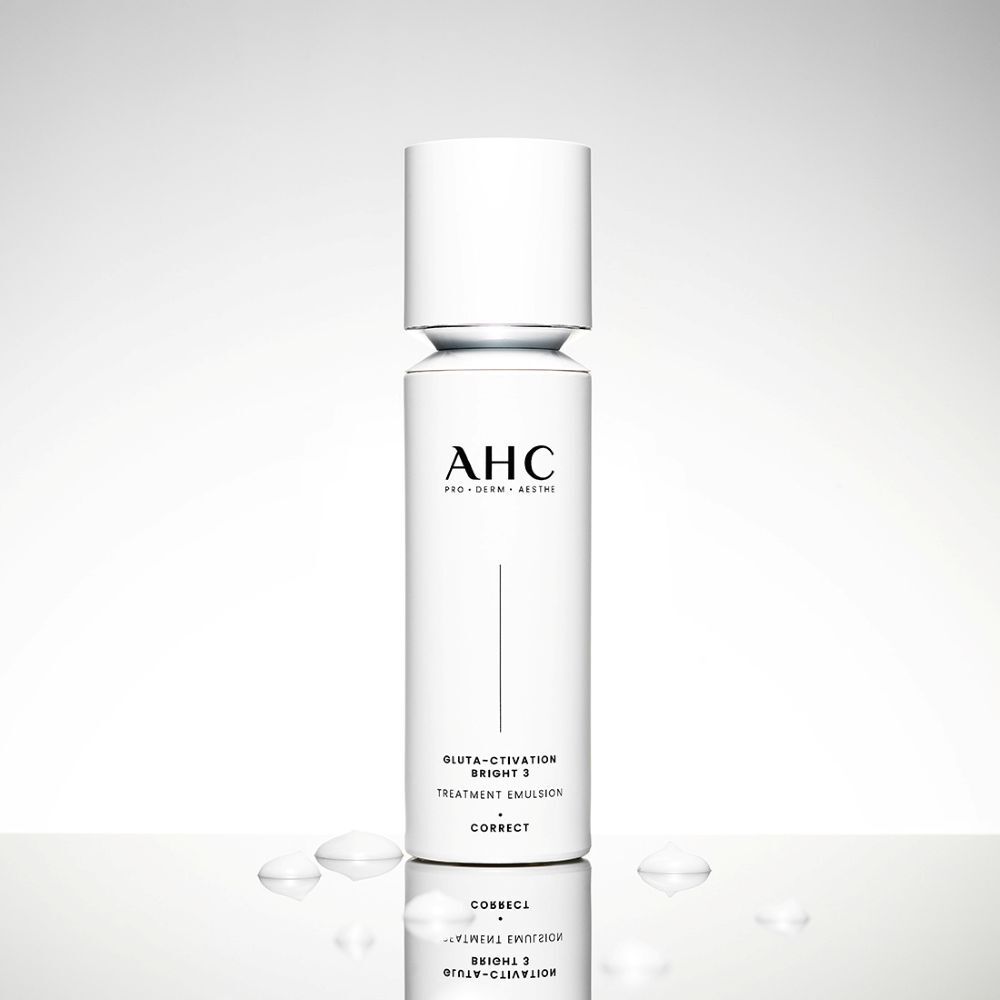
Gluta-Ctivation Bright 3 Treatment Emulsion
AHC
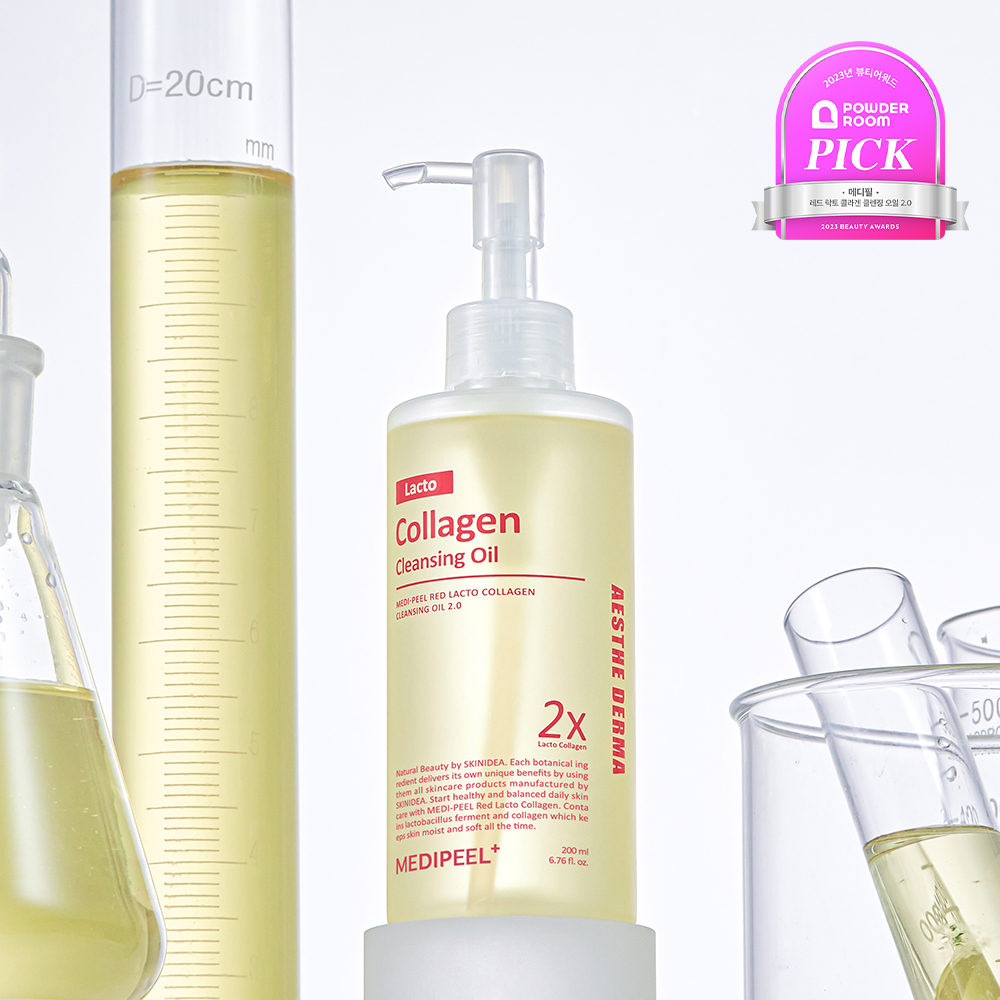
Red Lacto Collagen Cleansing Oil 2.0
MEDIPEEL
Frequently Asked Questions
Can glutamine help with acne-prone skin?▼
How does glutamine compare to other amino acids in skincare?▼
Is glutamine safe to use during pregnancy?▼
How long does it take to see results from glutamine products?▼
Can I use glutamine with vitamin C or retinol?▼
Explore More
Want personalized ingredient advice?
Yuri, our AI beauty advisor, can tell you how Glutamine works with your specific skin type, routine, and concerns.
Ask Yuri, free