Glycine
Amino acid skin conditioning and pH buffering agent
About Glycine
Glycine is the smallest and simplest amino acid found in the human body, playing a surprisingly powerful role in K-beauty formulations as both a skin conditioning agent and pH buffer. While it may not grab headlines like hyaluronic acid or retinol, this unassuming molecule is a workhorse ingredient that helps maintain skin's structural integrity and optimizes the performance of other actives in your routine. In K-beauty, glycine appears in 304 products on Seoul Sister, often in cleansers and treatment formulas where pH stability is critical. As a building block of collagen and elastin, glycine supports skin's firmness and resilience while delivering gentle hydration without any risk of clogging pores (comedogenic rating: 0/5). Korean formulators particularly value glycine for its ability to stabilize formulations at skin-friendly pH levels, ensuring that vitamin C serums stay potent and cleansers remain non-stripping. Beyond its technical benefits, glycine acts as a humectant, drawing moisture into the skin and reinforcing the barrier function that protects against environmental stressors. With a perfect safety rating of 5/5, it's suitable for even the most reactive skin types and works synergistically with other amino acids to create a complete moisture barrier.
How Glycine Works
At the molecular level, glycine functions through multiple pathways to benefit skin health. As the primary amino acid in collagen (making up about 33% of its structure), glycine provides the raw materials your skin needs for collagen synthesis and repair. When applied topically, it penetrates the stratum corneum and signals fibroblasts to increase collagen production, helping to maintain skin's structural scaffolding. Glycine also acts as an osmolyte, meaning it helps cells maintain proper hydration by regulating water balance across cell membranes. Its small molecular size allows it to slip between skin cells easily, carrying water molecules with it and strengthening the natural moisture barrier. As a pH buffer, glycine has both acidic and basic functional groups that can neutralize pH fluctuations in formulas, keeping products within the optimal 4.5-6.5 range where skin enzymes function best and the acid mantle remains intact. Additionally, glycine exhibits antioxidant properties by supporting glutathione production, your skin's master antioxidant, helping to neutralize free radicals from UV exposure and pollution.
Glycine by Skin Type
Oily Skin
Glycine is excellent for oily skin because it provides lightweight hydration without adding any greasiness or pore-clogging ingredients. Its role as a pH buffer is particularly valuable in oil-control cleansers, helping maintain your skin's natural acid mantle so oil production doesn't go into overdrive as a compensation response. The amino acid also supports healthy sebum composition without triggering excess production.
Dry Skin
For dry skin, glycine acts as both a humectant and a building block for barrier repair. It draws water into the skin while supporting the synthesis of natural moisturizing factors (NMF) that keep skin hydrated from within. By reinforcing collagen structure, glycine also helps prevent transepidermal water loss, addressing the root cause of chronic dryness rather than just masking symptoms.
Combo Skin
Combination skin benefits from glycine's balancing act. It hydrates dry zones without overwhelming oily areas, thanks to its non-greasy, water-binding properties. In cleansers especially, glycine helps maintain the pH balance that prevents your T-zone from overproducing oil while keeping cheeks comfortable and hydrated.
Sensitive Skin
With a perfect 5/5 safety rating and zero irritation potential, glycine is ideal for sensitive skin. It supports barrier repair, which is often compromised in reactive skin types, and its pH-buffering properties ensure that products remain gentle and non-disruptive to your skin's protective acid mantle. Glycine also has mild anti-inflammatory effects through its role in cellular stress response.
Normal Skin
For normal skin, glycine functions as preventative maintenance. It supports ongoing collagen production, maintains optimal hydration levels, and ensures that your other skincare actives work at peak efficiency by keeping formulations pH-balanced. Think of it as the ingredient that helps your skin stay normal rather than sliding toward dryness, oiliness, or sensitivity.
How to Use Glycine
- 1Look for glycine in cleansers (where it appears in many top-rated K-beauty products) to ensure your face wash won't disrupt your skin's pH or strip away protective lipids.
- 2Layer glycine-containing products before heavier creams. Its small molecular size means it absorbs quickly and can enhance penetration of subsequent products.
- 3Pair glycine with other amino acids like proline, lysine, and alanine for a complete collagen-supporting routine that mimics your skin's natural amino acid profile.
- 4Use glycine-rich formulas both morning and night. Unlike some actives that require careful timing, amino acids work continuously to support skin structure and hydration with zero sun sensitivity.
- 5If you're using pH-dependent actives like vitamin C or AHAs, choose a glycine-containing toner or essence to prep your skin at the optimal pH for maximum efficacy.
Background
Glycine was first isolated from gelatin in 1820 by French chemist Henri Braconnot, who named it after the Greek word 'glykys' meaning sweet, due to its subtly sweet taste. While Western skincare largely overlooked this simple amino acid for decades, Korean beauty scientists recognized its potential in the 1990s during the rise of pH-conscious formulation. K-beauty's emphasis on gentle, barrier-supporting ingredients brought glycine into the spotlight as formulators sought alternatives to harsh surfactants and pH-disrupting agents. Traditional Korean fermented skincare, which naturally produces amino acids through the fermentation process, may have also influenced modern appreciation for glycine's skin benefits. Today, glycine appears in 304 products on Seoul Sister, particularly in the cleansing category where Korean brands like Round Lab, SUM37, and Beplain leverage its pH-buffering properties to create effective yet gentle formulas.
K-Beauty Products with Glycine
View all 324 →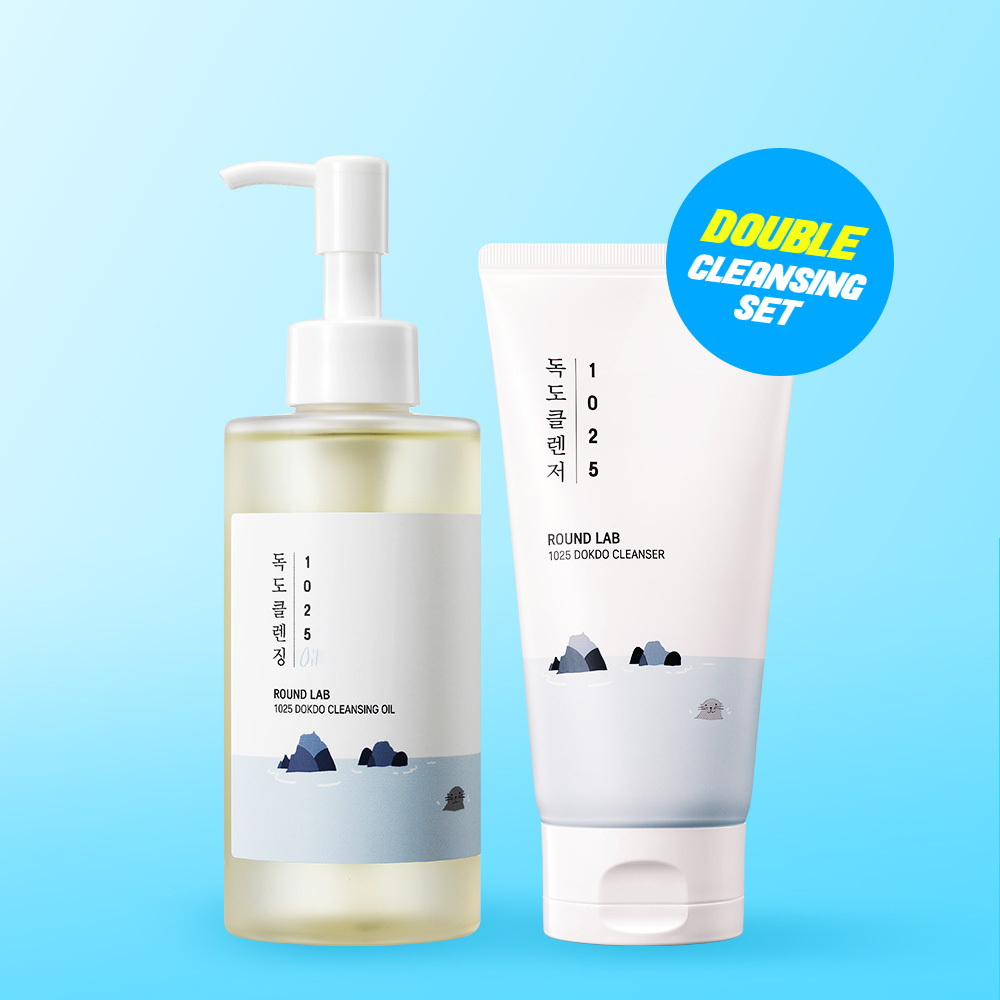
1025 Dokdo Cleansing Oil 200ml + Dokdo Cleanser 150ml Set
Round Lab
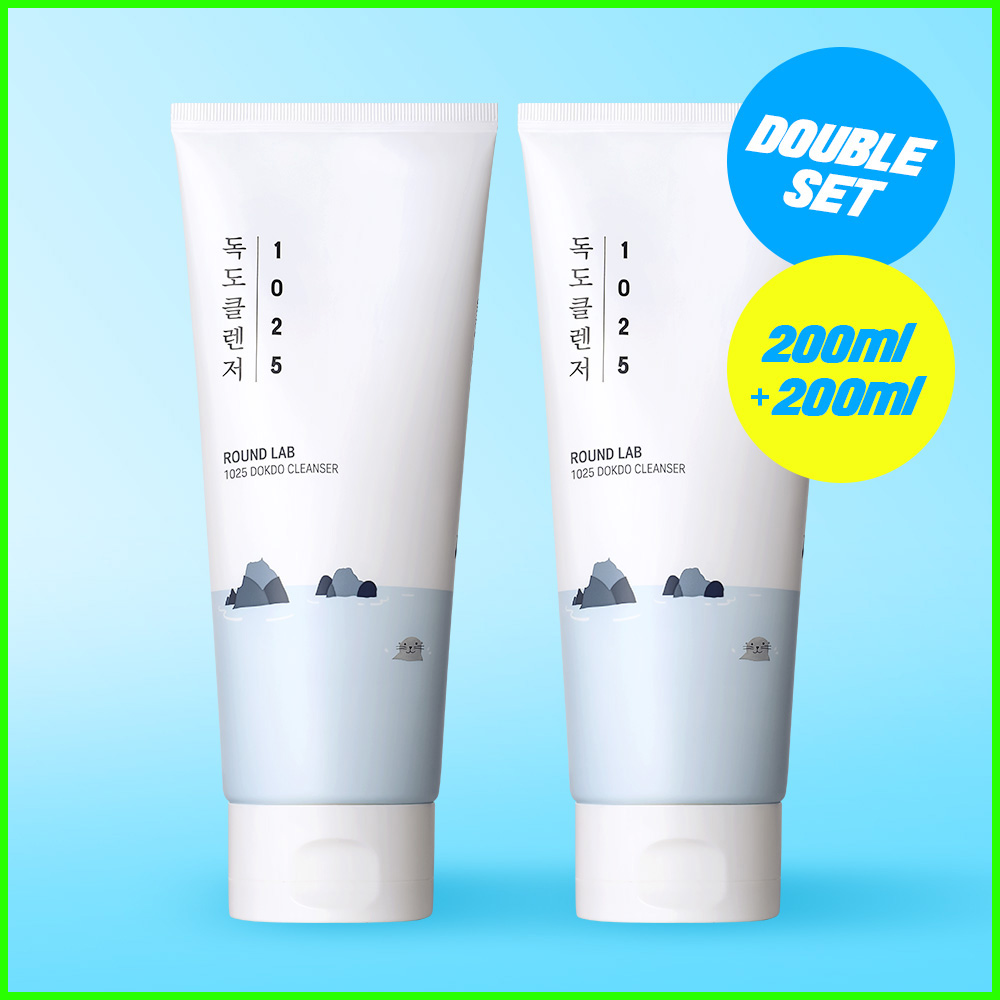
1025 Dokdo Cleanser
Round Lab

Reedle Shot 100 Essence Double Pack
VT
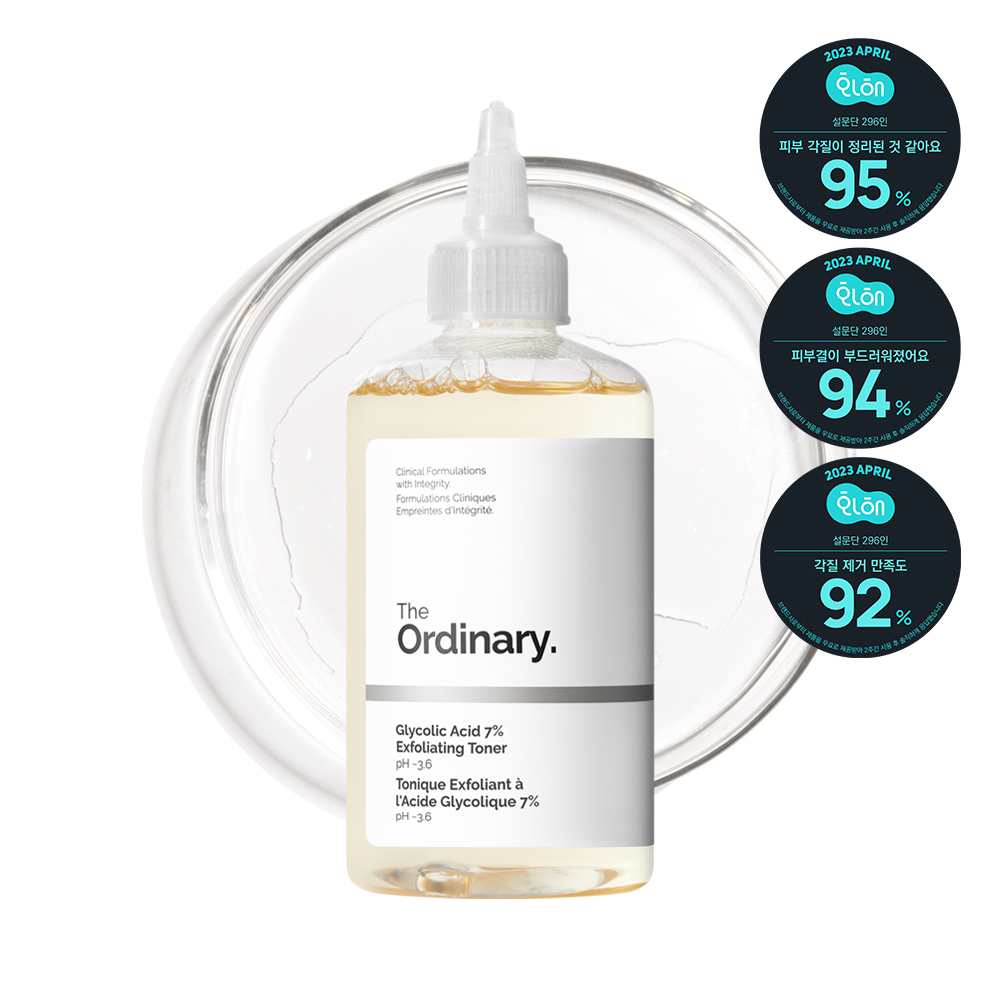
Glycolic Acid 7% Exfoliating Toner
The Ordinary
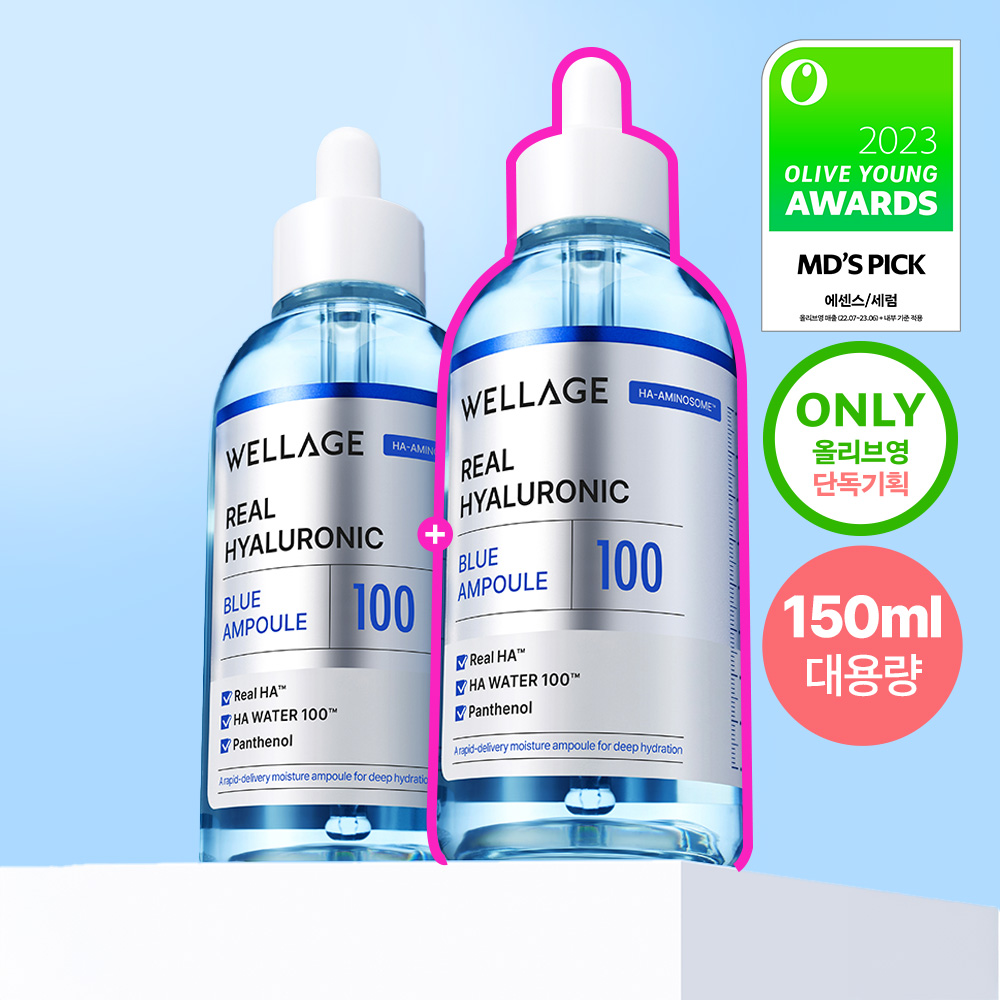
Real Hyaluronic Blue 100 Ampoule
Wellage
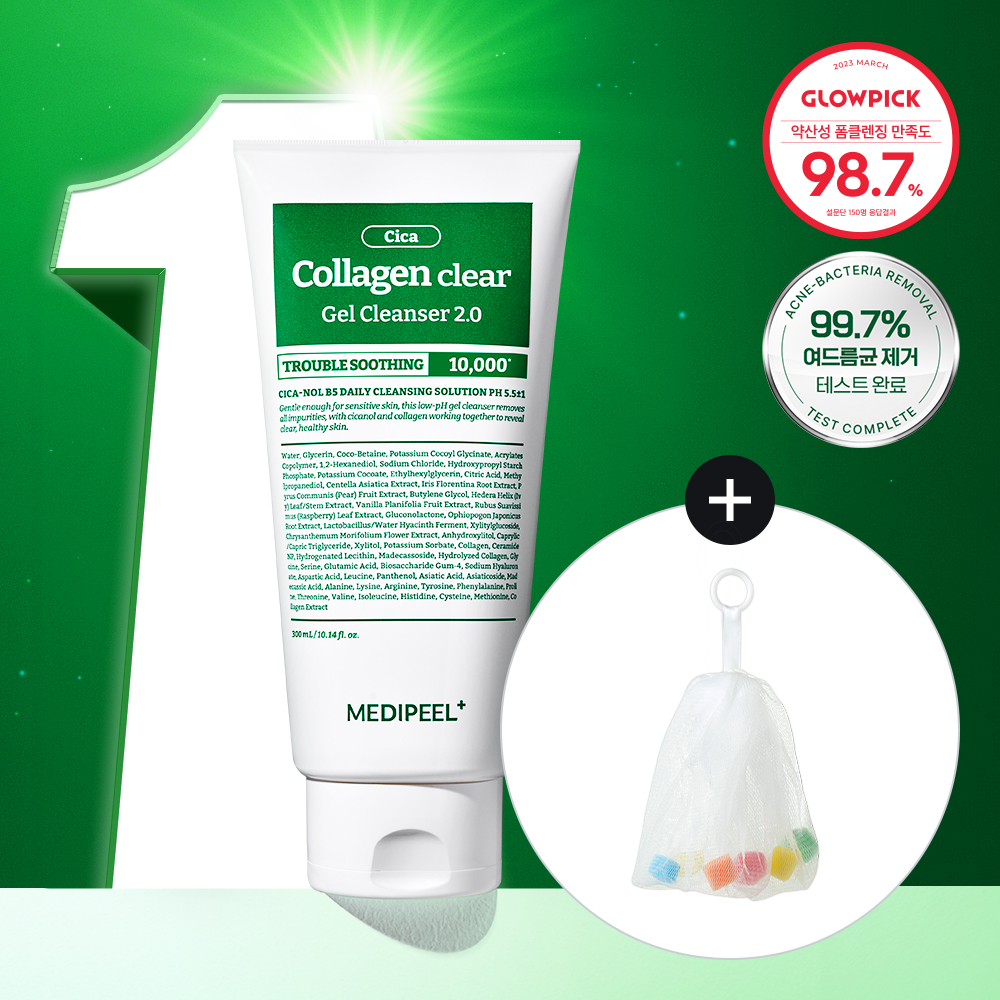
Green Cica Collagen Clear 2.0 Special Set
Medi-Peel
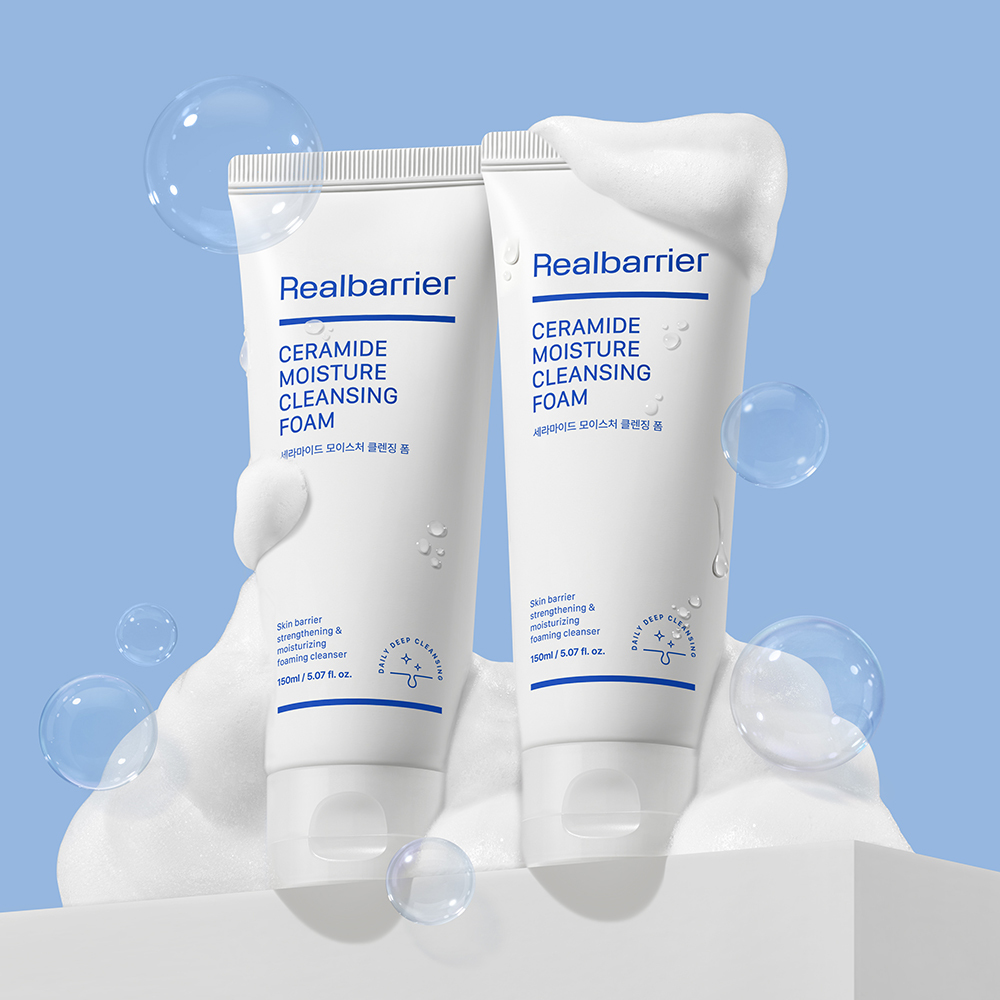
Ceramide Moisture Cleansing Foam
Real Barrier
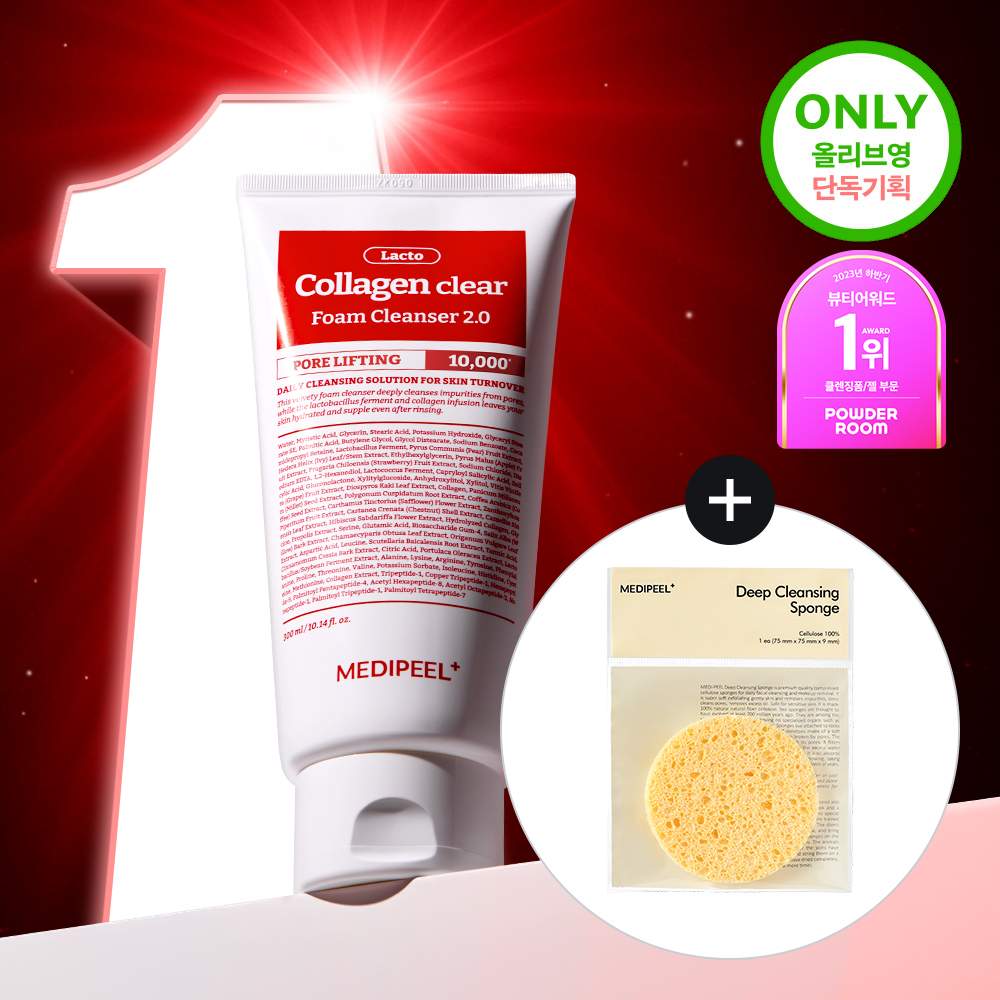
Red Lacto Collagen Clear 2.0 Special Set
Medi-Peel

Reedle Shot 300 Essence
VT
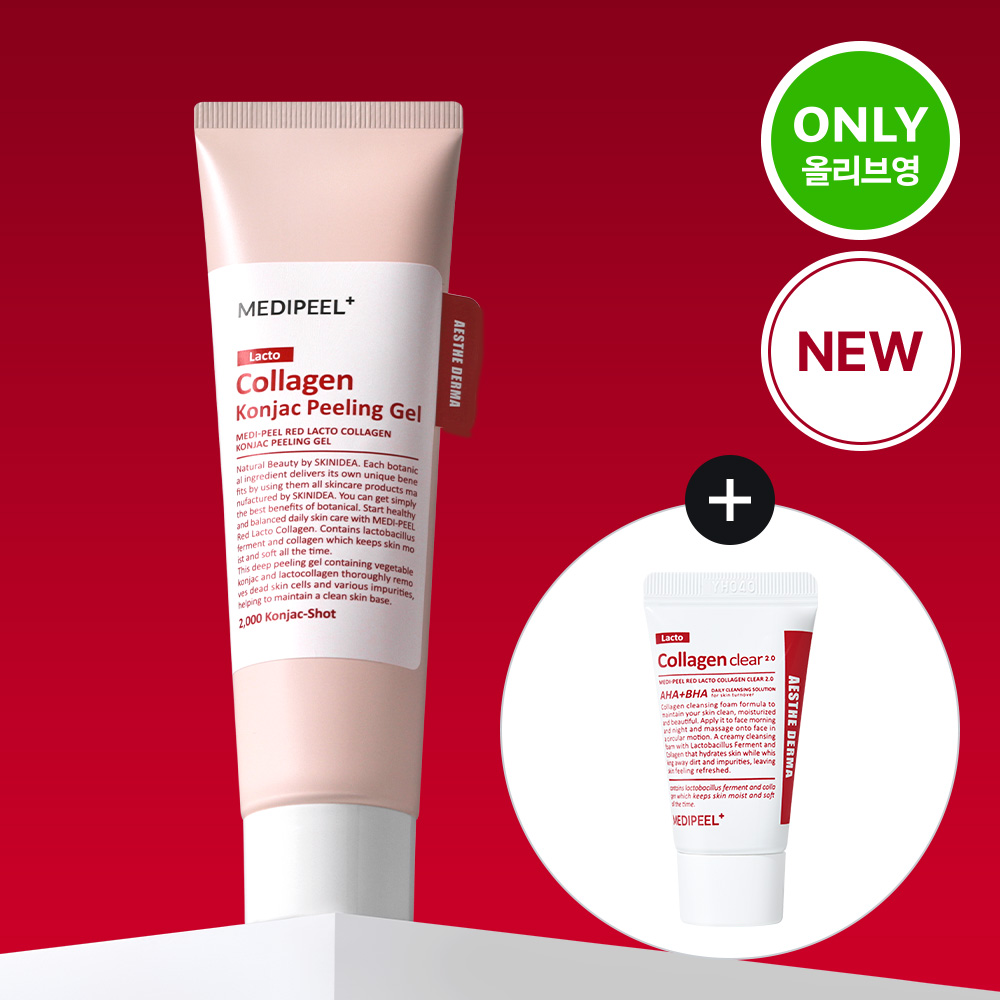
Red Lacto Collagen Konjac Peeling Gel
Medi-Peel
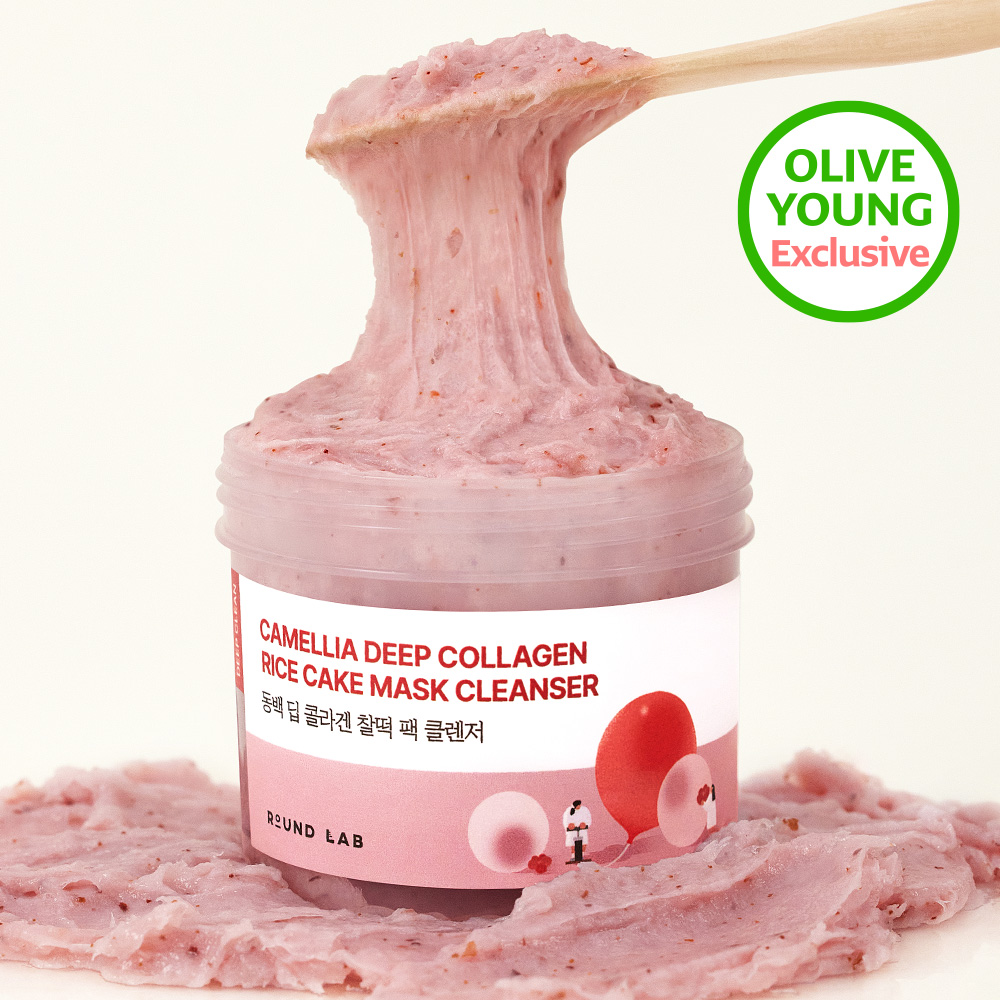
Camellia Deep Collagen Rice Cake Mask Cleanser
Round Lab
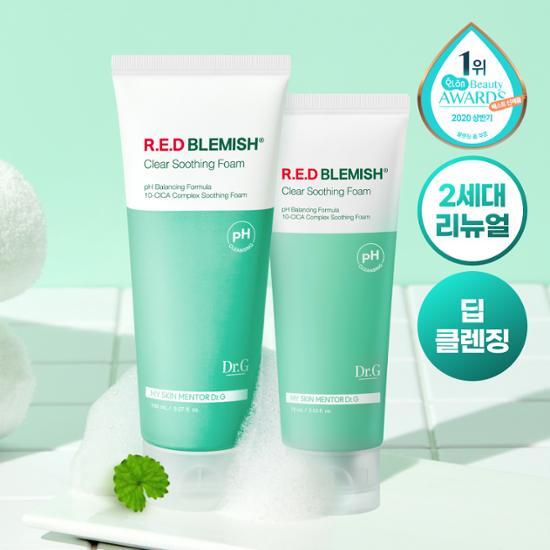
pH Cleansing Red Blemish Clear Soothing Foam Duo Set
Dr.G
Frequently Asked Questions
Can glycine really help with collagen production or is that just marketing?▼
Why is glycine in so many cleansers?▼
Is glycine the same thing as glycolic acid?▼
Do I need to use glycine if I'm already taking collagen supplements?▼
Can glycine cause any conflicts with other skincare ingredients?▼
Explore More
Want personalized ingredient advice?
Yuri, our AI beauty advisor, can tell you how Glycine works with your specific skin type, routine, and concerns.
Ask Yuri, free