Soybean Oil
INCI: Glycine Max (Soybean) Oil
Emollient rich in fatty acids and vitamin E
About Soybean Oil
Soybean oil is a lightweight plant oil extracted from the seeds of Glycine max, prized in K-beauty for its nutrient-dense profile and skin-softening properties. Rich in linoleic acid (omega-6), oleic acid (omega-9), and vitamin E, this golden oil delivers serious hydration without the heavy feel of traditional oils. Korean skincare brands have embraced soybean oil for its ability to strengthen the skin barrier, calm inflammation, and provide antioxidant protection against environmental stressors. Beyond simple moisture, soybean oil contains isoflavones and phytosterols that can help improve skin elasticity and reduce the appearance of hyperpigmentation over time. You'll find it featured prominently in cleansing oils, emulsions, and treatment products where its emollient properties help dissolve makeup and sebum while leaving skin supple. With a moderate comedogenic rating of 3/5, soybean oil works best for normal to dry skin types, though formulation matters significantly. When properly emulsified in products like Banila Co's essenHERB Soybean 90 Deep Cleansing Oil, it rinses clean without clogging pores. The oil's high linoleic acid content actually makes it beneficial for some acne-prone users, as research shows that acne-prone skin often has lower linoleic acid levels in sebum. Korean beauty philosophy values soybean not just as an ingredient but as a traditional skincare staple, reflecting centuries of use in Asian wellness practices.
How Soybean Oil Works
At the molecular level, soybean oil functions as both an occlusive and humectant due to its unique fatty acid composition. The linoleic acid (approximately 50-55% of the oil) integrates into the lipid bilayer of the stratum corneum, helping repair compromised barrier function and reduce transepidermal water loss. Unlike saturated fats that sit on the surface, these polyunsaturated fatty acids actually mimic the skin's natural sebum composition, making them readily absorbed. The vitamin E (tocopherol) acts as a chain-breaking antioxidant, neutralizing free radicals before they can damage cell membranes and collagen fibers. Soybean isoflavones, particularly genistein and daidzein, exhibit mild estrogenic activity that can stimulate collagen synthesis and inhibit matrix metalloproteinases (enzymes that break down collagen). The phytosterols reduce inflammatory cytokine production, which is why soybean oil can soothe redness and irritation. When used in cleansing formulations, the oil molecules surround and dissolve sebum and makeup through a process called emulsification, where the lipophilic (oil-loving) portion binds to impurities while the hydrophilic portion allows them to be rinsed away with water.
Soybean Oil by Skin Type
Oily Skin
Soybean oil can work for oily skin when formulated correctly in cleansing products, as seen in April Skin's Real Carrotene Acne Foam Cleanser. The high linoleic acid content may actually help regulate sebum production and prevent clogged pores. However, avoid leave-on products with soybean oil as a primary ingredient if you're very oily or acne-prone, as the moderate comedogenic rating could be problematic for some.
Dry Skin
This is where soybean oil truly shines. The rich fatty acid profile provides deep nourishment and helps repair the compromised lipid barrier common in dry skin. Products like Mamonde's Probiotics Ceramide Emulsion pair soybean oil with other barrier-strengthening ingredients for maximum hydration. The vitamin E content also protects dry, fragile skin from oxidative stress that can worsen dryness and sensitivity.
Combo Skin
Soybean oil works well for combination skin in emulsion and cleansing oil formats where it provides balanced hydration without overwhelming oily zones. The key is choosing formulations that rinse cleanly and don't leave residue in the T-zone. Hanyul's Yuja Cleansing Tone Up Pack Foam Set demonstrates how soybean oil can be incorporated into products that address combination skin's dual needs.
Sensitive Skin
The anti-inflammatory phytosterols and gentle nature of soybean oil make it generally suitable for sensitive skin. It's less likely to cause irritation than essential oils or synthetic fragrances often found in skincare. However, individuals with soy allergies should obviously avoid this ingredient. For most sensitive types, soybean oil can help calm redness and strengthen the skin against environmental triggers.
Normal Skin
Normal skin can enjoy the full benefits of soybean oil without significant concerns. The antioxidant and barrier-supporting properties help maintain healthy skin function and prevent premature aging. Use it in any format from cleansing oils to treatment essences. Products like The Whoo's Royal Regina Energy Drop Treatment showcase how soybean oil can elevate normal skin's natural glow and resilience.
How to Use Soybean Oil
- 1If you're acne-prone, stick to soybean oil in rinse-off cleansing products rather than leave-on treatments to minimize comedogenic risk.
- 2Layer soybean oil-containing emulsions under occlusive creams at night to lock in the nourishing fatty acids and maximize barrier repair.
- 3When using cleansing oils with soybean oil, emulsify thoroughly with water and massage for at least 30 seconds to ensure complete removal of the oil and dissolved impurities.
- 4Pair soybean oil products with vitamin C serums in your morning routine for enhanced antioxidant protection against UV damage and pollution.
- 5Store soybean oil-rich products away from direct sunlight and heat, as the polyunsaturated fatty acids can oxidize over time, reducing effectiveness and potentially causing irritation.
Background
Soybeans have been cultivated in East Asia for over 5,000 years, originally domesticated in China before spreading throughout Korea and Japan. In traditional Korean medicine, soybeans were valued not just as food but as a beauty ingredient, with fermented soybean paste used in facial treatments by court ladies during the Joseon Dynasty. The transition to using pure soybean oil in modern skincare reflects K-beauty's philosophy of drawing from traditional ingredients while applying contemporary extraction and formulation techniques. Korean brands began seriously incorporating soybean oil into cosmetics in the early 2000s as research emerged confirming its anti-aging and skin-brightening properties. Today, Korea is both a major soybean importer and an innovator in soy-based skincare, with companies like Mamonde and The Whoo creating premium formulations that honor this ingredient's cultural heritage while meeting modern efficacy standards.
K-Beauty Products with Soybean Oil
View all 23 →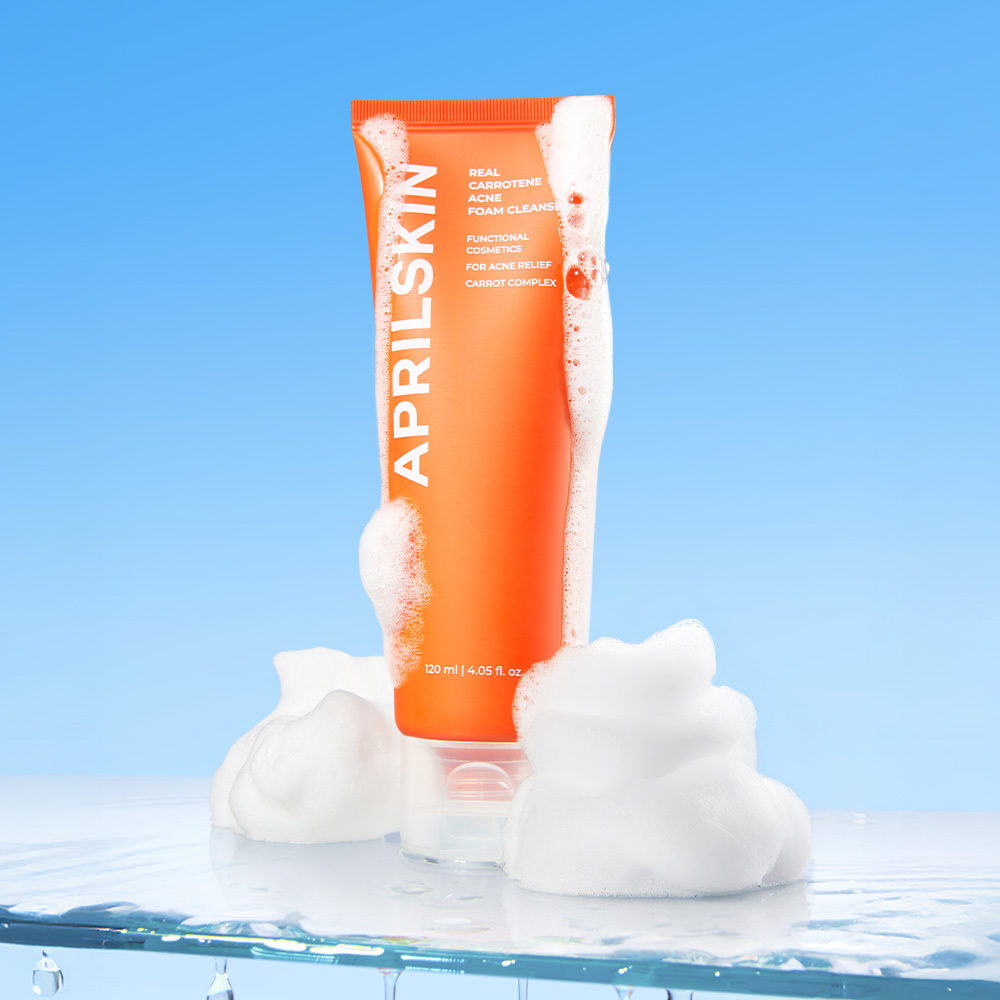
Real Carrotene Acne Foam Cleanser
April Skin
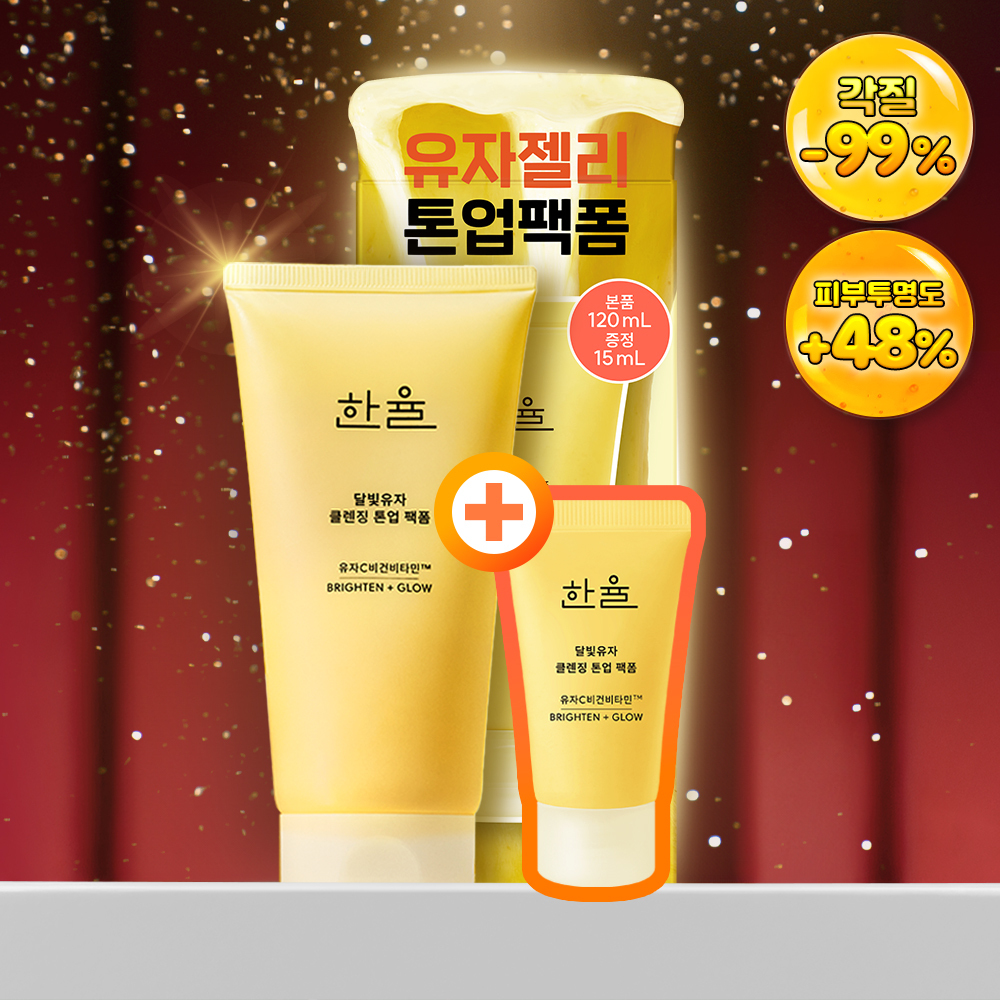
Yuja Cleansing Tone Up Pack Foam Set
Hanyul
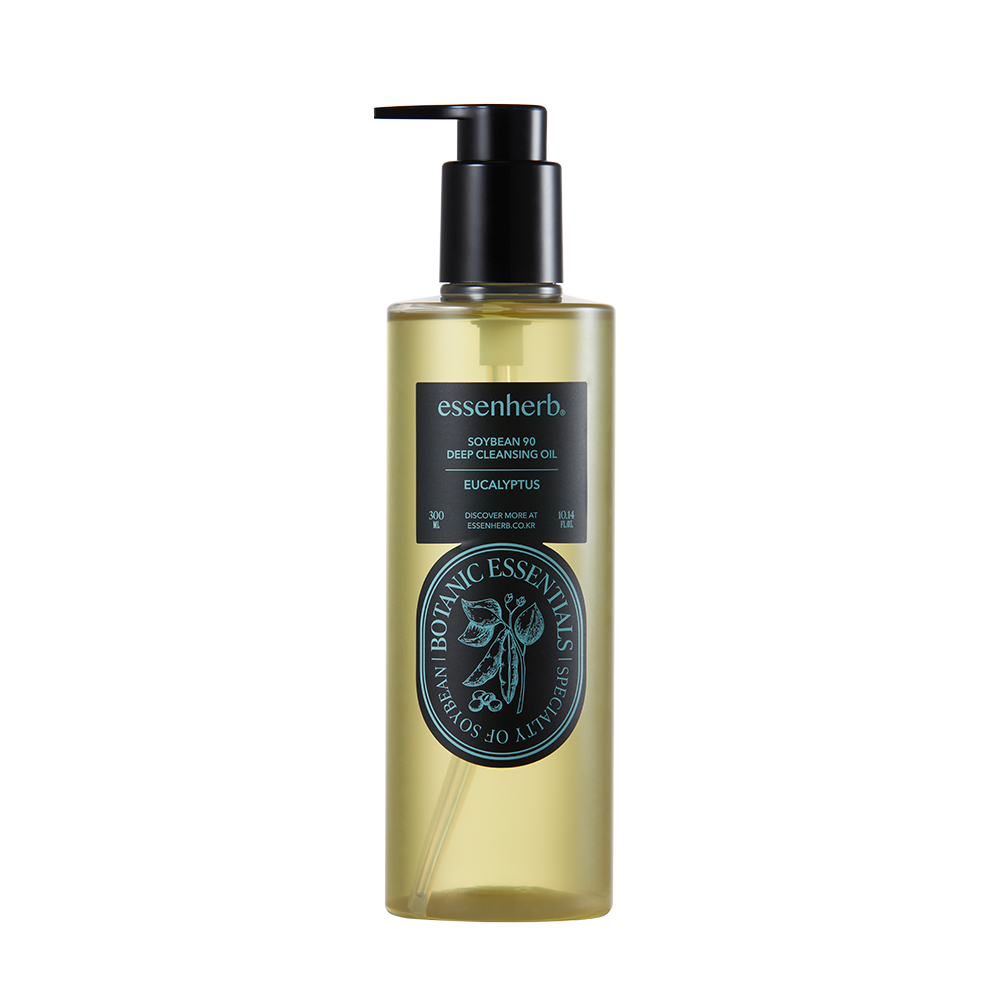
essenHERB Soybean 90 Deep Cleansing Oil Eucalyptus
Banila Co
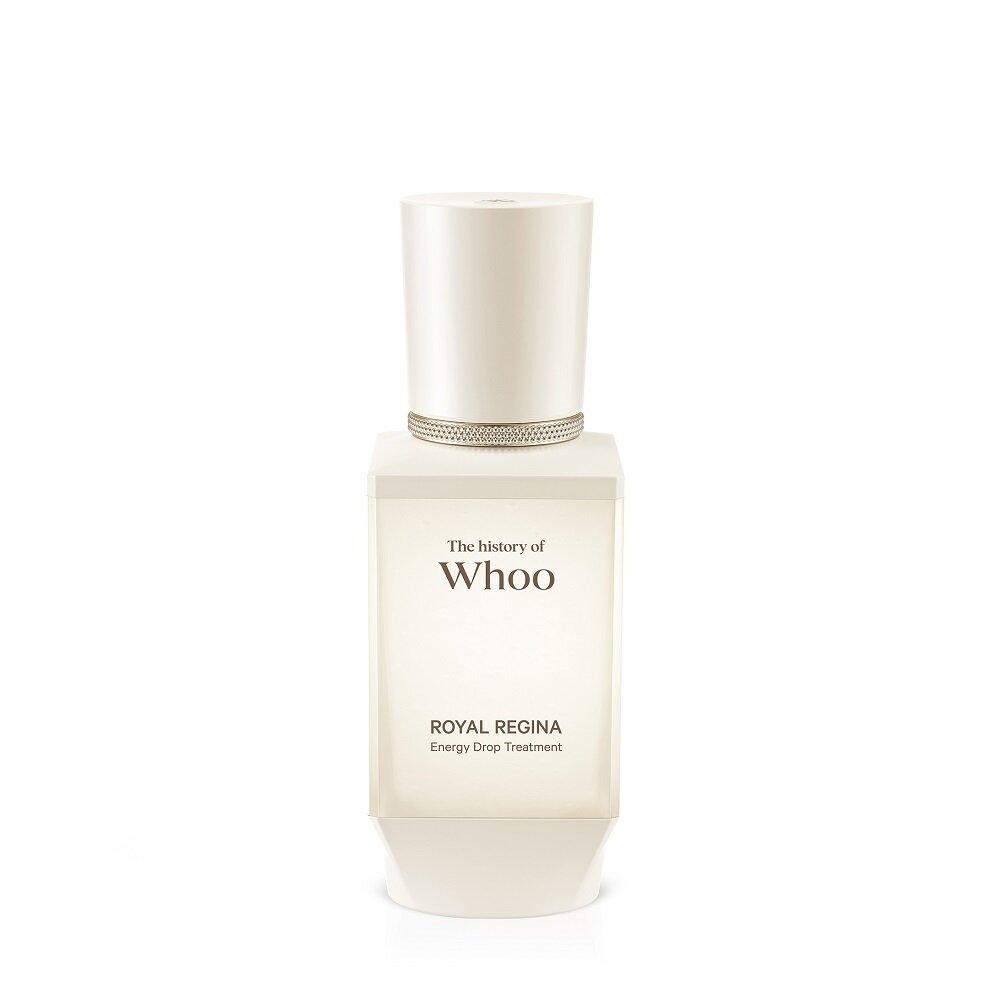
Royal Regina Energy Drop Treatment
The Whoo
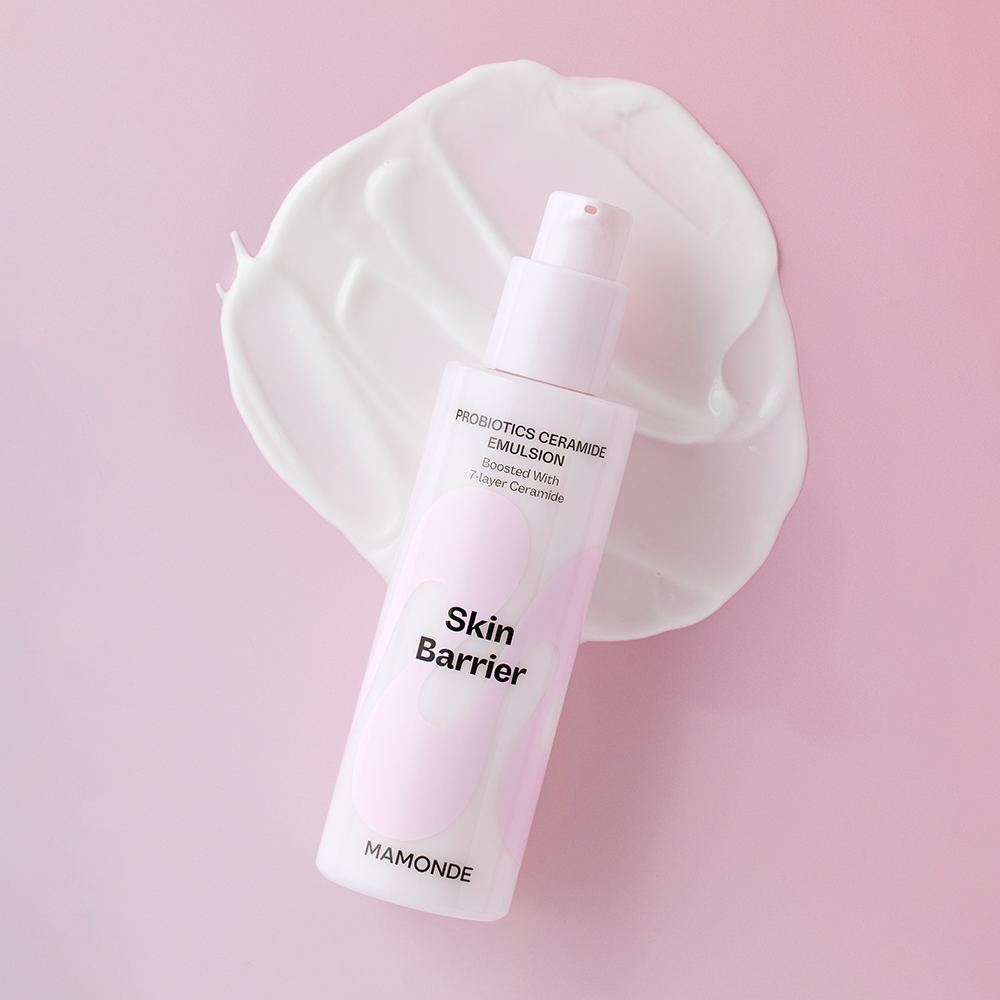
Probiotics Ceramide Emulsion
Mamonde
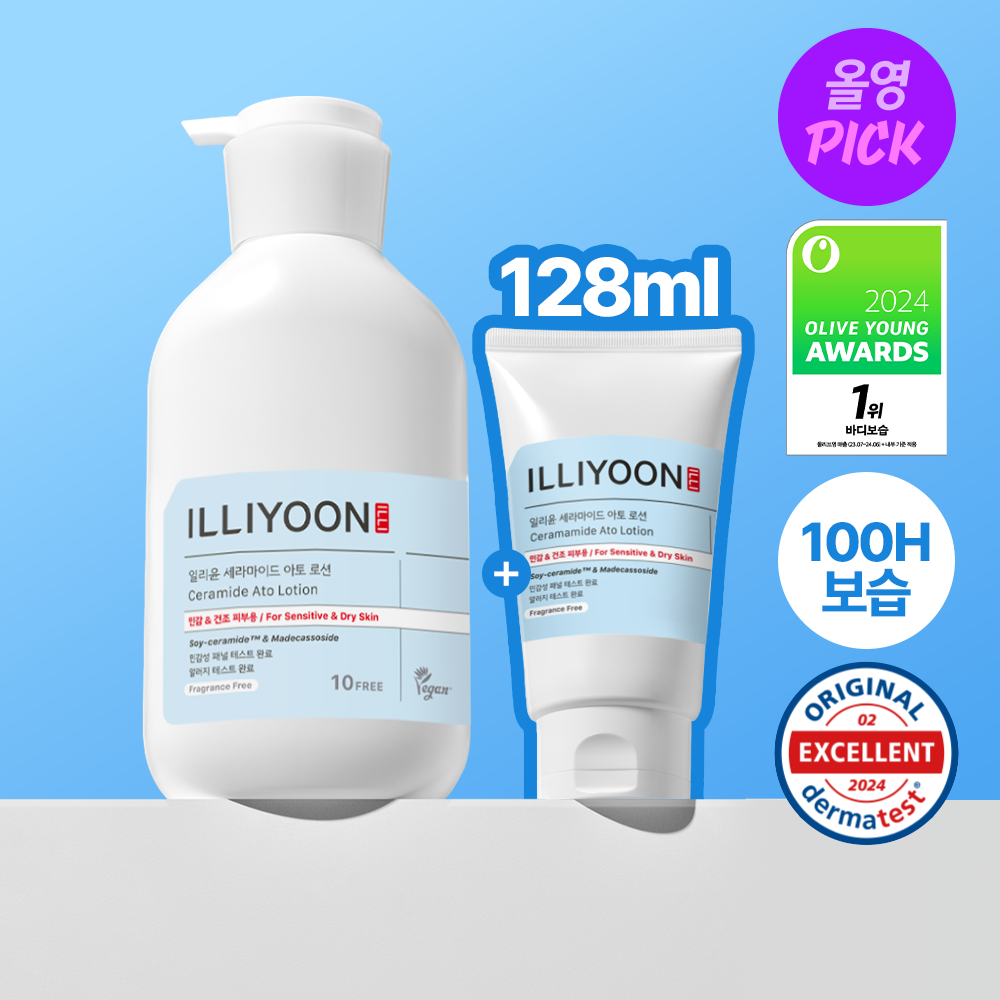
Ceramide Ato Lotion
Illiyoon
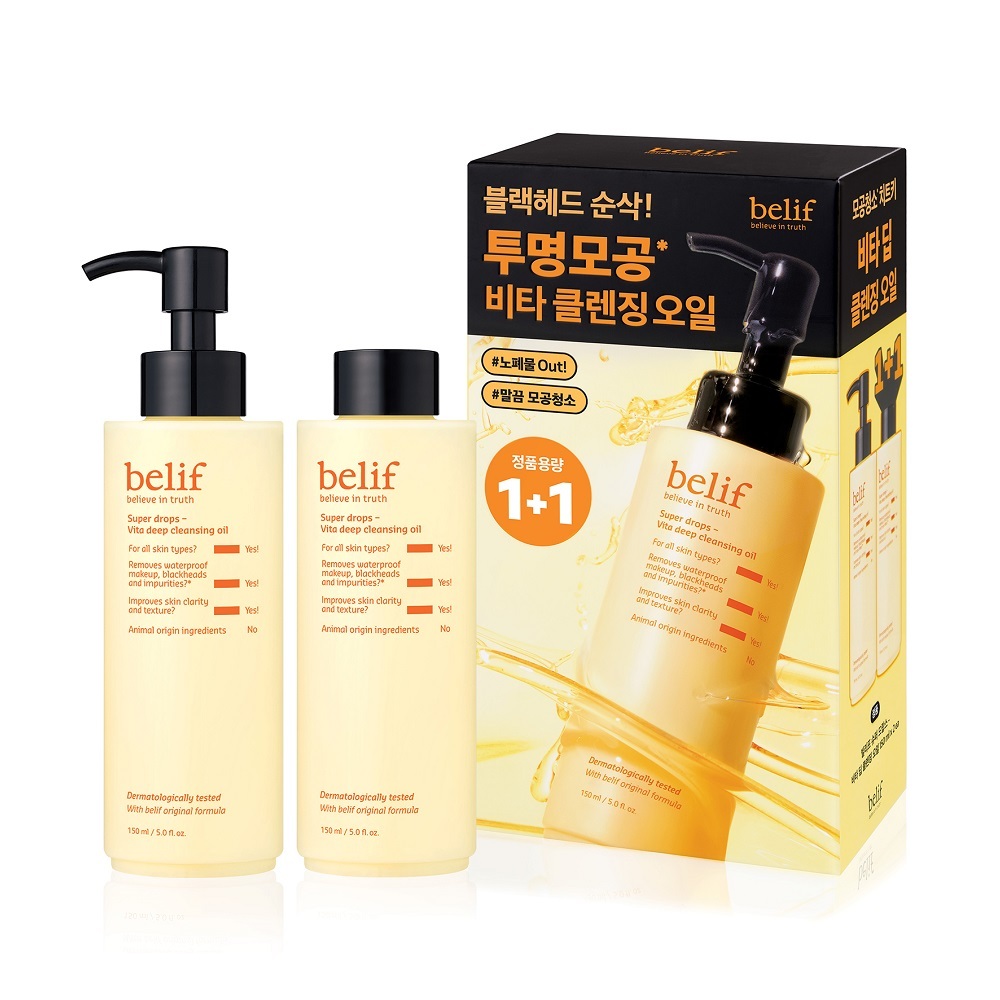
Super Drops Vita Deep Cleansing Oil
Belif
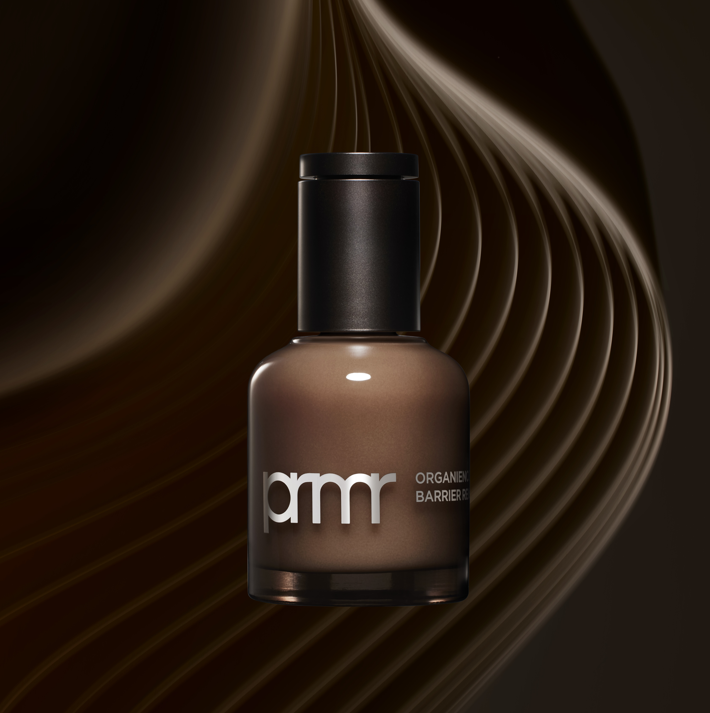
Organience Barrier Repair Seed Peptide Reserve Serum
Primera
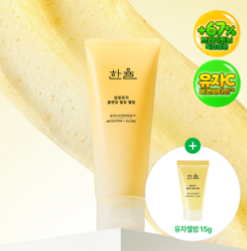
Yuja Cleansing Peeling Gel Balm
Hanyul
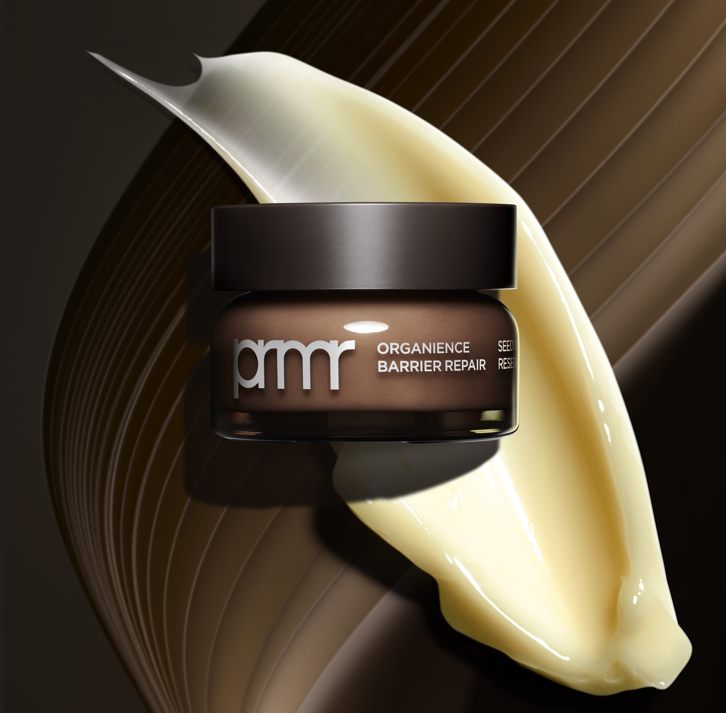
Organience Barrier Repair Seed Peptide Reserve Cream
Primera
Soybean Nourishing Cleansing Oil
Round Lab
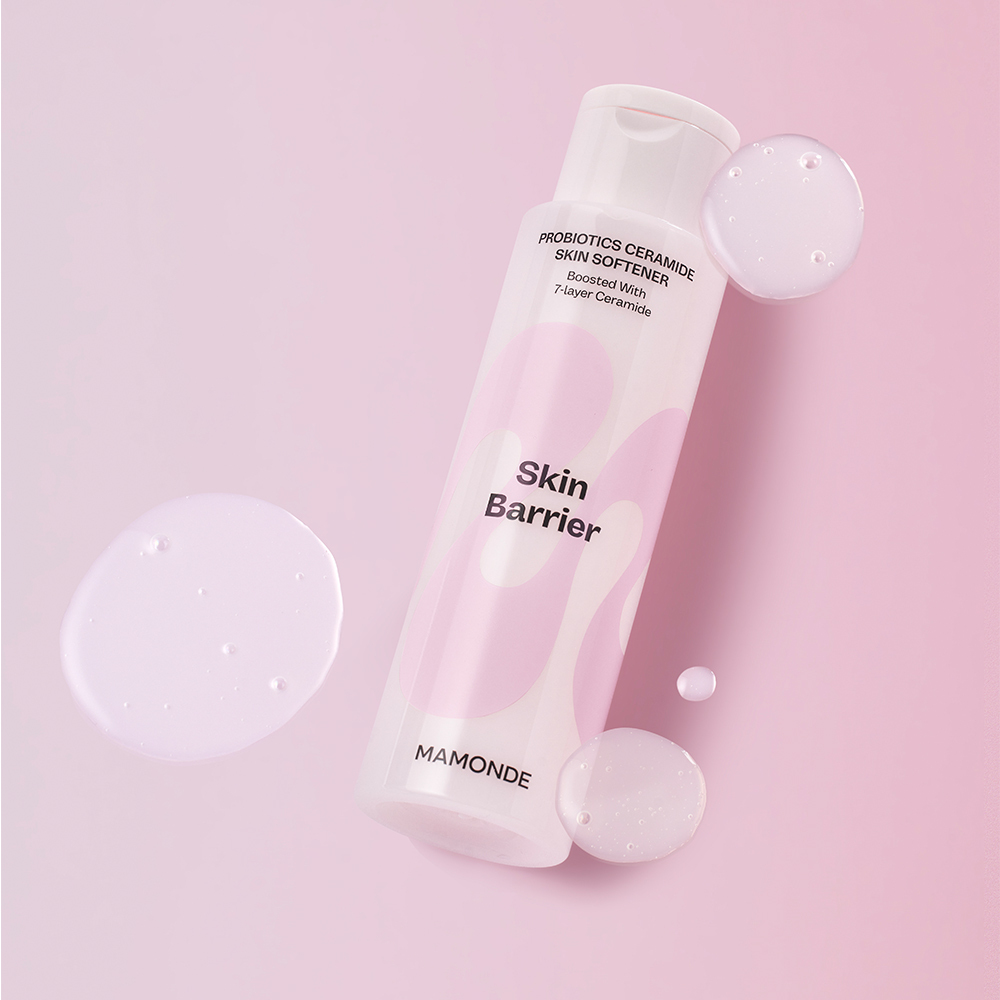
Probiotics Ceramide Skin Softener
Mamonde
Frequently Asked Questions
Will soybean oil clog my pores if I'm acne-prone?▼
Can I use soybean oil if I have a food allergy to soy?▼
How does soybean oil compare to other K-beauty oils like camellia or jojoba?▼
Why do so many Korean cleansing oils contain soybean oil?▼
Can soybean oil help with hyperpigmentation or dark spots?▼
Explore More
Want personalized ingredient advice?
Yuri, our AI beauty advisor, can tell you how Soybean Oil works with your specific skin type, routine, and concerns.
Ask Yuri, free