Soybean Seed Extract
INCI: Glycine Max (Soybean) Seed Extract
Antioxidant and skin conditioning agent
About Soybean Seed Extract
Soybean Seed Extract is derived from the seeds of Glycine max, a legume that has been cultivated in Asia for thousands of years. This extract is rich in isoflavones (particularly genistein and daidzein), proteins, lipids, and vitamins that work synergistically to improve skin health. In K-beauty formulations, soybean seed extract functions primarily as an antioxidant and skin conditioning agent, protecting skin from environmental stressors while improving texture and brightness. The extract's high concentration of phytoestrogens gives it unique anti-aging properties, as these compounds can help stimulate collagen production and improve skin elasticity. Korean skincare brands particularly value this ingredient for its ability to brighten skin tone by inhibiting melanin transfer from melanocytes to keratinocytes, a mechanism that addresses hyperpigmentation without irritation. With a low comedogenic rating of 1/5, it's suitable for most skin types and is frequently found in cleansers, creams, and treatment products. The ingredient appears in 71 K-beauty products on Seoul Sister, including highly rated formulations like d'Alba's White Truffle Balancing Water Cream (5.0/5) and TOCOBO's Calamine Pore Control Cleansing Oil (4.9/5), demonstrating its versatility across different product categories and its trusted status in Korean skincare.
How Soybean Seed Extract Works
At the cellular level, soybean seed extract works through multiple pathways. The isoflavones in the extract act as antioxidants by donating electrons to neutralize free radicals, preventing oxidative damage to cellular membranes and DNA. These same isoflavones have a weak estrogenic effect, binding to estrogen receptors in skin cells and potentially stimulating the synthesis of hyaluronic acid and collagen, which naturally decline with age. The extract's protease inhibitors help reduce inflammation by blocking enzymes that break down proteins in the skin barrier. Soybean peptides penetrate the stratum corneum and signal fibroblasts to increase production of structural proteins, improving firmness over time. The lipid components, including linoleic acid and phospholipids, reinforce the skin barrier by integrating into the lipid matrix between corneocytes. Perhaps most notably for brightening, the Bowman-Birk protease inhibitor found in soybeans interferes with the PAR-2 receptor pathway, reducing the transfer of melanosomes from melanocytes to keratinocytes, which results in a more even skin tone without affecting melanin production itself.
Soybean Seed Extract by Skin Type
Oily Skin
Soybean seed extract works well for oily skin due to its lightweight, non-greasy nature and low comedogenic rating. The ingredient helps regulate sebum production through its anti-inflammatory properties while providing antioxidant protection without adding heaviness. Products like TOCOBO's Calamine Pore Control Cleansing Oil demonstrate how this extract can be incorporated into formulations specifically targeting excess oil and enlarged pores.
Dry Skin
This ingredient is particularly beneficial for dry skin because of its rich lipid content and ability to support barrier function. The phospholipids and fatty acids in soybean seed extract help reinforce the skin's moisture barrier, reducing transepidermal water loss. Its protein content also provides conditioning benefits that leave skin feeling softer and more supple, as seen in products like d'Alba's White Truffle Balancing Water Cream.
Combo Skin
Combination skin benefits from soybean seed extract's balanced approach to skin conditioning. It provides sufficient moisture to dry areas without overwhelming oily zones, thanks to its moderate molecular weight and non-occlusive nature. The extract's brightening properties work uniformly across different skin zones, helping to even out tone variations that often accompany combination skin.
Sensitive Skin
Sensitive skin types can generally tolerate soybean seed extract well, though those with legume allergies should patch test first. The anti-inflammatory properties from protease inhibitors help calm reactive skin, while the antioxidants protect against environmental triggers. The ingredient's appearance in gentle formulations like Bringgreen's Blue Bean B5-PDRN Mild Cream Set (4.9/5) demonstrates its compatibility with sensitive skin care routines.
Normal Skin
Normal skin maintains its balanced state with soybean seed extract's comprehensive benefits. The antioxidant protection prevents premature aging, while the conditioning properties keep skin smooth and comfortable. Its brightening effects help maintain an even, radiant complexion, and the collagen-supporting isoflavones provide preventative anti-aging benefits without disrupting skin's natural equilibrium.
How to Use Soybean Seed Extract
- 1Look for soybean seed extract in leave-on products like creams, serums, and essences rather than cleansers to maximize its brightening and anti-aging benefits, though it does provide antioxidant benefits in rinse-off formulas.
- 2Pair with other antioxidants like niacinamide or vitamin C for enhanced brightening effects, as the extract's melanin-transfer-blocking mechanism complements ingredients that address melanin production.
- 3If you have a known soy allergy, perform a patch test before using products containing this ingredient, even though topical soy proteins are less likely to trigger reactions than ingested soy.
- 4Use products with soybean seed extract consistently for at least 4-6 weeks to see visible brightening and texture improvements, as its effects on skin tone are gradual but cumulative.
- 5Apply soybean-containing products in both morning and evening routines, as the antioxidant benefits provide daytime protection while the conditioning properties support overnight barrier repair.
Background
Soybeans have been cultivated in East Asia for over 5,000 years, originally domesticated in China before spreading throughout Korea and Japan. In traditional Asian medicine, soybeans were valued not just as food but for their medicinal properties, including topical applications for skin inflammation and wound healing. The use of fermented soybean products in Korean skincare dates back centuries, with women using the water from soaked soybeans as a natural cleanser and brightening treatment. Modern extraction of soybean seed components for cosmetic use began in the late 20th century as researchers identified the specific isoflavones and peptides responsible for skin benefits. Korean skincare companies were among the first to incorporate concentrated soybean extracts into commercial formulations, building on traditional knowledge with scientific validation. Today, soybean seed extract represents the intersection of traditional Korean beauty wisdom and modern cosmetic science, appearing in everything from cleansers to anti-aging creams.
K-Beauty Products with Soybean Seed Extract
View all 75 →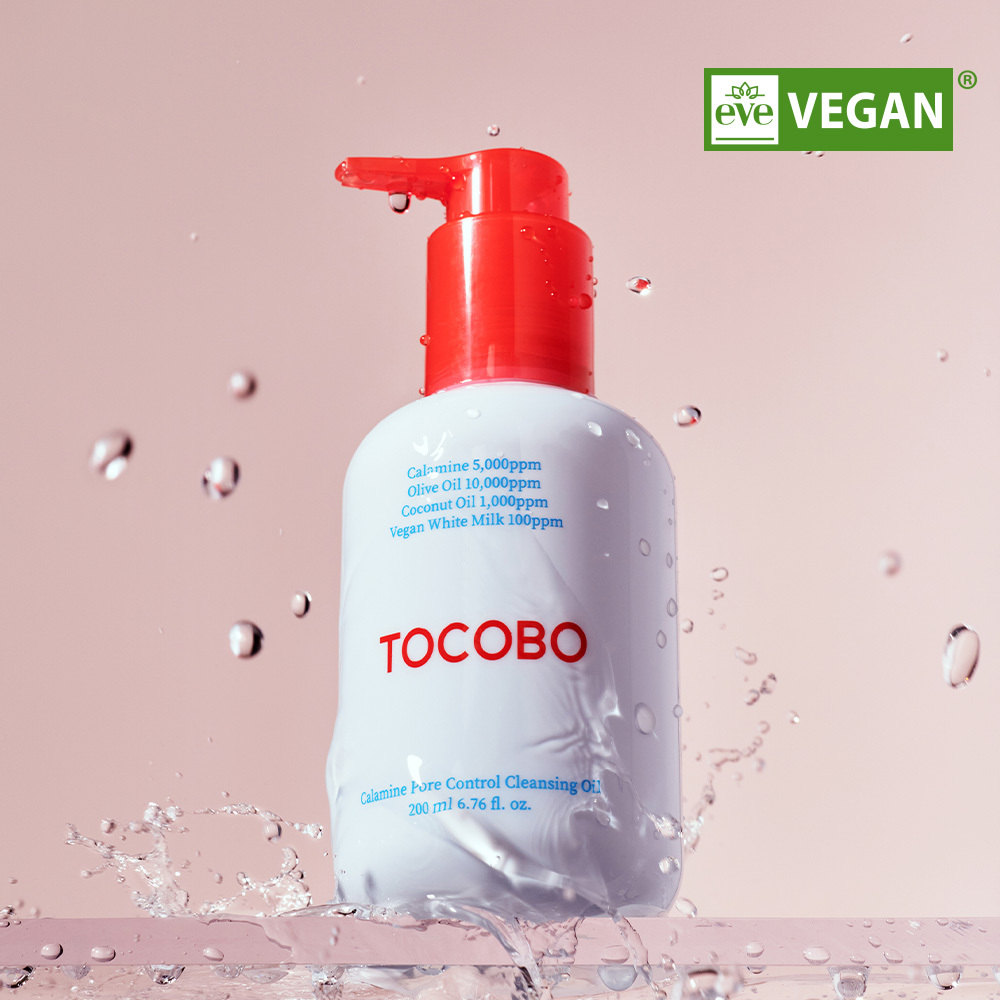
Calamine Pore Control Cleansing Oil
TOCOBO
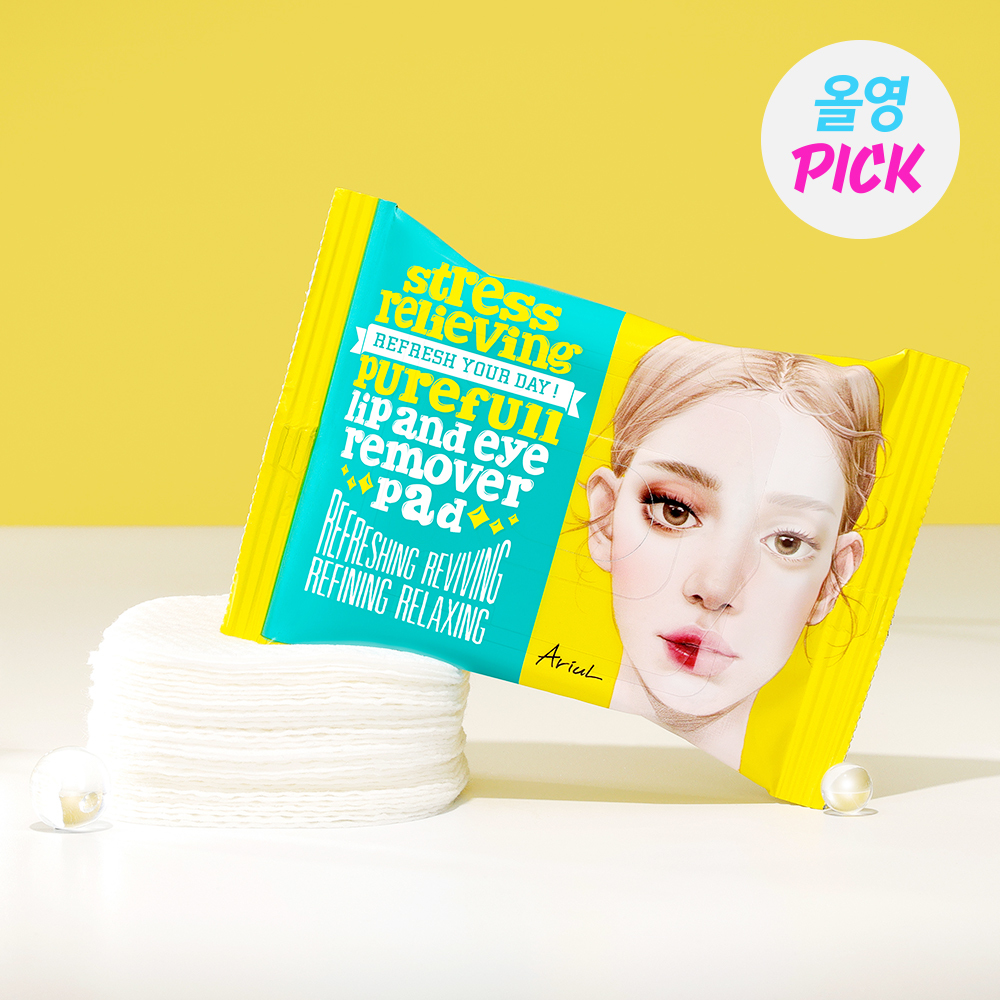
Stress Relieving Purefull Lip And Eye Remover Pad
Ariul
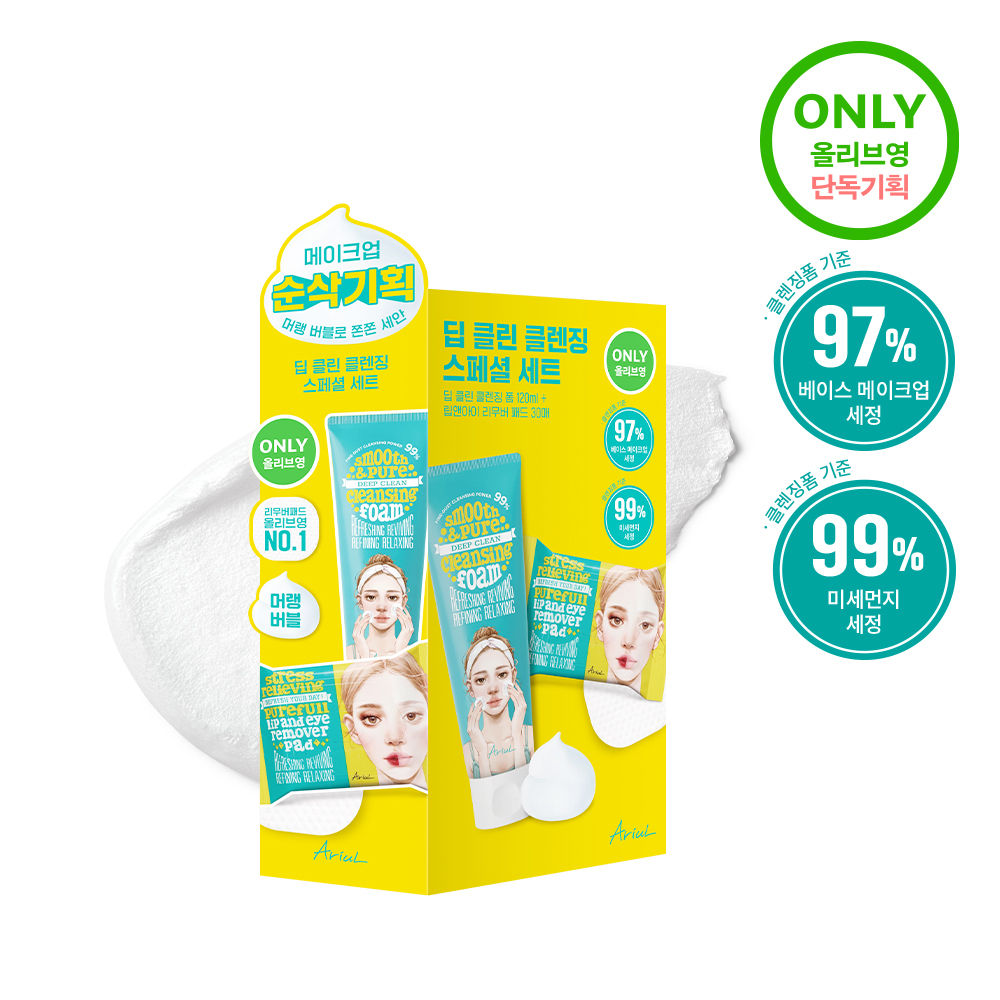
Deep Clean Cleansing Special Set (Smooth & Pure Deep Clean Cleansing Foam + Lip & Eye Remover Pad)
Ariul
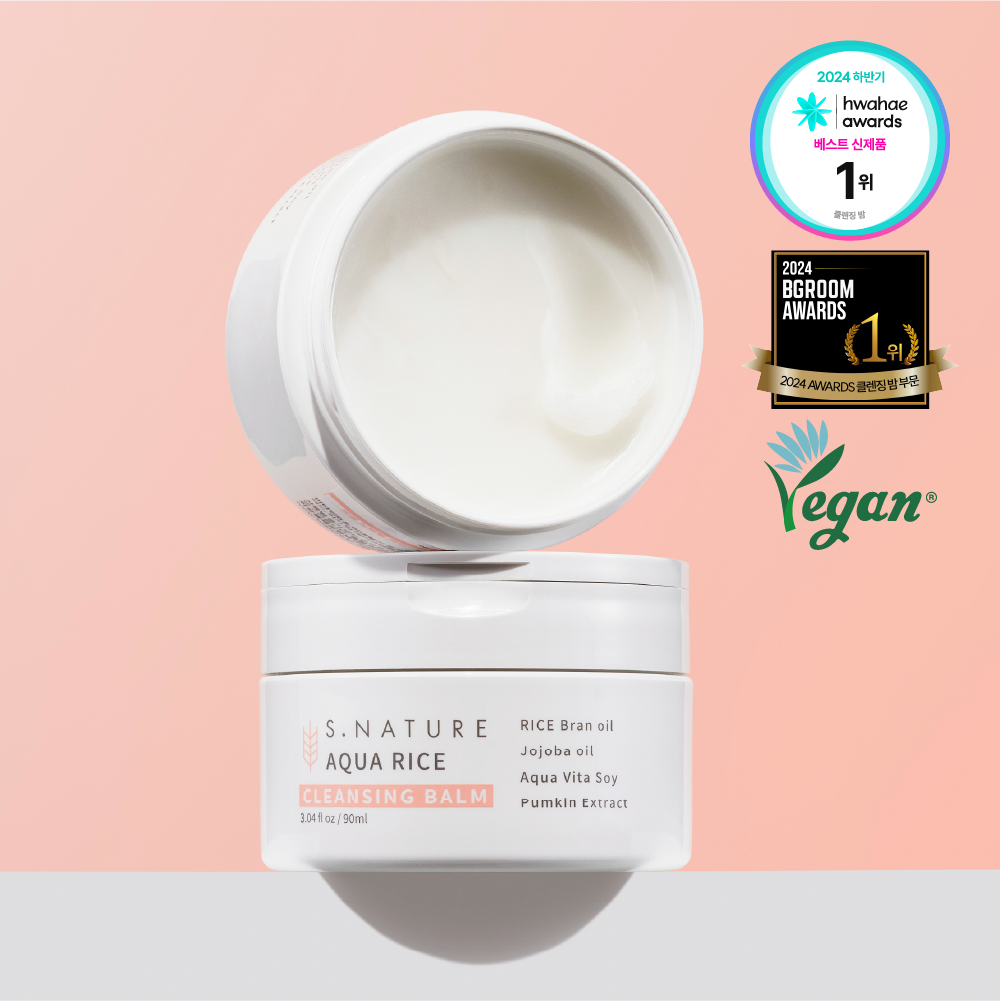
Aqua Rice Cleansing Balm
S.Nature
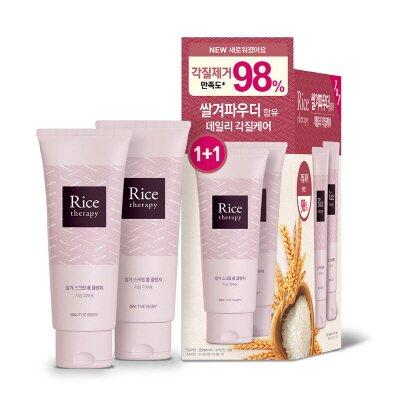
Rice Therapy Rice Brand Scrub Foam Cleanser
ON:THE BODY
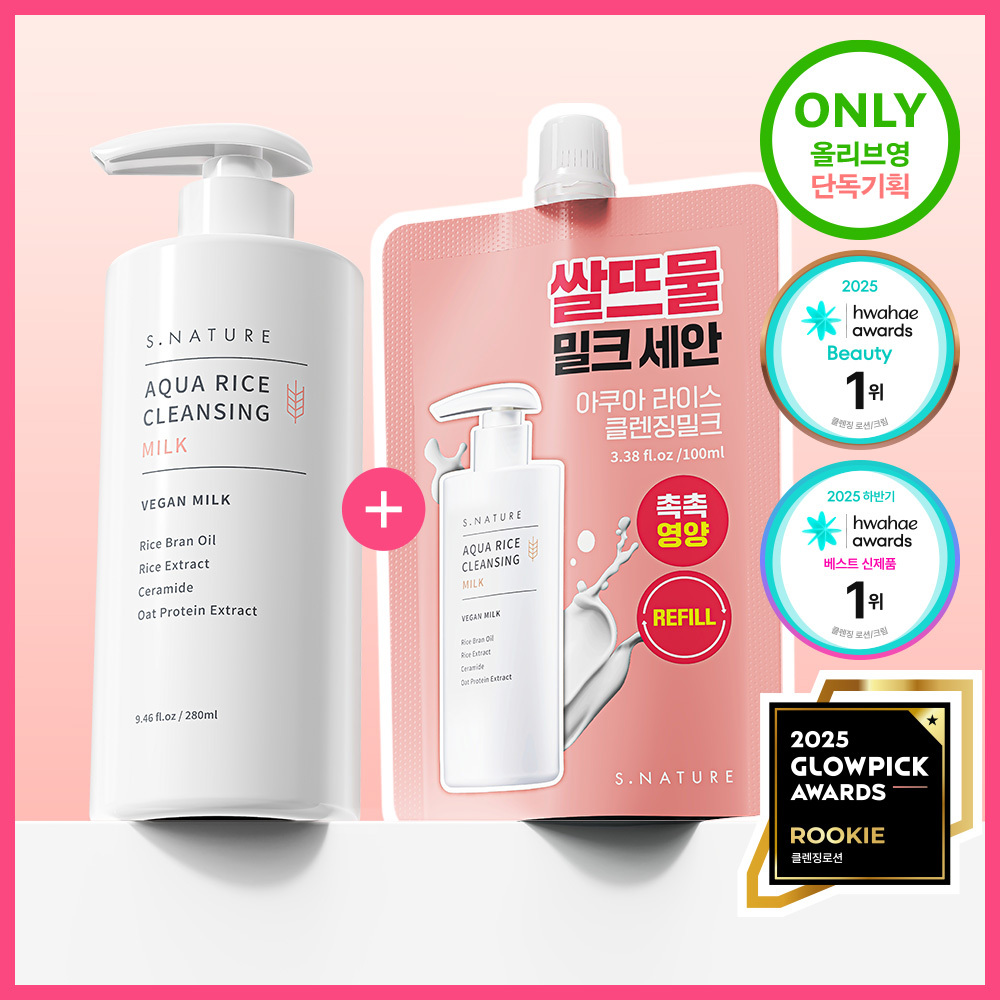
Aqua Rice Cleansing Milk
S.Nature
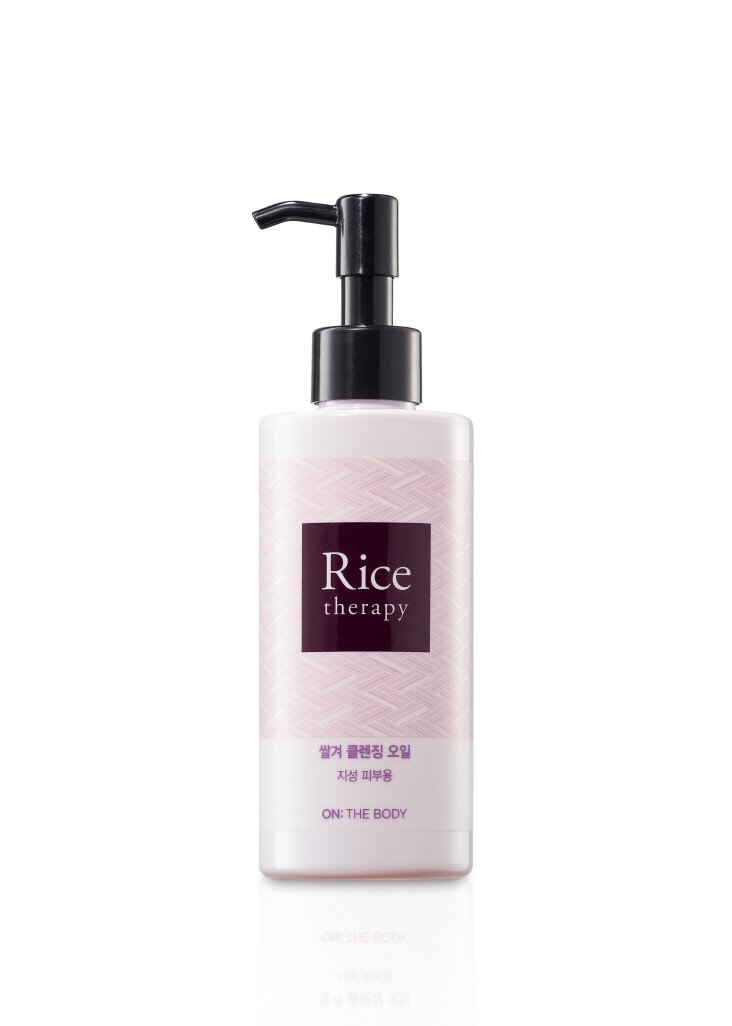
Rice Therapy Rice Brand Cleansing Oil
ON:THE BODY
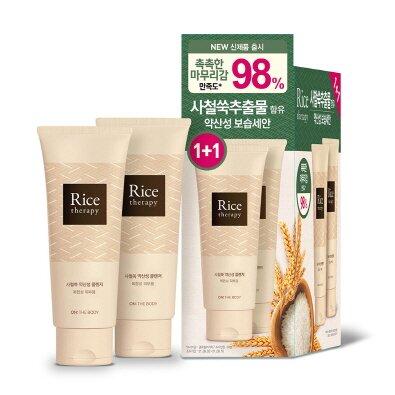
Rice Therapy Low-pH Artemisia Cleansing Foam
ON:THE BODY
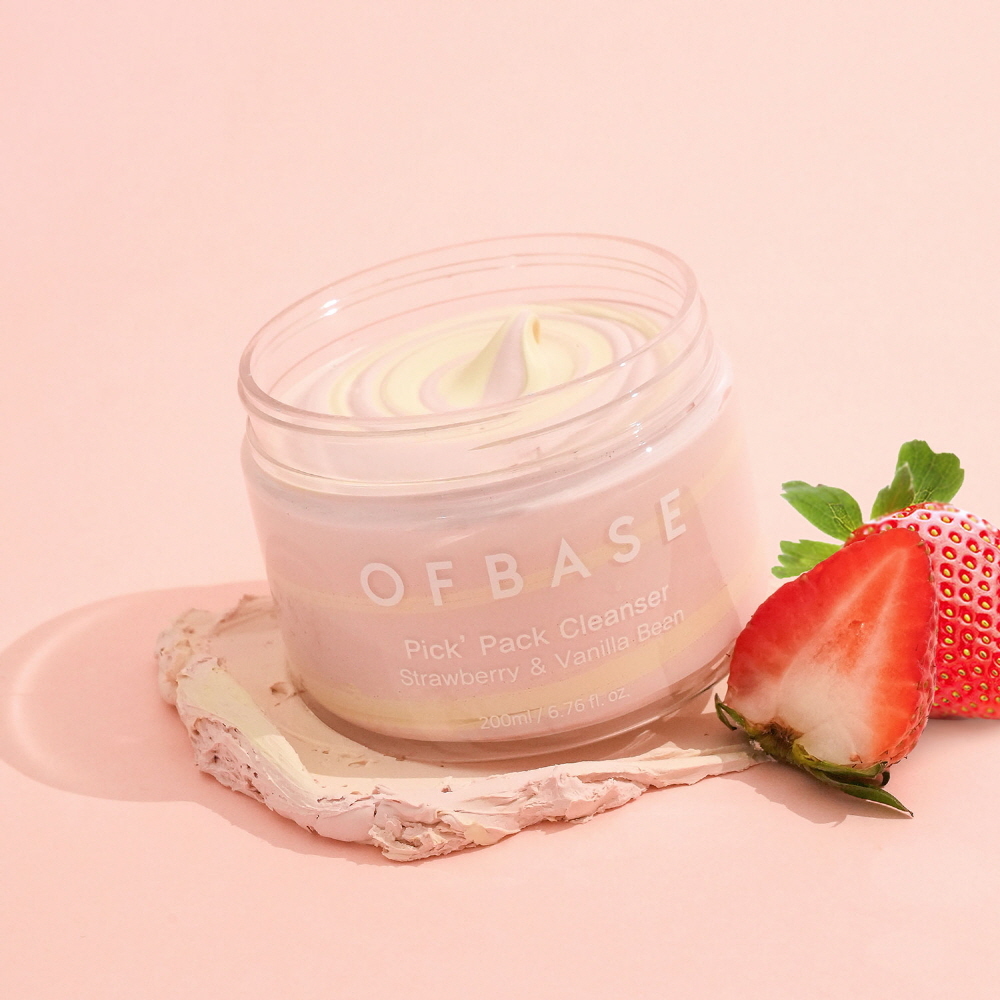
Pick Pack Cleanser
Beplain
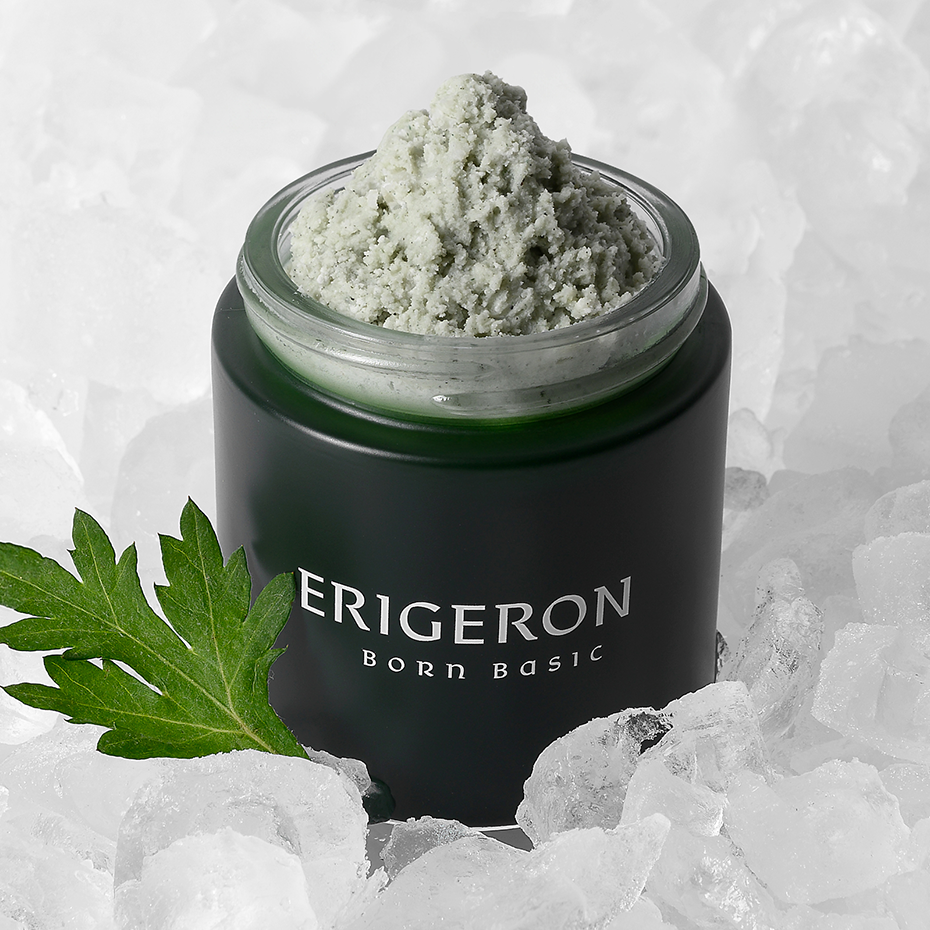
Erigeron Heartleaf Green Cleanser
Beplain
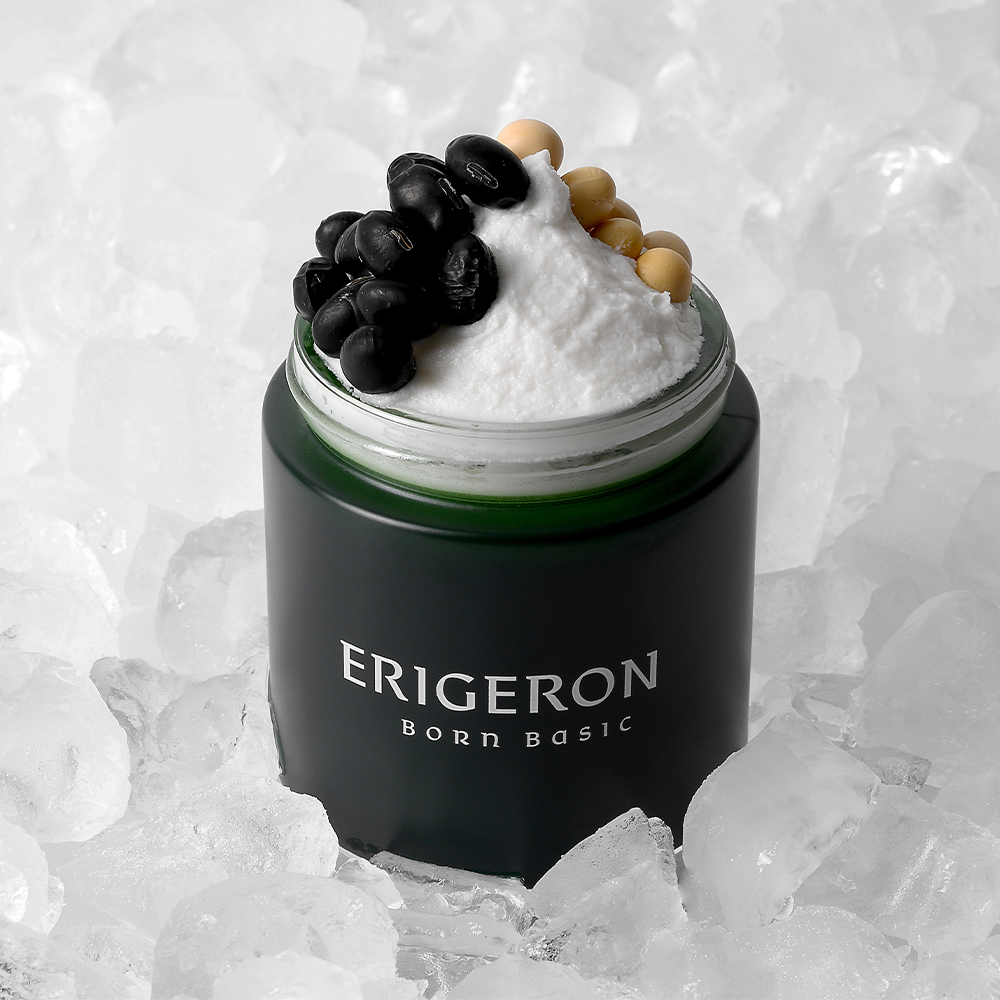
Erigeron Soy Yogurt Cleanser
Beplain
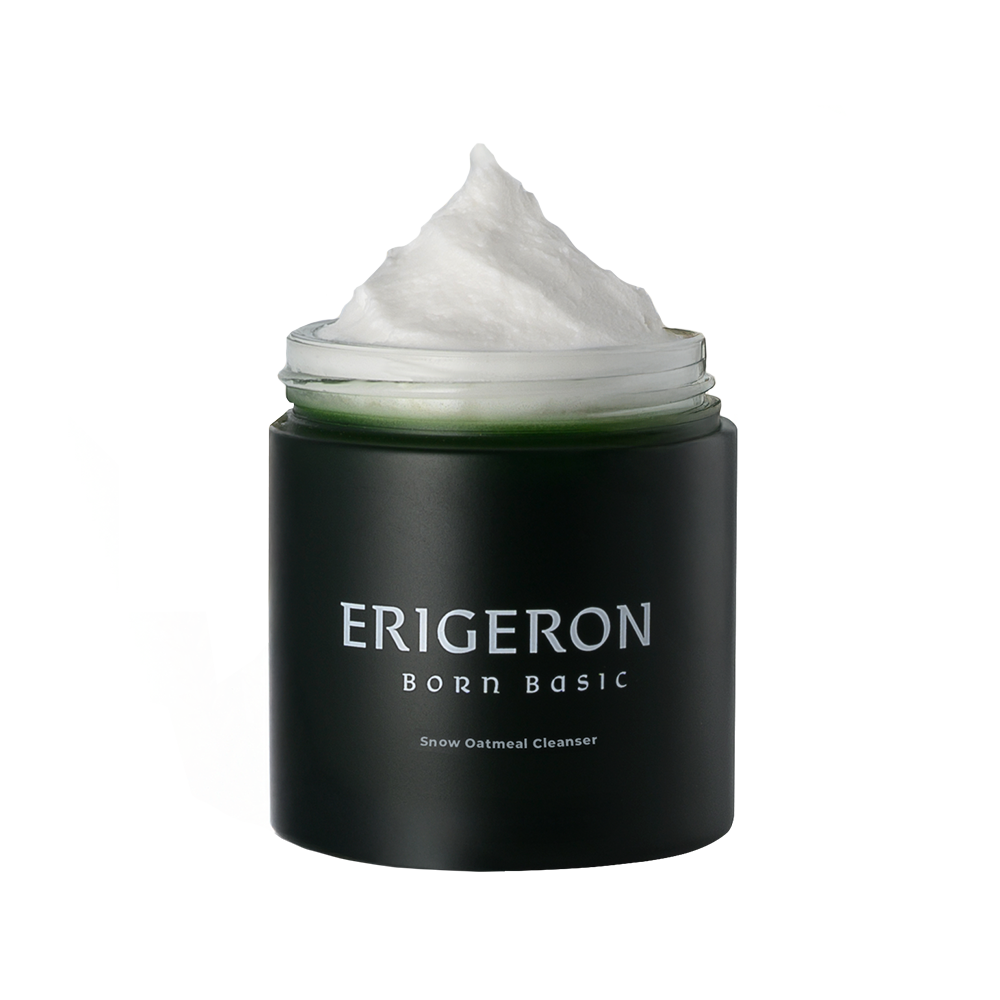
Erigeron Snow Oatmeal Cleanser
Beplain
Frequently Asked Questions
Is soybean seed extract the same as fermented soy in K-beauty products?▼
Can I use products with soybean seed extract if I have a food allergy to soy?▼
How long does it take to see brightening results from soybean seed extract?▼
Why is soybean seed extract in cleansing oils if it's mainly for brightening?▼
Does soybean seed extract actually boost collagen or is that just marketing?▼
Explore More
Want personalized ingredient advice?
Yuri, our AI beauty advisor, can tell you how Soybean Seed Extract works with your specific skin type, routine, and concerns.
Ask Yuri, free