Soybean Oil
INCI: Glycine Soja (Soybean) Oil
Emollient and skin conditioning agent
About Soybean Oil
Soybean oil is a lightweight, nutrient-rich plant oil extracted from the seeds of the Glycine soja plant. In K-beauty formulations, it serves as both an emollient and skin conditioning agent, meaning it softens skin while creating a protective barrier that locks in moisture. What makes soybean oil particularly valuable in Korean skincare is its unique fatty acid profile. It contains high levels of linoleic acid (omega-6), which helps strengthen the skin barrier and regulate sebum production, plus smaller amounts of oleic acid for deep hydration. Beyond basic moisture, soybean oil delivers a powerhouse of antioxidants including vitamin E, phytosterols, and isoflavones that protect against environmental stressors and premature aging. K-beauty brands favor it in cleansing oils because it effectively dissolves makeup and sebum without stripping skin, which explains why it appears in 180 products on Seoul Sister, many of them highly-rated cleansers. The oil's comedogenic rating of 3/5 means it has moderate pore-clogging potential, so oily and acne-prone users should approach it thoughtfully, though its linoleic acid content can actually help balance oil production when used correctly. Its excellent safety profile (4/5) and ability to improve skin texture and tone have made it a staple in everything from deep cleansing oils to nourishing sheet masks.
How Soybean Oil Works
Soybean oil works through multiple mechanisms at the cellular level. Its high linoleic acid content (approximately 50-55% of its fatty acid composition) integrates into the lipid bilayer of the stratum corneum, strengthening the skin's natural barrier function and reducing transepidermal water loss. This same linoleic acid helps regulate ceramide synthesis, which is essential for maintaining skin integrity. The isoflavones in soybean oil, particularly genistein and daidzein, act as phytoestrogens that can stimulate collagen production and improve skin elasticity by interacting with estrogen receptors in skin cells. These compounds also exhibit antioxidant activity by neutralizing free radicals generated by UV exposure and pollution. Vitamin E (tocopherol) provides additional antioxidant protection while supporting skin healing processes. When used in cleansing formulations, soybean oil's molecular structure allows it to dissolve sebum and oil-based impurities through the principle of 'like dissolves like,' while its emollient properties prevent the tight, stripped feeling that harsher cleansers can cause. The phytosterols present in the oil have anti-inflammatory properties that can calm irritation and support skin repair.
Soybean Oil by Skin Type
Oily Skin
Soybean oil can work for oily skin when formulated correctly, particularly in rinse-off products like cleansing oils. Its high linoleic acid content may actually help balance sebum production, since oily skin types often have lower linoleic acid levels in their natural sebum. However, use leave-on products containing soybean oil cautiously and patch test first, as the 3/5 comedogenic rating means there's moderate pore-clogging potential for some individuals.
Dry Skin
This is where soybean oil truly shines. Dry skin types benefit immensely from both its emollient properties and barrier-repairing fatty acids. The oil creates an occlusive layer that prevents moisture loss while delivering nutrients that strengthen compromised skin barriers, a common issue in chronically dry skin. Products like NEEDLY's Retifit Collagen mask leverage these properties for intense hydration.
Combo Skin
Combination skin can benefit from soybean oil in targeted applications. Use it in full-face cleansing oils to remove makeup and sunscreen without disruption, then follow with appropriate toners and lightweight moisturizers. You might also apply soybean oil-containing products specifically to dry patches while avoiding the T-zone if you notice congestion. The linoleic acid helps balance different zones.
Sensitive Skin
Soybean oil's anti-inflammatory phytosterols and gentle nature make it generally well-tolerated by sensitive skin. The 4/5 safety rating reflects its low irritation potential. However, individuals with soy allergies should avoid it entirely. For others with reactive skin, soybean oil can actually help calm inflammation and support barrier repair, which reduces overall sensitivity over time.
Normal Skin
Normal skin types can use soybean oil liberally without concern. It provides balanced hydration without overwhelming skin, and its antioxidant content offers preventative anti-aging benefits. The ingredient works beautifully in the multi-step K-beauty routine, whether in first cleansers, treatment masks, or final moisturizing steps to seal in all the goodness from previous layers.
How to Use Soybean Oil
- 1If you're acne-prone or concerned about the comedogenic rating, introduce soybean oil through cleansing oils first (which are rinsed off) before trying leave-on products. The top-rated cleansers from Banila Co, Shingmulnara, and VDL on Seoul Sister demonstrate how effective it is in rinse-off formulas.
- 2Layer soybean oil products strategically in your routine. Use cleansing oils containing it as your first cleanse, then follow with a water-based cleanser to ensure complete removal if you have oily or combination skin.
- 3For maximum anti-aging benefits, look for products that combine soybean oil with other antioxidants or active ingredients like retinol, as seen in NEEDLY's Retifit Collagen mask (rated 5.0/5), which pairs it with collagen-boosting ingredients.
- 4Store products containing soybean oil away from direct sunlight and heat, as the unsaturated fatty acids can oxidize over time, reducing effectiveness and potentially causing irritation. Use within the recommended period after opening.
- 5If you have extremely oily skin or are highly acne-prone, consider using soybean oil products only at night and monitor your skin for any increase in congestion over a 2-3 week period before committing to regular use.
Background
Soybeans originated in East Asia over 5,000 years ago, with archaeological evidence placing their cultivation in ancient China around 3,000 BCE. The practice of extracting oil from soybeans emerged later in Chinese history and spread throughout Asia as both a culinary ingredient and medicinal treatment. In traditional Korean medicine, soybean-derived ingredients were valued for their nourishing and balancing properties. The modern use of soybean oil in skincare, however, is more recent. Korean cosmetic scientists in the 1990s and 2000s began studying traditional plant oils scientifically, identifying soybean oil's unique fatty acid profile and isoflavone content as particularly beneficial for skin health. This research coincided with K-beauty's broader philosophy of using gentle, plant-derived ingredients rather than harsh synthetics. Today, soybean oil appears across multiple K-beauty product categories, from the iconic double-cleanse method's oil cleansers to hydrating masks and barrier-repair treatments, representing a modern scientific application of an ancient Asian ingredient.
K-Beauty Products with Soybean Oil
View all 201 →
Mask Sheet (Retifit Collagen / Hya-light Calming)
NEEDLY
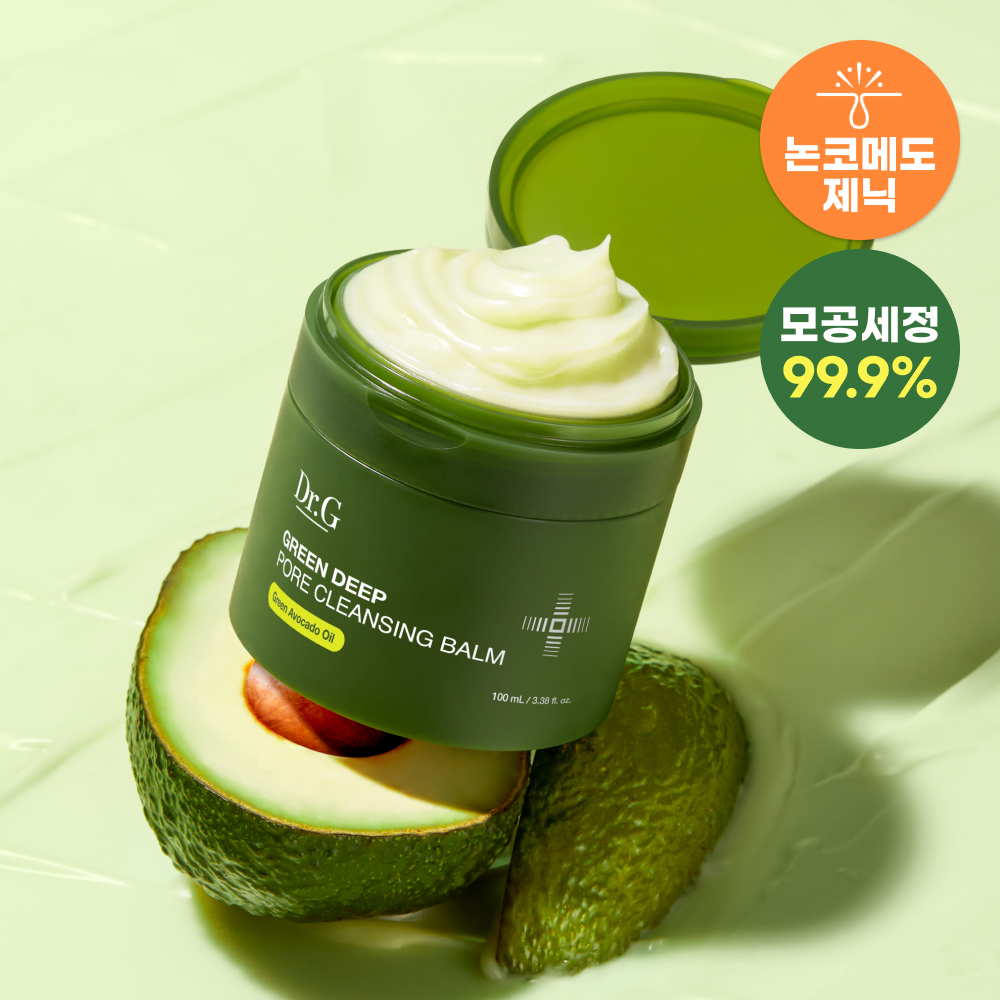
Green Deep Pore Cleansing Balm
Dr.G
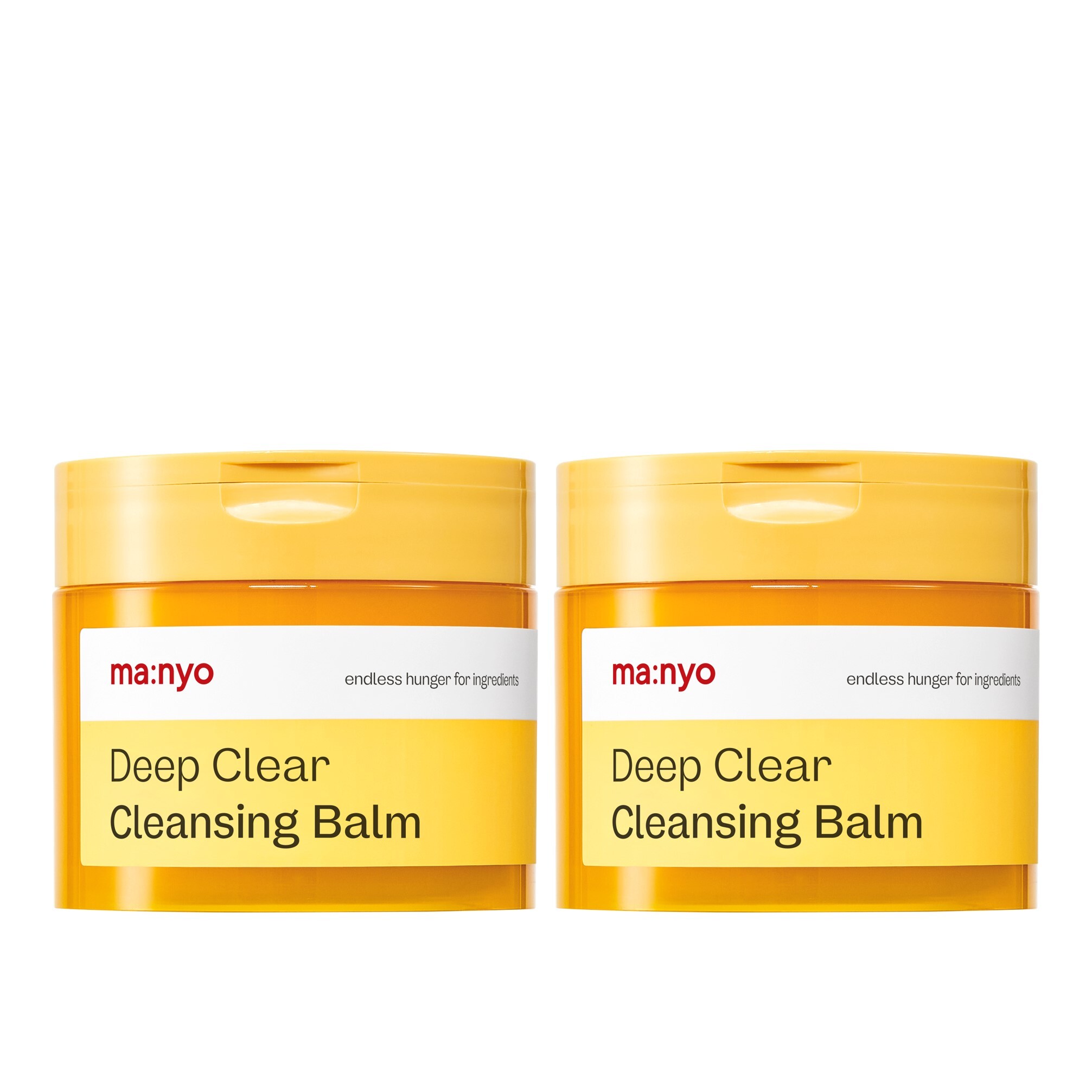
Deep Clear Cleansing Balm Double Pack
ma:nyo
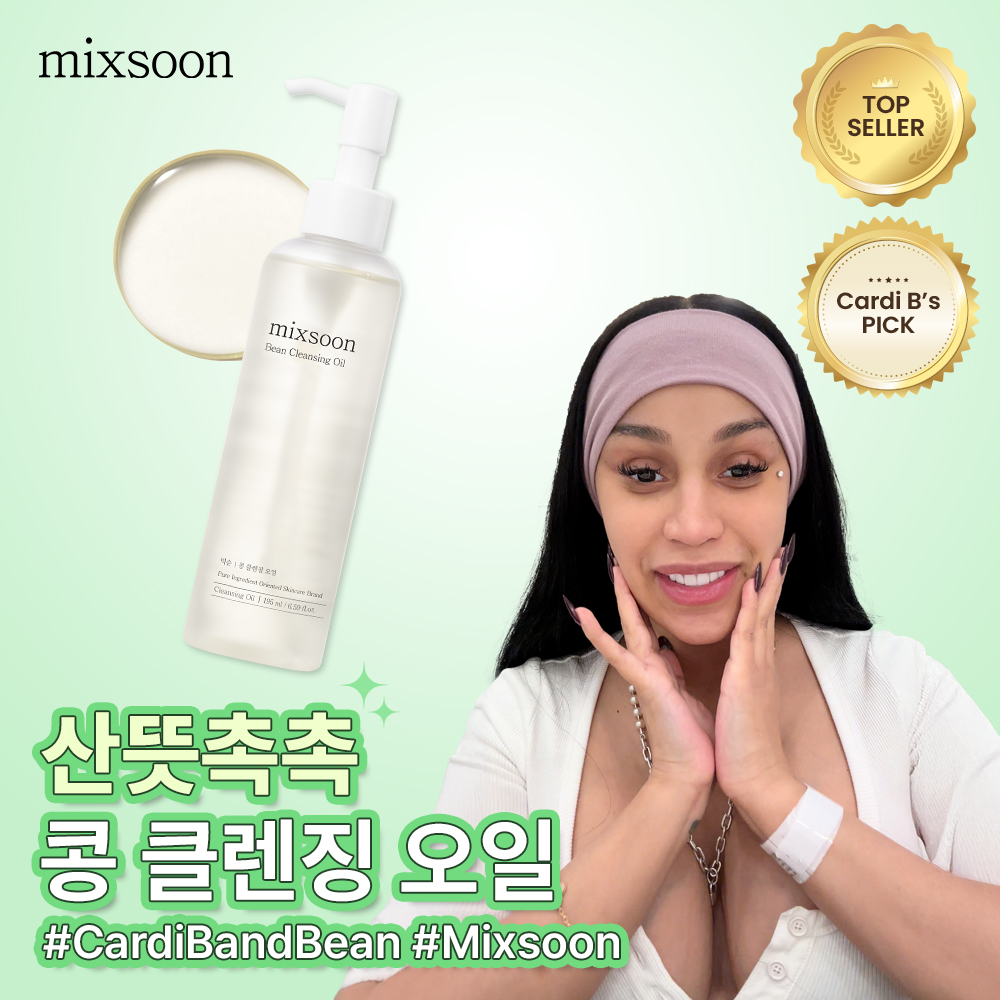
Bean Cleansing Oil
Mixsoon
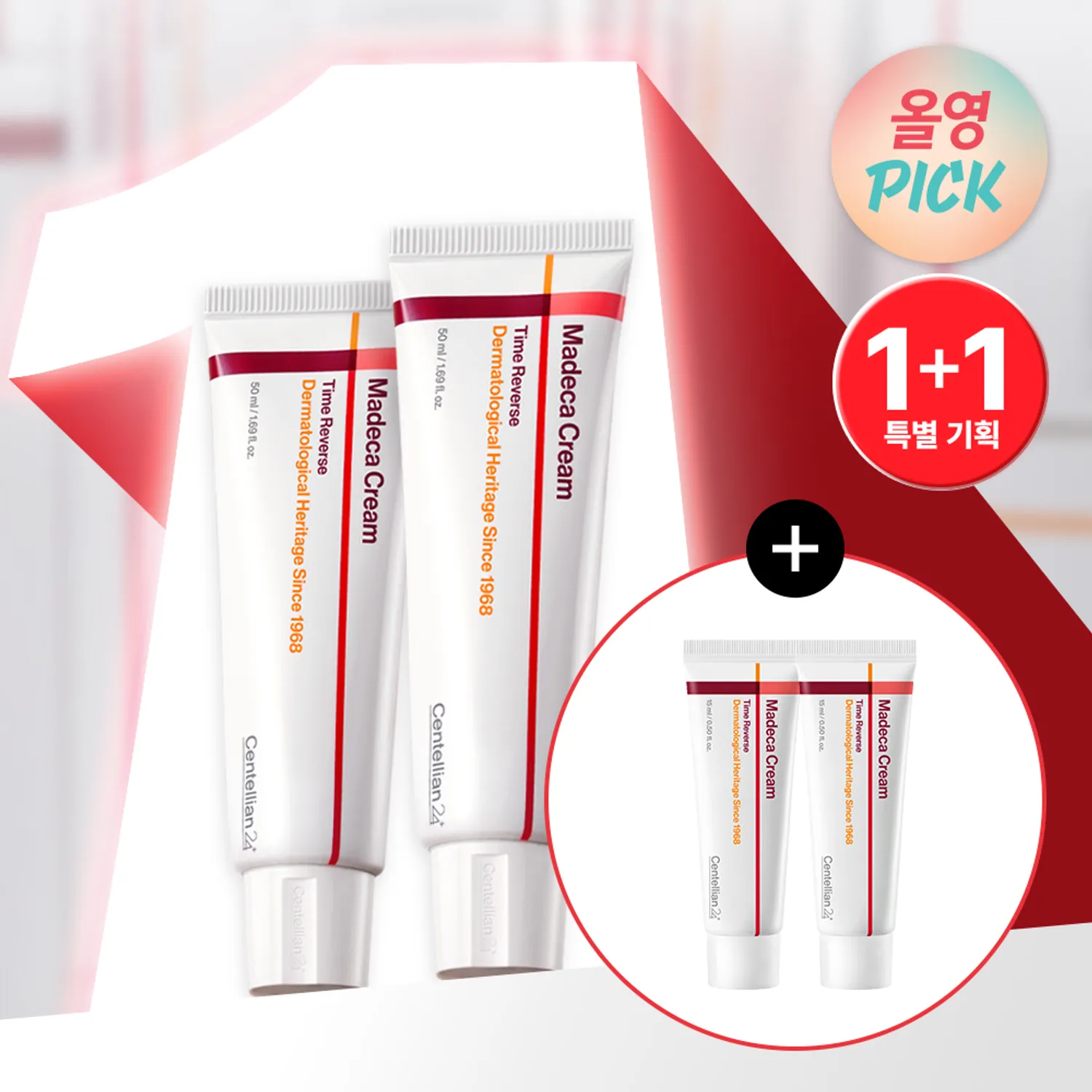
Madeca Cream Time Reverse Double Pack
Centellian24
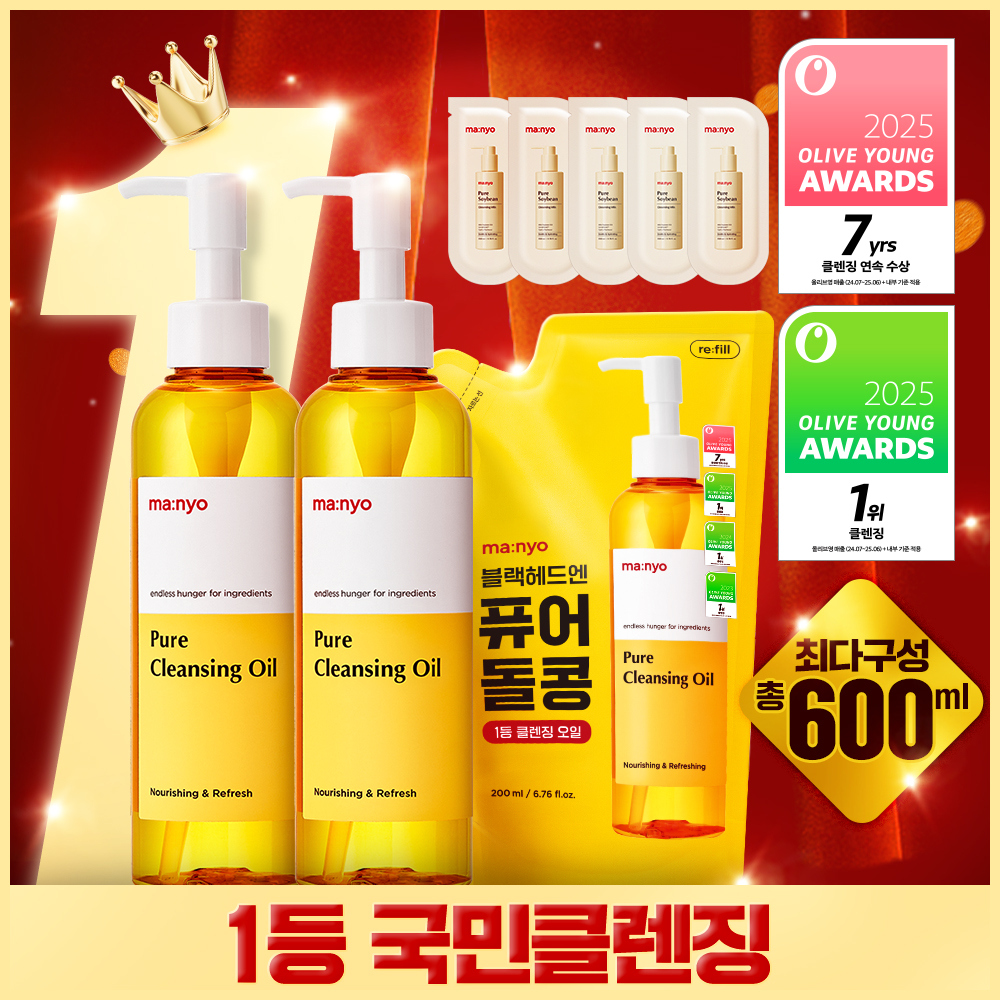
Pure Cleansing Oil
ma:nyo
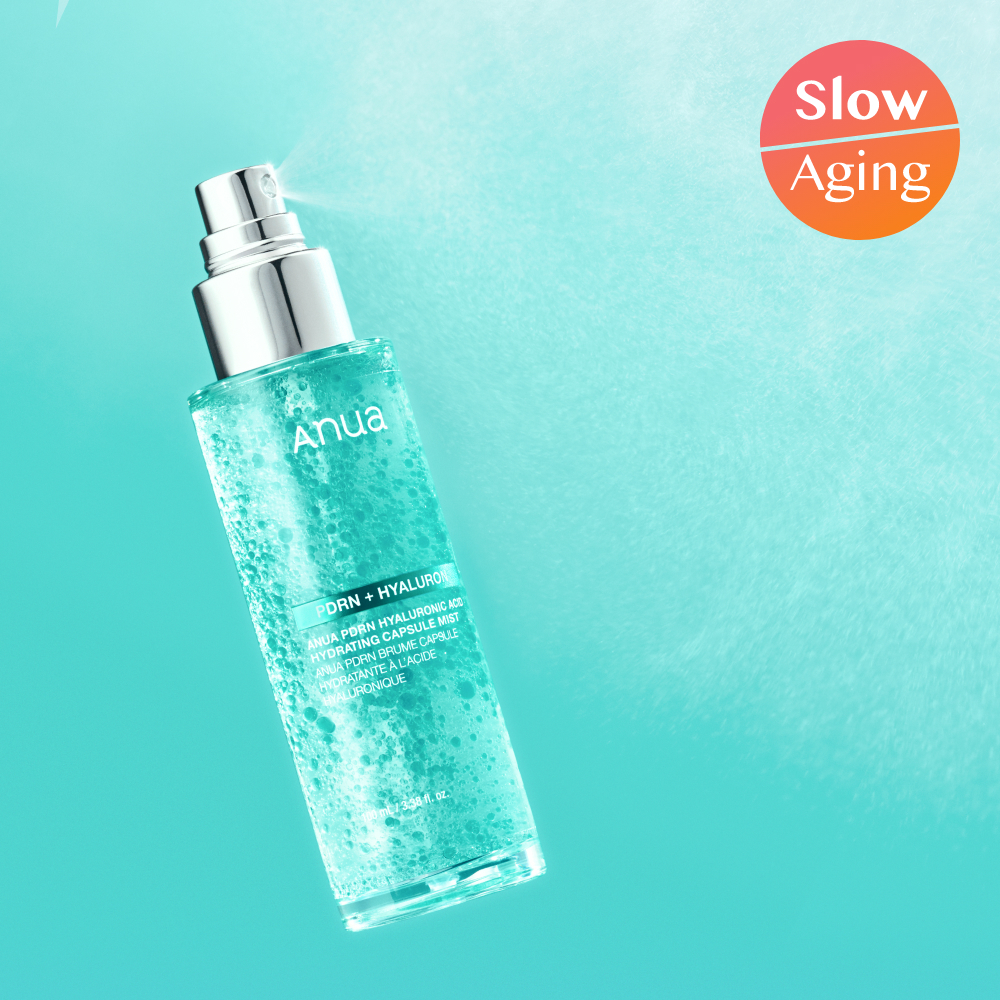
PDRN Hyaluronic Acid Hydrating Capsule Mist
Anua

Pore Refresh Grinding Cleansing Balm Set
Dr. Althea
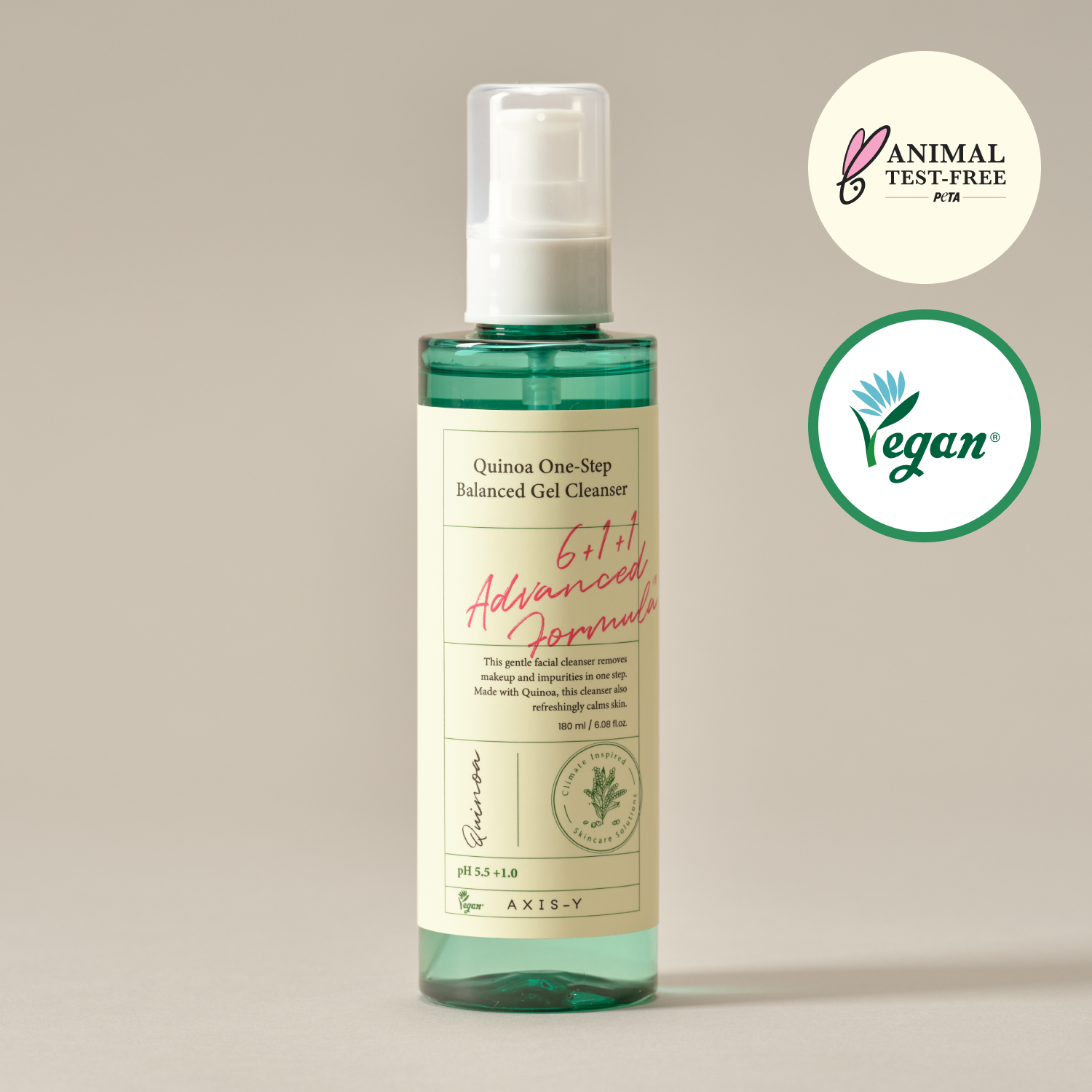
Quinoa One-Step Balanced Gel Cleanser
AXIS-Y
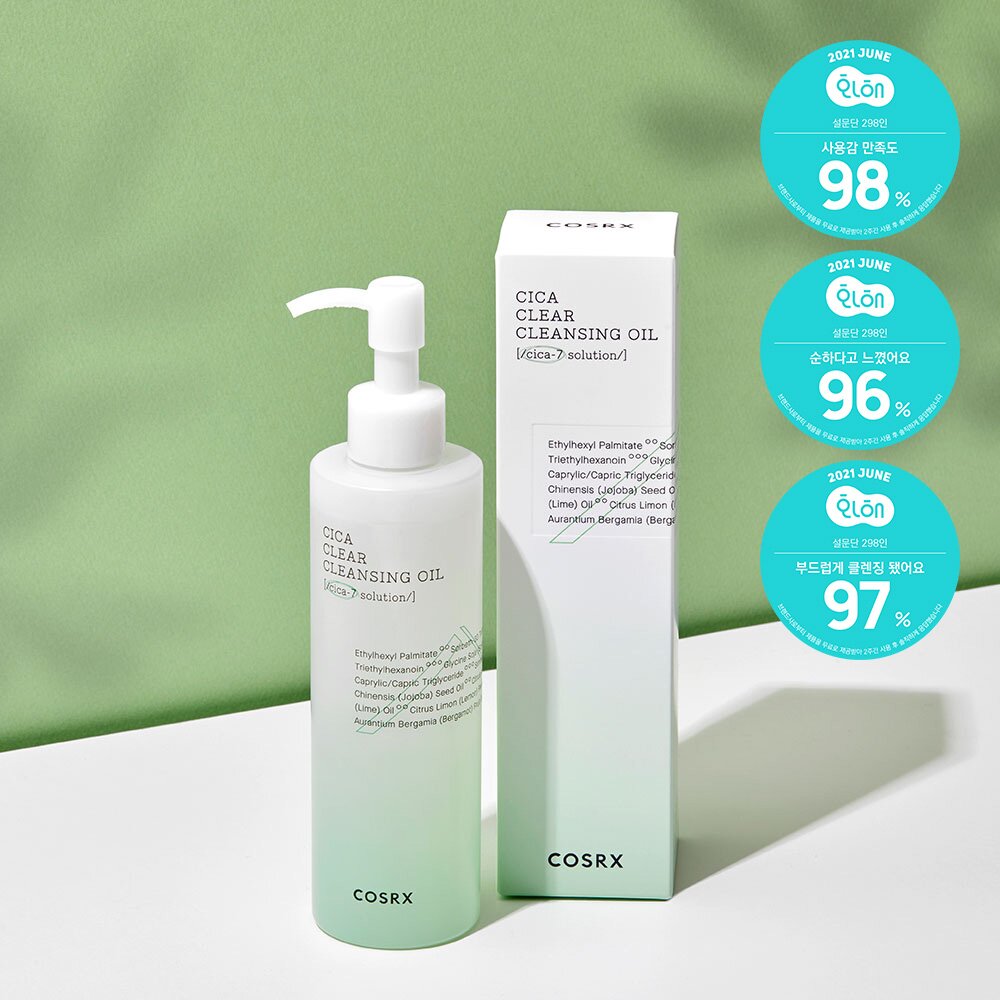
Pure Fit Cica Clear Cleansing Oil
COSRX
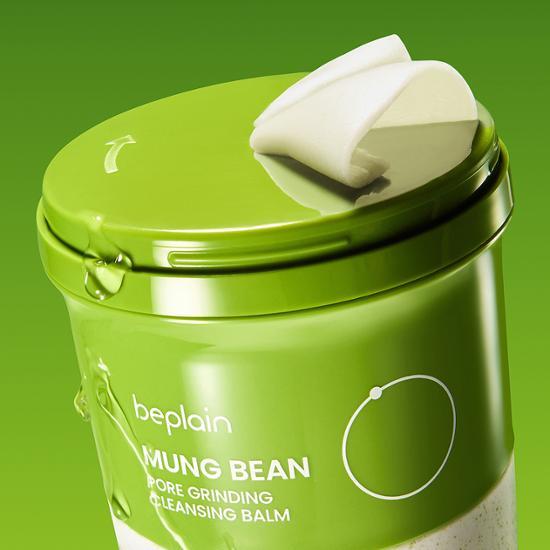
Mung Bean Pore Grinding Cleansing Balm
Beplain
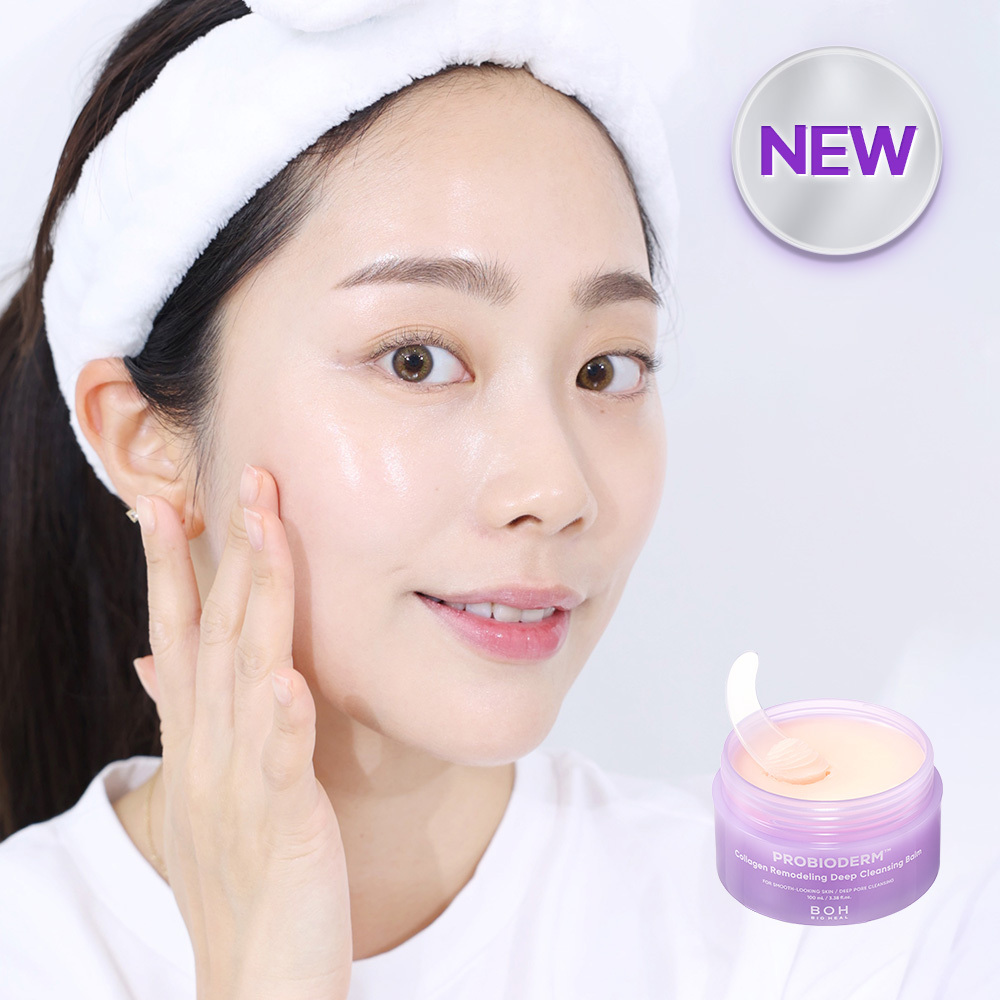
Probioderm Collagen Remodeling Deep Cleansing Balm
Bioheal BOH
Frequently Asked Questions
Will soybean oil clog my pores or cause breakouts?▼
Can I use soybean oil if I have a soy allergy?▼
What makes soybean oil different from other plant oils in K-beauty?▼
How should I incorporate soybean oil into my K-beauty routine?▼
Does soybean oil have anti-aging benefits?▼
Explore More
Want personalized ingredient advice?
Yuri, our AI beauty advisor, can tell you how Soybean Oil works with your specific skin type, routine, and concerns.
Ask Yuri, free