Soybean Sprout Extract
INCI: Glycine Soja (Soybean) Sprout Extract
Antioxidant and skin conditioning agent
About Soybean Sprout Extract
Soybean Sprout Extract is a powerhouse ingredient derived from germinated soybeans, capturing the concentrated burst of nutrients that occurs during the sprouting process. When soybeans sprout, they undergo a biochemical transformation that multiplies their vitamin content (particularly vitamin C and B vitamins) and converts proteins into more bioavailable amino acids. In K-beauty formulations, this extract delivers potent antioxidant protection while acting as a skin conditioning agent that improves texture and moisture retention. Korean skincare brands prize soybean sprout extract for its ability to brighten dull complexions, strengthen the skin barrier, and provide defense against environmental stressors without heaviness or irritation. With a low comedogenic rating of 1/5, it works across multiple skin types and appears in everything from cleansers to sheet masks. The extract's gentle yet effective nature aligns perfectly with K-beauty's philosophy of nourishing skin rather than stripping it, making it a smart choice for anyone seeking visible results without aggressive actives.
How Soybean Sprout Extract Works
During germination, soybeans activate enzymatic processes that break down complex molecules into skin-friendly compounds. The resulting extract contains high concentrations of isoflavones (particularly genistein and daidzein), which function as phytoestrogens that can help regulate sebum production and improve skin elasticity. The sprouting process also generates significant levels of ascorbic acid (vitamin C), which inhibits tyrosinase activity to reduce melanin formation and brighten skin tone. Amino acids from broken-down proteins act as natural moisturizing factors (NMFs), binding water in the stratum corneum to maintain hydration. The extract's polyphenolic compounds neutralize free radicals by donating electrons to unstable molecules, preventing oxidative damage to lipids and proteins in skin cells. Additionally, saponins present in the sprouts have mild surfactant properties that help cleanse pores while supporting the skin's natural barrier function. This multi-pathway approach explains why soybean sprout extract delivers both immediate conditioning effects and long-term protective benefits.
Soybean Sprout Extract by Skin Type
Oily Skin
Soybean sprout extract is excellent for oily skin thanks to its ability to regulate sebum production through phytoestrogen activity. The lightweight, non-greasy texture provides antioxidant protection without adding shine, while its low comedogenic rating (1/5) means it won't clog pores or trigger breakouts.
Dry Skin
The amino acid content in soybean sprout extract functions as a natural humectant, drawing moisture into skin and improving barrier function. Its conditioning properties help soften rough texture and reduce flakiness, making it particularly beneficial in essences and sheet masks for dry skin types.
Combo Skin
This ingredient works beautifully for combination skin by balancing oil production in the T-zone while hydrating drier cheek areas. Its lightweight nature means it won't feel heavy on oily zones, yet it provides enough moisture and barrier support for drier patches.
Sensitive Skin
With a strong safety rating of 4/5 and a long history of use in both food and skincare, soybean sprout extract is generally well-tolerated by sensitive skin. Its anti-inflammatory compounds help calm reactivity, though those with soy allergies should patch test first.
Normal Skin
Normal skin benefits from soybean sprout extract's preventative antioxidant properties that protect against premature aging and environmental damage. The extract maintains skin's healthy balance without disrupting its natural equilibrium, making it ideal for maintenance-focused routines.
How to Use Soybean Sprout Extract
- 1Look for soybean sprout extract in your second or third cleansing step (like the Wonder Bath Super Vegitoks Packcleanser) to remove impurities while conditioning skin, rather than stripping it.
- 2Layer products with this ingredient under vitamin C serums or niacinamide treatments to amplify brightening effects, as the extract's own vitamin C content works synergistically with other antioxidants.
- 3Use soybean sprout extract-containing sheet masks (like Shingmulnara's options) 2-3 times weekly for a hydration and brightness boost, especially effective when your complexion looks dull or fatigued.
- 4If you have a soy allergy, perform a patch test on your inner arm for 24-48 hours before applying products with this ingredient to your face, even though topical soy extracts rarely cause the same reactions as dietary soy.
Background
Soybean sprouts have been a nutritional staple in Korean cuisine for over 2,000 years, valued in traditional medicine for their detoxifying properties and high nutrient density. Korean grandmothers have long used soybean sprout water topically to soothe skin and improve complexion, a practice rooted in the observation that the sprouts' vitamin-rich liquid seemed to have skin-beneficial effects. Modern K-beauty brands began isolating and concentrating these benefits into cosmetic-grade extracts in the early 2010s, part of the broader trend of bringing traditional Korean ingredients into scientifically formulated products. The extract gained particular traction as consumers sought gentler alternatives to harsh actives, with brands like Chosungah Beauty incorporating it into innovative cleansing formulas. Today, soybean sprout extract represents K-beauty's signature approach of looking to food-based ingredients that have proven health benefits and adapting them for topical skincare use.
K-Beauty Products with Soybean Sprout Extract
View all 14 →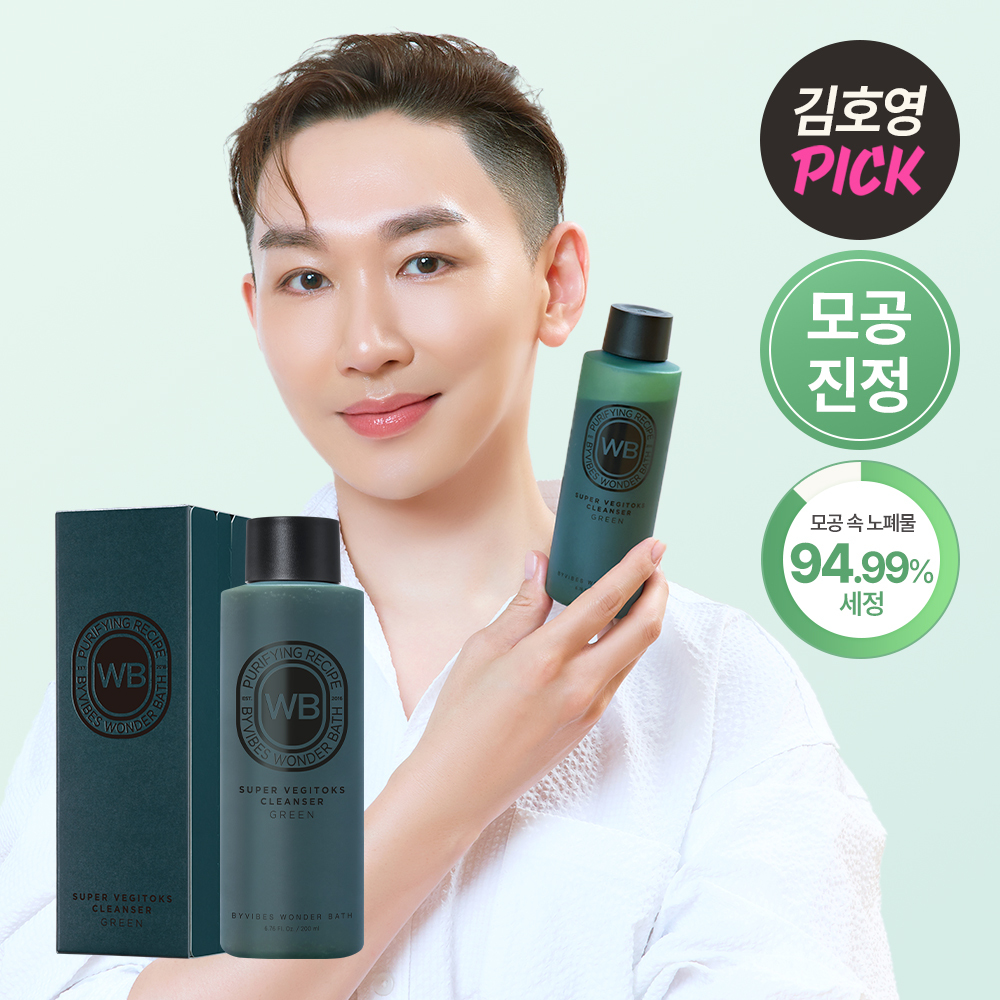
Wonder Bath Super Vegitoks Packcleanser
Chosungah Beauty
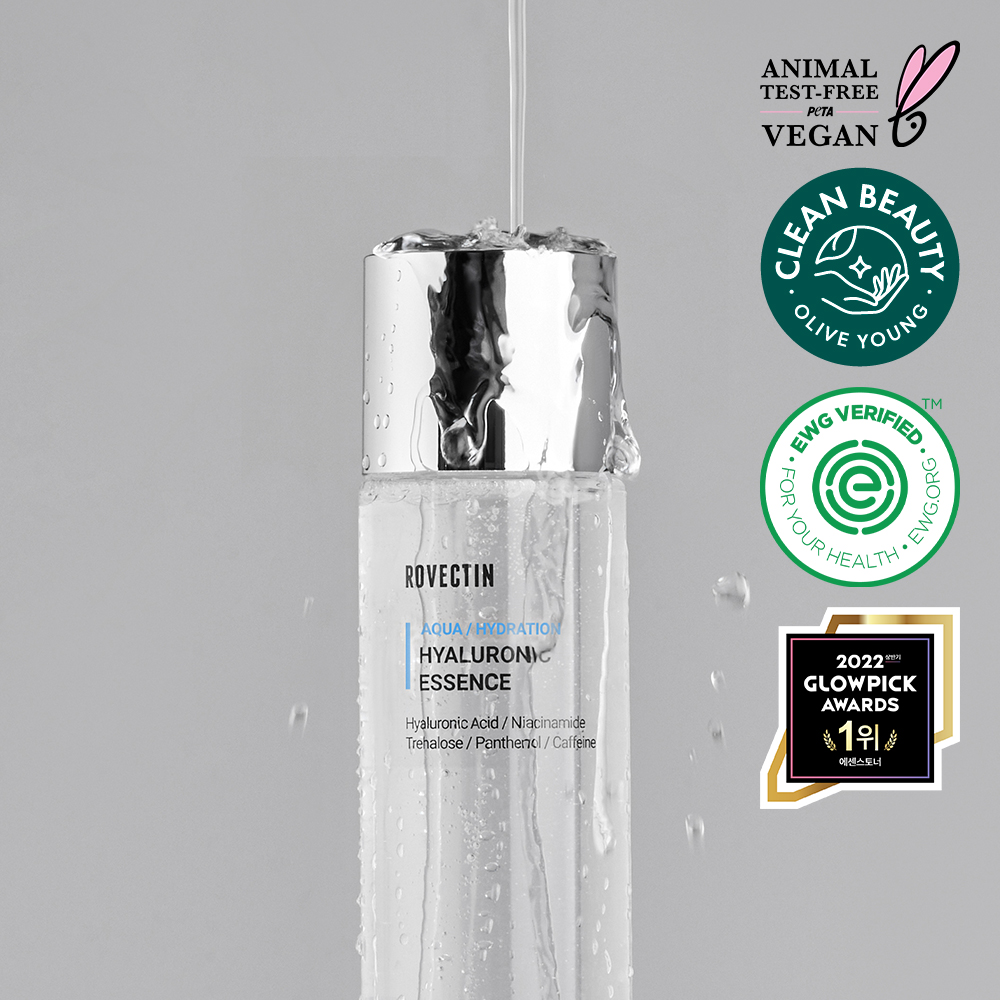
Aqua Hydration Hyaluronic Essence
Rovectin
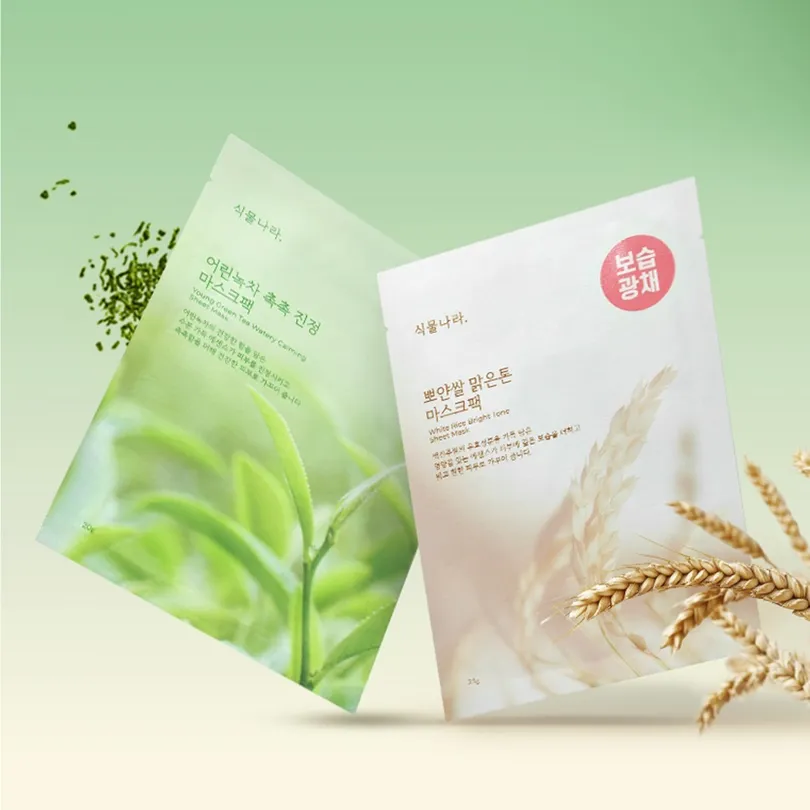
White Rice Bright Tone Sheet Mask
Shingmulnara
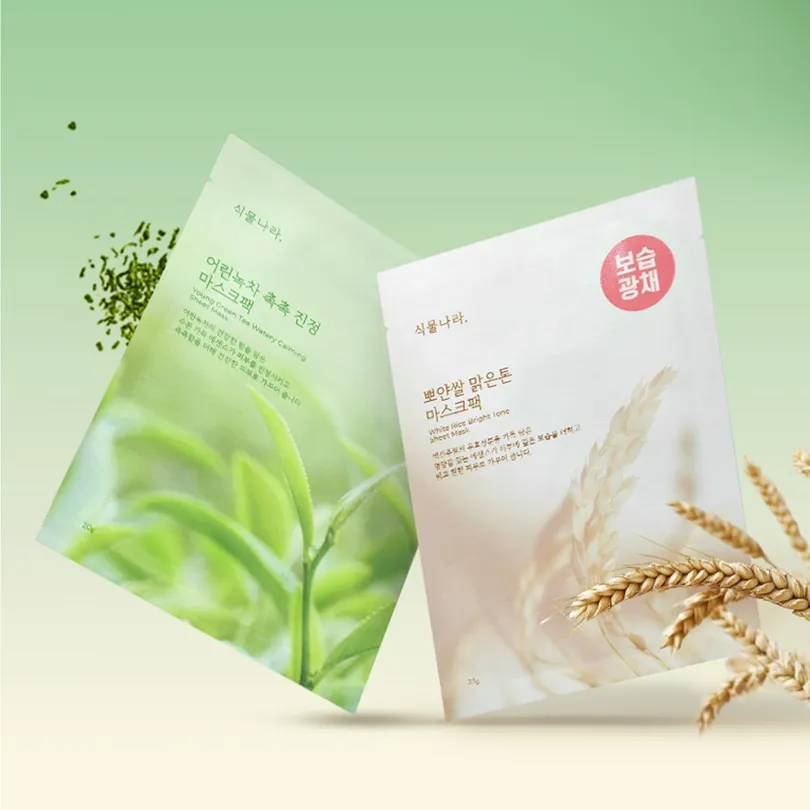
Young Green Tea Watery Calming Sheet Mask
Shingmulnara
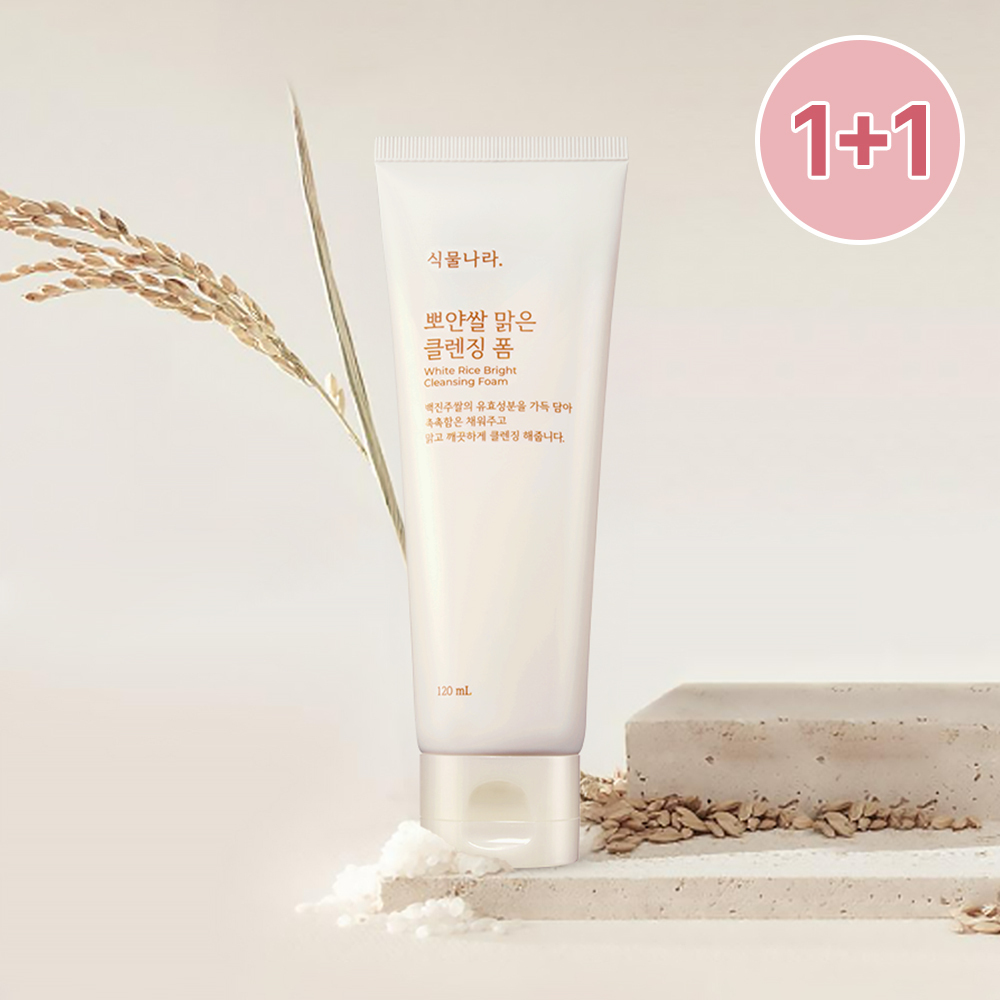
White Rice Bright Cleansing Foam
Shingmulnara
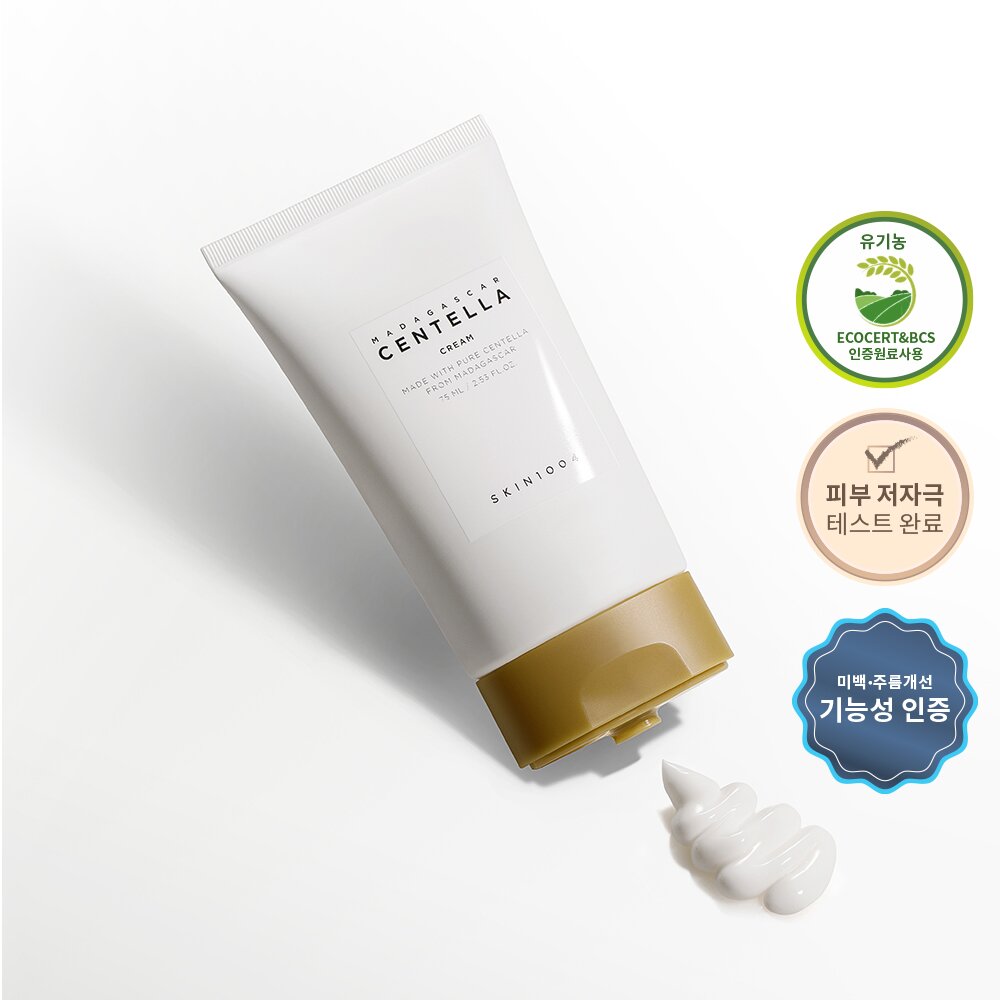
Madagascar Centella Cream
SKIN1004

Acne Shot Ampoule
AMPLE:N
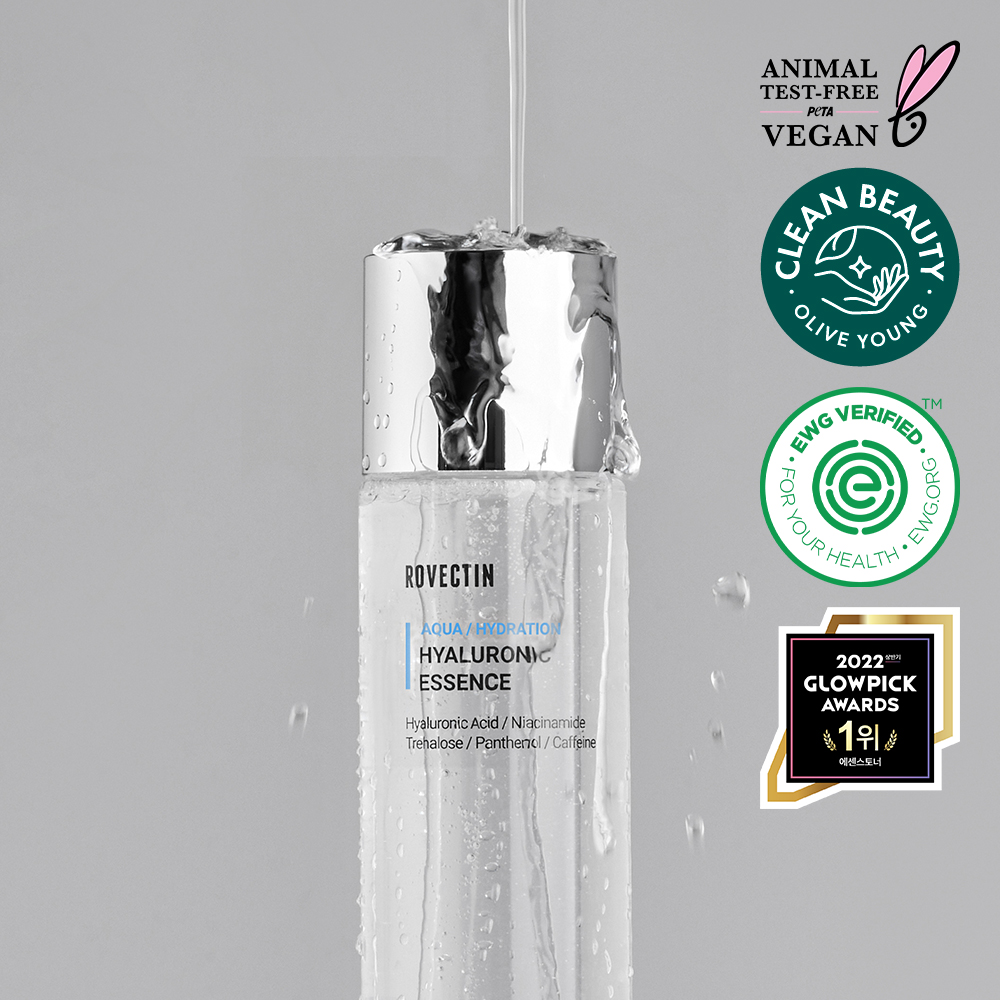
Aqua Hyaluronic Essence
Rovectin
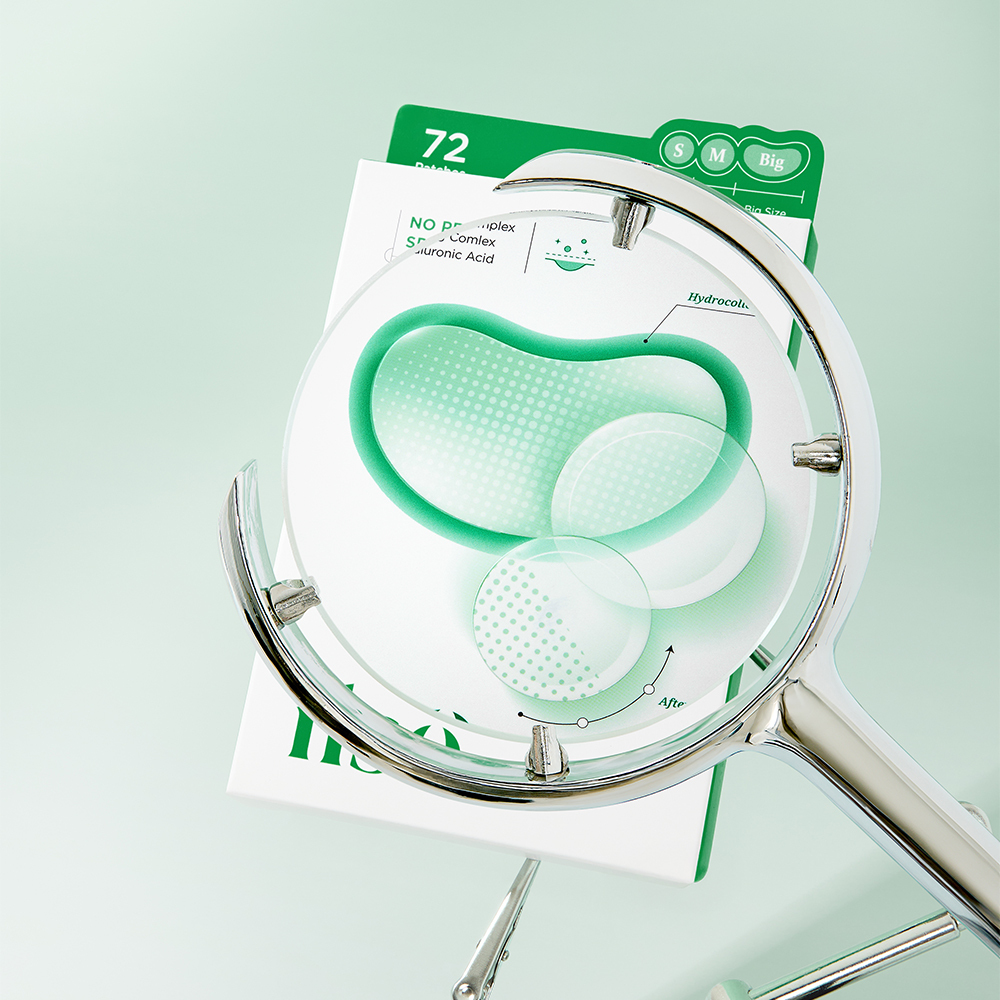
No Problem Spot Patch 72P
Ilso
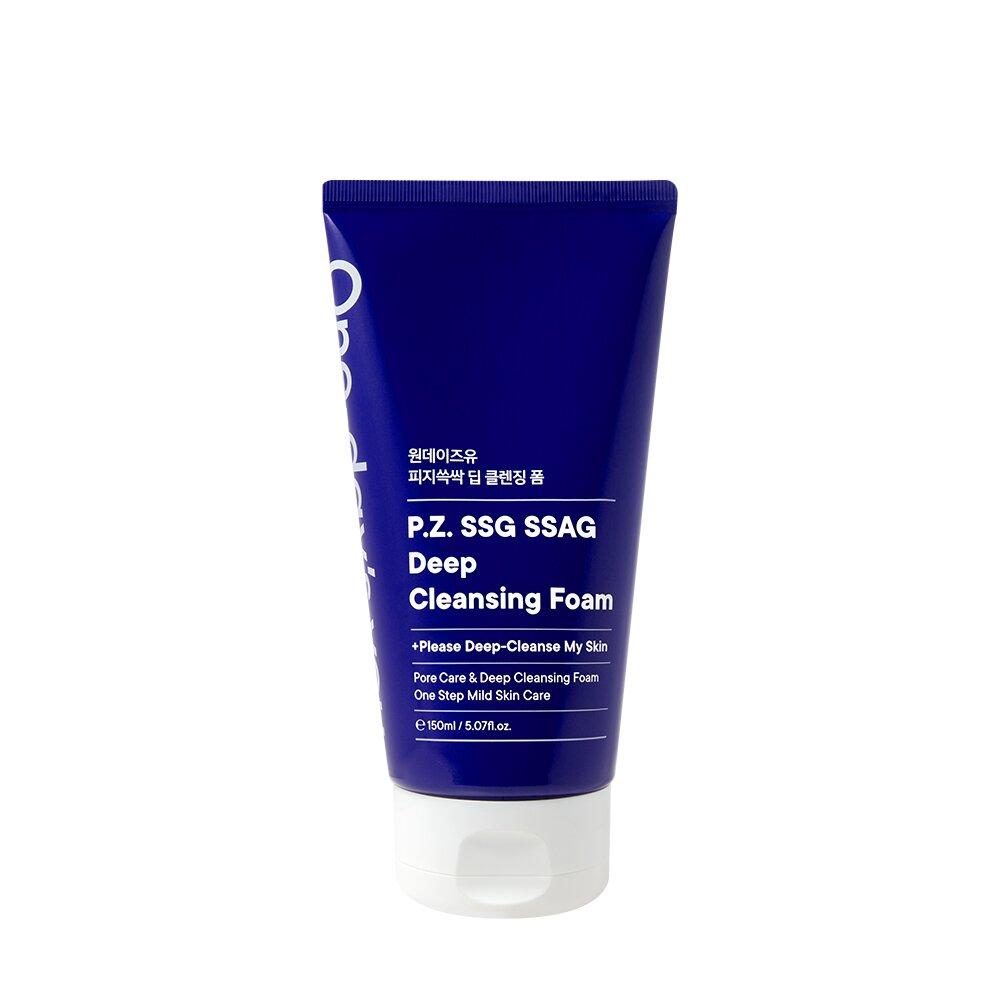
P.Z. SSG SSAG Deep Cleansing Foam
Beplain
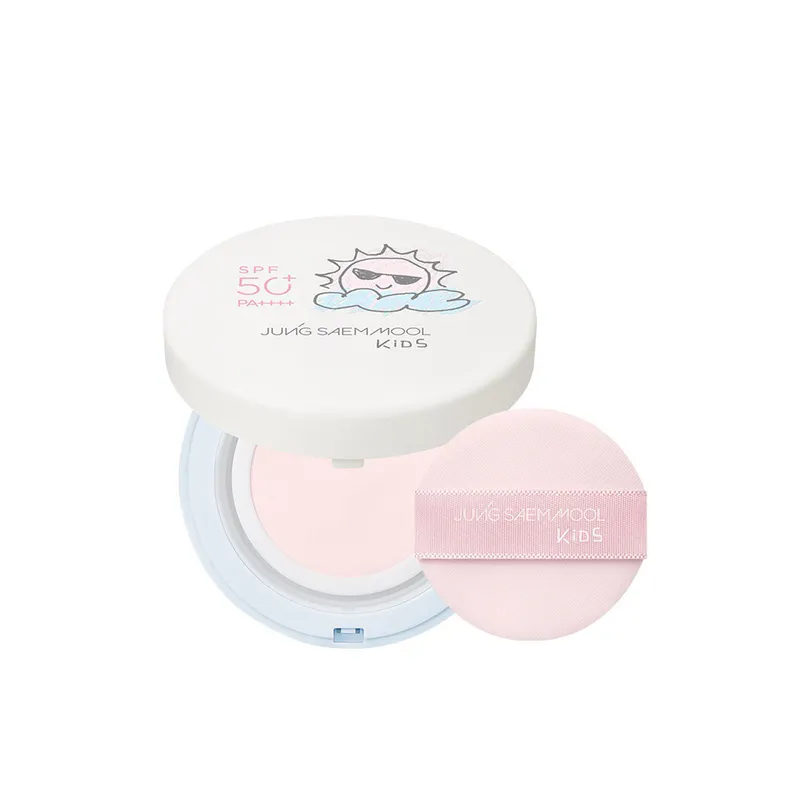
Kids Mild Sun Cushion
JUNGSAEMMOOL
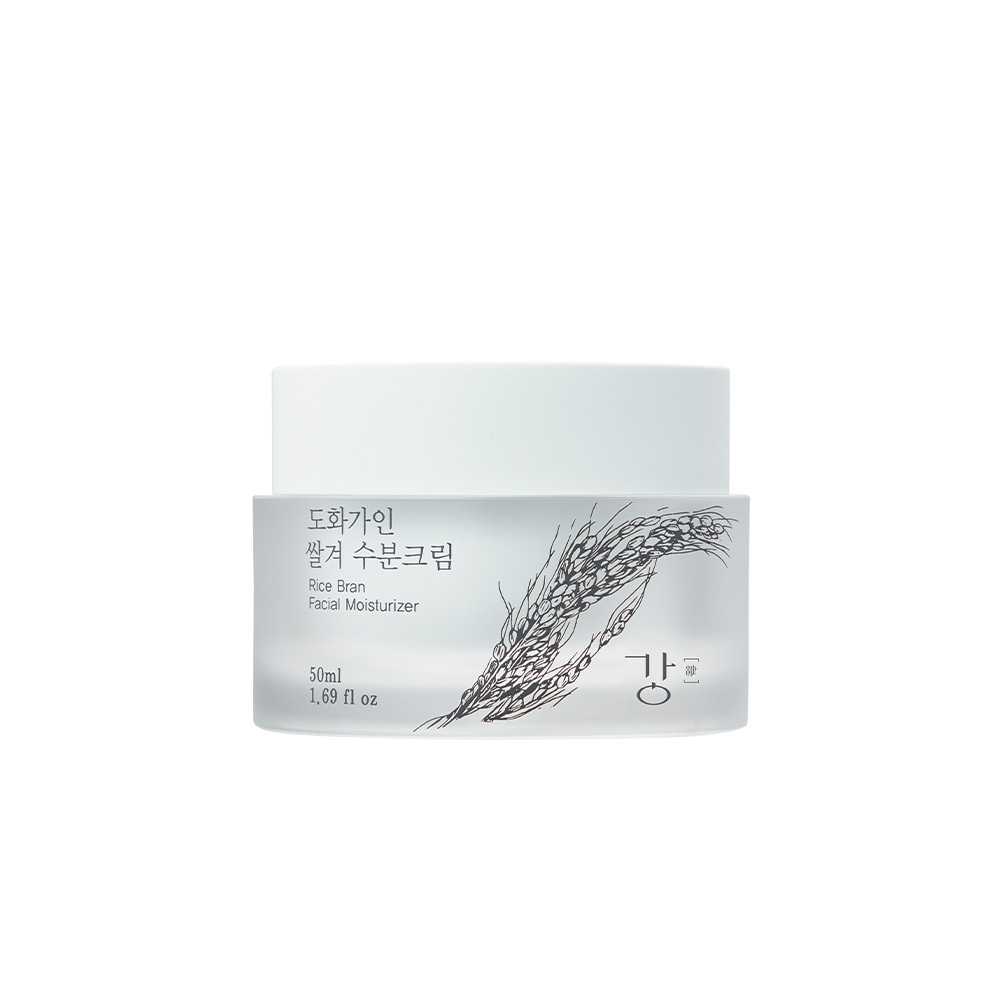
Rice Bran Facial Moisturizer
House of Dohwa
Frequently Asked Questions
Is soybean sprout extract the same as regular soybean extract?▼
Will this ingredient clog my pores if I'm acne-prone?▼
Can I use soybean sprout extract if I'm allergic to soy?▼
How does soybean sprout extract compare to other plant extracts for brightening?▼
Explore More
Want personalized ingredient advice?
Yuri, our AI beauty advisor, can tell you how Soybean Sprout Extract works with your specific skin type, routine, and concerns.
Ask Yuri, free