Glycogen
Moisturizing and skin conditioning polysaccharide
About Glycogen
Glycogen is a naturally occurring polysaccharide that serves as the body's primary energy storage molecule, found abundantly in liver and muscle cells. In skincare, glycogen functions as a powerful humectant and skin conditioning agent, drawing moisture into the skin while supporting cellular energy metabolism. This ingredient has gained attention in K-beauty formulations for its ability to enhance skin's natural moisture retention without any pore-clogging properties (comedogenic rating of 0/5). Unlike simple sugars, glycogen's branched structure allows it to hold significant amounts of water while remaining stable in formulations. Korean brands particularly value glycogen for its biocompatibility and ability to support skin barrier function, often pairing it with other actives like centella asiatica or niacinamide to create comprehensive treatment products. With a safety rating of 4/5, glycogen is well-tolerated across most skin types and works synergistically with other moisturizing ingredients to create a plumped, hydrated complexion. Its presence in highly rated products like The Ordinary's Multi-Active Delivery Essence (5.0/5) and ODELOI's Cica Ampoule Luftig (5.0/5) demonstrates its effectiveness in modern K-beauty formulations focused on delivering deep hydration and skin conditioning benefits.
How Glycogen Works
At the molecular level, glycogen functions through a dual-action mechanism that addresses both immediate hydration and cellular energy support. As a branched-chain polysaccharide composed of glucose units, glycogen attracts and binds water molecules to the skin's surface through its multiple hydroxyl groups, creating a moisture reservoir that prevents transepidermal water loss. This humectant action provides immediate plumping and smoothing effects. Additionally, glycogen can be gradually broken down by skin enzymes into glucose units, which keratinocytes (skin cells) can potentially utilize for energy metabolism and cellular repair processes. This energy support may enhance the skin's natural regeneration capacity and barrier function. The branched structure of glycogen also creates a breathable film on the skin that helps maintain optimal hydration levels without feeling heavy or occlusive. Unlike linear polysaccharides, glycogen's tree-like architecture allows for better water distribution across the skin surface while maintaining formulation stability, making it an elegant ingredient for lightweight essences and serums that deliver deep hydration.
Glycogen by Skin Type
Oily Skin
Glycogen is excellent for oily skin due to its zero comedogenic rating and lightweight hydration. It provides moisture without adding oils or clogging pores, which helps balance sebum production. The water-binding properties deliver hydration that oily skin often lacks beneath its surface shine.
Dry Skin
This ingredient is particularly beneficial for dry skin, offering intense moisture retention through its polysaccharide structure. Glycogen helps rebuild the skin's moisture barrier and prevents water loss throughout the day. Its appearance in deeply hydrating products like Madeca Cream Time Reverse (4.8/5) demonstrates its effectiveness for parched skin.
Combo Skin
Combination skin benefits from glycogen's ability to hydrate without weight or greasiness. It targets dry patches while leaving oily zones balanced, making it ideal for the varied needs of combination skin. The non-comedogenic profile ensures T-zone areas remain clear while cheeks stay moisturized.
Sensitive Skin
With a strong safety rating of 4/5, glycogen is well-suited for sensitive skin. This biocompatible ingredient rarely triggers irritation and actually supports skin barrier function, which helps reduce sensitivity over time. Its natural occurrence in the human body contributes to its gentle, non-reactive profile.
Normal Skin
Normal skin maintains its balanced state beautifully with glycogen, which provides preventative hydration and conditioning. It enhances the skin's natural moisture mechanisms without disrupting its equilibrium. Regular use helps normal skin resist environmental stressors that could shift it toward dryness or oiliness.
How to Use Glycogen
- 1Layer glycogen-containing essences or serums before heavier creams to maximize moisture absorption into deeper skin layers
- 2Apply to damp skin immediately after cleansing when pores are most receptive to water-binding ingredients
- 3Glycogen works synergistically with other humectants like hyaluronic acid, so don't hesitate to layer multiple hydrating products
- 4Use glycogen products both morning and night for consistent barrier support, particularly effective in dry or air-conditioned environments
Background
Glycogen's journey from metabolic molecule to skincare ingredient reflects K-beauty's innovative approach to biotechnology. First isolated in 1857 by French physiologist Claude Bernard, glycogen was initially studied purely for its role in energy metabolism. Korean cosmetic scientists began exploring glycogen for topical use in the early 2010s, recognizing that its water-holding capacity and biocompatibility could address hydration concerns without the weight of traditional moisturizers. The ingredient gained prominence as K-beauty moved toward biomimetic ingredients that mirror substances naturally found in skin. Unlike plant-derived polysaccharides, glycogen's structural similarity to compounds in human tissue made it particularly appealing for sensitive skin formulations. Today, it appears in sophisticated multi-active products where its dual role as both humectant and potential cellular energy supporter aligns with K-beauty's holistic approach to skin health.
K-Beauty Products with Glycogen
View all 13 →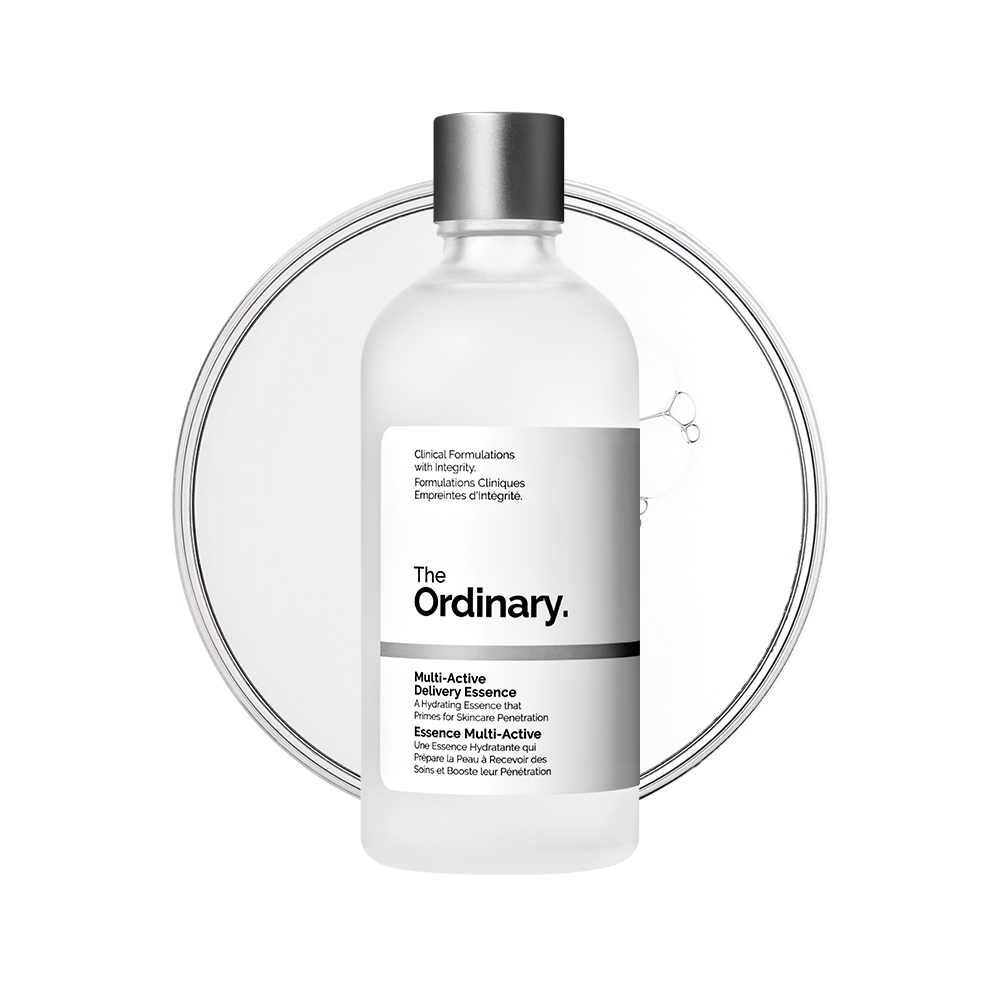
Multi-Active Delivery Essence
The Ordinary

Cica Ampoule Luftig
ODELOI
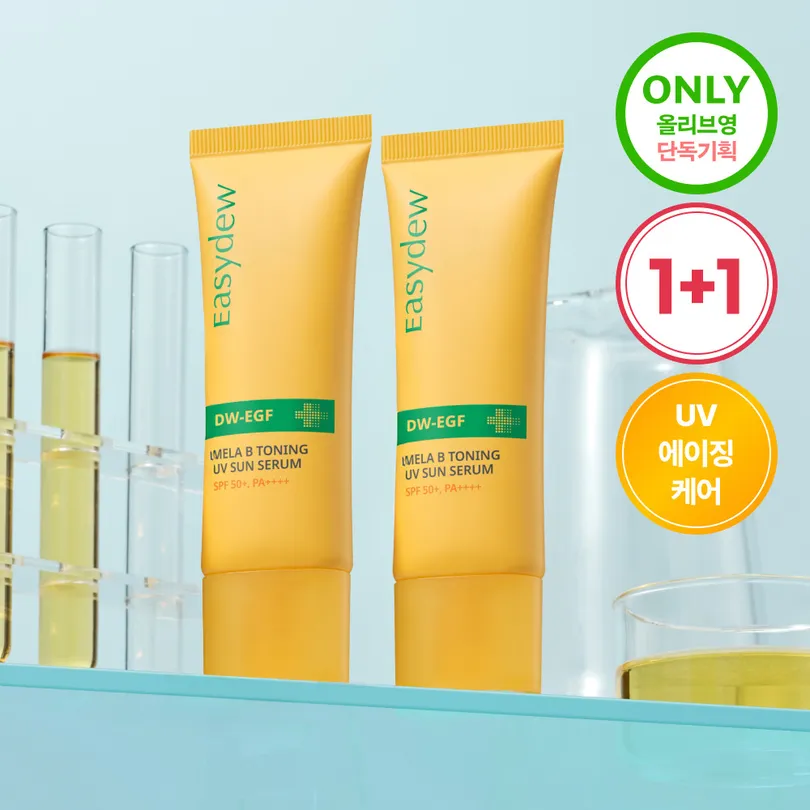
Mela B Toning UV Sun Serum Set
Easydew
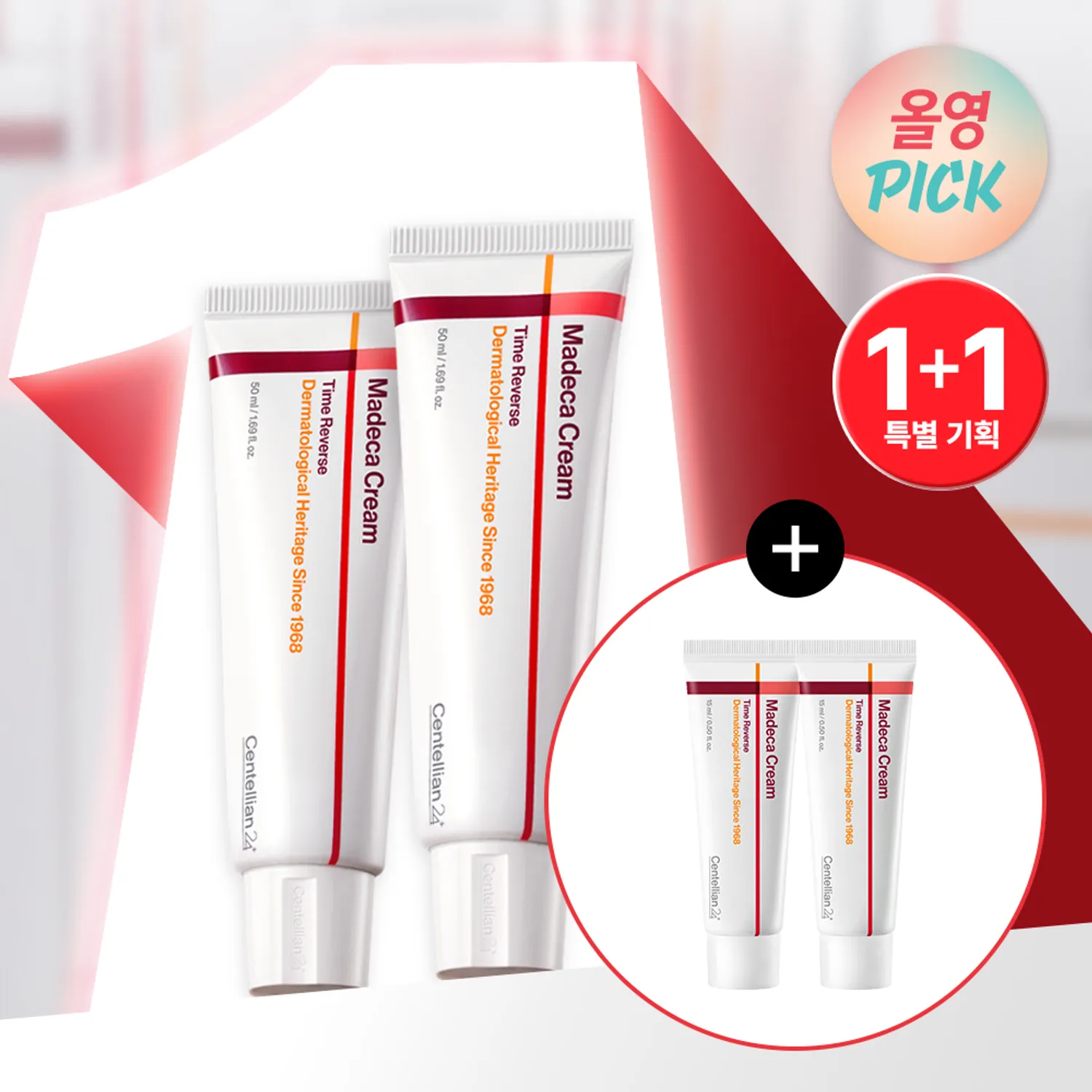
Madeca Cream Time Reverse Double Pack
Centellian24
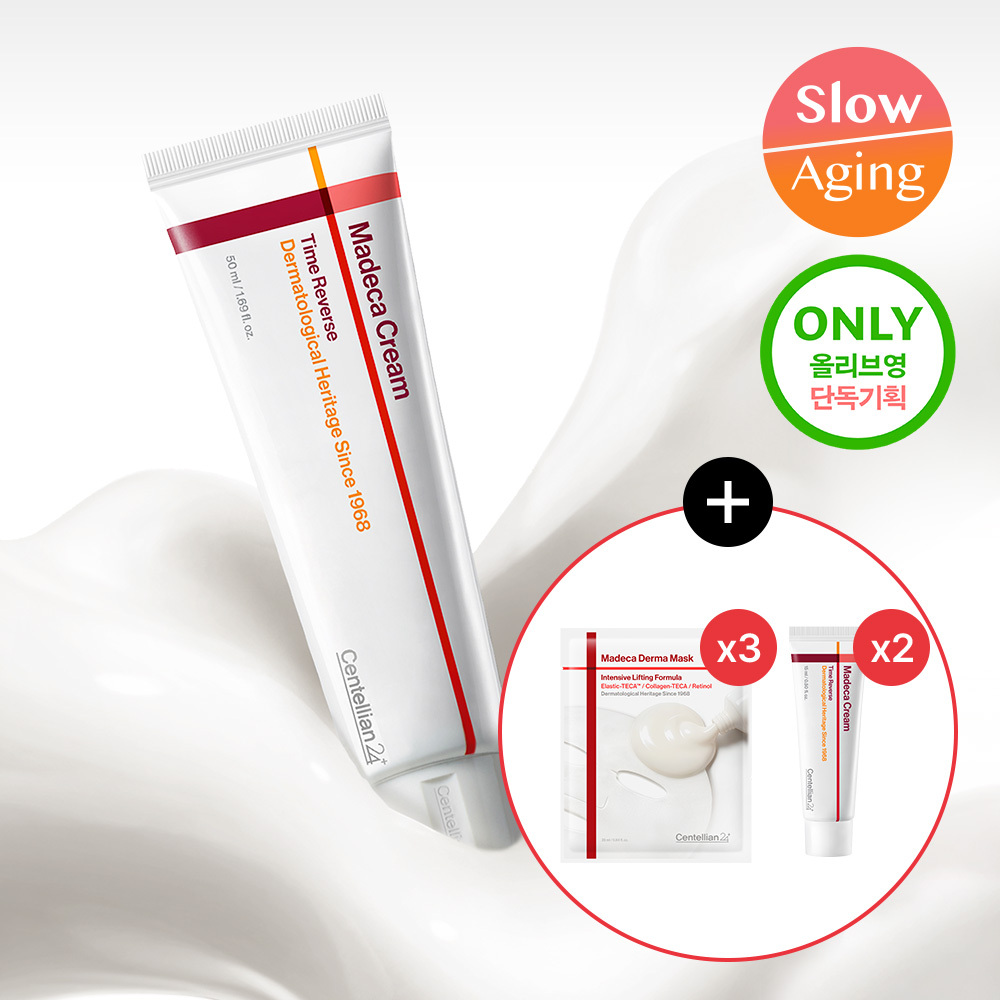
Madeca Cream Time Reverse Set
Centellian24
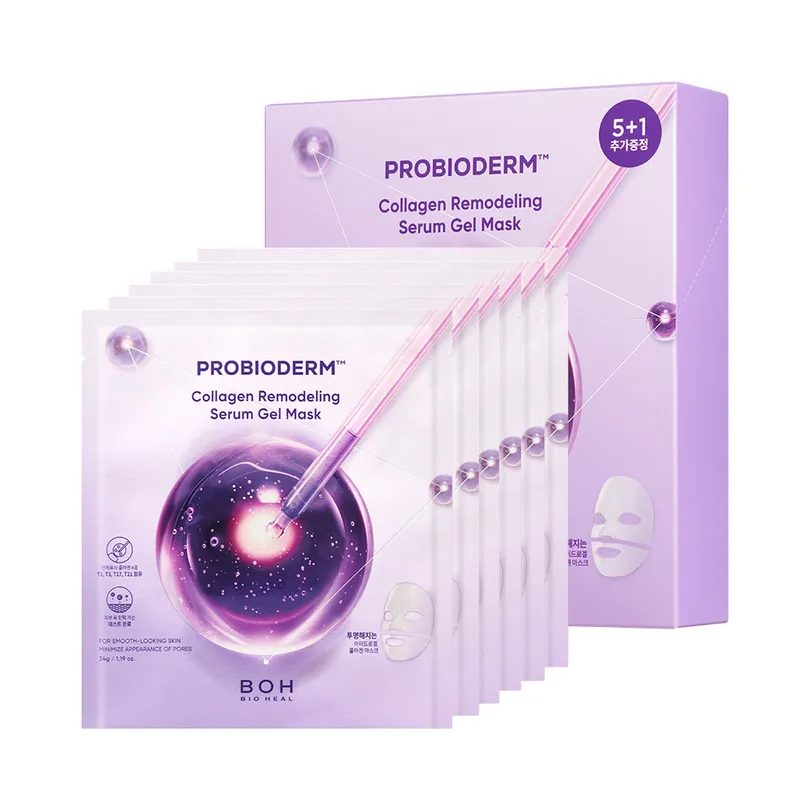
Probioderm Collagen Remodeling Serum Gel Mask Sheet
Bioheal BOH
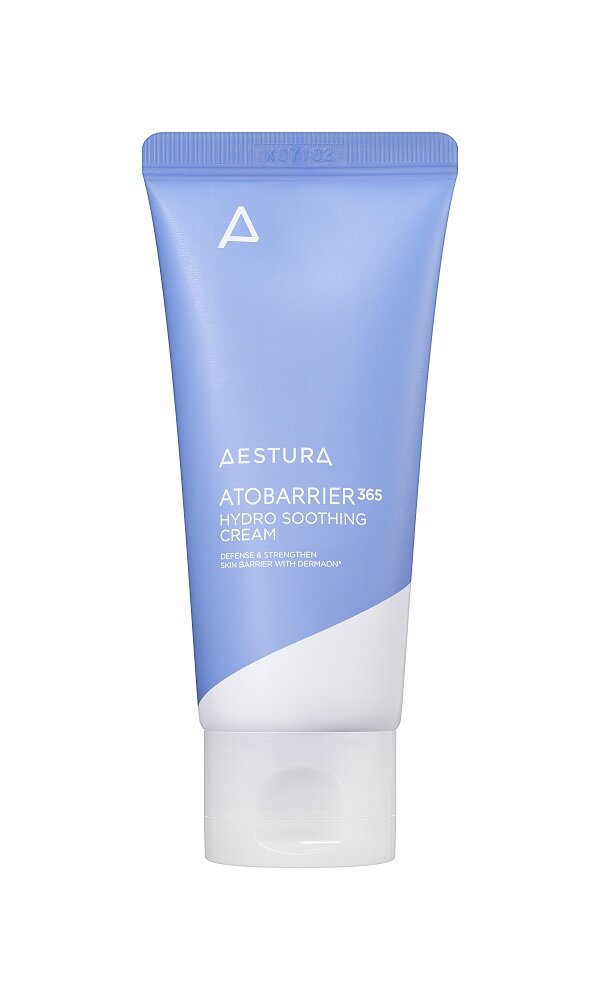
Atobarrier 365 Hydro Soothing Cream
Aestura
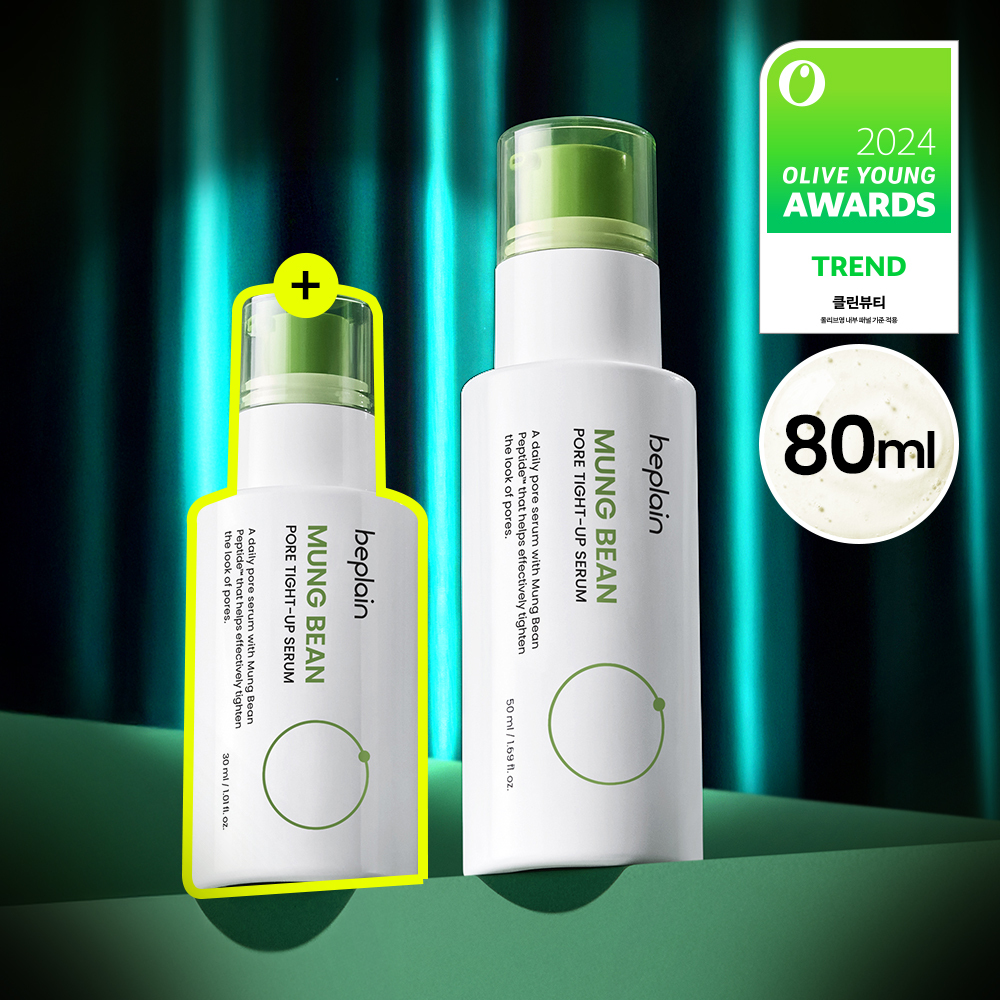
Mung Bean Pore Tight Up Serum
Beplain
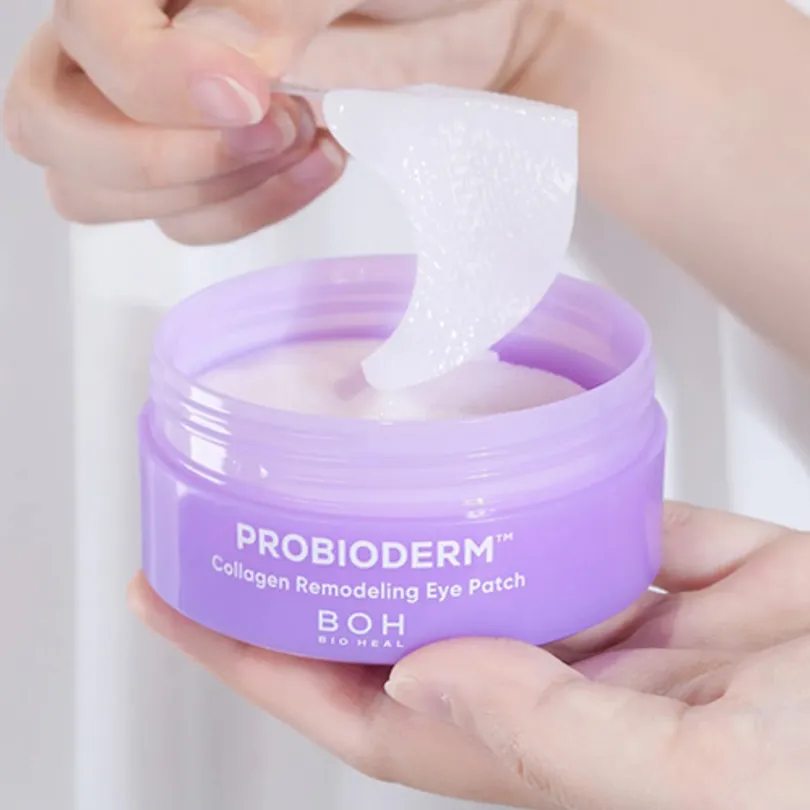
Probioderm Collagen Remodeling Eye Patch
Bioheal BOH
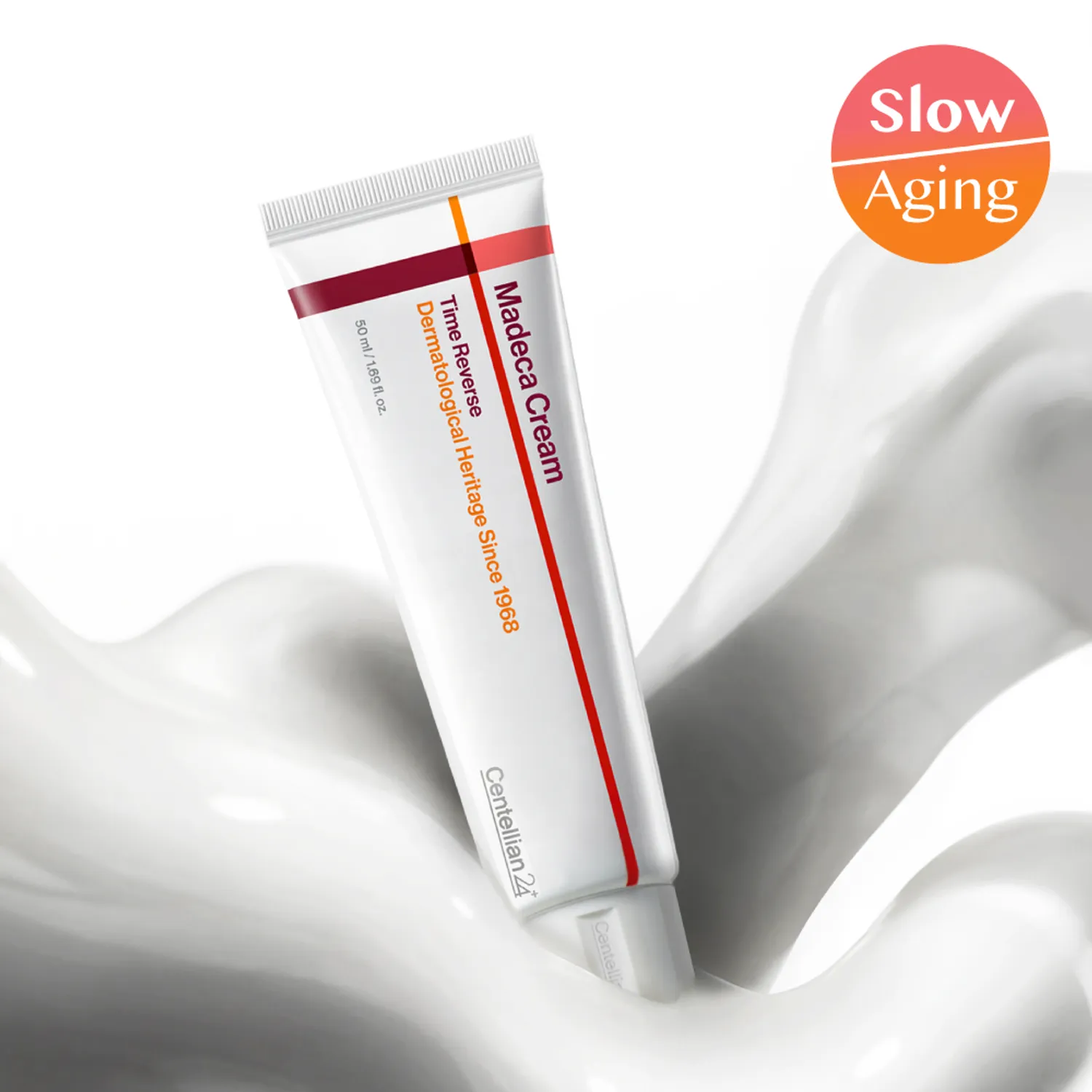
Madeca Cream Time Reverse
Centellian24

Mung Bean Pore Tight-Up Serum
Beplain
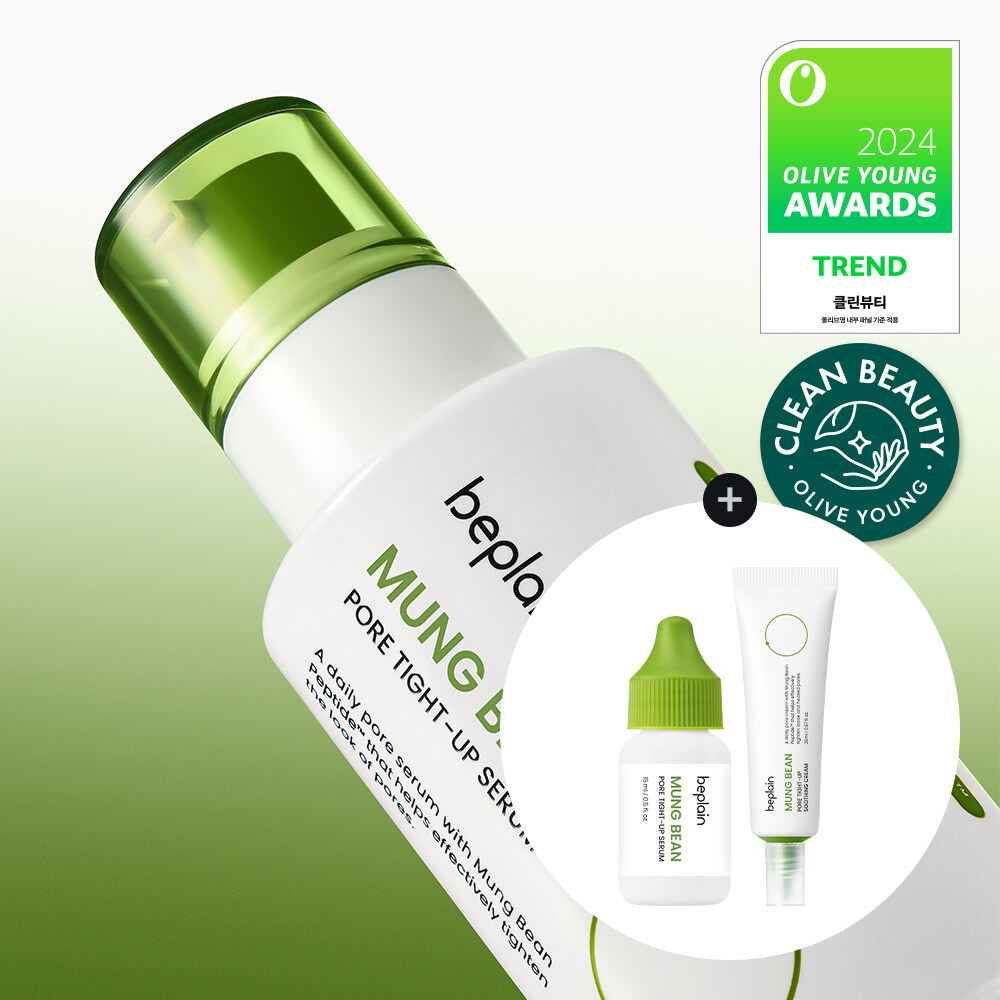
Mung Bean Pore Tight-Up Serum Special Set
Beplain
Frequently Asked Questions
Is glycogen the same as collagen or glycerin?▼
Can glycogen cause breakouts or clog pores?▼
How does glycogen compare to hyaluronic acid for hydration?▼
Is glycogen suitable for sensitive or reactive skin?▼
Explore More
Want personalized ingredient advice?
Yuri, our AI beauty advisor, can tell you how Glycogen works with your specific skin type, routine, and concerns.
Ask Yuri, free