Glycolipids
Moisturizer and skin barrier enhancer
About Glycolipids
Glycolipids are naturally occurring molecules made of sugar (glyco) bonded to fat (lipid) that play a critical role in maintaining your skin's barrier function. Think of them as the mortar between the bricks of your skin cells, helping to seal in moisture and protect against environmental stressors. In K-beauty formulations, glycolipids have gained attention for their ability to mimic the skin's own lipid structure, making them exceptionally compatible with all skin types. They work by integrating seamlessly into the lipid bilayer of the stratum corneum, the outermost layer of skin that acts as your first line of defense. What makes glycolipids particularly interesting is their dual nature: the sugar component attracts and holds water (humectant properties), while the lipid component prevents water loss (occlusive properties). This combination makes them incredibly effective at both hydrating and protecting skin. With an impressive safety rating of 4/5 and a low comedogenic rating of 1/5, glycolipids are suitable for virtually everyone, including those with acne-prone or sensitive skin. Found in 80 K-beauty products on Seoul Sister, they're increasingly featured in barrier-repair formulations alongside ceramides and other lipid-based ingredients, often in products targeting compromised, dehydrated, or sensitized skin.
How Glycolipids Works
At the molecular level, glycolipids function by inserting themselves into the lipid matrix of your skin barrier, where they enhance structural integrity and water-holding capacity. The glyco (sugar) portion faces outward toward the aqueous environment, attracting water molecules through hydrogen bonding and creating a hydration reservoir on the skin's surface. Meanwhile, the lipid (fatty acid) tail embeds itself within the hydrophobic core of the lipid bilayer, reinforcing the barrier's ability to prevent transepidermal water loss (TEWL). This dual-action mechanism addresses both dehydration and barrier dysfunction simultaneously. Glycolipids also play a role in cell signaling and recognition, helping to maintain healthy cell turnover and supporting the skin's natural repair processes. When applied topically, they can help restore balance to a disrupted lipid profile, which is common in conditions like eczema, rosacea, or after using harsh actives like retinoids or acids. Their biocompatibility means they don't trigger inflammatory responses, making them ideal for calming reactive skin while delivering long-lasting hydration.
Glycolipids by Skin Type
Oily Skin
Glycolipids are surprisingly beneficial for oily skin because they provide lightweight hydration without adding greasiness. Their low comedogenic rating (1/5) means they won't clog pores, and by supporting barrier health, they can actually help regulate sebum production over time. Oily skin often produces excess oil to compensate for dehydration, and glycolipids address this underlying issue.
Dry Skin
This is where glycolipids truly shine. Dry skin typically has a compromised lipid barrier and struggles with water retention, both issues that glycolipids directly address. They work synergistically with other barrier-repair ingredients like ceramides and cholesterol to restore the skin's natural moisture seal. Products like Dr. Jart+ Ceramidin Ultra Moisturizing Cream (5.0/5) combine glycolipids with ceramides for maximum dry skin relief.
Combo Skin
Combination skin benefits from glycolipids' balanced approach to hydration. They deliver moisture where needed without overwhelming oilier zones, making them ideal for products meant to be used all over the face. Their ability to normalize barrier function helps even out the differences between dry and oily areas over time.
Sensitive Skin
Glycolipids are exceptionally gentle and well-tolerated by sensitive skin due to their biomimetic nature. They help repair the compromised barriers often seen in sensitive skin types, reducing reactivity and inflammation. Products like SKIN1004's Madagascar Centella Tea-Trica Spot Cream (5.0/5) pair glycolipids with calming ingredients for sensitized, blemish-prone skin.
Normal Skin
Normal skin can use glycolipids as a preventative measure to maintain optimal barrier health. They help preserve the skin's natural balance and protect against environmental damage that could lead to sensitivity or premature aging. Regular use supports long-term skin resilience and hydration.
How to Use Glycolipids
- 1Layer glycolipid-containing products after lighter serums but before heavier creams to maximize barrier penetration and moisture sealing.
- 2Use glycolipid products immediately after exfoliating with acids or retinoids to repair and protect the temporarily compromised barrier.
- 3Apply to damp skin when possible, as the humectant properties of the glyco component work best when there's existing moisture to bind to.
- 4Pair with other lipid-based ingredients like ceramides, cholesterol, and fatty acids for comprehensive barrier repair (look for products like Bioheal BOH's Panthecell Repair Cicasome Cream Set, rated 5.0/5).
- 5Store glycolipid products in a cool, dry place, as the lipid component can oxidize with excessive heat or light exposure, reducing effectiveness.
Background
Glycolipids have been part of skin biology since the beginning, existing naturally in cell membranes throughout the body, but their use in cosmetic formulations is relatively recent. Scientists first isolated and studied glycolipids in the mid-20th century, but it wasn't until the 1990s and 2000s that cosmetic chemists began incorporating them into skincare products. The breakthrough came when researchers discovered that topically applied glycolipids could actually integrate into the skin's existing lipid matrix, making them far more effective than traditional occlusive moisturizers. K-beauty brands were early adopters of glycolipid technology, recognizing their potential for barrier repair and gentle hydration. The ingredient gained particular traction in Korea's emphasis on skin barrier health, often featured alongside ceramides in products targeting sensitized or compromised skin. Today, glycolipids are considered essential in advanced barrier-repair formulations, with brands like Dr. Jart+ and Bioheal BOH making them cornerstone ingredients in their most popular moisturizing and healing products.
K-Beauty Products with Glycolipids
View all 86 →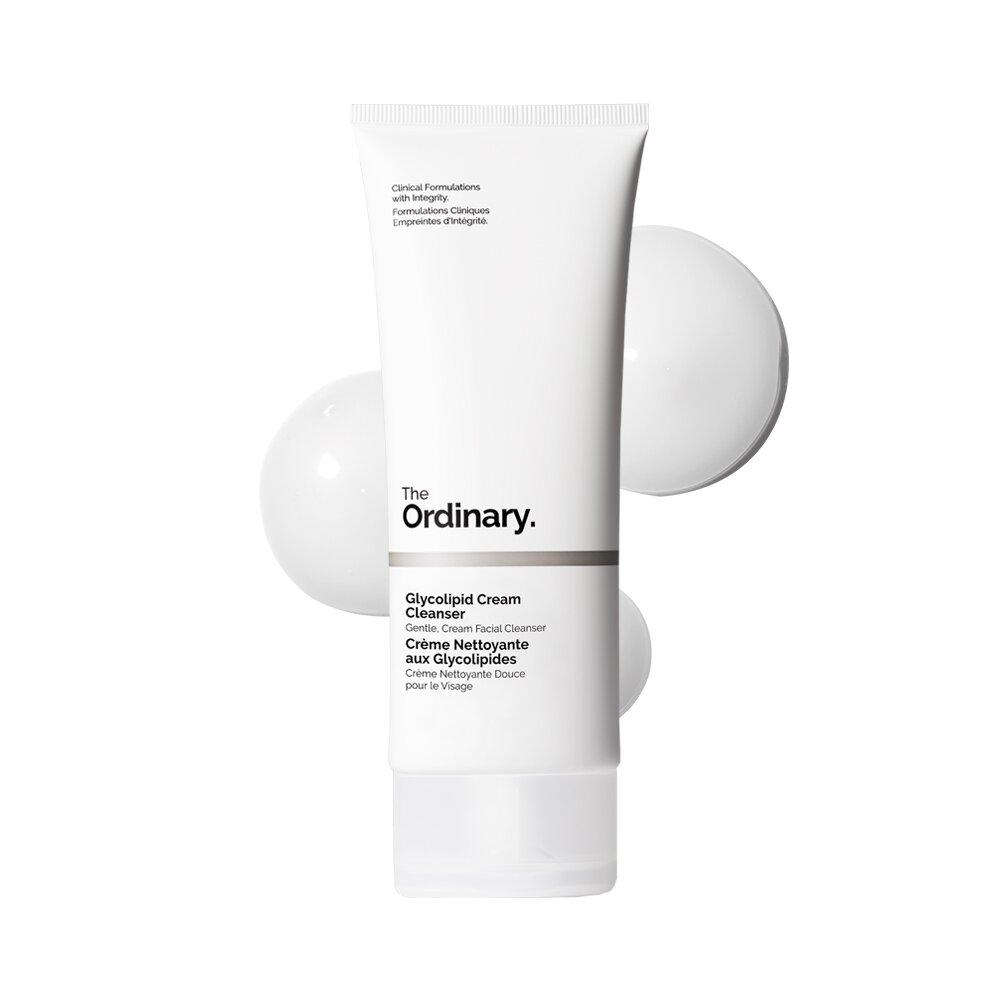
Glycolipid Cream Cleanser
The Ordinary
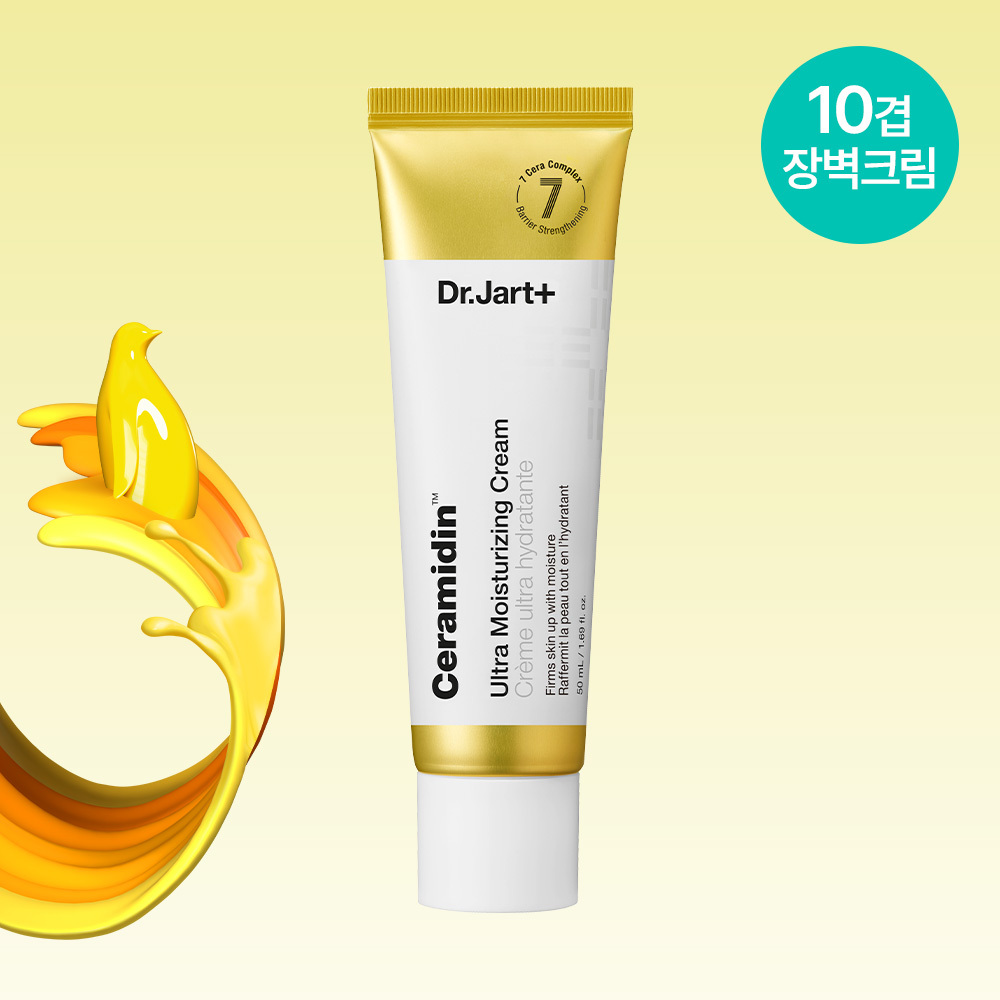
Ceramidin Ultra Moisturizing Cream
Dr. Jart+

Bichup Ultimate Recovery Youth Serum Discovery Set
The Whoo
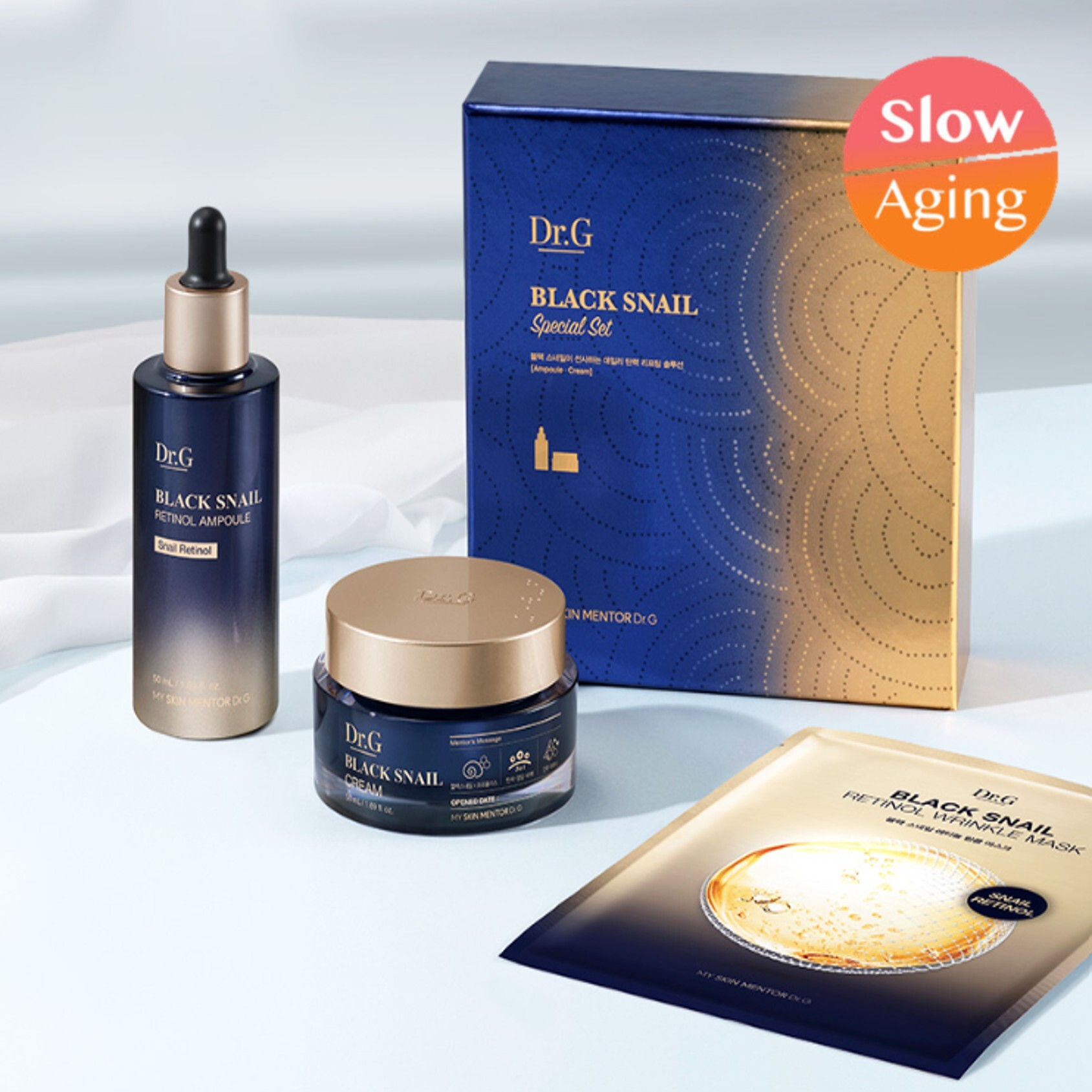
Black Snail Retinol 3P Set (Cream 50ml + Ampoule 50ml + Wrinkle Mask Sheet 1ea)
Dr.G

Zinc Teca Trouble Serum
Bringgreen
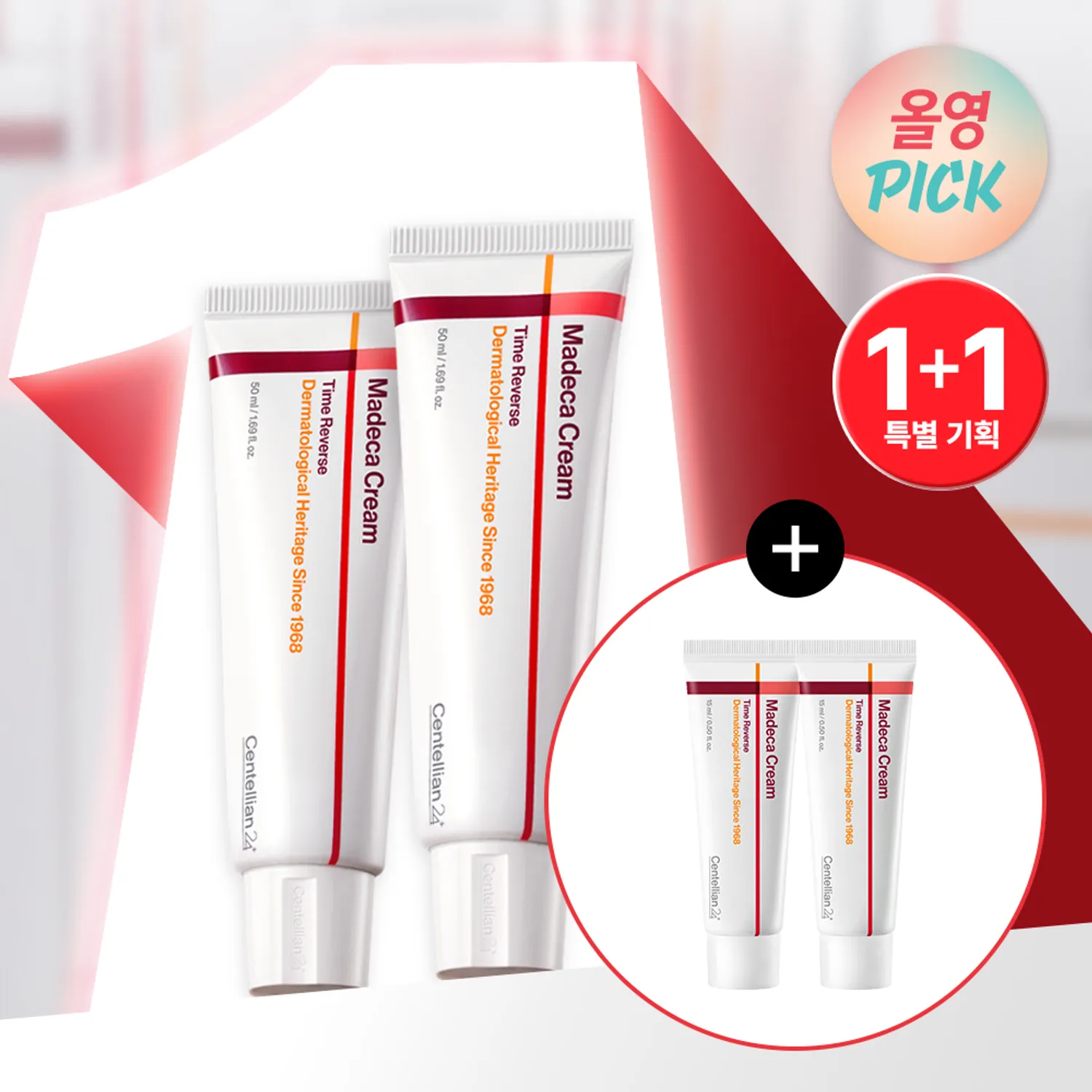
Madeca Cream Time Reverse Double Pack
Centellian24
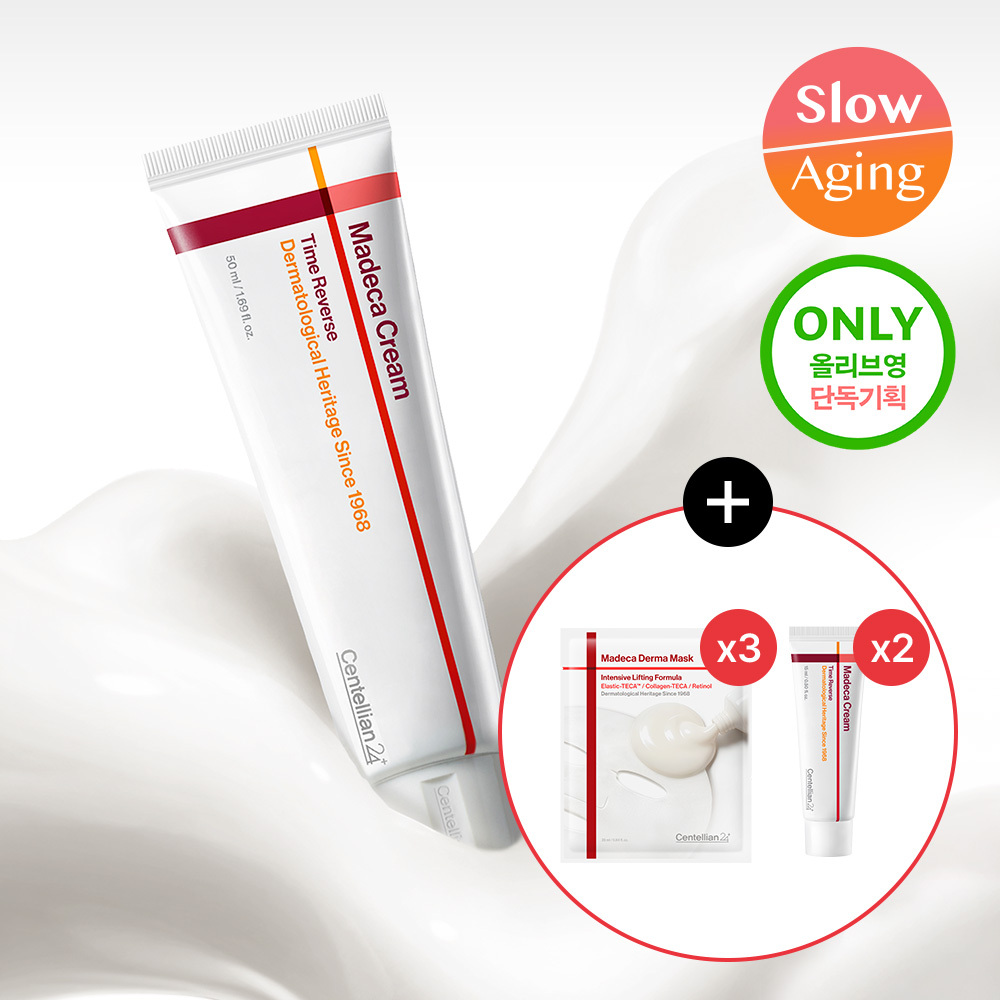
Madeca Cream Time Reverse Set
Centellian24
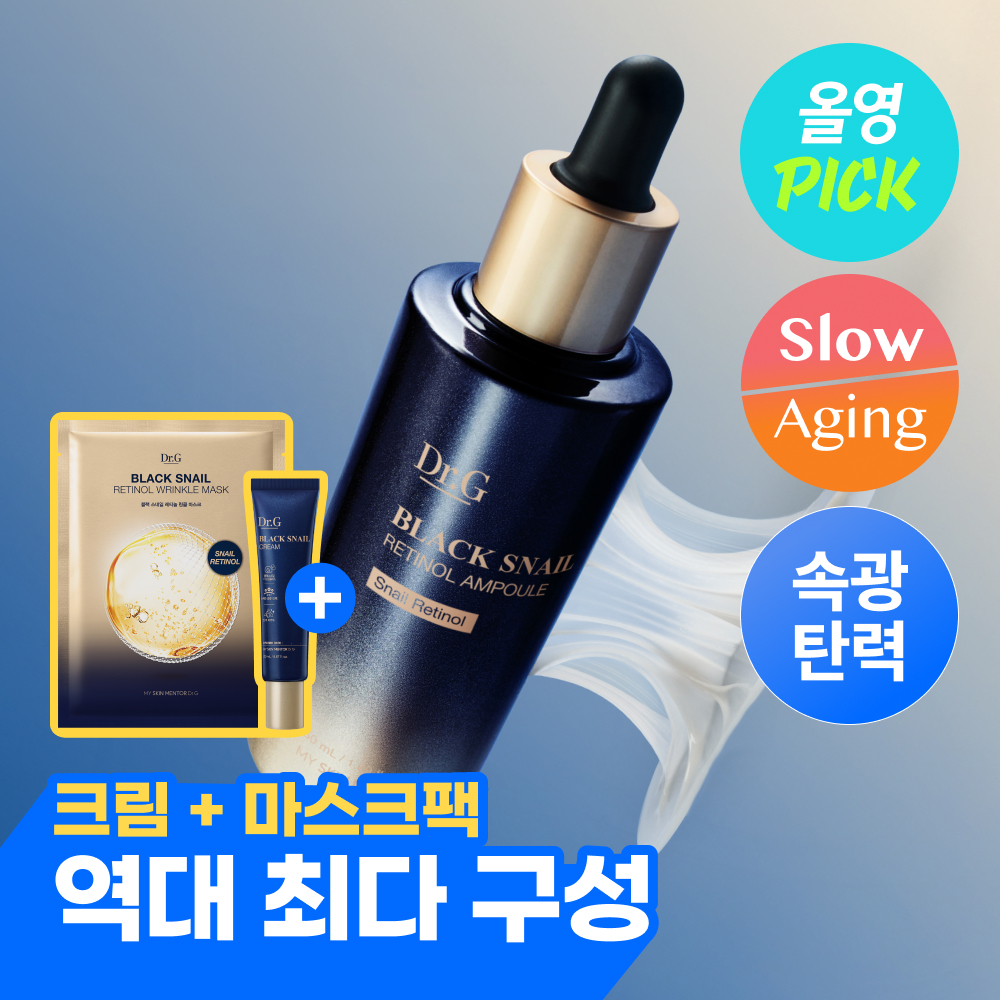
Black Snail Retinol Ampoule Set
Dr.G

Zinc Teca Trouble Serum Double Set
Bringgreen
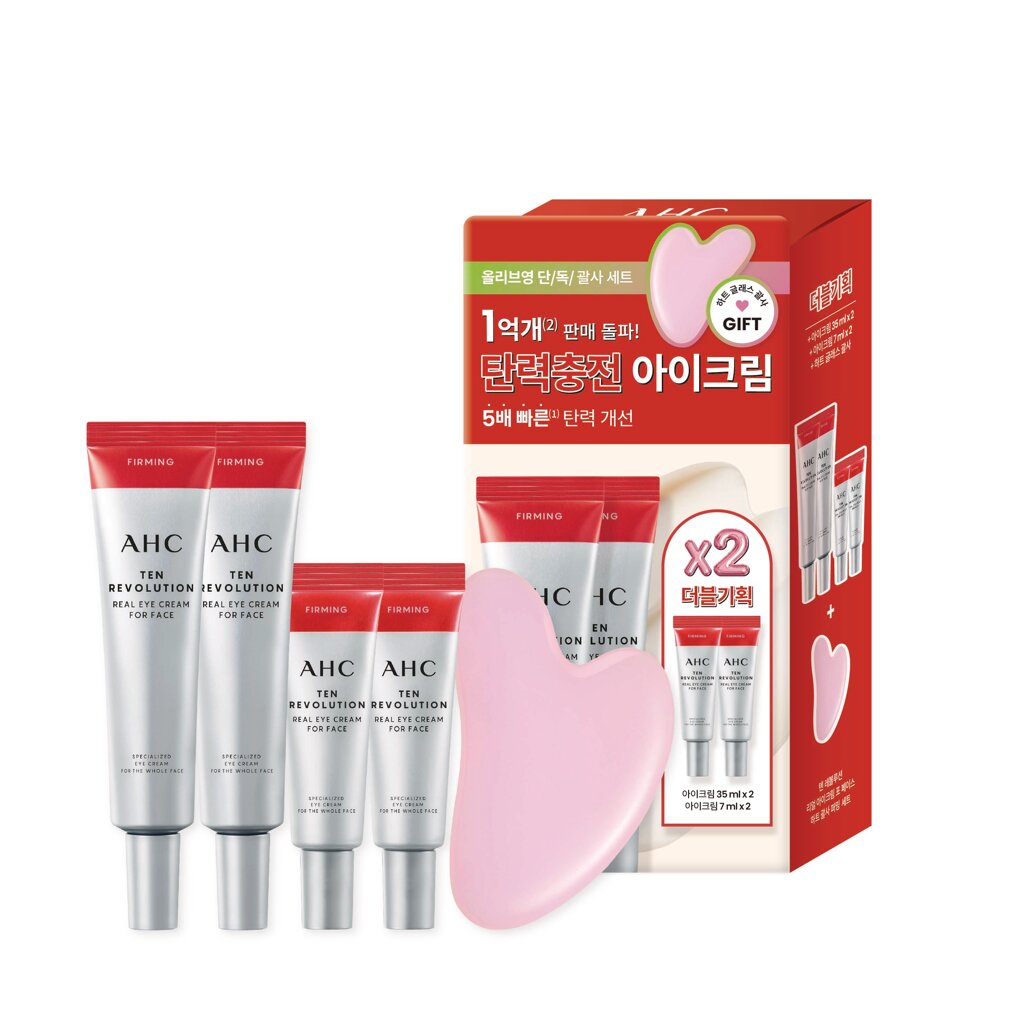
10 Revolution Real Eye Cream For Face
AHC
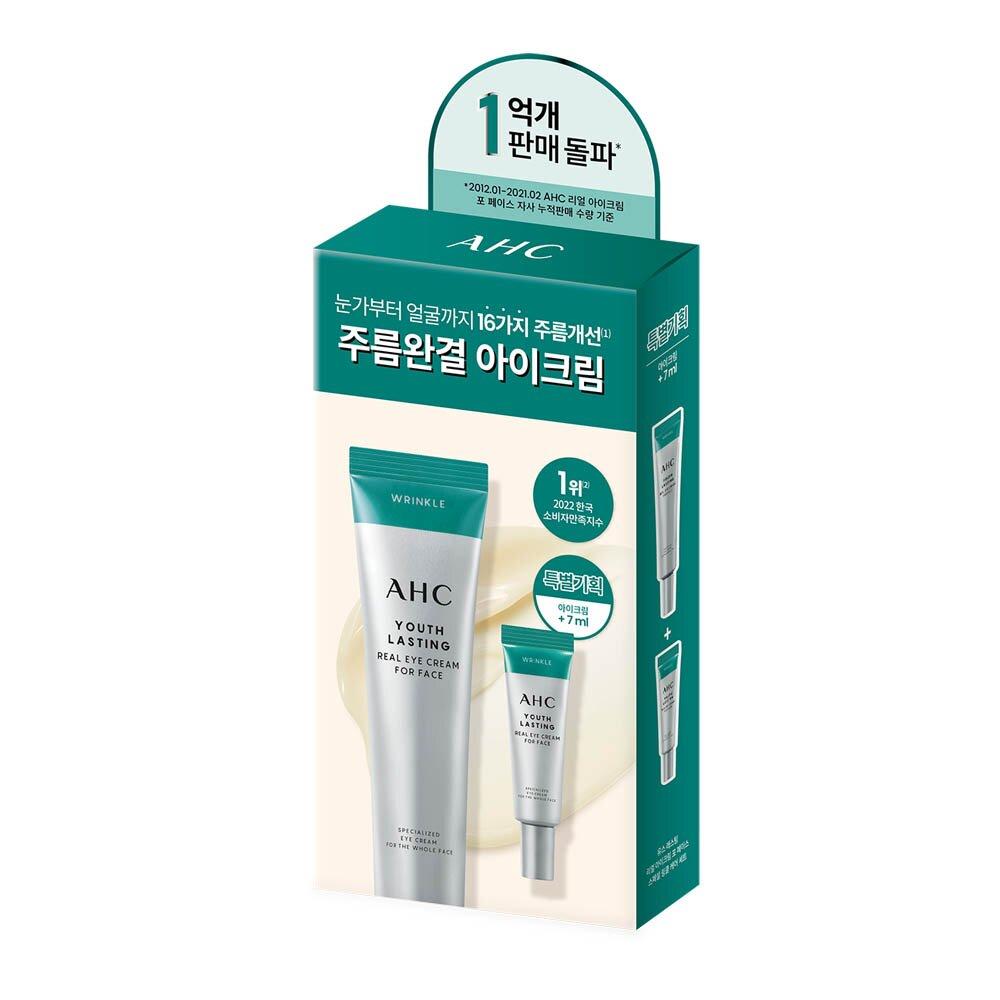
Youth Lasting Real Eye Cream For Face Special Wrinkle Care Set
AHC
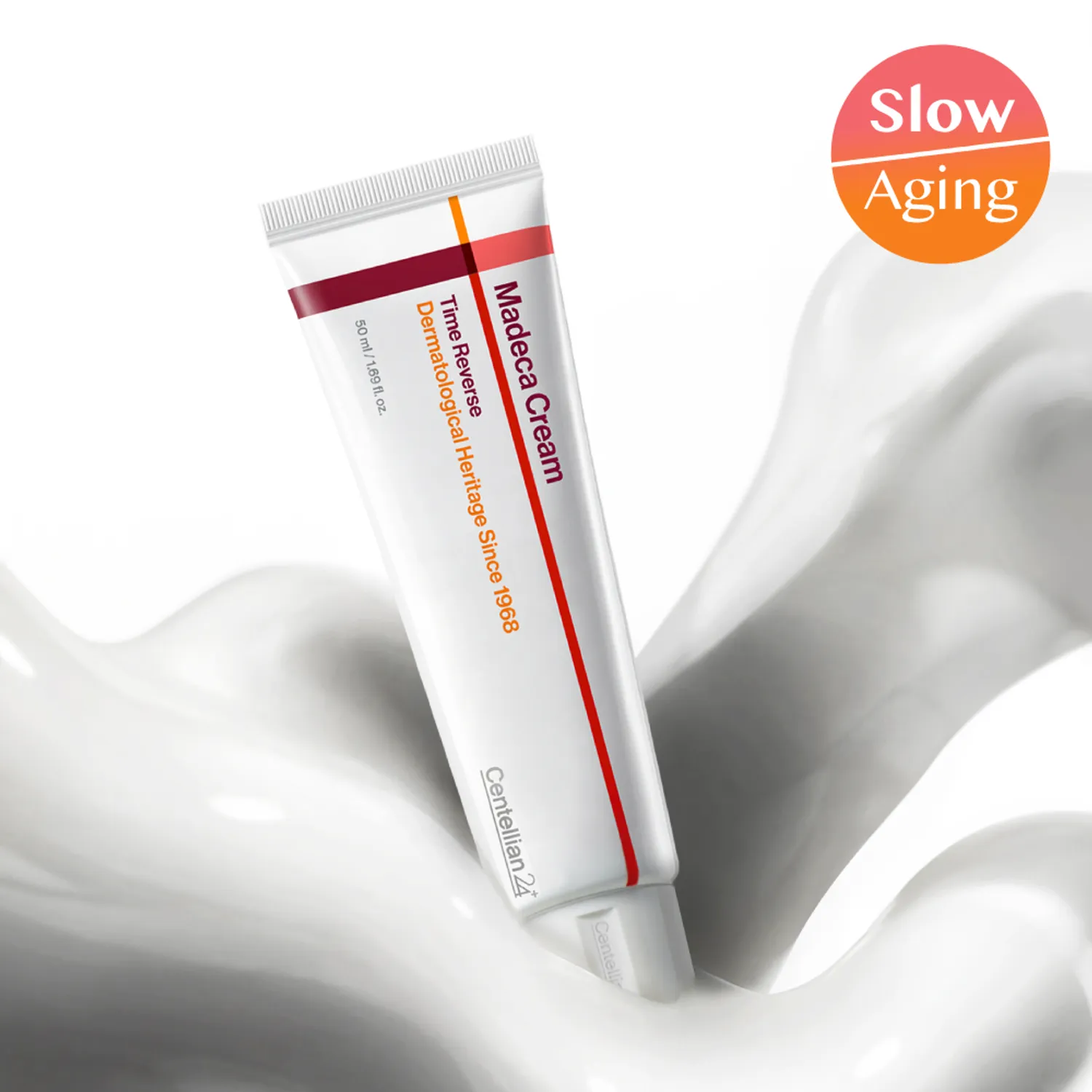
Madeca Cream Time Reverse
Centellian24
Frequently Asked Questions
Are glycolipids the same as ceramides?▼
Can glycolipids cause breakouts?▼
How long does it take to see results from glycolipids?▼
Can I use glycolipids with active ingredients like retinol or acids?▼
Are glycolipids vegan and cruelty-free?▼
Explore More
Want personalized ingredient advice?
Yuri, our AI beauty advisor, can tell you how Glycolipids works with your specific skin type, routine, and concerns.
Ask Yuri, free