Glycosaminoglycans
Humectant and skin barrier support
About Glycosaminoglycans
Glycosaminoglycans, often abbreviated as GAGs, are long-chain polysaccharides that naturally occur in your skin's extracellular matrix. They're essentially the molecules that hold water in your skin, with the most famous member of the family being hyaluronic acid. In K-beauty formulations, GAGs work as powerful humectants that can attract and bind up to 1,000 times their weight in water, making them essential for maintaining skin hydration and plumpness. What makes glycosaminoglycans particularly valuable is their dual function: they don't just hydrate the surface, they also support the structural integrity of your skin barrier by filling the spaces between collagen and elastin fibers. This is why you'll find them in high-performance serums like Bioheal BOH's Probioderm Collagen Remodeling Serum (rated 5.0/5), where they work synergistically with other barrier-supporting ingredients. K-beauty brands have become experts at incorporating GAGs into lightweight, fast-absorbing textures that layer beautifully with other products. With a comedogenic rating of 0/5, glycosaminoglycans are safe for all skin types and won't clog pores, making them a staple in everything from pore-refining ampoules to intensive collagen-boosting treatments.
How Glycosaminoglycans Works
At the molecular level, glycosaminoglycans function through their unique negatively charged structure, which creates a natural affinity for water molecules. When applied topically, GAGs form a gel-like matrix on your skin's surface that traps moisture and creates a hydration reservoir. This isn't just surface-level hydration: GAGs penetrate into the upper layers of the epidermis where they integrate with your skin's existing GAG network. They work by filling the intercellular spaces in your stratum corneum, the outermost layer of skin, which helps maintain optimal water balance and supports the lipid barrier. The sulfate groups in many GAGs (like chondroitin sulfate) also have anti-inflammatory properties that calm irritation at a cellular level. Perhaps most importantly, GAGs signal to fibroblasts (the cells that produce collagen) to maintain their activity, which is why they're often found in anti-aging formulations. When your skin is well-hydrated with GAGs, it maintains better elasticity, resilience, and the ability to repair itself from environmental damage.
Glycosaminoglycans by Skin Type
Oily Skin
Glycosaminoglycans are excellent for oily skin because they provide lightweight, non-greasy hydration that won't trigger excess sebum production. The water-binding properties help balance skin moisture levels, which can actually reduce the overproduction of oil that often occurs when skin is dehydrated. Products like Sungboon Editor's Green Tomato NMN Pore Lifting Ampoule (4.9/5) combine GAGs with pore-refining ingredients for oily skin types.
Dry Skin
This is where glycosaminoglycans truly shine. Their ability to hold up to 1,000 times their weight in water makes them one of the most effective ingredients for combating dehydration and flakiness. GAGs help restore the skin's natural moisture barrier, reducing trans-epidermal water loss and keeping skin plump and comfortable throughout the day. For dry skin, look for GAG-rich serums layered under a moisturizer to lock in maximum hydration.
Combo Skin
Combination skin benefits from the balancing properties of glycosaminoglycans, which hydrate dry zones without overwhelming oily areas. The lightweight texture of most GAG serums absorbs quickly and can be applied more generously to dry patches while using a lighter application on the T-zone. Their non-comedogenic nature means you can use them freely across your entire face without worrying about breakouts in oilier areas.
Sensitive Skin
Glycosaminoglycans are naturally found in skin, making them exceptionally well-tolerated and gentle for sensitive types. They provide soothing hydration without the irritation risk of some other humectants, and their anti-inflammatory properties can actually help calm redness and reactivity. The safety rating of 4/5 reflects their broad compatibility, though as with any ingredient, patch testing is wise if you have extremely reactive skin.
Normal Skin
For normal skin, glycosaminoglycans help maintain the healthy balance you already have. They're particularly valuable as a preventative anti-aging ingredient, supporting your skin's natural collagen network and keeping hydration levels optimal. Using GAG-containing products like the Bioheal BOH Probioderm line helps preserve your skin's resilience and can delay the visible signs of aging by maintaining structural integrity.
How to Use Glycosaminoglycans
- 1Apply GAG serums to damp skin right after cleansing for maximum water-binding benefit, as they need moisture from the environment or your skin to work effectively.
- 2Layer glycosaminoglycans before heavier creams or oils. Their water-loving nature means they should be applied in the water-based serum stage of your routine.
- 3In dry climates or air-conditioned environments, follow your GAG serum with an occlusive moisturizer to prevent the humectant from pulling water from your skin instead of the air.
- 4GAGs work beautifully in combination with collagen-supporting ingredients like peptides and retinol, enhancing the overall anti-aging benefits of your routine.
- 5For best results, use glycosaminoglycan products consistently twice daily. Unlike some actives, they're gentle enough for both morning and evening application without any downtime.
Background
Glycosaminoglycans were first identified in the 1930s by German biochemist Karl Meyer, who isolated hyaluronic acid from the vitreous body of cow eyes. The term comes from the Greek words for 'sweet' (glyco) and 'sugar amine' (amino sugar), reflecting their chemical structure. For decades, GAGs were primarily used in medical applications like joint injections and eye surgery. The skincare industry caught on much later, with hyaluronic acid becoming a cosmetic ingredient in the 1980s. K-beauty brands elevated GAG technology in the 2010s by developing more sophisticated formulations that combined multiple types of GAGs in various molecular weights, creating products that could penetrate different skin layers. Korean cosmetic chemists pioneered the use of fermented and bioengineered GAGs, which offer better stability and absorption than animal-derived versions. Today, GAGs are a cornerstone of the K-beauty hydration approach, found in everything from essence layers to intensive ampoules.
K-Beauty Products with Glycosaminoglycans
View all 16 →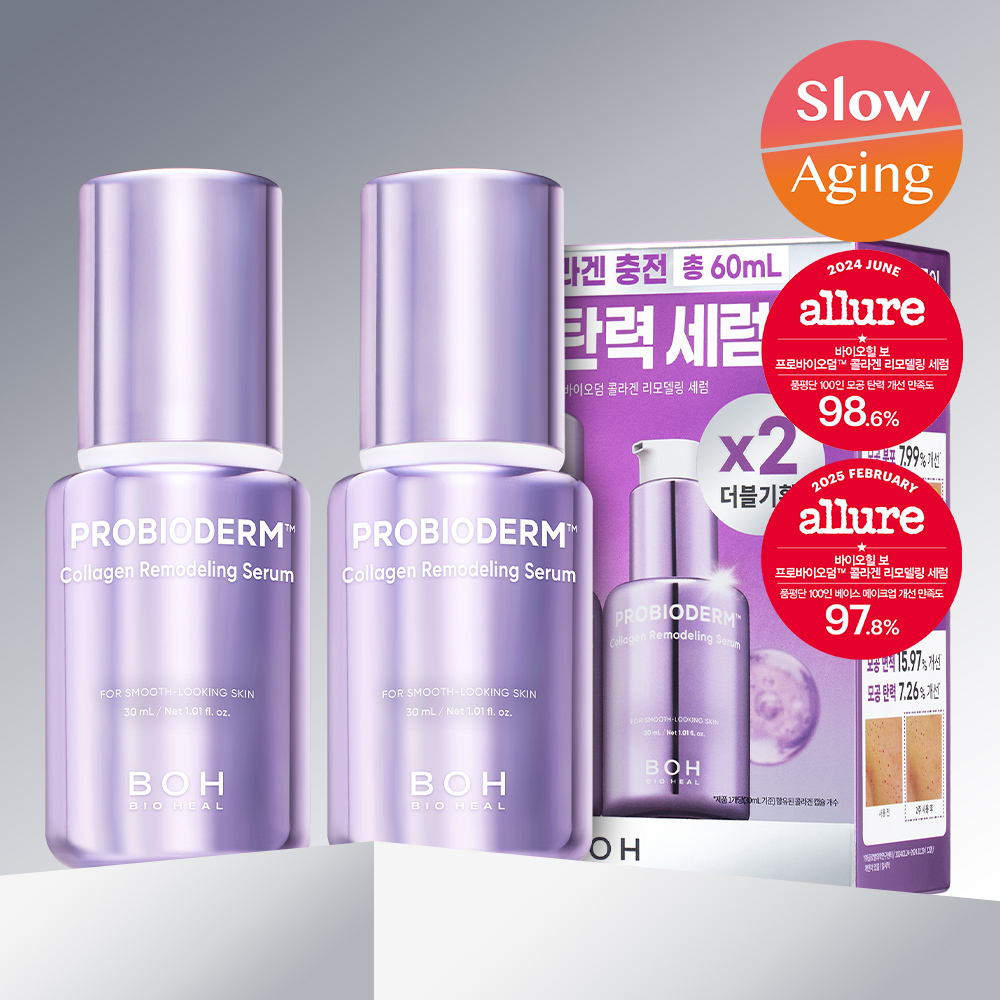
Probioderm Collagen Remodeling Serum
Bioheal BOH
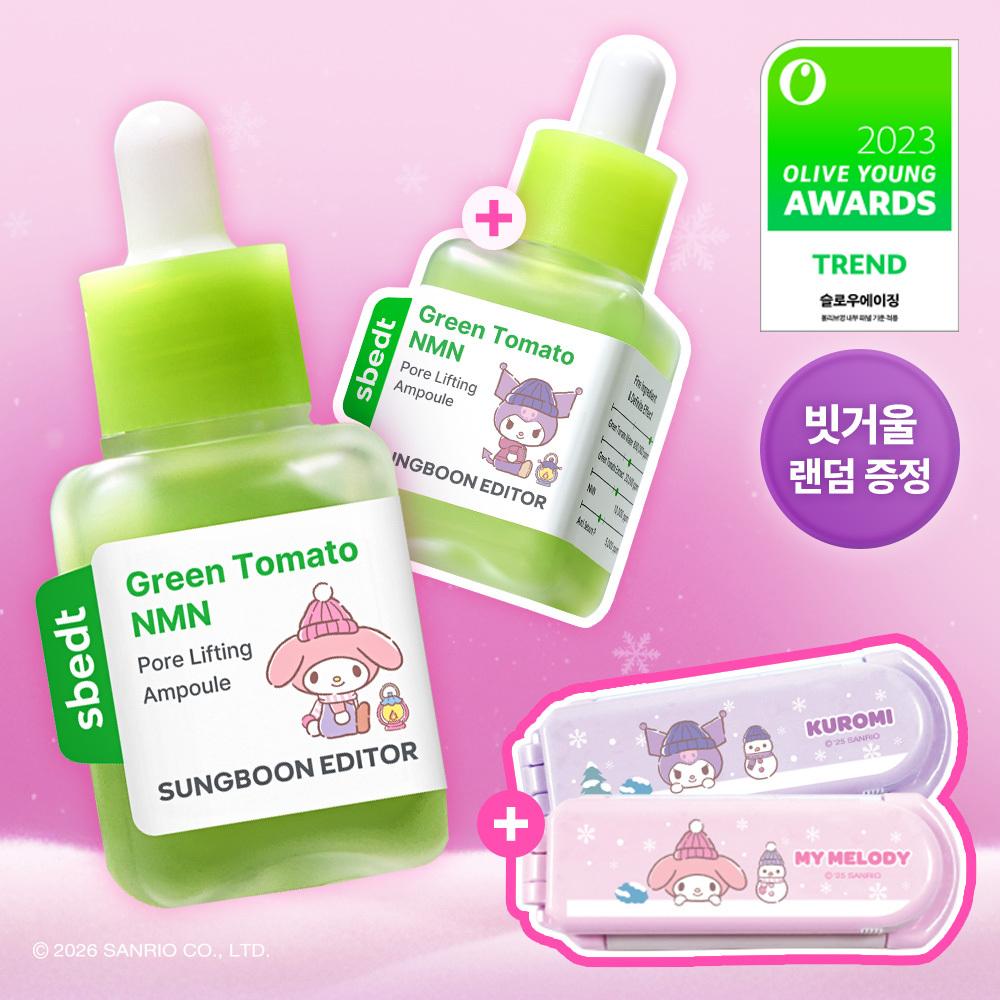
Green Tomato NMN Pore Lifting Ampoule
Sungboon Editor
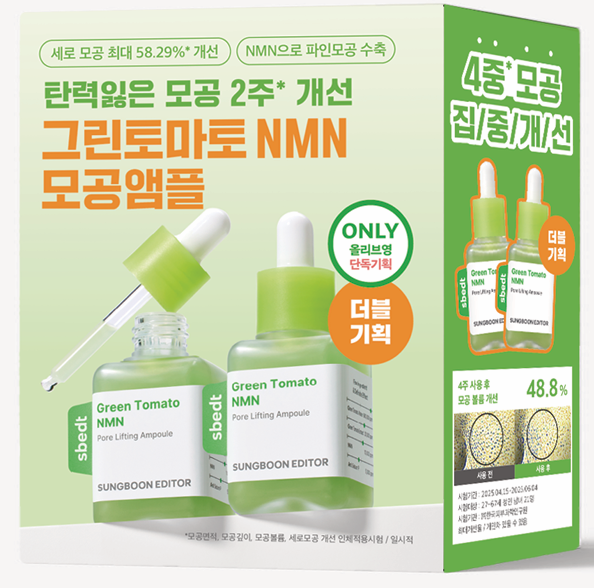
Green Tomato NMN Pore Lifting Ampoule Double Pack
Sungboon Editor
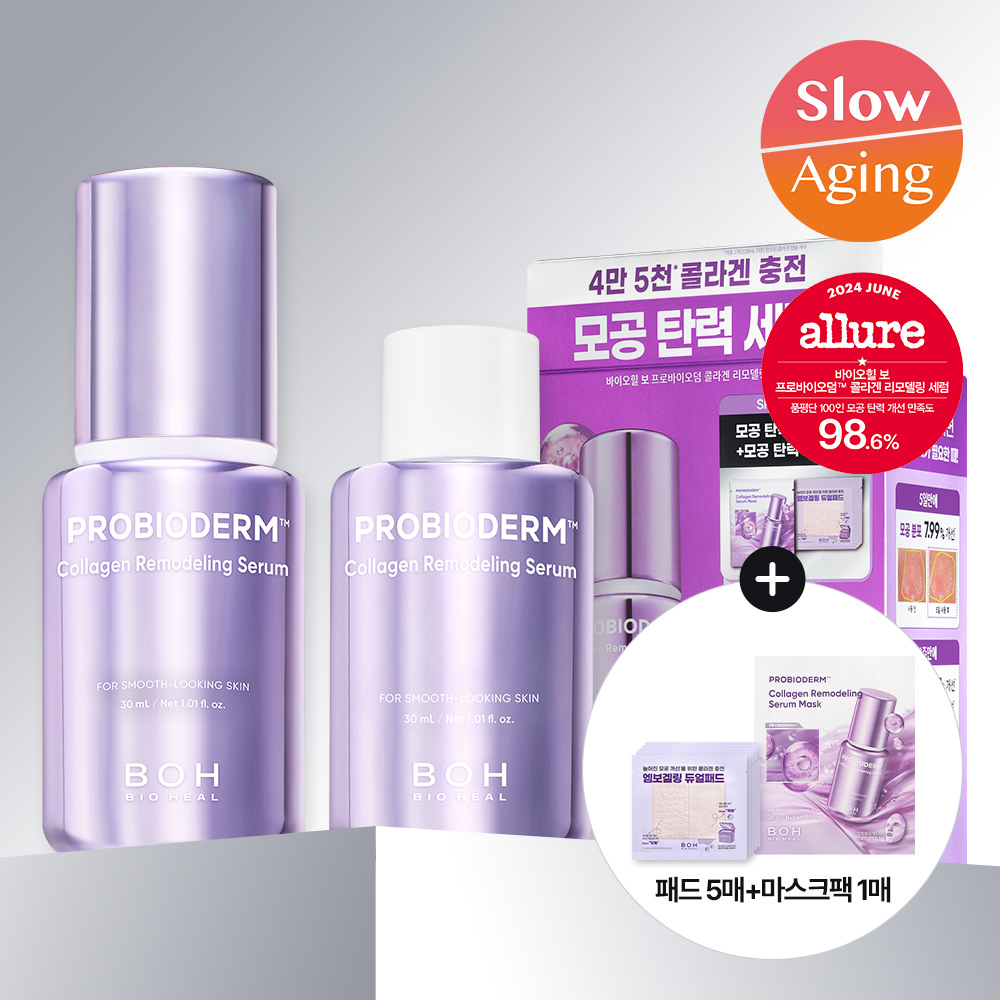
Probioderm Collagen Remodelling Serum Refill Set
Bioheal BOH
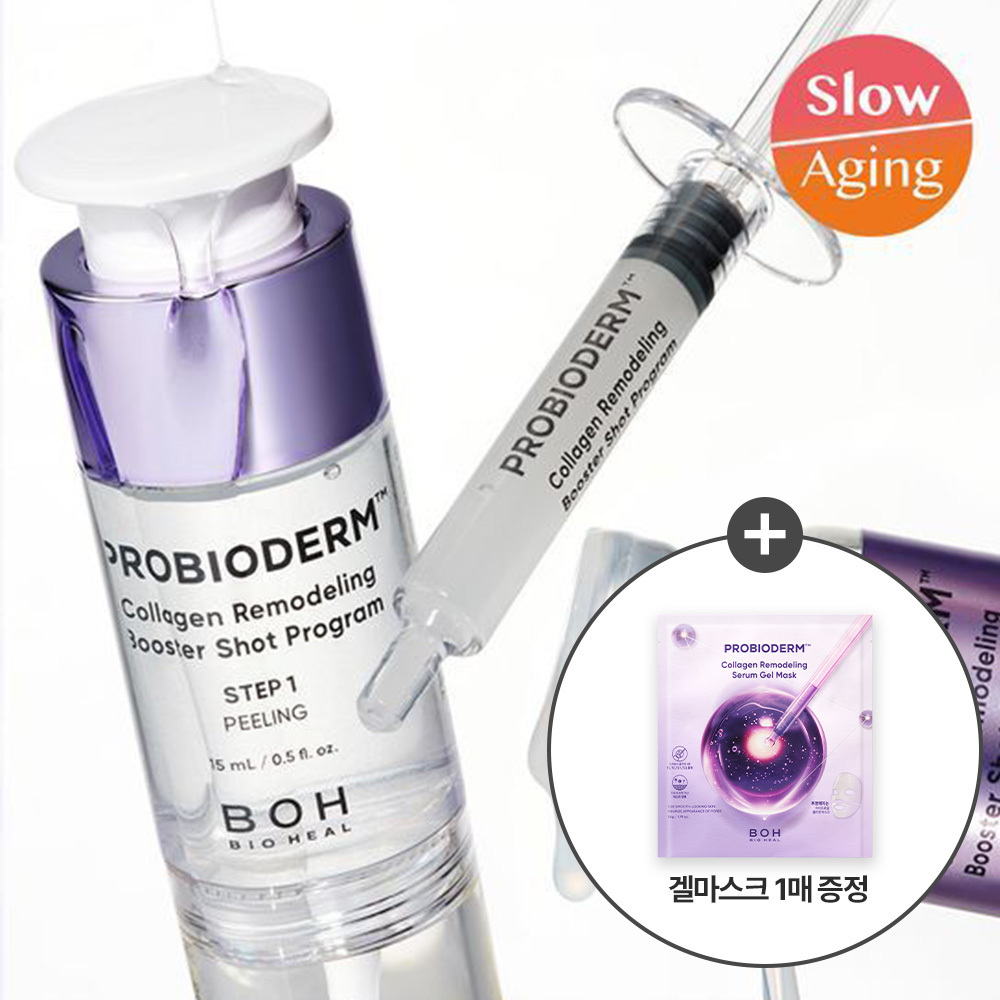
Probioderm Collagen Remodeling Booster Shot Special Set
Bioheal BOH
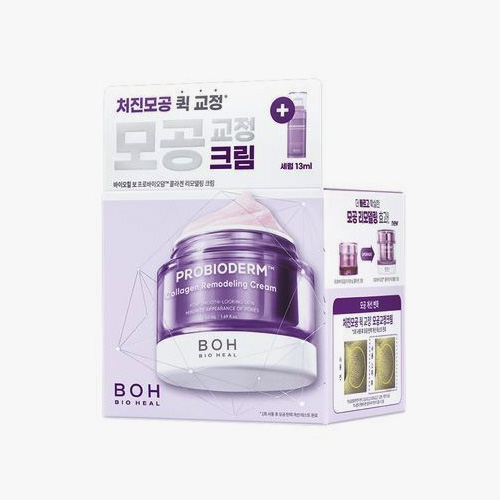
Probioderm Collagen Remodeling Cream
Bioheal BOH
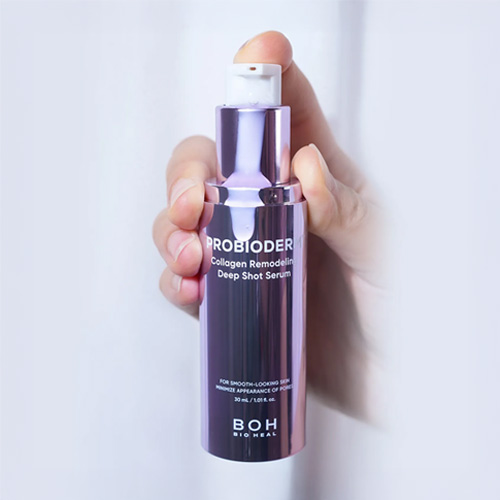
Probioderm Collagen Remodeling Deep Shot Serum
Bioheal BOH
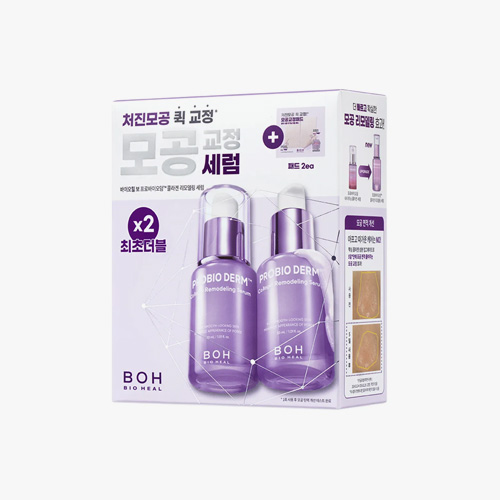
Probioderm Collagen Remodeling Serum Double Pack
Bioheal BOH
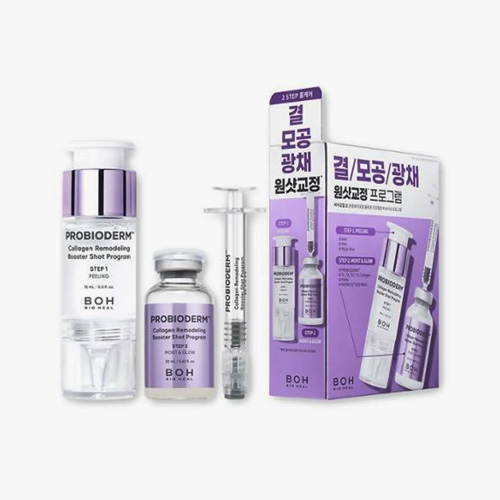
Probioderm Collagen Remodeling Booster Shot Program
Bioheal BOH
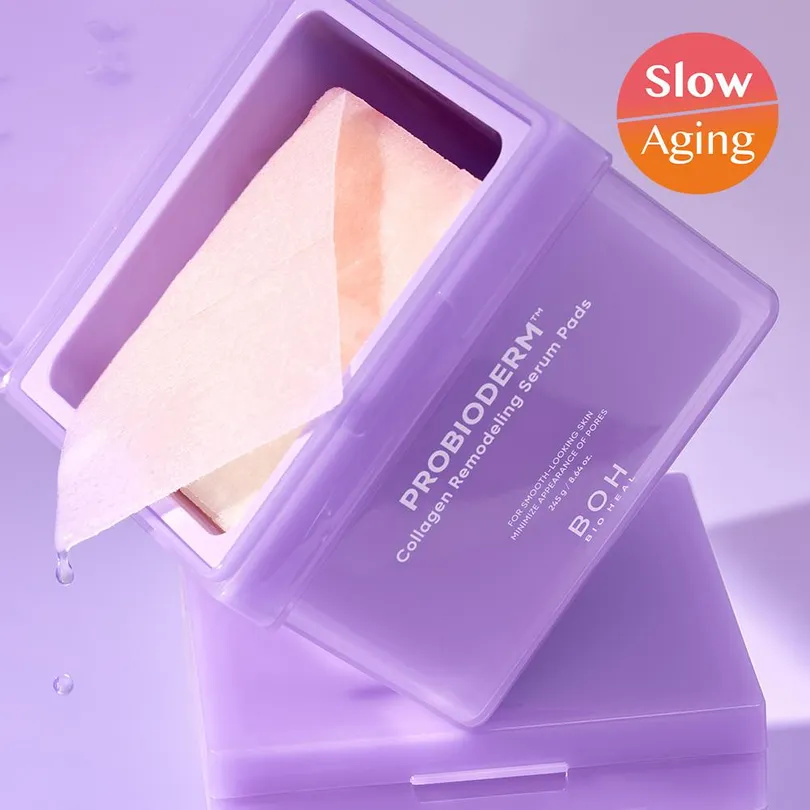
Probioderm Collagen Remodeling Serum Pads 70P
Bioheal BOH
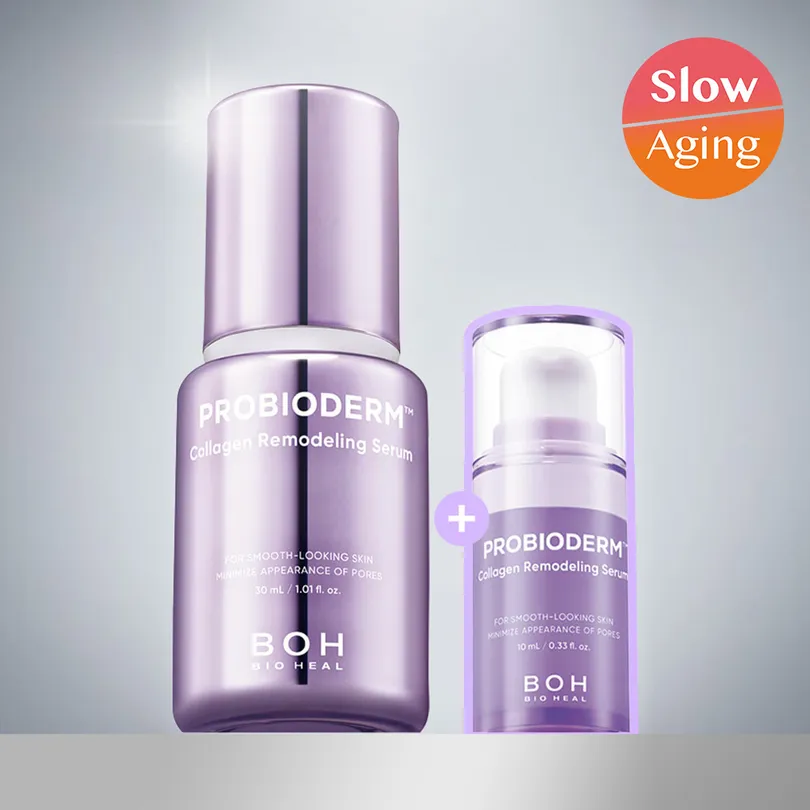
Probioderm Collagen Remodeling Serum 30ml Double Set
Bioheal BOH
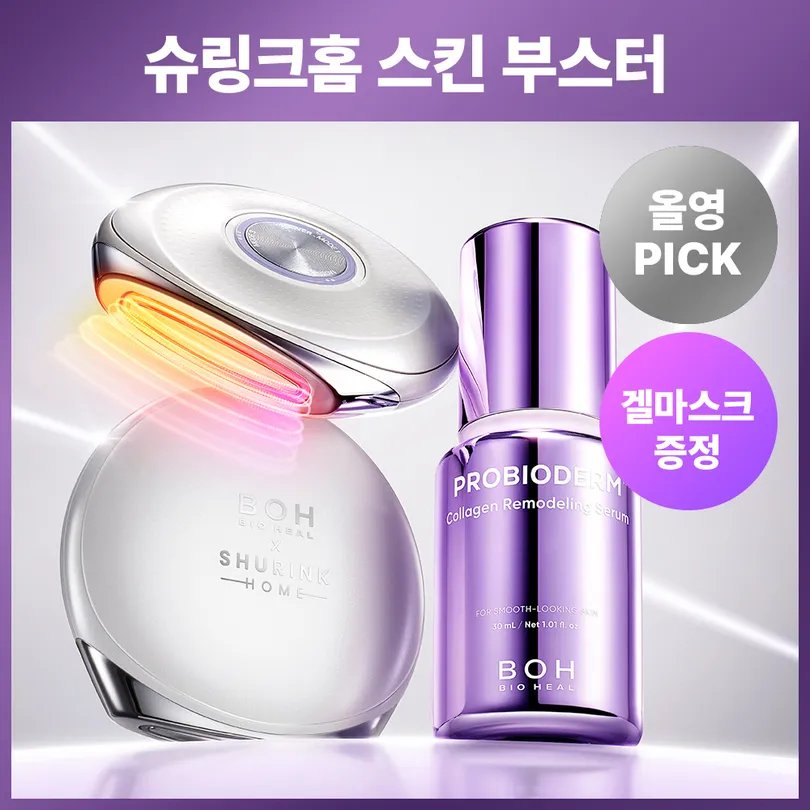
Probioderm Collagen Remodeling Serum Set
Bioheal BOH
Frequently Asked Questions
Is glycosaminoglycans the same as hyaluronic acid?▼
Can glycosaminoglycans help with pores and skin texture?▼
Will glycosaminoglycans break me out?▼
How long does it take to see results from glycosaminoglycans?▼
Can I use glycosaminoglycans with vitamin C or retinol?▼
Explore More
Want personalized ingredient advice?
Yuri, our AI beauty advisor, can tell you how Glycosaminoglycans works with your specific skin type, routine, and concerns.
Ask Yuri, free