Glycosphingolipids
Lipid barrier support and skin moisture retention
About Glycosphingolipids
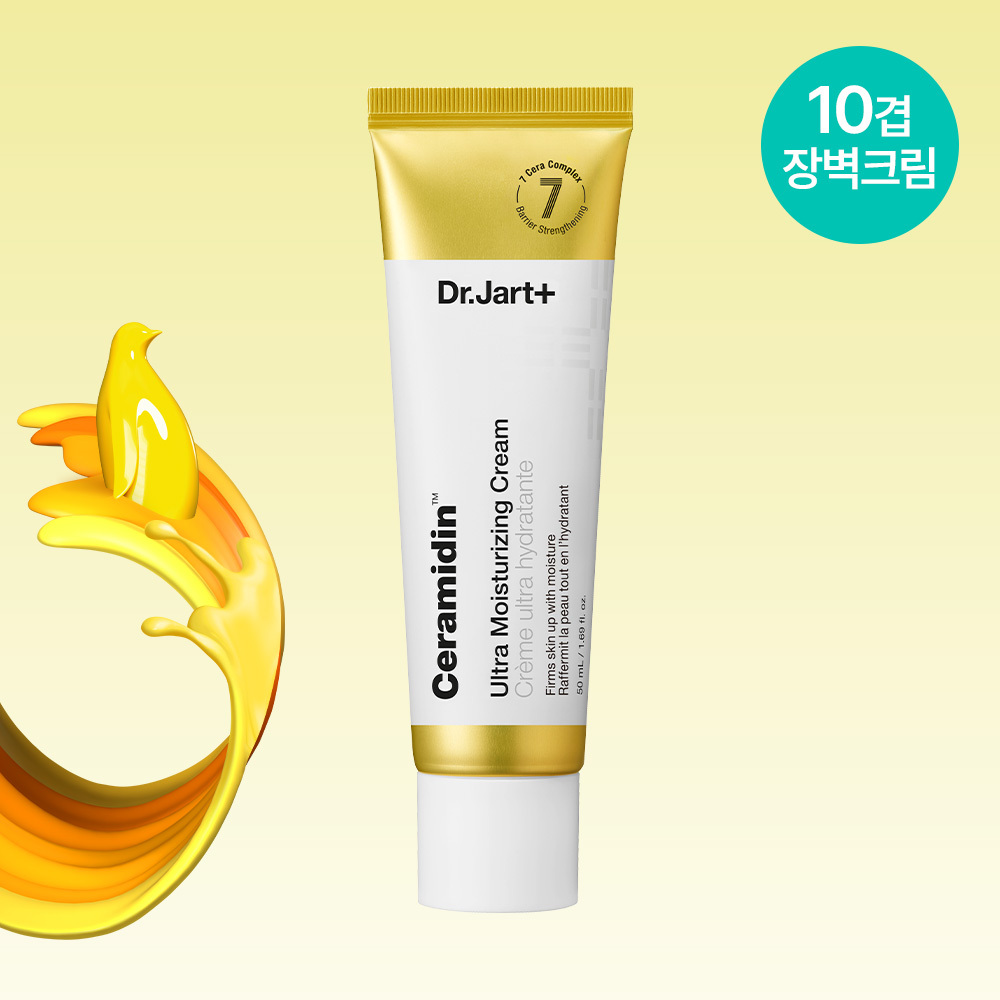
Glycosphingolipids are complex lipid molecules that naturally occur in the outermost layer of your skin, playing a critical role in maintaining the skin barrier's integrity and moisture retention capacity. These molecules consist of a ceramide backbone attached to sugar molecules, making them part of the broader ceramide family that K-beauty has long prioritized for barrier repair. In Korean skincare formulations, glycosphingolipids are prized for their ability to mimic the skin's natural lipid structure, integrating seamlessly into the stratum corneum to reinforce barrier function without heaviness or greasiness. Unlike simpler lipids, glycosphingolipids contribute to cell-to-cell communication and help regulate inflammation, making them particularly valuable in products designed for compromised or sensitized skin. Their presence in 58 K-beauty products on Seoul Sister, including high-rated formulations like Dr. Jart+ Ceramidin Ultra Moisturizing Cream and Arencia's Retinal Booster Shot, reflects the ingredient's versatility across categories from cleansers to treatment serums. With a low comedogenic rating of 1/5 and strong safety profile, glycosphingolipids deliver barrier-strengthening benefits without clogging pores or causing irritation, making them suitable for nearly all skin types and concerns.
How Glycosphingolipids Works
Glycosphingolipids function by integrating directly into the lipid bilayers that form your skin's moisture barrier, filling gaps between skin cells like mortar between bricks. At the molecular level, their structure (a hydrophobic ceramide tail and hydrophilic sugar head) allows them to organize into stable lamellar structures that prevent transepidermal water loss while maintaining barrier flexibility. The sugar component also serves as a recognition site for cellular signaling, helping regulate inflammatory responses and supporting the skin's natural repair mechanisms. When applied topically, glycosphingolipids are recognized by the skin as native lipids, allowing for efficient absorption and incorporation into existing barrier structures. This integration strengthens the cohesion of corneocytes, the dead skin cells that form your protective outer layer, reducing sensitivity to environmental stressors and improving overall hydration levels. Additionally, glycosphingolipids help maintain the slightly acidic pH that's optimal for skin health, supporting the microbiome balance that K-beauty emphasizes for long-term skin resilience.
Glycosphingolipids by Skin Type
Oily Skin
Glycosphingolipids work well for oily skin because their low comedogenic rating (1/5) means they strengthen the barrier without adding pore-clogging heaviness. When oily skin is actually dehydrated beneath excess sebum, these lipids help restore moisture balance, which can actually reduce compensatory oil production over time.
Dry Skin
This is where glycosphingolipids truly shine. Dry skin often lacks sufficient natural lipids in the barrier, and glycosphingolipids replenish these structural components while preventing moisture loss. Products like Dr. Jart+ Ceramidin Ultra Moisturizing Cream leverage this ingredient to deliver lasting hydration that goes beyond surface-level moisturization.
Combo Skin
Combination skin benefits from glycosphingolipids' ability to hydrate without greasiness, making them ideal for targeting dry patches without exacerbating oily zones. Their lightweight integration into the skin barrier means they normalize hydration across different facial areas without leaving shine in the T-zone.
Sensitive Skin
Glycosphingolipids are particularly valuable for sensitive skin due to their anti-inflammatory properties and ability to restore compromised barriers, the root cause of most sensitivity. With a strong safety rating of 4/5, they help calm reactivity while strengthening skin's defense against irritants, as seen in gentle formulations like ma:nyo's Pure Soybean Cleansing Milk.
Normal Skin
Even balanced skin benefits from glycosphingolipids as preventative barrier maintenance. They help normal skin maintain its healthy state by supporting the natural lipid structure, protecting against environmental damage and premature signs of aging caused by barrier degradation.
How to Use Glycosphingolipids
- 1Layer glycosphingolipid-containing products after water-based serums but before heavier occlusives to maximize barrier integration and lock in hydration.
- 2Pair with other ceramide types and cholesterol for synergistic barrier repair, a combination K-beauty brands often optimize in their formulations.
- 3Use consistently for at least 4-6 weeks to see measurable improvements in barrier function, as lipid restructuring takes time.
- 4If using actives like retinol (as in Arencia's Retinal Booster Shot), glycosphingolipids help buffer potential irritation while supporting skin through the adjustment period.
Background
Glycosphingolipids were first identified in the 1960s as structural components of cell membranes, but their specific role in skin barrier function wasn't fully understood until the 1990s when researchers mapped the lipid composition of the stratum corneum. Korean skincare scientists were early adopters of this research, recognizing that topical application of barrier-identical lipids could address the chronic dehydration issues common in Asian climates with temperature extremes. The ingredient gained prominence in K-beauty during the 2010s ceramide boom, when brands like Dr. Jart+ popularized barrier-focused skincare. Unlike Western formulations that often relied on synthetic lipids, Korean brands emphasized naturally-derived glycosphingolipids from plant sources like soybeans and rice, aligning with the clean beauty preferences of Korean consumers while delivering clinically proven barrier support.
K-Beauty Products with Glycosphingolipids
View all 68 →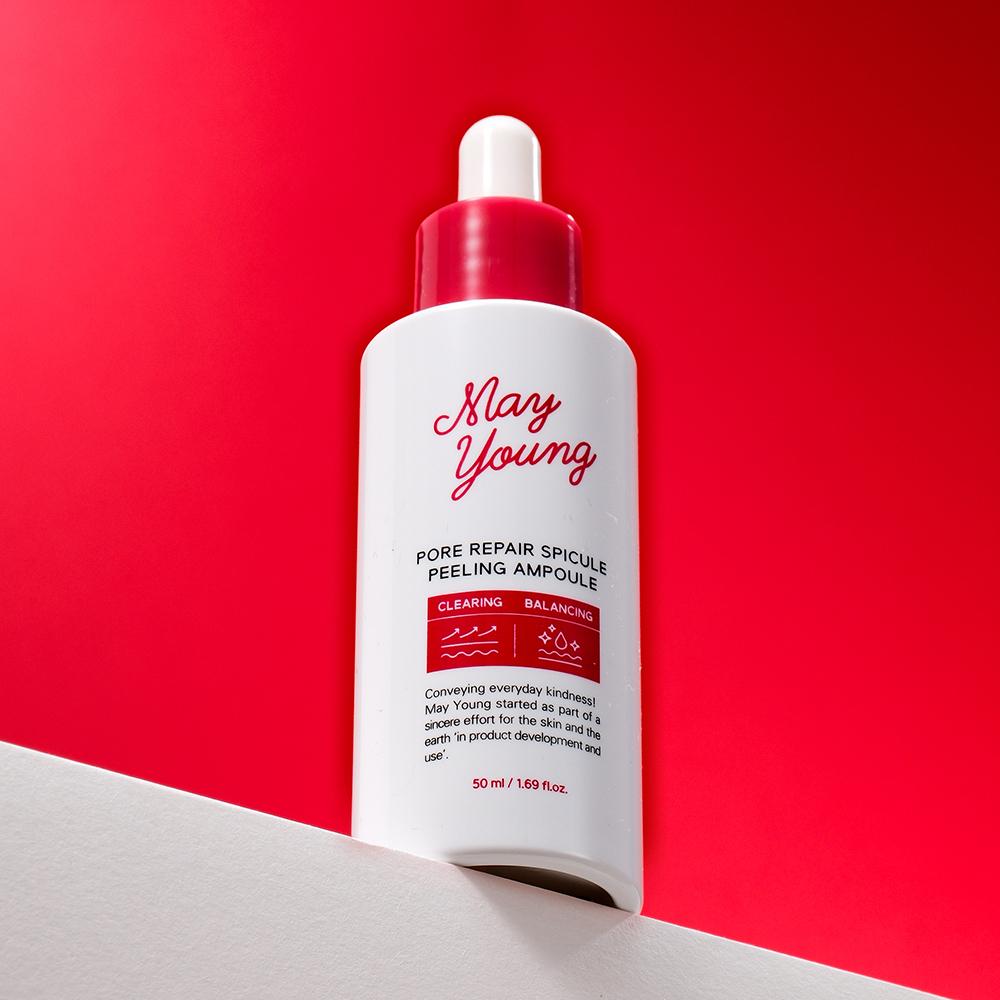
Pore Repair Spicule Peeling Ampoule
Ilso
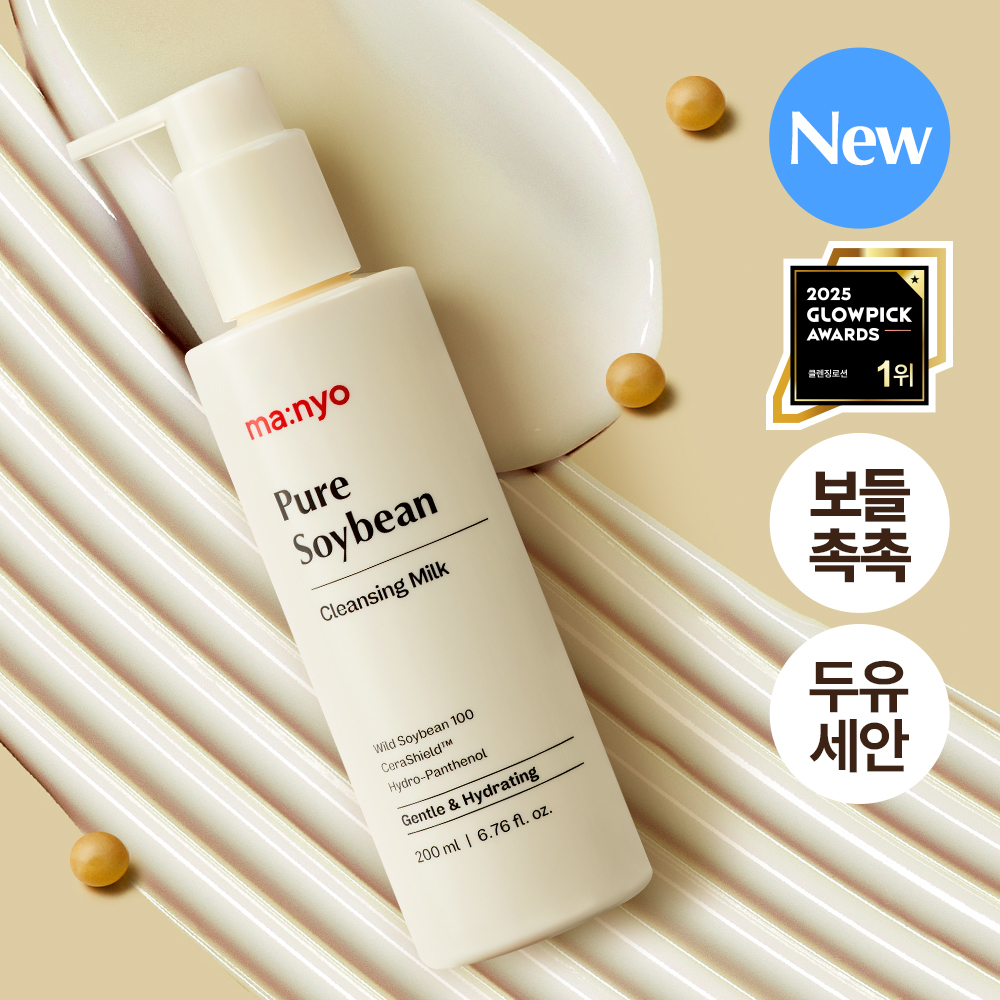
Pure Soybean Cleansing Milk
ma:nyo
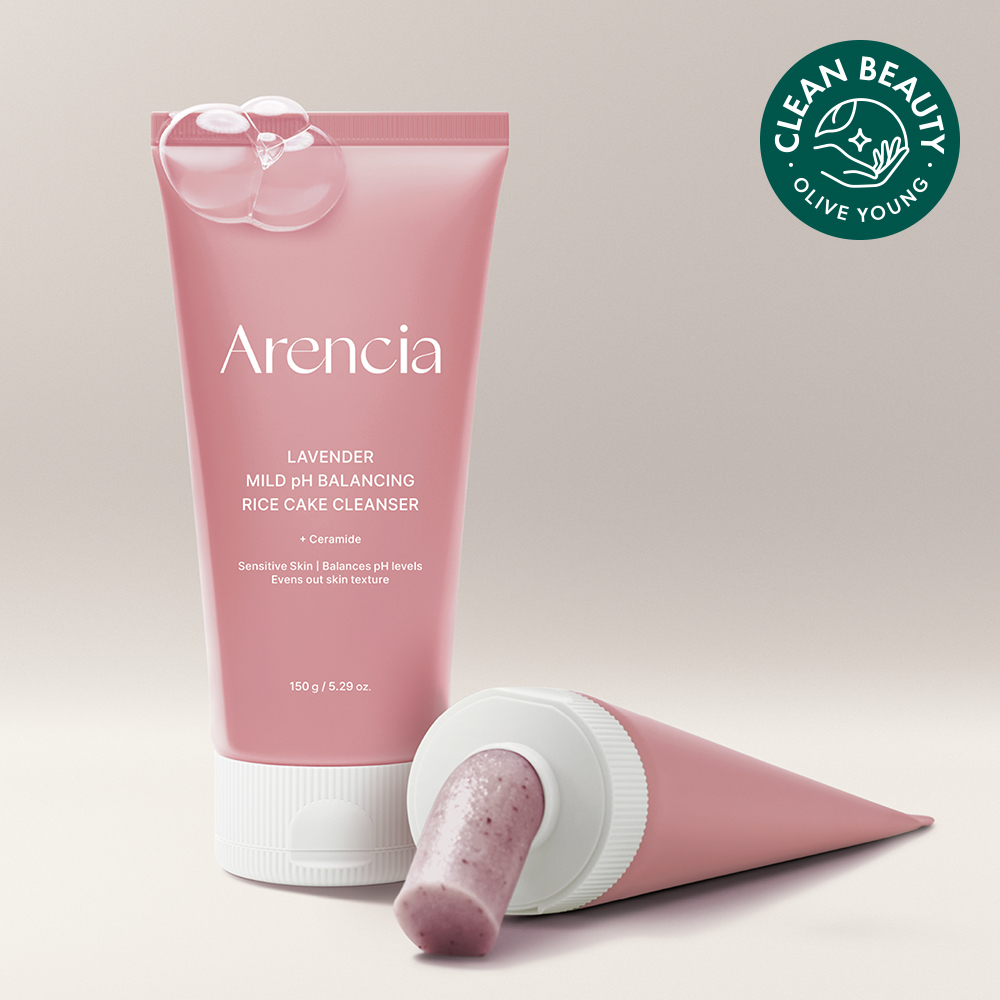
Lavender Mild pH Balancing Rice Cake Cleanser
Arencia
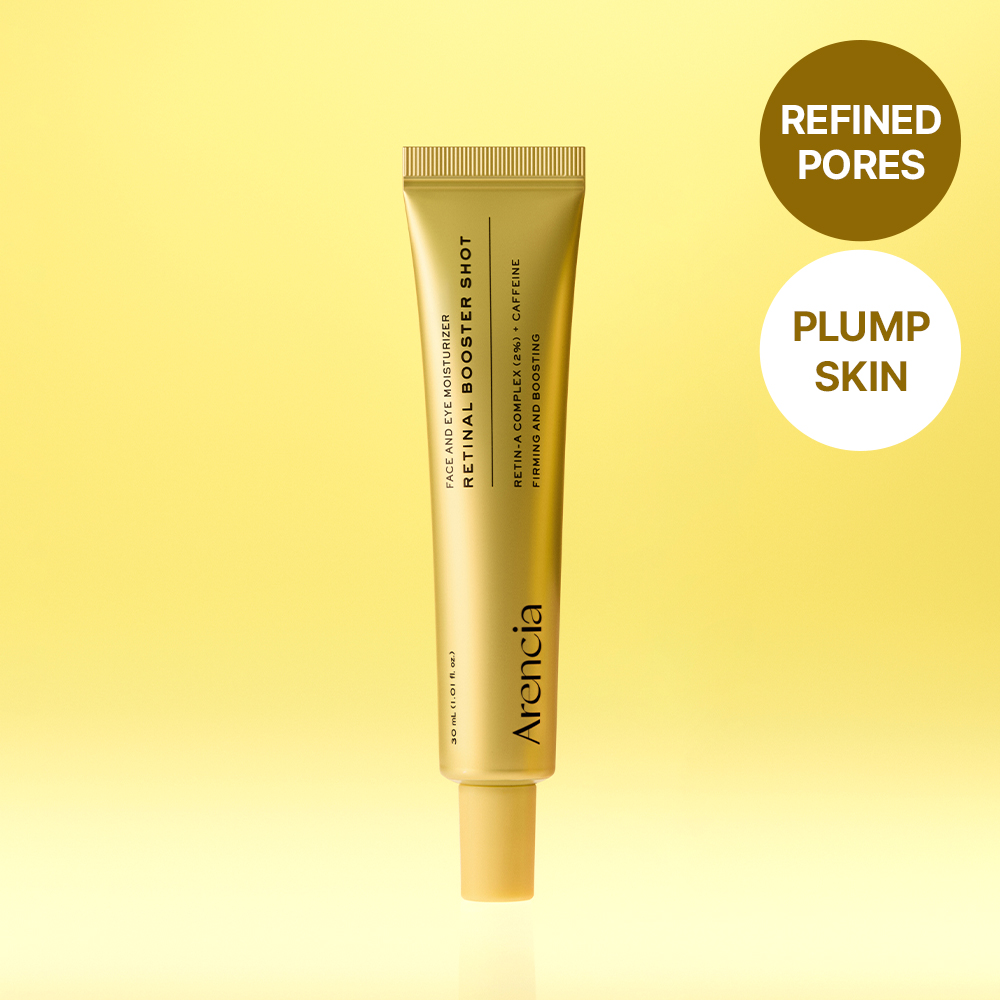
Retinal Booster Shot
Arencia
Ceramidin Ultra Moisturizing Cream
Dr. Jart+
Red Booster Reedle Shot 100
VT
Black Truffle Reedle Shot 100
VT
Reedle Shot 700 Essence
VT
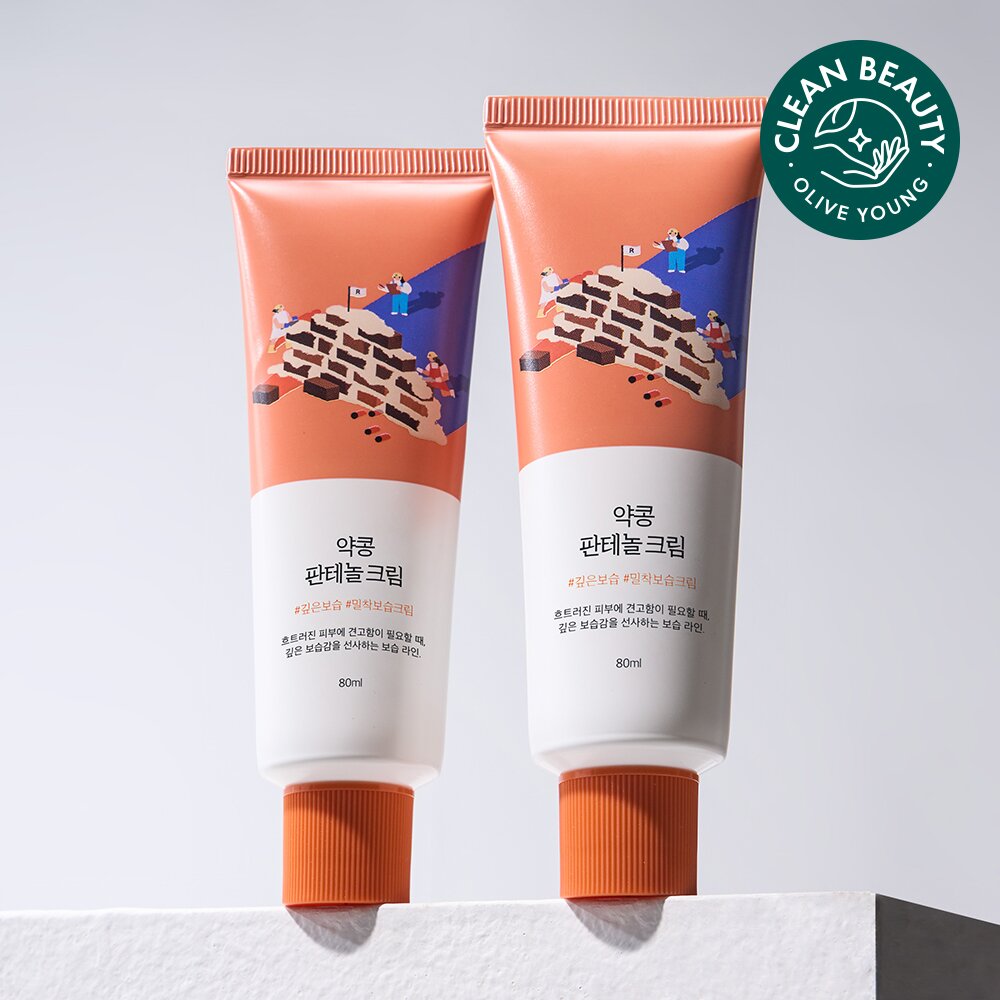
Soybean Panthenol Cream
Round Lab
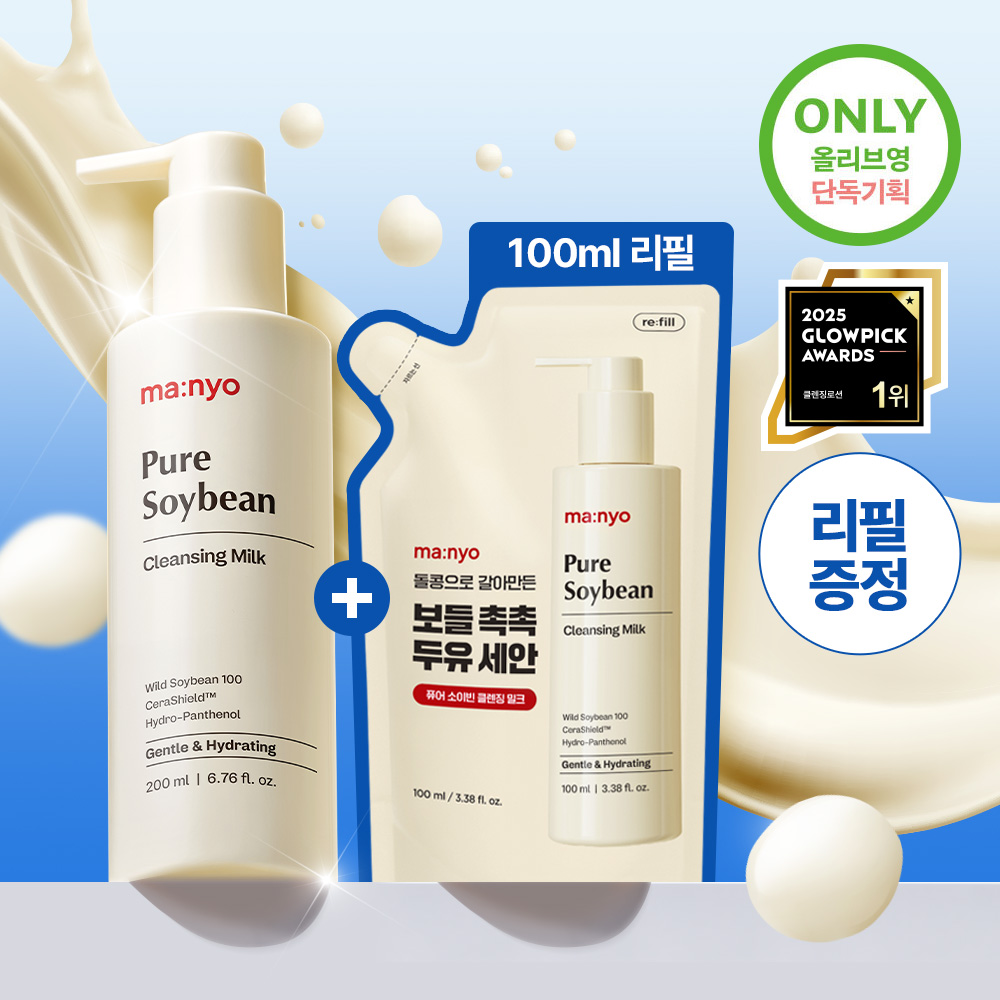
Pure Soybean Cleansing Milk Set (200ml + Refill 100ml)
ma:nyo
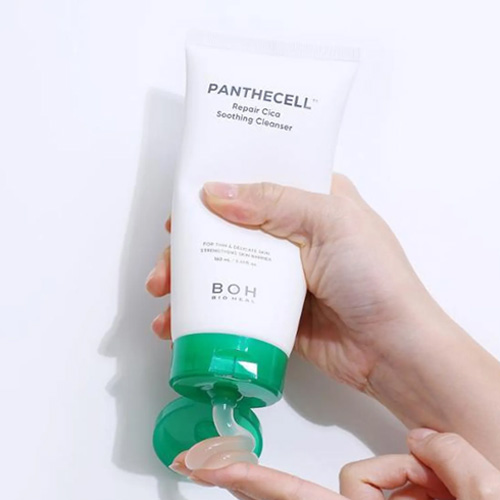
Panthecell Repair Cica Soothing Cleanser Double Pack
Bioheal BOH

Reedle Shot 1000
VT
Frequently Asked Questions
Are glycosphingolipids the same as ceramides?▼
Can glycosphingolipids cause breakouts?▼
How long does it take to see results from glycosphingolipids?▼
Do glycosphingolipids work well with actives like retinol or acids?▼
Explore More
Want personalized ingredient advice?
Yuri, our AI beauty advisor, can tell you how Glycosphingolipids works with your specific skin type, routine, and concerns.
Ask Yuri, free