Licorice Root Extract
INCI: Glycyrrhiza Glabra (Licorice) Extract
Brightening and anti-inflammatory active ingredient
About Licorice Root Extract
Licorice root extract is one of K-beauty's most celebrated brightening ingredients, derived from the root of Glycyrrhiza glabra, a perennial herb native to Southern Europe and Asia. Korean skincare brands have elevated this botanical powerhouse for its dual ability to fade hyperpigmentation while calming inflammation, making it a staple in products targeting uneven skin tone, post-acne marks, and redness. Unlike harsh chemical brighteners, licorice root works gently through compounds like glabridin and liquiritin, which inhibit melanin production without irritating skin. This makes it exceptionally versatile across formulations, from cleansers to serums. With a comedogenic rating of 0/5, it won't clog pores, and its presence in 195 K-beauty products on Seoul Sister reflects its popularity among Korean formulators who prioritize multi-functional, skin-soothing actives. The ingredient's anti-inflammatory properties complement its brightening effects, addressing both the visual and physiological aspects of damaged or stressed skin. For Gen Z consumers dealing with post-breakout hyperpigmentation or melasma from sun exposure, licorice root offers a research-backed solution that aligns with K-beauty's philosophy of gentle efficacy. Its safety rating of 4/5 indicates excellent tolerability, though those with extreme sensitivity should patch test, as with any botanical extract.
How Licorice Root Extract Works
Licorice root extract works through multiple biochemical pathways to brighten and soothe skin. Its star compound, glabridin, inhibits tyrosinase, the enzyme responsible for converting amino acid tyrosine into melanin. By disrupting this process at the enzymatic level, it prevents new dark spots from forming while gradually fading existing hyperpigmentation. Liquiritin, another active component, disperses and removes existing melanin by inhibiting tyrosinase and enhancing melanin breakdown. Beyond brightening, glycyrrhizin (the compound that gives licorice its sweet taste) acts as a potent anti-inflammatory by suppressing cyclooxygenase enzymes and reducing prostaglandin production, the molecules that trigger inflammatory responses. This dual mechanism explains why licorice root excels at treating post-inflammatory hyperpigmentation (PIH) from acne, where inflammation and melanin overproduction occur simultaneously. The extract also contains flavonoids that neutralize free radicals, protecting skin cells from oxidative stress that can trigger premature aging and uneven tone. Unlike hydroquinone or high-percentage acids, licorice root achieves these effects without compromising the skin barrier, making it suitable for long-term use.
Licorice Root Extract by Skin Type
Oily Skin
Licorice root extract is excellent for oily skin, particularly those dealing with post-acne dark spots and inflammation from active breakouts. Its anti-inflammatory properties help calm irritated sebaceous glands while its non-comedogenic nature ensures it won't contribute to congestion. The brightening effects address the hyperpigmentation that often lingers after blemishes heal, a common concern for oily skin types prone to acne scarring.
Dry Skin
Dry skin benefits from licorice root's soothing properties, which reduce redness and irritation often associated with compromised moisture barriers. While it doesn't provide hydration directly, it complements moisturizing ingredients by calming inflammation that can worsen transepidermal water loss. Pair it with humectants like hyaluronic acid for optimal results, as the extract's gentleness won't further stress already sensitive, dehydrated skin.
Combo Skin
Combination skin is an ideal candidate for licorice root extract, as it addresses multiple concerns without over-treating any single zone. The ingredient brightens hyperpigmentation in oily areas (typically T-zone) while soothing dry patches on cheeks, creating balance without adding oil or stripping moisture. Its versatility makes it a smart choice for those who struggle to find actives that work across different facial regions.
Sensitive Skin
Licorice root extract is one of the safest brightening ingredients for sensitive skin, offering anti-inflammatory benefits that calm reactive complexions. Its gentle mechanism avoids the irritation common with stronger brighteners like vitamin C or retinol. However, as a botanical extract, there's a small possibility of allergic reaction in extremely sensitive individuals, so patch testing is recommended despite its generally excellent tolerability profile.
Normal Skin
Normal skin can use licorice root extract preventatively to maintain even tone and ward off environmental damage. Its antioxidant properties protect against UV-induced hyperpigmentation and free radical damage from pollution, while its brightening effects keep skin luminous. The ingredient's mildness makes it suitable for daily use without risk of over-exfoliation or irritation, fitting seamlessly into maintenance routines.
How to Use Licorice Root Extract
- 1Layer licorice root extract products under sunscreen every morning, as brightening ingredients work best when protected from UV exposure that triggers new melanin production.
- 2Pair with niacinamide or alpha arbutin for synergistic brightening effects. Seoul Sister products like Papa Recipe's Pack & Foam combine licorice with other soothing botanicals for enhanced results.
- 3Use consistently for 6-8 weeks to see visible fading of hyperpigmentation, as melanin turnover follows skin's natural cell renewal cycle.
- 4Apply to clean skin in serum or toner form before heavier creams, allowing the active compounds to penetrate effectively without occlusive barriers.
- 5Store products containing licorice root extract away from direct sunlight and heat, as light exposure can degrade glabridin's potency over time.
Background
Licorice has been used medicinally for over 4,000 years, with roots in Traditional Chinese Medicine (TCM) and Ayurvedic practices where it treated everything from respiratory issues to digestive problems. Ancient Egyptians and Greeks also prized licorice root, with remnants found in King Tut's tomb. Its skincare applications emerged more recently when Japanese researchers in the 1990s isolated glabridin and demonstrated its tyrosinase-inhibiting properties, sparking interest in cosmetic formulations. Korean beauty brands quickly adopted licorice root extract as a cornerstone brightening ingredient, valuing its alignment with hanbang (traditional Korean herbal medicine) principles that emphasize plant-based healing. Today, it's cultivated primarily in China, Turkey, and Central Asia, with Korean cosmetic companies sourcing high-quality extracts for their formulations. The ingredient's rise in K-beauty reflects the industry's broader movement toward evidence-based botanical actives that honor traditional wisdom while meeting modern efficacy standards.
K-Beauty Products with Licorice Root Extract
View all 196 →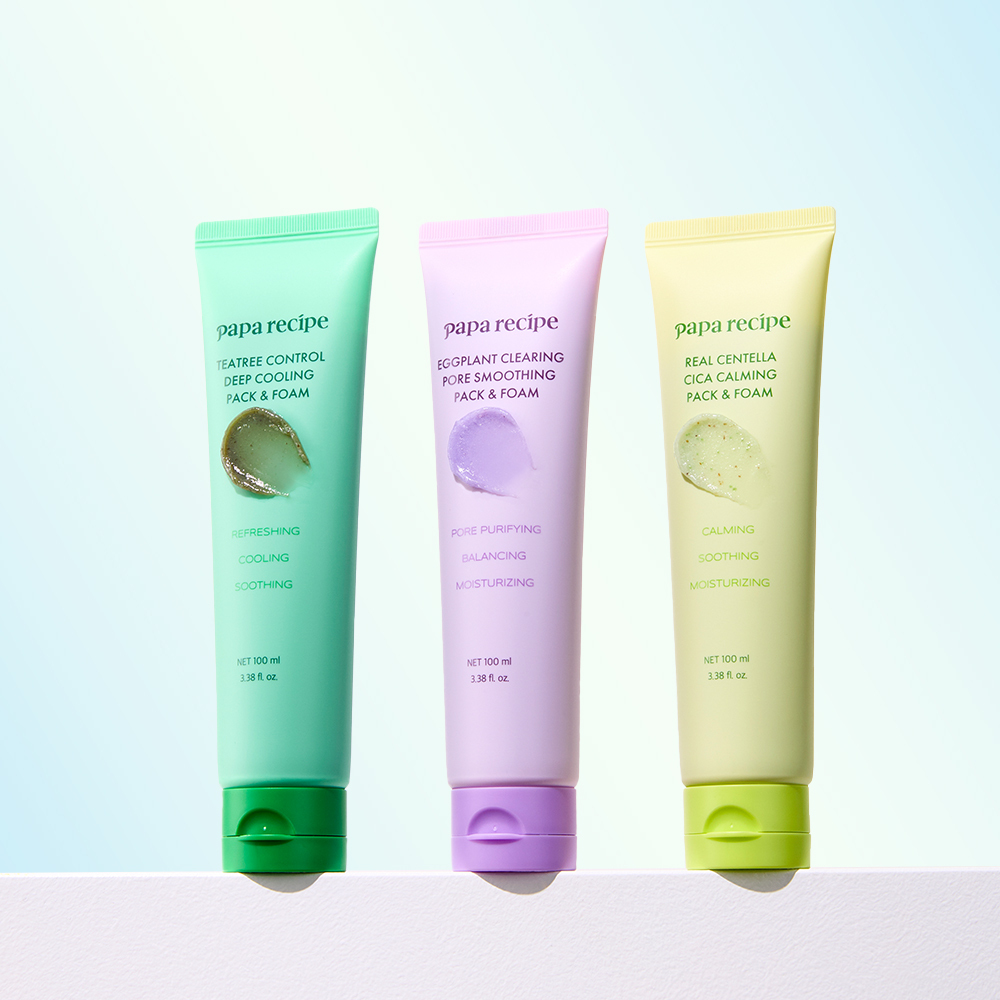
Pack & Foam (Real Centella/Eggplant Clearing/Teatree Control)
Papa Recipe
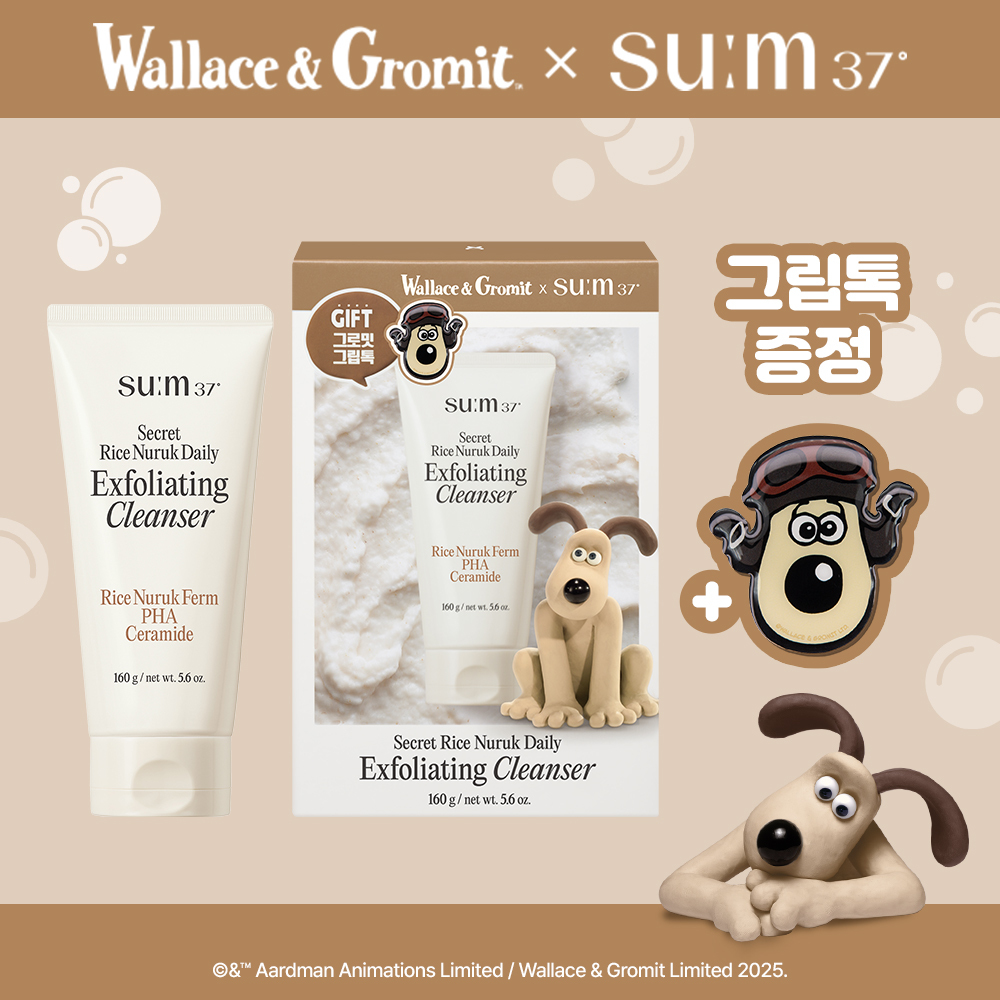
Secret Rice Nuruk Daily Exfoliating Cleanser
SUM37
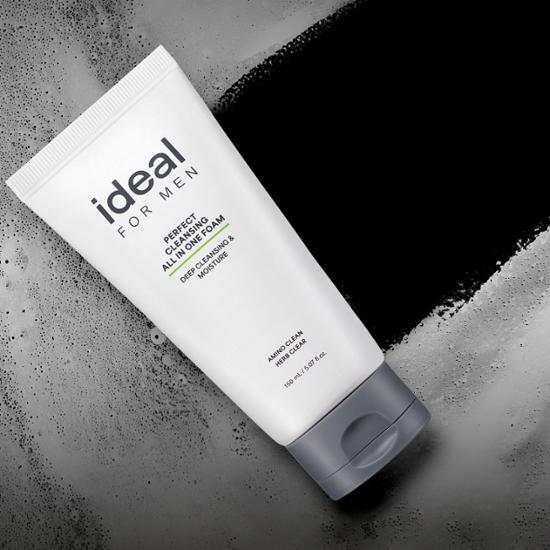
Perfect Cleansing All-in-One Foam
Ideal for Men
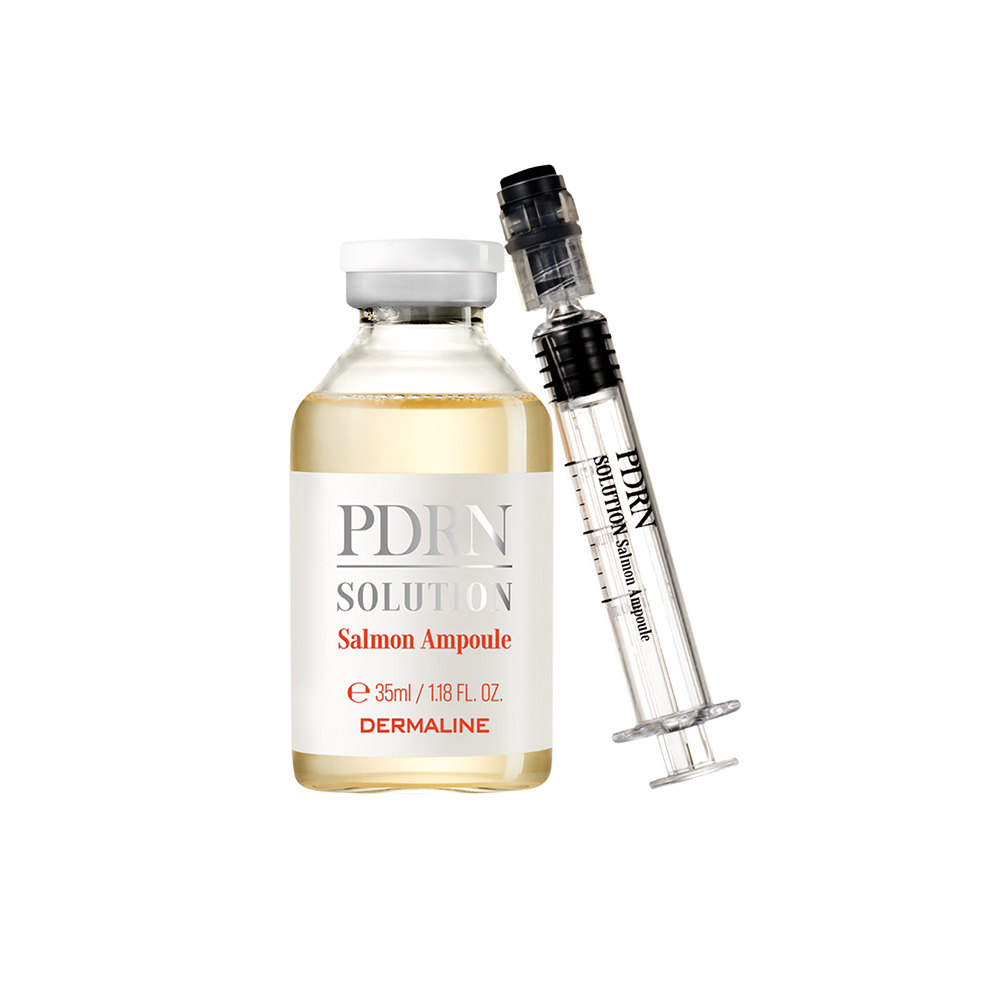
D'LEXO PDRN Solution Salmon Ampoule
DERMALINE
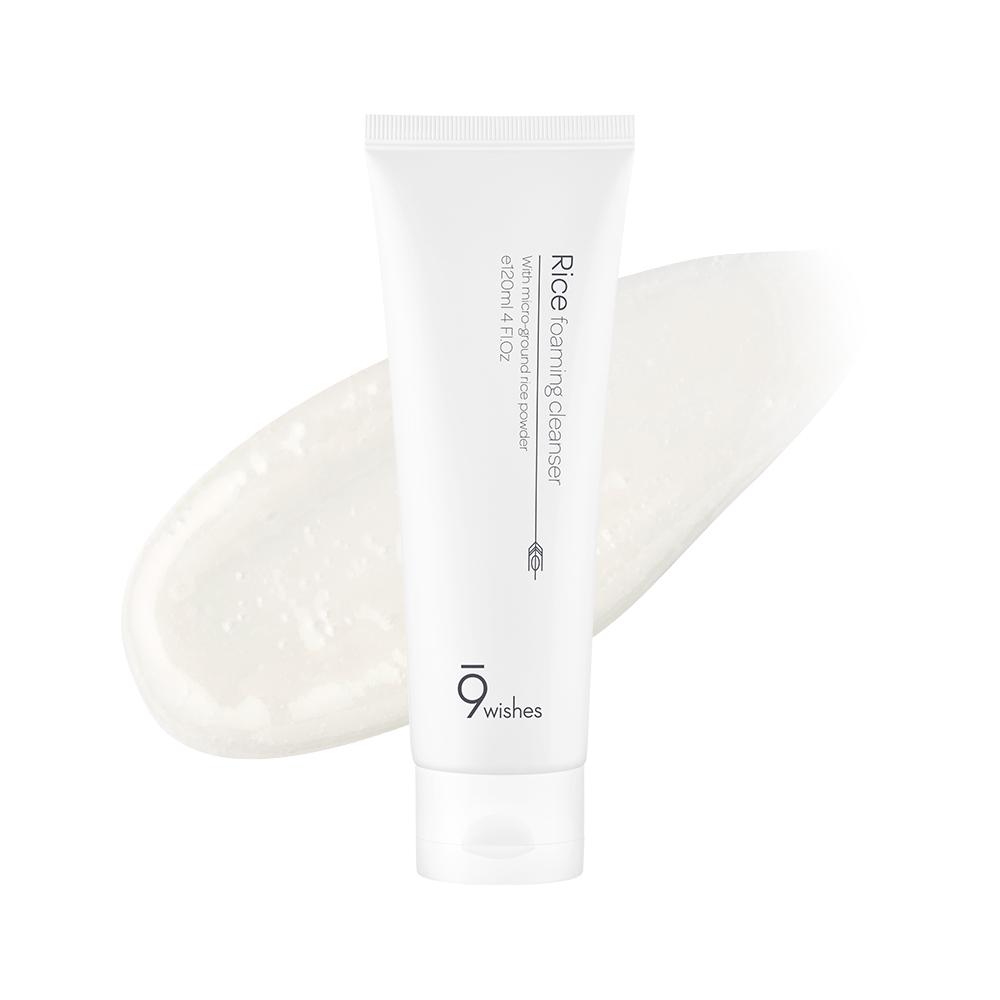
Rice Foaming Cleanser
9wishes
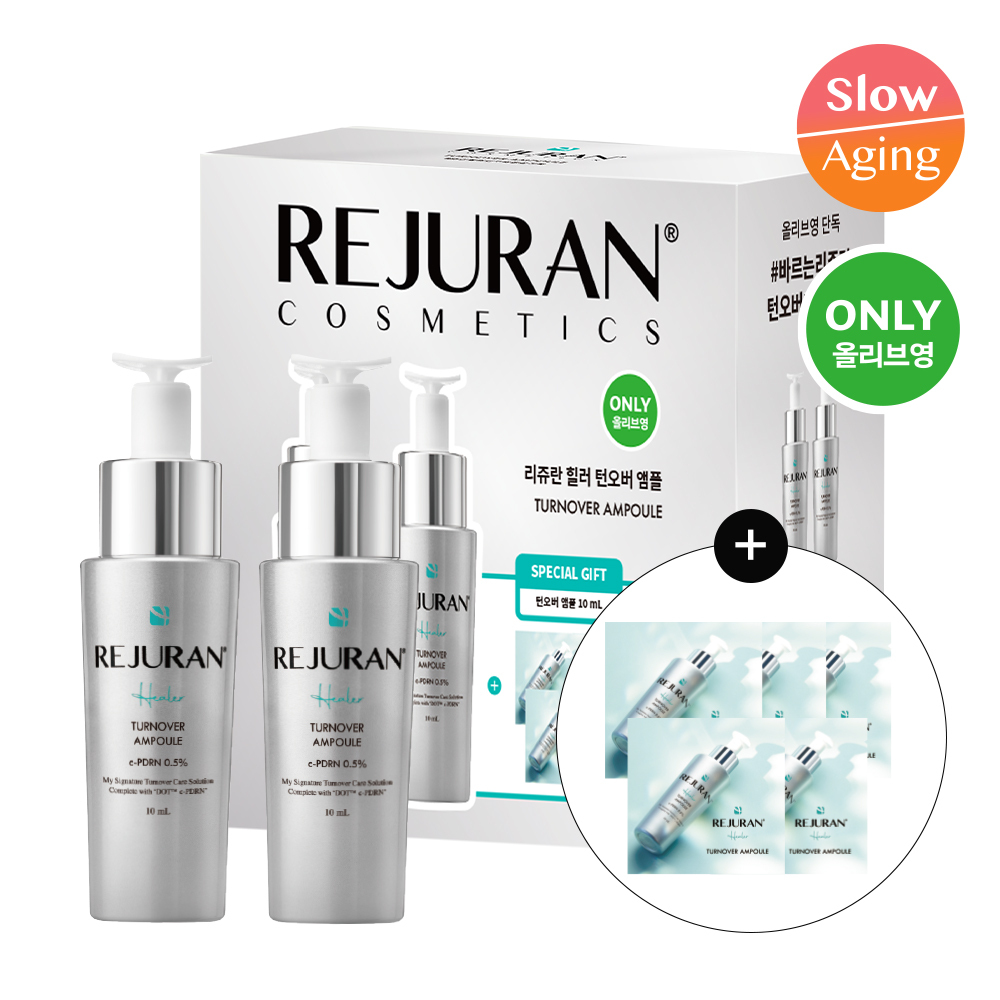
Healer Turnover Ampoule
Rejuran
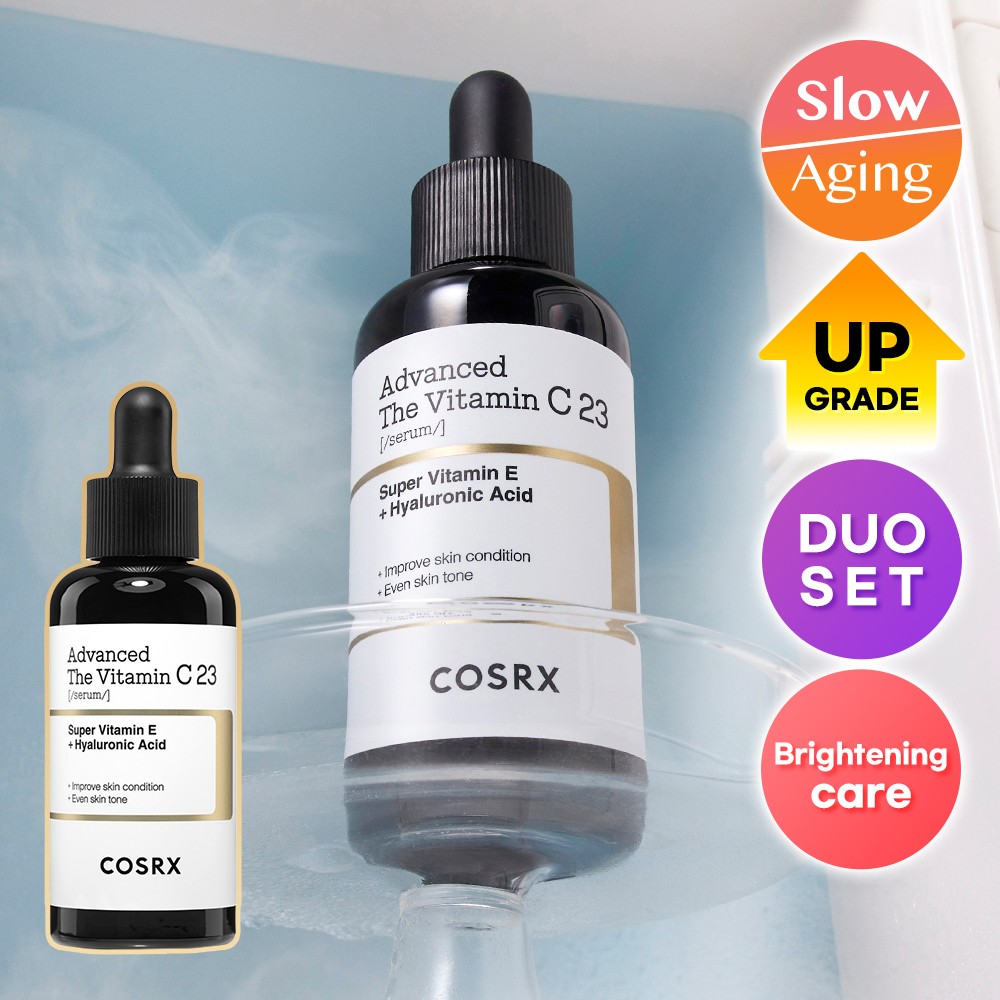
Advanced The Vitamin C 23 Serum
COSRX
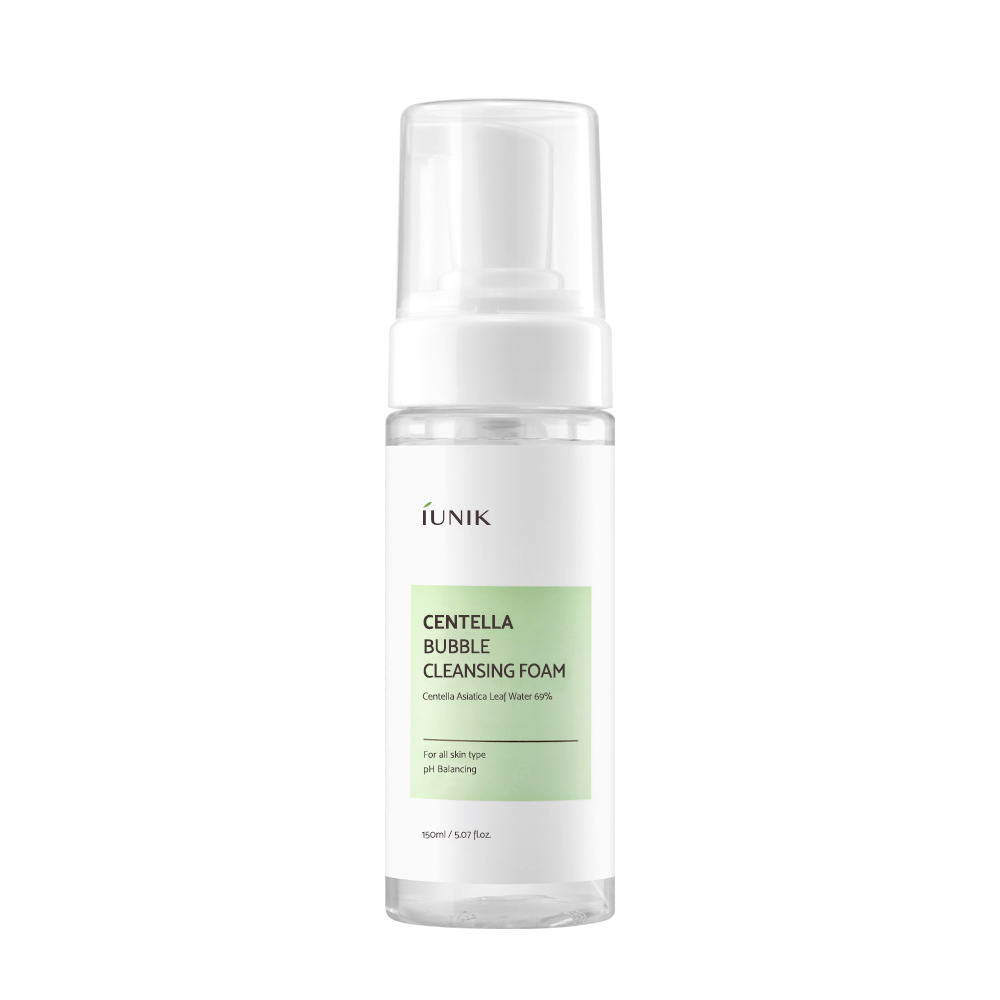
Centella Bubble Cleansing Foam
iUNIK
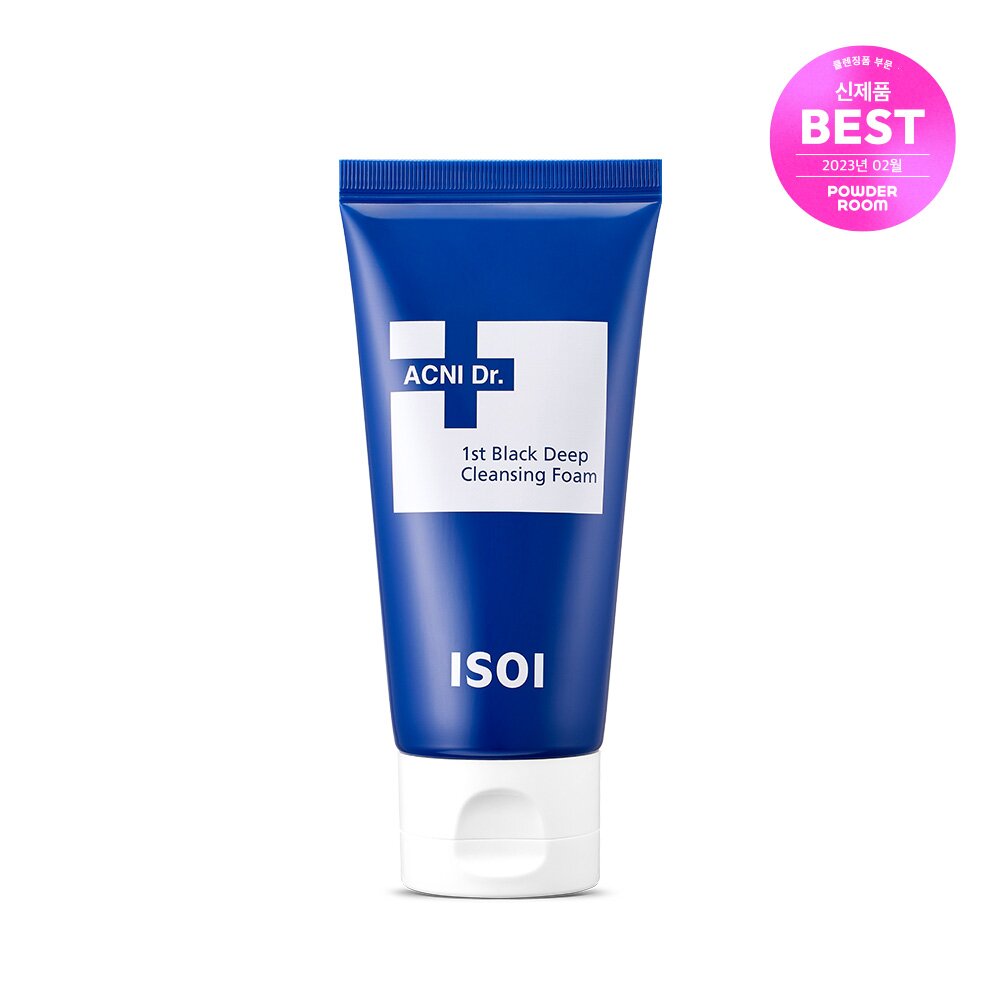
Acni Dr. 1st Black Deep Cleansing Foam
Isoi
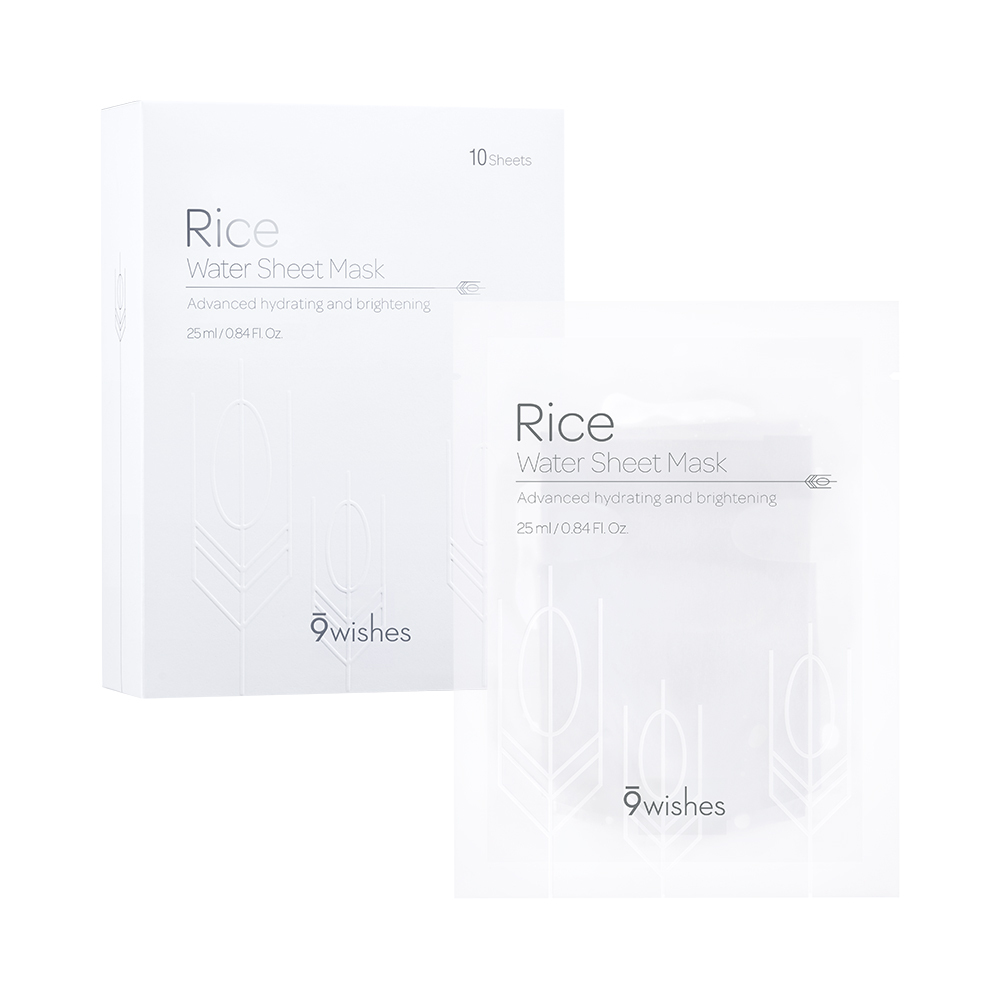
Rice Water Sheet Mask 10ea
9wishes
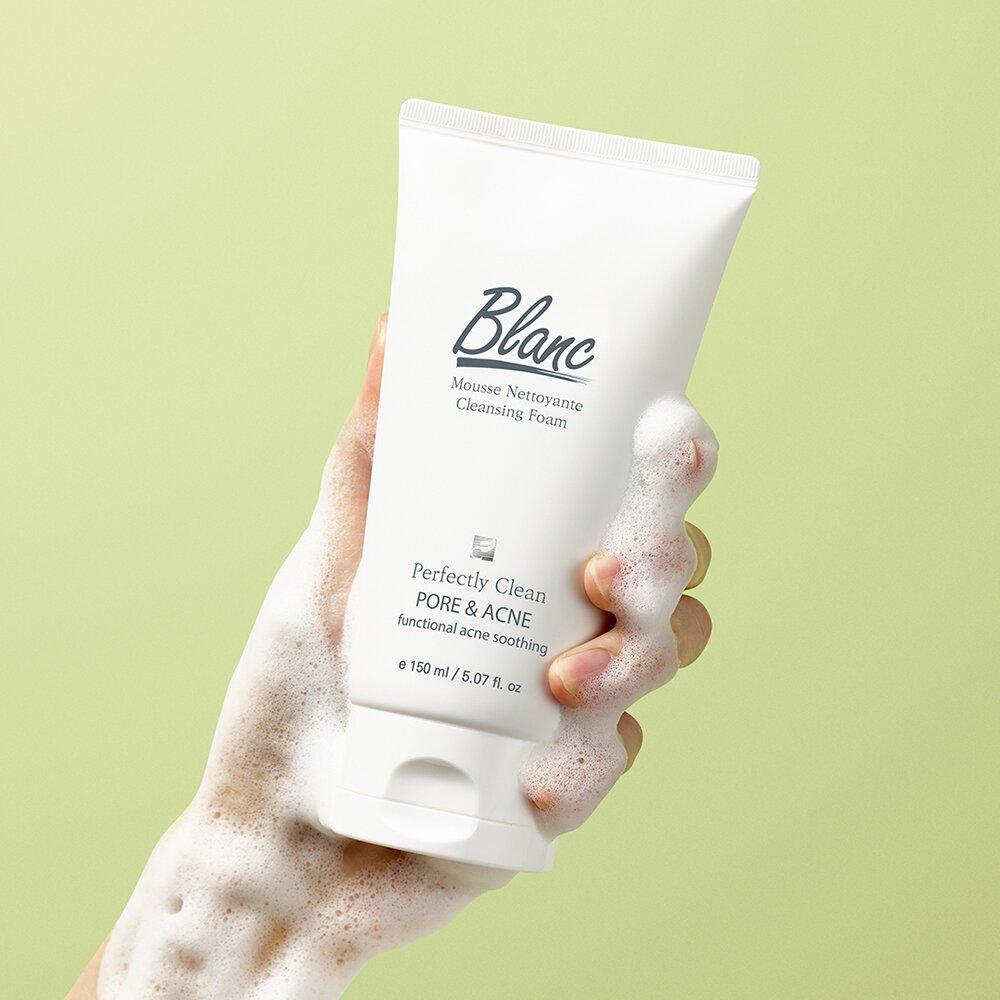
Blanc Nature Mousse Nettoyante Cleansing Foam
Beplain
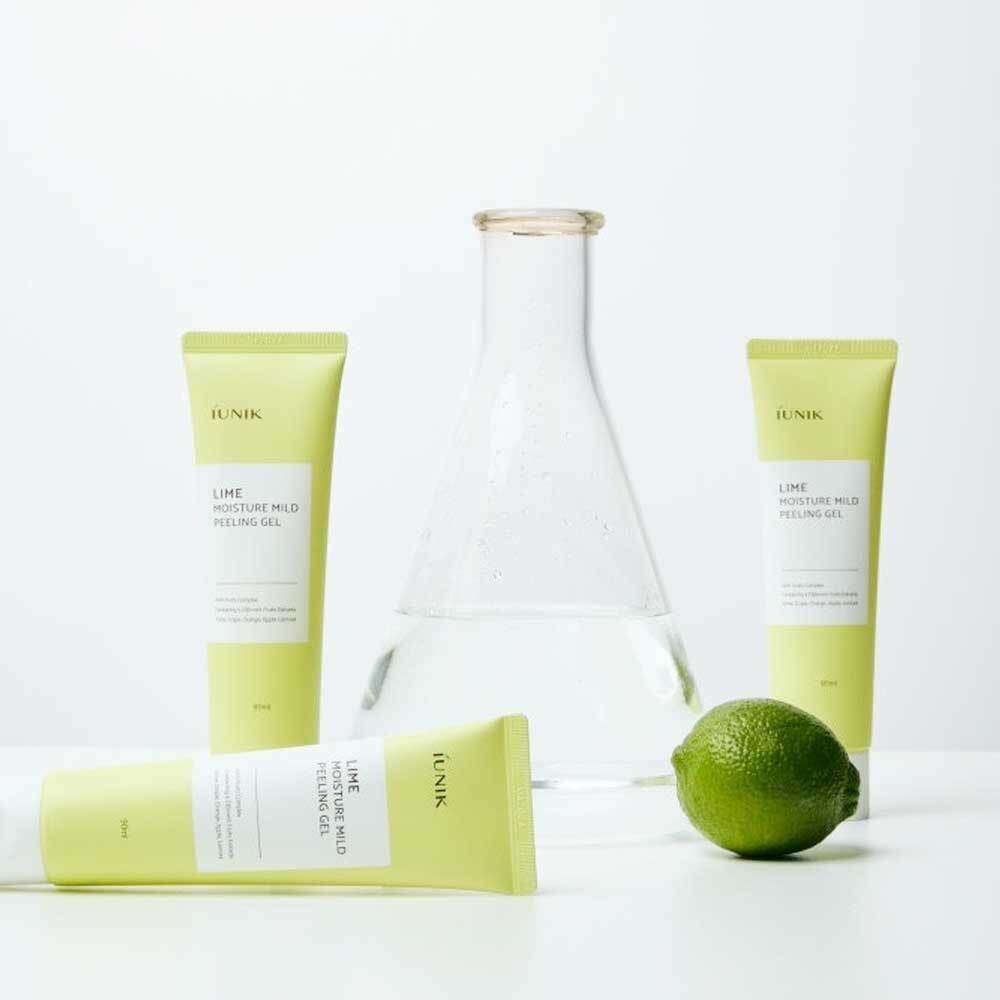
Lime Moisture Mild Peeling Gel
iUNIK
Frequently Asked Questions
How long does it take for licorice root extract to fade dark spots?▼
Can I use licorice root extract with vitamin C or retinol?▼
Is licorice root extract safe during pregnancy?▼
Why do so many K-beauty cleansers contain licorice root extract?▼
Does licorice root extract help with redness and rosacea?▼
Explore More
Want personalized ingredient advice?
Yuri, our AI beauty advisor, can tell you how Licorice Root Extract works with your specific skin type, routine, and concerns.
Ask Yuri, free