Grape Seed Oil
Emollient rich in antioxidants and linoleic acid
About Grape Seed Oil
Grape seed oil is a lightweight botanical oil extracted from the seeds of wine grapes (Vitis vinifera), prized in K-beauty for its unique fatty acid profile and potent antioxidant content. Unlike heavier plant oils, grape seed oil absorbs quickly without leaving a greasy residue, making it a favorite in cleansing oils and multi-balms. It contains 58-78% linoleic acid, an omega-6 fatty acid that strengthens the skin barrier and helps regulate sebum production, particularly beneficial for acne-prone skin. The oil is also rich in vitamin E, proanthocyanidins, and resveratrol, powerful antioxidants that protect against environmental stressors and premature aging. In K-beauty formulations, grape seed oil often appears in oil cleansers where it gently dissolves makeup and sunscreen while delivering skin-nourishing benefits. Its slightly astringent properties help tighten pores without stripping moisture, which explains its presence in products targeting both hydration and pore refinement. With a comedogenic rating of 2 out of 5, it's considered moderately low-risk for clogging pores, though individual reactions vary based on skin type and overall formulation. The ingredient's versatility shines in products like VT's PDRN Reedle Shot hydrogel masks and Dr.G's barrier-repair balms, where it works alongside cutting-edge K-beauty actives to support skin health.
How Grape Seed Oil Works
Grape seed oil functions through multiple mechanisms at the cellular level. Its high linoleic acid content integrates into the lipid bilayer of the stratum corneum, reinforcing the skin's natural moisture barrier and reducing transepidermal water loss. This omega-6 fatty acid also influences sebocyte activity, helping normalize sebum production in oily skin types. The oil's antioxidant compounds, particularly oligomeric proanthocyanidin complexes (OPCs), neutralize free radicals generated by UV exposure and pollution, protecting cellular DNA and collagen fibers from oxidative damage. Vitamin E works synergistically with these polyphenols to stabilize cell membranes and prevent lipid peroxidation. When used in cleansing formulations, grape seed oil acts as a lipophilic solvent, binding to sebum, makeup, and oil-based impurities through similar molecular structures, allowing them to be rinsed away without disrupting the skin's natural lipid balance. The oil's mild astringent tannins provide a subtle toning effect by causing temporary protein precipitation in pore walls, creating the appearance of refined pores without the irritation associated with alcohol-based astringents.
Grape Seed Oil by Skin Type
Oily Skin
Grape seed oil is particularly well-suited for oily skin due to its high linoleic acid content, which research suggests can help regulate sebum production and reduce the appearance of enlarged pores. Its lightweight texture absorbs quickly without adding shine, and it won't exacerbate greasiness the way heavier oils might. The mild astringent properties also help create a mattifying effect over time.
Dry Skin
While not the richest emollient available, grape seed oil provides meaningful hydration for dry skin by strengthening the moisture barrier and preventing water loss. It works best in dry skin when layered with heavier occlusives or combined with ceramides and humectants, as seen in barrier-repair products like Dr.G's Multi Balm. The antioxidants also help protect compromised dry skin from environmental damage.
Combo Skin
Grape seed oil is ideal for combination skin because it balances hydration without overwhelming oily zones. Its linoleic acid helps regulate sebum in the T-zone while the emollient properties address dryness on cheeks and around the eyes. This makes it a popular choice in K-beauty cleansing oils that need to work effectively across multiple skin concerns simultaneously.
Sensitive Skin
Grape seed oil is generally well-tolerated by sensitive skin types due to its anti-inflammatory properties and gentle nature. The antioxidants help calm reactive skin and protect against irritation from environmental stressors. However, those with grape or wine allergies should avoid this ingredient, and the comedogenic rating of 2 means some sensitive, acne-prone individuals may need to patch test first.
Normal Skin
For normal skin, grape seed oil provides balanced nourishment that maintains skin health without disrupting its natural equilibrium. It delivers antioxidant protection against premature aging while keeping skin soft and supple. The lightweight texture makes it an excellent everyday ingredient that won't feel heavy or cause congestion, as evidenced by its inclusion in top-rated cleansing oils like Hanskin's 5-star formula.
How to Use Grape Seed Oil
- 1Use grape seed oil cleansers as your first step in double cleansing to effectively remove sunscreen and makeup while delivering antioxidant benefits, as seen in highly-rated products like Hanskin's Cleansing Oil & Blackhead (5.0/5).
- 2If you have oily or acne-prone skin, look for grape seed oil in cleansing formulations rather than leave-on serums or moisturizers to minimize any potential pore-clogging while still getting the linoleic acid benefits.
- 3Apply products containing grape seed oil to slightly damp skin to help lock in moisture and improve absorption of the oil's beneficial fatty acids.
- 4Store grape seed oil products away from direct sunlight and heat, as the high polyunsaturated fat content makes it susceptible to oxidation, which can reduce its antioxidant effectiveness over time.
Background
Grape seed oil emerged as a skincare ingredient from the wine-making regions of France and Italy, where it was originally considered a byproduct of wine production. For centuries, these seeds were discarded until cold-press extraction methods revealed the oil's beneficial properties in the early 20th century. French beauty traditions began incorporating grape seed oil into facial treatments, recognizing its lightweight texture and skin-refining effects. The ingredient gained scientific credibility in the 1990s when research identified its exceptional antioxidant content, particularly proanthocyanidins that are 20 times more potent than vitamin E and 50 times more potent than vitamin C. K-beauty brands embraced grape seed oil in the 2010s as the industry moved toward botanical-rich formulations that balanced effectiveness with gentle, skin-identical ingredients. Its compatibility with the linoleic-acid-deficient skin common in acne sufferers made it particularly valuable in Korean cleansing oils and barrier-repair products.
K-Beauty Products with Grape Seed Oil
View all 17 →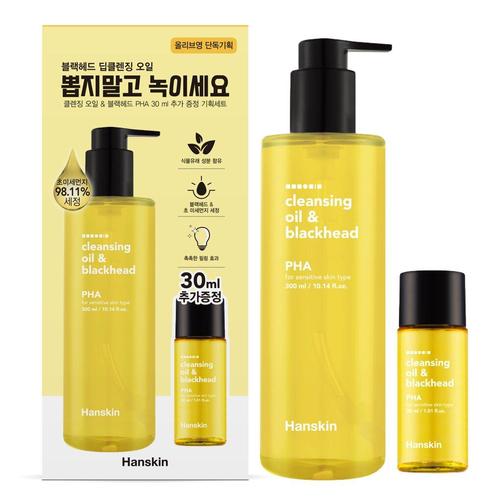
Cleansing Oil & Blackhead
Hanskin
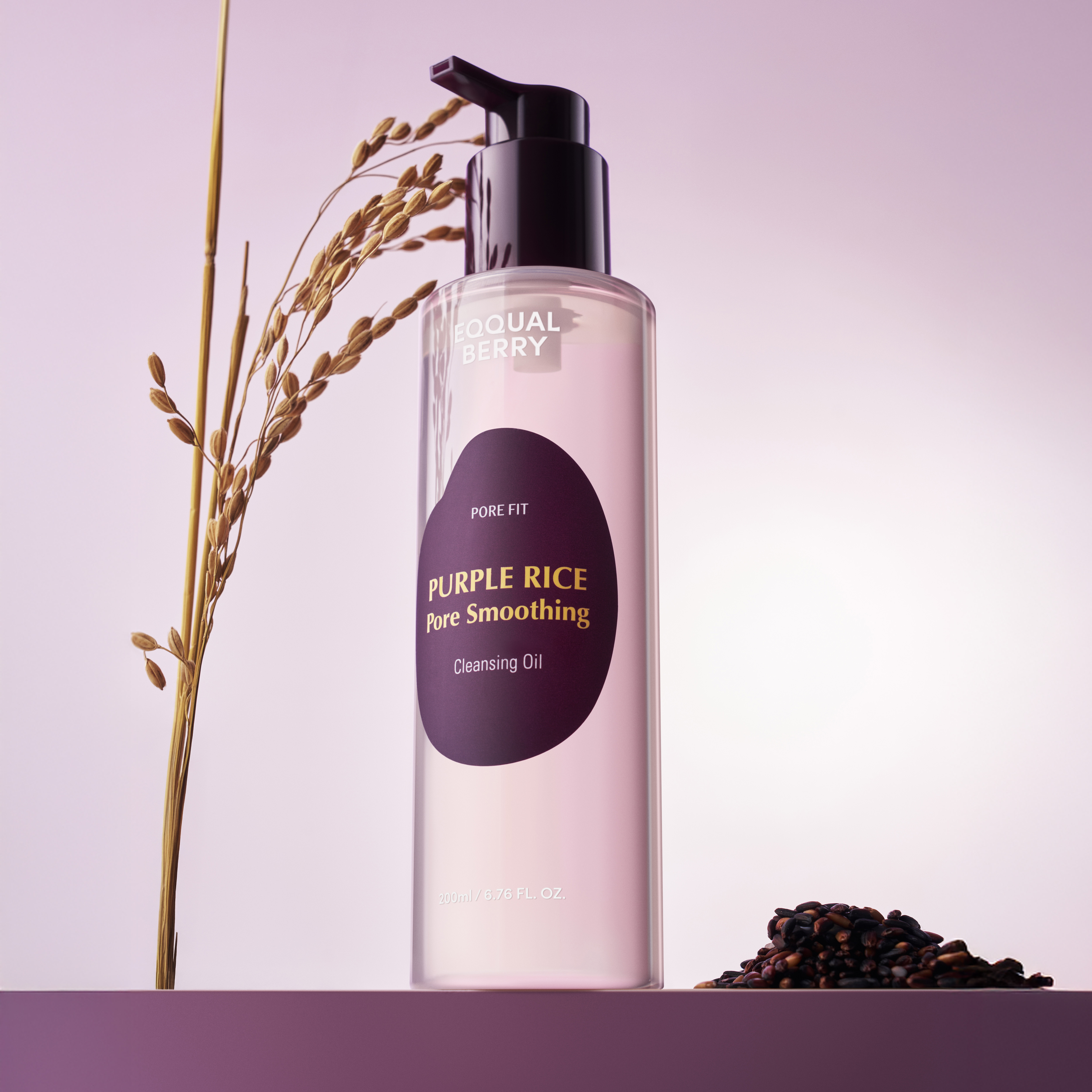
Purple Rice Pore Pack Cleansing Oil
Eqqualberry

Dermoisture Barrier.D Multi Balm
Dr.G
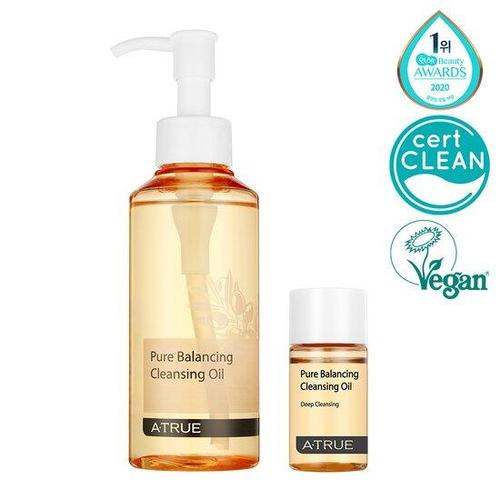
Pure Balancing Cleansing Oil Special Set
ATRUE
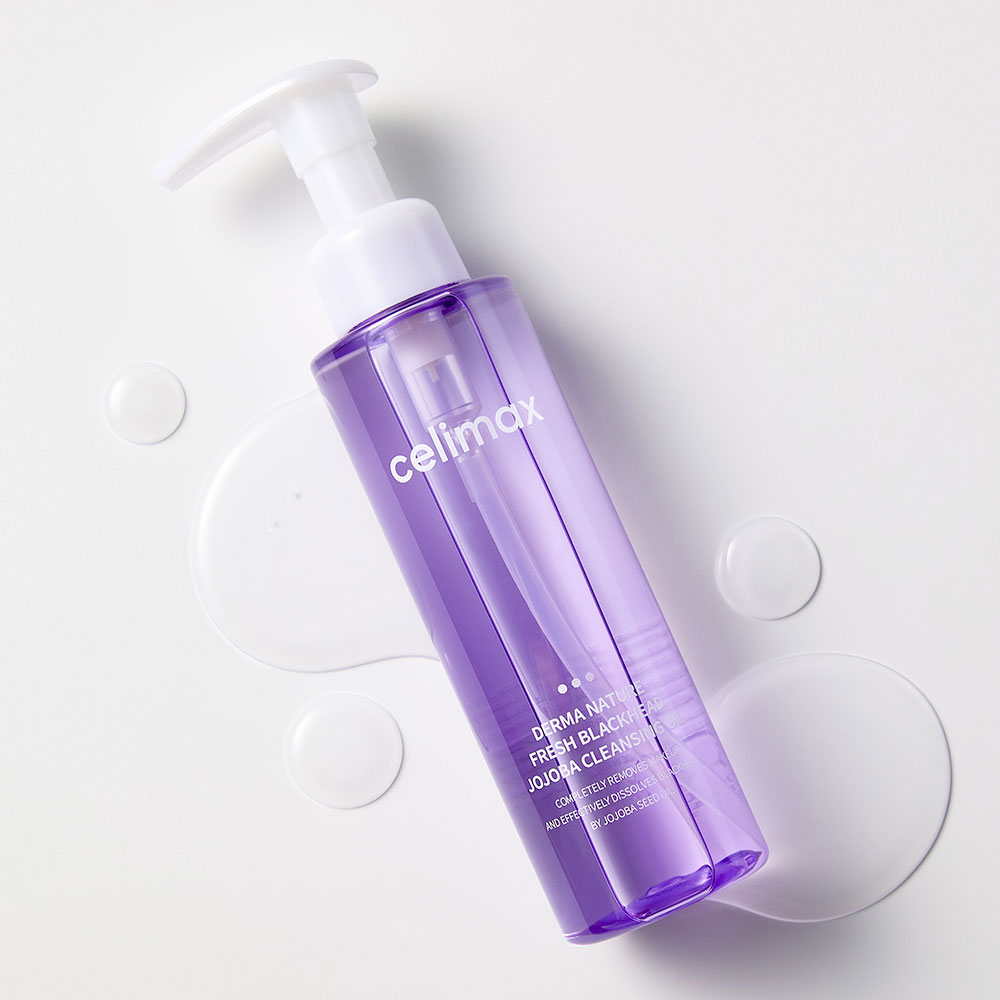
Fresh Blackhead Jojoba Cleansing Oil
Celimax
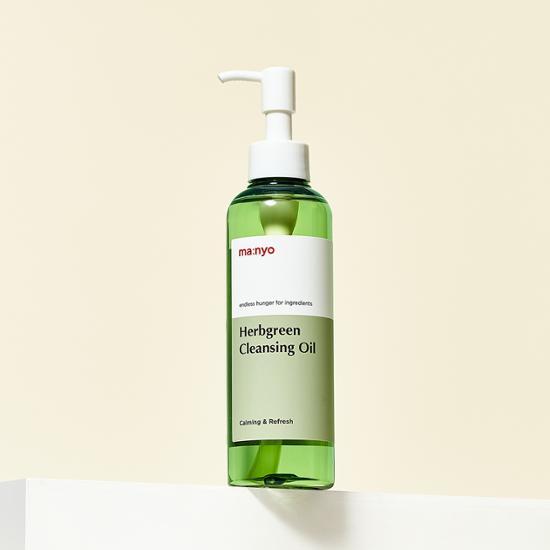
Herb Green Cleansing Oil
ma:nyo
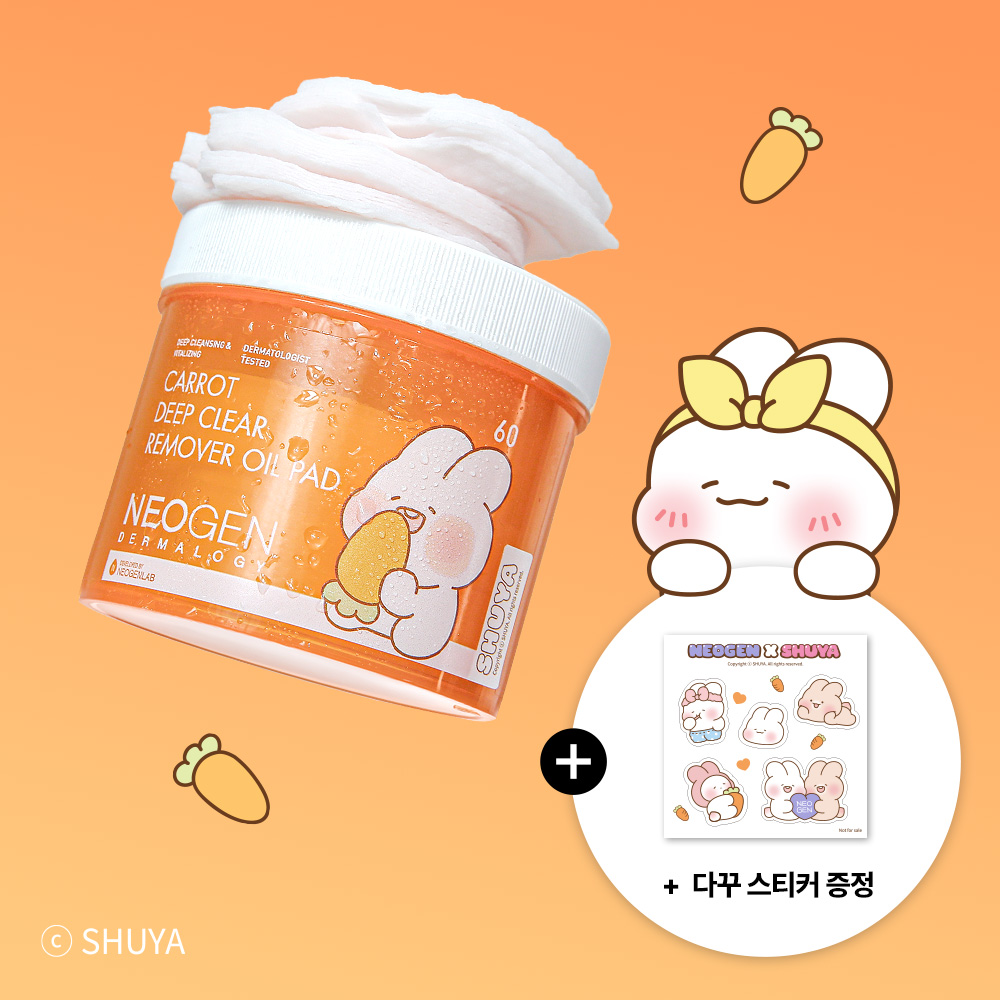
Dermalogy Carrot Deep Clear Remover Oil Pad
Neogen
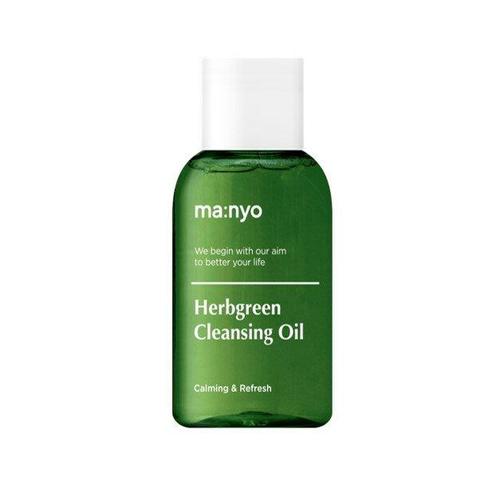
Herbgreen Cleansing Oil
ma:nyo
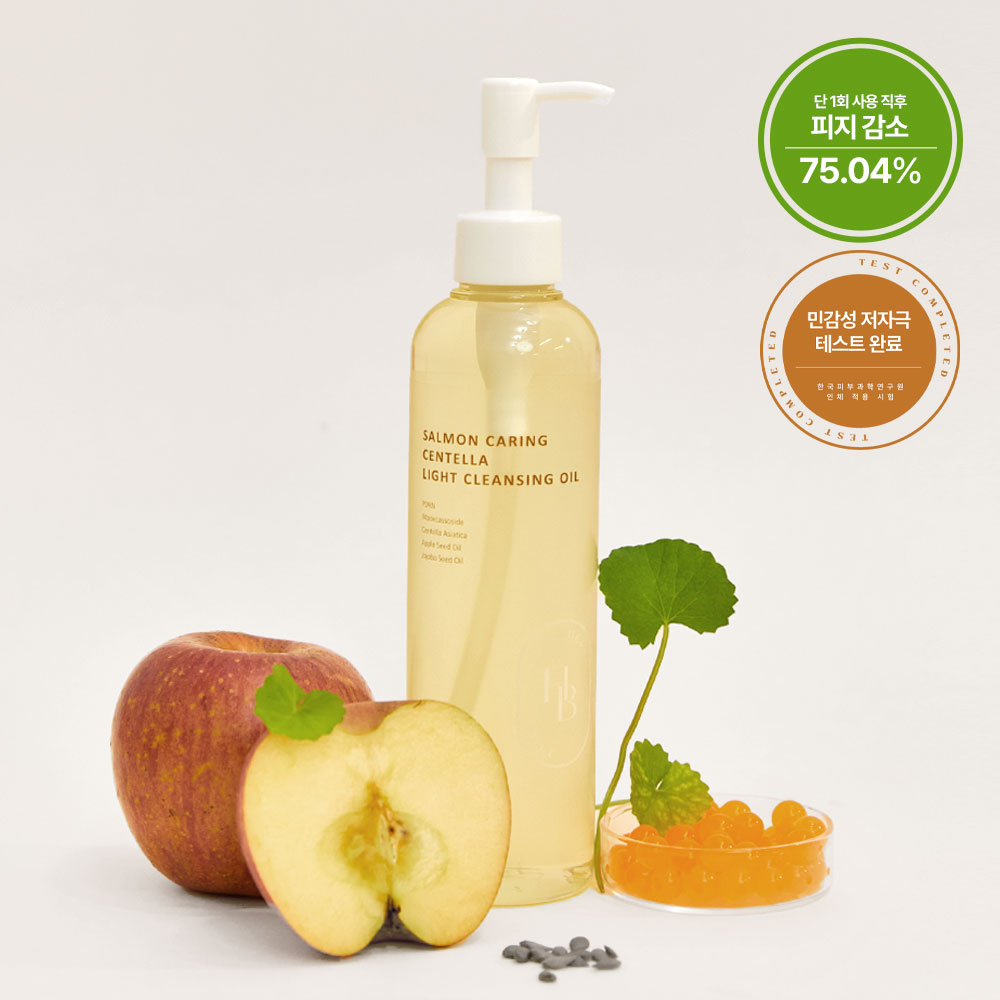
Salmon Caring Centella Light Cleansing Oil
HEVEBLUE
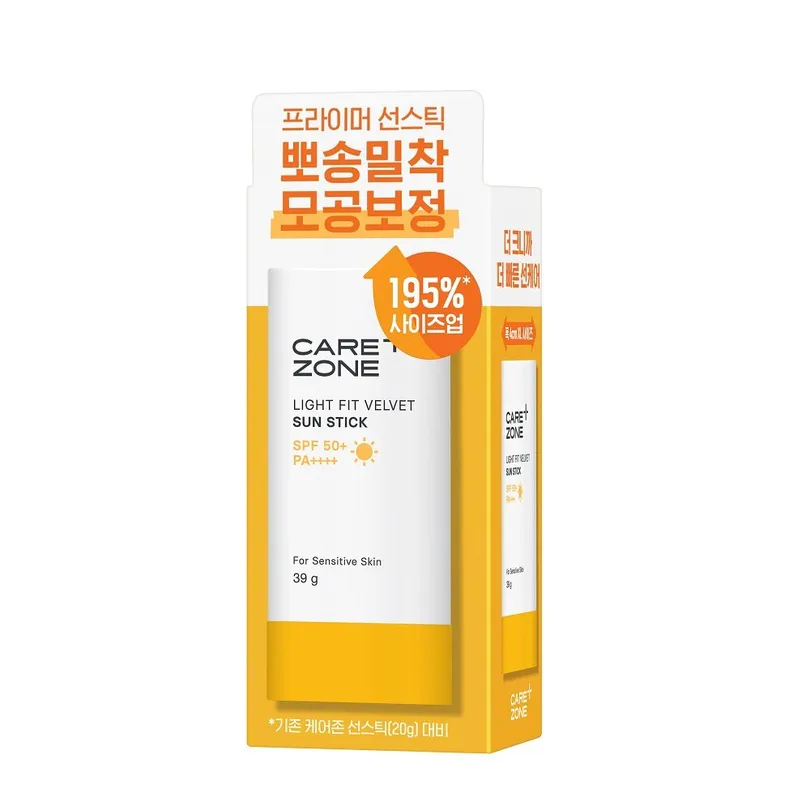
Light Fit Velvet Sun Stick
CAREZONE
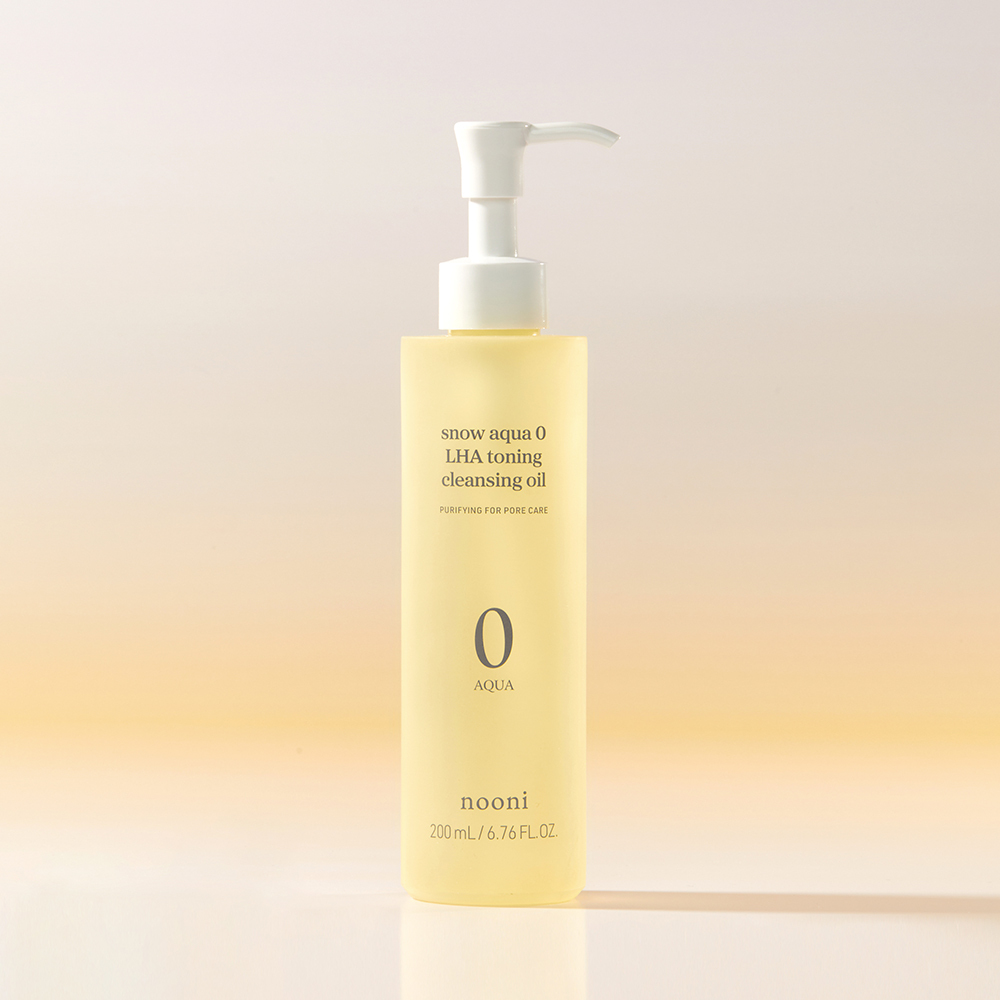
Snow Aqua Zero LHA Toning Cleansing Oil
Nooni
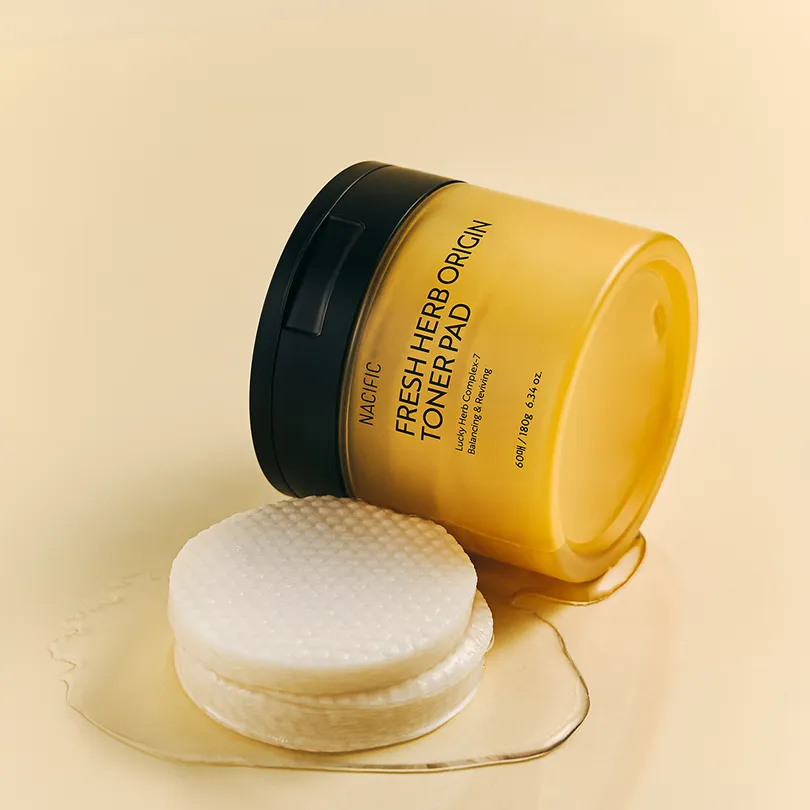
Fresh Herb Origin Toner Pad
Nacific
Frequently Asked Questions
Will grape seed oil clog my pores if I'm acne-prone?▼
How does grape seed oil compare to other facial oils for anti-aging?▼
Can I use grape seed oil if I have sensitive or rosacea-prone skin?▼
Why is grape seed oil so common in K-beauty cleansing oils?▼
Explore More
Want personalized ingredient advice?
Yuri, our AI beauty advisor, can tell you how Grape Seed Oil works with your specific skin type, routine, and concerns.
Ask Yuri, free