Astaxanthin Extract
INCI: Haematococcus Pluvialis Extract
Potent antioxidant that protects against oxidative stress
About Astaxanthin Extract
Astaxanthin extract, derived from the microalgae Haematococcus pluvialis, is one of the most powerful antioxidants available in skincare today. This naturally occurring carotenoid gives salmon and flamingos their distinctive pink color, and in K-beauty formulations, it's prized for its exceptional ability to neutralize free radicals. Research shows astaxanthin is up to 6,000 times more potent than vitamin C and 550 times stronger than vitamin E in fighting oxidative stress. Korean skincare brands have embraced this ingredient particularly in anti-aging and protective formulations, where its molecular structure allows it to span cell membranes and defend skin from both internal and external damage. With a comedogenic rating of 0/5, astaxanthin extract works beautifully across all skin types without clogging pores. Its safety rating of 4/5 reflects its excellent tolerability, though the slight deduction accounts for potential sensitivity in extremely reactive skin. Found in 16 curated K-beauty products on Seoul Sister, astaxanthin often appears in premium formulations alongside other advanced actives, targeting concerns like photoaging, dullness, and loss of elasticity. Top-rated products like Beplain's Blue Freedom Capsule Cleansing Foam and Cell Fusion C's Red Ultimate Cream (both 5.0/5) demonstrate how effectively this ingredient translates research into real results.
How Astaxanthin Extract Works
Astaxanthin functions through a unique molecular architecture that sets it apart from other antioxidants. Its elongated structure with polar end groups allows it to integrate into cell membranes in a way that provides protection from both the lipid interior and aqueous exterior of cells. This positioning means astaxanthin can intercept free radicals from multiple directions, offering comprehensive defense against UV radiation, pollution, and metabolic oxidative stress. At the cellular level, astaxanthin inhibits lipid peroxidation, the process where free radicals attack fatty acids in cell membranes and trigger a chain reaction of damage. It also modulates inflammatory pathways by suppressing NF-kB activation and reducing pro-inflammatory cytokines like IL-6 and TNF-alpha. Additionally, astaxanthin supports mitochondrial function, helping skin cells produce energy more efficiently while generating fewer reactive oxygen species. This mechanism explains why users often report improvements in skin texture, radiance, and resilience after consistent use of products containing this extract.
Astaxanthin Extract by Skin Type
Oily Skin
Astaxanthin extract is excellent for oily skin types dealing with inflammation and enlarged pores. Its potent anti-inflammatory properties help calm sebum-triggered redness while its zero comedogenic rating ensures it won't contribute to congestion. The antioxidant protection is particularly valuable for oily skin exposed to urban pollution, which can exacerbate breakouts.
Dry Skin
For dry skin, astaxanthin extract provides critical protection against environmental damage that can worsen moisture barrier dysfunction. While not a humectant itself, its ability to prevent oxidative damage to lipids helps preserve the skin's natural barrier. Pair it with hydrating ingredients like hyaluronic acid or ceramides for optimal results, as seen in formulations like AHC's Colla-Juvenation Lift 4 Treatment Essence.
Combo Skin
Combination skin benefits from astaxanthin's balanced approach to protection without added weight or greasiness. The ingredient addresses oxidative stress uniformly across both oily and dry zones without disrupting sebum production in T-zone areas. Its lightweight molecular profile means it layers well under other targeted treatments for different facial zones.
Sensitive Skin
Sensitive skin can generally tolerate astaxanthin extract well due to its strong anti-inflammatory properties that actively reduce redness and reactivity. However, the 4/5 safety rating reflects that a small percentage of highly reactive individuals may experience initial adjustment. Start with products containing lower concentrations and patch test, especially if you have rosacea or contact dermatitis history.
Normal Skin
Normal skin types can use astaxanthin extract preventatively to maintain youthful skin quality and defend against future damage. This is where the ingredient truly shines as a long-term investment in skin health. Products like The Whoo's Royal Regina Energetic Repair Serum demonstrate how astaxanthin can enhance overall radiance and resilience in already balanced skin.
How to Use Astaxanthin Extract
- 1Apply astaxanthin products in your morning routine for maximum photoprotective benefits, layering under SPF for synergistic defense against UV-induced free radicals.
- 2For anti-aging concerns, use astaxanthin serums or creams consistently for at least 8-12 weeks to see measurable improvements in fine lines and skin texture.
- 3Astaxanthin pairs exceptionally well with other antioxidants like vitamin C, niacinamide, and vitamin E for enhanced protective effects without irritation.
- 4Store astaxanthin products away from direct sunlight and heat, as the ingredient can degrade with prolonged light exposure, reducing its effectiveness.
- 5If you notice a slight pink or coral tint in your product, this is normal and indicates the presence of natural astaxanthin, it won't stain your skin.
Background
Astaxanthin's journey into K-beauty stems from decades of research into marine biology and longevity. Scientists first isolated this carotenoid from Haematococcus pluvialis microalgae in the 1990s while studying why certain aquatic species showed remarkable resistance to environmental stress. The algae produces astaxanthin as a survival mechanism when exposed to harsh conditions like intense UV radiation or nutrient depletion. Japanese and Korean researchers were among the first to recognize its potential for human skin, conducting clinical trials that demonstrated significant improvements in wrinkle depth, elasticity, and moisture retention. By the mid-2010s, Korean skincare brands began incorporating astaxanthin into premium formulations, positioning it as a next-generation alternative to traditional antioxidants. Today, it represents K-beauty's commitment to leveraging cutting-edge biotechnology and marine-derived actives for advanced skincare solutions.
K-Beauty Products with Astaxanthin Extract
View all 17 →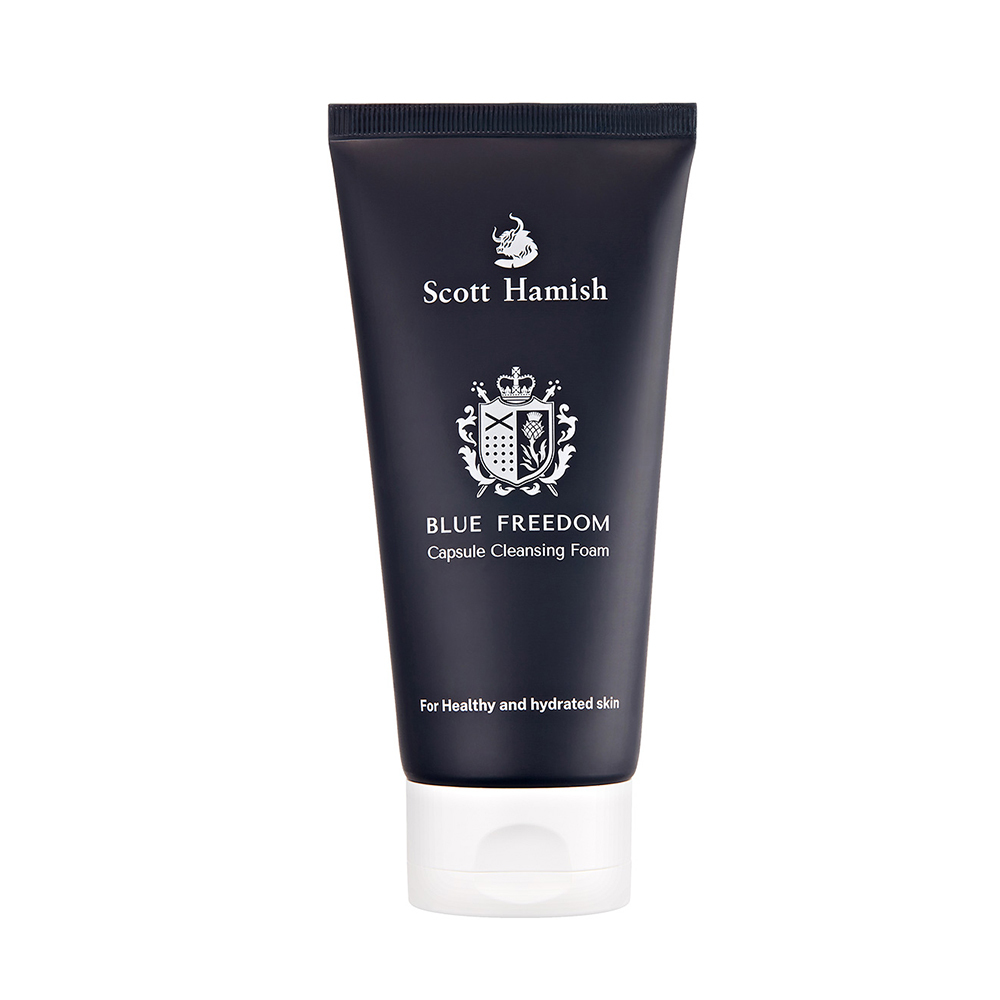
Blue Freedom Capsule Cleansing Foam
Beplain
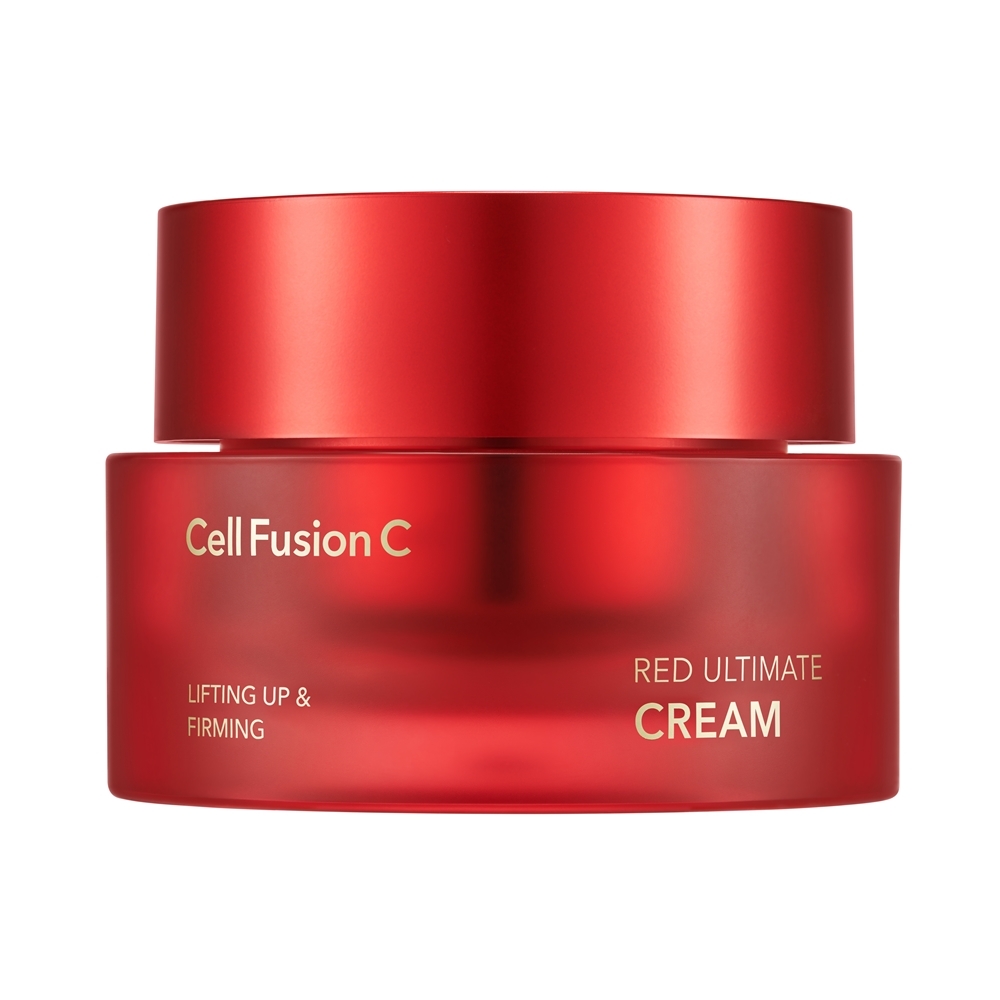
Red Ultimate Cream
Cell Fusion C
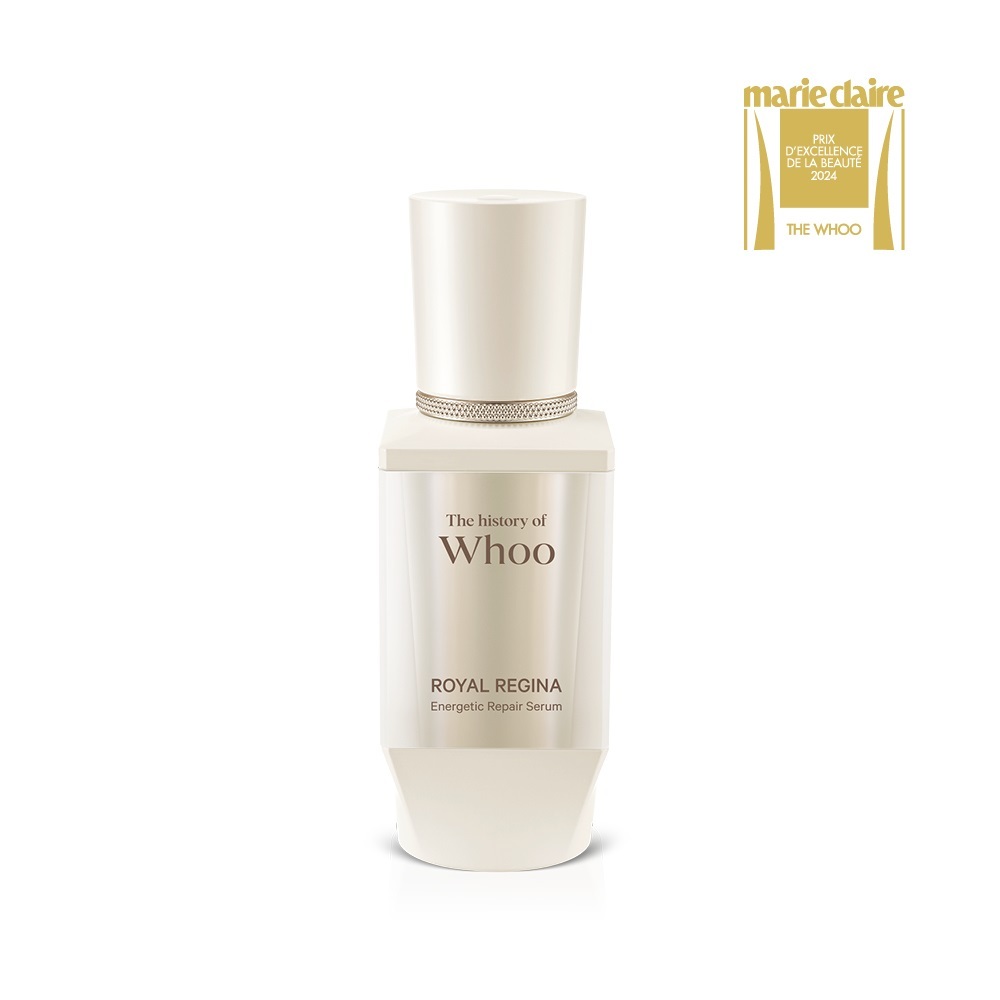
Royal Regina Energetic Repair Serum
The Whoo
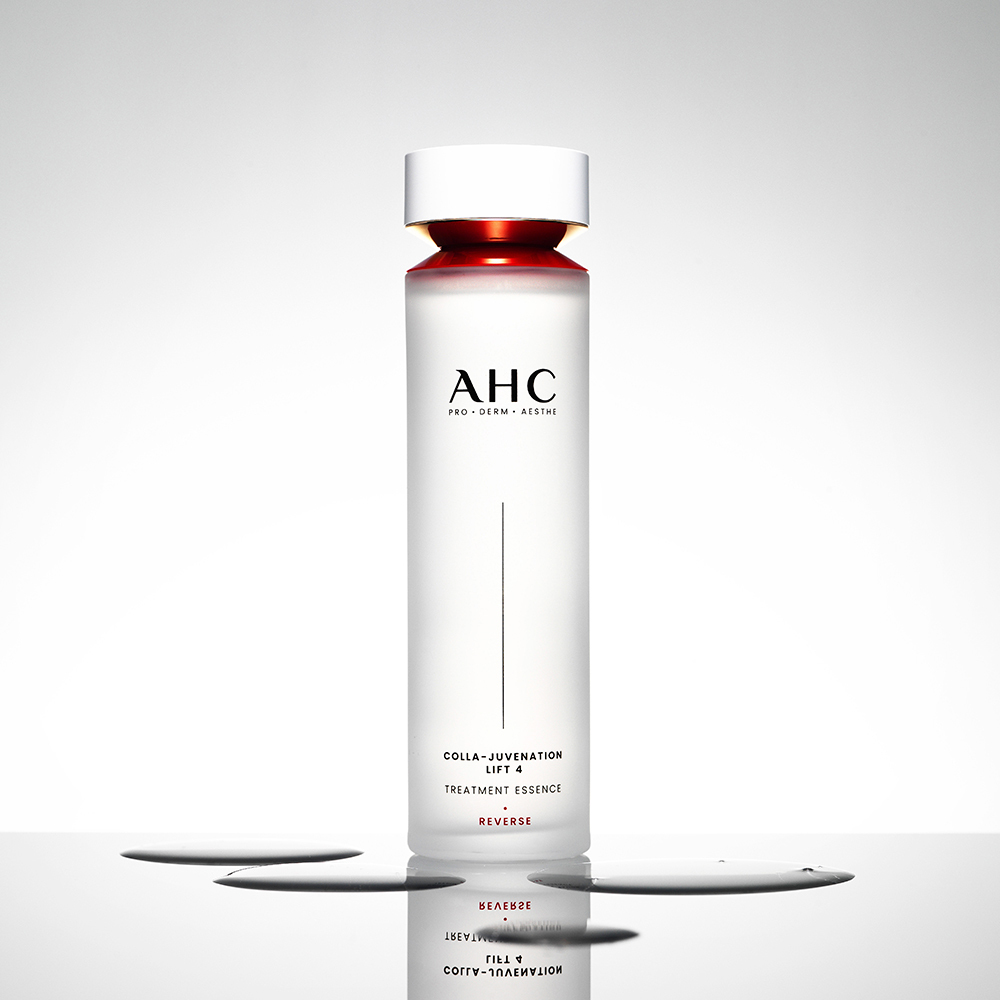
Colla-Juvenation Lift 4 Treatment Essence
AHC
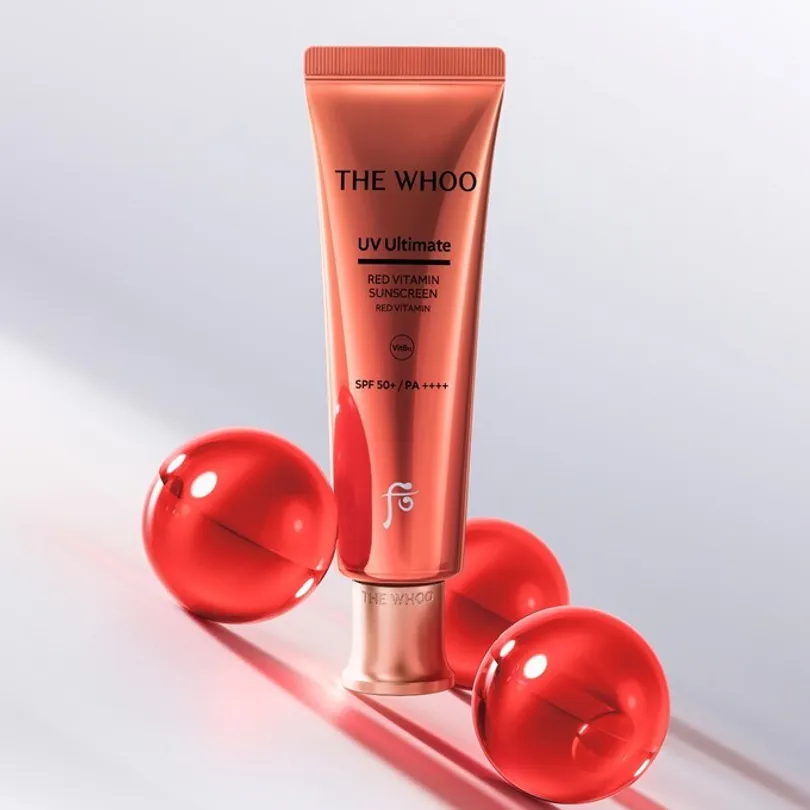
UV Ultimate Red Vitamin Sunscreen
The Whoo
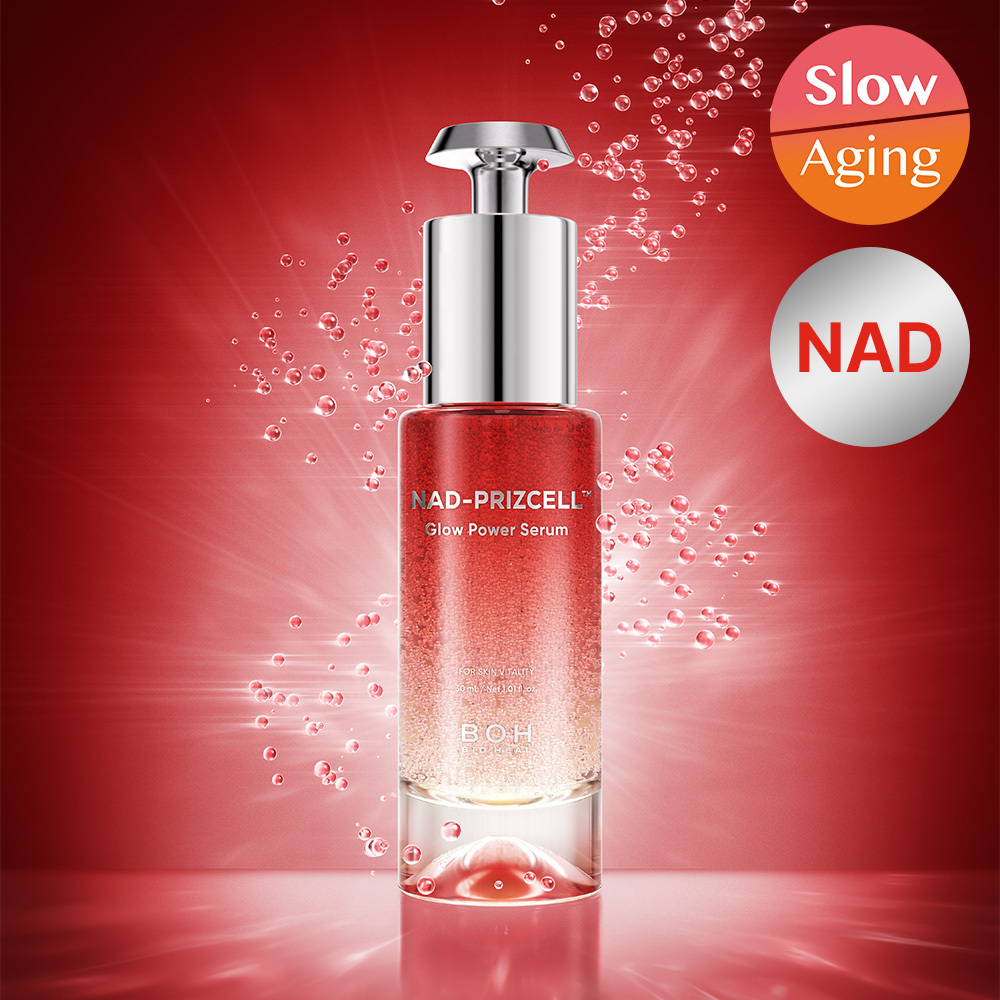
NAD-Prizcell Glow Power Serum
Bioheal BOH
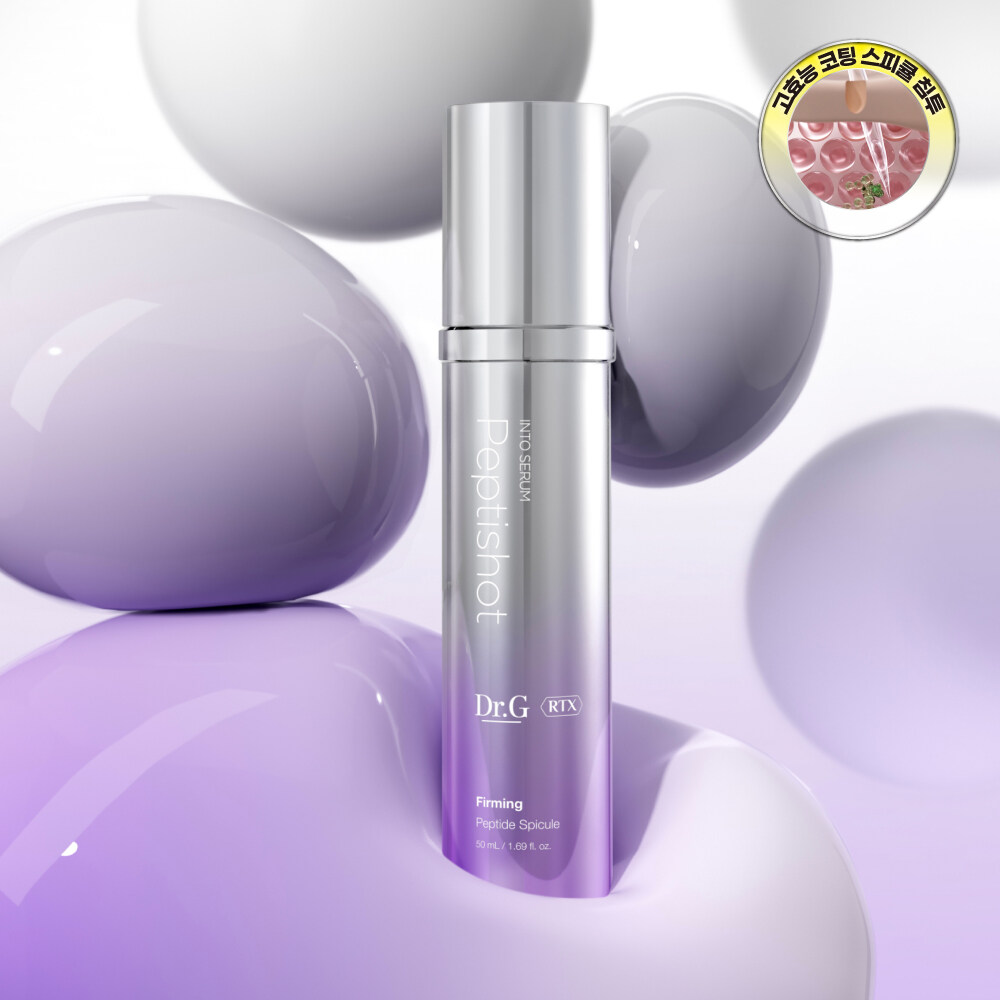
RTX Into Serum Peptishot
Dr.G
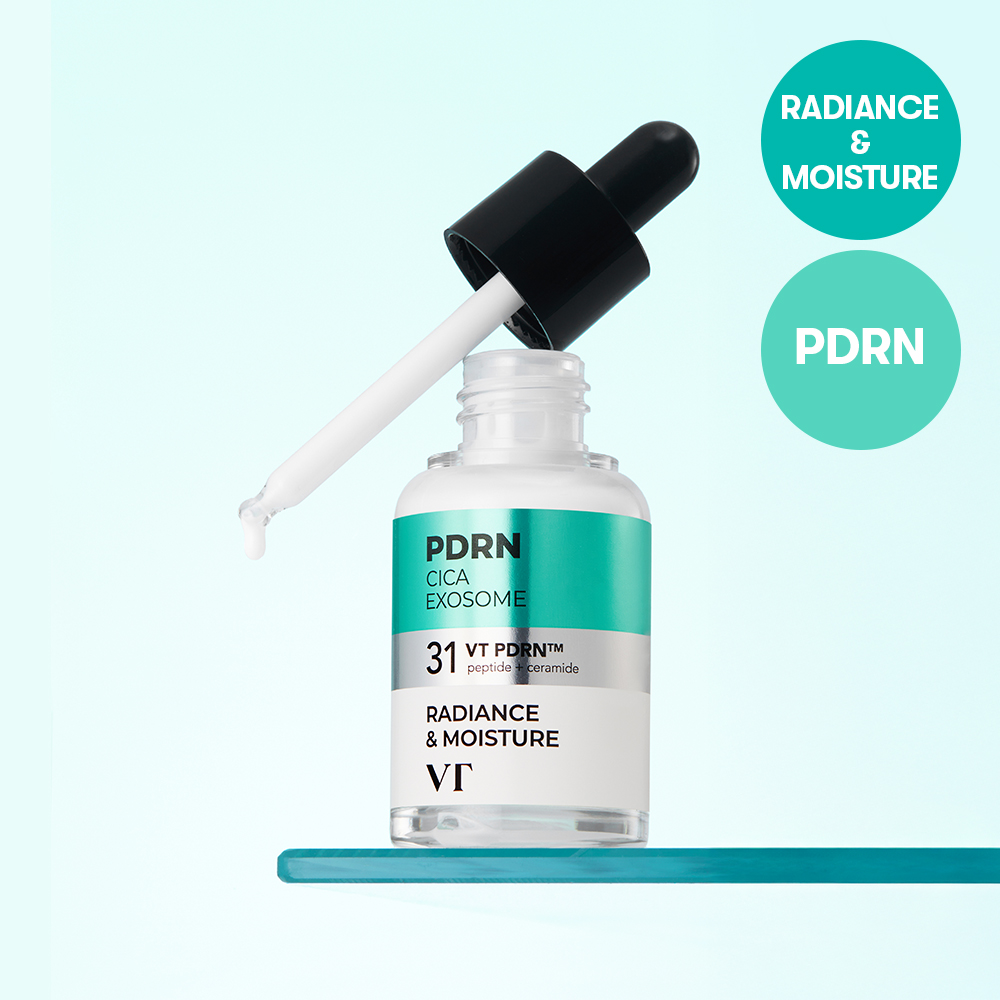
R5 Firming Ampoule
VT
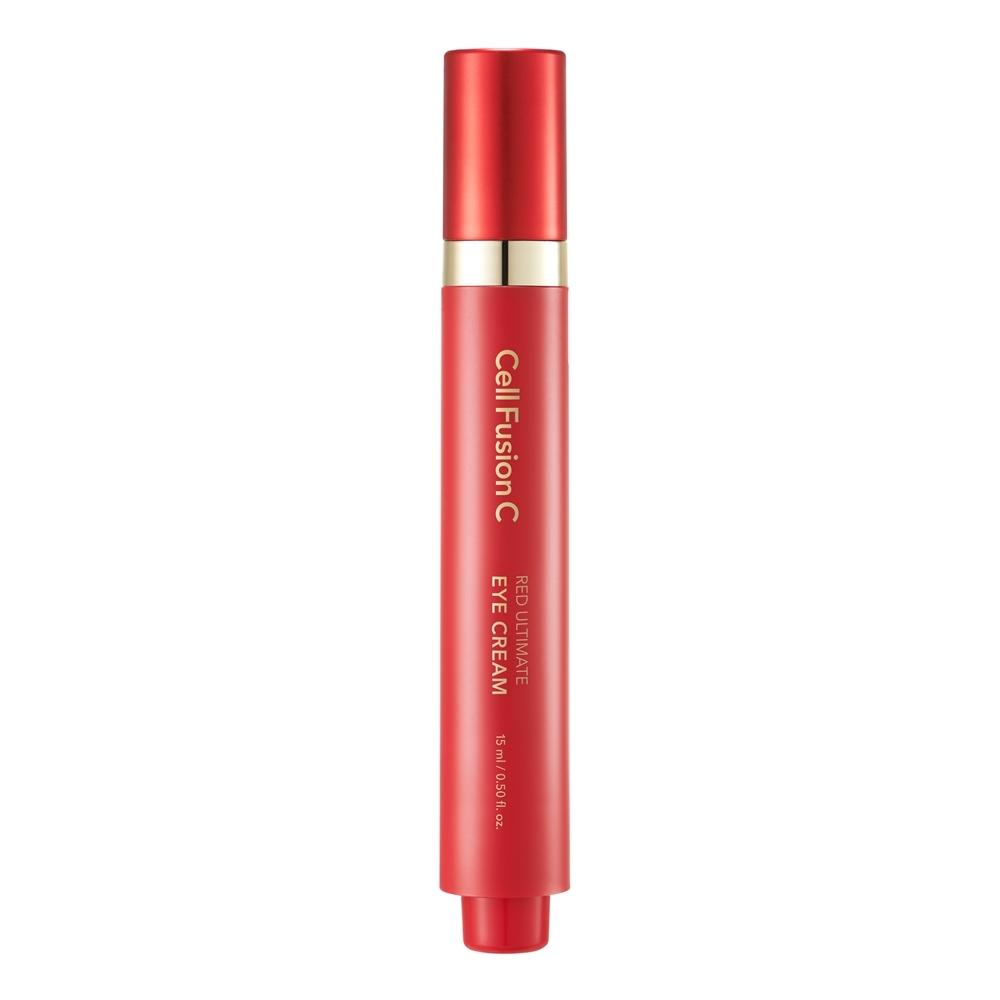
Red Ultimate Eye Cream
Cell Fusion C
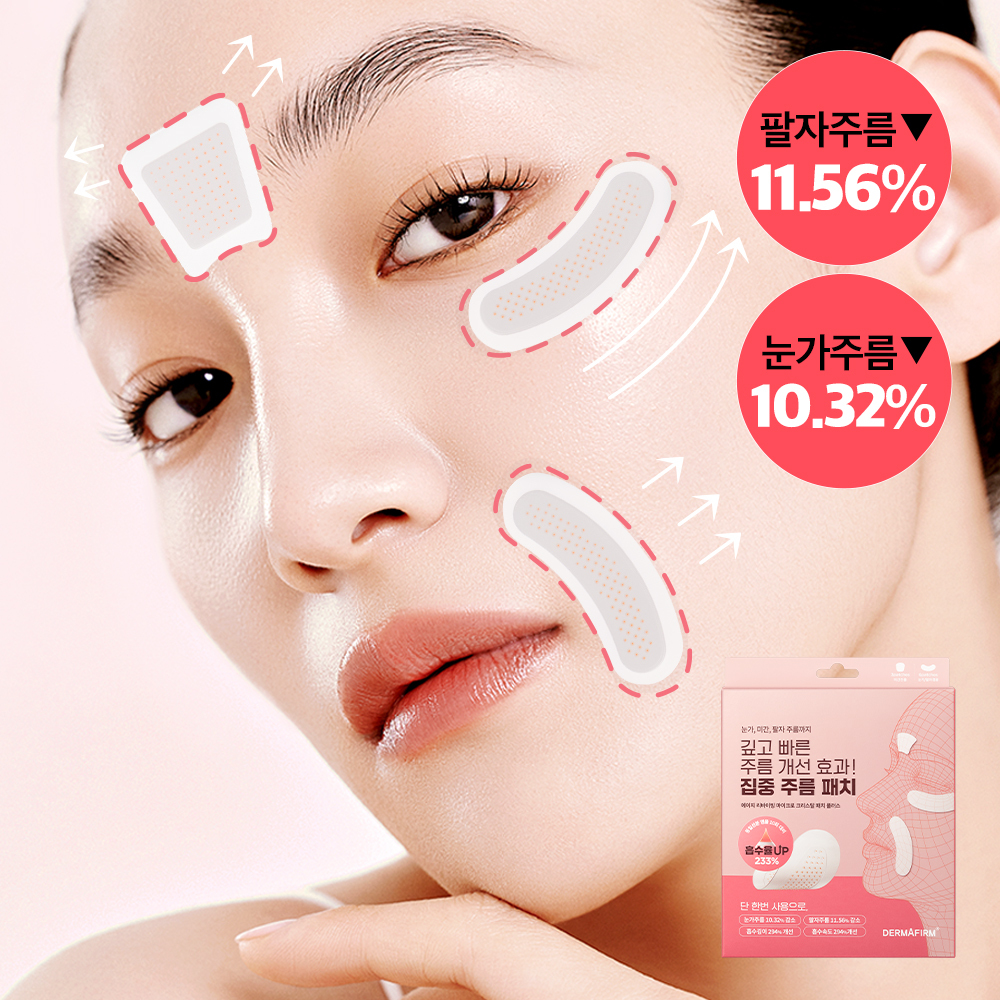
Age Reviving Micro Crystal Patch Plus
DERMAFIRM
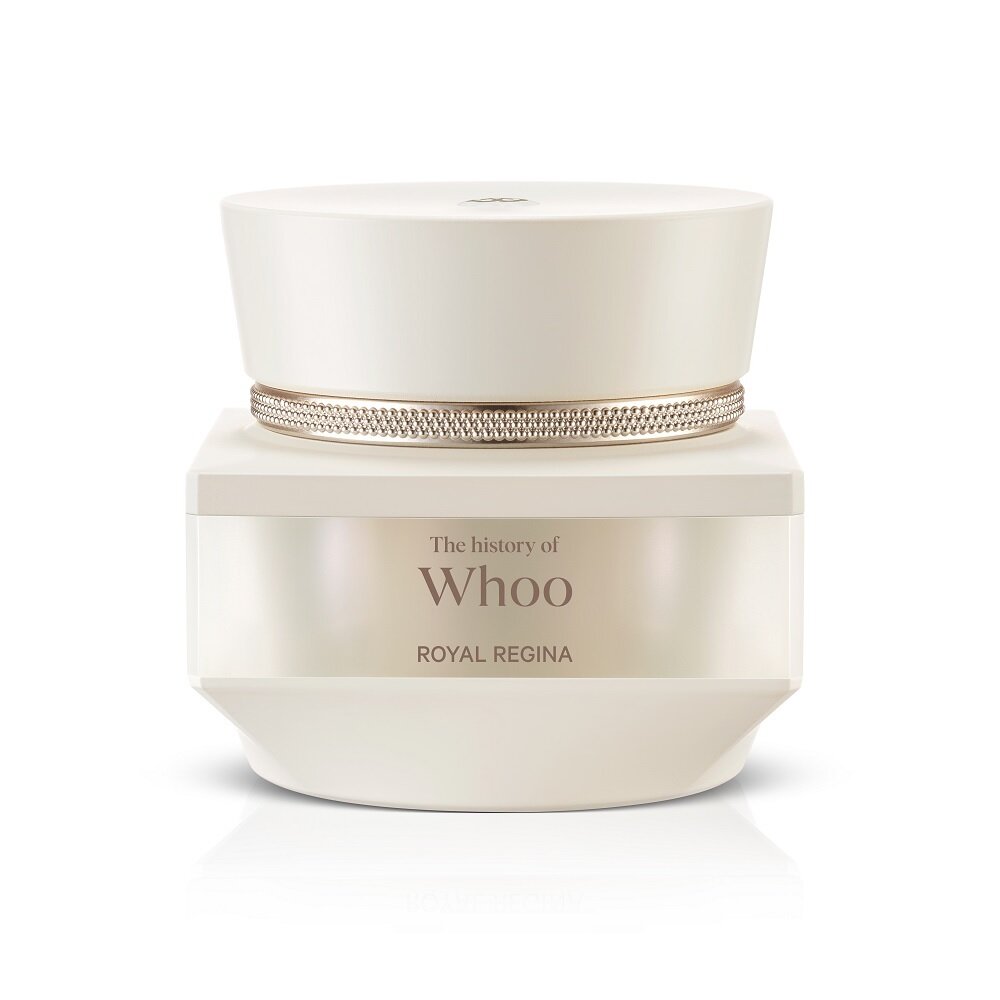
Royal Regina Energetic Recharging Cream
The Whoo
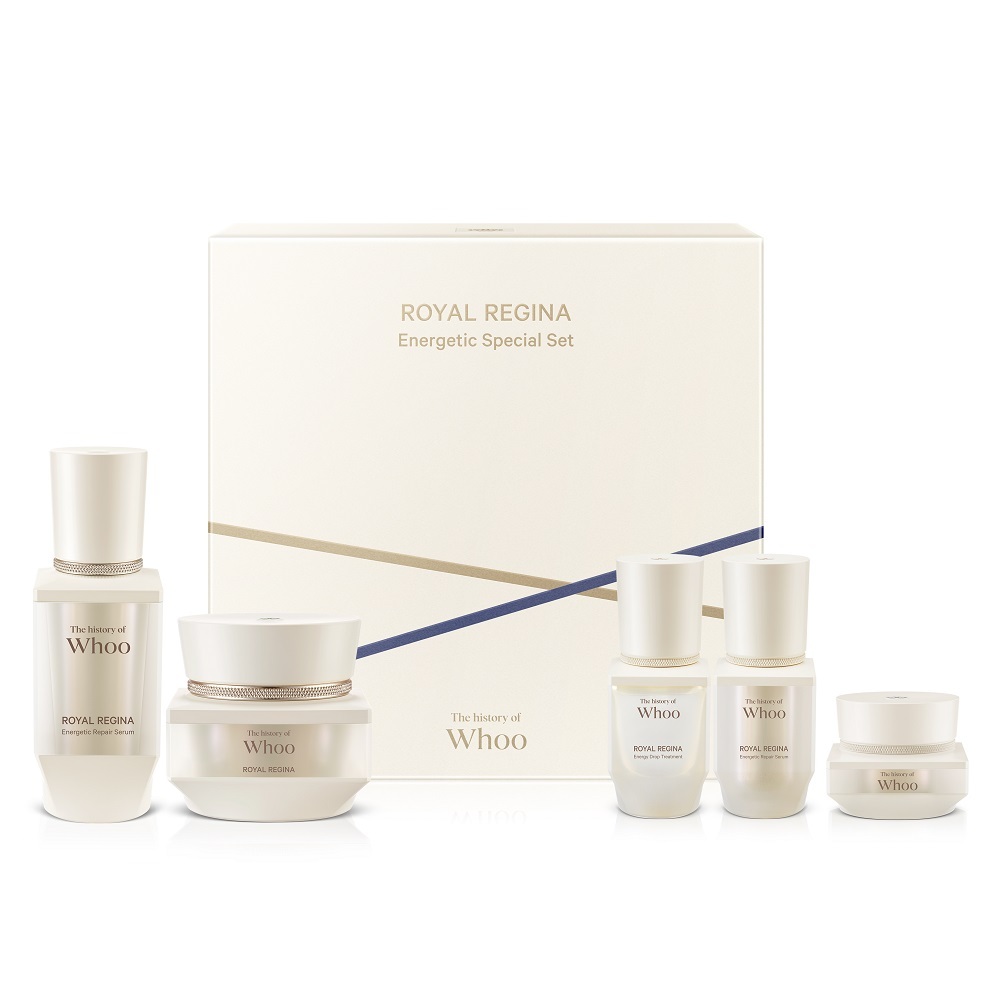
Royal Regina 2P Set (Serum 30ml + Cream 50ml)
The Whoo
Frequently Asked Questions
Is astaxanthin better than vitamin C for anti-aging?▼
Can astaxanthin extract cause skin purging or breakouts?▼
How quickly will I see results from astaxanthin products?▼
Should I use astaxanthin in the morning or evening?▼
Are there any ingredients that conflict with astaxanthin?▼
Explore More
Want personalized ingredient advice?
Yuri, our AI beauty advisor, can tell you how Astaxanthin Extract works with your specific skin type, routine, and concerns.
Ask Yuri, free