Ivy Extract
INCI: Hedera Helix (Ivy) Leaf/Stem Extract
Soothing and anti-inflammatory botanical extract
About Ivy Extract
Ivy extract, derived from the leaves and stems of Hedera helix (commonly known as English ivy), is a botanical powerhouse in K-beauty formulations valued for its soothing and anti-inflammatory properties. This extract contains a complex mix of active compounds including saponins, flavonoids, and polyacetylenes that work together to calm irritated skin and reduce redness. In Korean skincare, ivy extract appears predominantly in cleansing formulations where it serves a dual purpose: helping to dissolve impurities while simultaneously protecting the skin barrier from the stripping effects of surfactants. With 124 products on Seoul Sister featuring this ingredient, ivy extract has carved out a niche as a supporting player in gentle, effective cleansers that won't leave skin feeling tight or compromised. Its low comedogenic rating (1/5) makes it particularly appealing for formulations targeting congested or acne-prone skin, as it can deliver anti-inflammatory benefits without contributing to pore blockage. The safety rating of 3/5 reflects that while generally well-tolerated, ivy extract can occasionally cause sensitivity in individuals with plant allergies or highly reactive skin.
How Ivy Extract Works
Ivy extract's effectiveness stems from its rich saponin content, particularly hederagenin and alpha-hederin, which exhibit significant anti-inflammatory activity by inhibiting the production of pro-inflammatory cytokines in skin cells. These saponins also possess mild surfactant properties, contributing to the ingredient's prevalence in cleansing products by helping to emulsify oils and lift away debris. The flavonoids present in ivy extract, including rutin and kaempferol, provide antioxidant protection by neutralizing free radicals that contribute to inflammation and premature aging. Additionally, ivy extract has been shown to strengthen capillary walls and improve microcirculation in the skin, which can reduce the appearance of redness and support overall skin health. The polyacetylenes in the extract offer antimicrobial properties that may help control the bacteria associated with acne and breakouts. When applied topically in cleansers, these compounds work synergistically to cleanse while minimizing the inflammatory response that harsh cleansing can trigger, making the skin-cleansing process gentler and more supportive of barrier function.
Ivy Extract by Skin Type
Oily Skin
Ivy extract works beautifully for oily skin types, particularly in the cleansing oils where it's most commonly found on Seoul Sister. Its ability to dissolve excess sebum while providing anti-inflammatory benefits helps address the irritation that often accompanies oily, acne-prone skin. The low comedogenic rating means it won't contribute to the congestion oily skin types are already battling.
Dry Skin
For dry skin, ivy extract offers soothing benefits that can calm the inflammation often associated with dryness and dehydration. When formulated in cleansing oils like the top-rated products on Seoul Sister, it helps cleanse without stripping, though dry skin types should still follow with a hydrating routine. The anti-inflammatory properties can reduce the redness that frequently appears on compromised, dry skin.
Combo Skin
Combination skin benefits significantly from ivy extract in cleansing formulations, as it addresses both oily and dry zones without exacerbating either condition. The extract's ability to regulate sebum while soothing irritation makes it ideal for the T-zone, while its gentle nature won't overdry the cheeks. Products like the Pongdang Pore Deep Clean Cleansing Oil leverage this balance perfectly.
Sensitive Skin
Sensitive skin types should approach ivy extract with some caution, as indicated by its 3/5 safety rating. While many people tolerate it well and benefit from its anti-inflammatory properties, those with plant allergies or highly reactive skin may experience sensitivity. Patch testing products containing ivy extract is recommended, particularly if you have a history of reactions to botanical ingredients.
Normal Skin
Normal skin types can enjoy ivy extract's benefits without significant concerns. The soothing and anti-inflammatory properties help maintain skin's balanced state, while its presence in highly-rated cleansers on Seoul Sister (all scoring 5.0/5) suggests it contributes to effective, gentle formulations. Normal skin can tolerate the extract well while benefiting from its antioxidant and calming effects.
How to Use Ivy Extract
- 1Patch test products containing ivy extract if you have sensitive skin or known plant allergies, applying a small amount behind your ear or on your inner arm for 24-48 hours before full facial use.
- 2Use ivy extract-containing cleansers as your first cleanse in a double-cleansing routine to maximize the soothing benefits while thoroughly removing makeup and sunscreen.
- 3If experiencing any tingling, redness, or irritation when using ivy extract products, discontinue use immediately as you may be sensitive to the saponins or other plant compounds.
- 4Pair ivy extract cleansers with calming, barrier-supportive products in the rest of your routine to amplify the anti-inflammatory benefits, particularly if you're addressing acne or redness.
Background
Ivy has been used medicinally for centuries, with records of its therapeutic use dating back to ancient Greece and Rome where it was applied to reduce inflammation and treat respiratory conditions. The plant's transition into skincare came through European herbal medicine traditions, where ivy leaf extracts were recognized for their ability to improve circulation and reduce swelling. Korean skincare formulators adopted ivy extract in the early 2000s as the K-beauty industry increasingly embraced botanical ingredients with traditional medicinal backgrounds. The extract's compatibility with cleansing formulations, combined with growing consumer demand for plant-based actives that deliver functional benefits, secured its place in modern K-beauty. Today, ivy extract represents the K-beauty philosophy of harnessing traditional botanical wisdom through modern extraction and formulation techniques.
K-Beauty Products with Ivy Extract
View all 131 →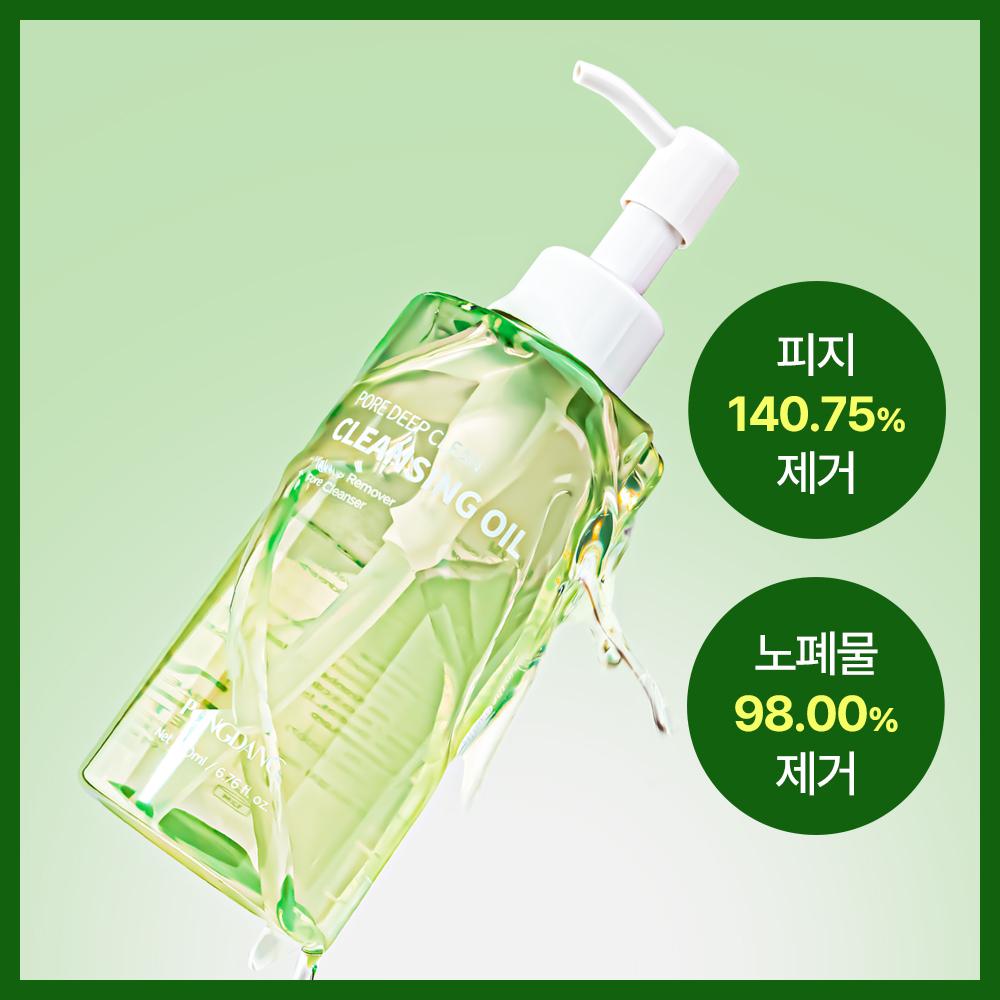
Pongdang Pore Deep Clean Cleansing Oil
Banila Co
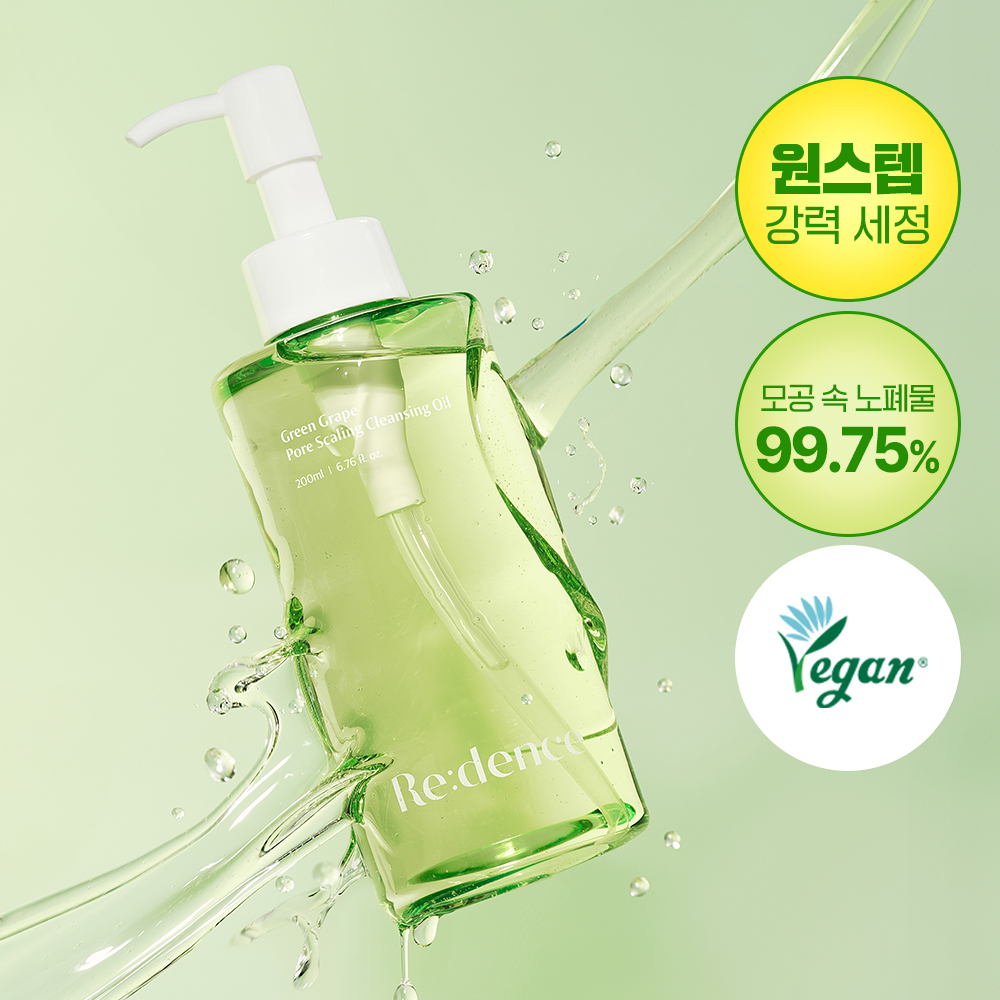
Green Grape Pore Scaling Cleansing Oil
Redence
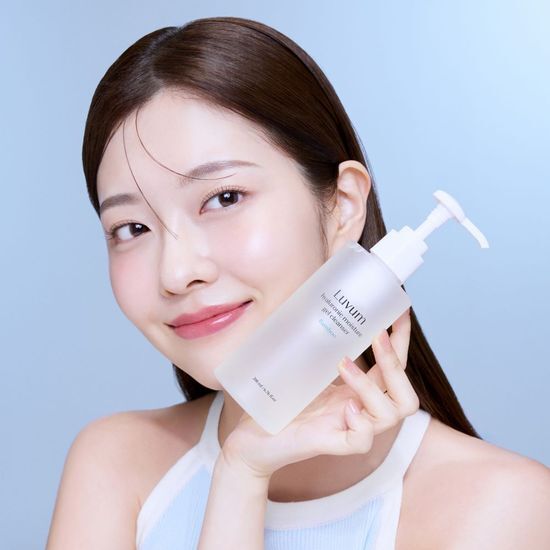
Bamboo Hyaluronic Moisture Gel Cleanser
Luvum
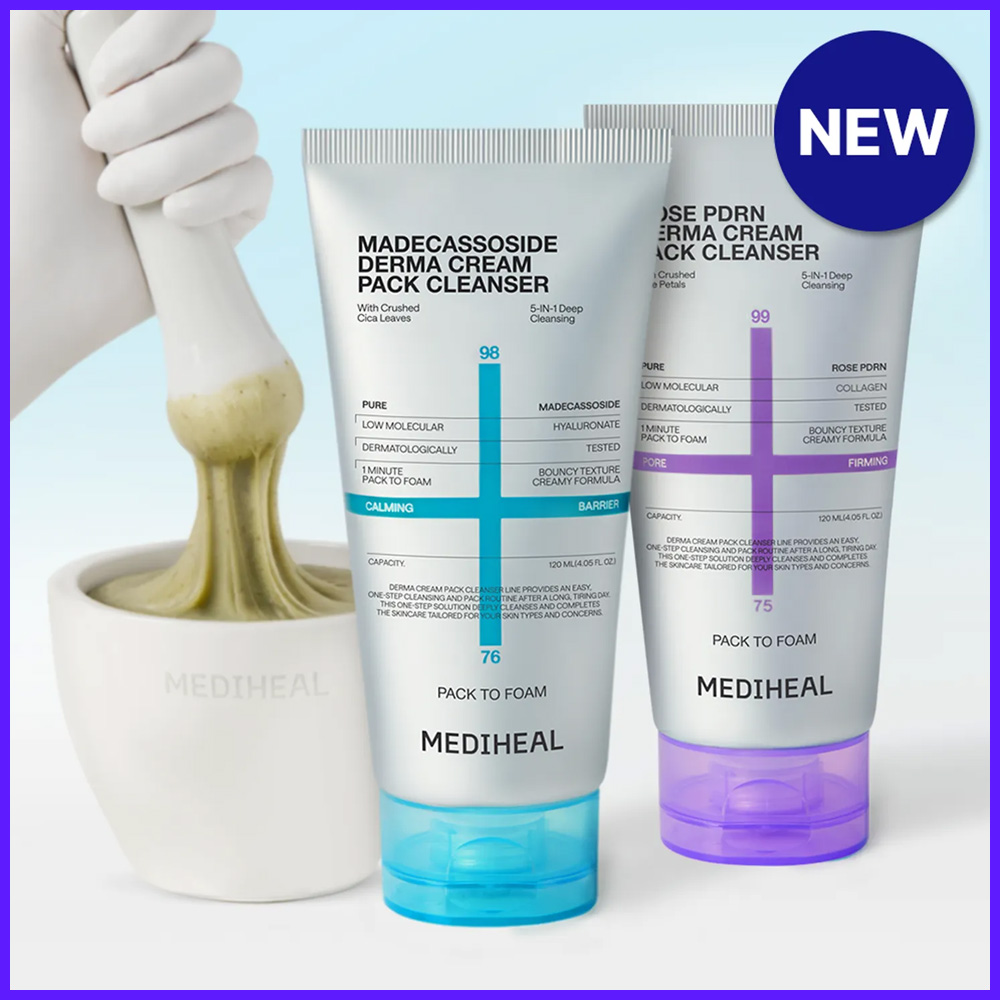
Derma Cream Pack Cleanser
Mediheal

Madecassoside Blemish Repair Serum
Mediheal
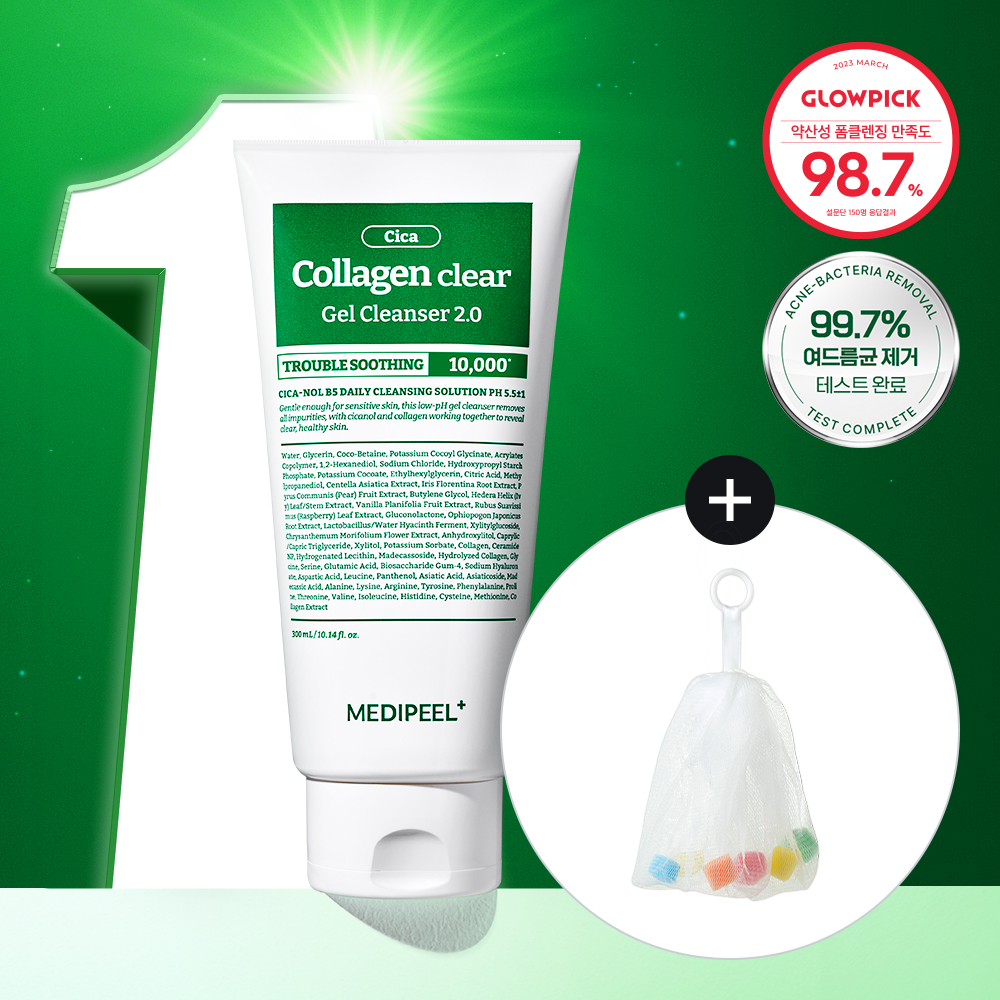
Green Cica Collagen Clear 2.0 Special Set
Medi-Peel
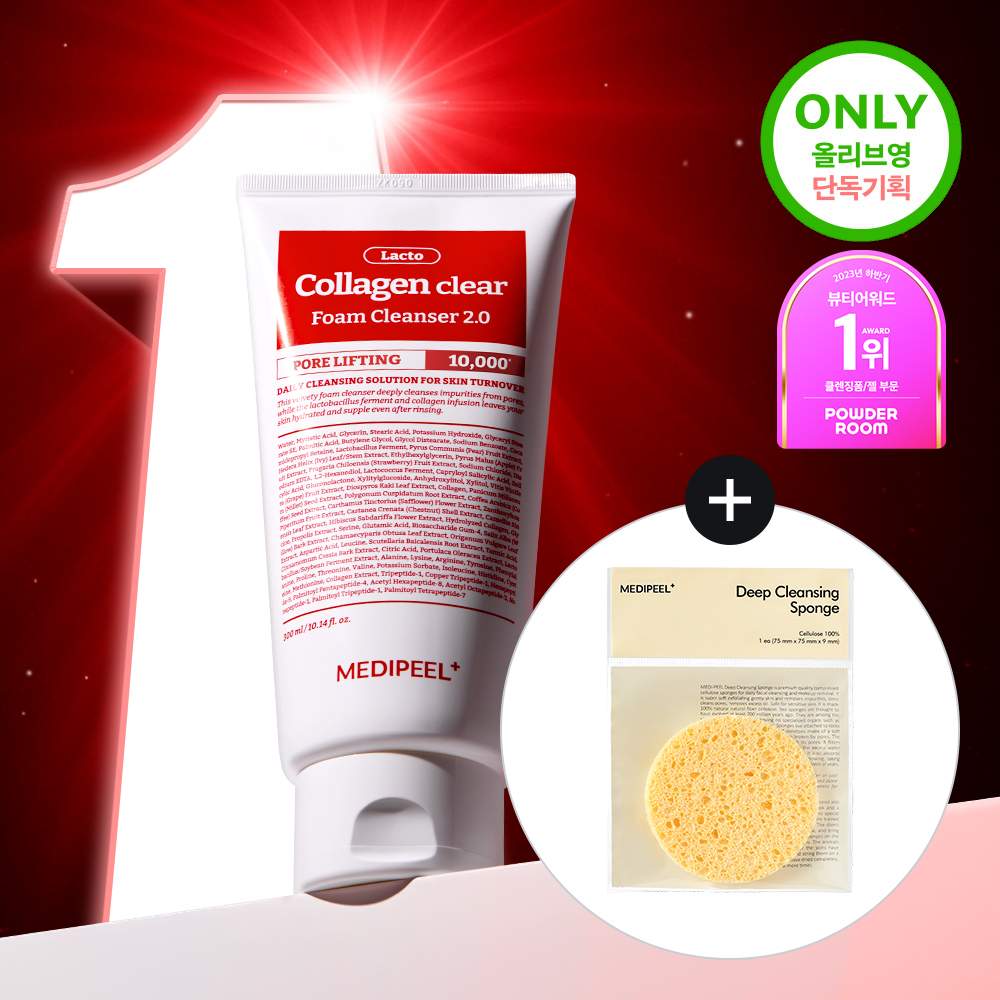
Red Lacto Collagen Clear 2.0 Special Set
Medi-Peel
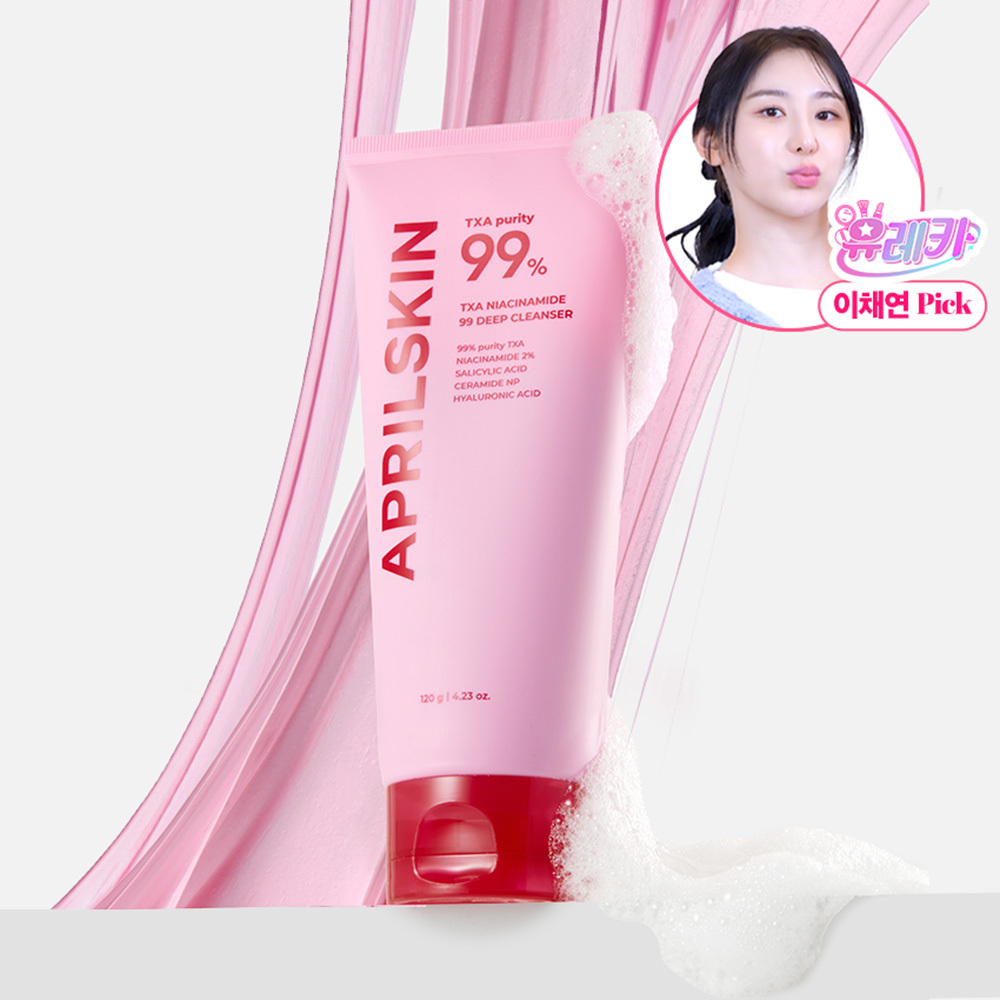
TXA Niacinamide 99 Deep Cleanser
April Skin
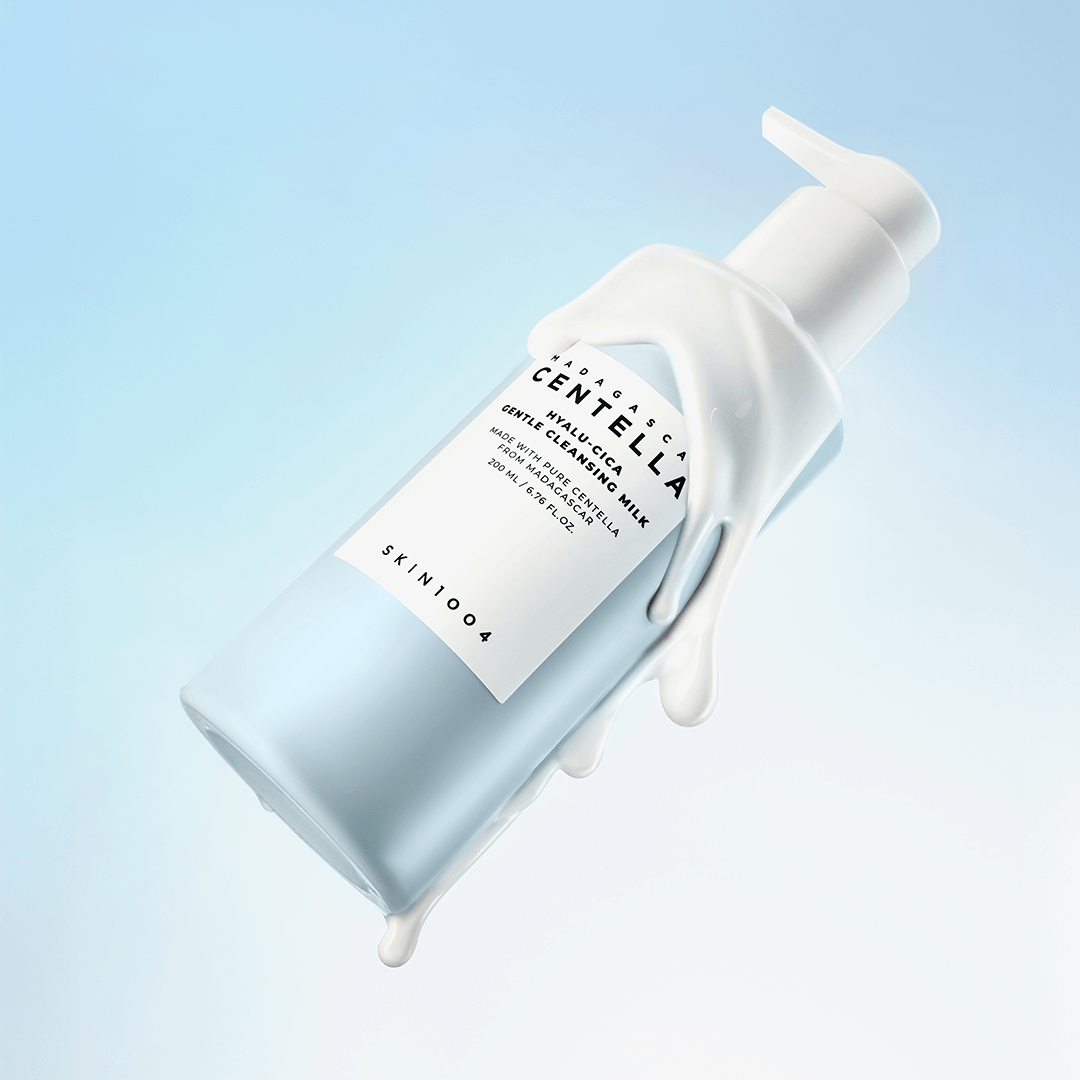
Madagascar Centella Hyalu-Cica Gentle Cleansing Milk
SKIN1004
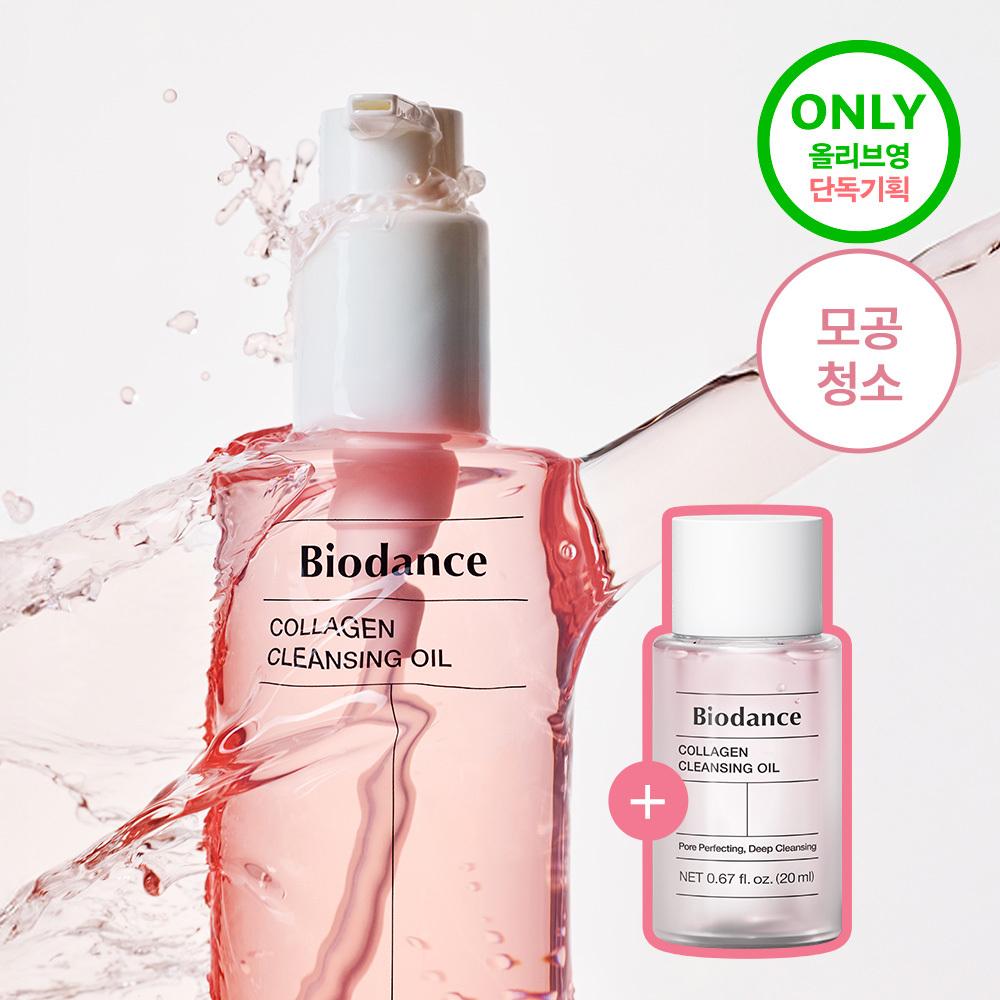
Collagen Cleansing Oil 200ml Set (+20ml)
Biodance
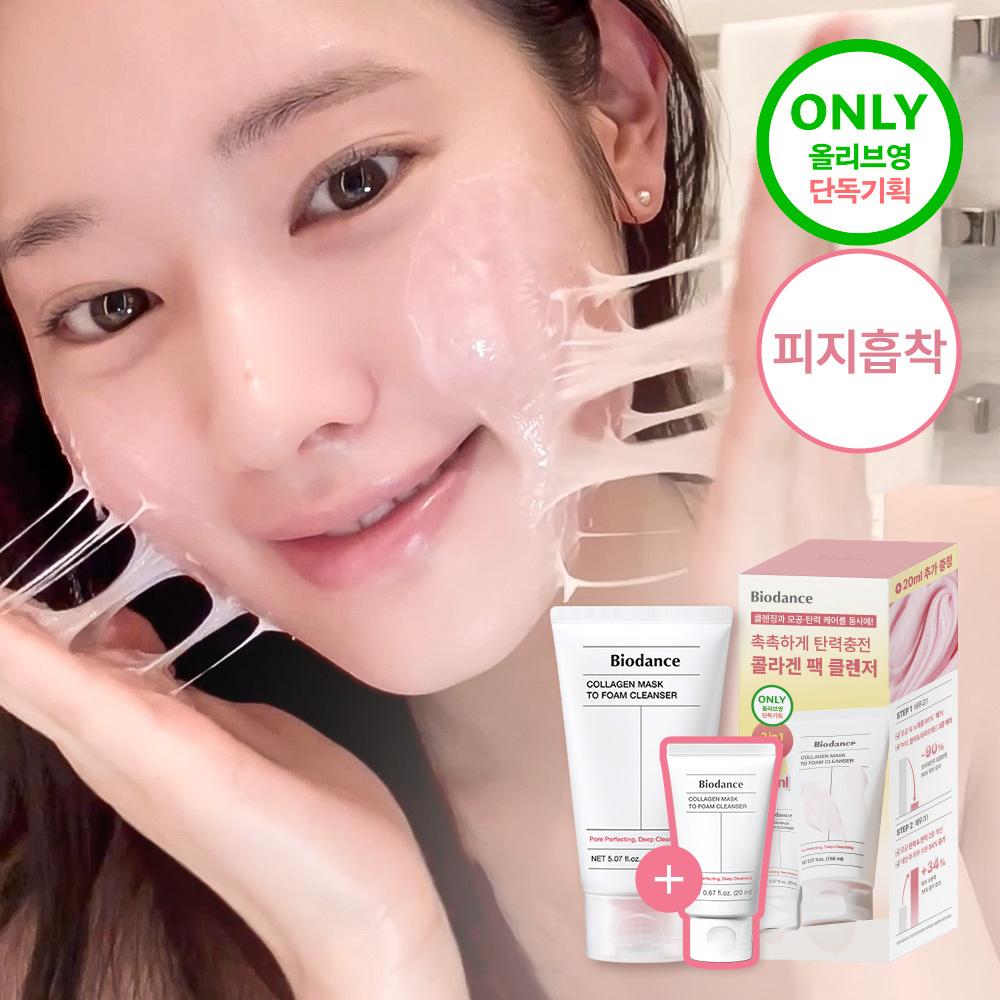
Collagen Mask To Foam Cleanser Set
Biodance
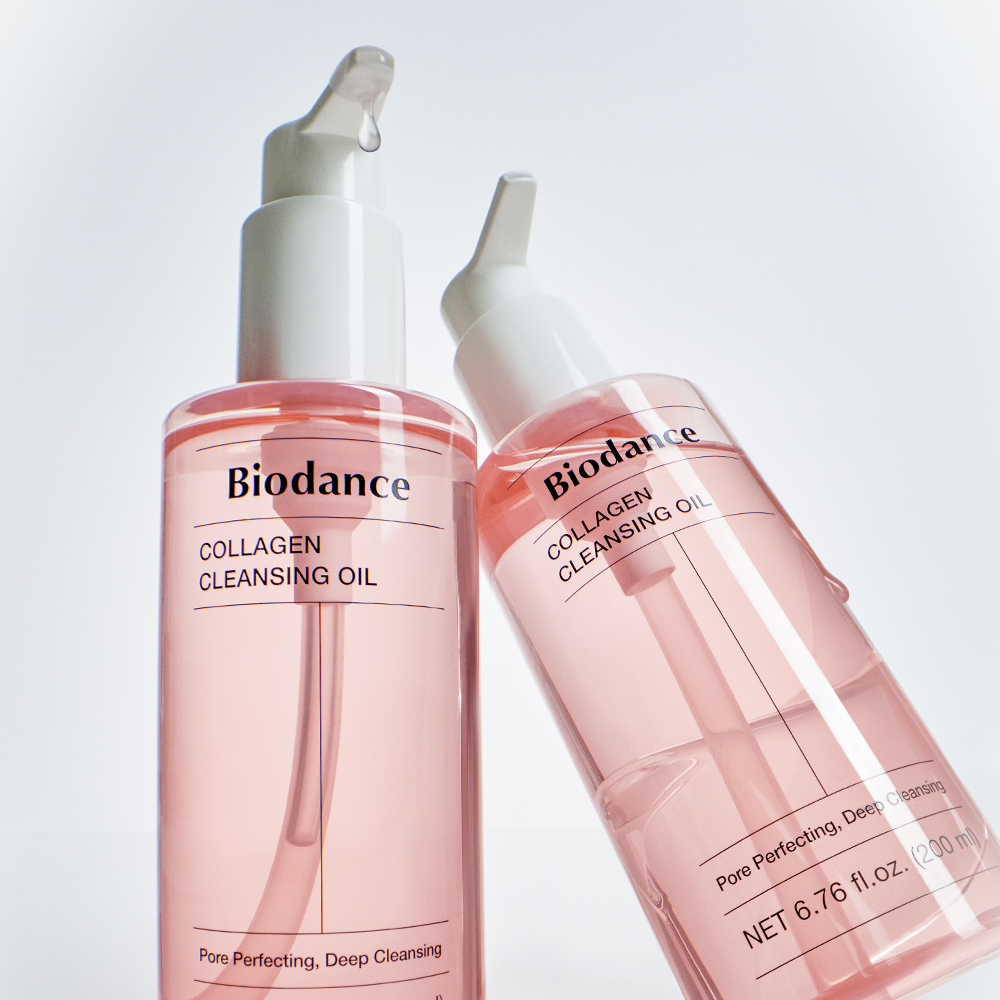
Collagen Cleansing Oil
Biodance
Frequently Asked Questions
Is ivy extract safe for acne-prone skin?▼
Why is ivy extract mostly found in cleansers rather than serums or moisturizers?▼
Can ivy extract cause allergic reactions?▼
Does ivy extract help with redness or rosacea?▼
Explore More
Want personalized ingredient advice?
Yuri, our AI beauty advisor, can tell you how Ivy Extract works with your specific skin type, routine, and concerns.
Ask Yuri, free