Sunflower Seed Oil Unsaponifiables
INCI: Helianthus Annuus (Sunflower) Seed Oil Unsaponifiables
Emollient and skin-conditioning agent with antioxidants
About Sunflower Seed Oil Unsaponifiables
Sunflower Seed Oil Unsaponifiables represent the concentrated bioactive fraction of sunflower oil that remains after the saponification process removes fatty acids. While whole sunflower oil is already appreciated in skincare, the unsaponifiable fraction contains the most potent skin-beneficial compounds, including phytosterols, tocopherols (vitamin E), squalene, and carotenoids. This ingredient has earned its place in 43 K-beauty products on Seoul Sister, particularly in barrier-repair formulations from brands like Aestura and Beplain. Korean formulators prize it for its ability to strengthen the skin's lipid barrier without the heaviness of full oils, making it ideal for layering in multi-step routines. With a comedogenic rating of just 1 out of 5, it delivers deep nourishment without clogging pores. The ingredient's effectiveness shines in products targeting compromised barriers, inflammation, and aging concerns. Top-rated formulations like Aestura's Regenerative Schild Cream (4.9/5) and Beplain's z+piderm EGF Skin Barrier Cleansing Foam (5.0/5) demonstrate how this ingredient works synergistically with other barrier-support actives like EGF and ceramides. The antioxidant profile helps neutralize free radicals while the phytosterol content mimics the skin's natural lipid structure, making it particularly valuable for Korean skincare's focus on preventative aging and barrier health.
How Sunflower Seed Oil Unsaponifiables Works
Sunflower Seed Oil Unsaponifiables work through multiple complementary mechanisms. The phytosterol component, primarily beta-sitosterol, integrates into the stratum corneum's lipid matrix, reinforcing cell membrane integrity and reducing transepidermal water loss. These plant sterols also modulate inflammatory pathways by inhibiting phospholipase A2, reducing the production of inflammatory prostaglandins. The tocopherol content functions as a lipid-soluble antioxidant, intercepting free radicals in cell membranes before they can trigger lipid peroxidation and collagen degradation. Squalene, another key constituent, mimics the skin's natural sebum composition, enhancing penetration of other actives while providing emollient benefits. The carotenoid fraction offers additional photoprotective properties by absorbing UV radiation and quenching singlet oxygen species. Unlike occlusive ingredients that merely sit on skin's surface, these unsaponifiables actually incorporate into the bilayer structure of the skin barrier, improving both immediate hydration and long-term barrier function. The low molecular weight of these compounds allows deeper penetration than intact oils, delivering bioactive benefits to living skin layers while maintaining a non-greasy finish.
Sunflower Seed Oil Unsaponifiables by Skin Type
Oily Skin
Despite being oil-derived, this ingredient actually works beautifully for oily skin due to its low comedogenic rating and lightweight texture. The phytosterols help regulate sebum production by supporting healthy cell turnover, while the antioxidants protect against oxidative stress that can trigger excess oil production. Products like Beplain's cleansing foam show how it can be incorporated even in rinse-off products for oily types who want barrier support without residue.
Dry Skin
This is where Sunflower Seed Oil Unsaponifiables truly excel. The concentrated lipid-repairing compounds directly address the barrier dysfunction common in dry skin, reducing water loss while delivering both immediate softness and cumulative barrier strengthening. Top-rated creams like Aestura's Regenerative Schild Cream (4.9/5) leverage this ingredient to provide deep, lasting hydration without requiring heavy occlusives that might feel uncomfortable.
Combo Skin
The non-greasy emollient properties make this ideal for combination skin that needs hydration in dry zones without exacerbating oil in the T-zone. Its ability to support barrier function across different microenvironments on the face means it adapts well to varying needs. Layer it in hydrating serums or creams, allowing your skin to take what it needs without overloading oilier areas.
Sensitive Skin
The anti-inflammatory properties of the phytosterol fraction make this particularly valuable for sensitive and reactive skin. It strengthens barrier resilience against external irritants while actively calming existing inflammation. Products like Aestura's barrier-focused line (consistently rated 4.9/5) demonstrate how this ingredient supports sensitive skin's recovery from sensitization without triggering new reactions.
Normal Skin
For normal skin, Sunflower Seed Oil Unsaponifiables function as preventative maintenance, preserving barrier health and protecting against environmental aging. The antioxidant profile helps maintain the balanced state normal skin enjoys, preventing the oxidative damage that leads to premature aging. It's a smart choice for those who want to maintain their skin's current healthy condition rather than repair damage.
How to Use Sunflower Seed Oil Unsaponifiables
- 1Look for this ingredient in cream and ampoule formulations where it's paired with other barrier-repair ingredients like ceramides, cholesterol, or EGF for synergistic effects, as seen in Aestura's highly-rated products.
- 2Apply products containing this ingredient to damp skin after essences or toners to enhance penetration of the bioactive compounds into the stratum corneum.
- 3This ingredient works well in both morning and evening routines, but its antioxidant properties make it particularly valuable in AM routines under sunscreen to bolster photoprotection.
- 4If you're layering multiple products, use formulations with Sunflower Seed Oil Unsaponifiables in your moisturizer step rather than serums to maximize barrier-sealing benefits while keeping earlier treatment layers lightweight.
Background
Sunflower (Helianthus annuus) originated in North America where indigenous peoples cultivated it for food and medicine over 4,500 years ago. The plant made its way to Europe in the 16th century and eventually to Russia, which became a major producer. While sunflower oil has been used in skincare for decades, the isolation of unsaponifiables as a distinct cosmetic ingredient emerged from research in the 1990s exploring why certain oil fractions delivered superior skin benefits. Scientists discovered that the unsaponifiable fraction, though comprising only 0.5-1.5% of crude sunflower oil, contained concentrated bioactives responsible for most therapeutic effects. Korean cosmetic chemists embraced this refined ingredient in the 2010s as the K-beauty industry shifted toward targeted, high-efficacy actives rather than whole plant extracts. Brands like Aestura built entire barrier-care lines around combining these unsaponifiables with modern biotechnology ingredients like EGF, representing K-beauty's signature approach of merging traditional plant-based ingredients with cutting-edge science.
K-Beauty Products with Sunflower Seed Oil Unsaponifiables
View all 50 →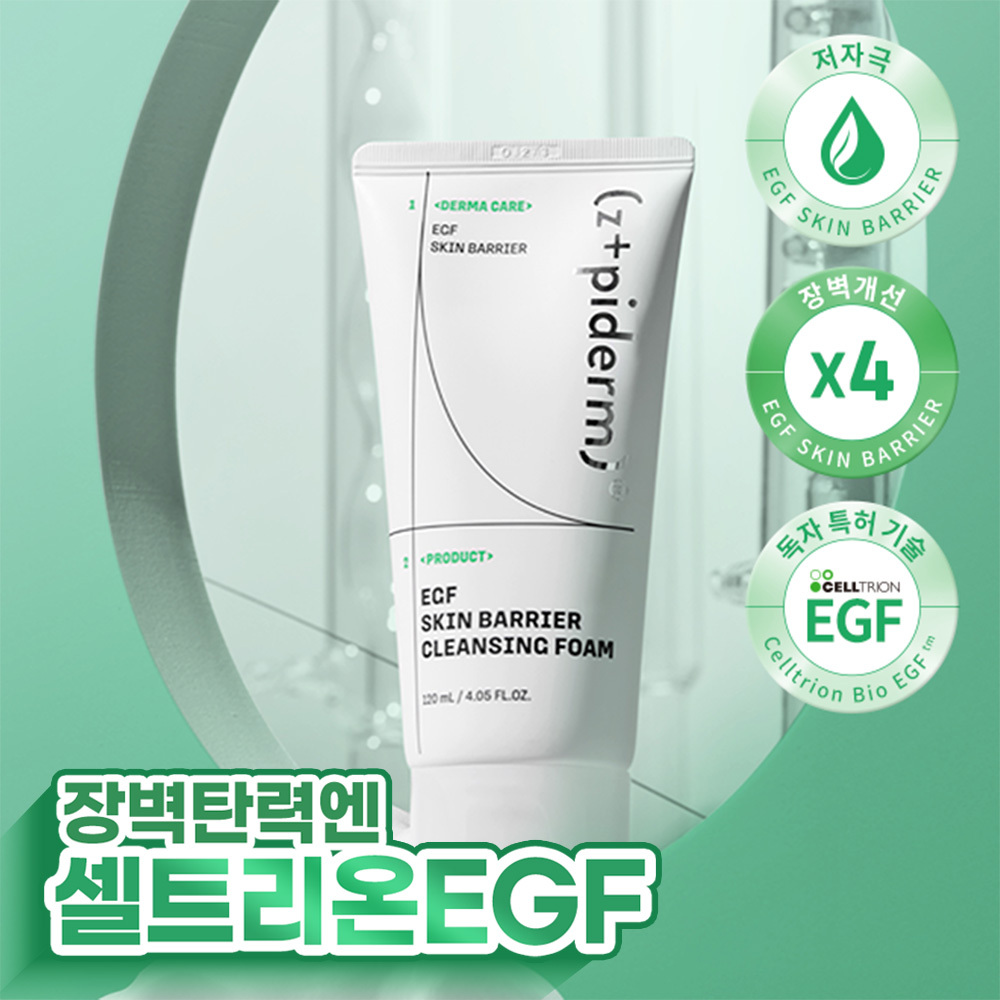
z+piderm EGF Skin Barrier Cleansing Foam
Beplain
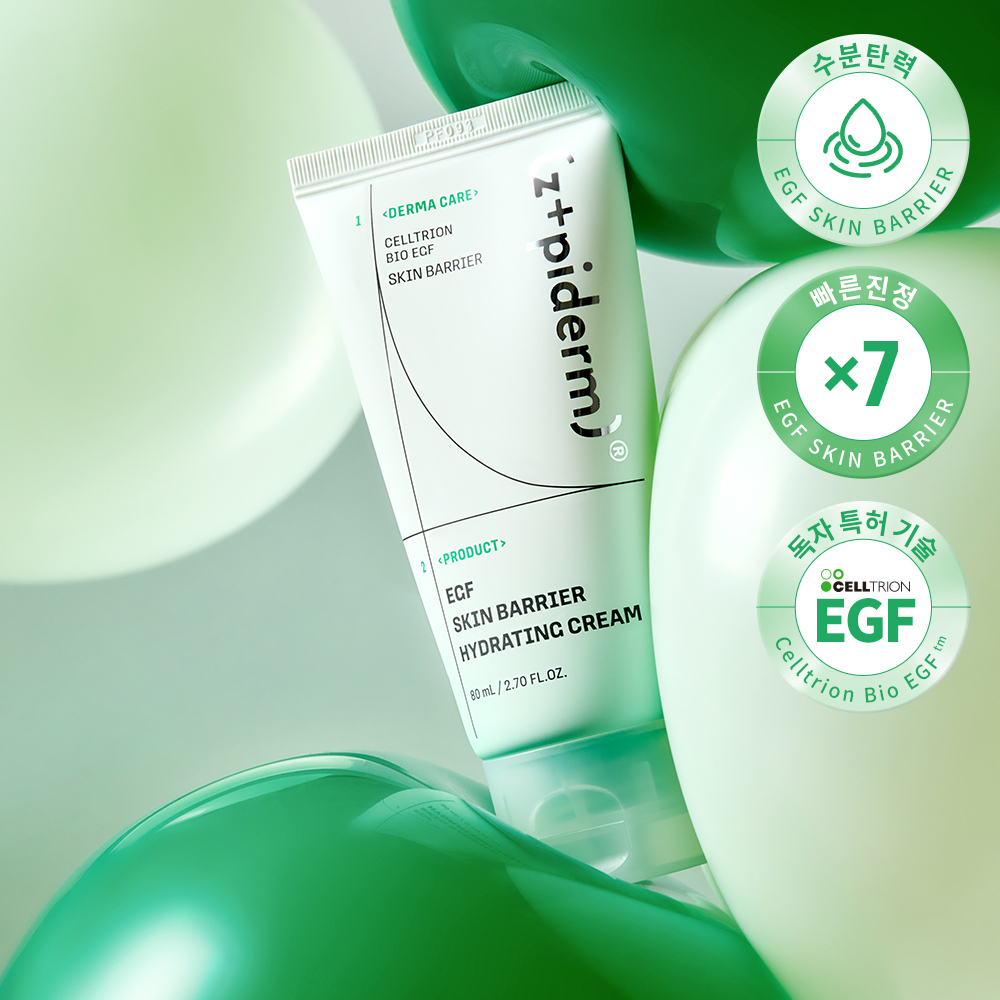
Aepiderm EGF Skin Barrier Hydrating Cream
Aestura

Regenerative Schild Cream
Aestura
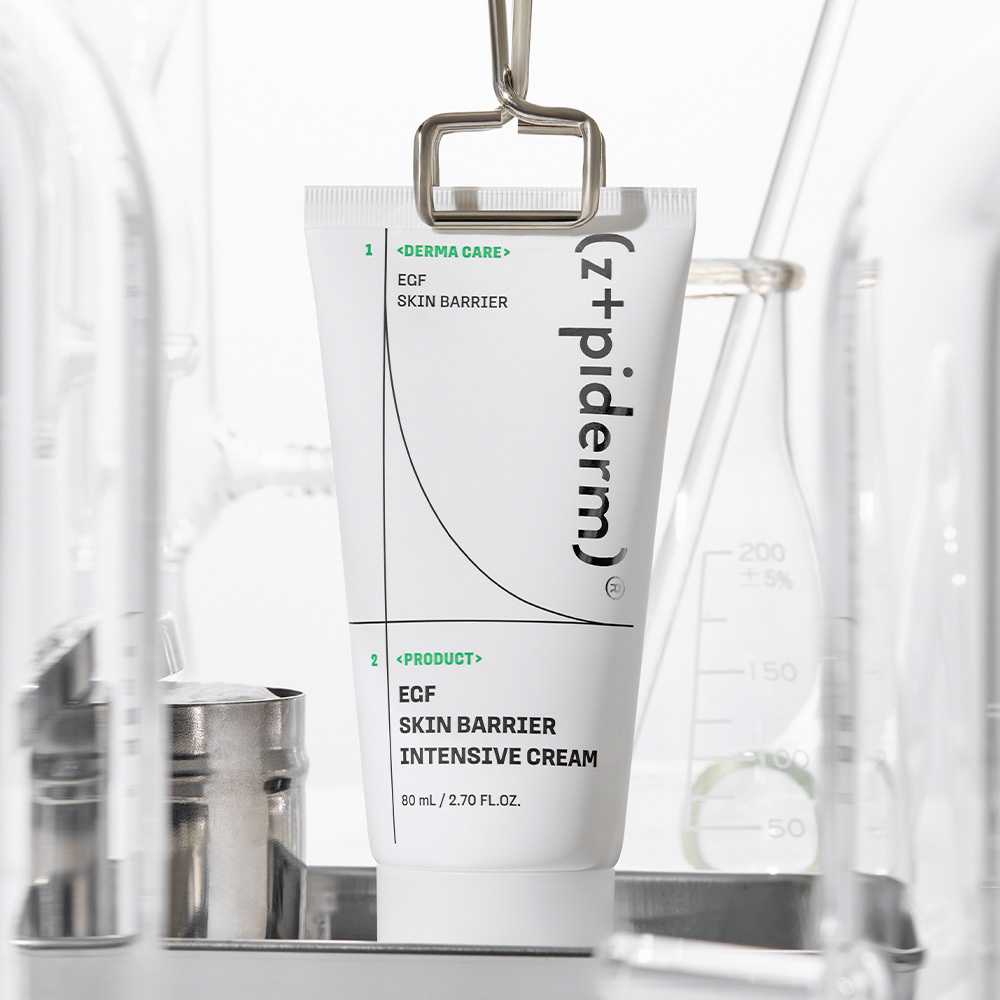
z+piderm EGF Skin Barrier Intensive Cream
Aestura
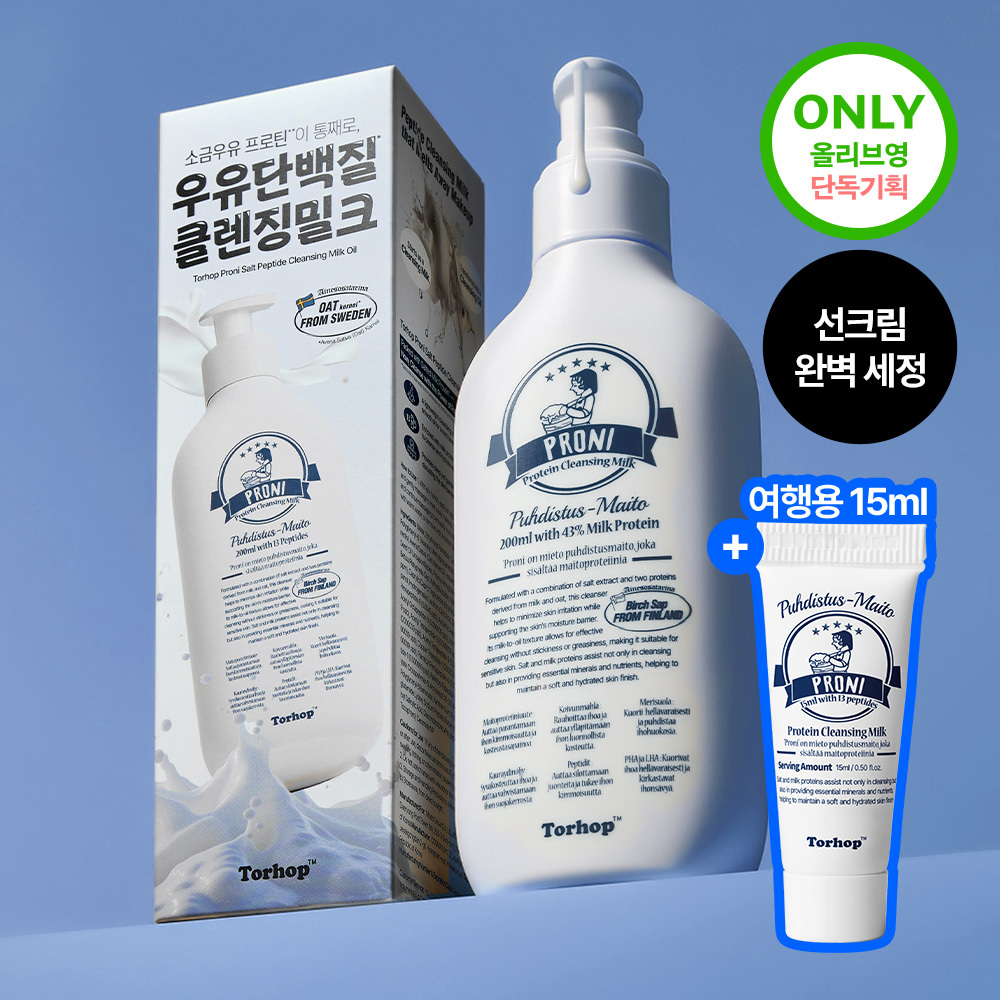
Proni Protein Cleansing Milk Set
Torhop
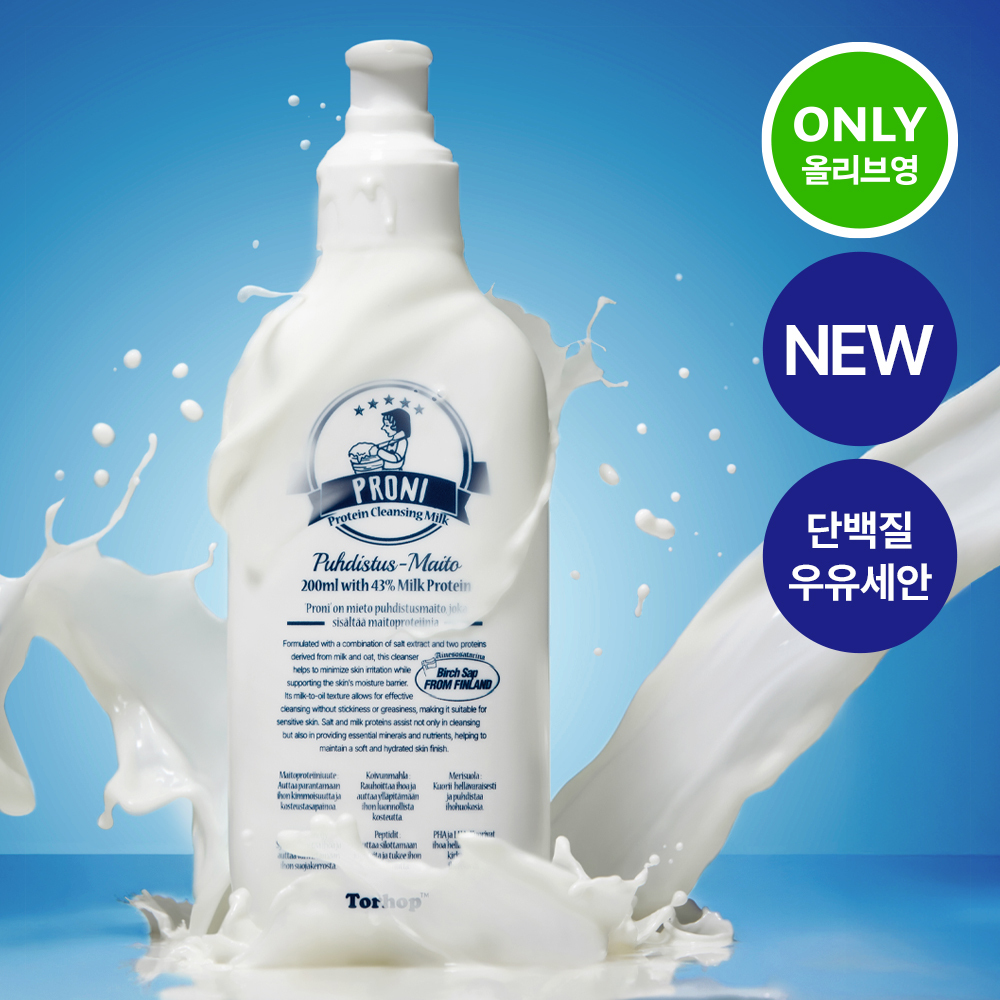
Proni Protein Cleansing Milk
Torhop
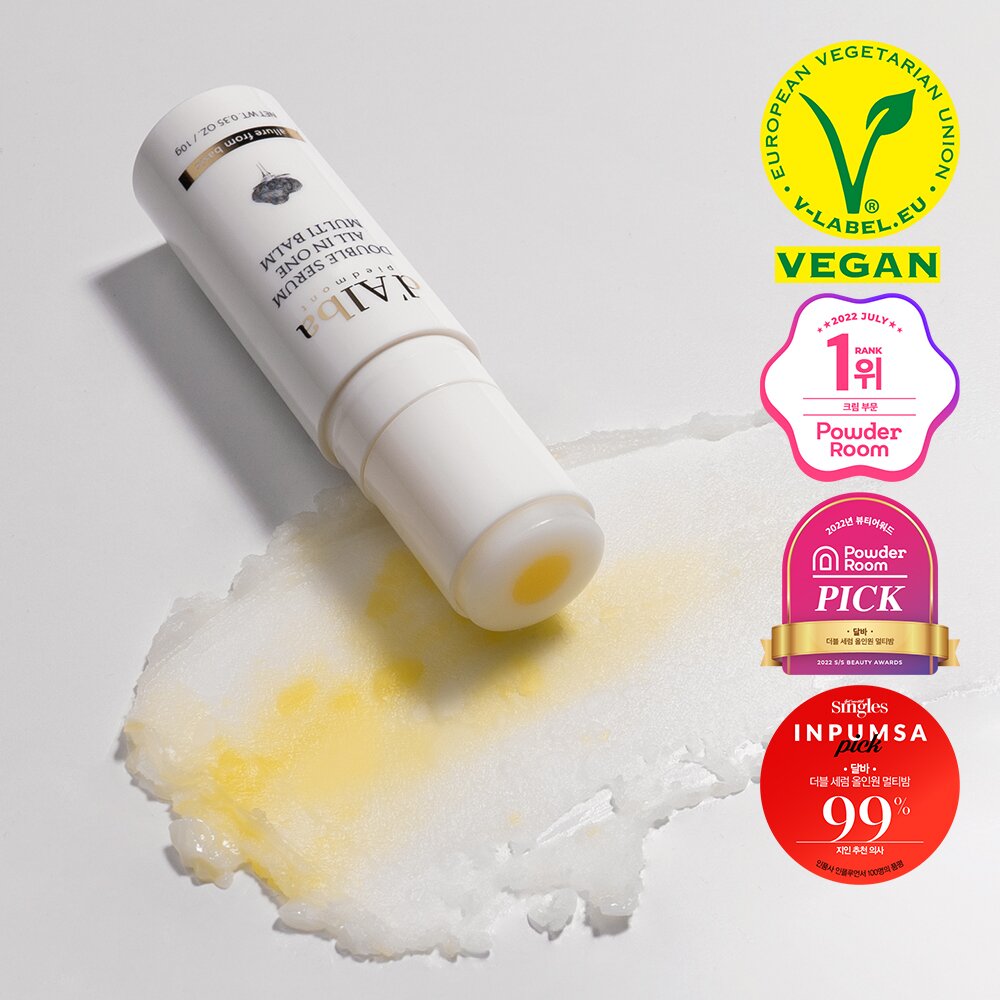
Double Serum All In One Multi Balm
d'Alba
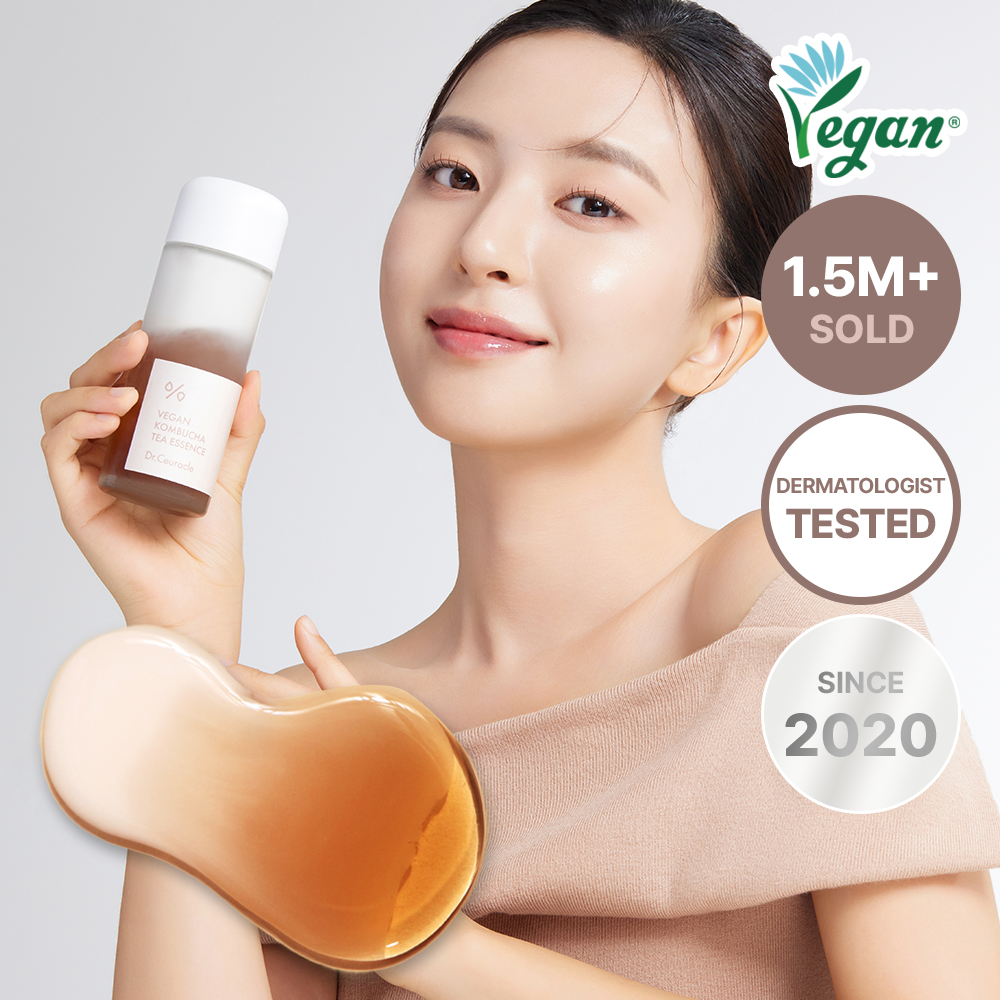
Vegan Kombucha Tea Essence
Dr.Ceuracle
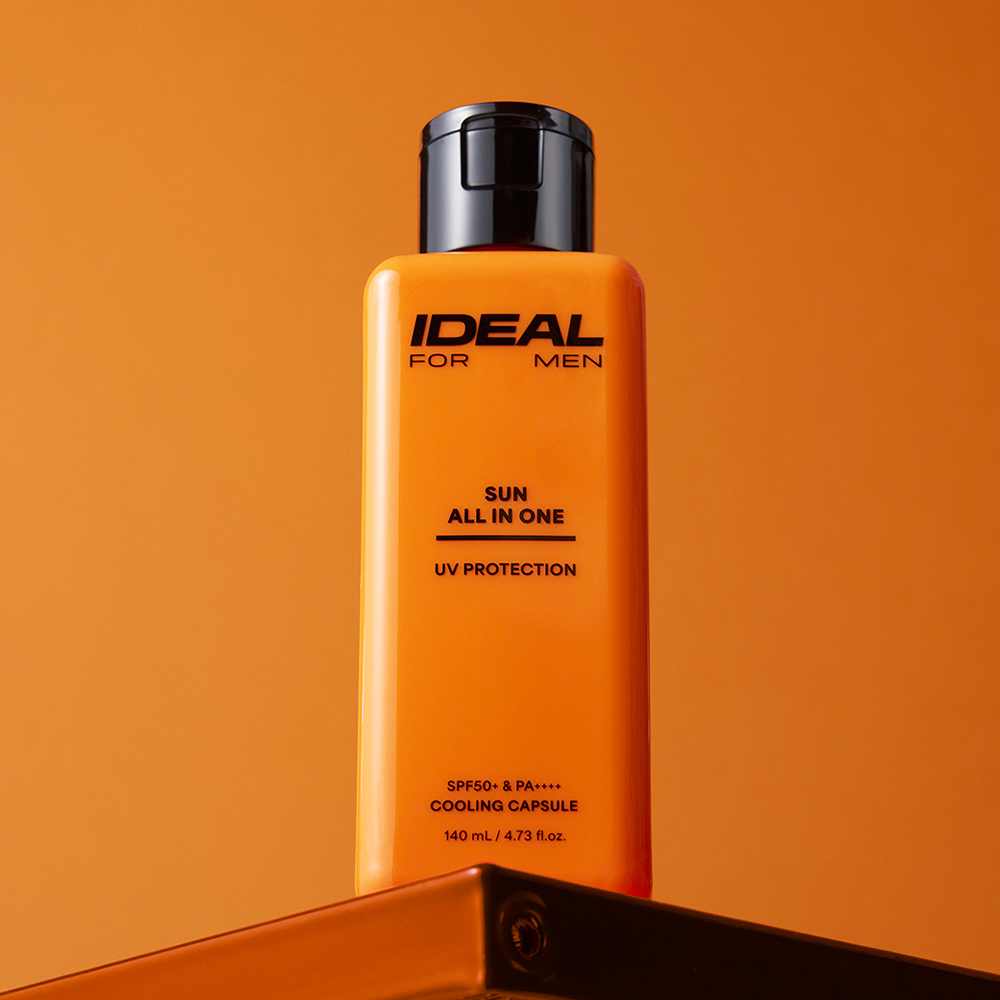
Sun All In One
Ideal for Men
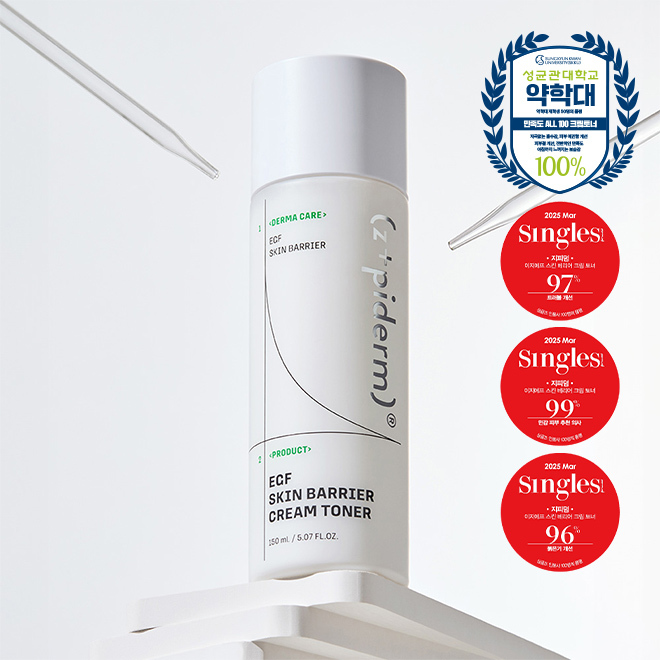
z+piderm EGF Skin Barrier Cream Toner
Anua
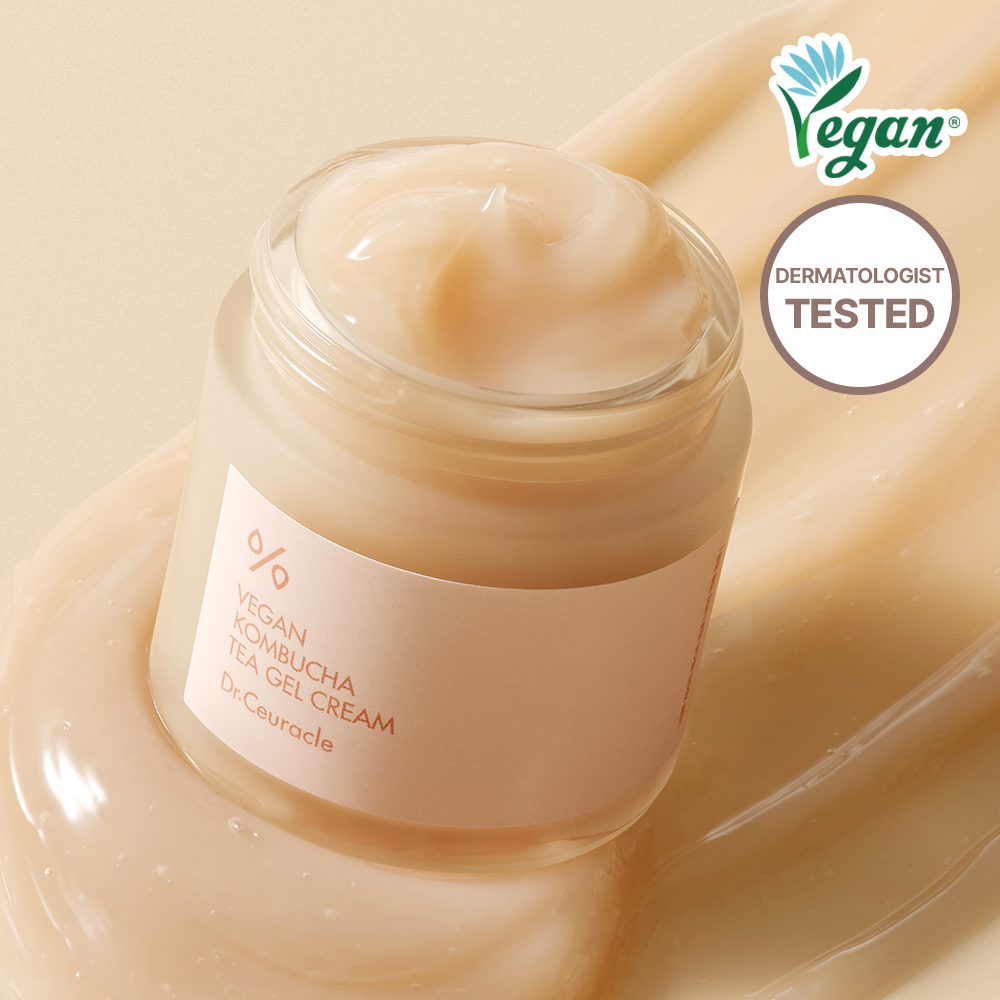
Vegan Kombucha Tea Gel Cream
Dr.Ceuracle
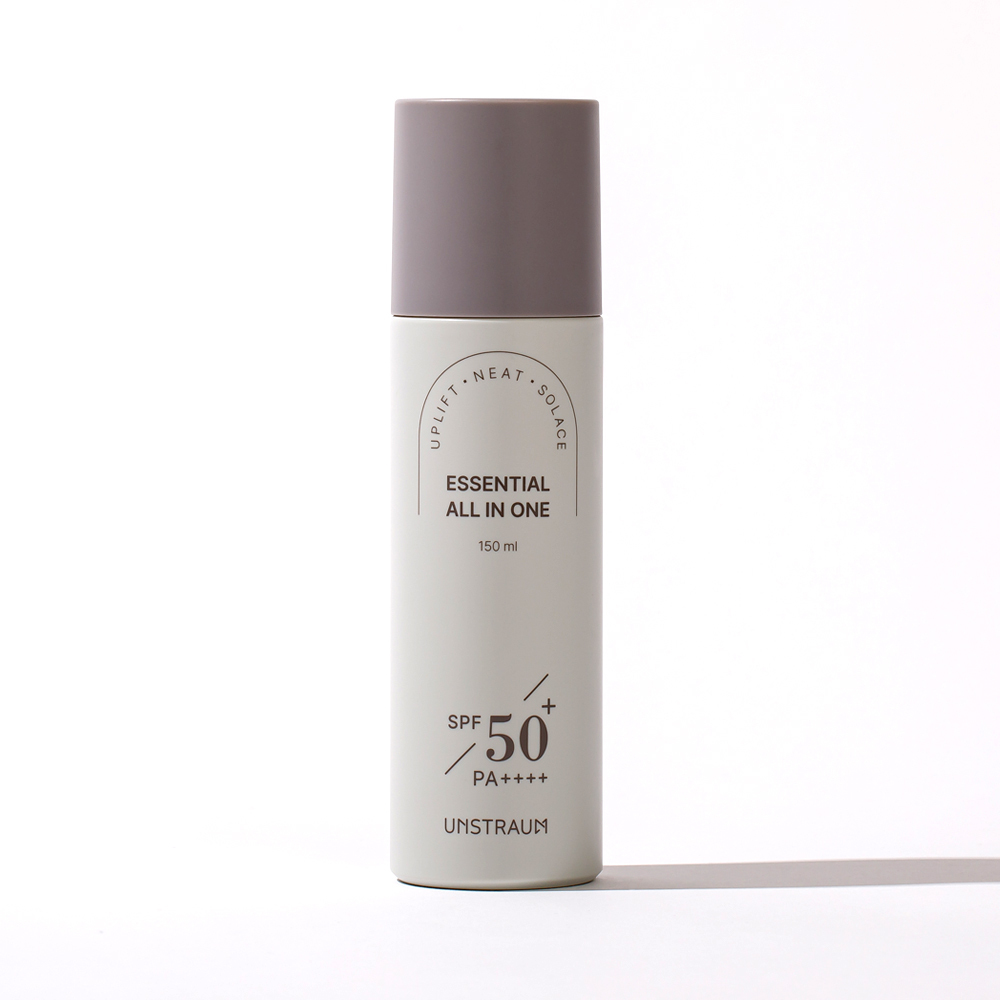
Essential All In One
BOHO
Frequently Asked Questions
Is this different from regular sunflower oil in skincare?▼
Will this clog my pores if I'm acne-prone?▼
How does this compare to other plant unsaponifiables like avocado or olive?▼
Can I use products with this ingredient if I have a sunflower seed allergy?▼
Explore More
Want personalized ingredient advice?
Yuri, our AI beauty advisor, can tell you how Sunflower Seed Oil Unsaponifiables works with your specific skin type, routine, and concerns.
Ask Yuri, free