Daylily Extract
INCI: Hemerocallis Fulva Flower Extract
Antioxidant and skin soothing botanical extract
About Daylily Extract
Daylily extract, derived from the vibrant orange flowers of Hemerocallis fulva, is a multi-functional botanical ingredient prized in K-beauty for its potent antioxidant and skin-soothing properties. While daylilies have been consumed as food in Asian cultures for centuries, their skincare applications are relatively recent, driven by research into their rich phytochemical profile. The extract contains flavonoids, polysaccharides, and phenolic compounds that work synergistically to neutralize free radicals, calm inflammation, and support the skin's natural barrier function. What makes daylily extract particularly appealing in Korean formulations is its gentle yet effective nature. With a comedogenic rating of zero, it suits all skin types without clogging pores or triggering breakouts. You'll often find it paired with other botanical extracts or active ingredients in products designed for sensitive or acne-prone skin, where its anti-inflammatory benefits help reduce redness and irritation. Korean brands like SUM37 and Medicube have embraced this ingredient in their high-performing formulas, recognizing its ability to deliver antioxidant protection without the potential irritation associated with some synthetic alternatives. As consumers increasingly seek natural, plant-based solutions backed by science, daylily extract represents the sweet spot between traditional herbal wisdom and modern cosmetic efficacy.
How Daylily Extract Works
At the molecular level, daylily extract functions primarily through its dense concentration of flavonoids and polyphenolic compounds, which act as electron donors to neutralize reactive oxygen species (ROS) that damage cellular membranes and DNA. These free radicals, generated by UV exposure, pollution, and natural metabolism, trigger inflammatory cascades that lead to visible signs of aging and skin sensitivity. The polysaccharides in daylily extract form a protective film on the skin's surface, enhancing moisture retention while supporting the lipid barrier. Research suggests that specific flavonoids in Hemerocallis fulva can inhibit pro-inflammatory mediators like prostaglandins and cytokines, explaining why the extract effectively calms redness and reduces post-inflammatory hyperpigmentation. The extract also demonstrates mild tyrosinase inhibition, meaning it can interfere with melanin production pathways, though this effect is secondary to its primary antioxidant and soothing functions. Unlike aggressive actives that force cellular change, daylily extract works by creating an optimal environment for skin to function normally, protecting existing structures rather than dramatically altering them.
Daylily Extract by Skin Type
Oily Skin
Daylily extract is excellent for oily skin types because of its zero comedogenic rating and anti-inflammatory properties. It helps calm the redness and irritation that often accompany acne without adding congestion, making it ideal in cleansers and serums for breakout-prone skin. The extract's lightweight nature means it delivers antioxidant protection without the heavy feel that oily skin types typically want to avoid.
Dry Skin
For dry skin, daylily extract offers antioxidant defense while supporting barrier function through its polysaccharide content. These sugar molecules help skin retain moisture more effectively, complementing hydrating ingredients in essence and serum formulations. While not a primary humectant, it creates a protective environment that allows other moisturizing actives to work more efficiently.
Combo Skin
Combination skin benefits from daylily extract's balanced profile, as it addresses multiple concerns without exacerbating either dry or oily zones. The soothing properties help calm any sensitivity or redness in dry patches, while the non-comedogenic nature keeps T-zone pores clear. This makes it particularly useful in products like bubble cleansers that need to work across different facial areas without causing imbalance.
Sensitive Skin
Sensitive skin types may find daylily extract especially beneficial due to its proven anti-inflammatory effects and gentle action profile. It helps interrupt the inflammation cycles that characterize reactive skin without introducing common irritants, which is why you'll see it in products specifically formulated for sensitive or redness-prone complexions. The botanical origin and traditional use history also suggest a lower likelihood of adverse reactions compared to synthetic alternatives.
Normal Skin
Even normal skin benefits from daylily extract's preventative antioxidant properties, which protect against environmental damage that leads to premature aging. The extract helps maintain skin's healthy baseline by neutralizing daily oxidative stress from pollution and UV exposure. Its inclusion in essences and daily cleansers provides gentle, consistent protection that supports long-term skin health without disrupting normal function.
How to Use Daylily Extract
- 1Look for daylily extract in your morning routine products, as its antioxidant properties provide excellent defense against daytime environmental stressors like pollution and UV-generated free radicals.
- 2When using products with daylily extract for acne-prone skin, pair them with targeted treatments containing succinic acid or BHA for enhanced results, as the soothing properties help counterbalance potential irritation from actives.
- 3Bubble cleansers containing daylily extract work best when you allow the foam to sit on skin for 30-60 seconds before rinsing, giving the botanical extracts time to deliver their calming benefits.
- 4If you're building a sensitive skin routine, products with daylily extract make excellent first steps after cleansing, preparing skin to better tolerate subsequent active ingredients by reducing baseline inflammation.
Background
The daylily (Hemerocallis fulva) has been cultivated across East Asia for over 2,000 years, primarily as both an ornamental plant and edible vegetable. In traditional Chinese medicine, daylily flowers and roots were used to treat inflammatory conditions, insomnia, and urinary issues, though topical skin applications were less documented historically. The transition to modern skincare began in the early 2000s when Korean cosmetic researchers started investigating traditional food plants for their phytochemical profiles. Studies revealed that daylily flowers contained impressive concentrations of antioxidant compounds, particularly flavonoids that showed promise in addressing skin inflammation and oxidative stress. Korean beauty brands, especially those focused on fermentation and natural ingredients like SUM37, pioneered the incorporation of daylily extract into premium skincare formulations. The ingredient gained particular traction in the mid-2010s as K-beauty's global influence grew and consumers worldwide developed greater interest in botanical ingredients with both traditional roots and scientific backing.
K-Beauty Products with Daylily Extract
View all 16 →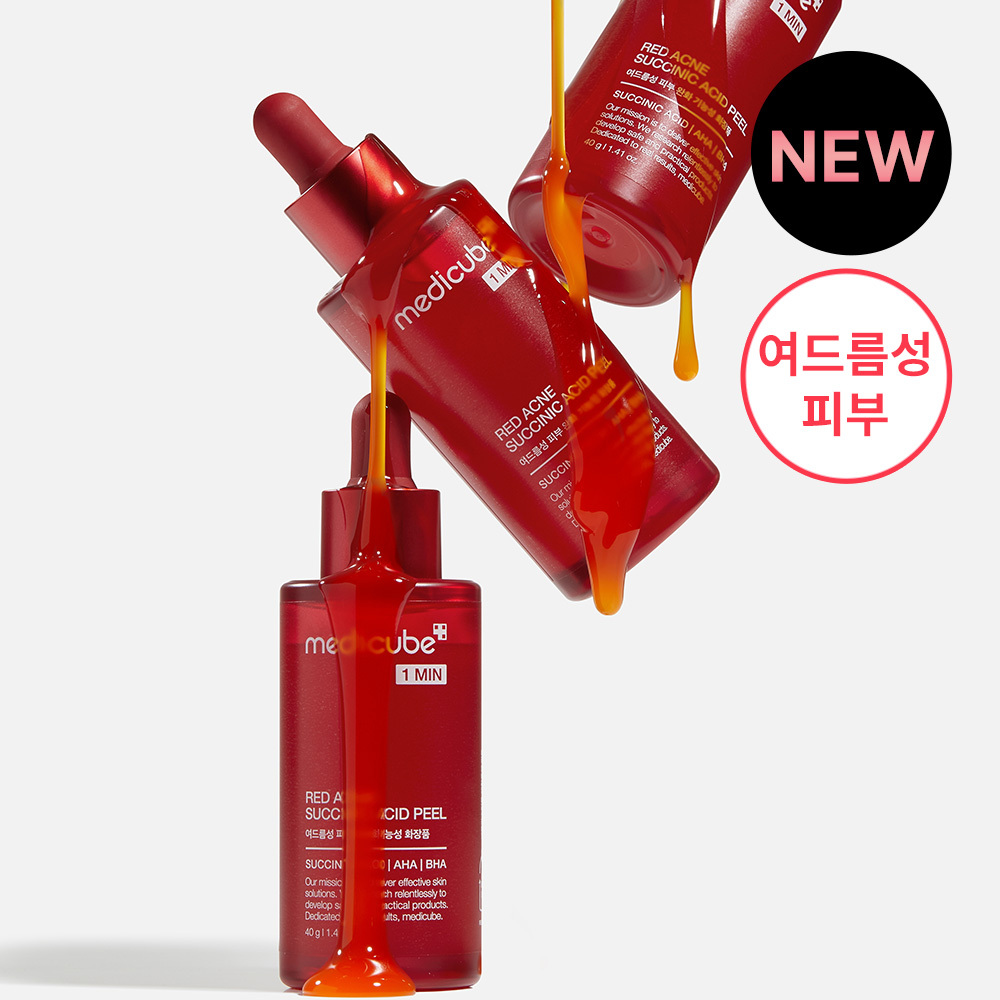
Red Acne Succinic Acid Peel
Medicube
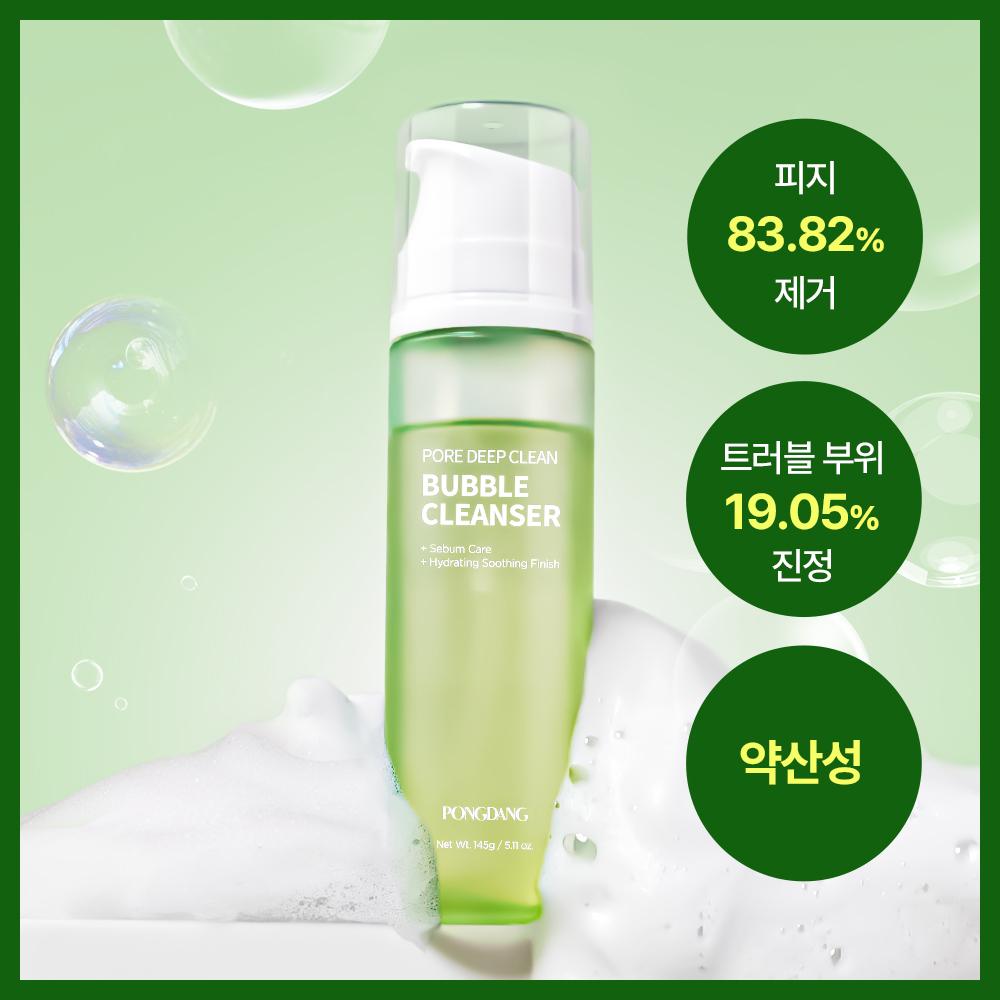
Pore Deep Clean Bubble Cleanser
Beplain
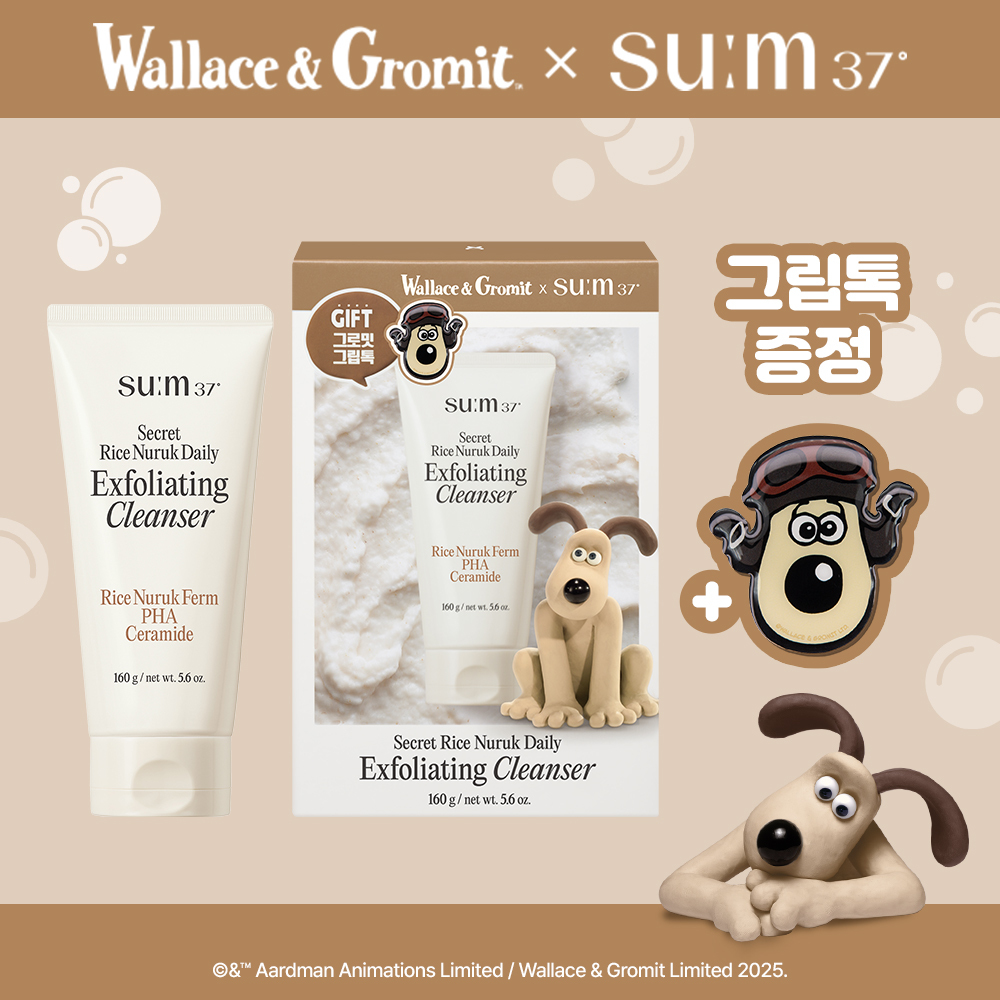
Secret Rice Nuruk Daily Exfoliating Cleanser
SUM37
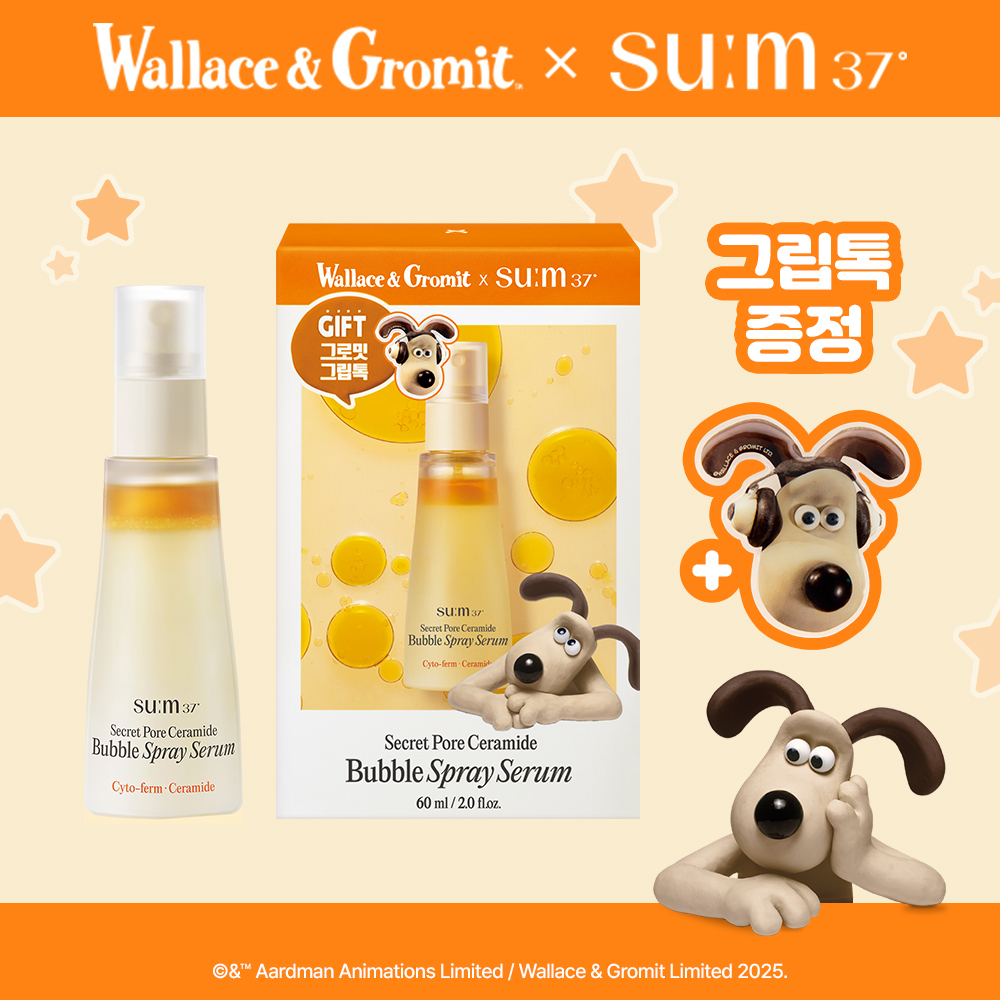
Secret Pore Ceramide Bubble Spray Serum
SUM37
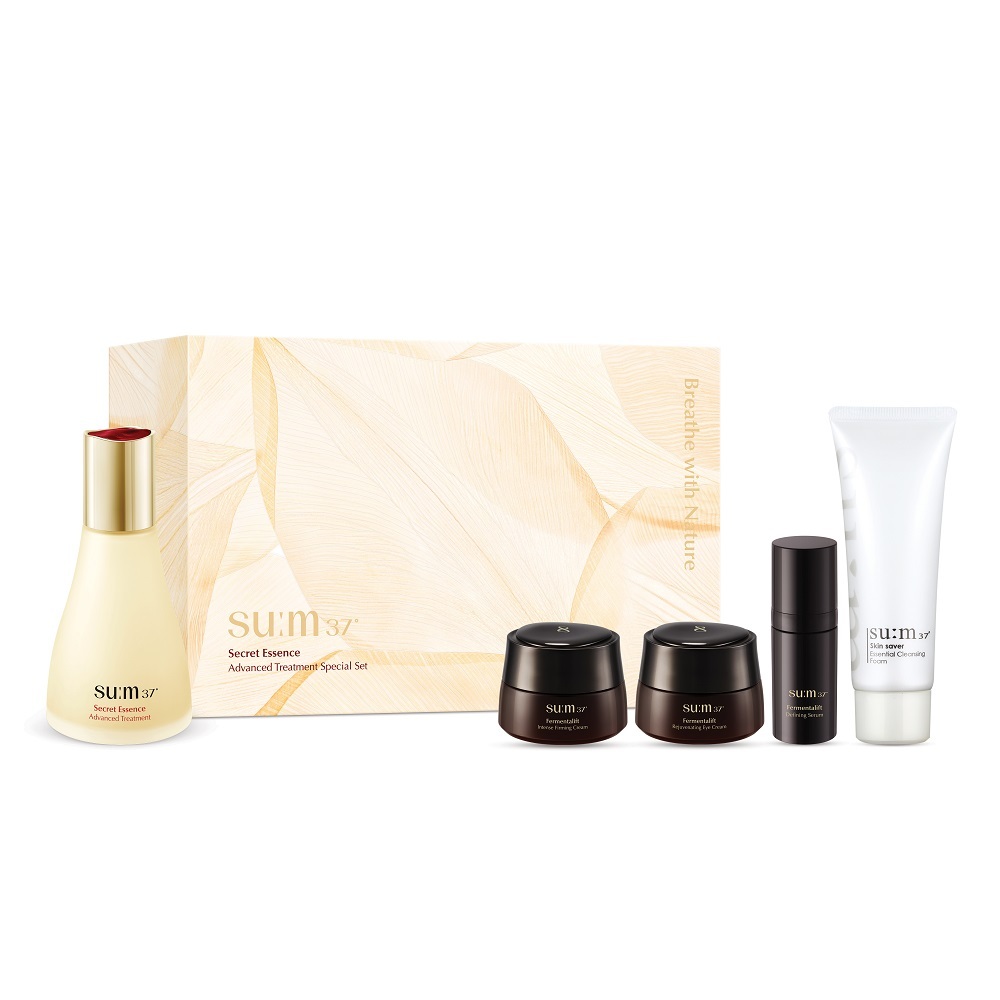
Secret Essence
SUM37
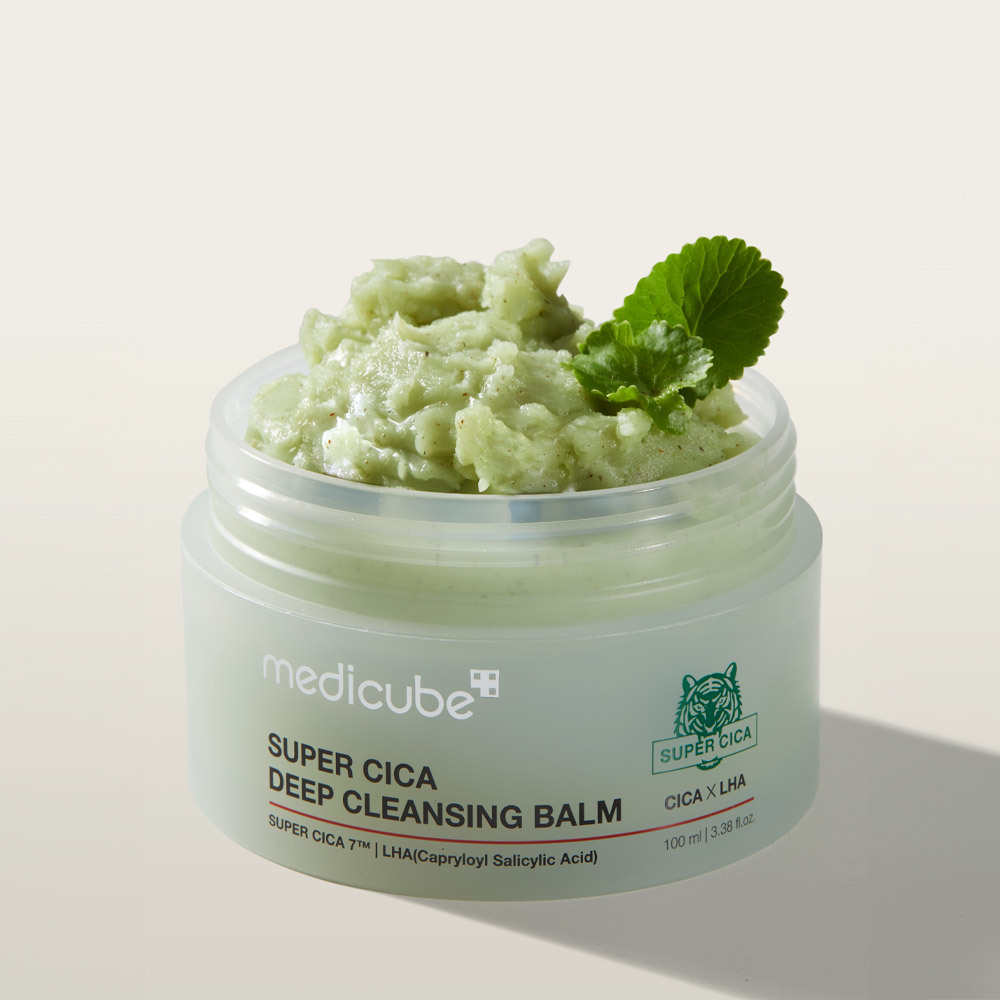
Super Cica Deep Cleansing Balm
Medicube
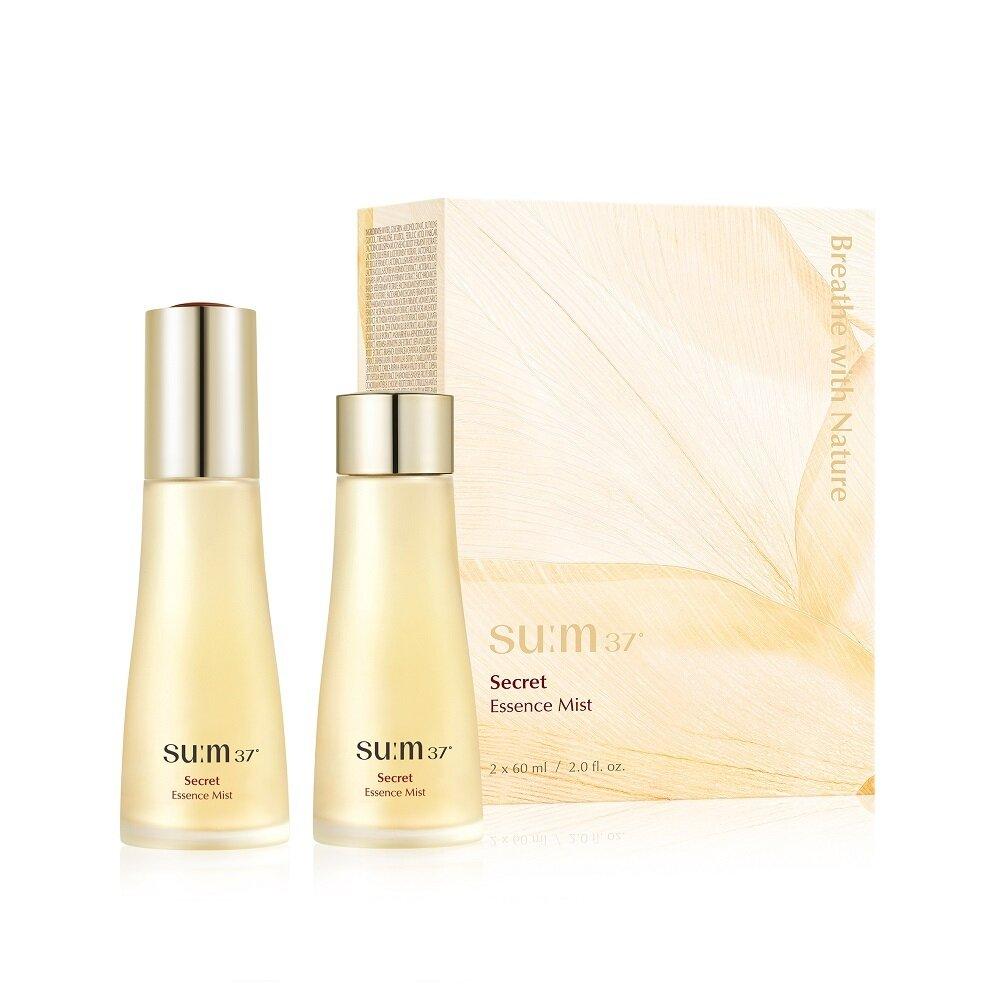
Secret Essence Mist
SUM37
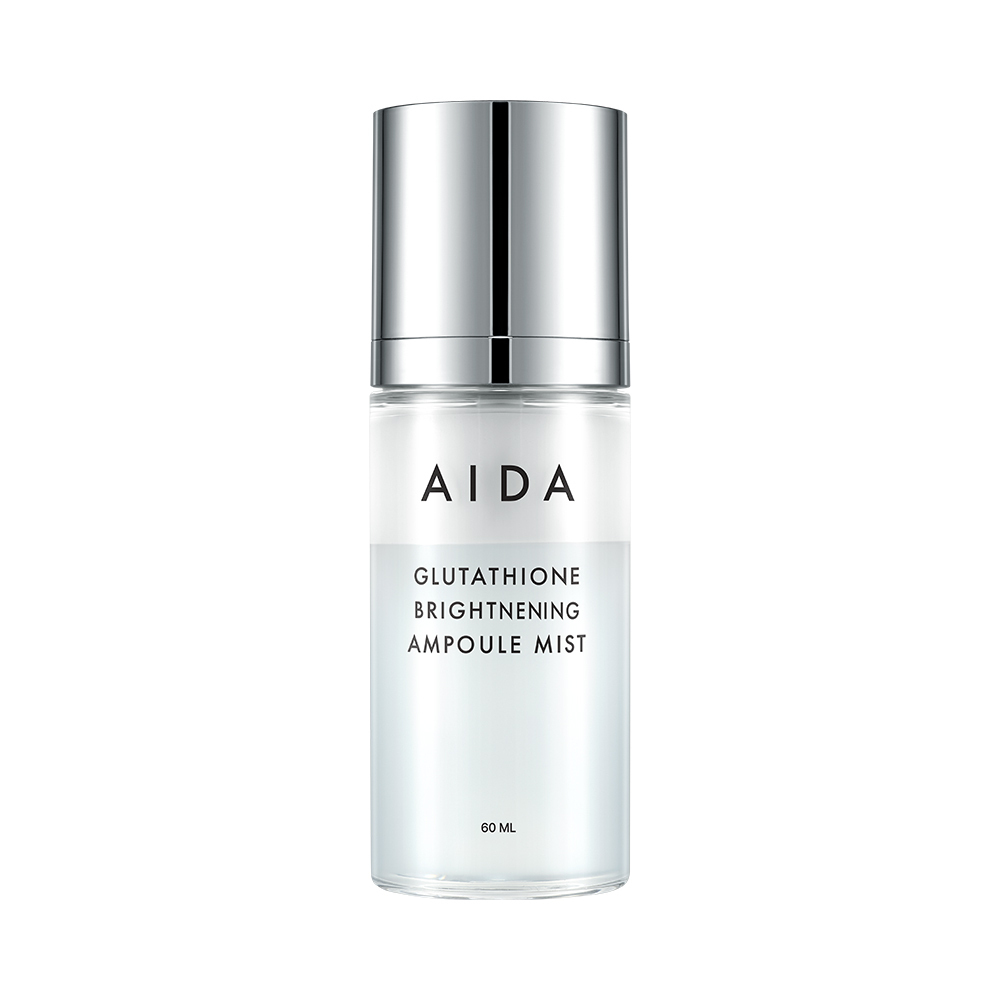
AIDA Glutathione Brightening Ampoule Mist
Medicube
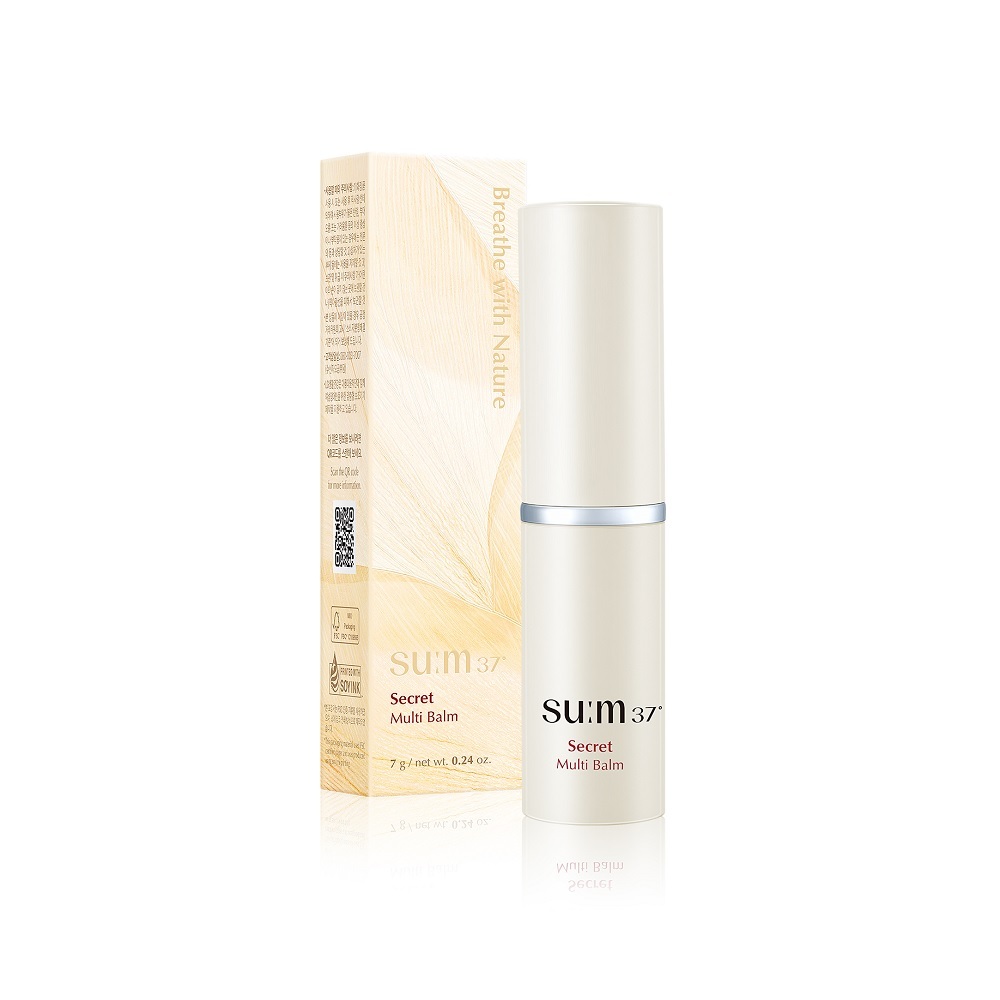
Secret Multi Balm
SUM37
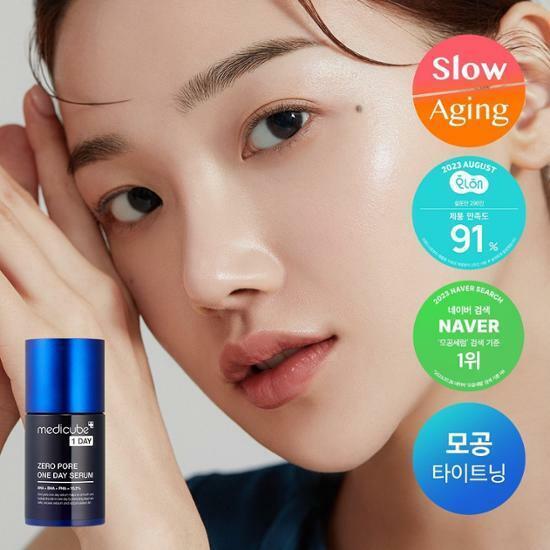
Zero Pore One Day Serum
Medicube
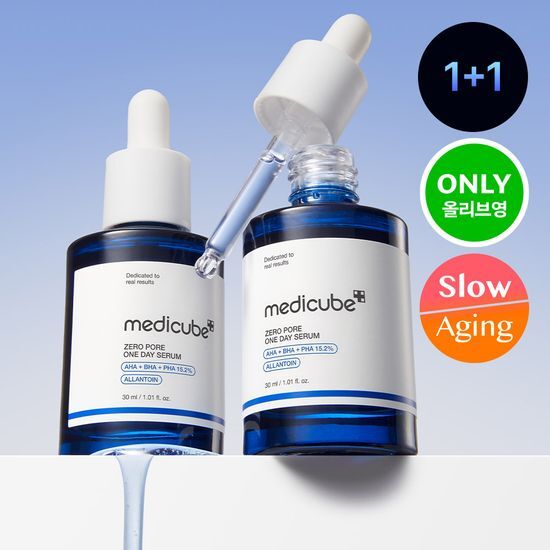
Zero Pore One Day Serum Double Pack
Medicube
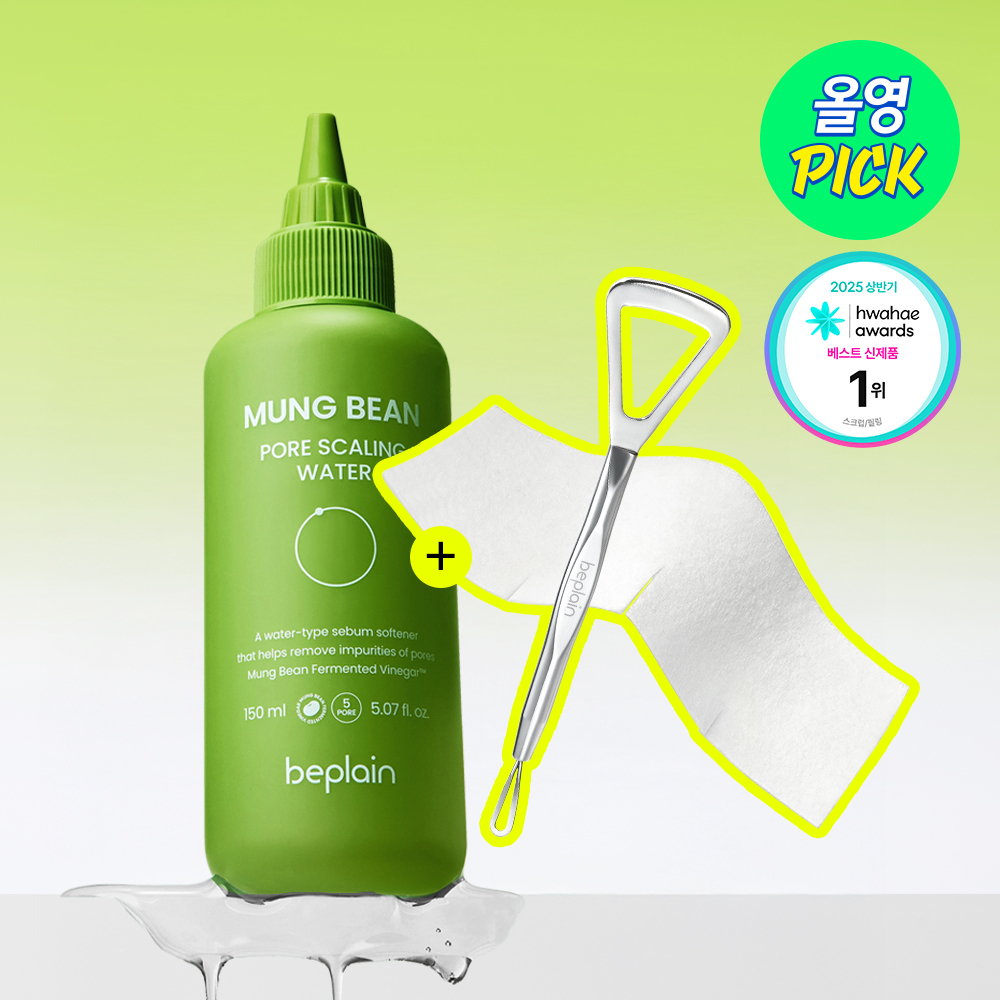
Mung Bean Pore Scaling Water Set
Beplain
Frequently Asked Questions
Is daylily extract safe for acne-prone skin?▼
Can I use daylily extract with vitamin C or retinol?▼
How does daylily extract compare to other botanical antioxidants?▼
Why is daylily extract so common in SUM37 products?▼
Will daylily extract help with redness or rosacea?▼
Explore More
Want personalized ingredient advice?
Yuri, our AI beauty advisor, can tell you how Daylily Extract works with your specific skin type, routine, and concerns.
Ask Yuri, free