Hexapeptide-11
Peptide that supports collagen synthesis and skin firmness
About Hexapeptide-11
Hexapeptide-11 is a synthetic peptide composed of six amino acids that works as a biological messenger to stimulate collagen production and improve skin firmness. In K-beauty formulations, it's often paired with other regenerative ingredients like PDRN (Polynucleotide) to create multi-targeted anti-aging solutions. This peptide has gained significant traction in Korean skincare because it offers visible firming results without the irritation associated with more aggressive actives like retinol. With a comedogenic rating of 0/5, it's suitable for all skin types, including acne-prone and sensitive skin. Its presence in 56 K-beauty products on Seoul Sister, particularly in highly-rated formulations like VT's PDRN Capsule Cream (5.0/5) and Numbuzin's No. 9 NAD Bio Lifting-sil Essence (4.9/5), demonstrates its effectiveness in premium anti-aging and skin barrier support products. The ingredient's safety profile is strong at 4/5, with no known significant adverse effects when used at typical concentrations (usually 0.5-2% in finished products). K-beauty brands favor Hexapeptide-11 because it aligns with the Korean approach to skincare: gentle yet effective, with a focus on skin health rather than aggressive resurfacing.
How Hexapeptide-11 Works
Hexapeptide-11 functions by mimicking natural signaling molecules that communicate with fibroblasts, the cells responsible for producing collagen, elastin, and other structural proteins in the dermis. When applied topically, the peptide penetrates the stratum corneum and binds to specific receptors on fibroblast cells, triggering a cascade of cellular activity that upregulates collagen synthesis. This process helps rebuild the skin's extracellular matrix, which naturally degrades with age and environmental stress. Unlike ingredients that work through cell turnover or exfoliation, Hexapeptide-11 operates through biomimicry, essentially telling your skin cells to behave as they did when younger. The peptide's small molecular structure (compared to full proteins) allows for better penetration, though it still benefits from delivery systems like liposomes or nanocapsules, which many K-beauty brands incorporate. The result is improved skin density, elasticity, and a visible reduction in fine lines over 8-12 weeks of consistent use.
Hexapeptide-11 by Skin Type
Oily Skin
Hexapeptide-11 is excellent for oily skin because its non-comedogenic nature (0/5 rating) means it won't clog pores or trigger breakouts. The firming benefits help counteract the textural concerns that can develop from repeated acne or enlarged pores, while its lightweight molecular structure absorbs without adding surface oil.
Dry Skin
For dry skin, Hexapeptide-11 addresses the loss of elasticity that often accompanies dehydration and barrier damage. It works particularly well in cream formulations like VT's PDRN Capsule Cream, where it's combined with emollients and humectants that support both moisture retention and structural repair simultaneously.
Combo Skin
Combination skin benefits from Hexapeptide-11's balanced approach to firming without adding heaviness to oily zones. Products like DERMALINE's PDRN Solution Activating Toner deliver the peptide in a lightweight format that can be layered across different facial zones according to need.
Sensitive Skin
Sensitive skin tolerates Hexapeptide-11 well due to its gentle mechanism of action. Unlike acids or retinoids that can cause irritation, this peptide works with your skin's natural processes rather than disrupting them. Its inclusion in barrier-focused products like Ongredients' Skin Barrier Moisture Deep Calming Foam (4.9/5) demonstrates its compatibility with reactive skin types.
Normal Skin
Normal skin can use Hexapeptide-11 as preventative anti-aging care, building collagen reserves before significant degradation occurs. The peptide maintains skin firmness and resilience without causing the adjustment period or sensitivity that stronger actives might require, making it ideal for maintenance routines.
How to Use Hexapeptide-11
- 1Apply Hexapeptide-11 products to damp skin after cleansing and toning for better penetration, as slight moisture on the skin surface helps peptides absorb more effectively.
- 2Use consistently for at least 8-12 weeks to see measurable firming results, as collagen synthesis is a gradual process that requires sustained signaling.
- 3Layer with other complementary actives like niacinamide or hyaluronic acid, but avoid mixing with direct acids (AHAs, BHA) in the same routine step, as low pH can degrade peptide bonds.
- 4Store peptide products away from direct sunlight and heat, and use within 6 months of opening, as peptides can break down with prolonged exposure to air and temperature fluctuations.
Background
Hexapeptide-11 emerged from the broader peptide revolution in cosmetic chemistry during the early 2000s, when researchers discovered they could create shorter amino acid chains that mimicked the signaling functions of full proteins. While naturally occurring peptides exist in the body, synthetic versions like Hexapeptide-11 are laboratory-designed for stability and specific targeting of fibroblast activity. Korean skincare brands began incorporating it around 2018-2019 as part of the industry's shift toward biomimetic ingredients that work with skin biology rather than against it. Its popularity surged particularly in combination with PDRN (polynucleotide), creating a new category of regenerative K-beauty products that address aging through cellular communication. This aligns with traditional Korean beauty philosophy of supporting skin health holistically, updated with modern biotechnology.
K-Beauty Products with Hexapeptide-11
View all 65 →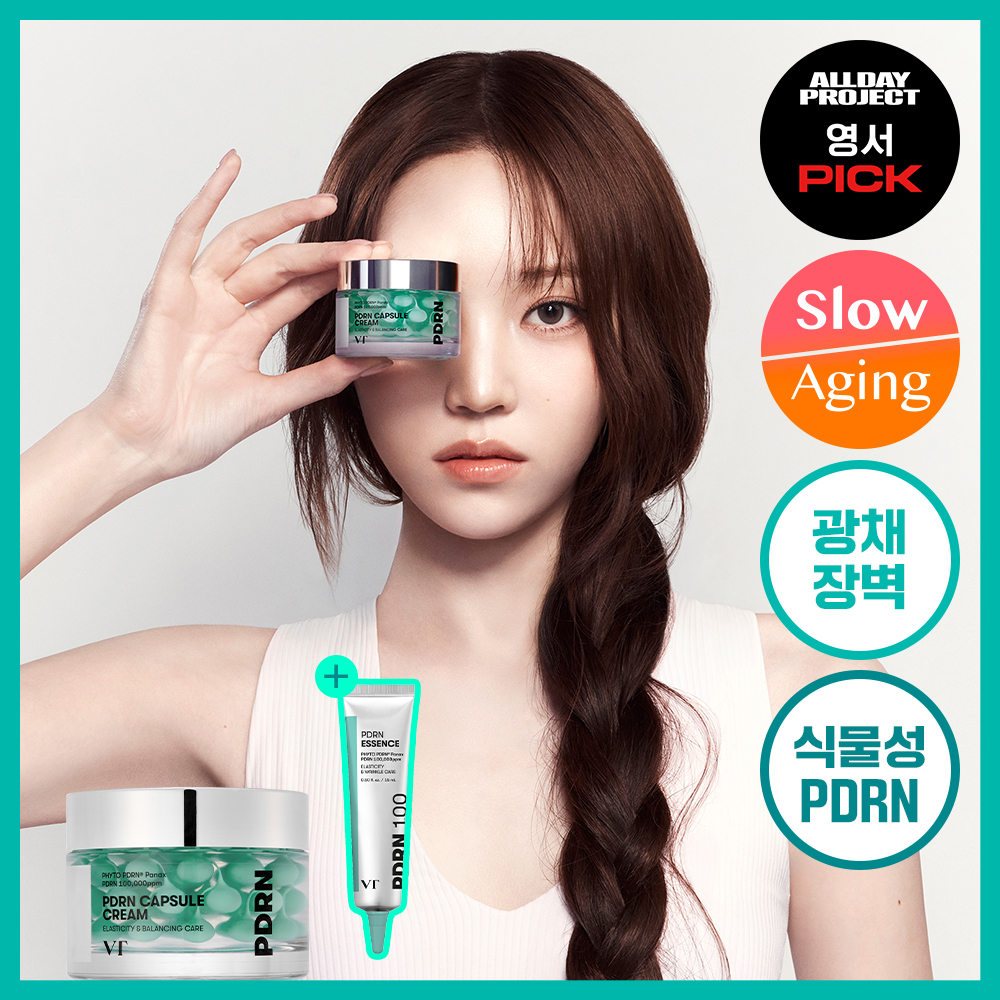
PDRN Capsule Cream 100
VT
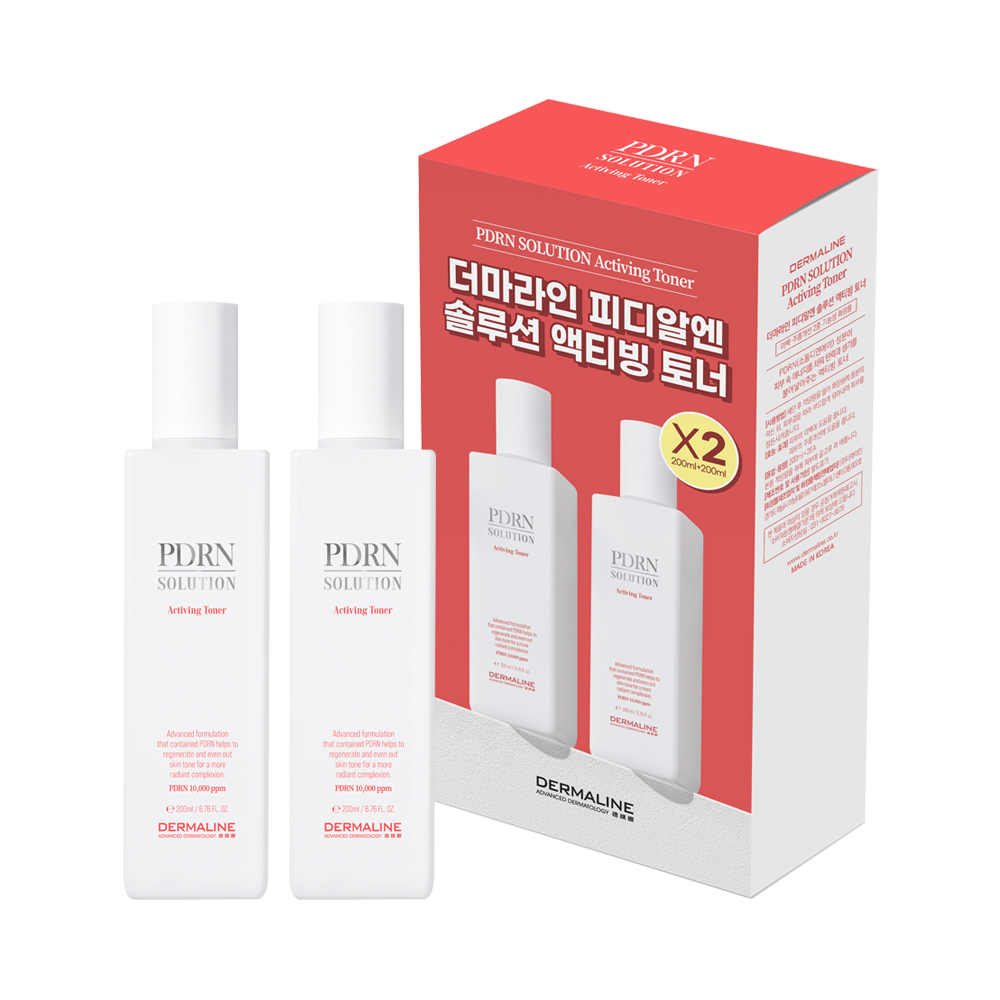
PDRN Solution Activating Toner Double Set
DERMALINE

No. 9 NAD Bio Lifting-sil Essence
Numbuzin
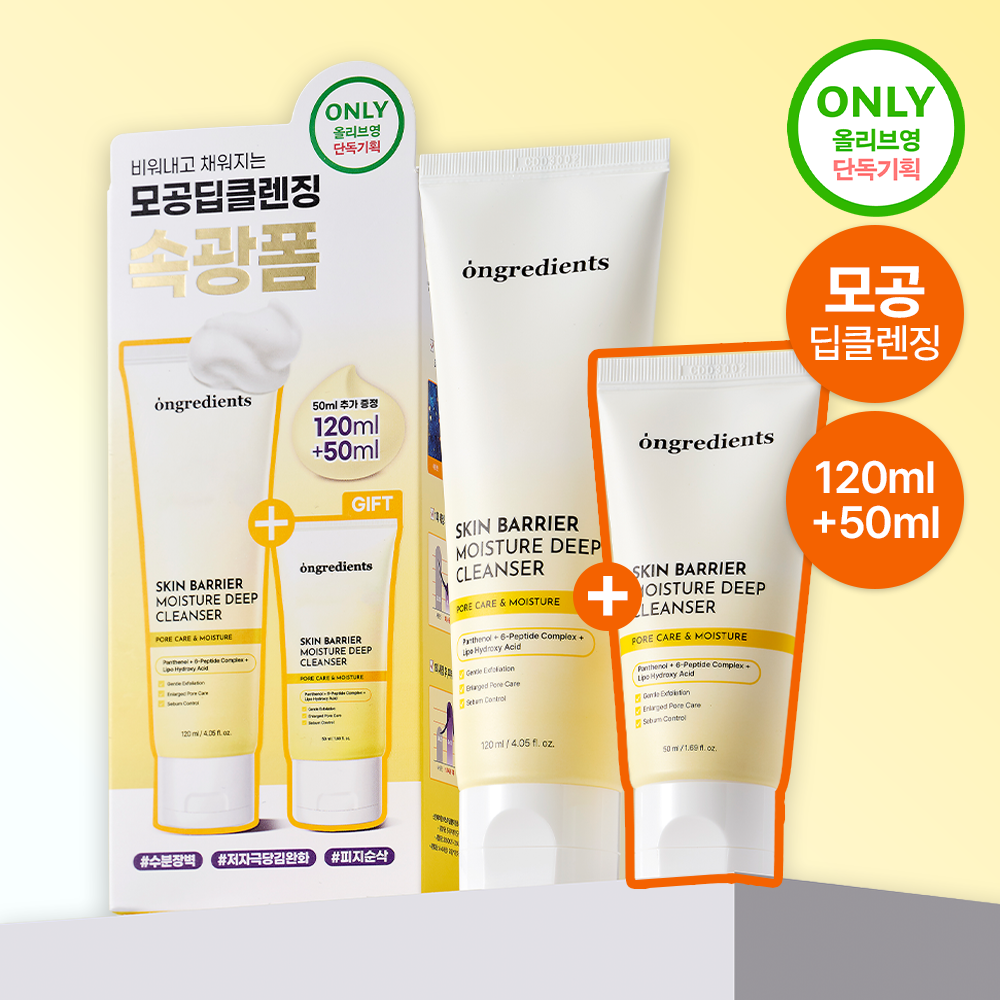
Skin Barrier Moisture Deep Calming Foam Set
Ongredients
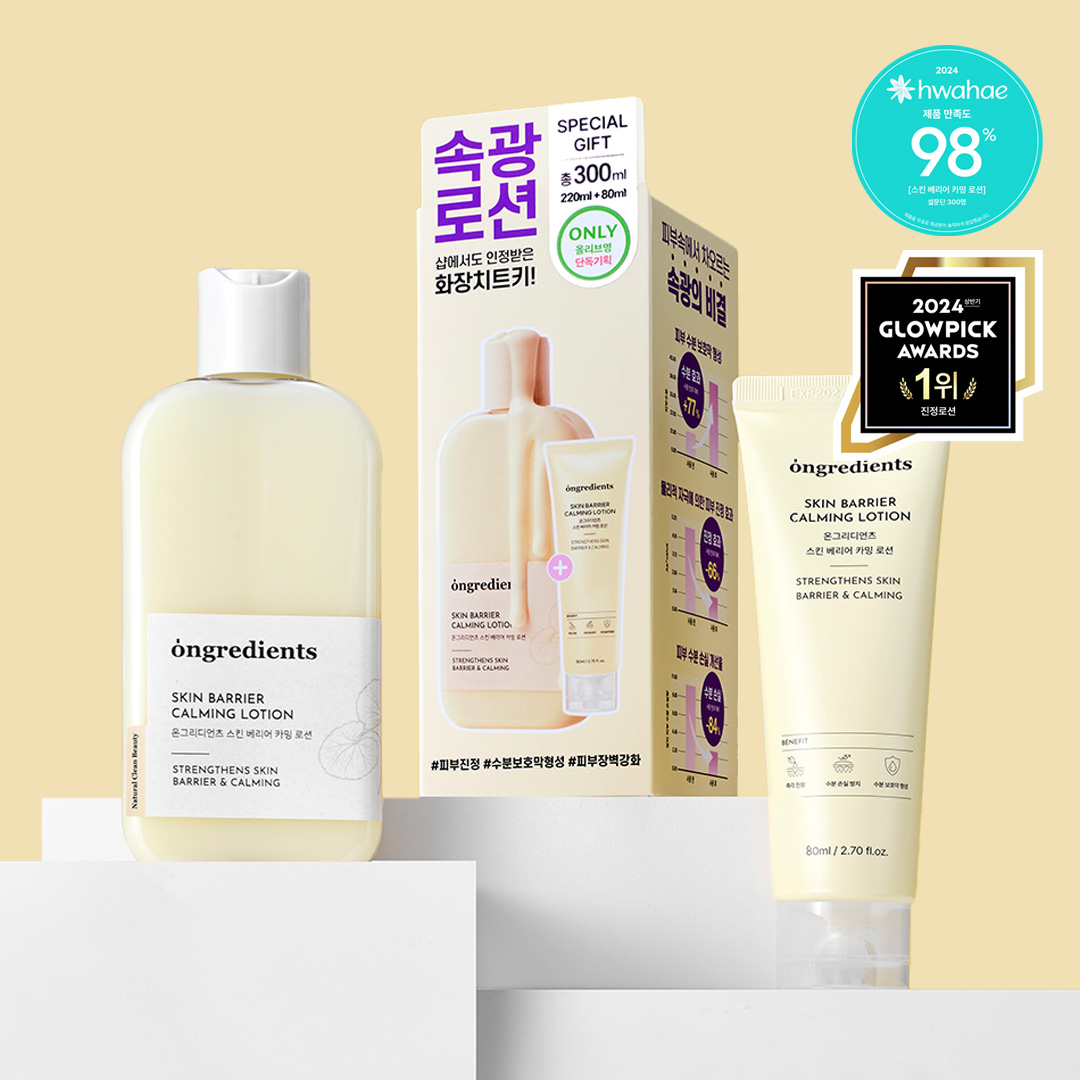
Skin Barrier Calming Lotion Set
Ongredients
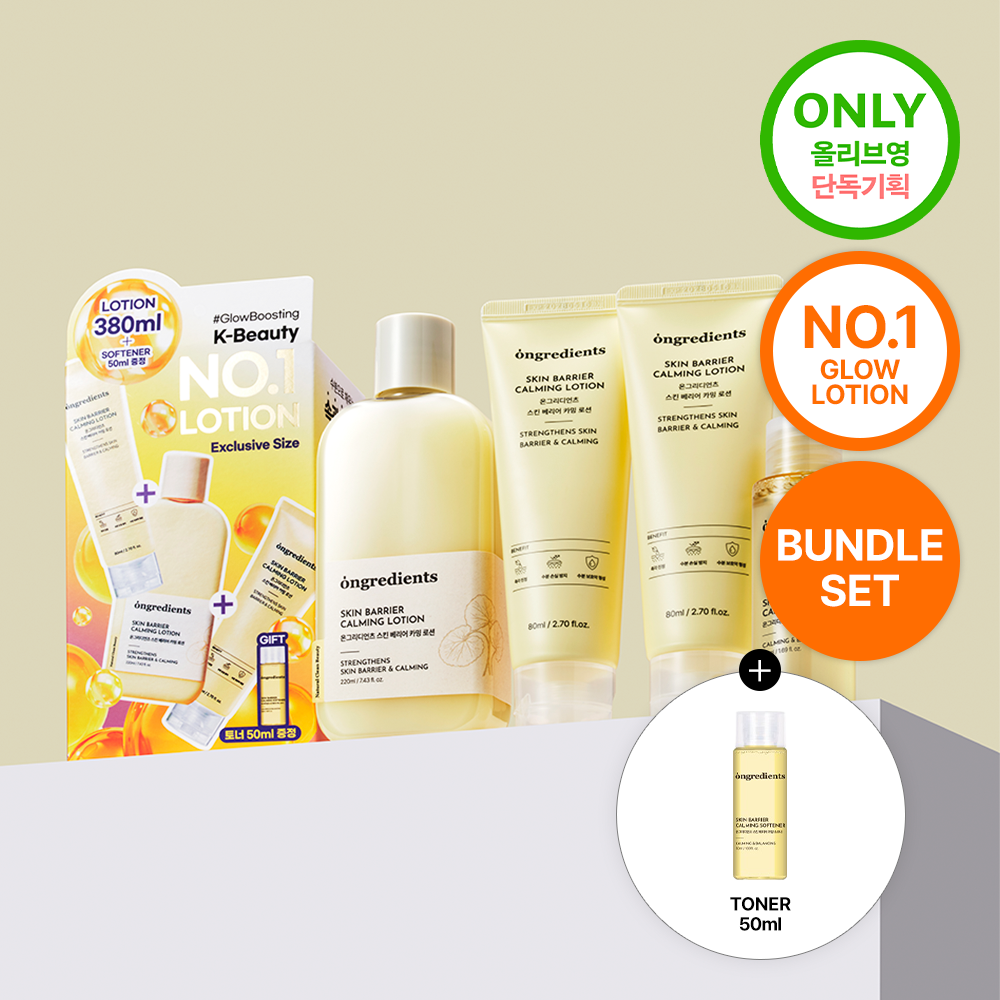
Skin Barrier Calming Large Size Set (Lotion + Softener)
Ongredients
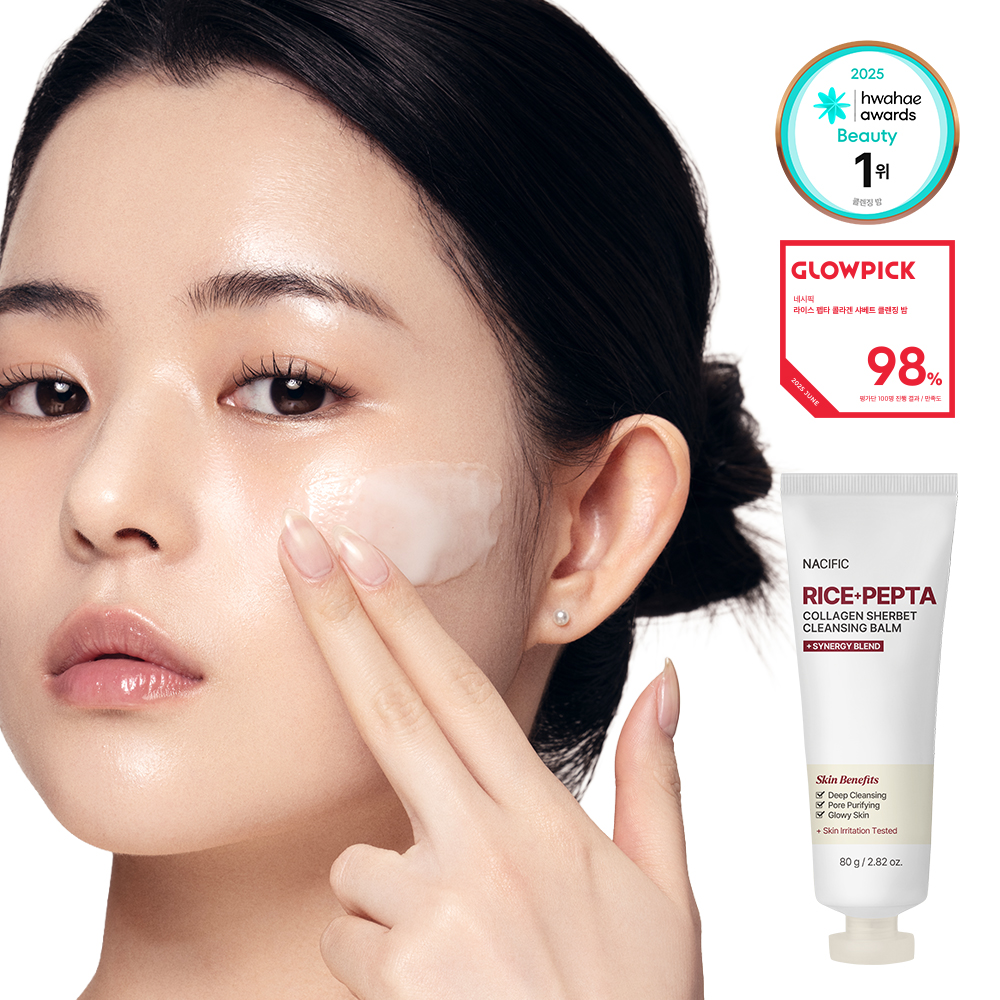
Rice Pepta Collagen Sherbet Cleansing Balm
Nacific
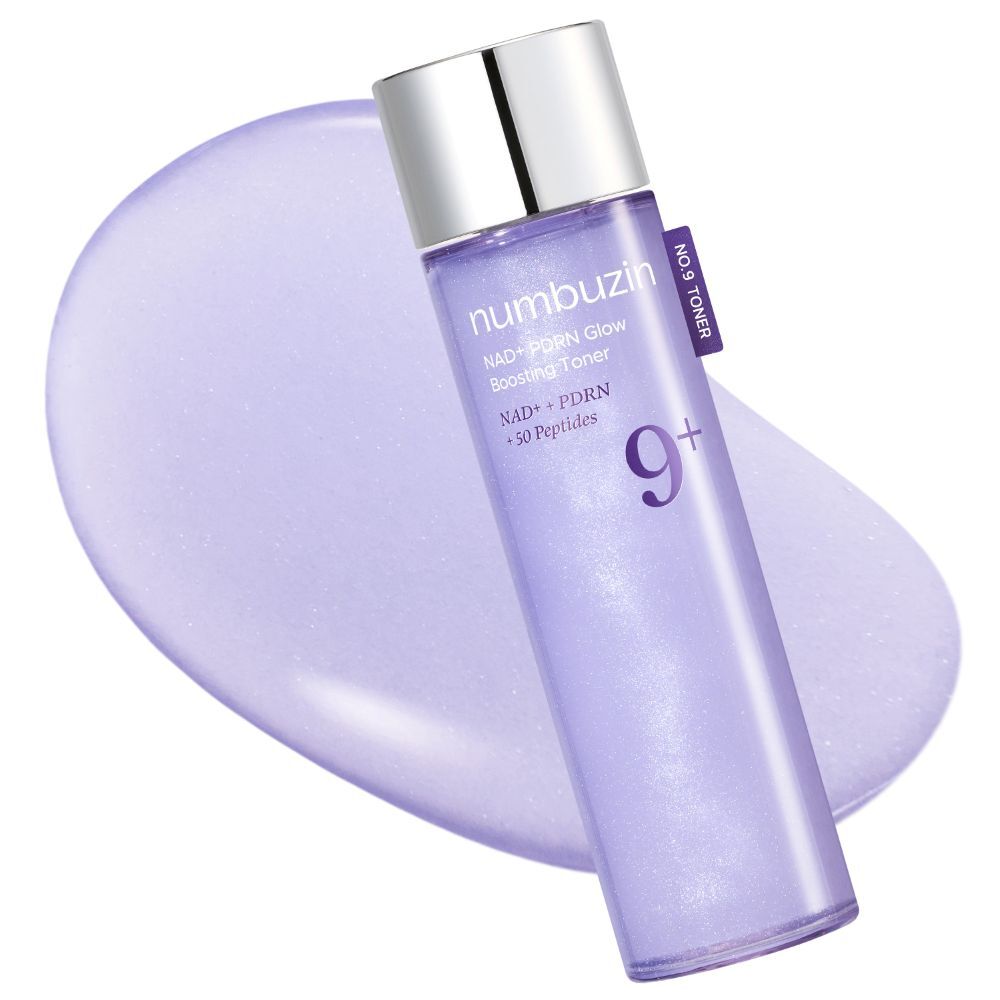
No. 9 NAD PDRN Glow Treatment Toner
Numbuzin
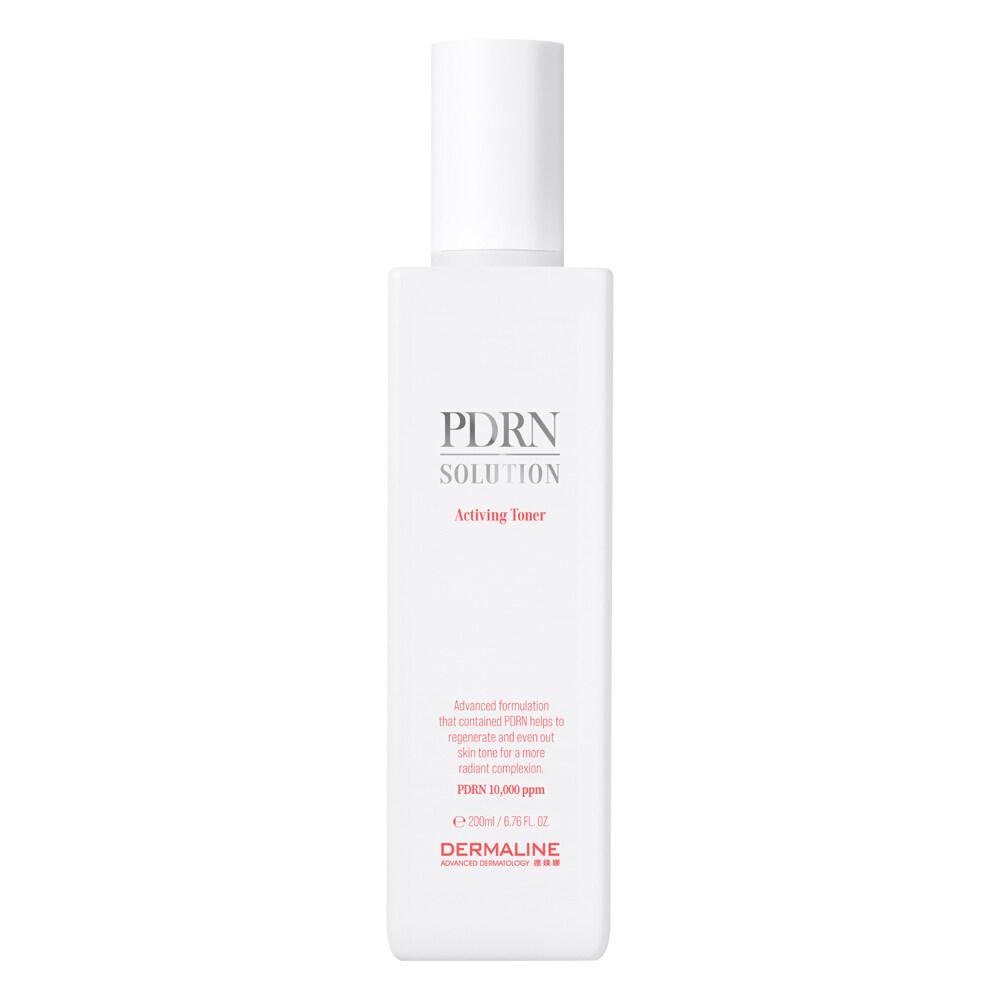
D'LEXO PDRN Solution Activating Toner
DERMALINE
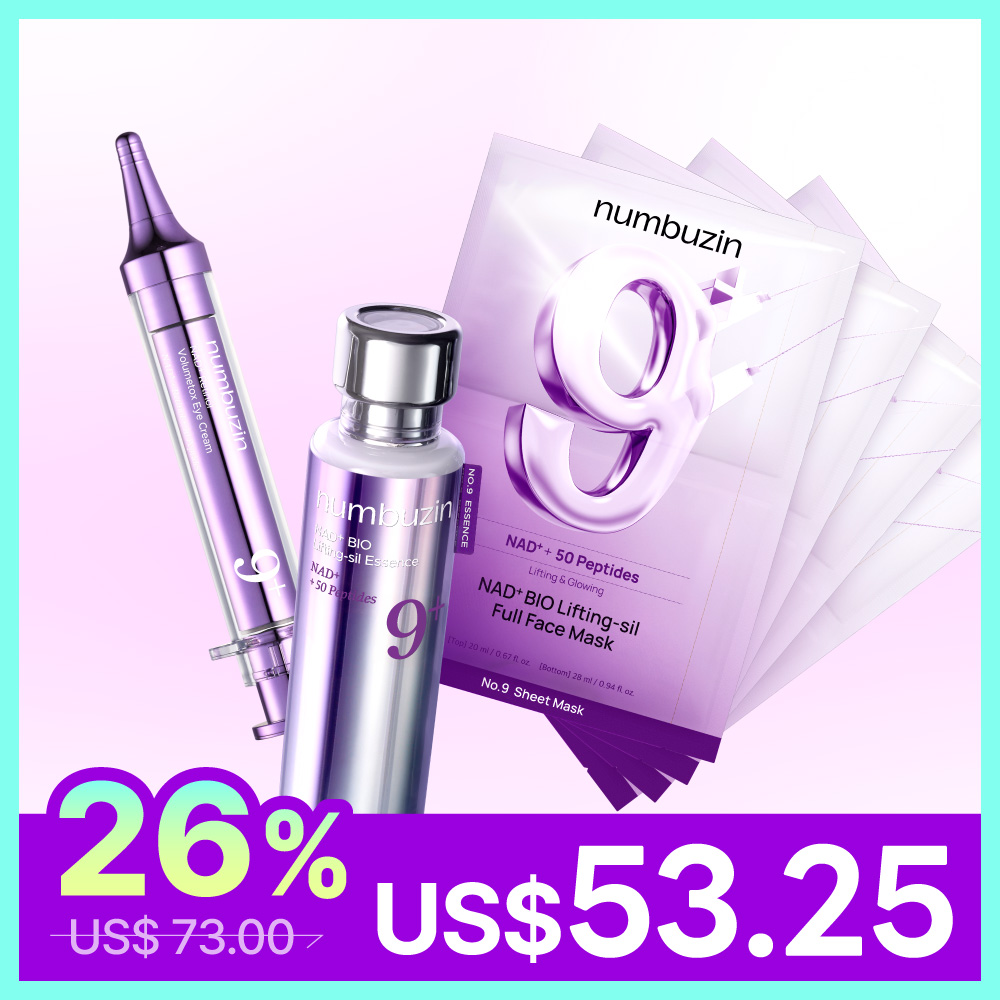
No. 9 NAD Ultimate Lifting Set
Numbuzin
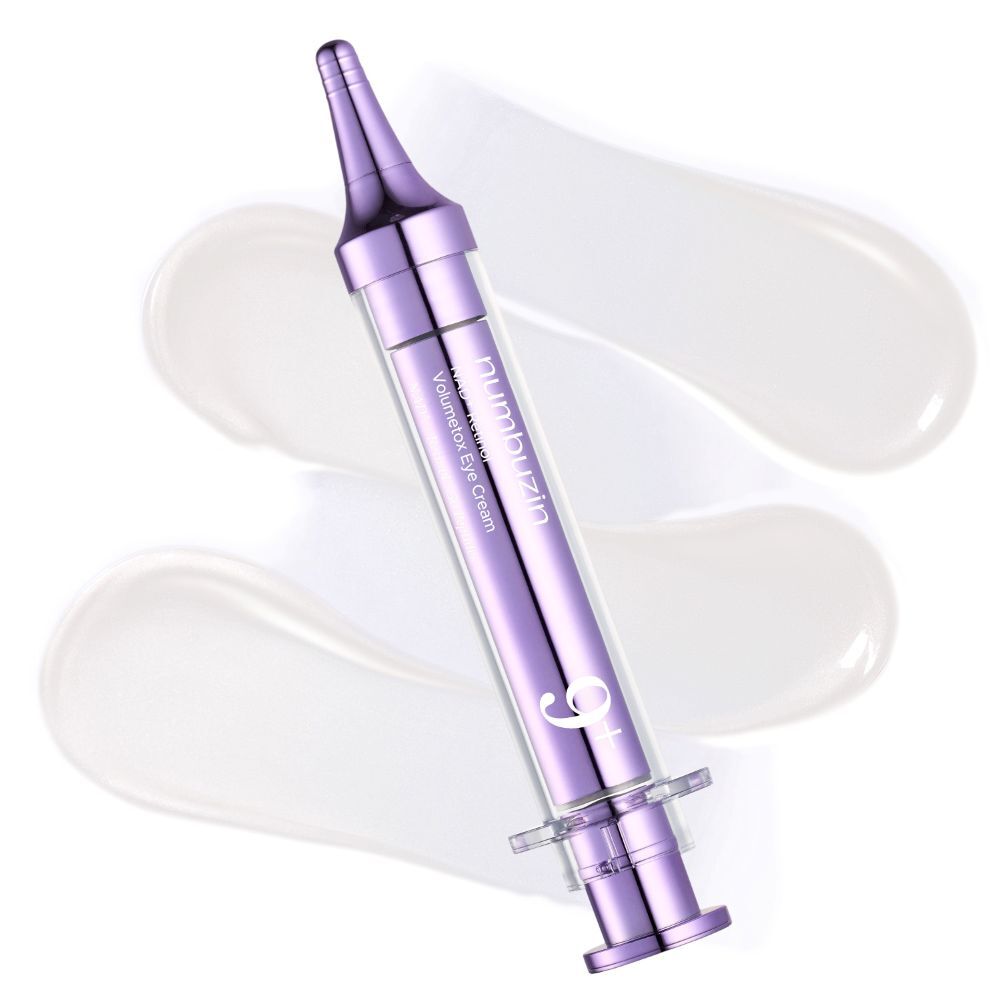
No. 9 NAD RetinA Volume Shot Eye Cream
Numbuzin
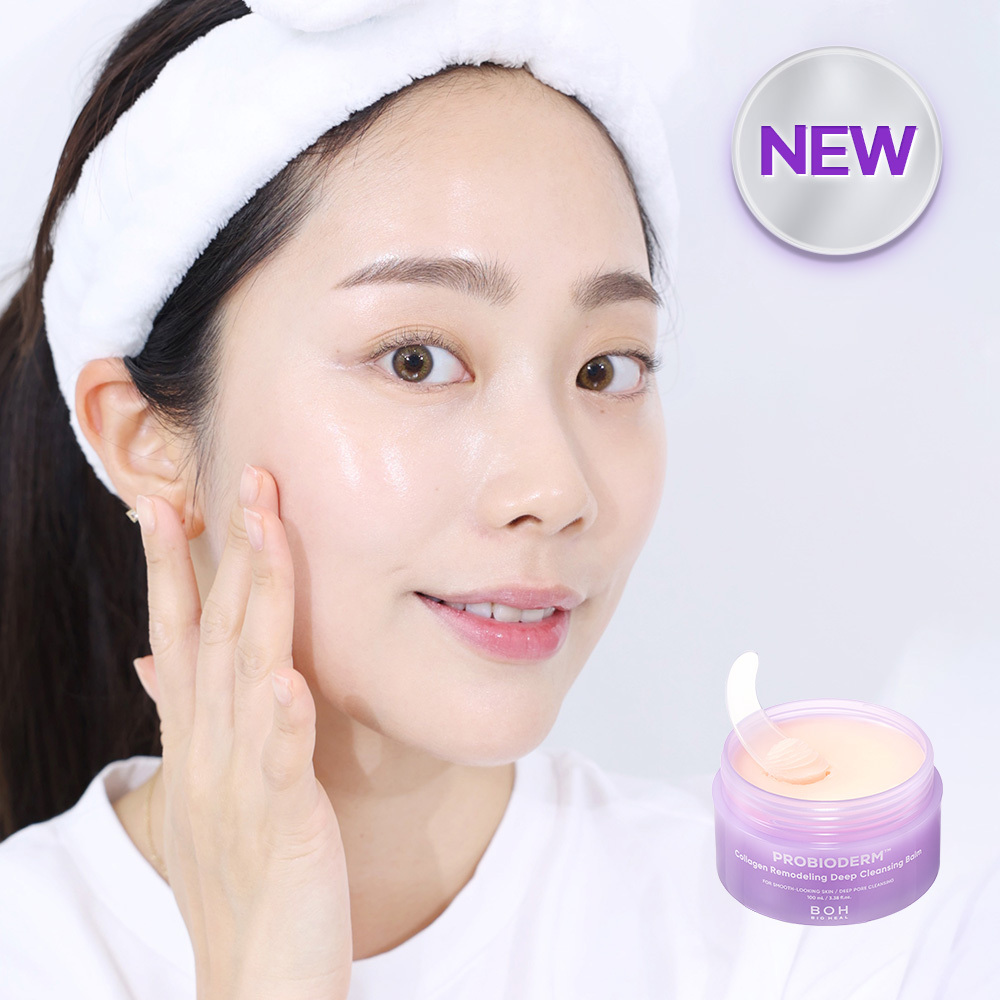
Probioderm Collagen Remodeling Deep Cleansing Balm
Bioheal BOH
Frequently Asked Questions
How is Hexapeptide-11 different from other peptides like Matrixyl?▼
Can I use Hexapeptide-11 with retinol or vitamin C?▼
Why do so many Hexapeptide-11 products also contain PDRN?▼
At what age should I start using Hexapeptide-11 products?▼
Explore More
Want personalized ingredient advice?
Yuri, our AI beauty advisor, can tell you how Hexapeptide-11 works with your specific skin type, routine, and concerns.
Ask Yuri, free