Hibiscus Flower Extract
INCI: Hibiscus Sabdariffa Flower Extract
Antioxidant and gentle astringent for skin
About Hibiscus Flower Extract
Hibiscus Flower Extract, derived from the tropical Hibiscus sabdariffa plant (also known as roselle), is a powerhouse antioxidant ingredient that's earned its place in K-beauty formulations for its dual-action benefits. Rich in organic acids, particularly alpha-hydroxy acids (AHAs) like citric and malic acid, this botanical extract provides gentle exfoliation while delivering potent antioxidant protection through its high concentration of anthocyanins and vitamin C. In K-beauty, hibiscus is prized for its ability to refine skin texture and brighten tone without the harshness of synthetic acids. The extract's natural astringent properties come from its mucilage content, which helps tighten pores and control excess oil while maintaining skin's moisture balance. With a non-comedogenic rating of 0/5, it's particularly valued in Korean skincare for oily and combination skin types, though its hydrating mucilage makes it surprisingly versatile across all skin types. Found in 53 products on Seoul Sister, from cleansing bars like Beplain's ReSaltZ Salt Massage Lavender to premium serums like d'Alba's White Truffle Double Layer Revitalizing Serum, hibiscus demonstrates K-beauty's signature approach of harnessing botanical intelligence for visible results.
How Hibiscus Flower Extract Works
At the cellular level, hibiscus flower extract works through multiple mechanisms to improve skin health. The natural AHAs (primarily citric and malic acid at concentrations of 15-30%) gently dissolve the bonds between dead skin cells in the stratum corneum, promoting cell turnover without triggering inflammation. This process reveals fresher, brighter skin underneath while stimulating fibroblast activity in the dermis. Simultaneously, the extract's anthocyanins (delphinidin and cyanidin glycosides) neutralize free radicals by donating electrons to unstable molecules, preventing oxidative damage to collagen and elastin fibers. The mucilage polysaccharides form a protective film on the skin's surface, reducing transepidermal water loss while the astringent tannins temporarily constrict pores by causing mild protein coagulation in the epidermis. Studies show hibiscus extract can inhibit elastase enzyme activity by up to 60%, helping preserve skin's structural proteins and maintain firmness over time.
Hibiscus Flower Extract by Skin Type
Oily Skin
Hibiscus flower extract is exceptionally beneficial for oily skin due to its natural astringent properties that help regulate sebum production and minimize the appearance of enlarged pores. The gentle AHAs prevent pore congestion by keeping dead skin cells from accumulating, while the non-comedogenic formula (0/5 rating) ensures it won't trigger breakouts even with daily use.
Dry Skin
While hibiscus contains exfoliating acids, its mucilage content provides crucial hydration that makes it suitable for dry skin when formulated properly. The extract helps remove the flaky dead skin layer that can make dryness look worse, while the polysaccharides attract and retain moisture. Look for hibiscus in hydrating serums like d'Alba's formulations rather than astringent toners if you have dry skin.
Combo Skin
Combination skin benefits significantly from hibiscus flower extract's balanced approach. It addresses oiliness in the T-zone with its astringent properties while the hydrating mucilage prevents dry patches on cheeks. This makes it a go-to ingredient in K-beauty products designed for Korea's climate-challenged combination skin types.
Sensitive Skin
Hibiscus is generally well-tolerated by sensitive skin due to its botanical origin and the relatively low concentration of AHAs compared to synthetic alternatives. However, the exfoliating acids may cause mild irritation in highly reactive skin. Start with products where hibiscus is lower in the ingredient list and perform a patch test, especially if you have rosacea or compromised skin barrier.
Normal Skin
Normal skin types can use hibiscus flower extract freely to maintain skin health and prevent early signs of aging. The antioxidant protection guards against environmental stressors while the gentle exfoliation keeps skin texture smooth and radiant. It's an excellent preventative ingredient found in multiple product categories from cleansers to serums.
How to Use Hibiscus Flower Extract
- 1Start with leave-on products like serums before trying hibiscus in stronger concentrations (like peeling gels). The Medi-Peel Red Lacto Collagen line offers a good entry point with balanced formulations.
- 2Use hibiscus-containing products in your morning routine for antioxidant protection throughout the day, but avoid combining with high-percentage vitamin C or retinol in the same application to prevent irritation.
- 3If using a hibiscus product with noticeable AHA activity (like Medi-Peel's Konjac Peeling Gel), always follow with SPF 30+ during the day as AHAs increase photosensitivity.
- 4Layer hibiscus extracts under heavier creams to allow the active compounds to penetrate effectively. The mist format in d'Alba's First Spray Serum allows for easy reapplication throughout the day.
Background
Hibiscus sabdariffa has been used in traditional medicine across Africa, Southeast Asia, and the Caribbean for centuries, originally valued for its cooling properties and use in treating skin inflammation. In ancient Egypt, hibiscus flowers were crushed and applied to skin for their beautifying effects. Korean skincare formulators began incorporating hibiscus extract in the early 2010s as the K-beauty industry shifted toward botanical actives with clinical backing. The ingredient gained particular traction when research from Korean dermatology labs demonstrated its elastase-inhibiting properties, positioning it as a natural anti-aging alternative. Unlike the tea form (consumed as a beverage), skincare formulations concentrate the flower's organic acids and anthocyanins, making it significantly more potent for topical application. Its rise in K-beauty coincided with the global clean beauty movement, as brands sought effective plant-based alternatives to synthetic exfoliants.
K-Beauty Products with Hibiscus Flower Extract
View all 62 →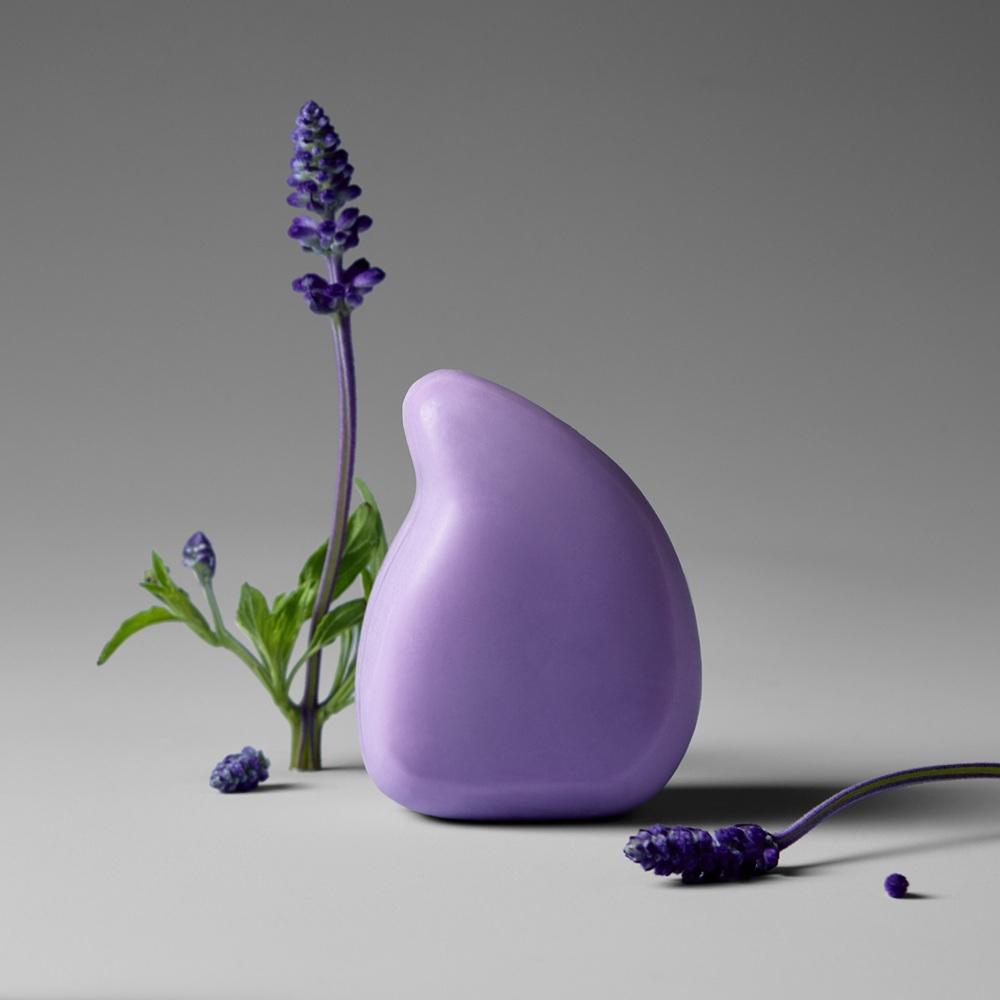
ReSaltZ Salt Massage Lavender Cleansing Bar
Beplain
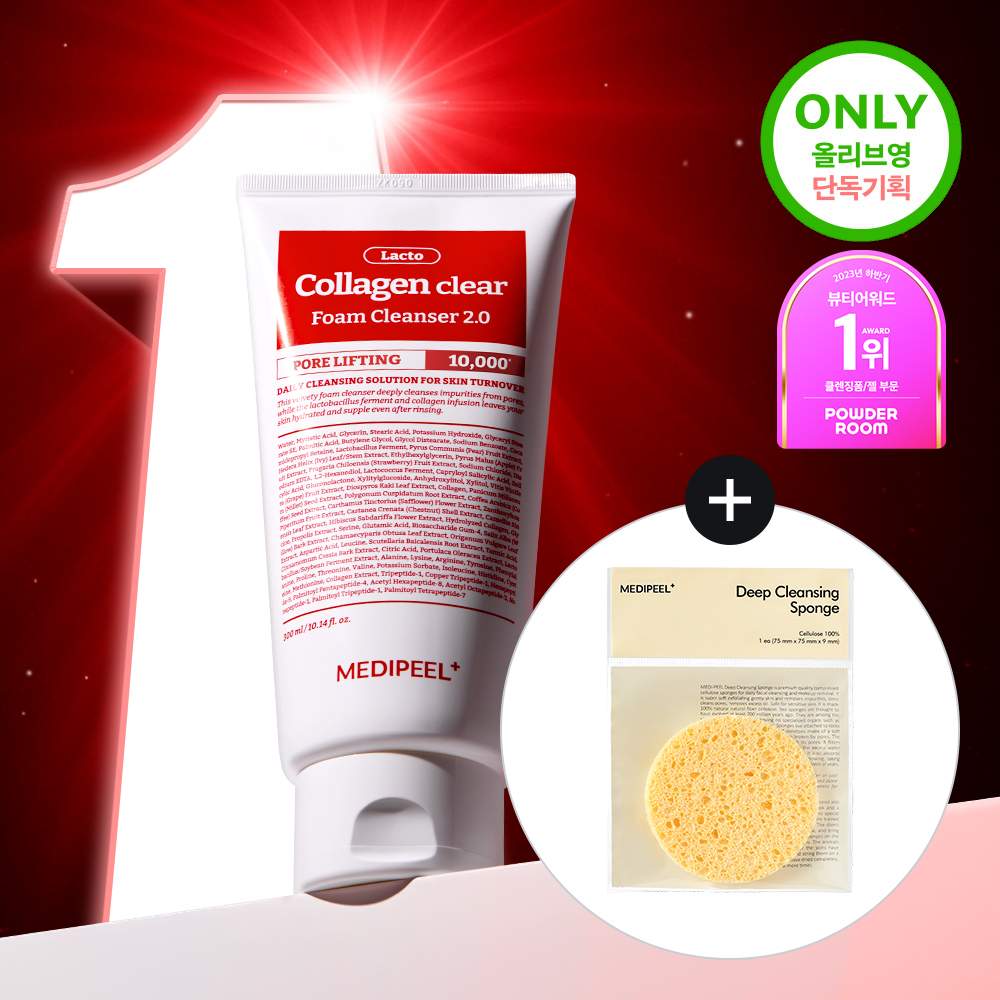
Red Lacto Collagen Clear 2.0 Special Set
Medi-Peel
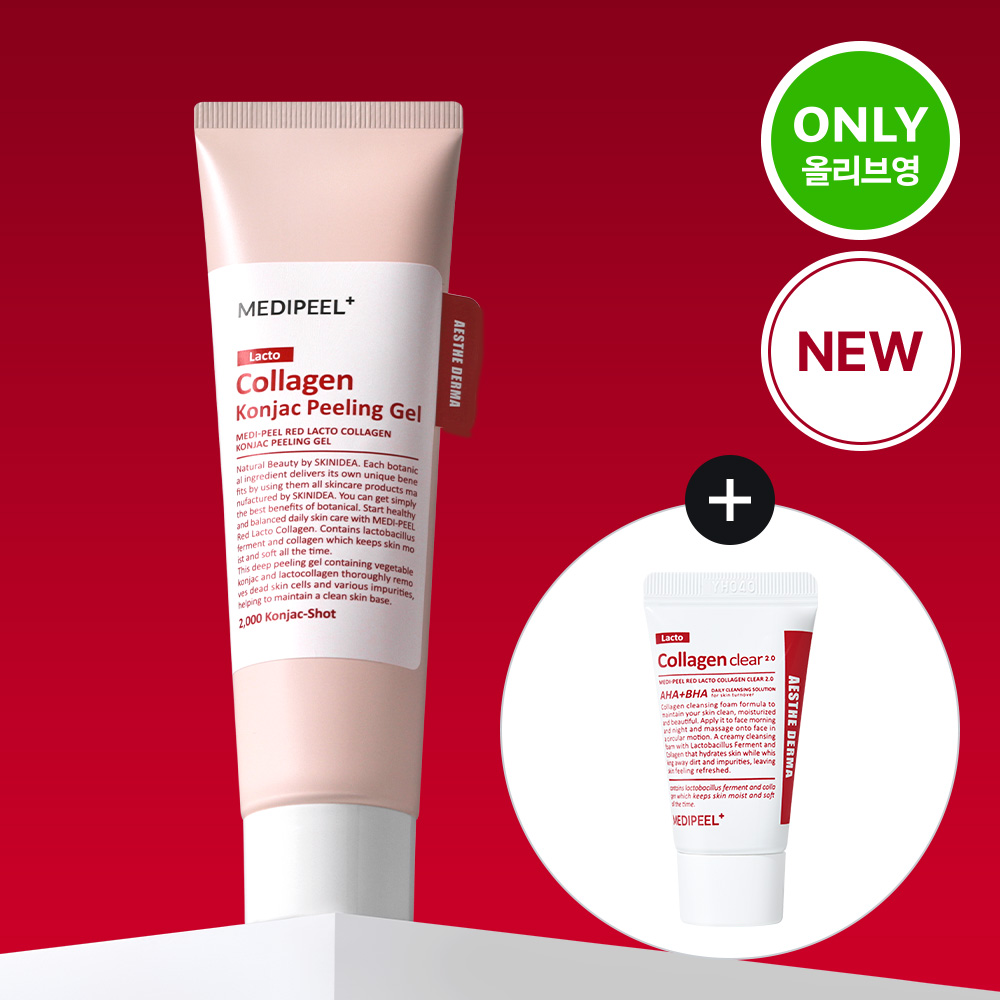
Red Lacto Collagen Konjac Peeling Gel
Medi-Peel
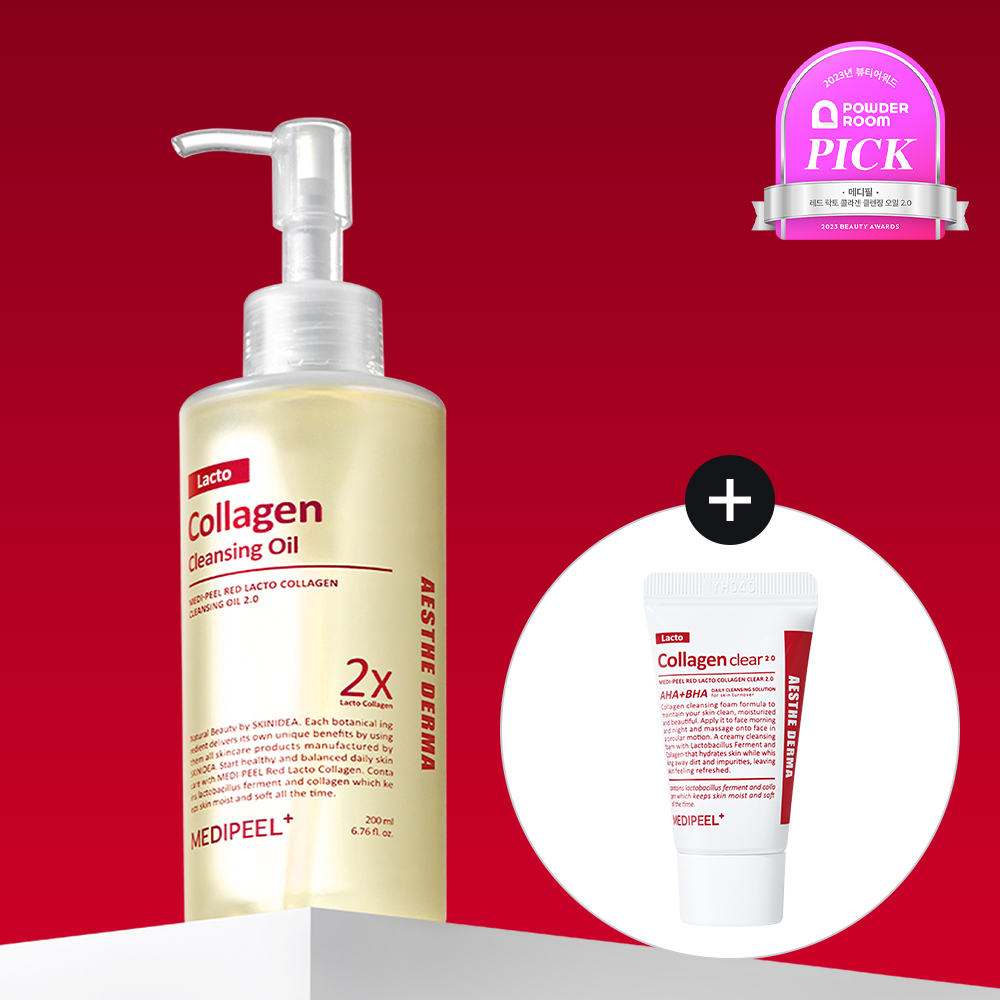
Red Lacto Collagen Cleansing Oil 2.0 Special Set
Medi-Peel
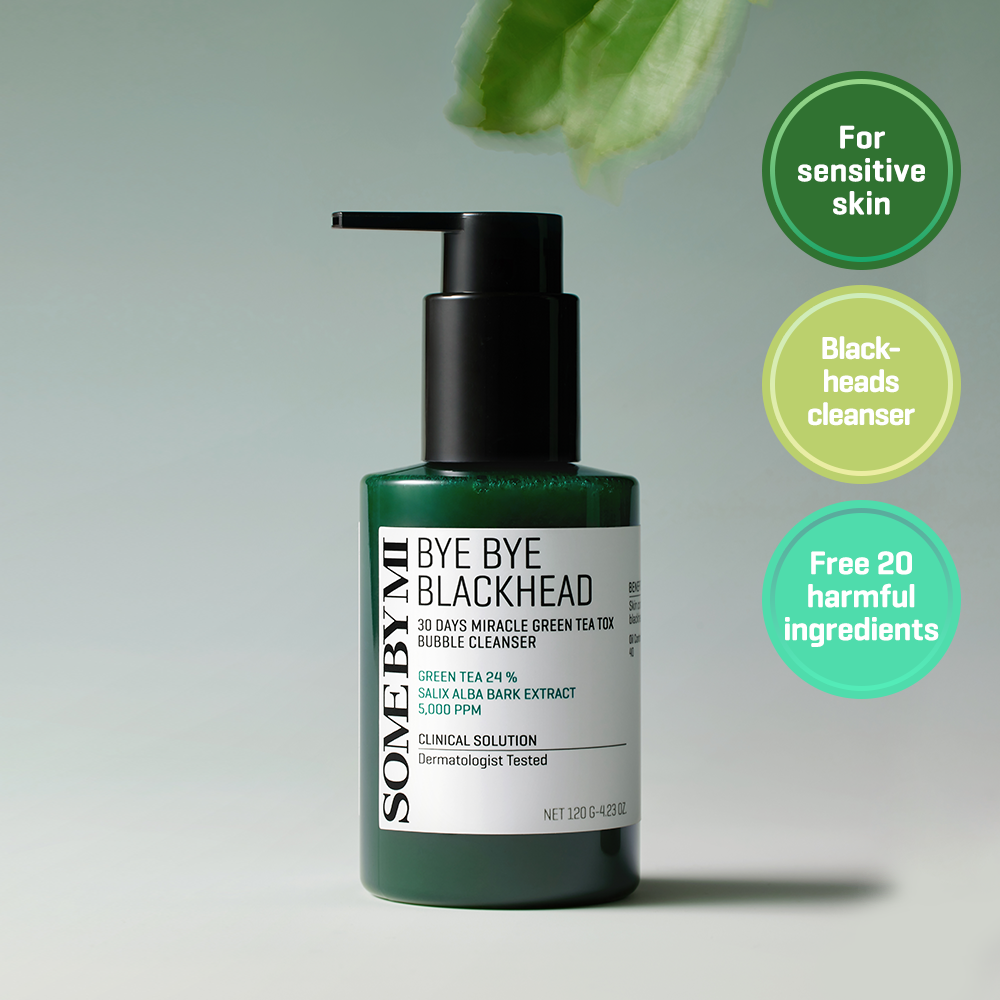
Bye Bye Blackhead 30 Days Miracle Green Tea Tox Bubble Cleanser
Some By Mi
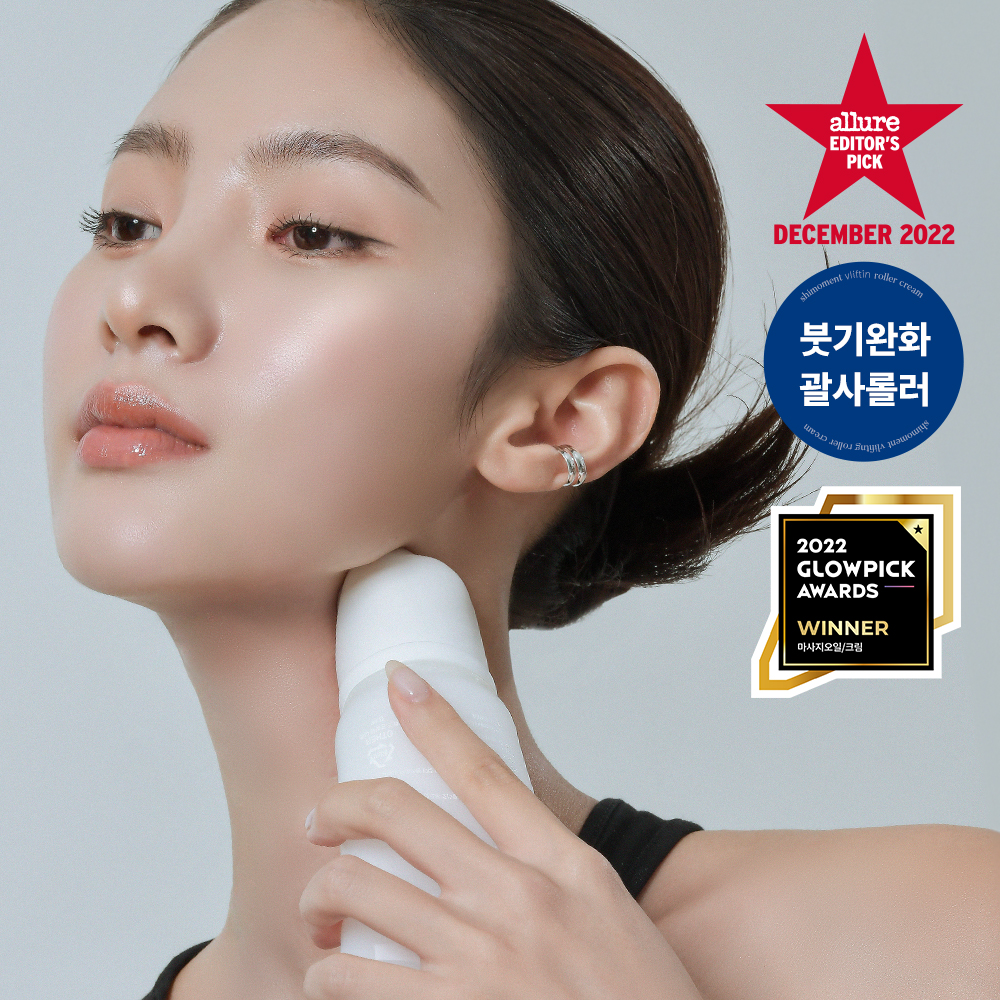
Shimoment V-Lifting Roller Cream (Refill)
Centellian24
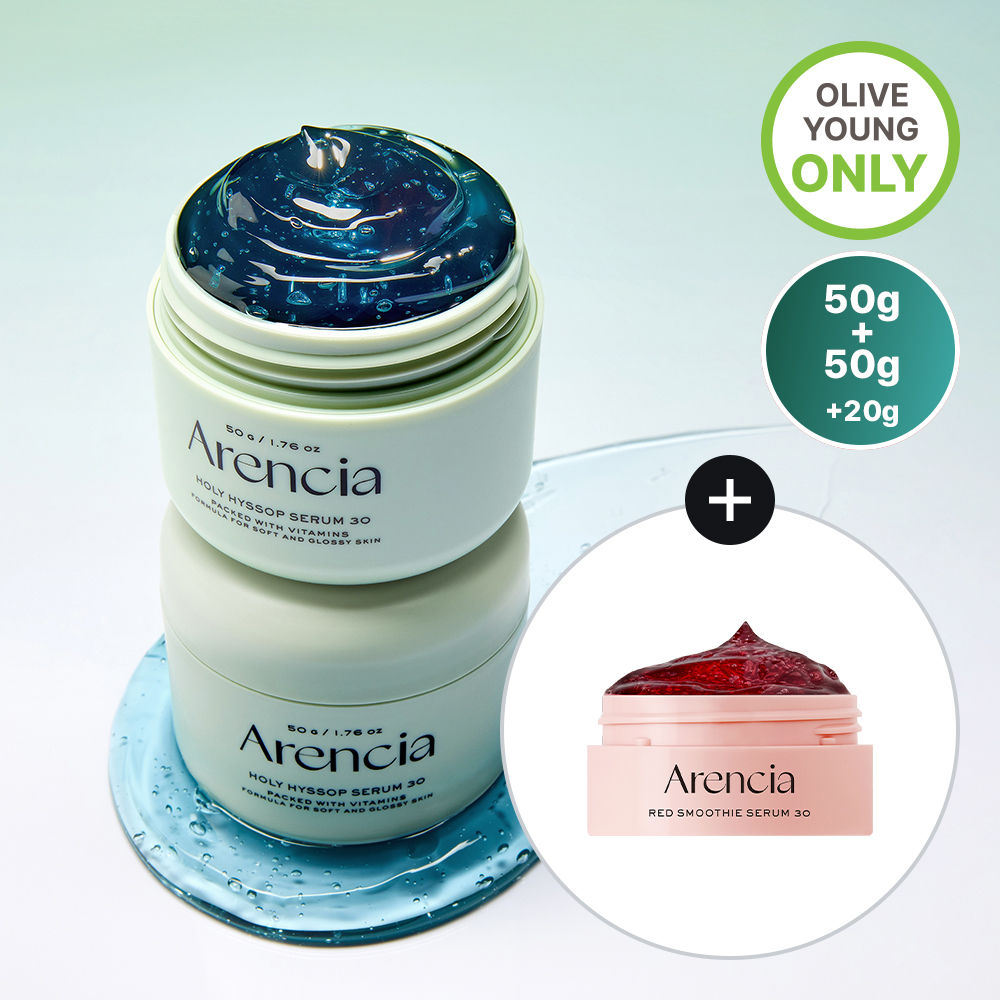
Holy Hyssop Serum 30 Set
Arencia
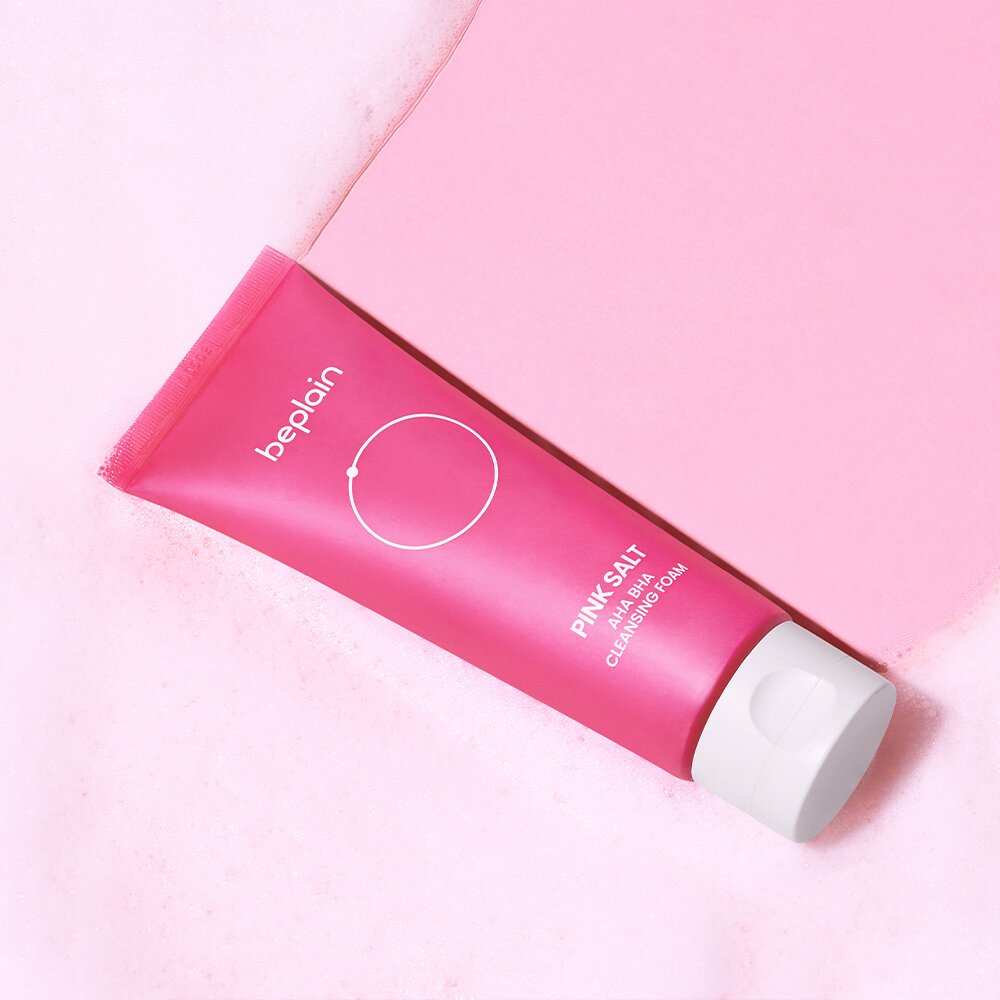
Pink Salt AHA BHA Cleansing Foam
Beplain
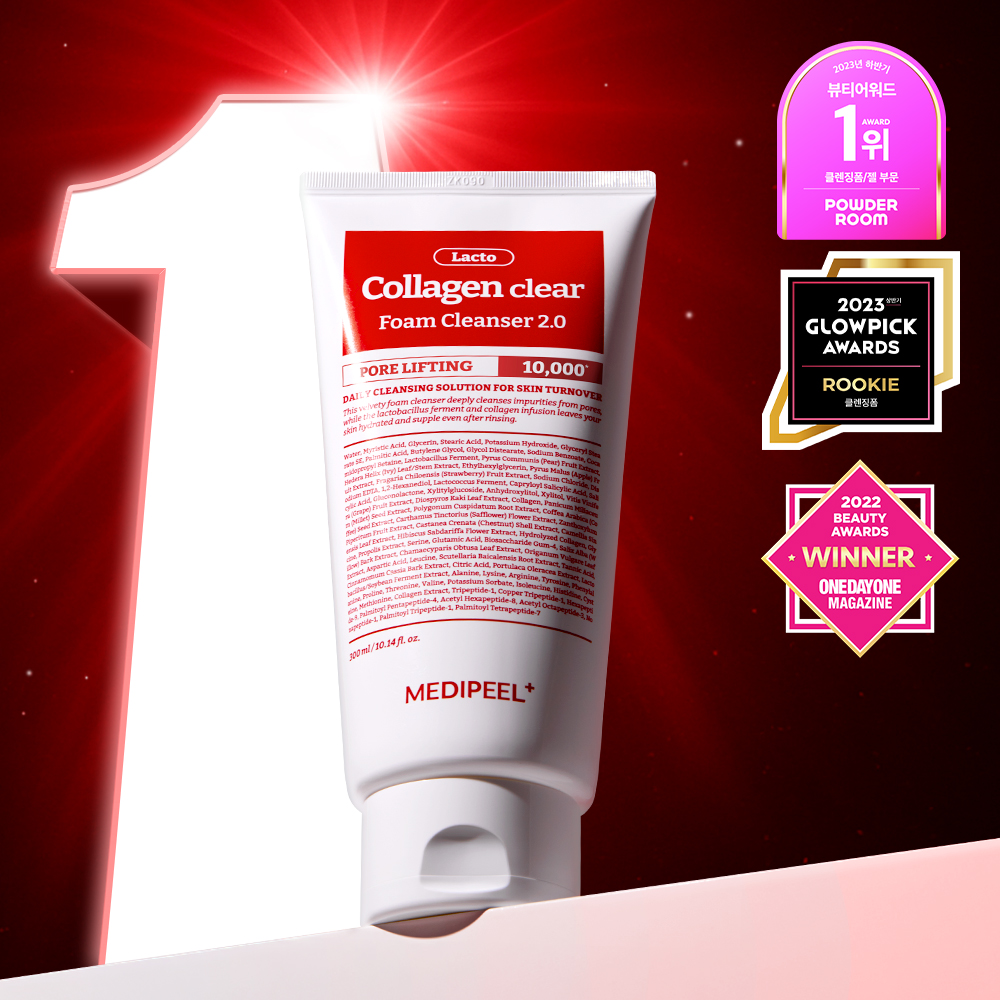
Red Lacto Collagen Clear 2.0
Medi-Peel
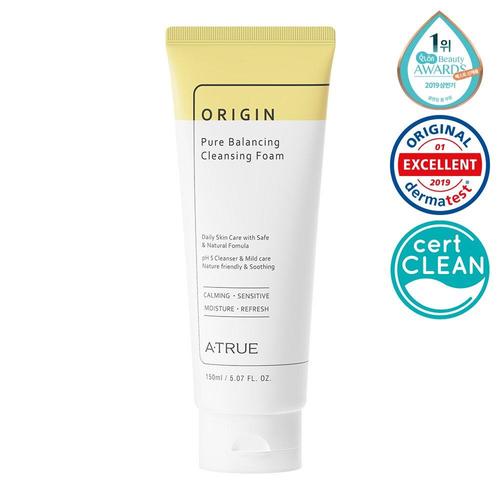
Origin Pure Balancing Cleansing Foam
Beplain
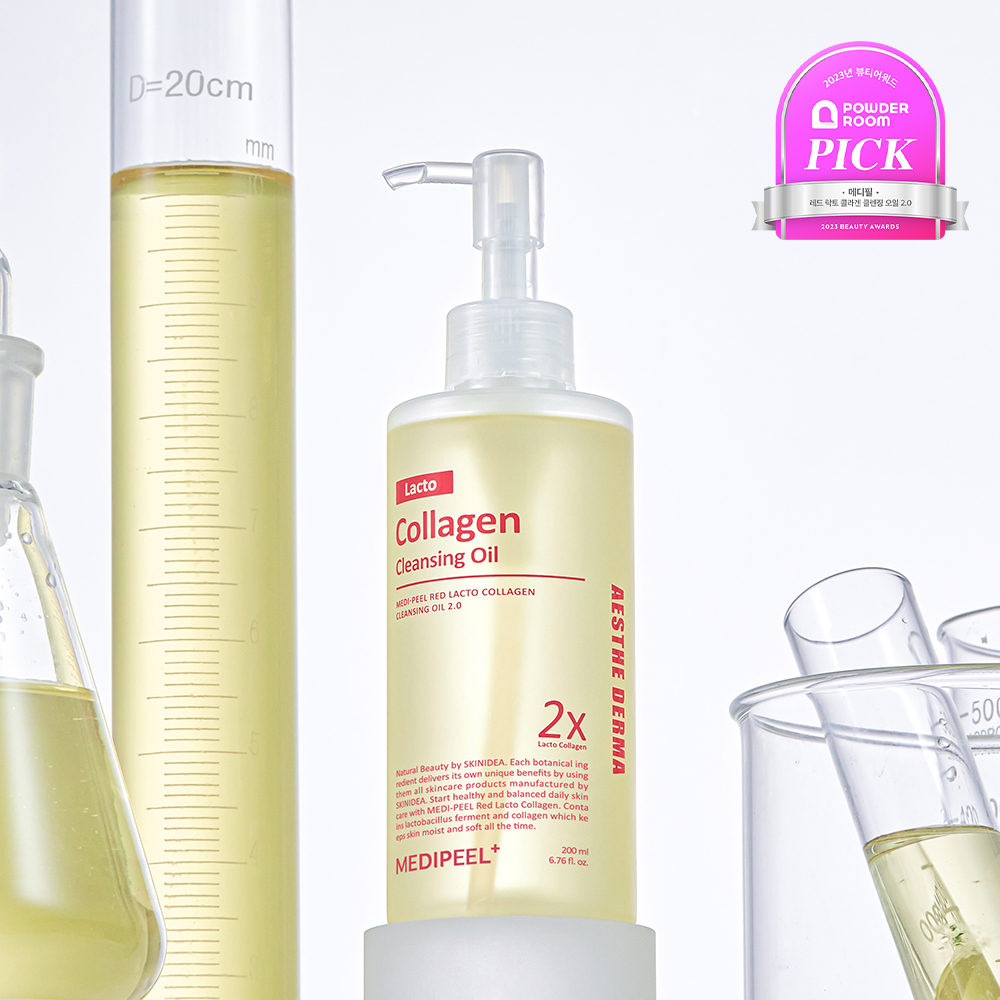
Red Lacto Collagen Cleansing Oil 2.0
MEDIPEEL
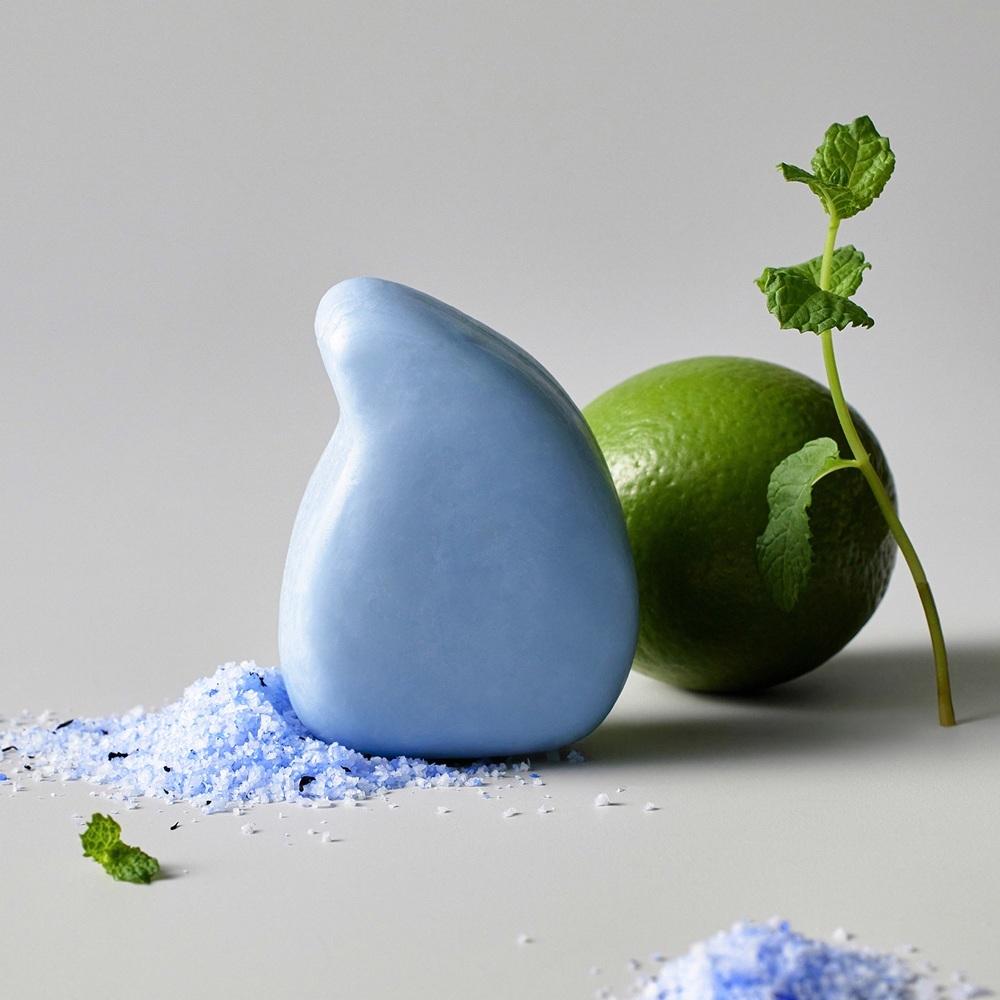
ReSaltZ Salt Massage Ocean Cleansing Bar
Beplain
Frequently Asked Questions
Is hibiscus flower extract safe to use during pregnancy?▼
Can I use hibiscus extract with other acids like glycolic or salicylic acid?▼
Why do some hibiscus products have a red color while others don't?▼
How long does it take to see results from hibiscus flower extract?▼
Is hibiscus flower extract the same as hibiscus tea for skin?▼
Explore More
Want personalized ingredient advice?
Yuri, our AI beauty advisor, can tell you how Hibiscus Flower Extract works with your specific skin type, routine, and concerns.
Ask Yuri, free