Sea Buckthorn Fruit Extract
INCI: Hippophae Rhamnoides Fruit Extract
Antioxidant and skin conditioning agent
About Sea Buckthorn Fruit Extract
Sea buckthorn fruit extract comes from the bright orange berries of Hippophae rhamnoides, a hardy shrub that thrives in harsh mountainous regions across Asia and Europe. This ingredient has earned its reputation as a skincare powerhouse thanks to an exceptionally high concentration of vitamin C (up to 15 times more than oranges), along with vitamins A, E, and K, omega fatty acids (including the rare omega-7), and over 190 bioactive compounds. In K-beauty formulations, sea buckthorn extract functions primarily as an antioxidant and skin conditioning agent, meaning it both protects skin from environmental damage and actively improves texture and tone. You'll find it in 105 products on Seoul Sister, often paired with other brightening ingredients like glutathione and niacinamide in formulas from brands like APLB and Shingmulnara. The extract's popularity in Korean skincare stems from traditional Asian medicine practices and aligns perfectly with K-beauty's focus on achieving luminous, healthy skin through nutrient-rich botanicals. With a low comedogenic rating of 1/5, it won't clog pores, making it accessible to most skin types. The safety rating of 4/5 reflects its generally well-tolerated nature, though the high vitamin content means sensitive skin may need gradual introduction.
How Sea Buckthorn Fruit Extract Works
Sea buckthorn extract works through multiple pathways at the cellular level. Its exceptionally high vitamin C content (in the form of ascorbic acid) inhibits tyrosinase, the enzyme responsible for melanin production, which helps fade dark spots and prevent new hyperpigmentation from forming. The extract's antioxidants, including flavonoids and carotenoids, neutralize free radicals generated by UV exposure and pollution, preventing oxidative stress that breaks down collagen and elastin. Omega-7 (palmitoleic acid) penetrates the skin barrier to signal increased ceramide production, strengthening the lipid matrix that holds moisture in and irritants out. The combination of vitamins A and E further supports cellular turnover and membrane stability. Interestingly, sea buckthorn also contains plant sterols that have mild anti-inflammatory properties, calming redness at the source by inhibiting pro-inflammatory cytokines. This multi-targeted approach explains why you'll see it formulated alongside active ingredients like retinol and vitamin C in products like APLB's Retinol Vitamin C Vitamin E Facial Toner, where it enhances efficacy while buffering potential irritation.
Sea Buckthorn Fruit Extract by Skin Type
Oily Skin
Sea buckthorn works beautifully for oily skin thanks to its low comedogenic rating and ability to regulate sebum without stripping moisture. The omega-7 content helps balance oil production rather than suppressing it completely, which prevents the rebound oiliness that comes from over-drying. You'll find it in effective cleansing formulas like APLB's Glutathione Niacinamide Facial Cleanser (4.8/5) that remove excess oil while maintaining skin barrier health.
Dry Skin
This is where sea buckthorn truly excels. The omega fatty acids (particularly omega-7) are lipophilic, meaning they integrate directly into the skin barrier to prevent transepidermal water loss. The vitamin E content further locks in moisture while the vitamin C brightens any dull patches that often plague dehydrated skin. Products like Shingmulnara's White Rice Bright Tone Toner (4.8/5) combine sea buckthorn with hydrating ingredients for maximum moisture retention and glow.
Combo Skin
Combination skin benefits from sea buckthorn's balancing properties. It hydrates dry areas without adding excess oil to the T-zone, while its lightweight texture absorbs quickly without leaving residue. The antioxidant protection works across all zones, and the gentle exfoliating properties from vitamin A help normalize skin texture. The ingredient's versatility is why it appears in everything from cleansers to toners in your routine.
Sensitive Skin
Sensitive skin should approach sea buckthorn with some caution despite its anti-inflammatory properties. While the omega fatty acids and plant sterols are soothing, the high concentration of vitamin C and other active compounds can trigger reactivity in compromised skin barriers. Start with products where it's lower in the ingredient list, like in cleansers that rinse off, before graduating to leave-on products. If you notice any tingling or redness, discontinue use and introduce more gradually once your barrier is stronger.
Normal Skin
Normal skin can enjoy all of sea buckthorn's benefits without reservation. Use it as a preventive antioxidant to maintain your skin's healthy status, protect against environmental aging, and enhance overall radiance. The ingredient works well in any step of your routine, from cleansing (like OBgE's Blackhead Scrub Balm at 4.8/5) through to toning, and layers easily with other actives without causing congestion or irritation.
How to Use Sea Buckthorn Fruit Extract
- 1Pair sea buckthorn products with sunscreen during the day, as the vitamin C content makes skin slightly more photosensitive while also providing antioxidant protection against UV damage.
- 2If you're using multiple vitamin C products, monitor for over-exfoliation. Sea buckthorn's high ascorbic acid content counts toward your total vitamin C exposure, so you may not need an additional dedicated serum.
- 3Store products containing sea buckthorn in cool, dark places. The omega fatty acids can oxidize when exposed to heat and light, reducing effectiveness and potentially causing the product to develop a rancid smell.
- 4Introduce sea buckthorn gradually if you have sensitive skin, starting 2-3 times per week and increasing frequency as your skin adapts to the active compounds.
Background
Sea buckthorn has been used in traditional medicine across Asia and Europe for over 1,200 years. Tibetan medicine texts from the 8th century reference the berries for healing and rejuvenation, while Genghis Khan reportedly fed the fruit to his horses to boost their stamina and coat shine. In traditional Chinese medicine, sea buckthorn (known as sha ji) has been prescribed for improving blood circulation and skin health. The plant's ability to survive in extreme conditions (high altitudes, poor soil, harsh climates) creates berries extraordinarily rich in protective compounds. Korean skincare brands began incorporating sea buckthorn in the early 2010s as the clean beauty movement prioritized powerful botanicals with traditional medicine backing. Its alignment with K-beauty principles (gentle yet effective, focused on skin health rather than quick fixes, rich in natural antioxidants) has made it a staple in formulations targeting brightness, barrier repair, and anti-aging.
K-Beauty Products with Sea Buckthorn Fruit Extract
View all 111 →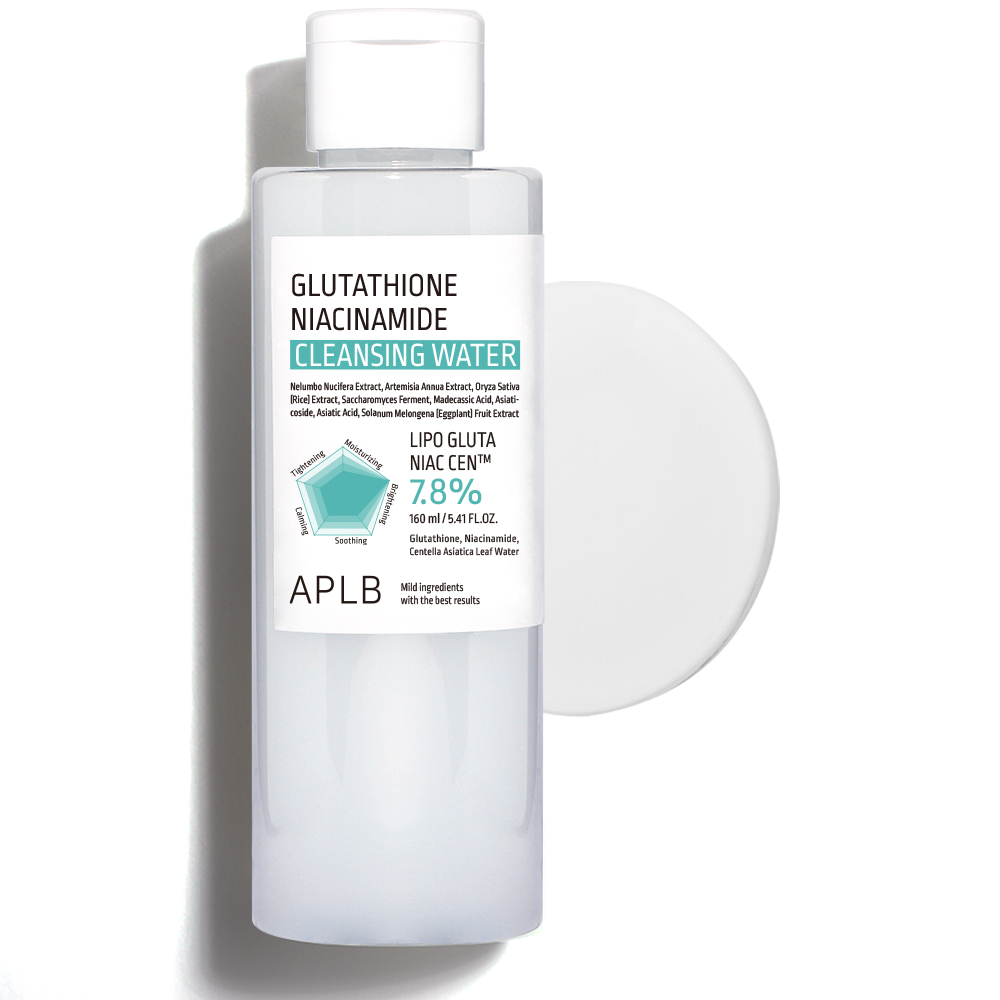
Glutathione Niacinamide Cleansing Water
APLB
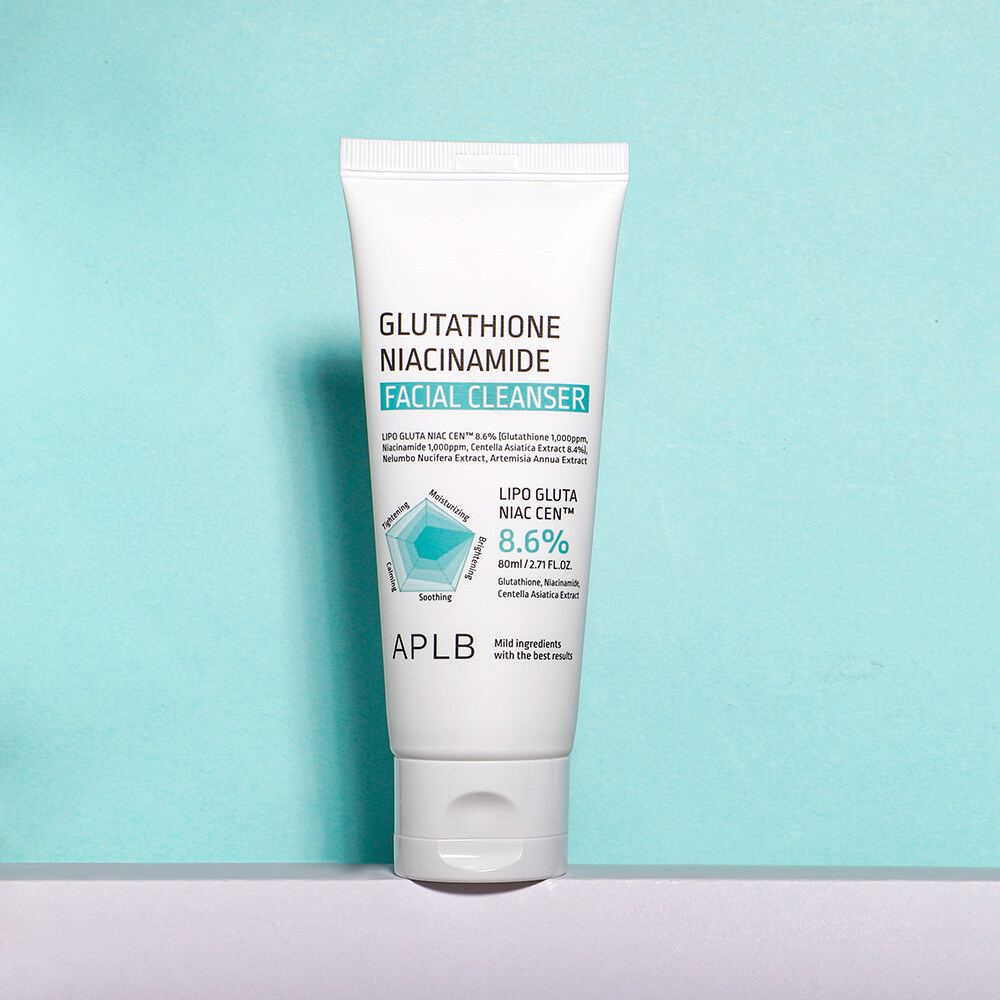
Glutathione Niacinamide Facial Cleanser
APLB
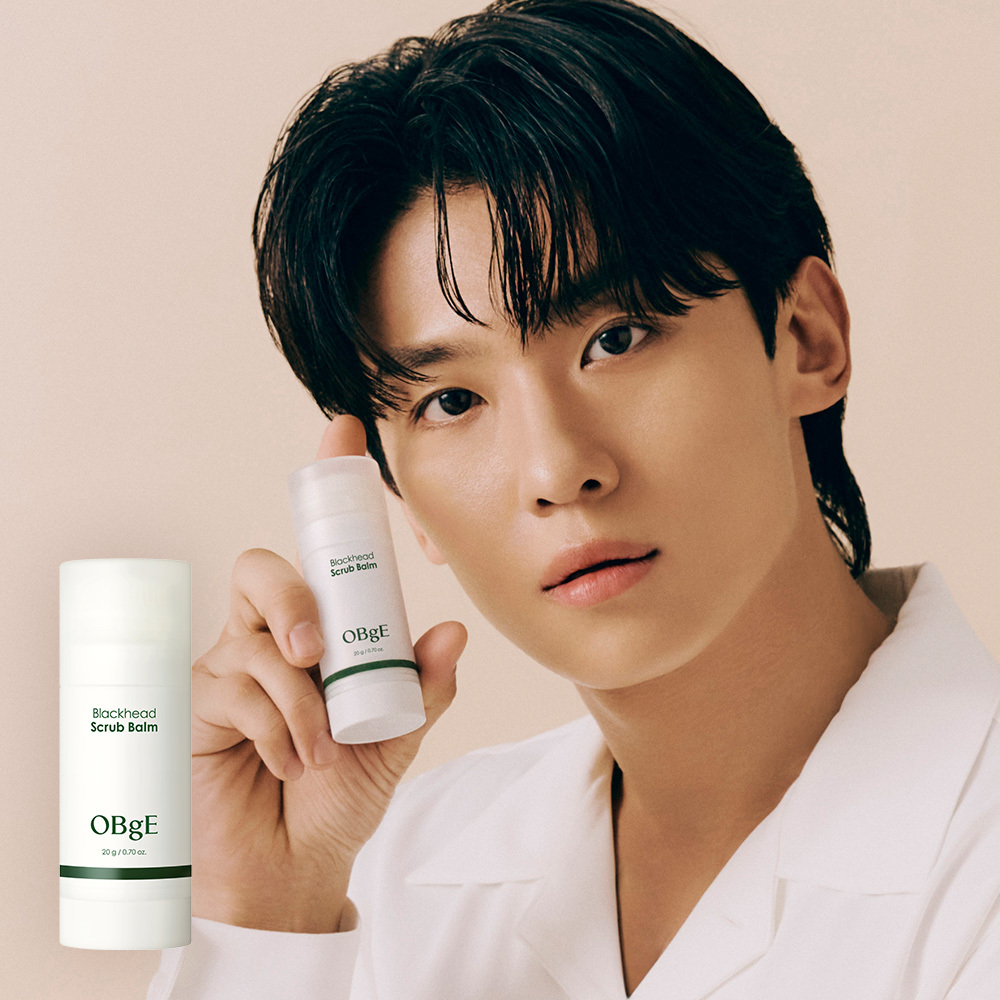
Blackhead Scrub Balm
OBgE
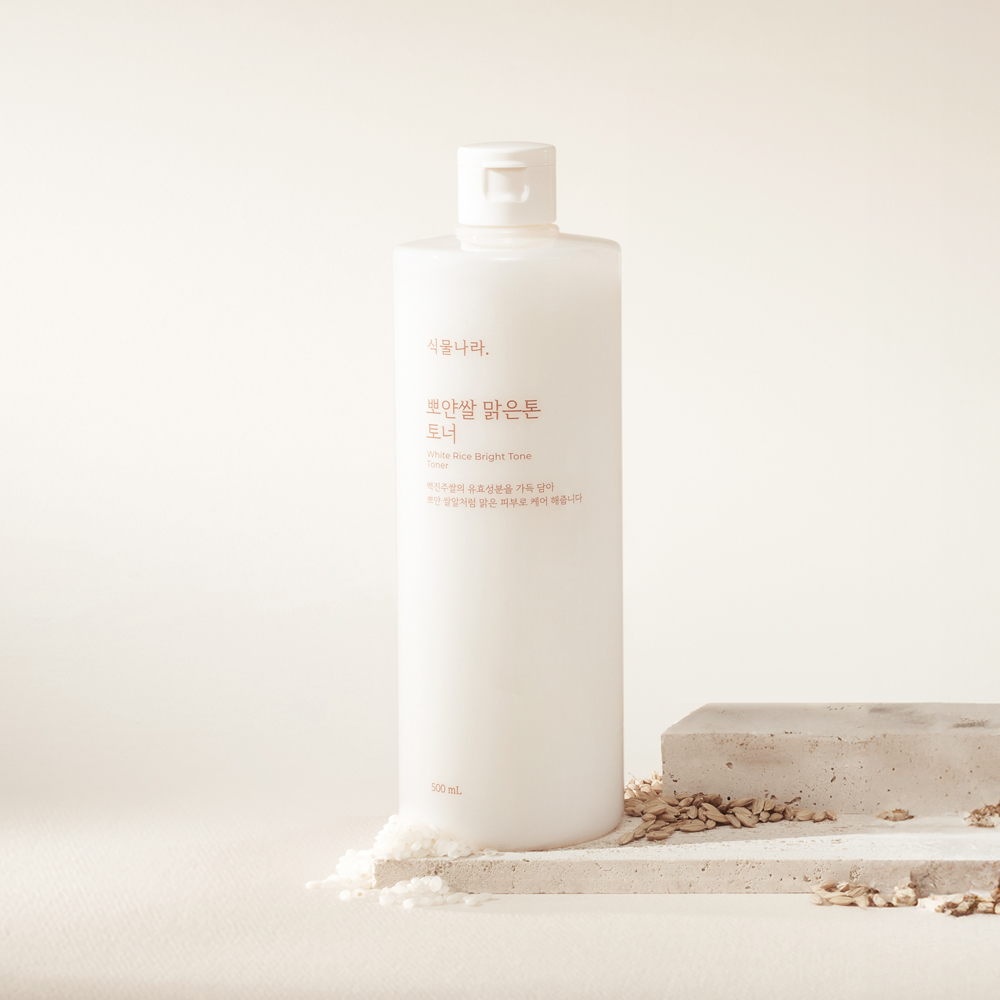
White Rice Bright Tone Toner
Shingmulnara
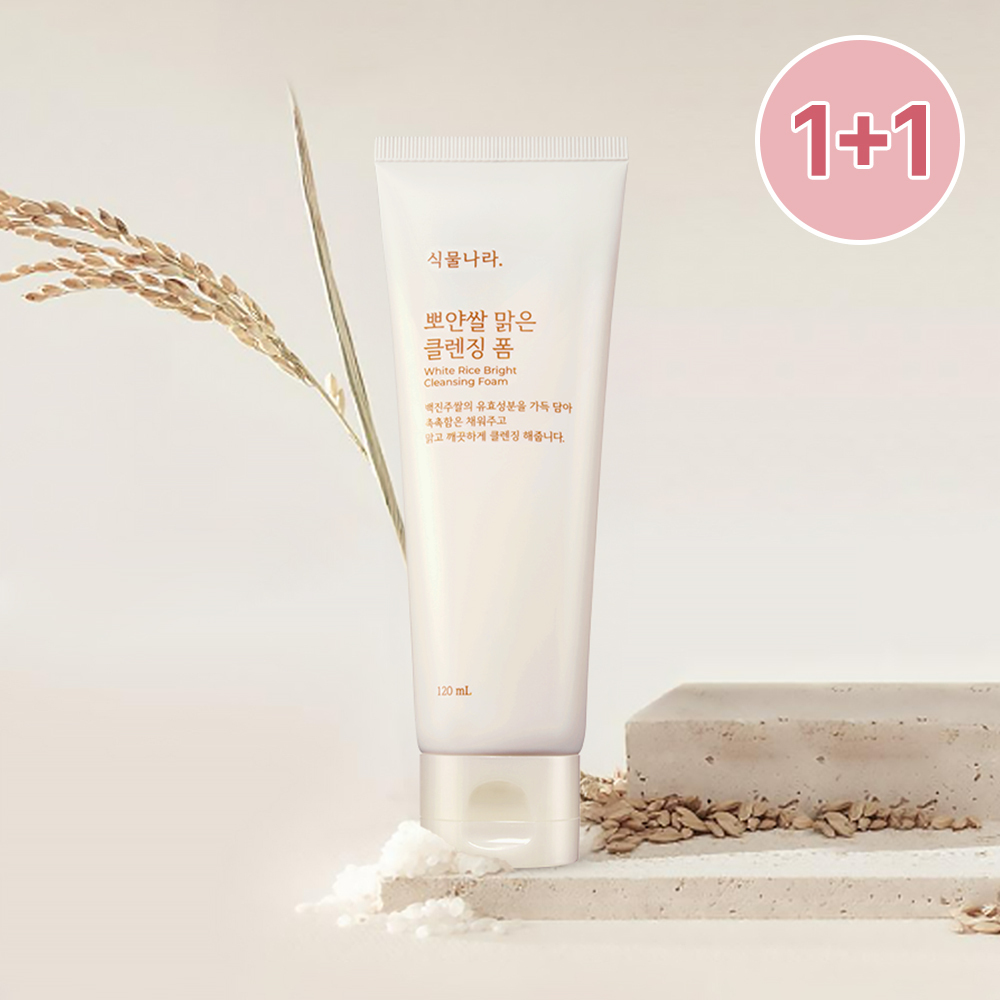
White Rice Bright Cleansing Foam
Shingmulnara
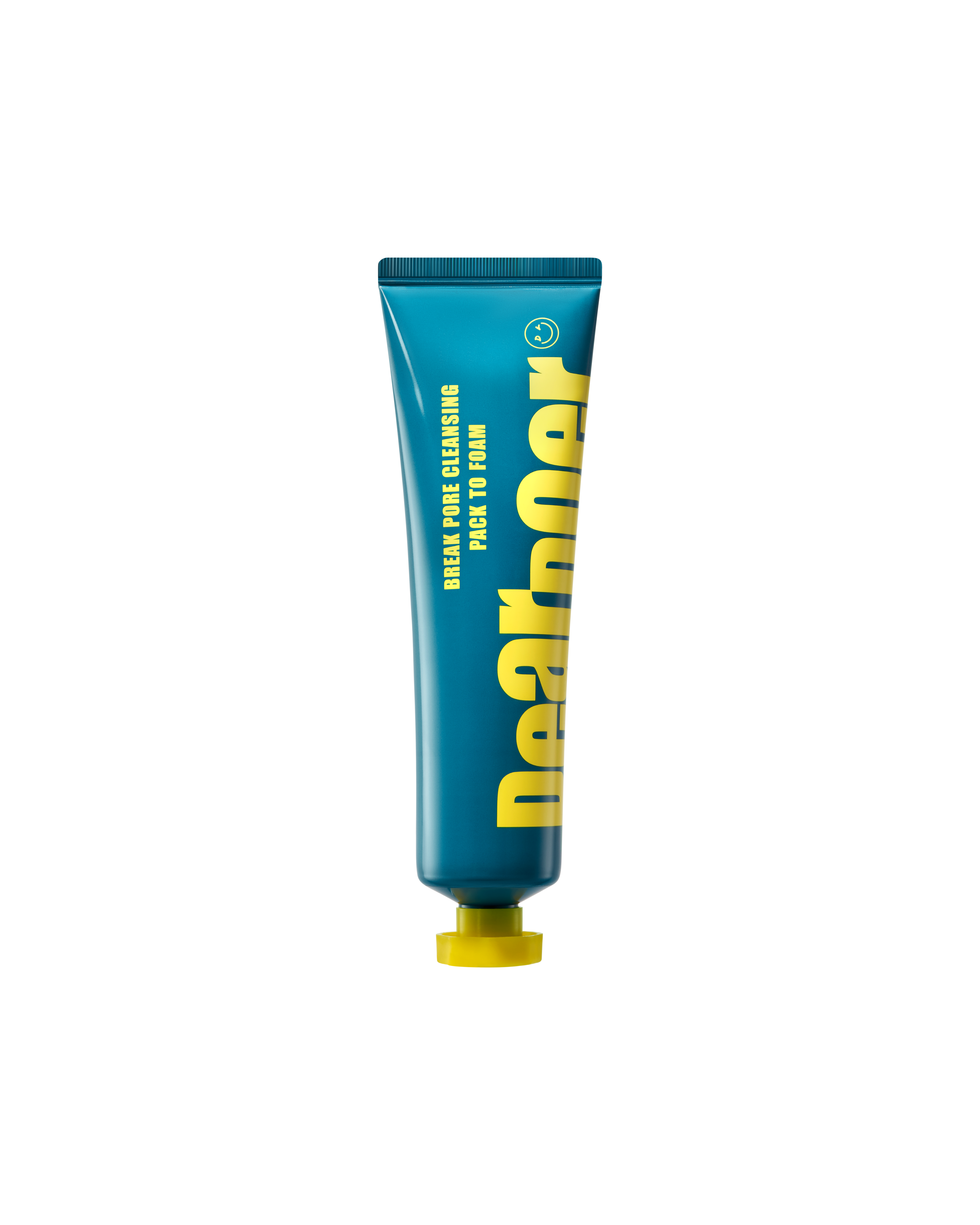
Break Pore Cleansing Pack To Foam
Dear Doer
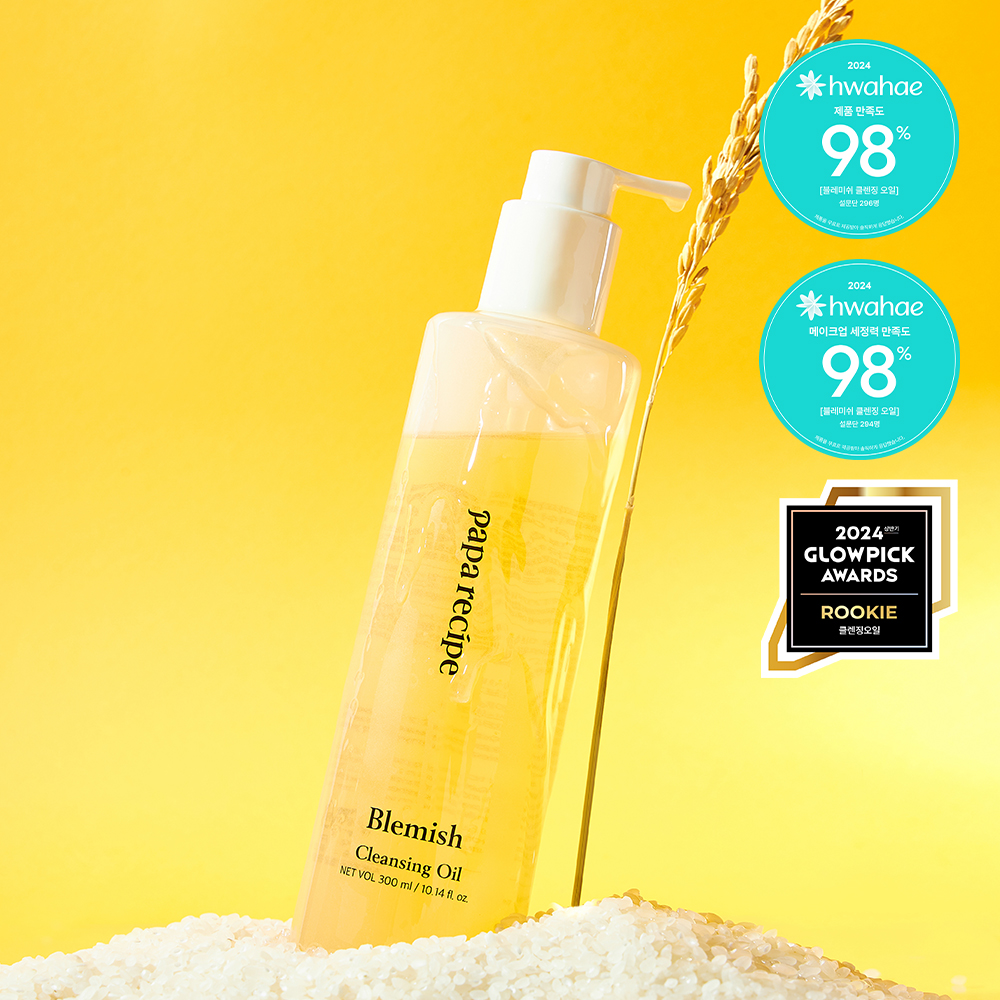
Blemish Cleansing Oil
Papa Recipe
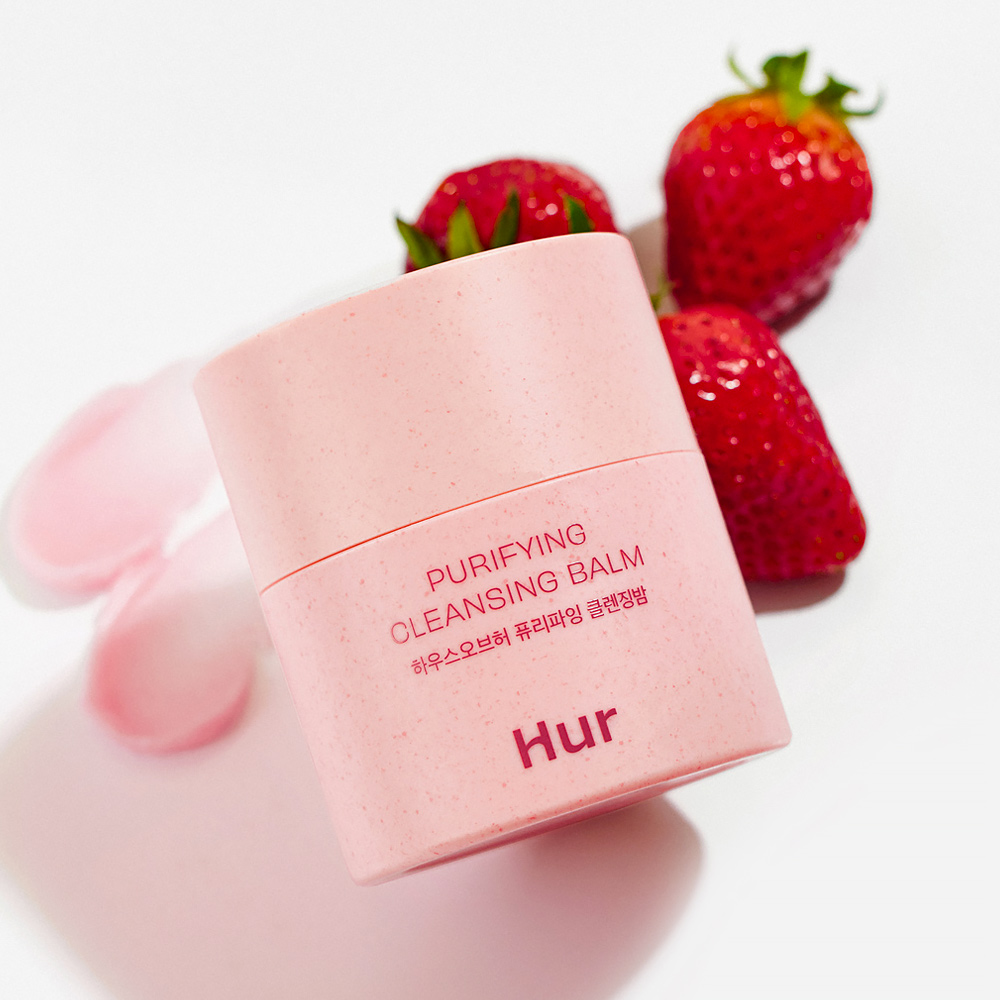
Purifying Cleansing Balm
House of Hur
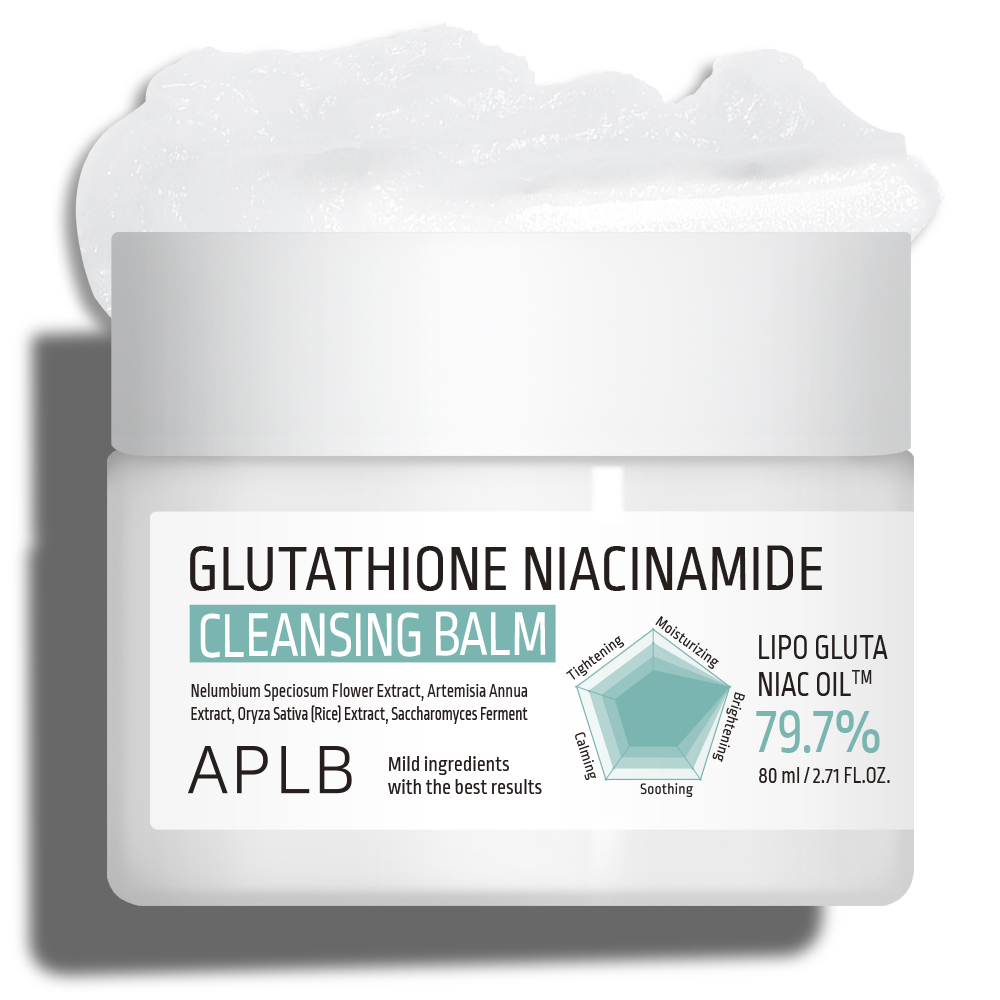
Glutathione Niacinamide Cleansing Balm
APLB
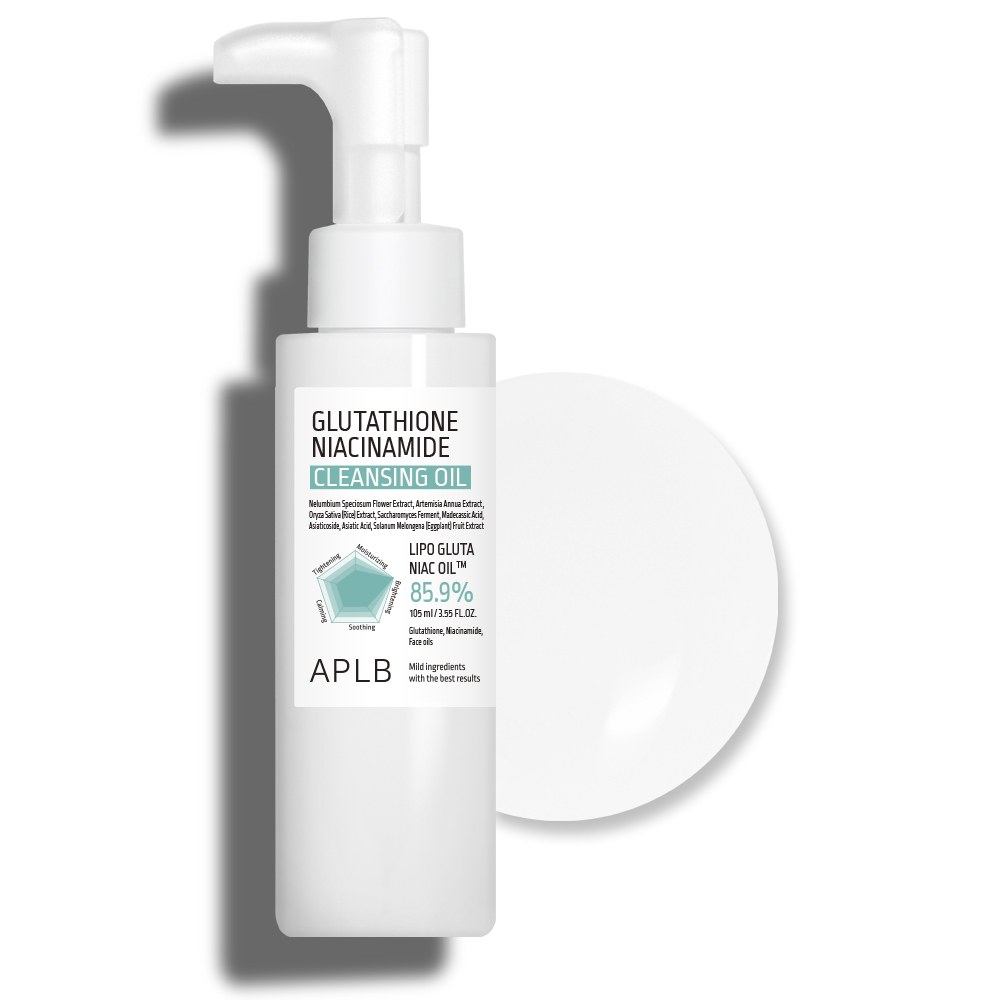
Glutathione Niacinamide Cleansing Oil
APLB
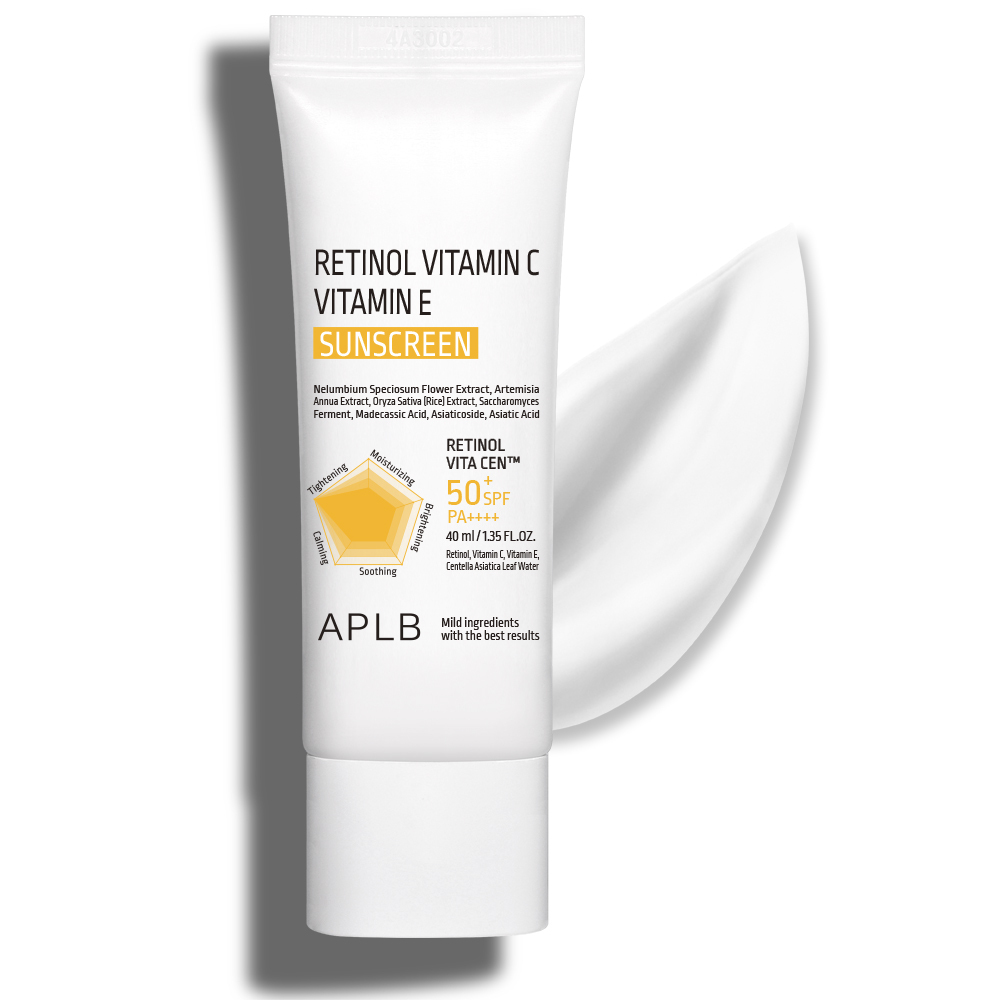
Retinol Vitamin C Vitamin E Sunscreen
APLB

Melanon X Ampoule Cleanser
Medi-Peel
Frequently Asked Questions
Can sea buckthorn actually brighten skin as well as vitamin C serums?▼
Is sea buckthorn safe during pregnancy?▼
Why do some sea buckthorn products smell slightly fishy?▼
Can I use sea buckthorn extract with retinol or AHAs?▼
Does the orange color of sea buckthorn stain skin?▼
Explore More
Want personalized ingredient advice?
Yuri, our AI beauty advisor, can tell you how Sea Buckthorn Fruit Extract works with your specific skin type, routine, and concerns.
Ask Yuri, free